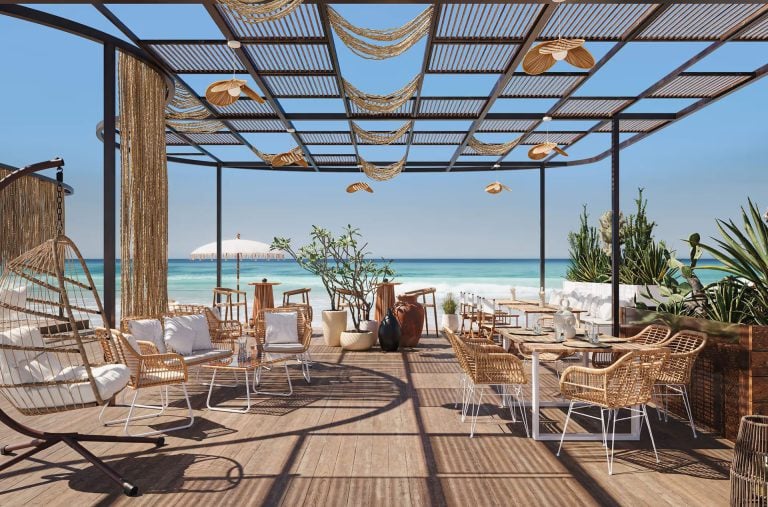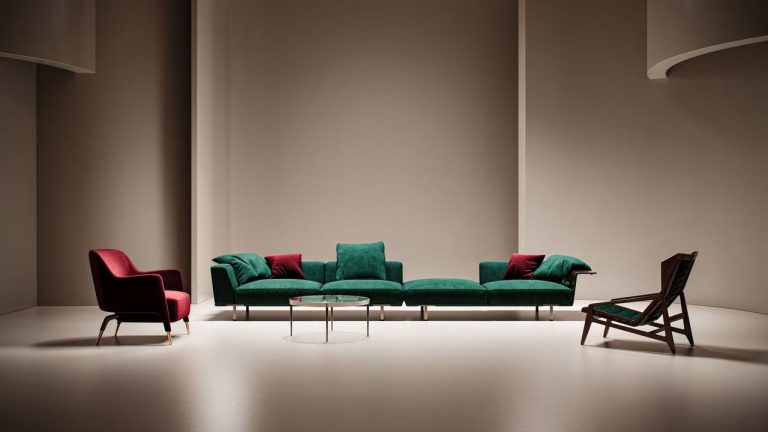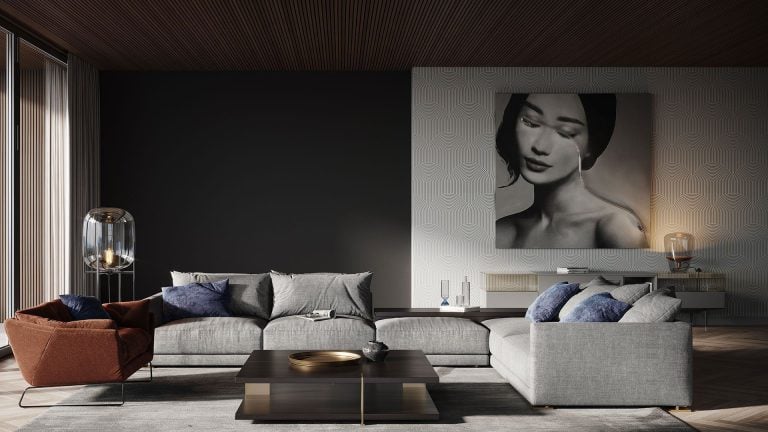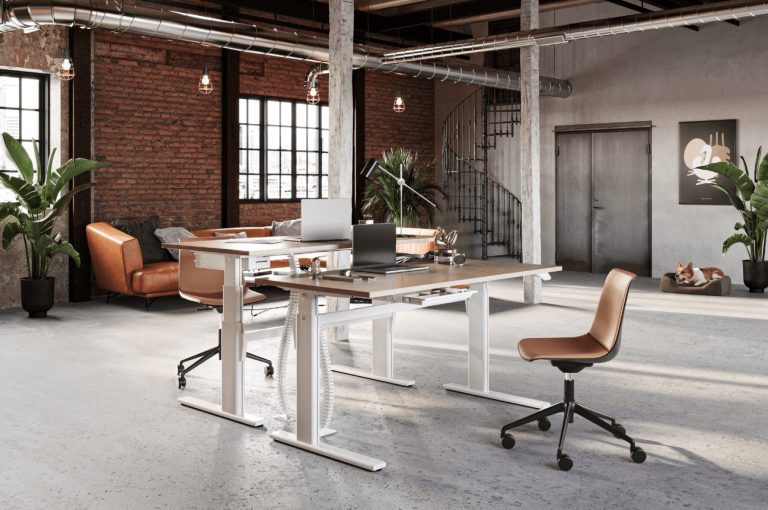
Furniture is one of the hardest product categories to sell online. The items are large, expensive, and deeply personal – nobody wants to spend $2,000 on a sofa they’ve only seen in a photo. The gap between what a customer can evaluate on a screen and what they need to know before committing is wider for furniture than for almost anything else sold through e-commerce.
3D visualization closes that gap. Using CGI software and photorealistic rendering techniques, furniture brands can create detailed digital representations of their products – images, animations, interactive views, AR experiences – without building a physical prototype or booking a photo studio. The visual quality has reached a point where most consumers can’t distinguish a well-executed 3D render from a professional photograph. And the business impact is measurable: according to a Shopify study, businesses using 3D visualization see a 5% reduction in return rates, because customers understand the product better before they buy.
This article by our 3D rendering company covers how 3D visualization is used across the furniture industry – from marketing and product development to customer experience and emerging technologies. For a deeper look at what 3D rendering is used for, we’ve written a separate guide.
1. The Role of CGI in the Furniture Industry
Traditional product photography has served the furniture industry for decades. It also comes with a long list of practical constraints: renting locations, staging products, hiring photographers, and repeating the entire process every time a product changes or a new campaign needs different visuals. For a brand with 200 SKUs, the cost and coordination involved in maintaining a current photo library is significant.
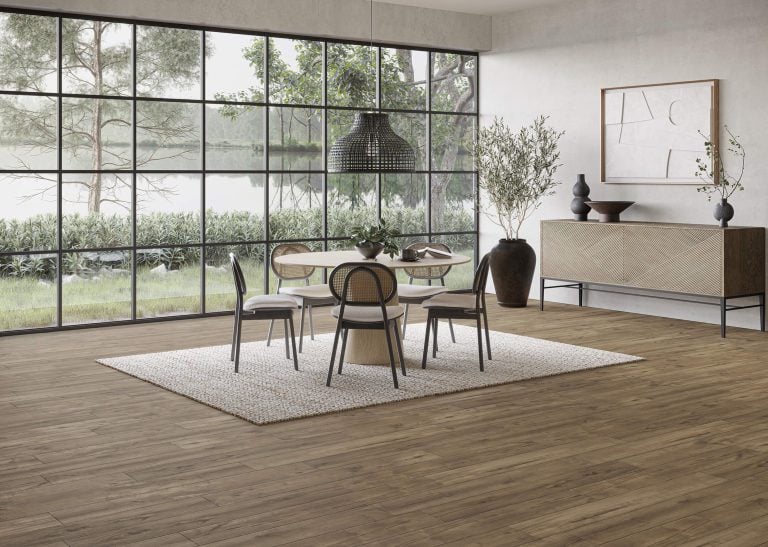
CGI offers a fundamentally different production model. A 3D model of a product is built once, and from that single digital asset, every visual the marketing team needs can be generated – clean silo shots, lifestyle room scenes, detail close-ups, animations, AR-ready models. Need the same sofa in five different fabrics? Change a material parameter and re-render. Need it placed in a Scandinavian apartment instead of a traditional living room? Swap the environment file. None of this requires a physical product or a camera. This is the approach behind our 3D product visualization services: one accurate model, every image a catalog needs.
The impact extends beyond efficiency. Virtual showrooms and interactive catalogs are turning online shopping into something closer to an in-store experience. Furniture design visualization tools let customers customize products in real time – choosing fabrics, finishes, and configurations and seeing the result update instantly. Instead of browsing a static grid of product photos, shoppers interact with the product itself.
On the e-commerce side, detailed 3D models and AR integration let customers virtually place furniture in their own rooms before purchasing. When a buyer can confirm that a bookshelf fits the wall space next to their window, or that a dining table doesn’t overwhelm a small kitchen, the purchase confidence goes up and the return rate goes down. That’s not speculation – it’s the pattern we see across every client who integrates these tools. Many furniture apps are built around exactly this kind of in-room preview.
How a Single Render Gets Made
Take a kitchen island shown in a full kitchen roomset. The artist first builds a grey-scale model from the drawings and references, sets a few camera angles and sends screenshots for approval. Next comes the grey-scale scene: counters, cupboards, a fridge and an oven around the island, also approved before any color is added. Then the artist sets up lighting (warm or cool, daylight or lamps, direct or soft), applies textures with the small imperfections and reflections real surfaces have, adds props like tableware and flowers, and renders. A retoucher finishes with color and brightness correction. Because each stage is approved before the next one starts, changes stay cheap. Every 3D furniture render we make goes through these same approved stages.
What Makes a Project Move Faster
- A complete brief: the image type (silo, lifestyle, 360, animation), props with dimensions and finishes, where the image will be used, the mood and lighting, room finishes, and the number of images with format and resolution.
- Any references you have: CAD drawings, sketches, smartphone photos, mood boards or a short video. More input means fewer questions.
- A simpler concept when time is short: a silo shot on white takes far less work than a styled room.
- One channel and a fixed review rhythm: drafts are checked as they come, not all at the end. We run this through our own client platform, where you upload files, see drafts and talk to your manager.
- Ready-made scenes and props from the studio library instead of building every room from scratch.
2. Benefits of Product CGI for the Furniture Industry

The business case for CGI in the furniture manufacturing industry comes down to five areas that each affect the bottom line differently.
Cost efficiency is the most immediate. Photography requires a new shoot for every product variation, every setting, every seasonal campaign. CGI requires one 3D model, and every additional image generated from it costs a fraction of what a new photoshoot would. For brands with large catalogs, the savings compound quickly – especially when factoring in the logistics of shipping products to studios, staging sets, and post-production retouching. That difference is the core economics of CGI furniture photography.
Customization and personalization become practical at scale. A product configurator powered by 3D models lets customers try every available color, material, and size option and see the result in real time. Without CGI, showing all of those variations means photographing every single combination – which for a sofa available in 12 fabrics and 4 leg finishes would mean 48 separate shoots.
Product development accelerates because designers can visualize and iterate on products digitally before anything goes into production. Rapid prototyping in 3D software catches design issues early, when changes are cheap, rather than late, when tooling has already been committed. Digital twins in product development take this further by creating precise digital replicas that can be tested and refined throughout the product lifecycle. Renders made before production also make a furniture pre-order strategy possible, since buyers can see a piece before it is built.
The sustainability angle is straightforward. Every physical prototype not built, every photoshoot not staged, every product sample not shipped is waste avoided. For brands that take environmental impact seriously (and whose customers do), reducing reliance on physical production for marketing purposes is a genuine improvement.
Global reach becomes possible without physical inventory in every market. A furniture brand can produce localized visual content for different regions – different room styles, different aesthetic preferences, different marketing channels – from the same set of 3D models, without shipping a single product across a border. A seasonal catalog or a furniture lookbook for each region can be built from those same models.
For a real-world example of how these benefits play out, see our 3D visualization project for Home&We.
3. 3D Visualization and Customer Experience
The CGI advantage in customer experience comes down to one thing: giving shoppers more information in more useful formats.
Interactive 3D viewers let customers rotate a product, zoom into material details, and examine construction quality from angles that traditional photography doesn’t cover. This shifts the browsing experience from passive (looking at pre-selected images) to active (exploring the product on their own terms). That sense of control directly correlates with longer session times and higher engagement.
AR takes the information further by placing it in context. When a customer can see a rendered sofa sitting in their actual living room – at accurate scale, in the finish they’re considering – the abstract “will this work?” question gets a concrete answer. That’s the single most effective way to reduce the uncertainty that causes both abandoned carts and post-delivery returns. We cover the wider picture in our guide to augmented reality in the furniture industry.
High-quality 3D image rendering also builds confidence through accuracy. When the product that arrives matches what the customer saw on screen, satisfaction goes up and returns go down. The precision of CGI – where every dimension, material texture, and color is controlled to specification – makes that consistency possible in a way that photography, with its variable lighting and color calibration challenges, often can’t.
Visuals That Prove Quality Online
- Close-ups of wood grain, carving, marble veining, stitching and joints. This is where buyers judge craftsmanship, and no shoot is needed to get them. They matter most in 3D rendering for luxury furniture, where materials and finish justify the price.
- The back and sides. In a showroom a sofa often stands against a wall, so its back stays unseen. Renders can show the finished back panel and the same fabric all around.
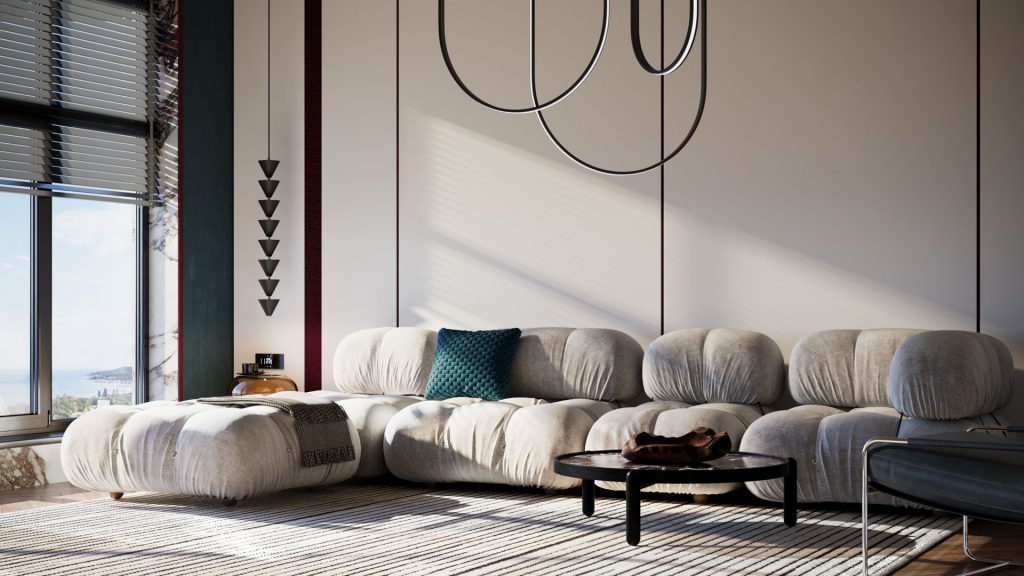
- Modular configurations placed in several rooms, plus a short animation of the pieces being rearranged, so one product reads as several layouts.
- Component images that pull the piece apart to show the frame, springs and foam layers under the upholstery. They are made from the 3D model, so nobody has to take a real sample apart.
4. Future Trends of CGI in the Furniture Industry
The technology behind 3D visualization continues to evolve, and several developments are already changing what’s practical for furniture brands. They sit alongside the wider furniture ecommerce trends shaping how people shop for furniture online.
AR and VR integration is the most visible shift. AR product placement is already standard on major e-commerce platforms – customers expect to be able to preview furniture in their own space. VR is following a parallel track through virtual showrooms where customers can walk through styled environments and interact with individual pieces. As mixed reality headsets become more affordable (Meta’s Quest 4 is at $399, Apple’s Vision Pro 2 at $2,499), the install base for immersive shopping experiences is growing steadily.
AI is accelerating the production pipeline itself. Tasks that used to require hours of manual work from a 3D artist – generating scene layouts, optimizing lighting setups, producing style variations – are increasingly assisted by machine learning tools. This doesn’t replace the artist, but it compresses timelines and makes high-volume visual production accessible to brands that couldn’t previously afford it.
Real-time rendering engines are closing the gap between “pre-rendered image” and “live interactive experience.” Customers can already change colors, materials, and configurations on a 3D model and see the result update instantly. As the rendering quality of these real-time tools approaches the photorealism of offline renders, the line between a product image and a product experience will continue to blur.
3D printing integration represents a longer-term convergence. The same digital models used for visualization could eventually feed directly into manufacturing, allowing customers to customize furniture online and have it produced to their exact specifications. The technology isn’t mainstream yet, but the digital infrastructure being built now – detailed, accurate 3D models of every product – is what will make it practical when it arrives.
5. Case Studies and Examples
Real projects tell the story better than theory. Here are three examples from our portfolio.
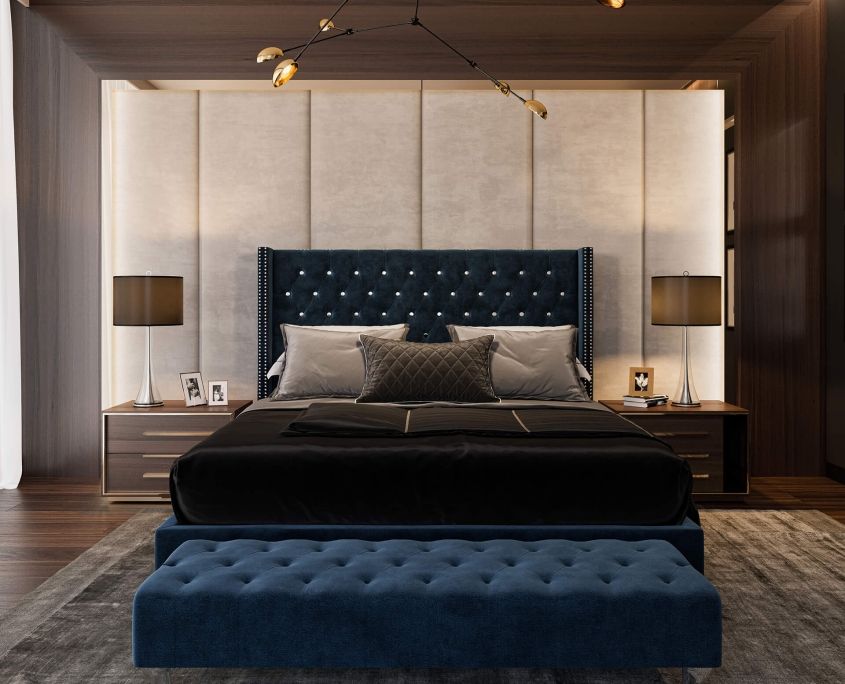
Comfy Sleeps Home (CSH) is a UK-based manufacturer of handcrafted luxury beds – sleigh beds, winged beds, mirrored beds, TV beds, along with mattresses and sofas. They sell direct from the manufacturer, which means their marketing visuals are the only way most customers experience the product before buying. Our team created detailed 3D models of their bed collection and placed them in elegant, high-end interior scenes designed to appeal to their target audience. One bed featured a motorized TV screen that slides up from the headboard – a feature that’s difficult to communicate in a static photo. We produced a 7-second 3D animation demonstrating it, formatted for both Shopify (square) and social media reels (vertical). The vertical version hit 20 million views on TikTok.
For more examples, see our work on upholstered furniture 3D visualization for Living Style and 3D furniture rendering for Excelligence.
Larger companies have followed the same logic at greater scale. IKEA uses CGI to produce realistic, customizable room settings for their online catalogs – scaling product visualization globally without the cost of repeated photoshoots in every market. Wayfair’s 3D visualization tools let shoppers view products from any angle and in different configurations, which has contributed to higher customer confidence and lower return rates. In both cases, the investment in CGI infrastructure paid back through operational efficiency and measurably better e-commerce performance. If you are still deciding where to sell furniture online, the same 3D assets work across marketplaces and your own store.
6. Challenges and Considerations
CGI delivers significant long-term value, but the path to getting there involves practical hurdles worth understanding upfront.
The initial investment is real. Software licenses, hardware capable of rendering complex scenes, and either hiring skilled 3D artists or partnering with a CGI studio all carry upfront costs. For companies comparing this to the cost of a single photoshoot, CGI looks expensive. Compare it to the cost of a year’s worth of photoshoots across a full product catalog, and the economics shift significantly.
The skill requirement is the other barrier. High-quality 3D visualization isn’t something a marketing team picks up in a weekend. It requires trained professionals who understand modeling, texturing, lighting, and rendering at a professional level. For most furniture brands, partnering with a specialized studio is more practical than building an in-house team from scratch – and it sidesteps the challenge of recruiting in a field where experienced talent is in high demand. That is how our 3D furniture rendering services work: one team handles modeling, lighting, rendering and retouching.
Technology moves fast in this space, which is both an opportunity and a pressure. New tools, rendering engines, and integration capabilities appear regularly. Staying current ensures your visual content remains competitive. Falling behind means your product presentation starts looking dated compared to competitors who’ve adopted newer approaches. Working with a studio that invests in staying current transfers that burden away from your internal team. Furniture trade shows are a good place to see which of these tools other brands already use.
The benefits of 3D product visualization outweigh these challenges for any furniture brand operating at scale – but going in with realistic expectations about timeline, investment, and skill requirements makes the adoption smoother.
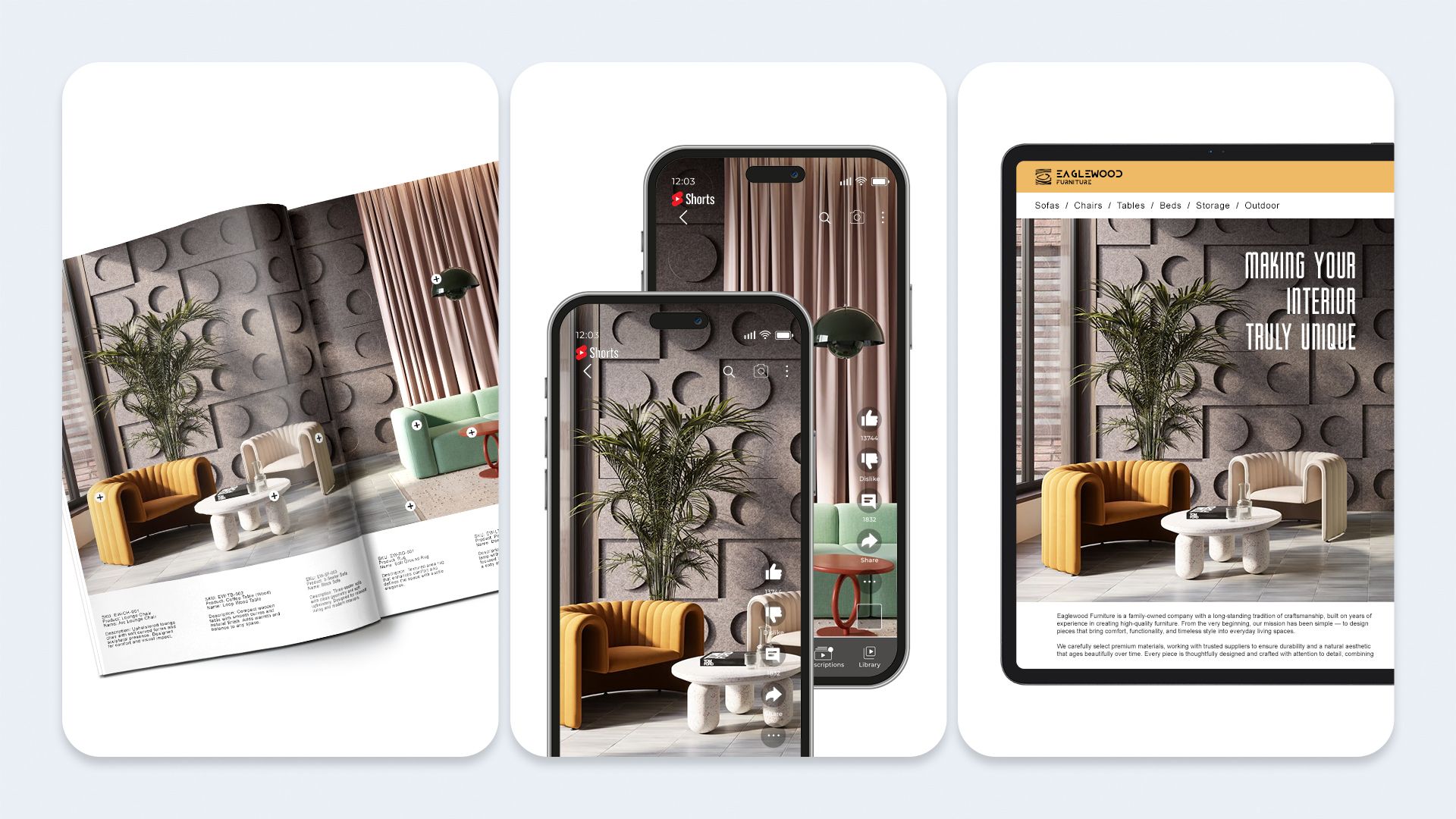
Ready to get results like these? Explore our furniture CGI projects.
See more3D visualization has become a core part of how the furniture industry produces marketing content, develops products, and serves customers online. The technology reduces costs, accelerates timelines, and creates shopping experiences that static photography can’t match. As AR, VR, AI, and real-time rendering continue to mature, the gap between brands that invest in CGI infrastructure and those that don’t will only widen.
Explore our 3D rendering services to see how product CGI can work for your furniture business.