3D Rendering for Home Decor Brands
We render your pieces into finished interiors, seasonal or campaign specific, from one 3D model per product, instead of another studio day.
Trusted by Leading Product Brands














What we render
Every category on your shelf
Small products photograph badly and style slowly. Rendered, they scale.
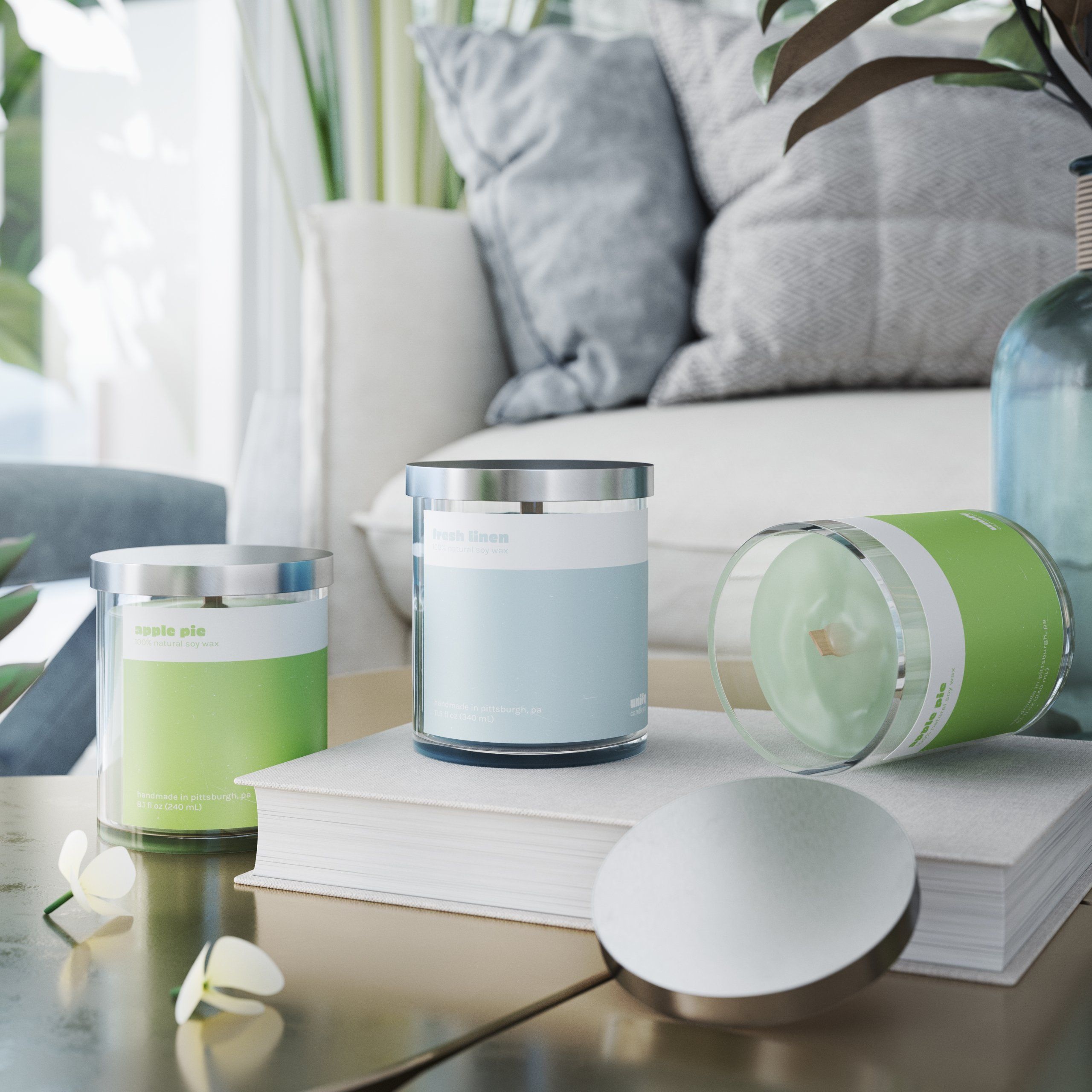
Vases, candles & tabletop
Glass, ceramic and wax rendered with the translucency and surface behaviour that make small objects believable at the size a shopper zooms to.

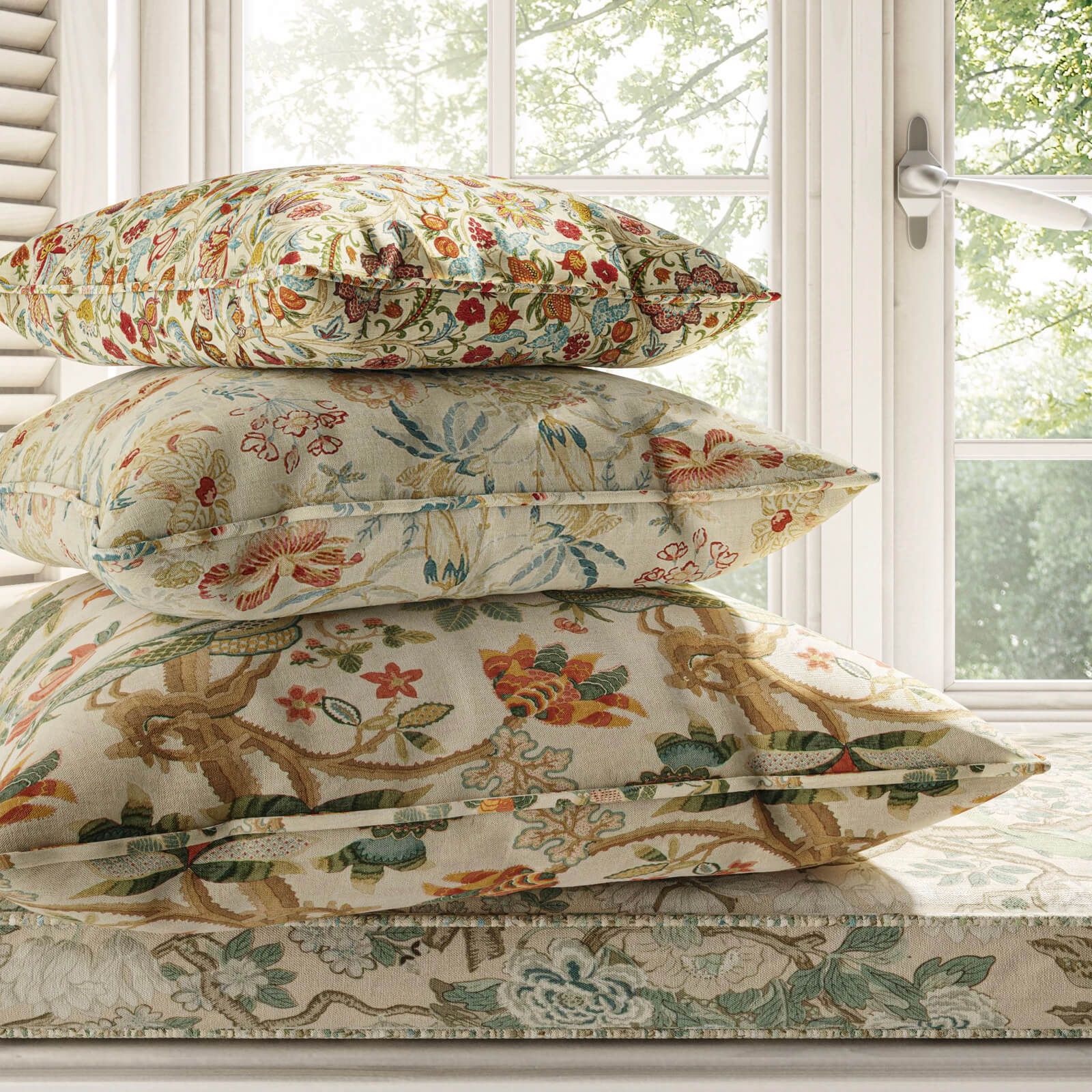
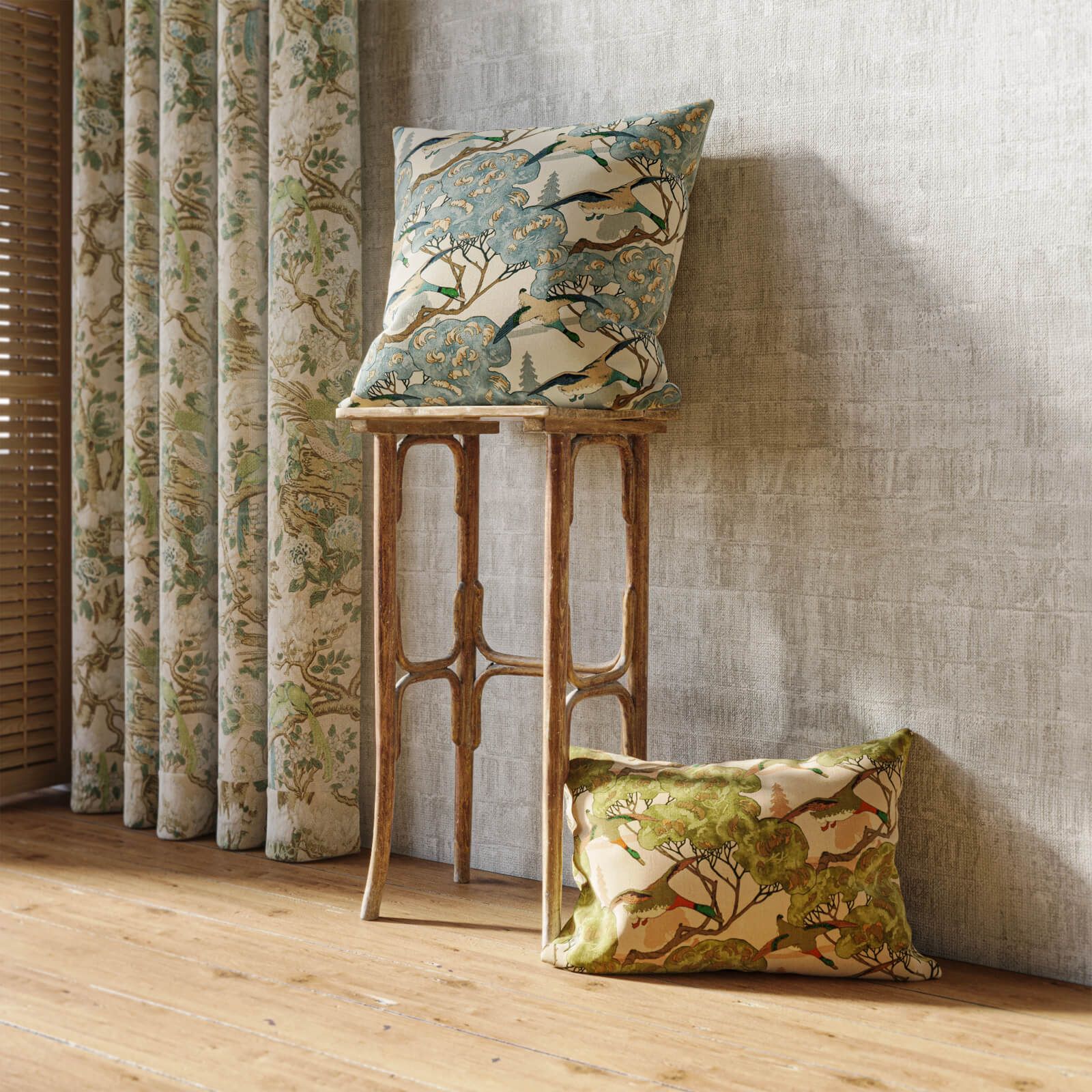
Cushions, throws & textiles
Weave, pile and drape simulated rather than faked, so a cushion reads as fabric and not as a rendered box, in every colourway you sell.

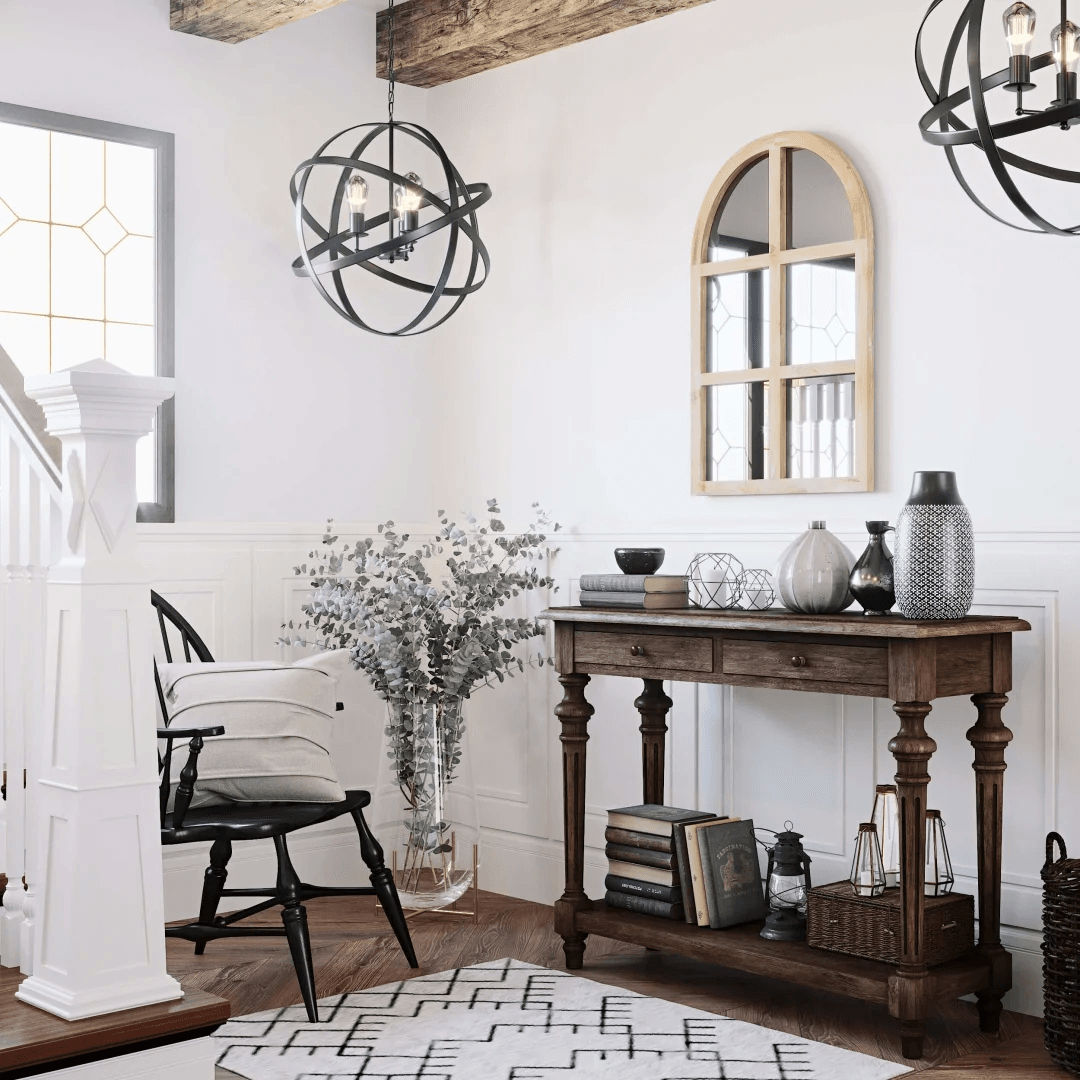
Art, mirrors & wall decor
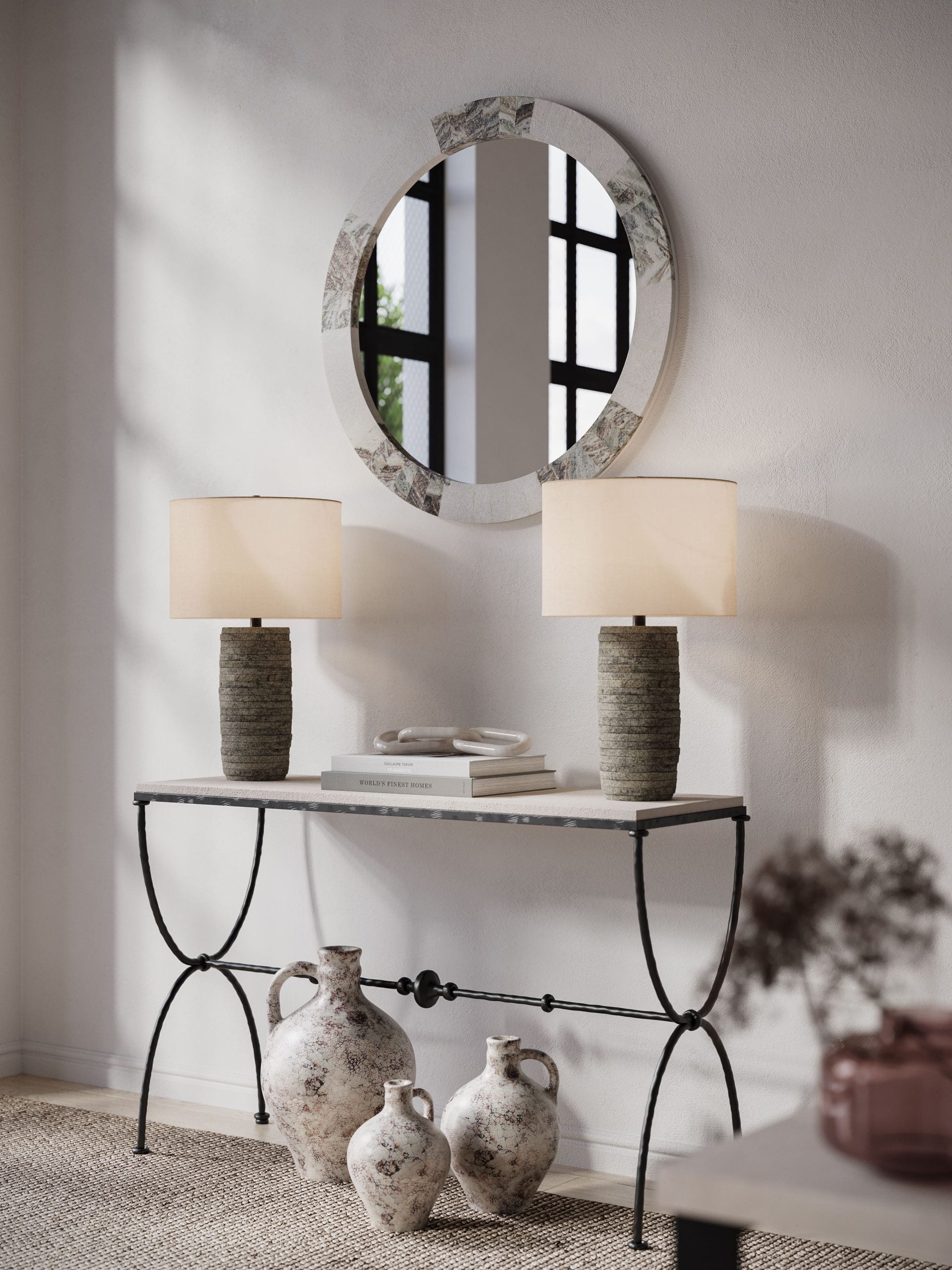
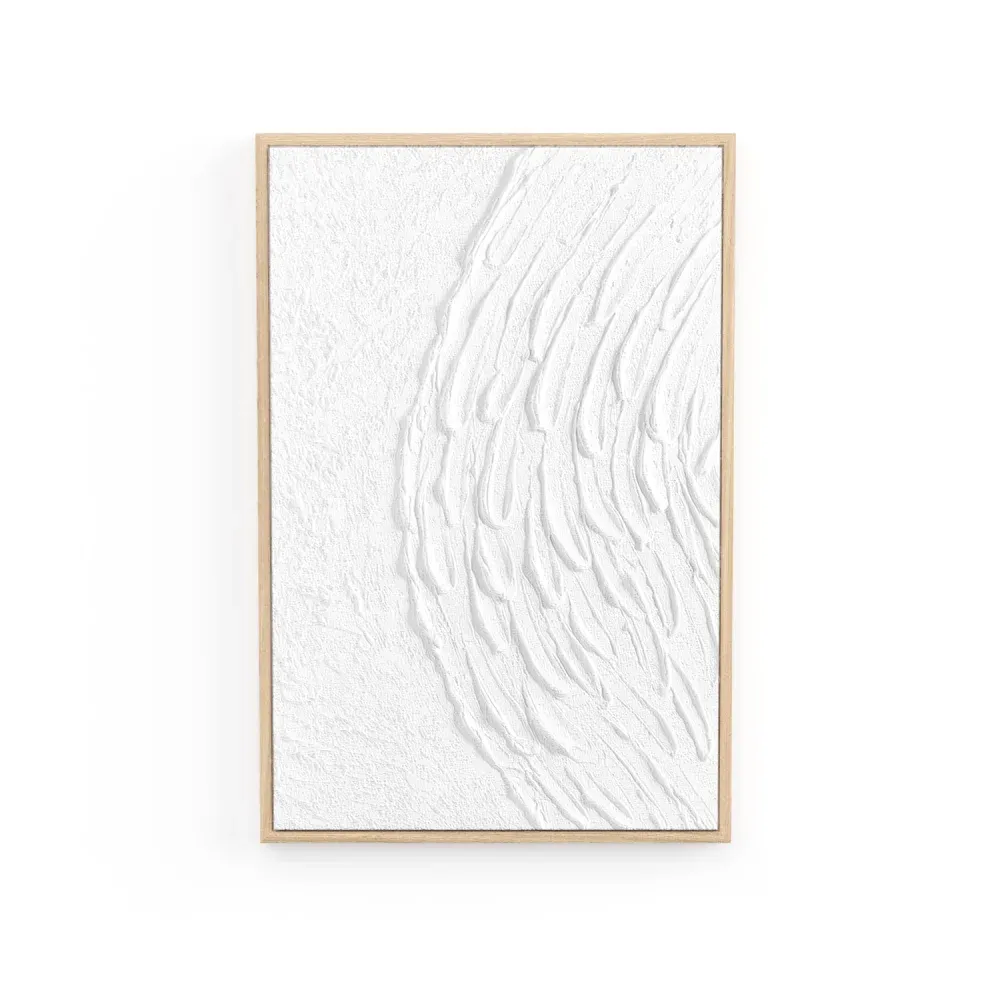
Framed pieces and mirrors staged on real walls, with reflections that behave and a scale a buyer can judge against the furniture around them.
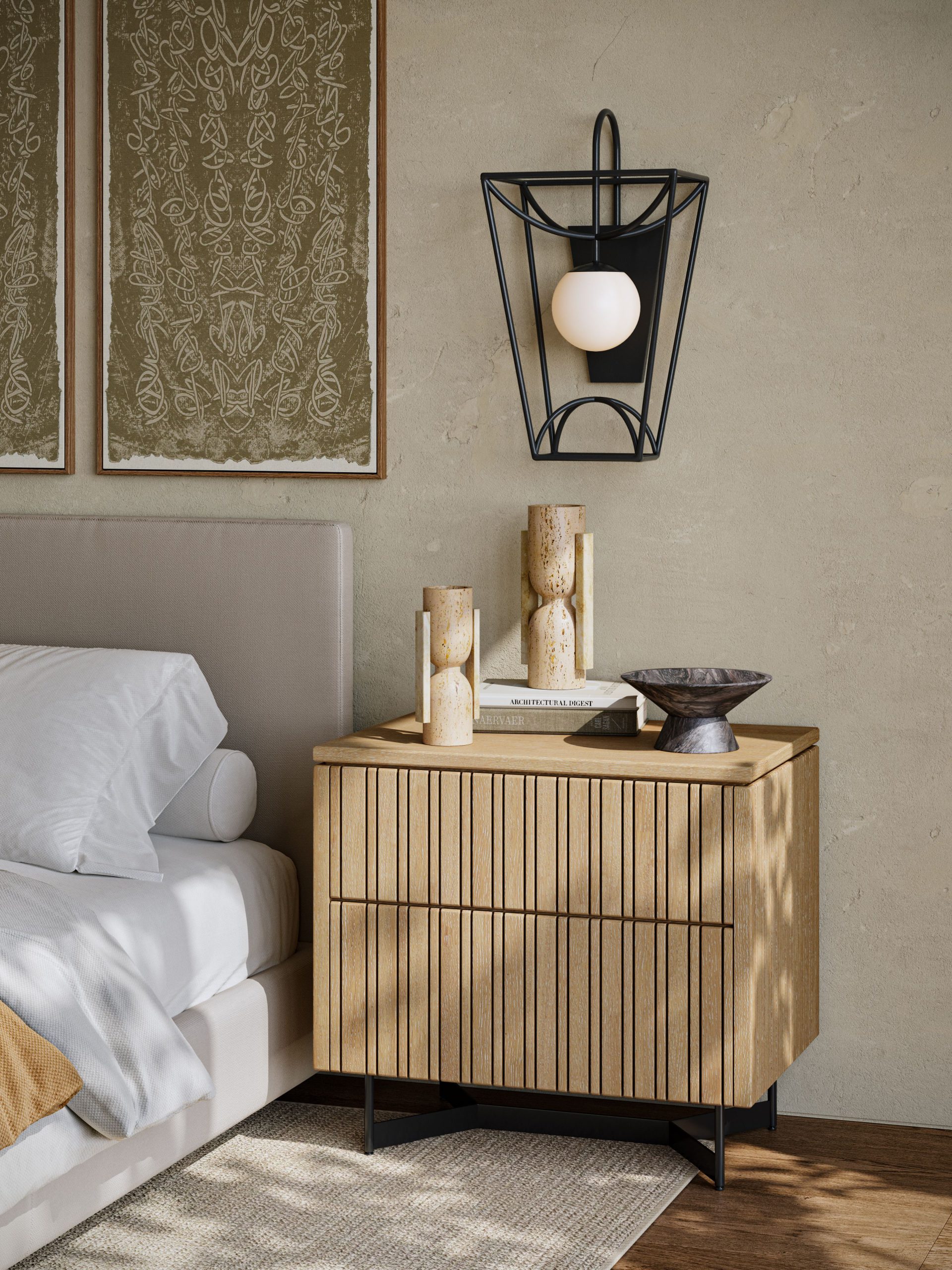
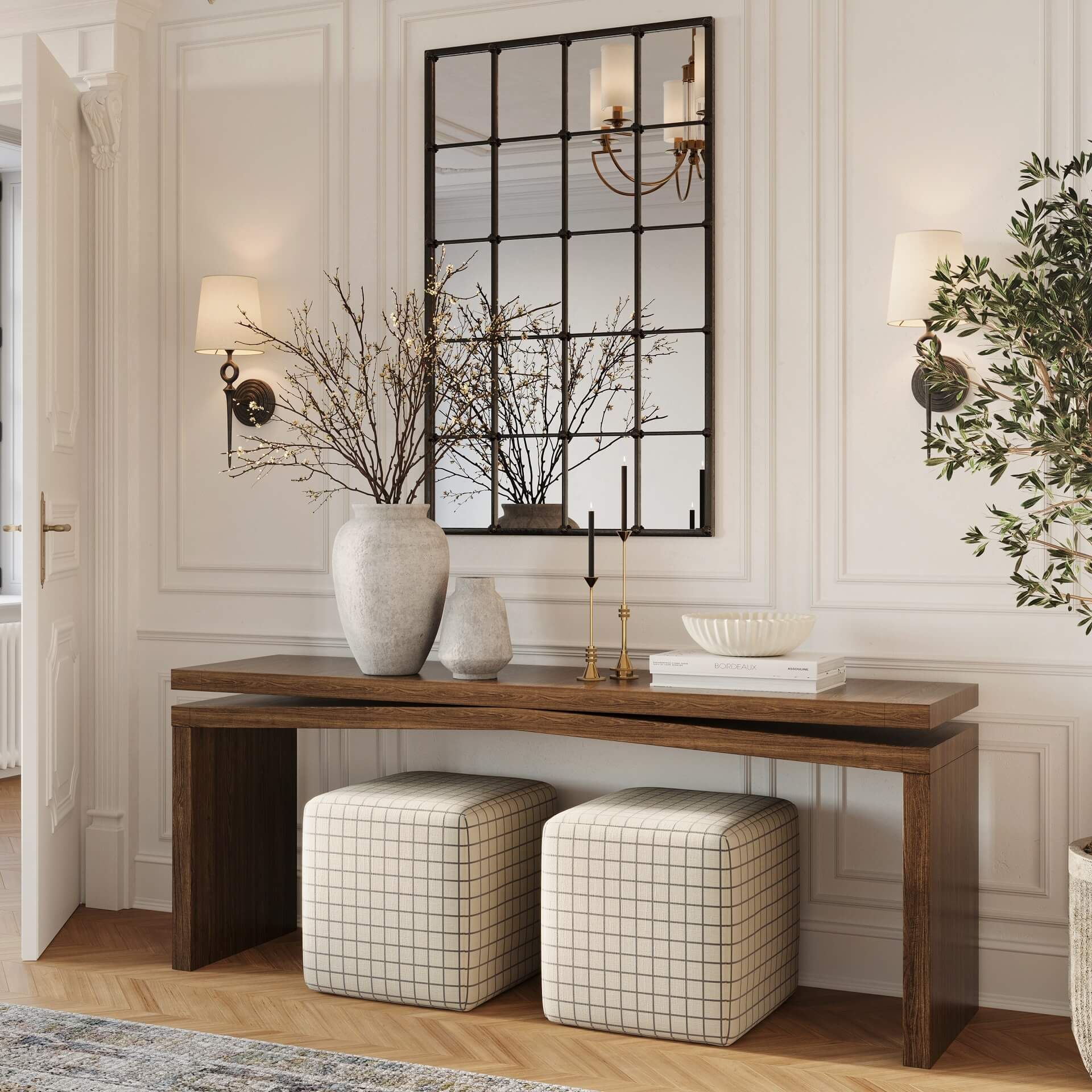
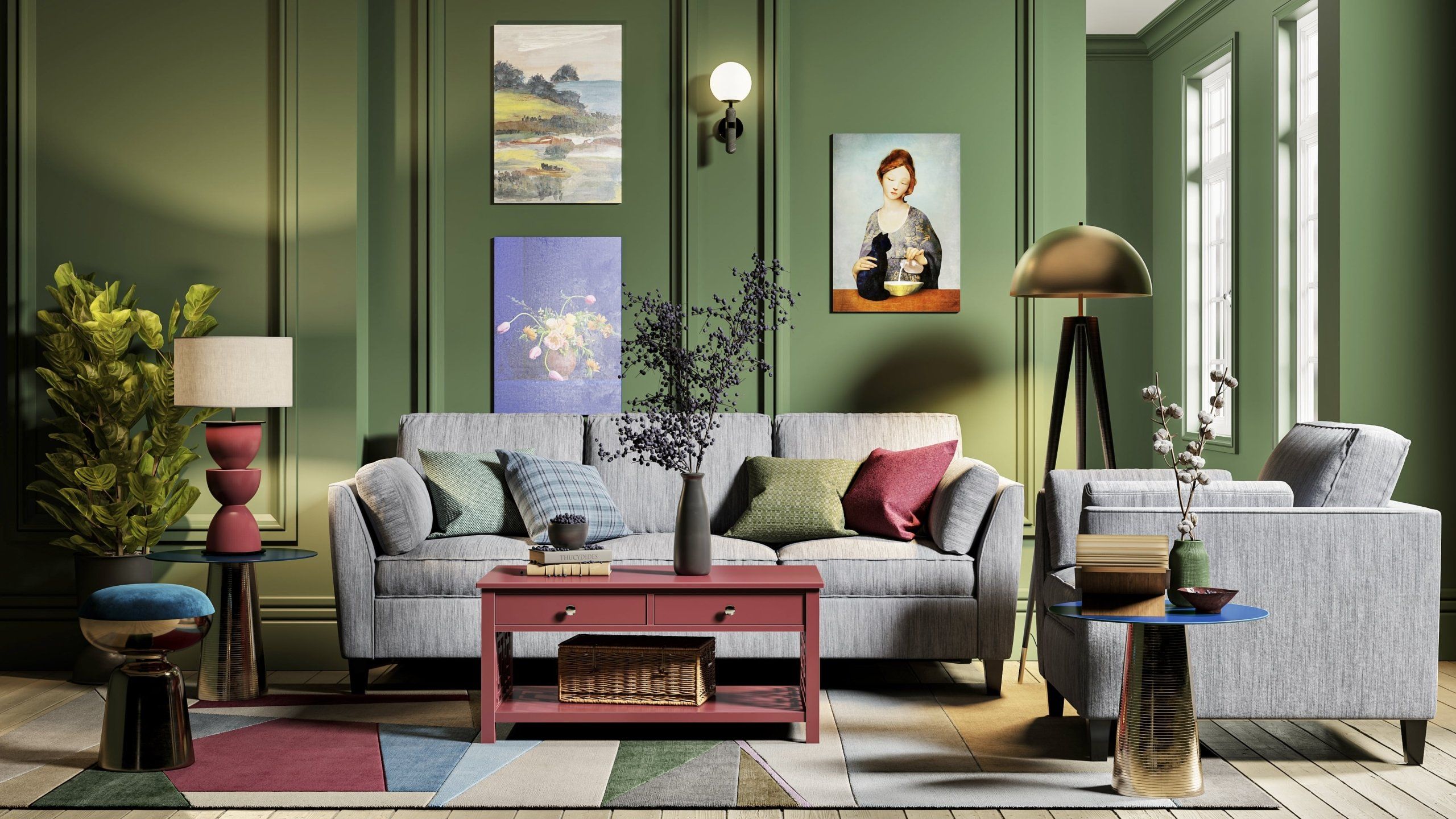
Styled vignettes & collections
Multiple SKUs staged together the way a lookbook or a seasonal campaign presents them, from the same approved models as the product shots.



Featured case
A home range styled without a studio

Better Bona
Better Bona needed lifestyle imagery for home products across a catalog that keeps growing. We modeled the products once and built interior sets around them, so each new SKU drops into an approved scene instead of a shoot, and the same scenes carry the seasonal restyling.
Decor work in practice
Home Decor CGI in Practice
The brief, the deliverable and where the imagery went.
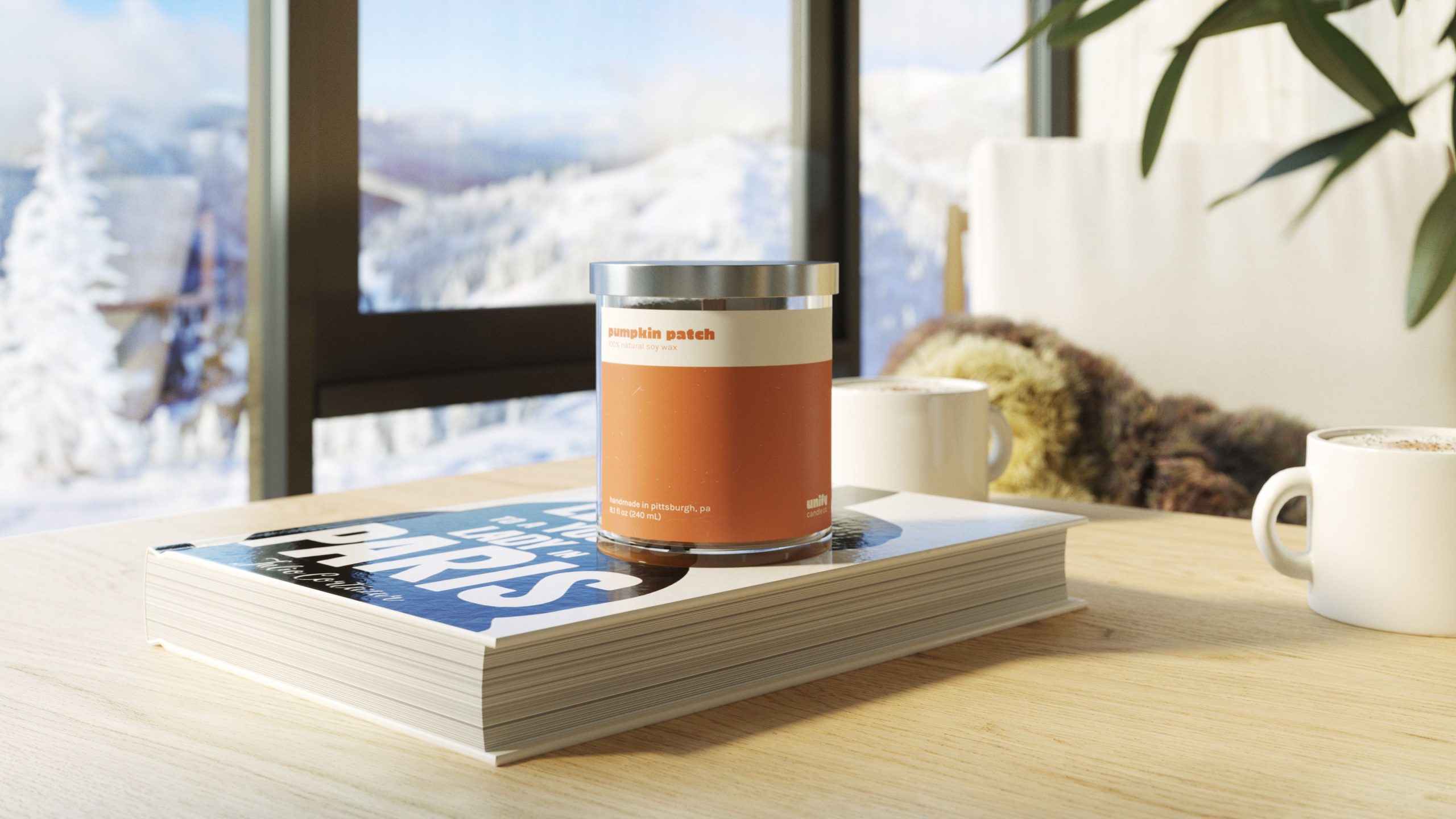
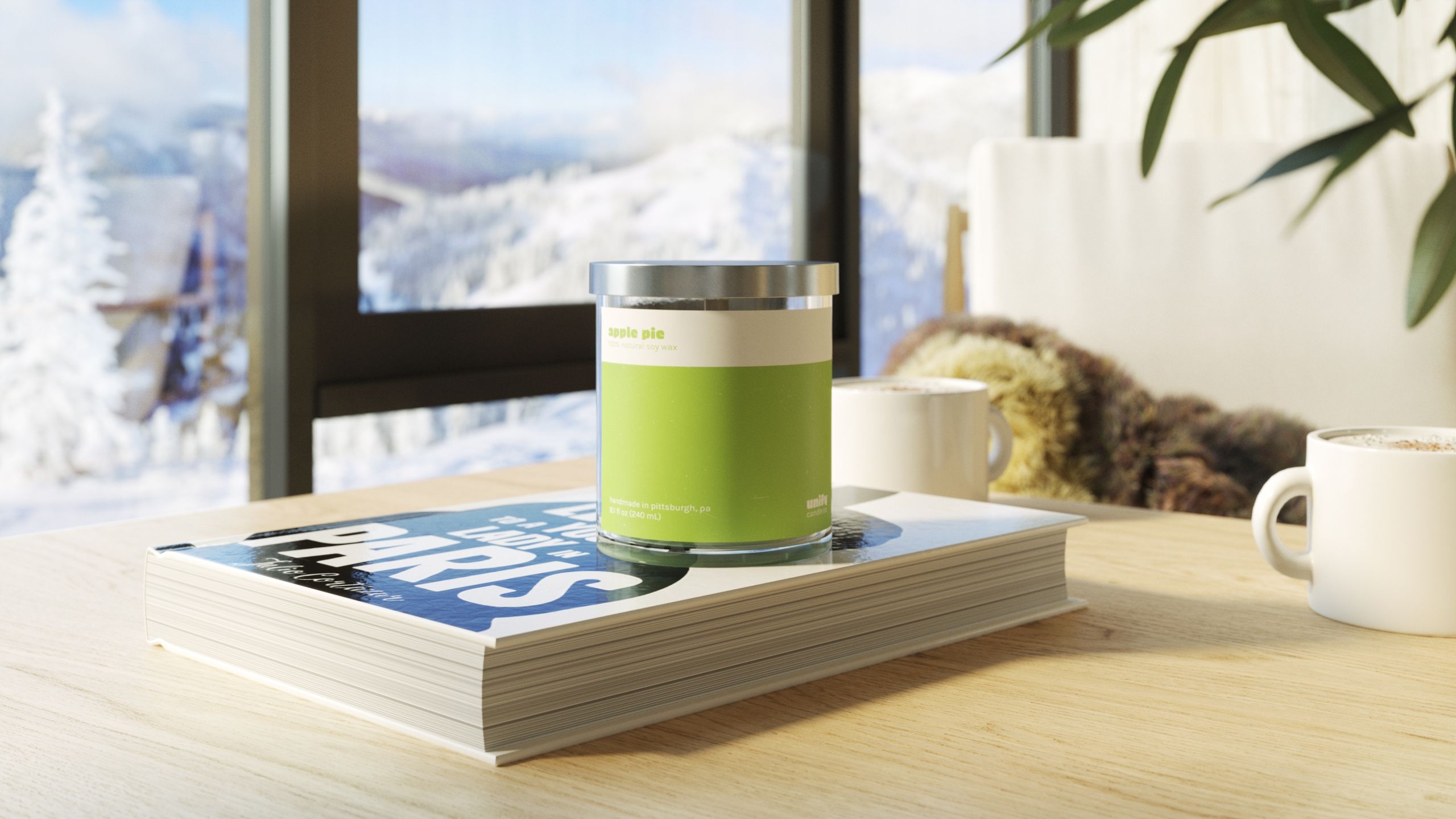
Unify, Candle Range Imagery
Candles rendered with real wax translucency and flame behavior, both as clean product shots and styled on surfaces for the brand pages.
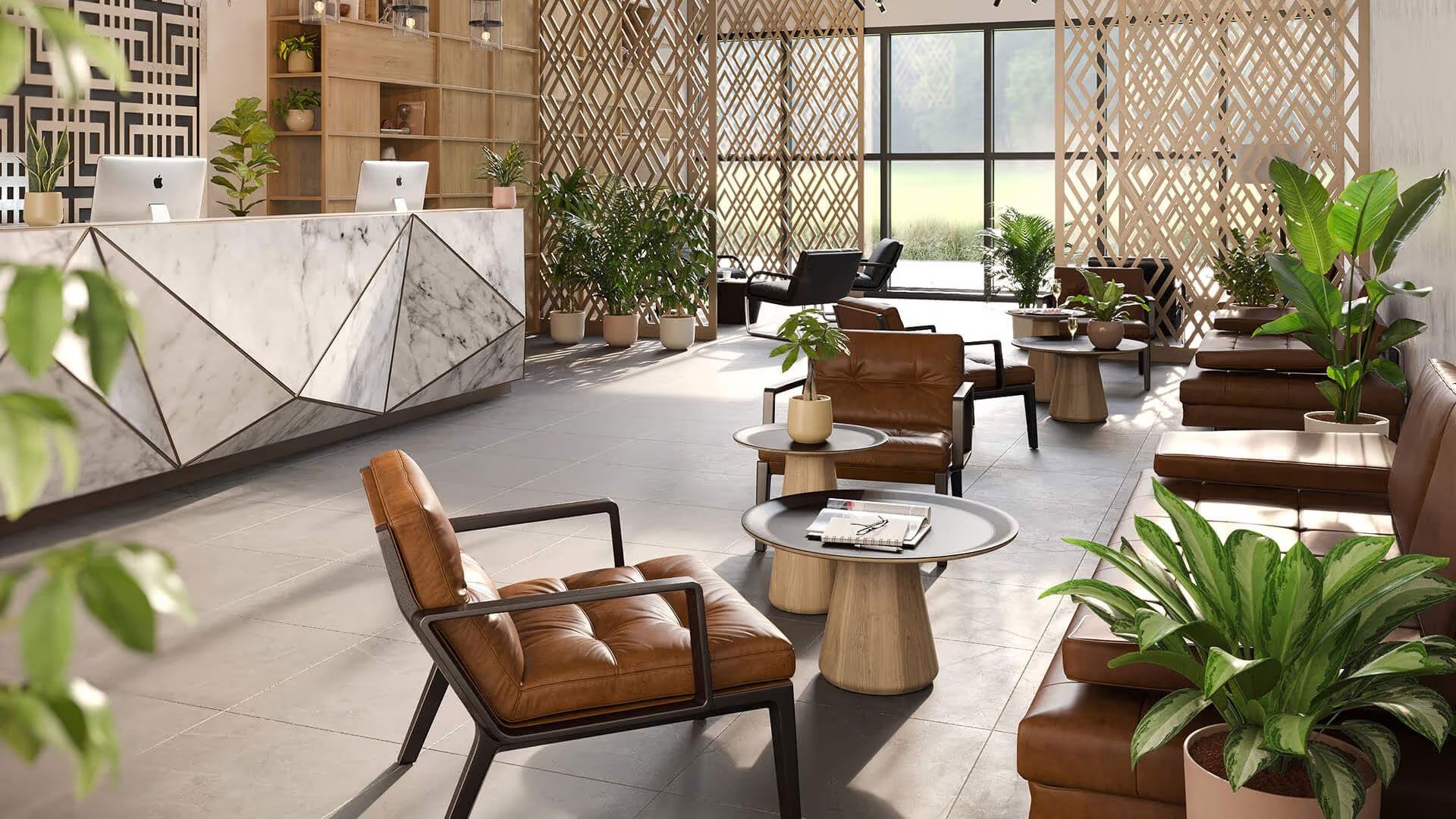
Easy Plant, Planters in Interiors
Planters and greenery staged in homes, with configurations and colors generated from the same models for the online store.
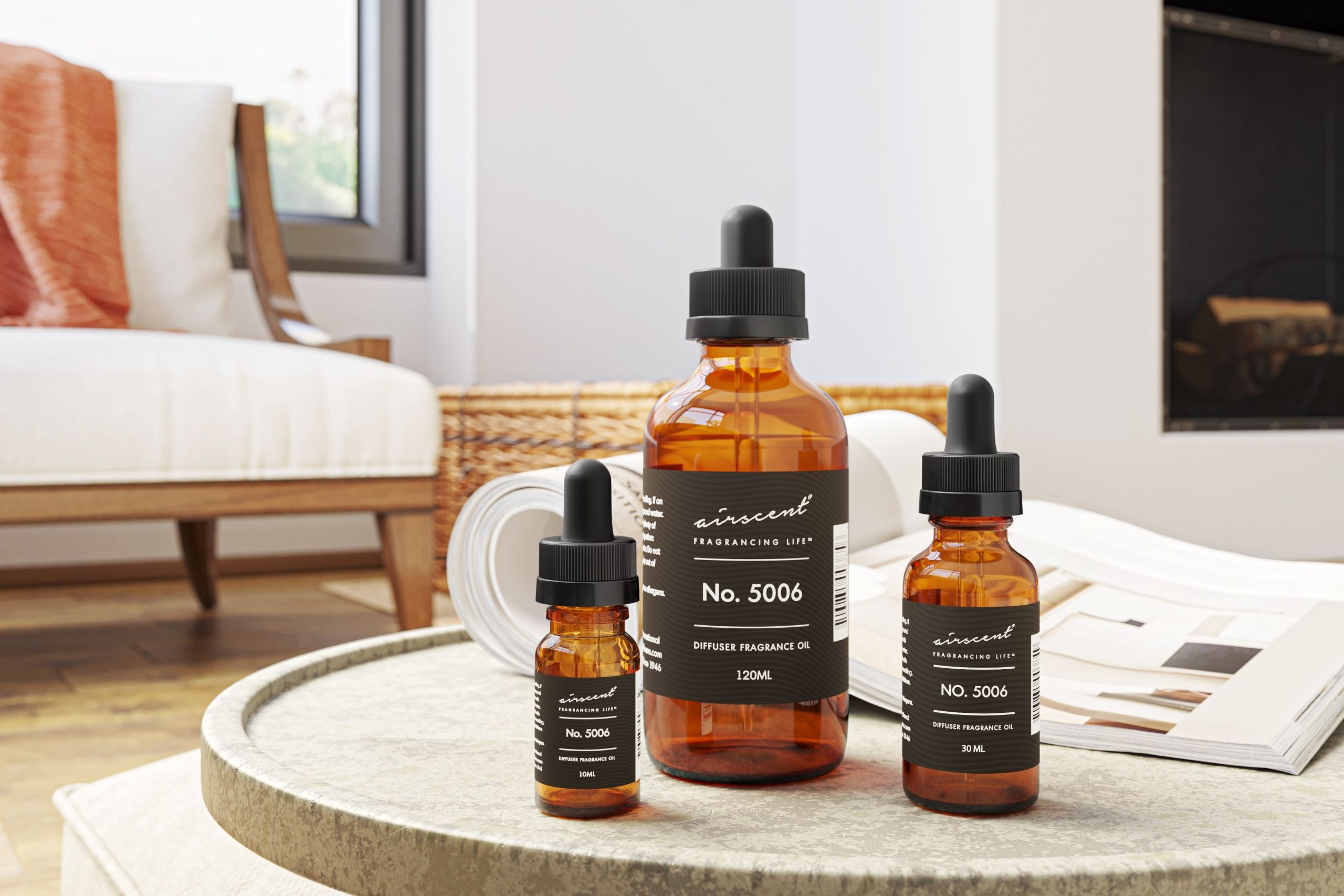
Air Scent, Fragrance Products
Small fragrance products modeled and rendered at macro scale, where glass, liquid and label print have to hold up to close inspection.
Portfolio
Decor projects from our portfolio
Real client work: tabletop, textiles, wall pieces and the vignettes that sell them.
 3D Interior Visualization of trendy Kitchen with Realistic fittings Rendering
 3D Interior Visualization with Realistic fittings Rendering
 3D Interior Visualization of trendy Living Room with fittings
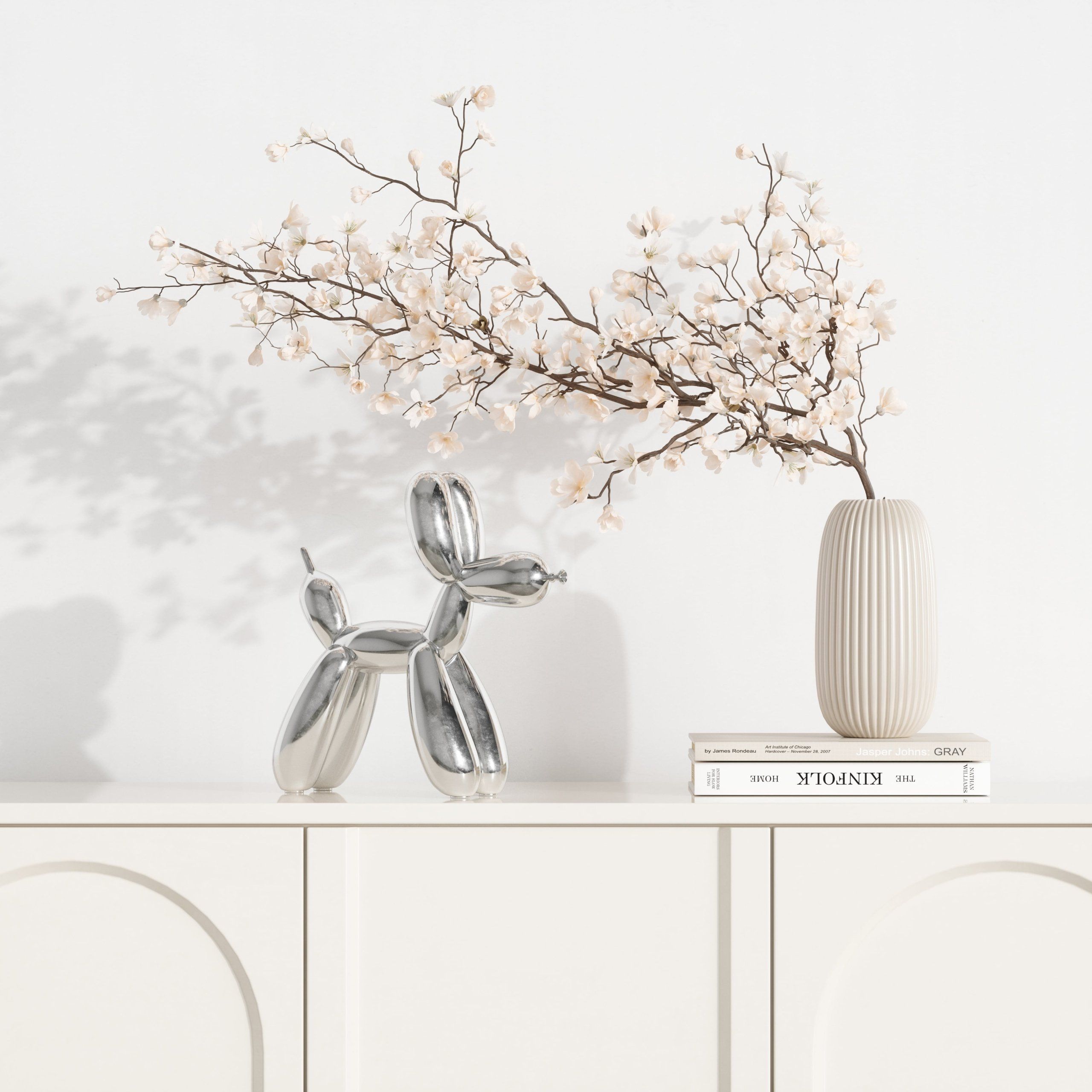 3D fittings Rendering and Visualization – trendy Interior Design
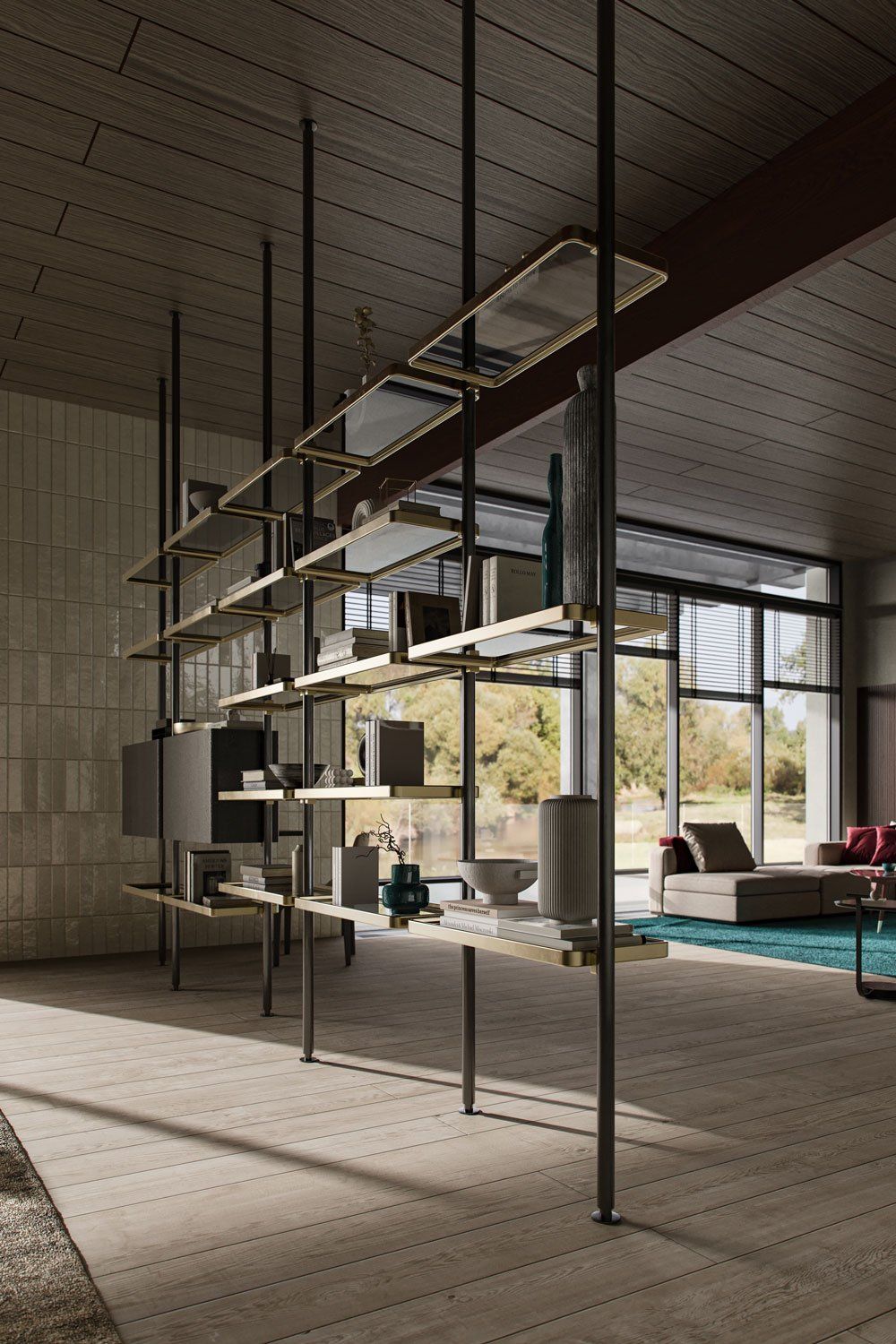 3D Interior Visualization of trendy fittings
 3D Interior Visualization of trendy Bathroom Sink
Content formats
Everything a Home Decor Launch Needs
All formats come from the same approved 3D assets: built once, reused everywhere.
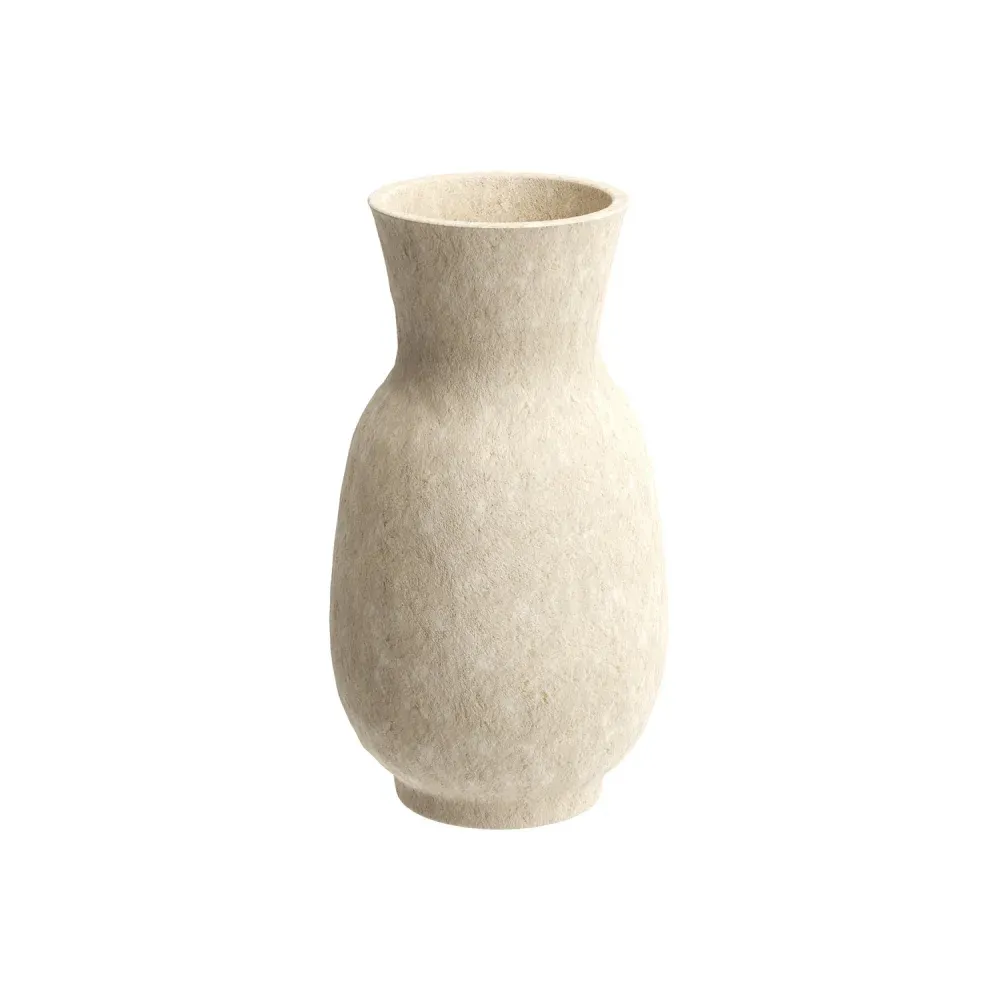 Vase
Vase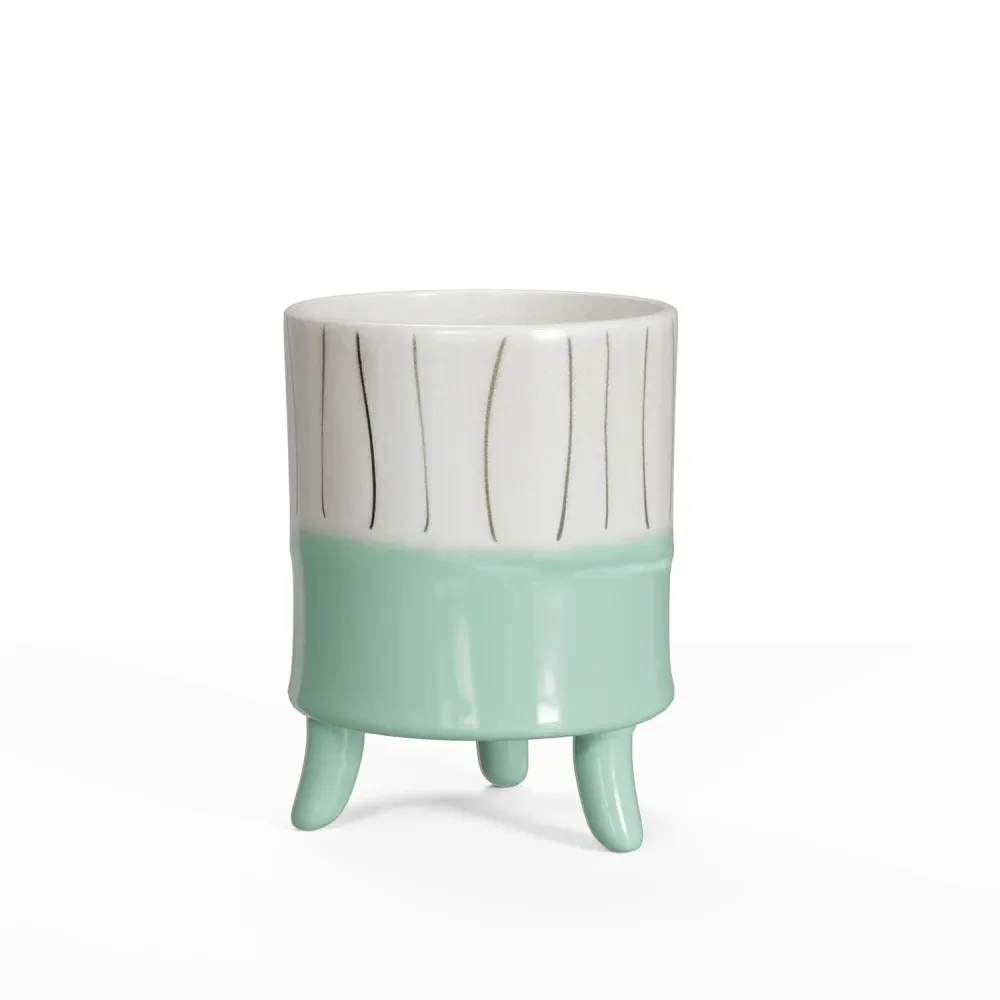 Planter
Silo renders
Clean shots on white for product pages, marketplace feeds and catalog sheets, cropped and named to the spec each channel asks for, from one approved model.
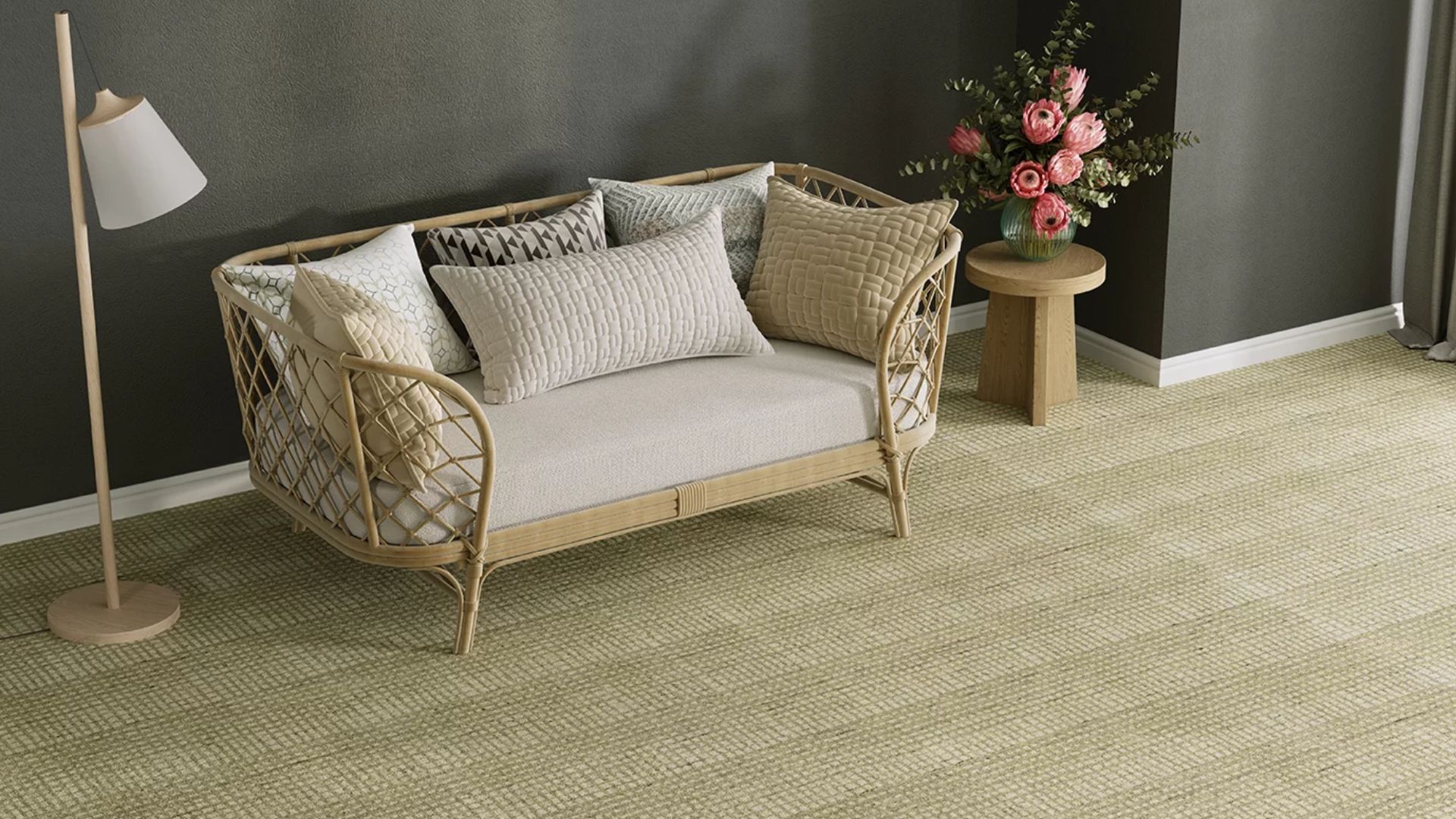
Lifestyle scenes
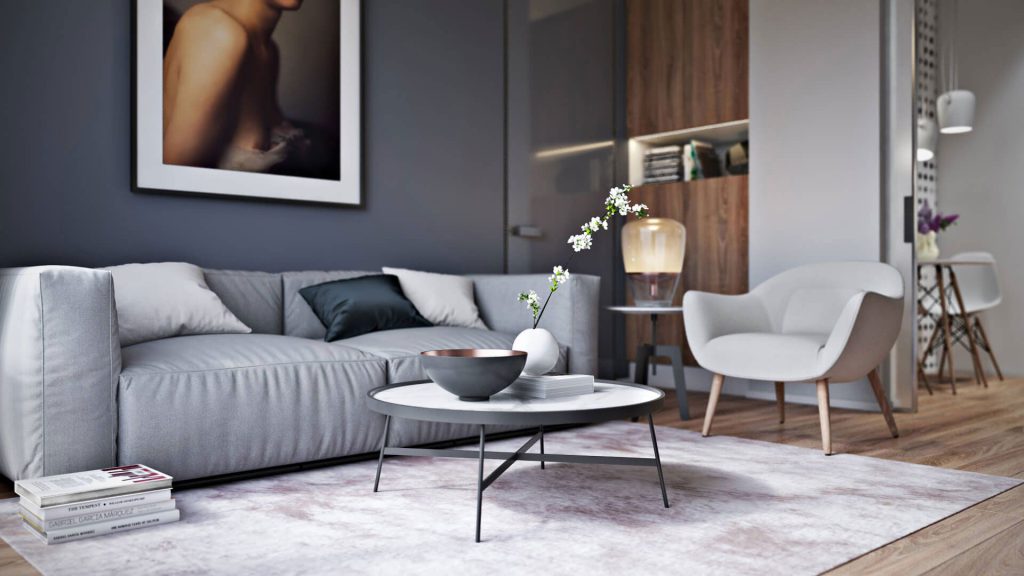
Rooms that set the brand tone and answer scale: how a piece reads against a sofa, a wall and the furniture a customer already owns.
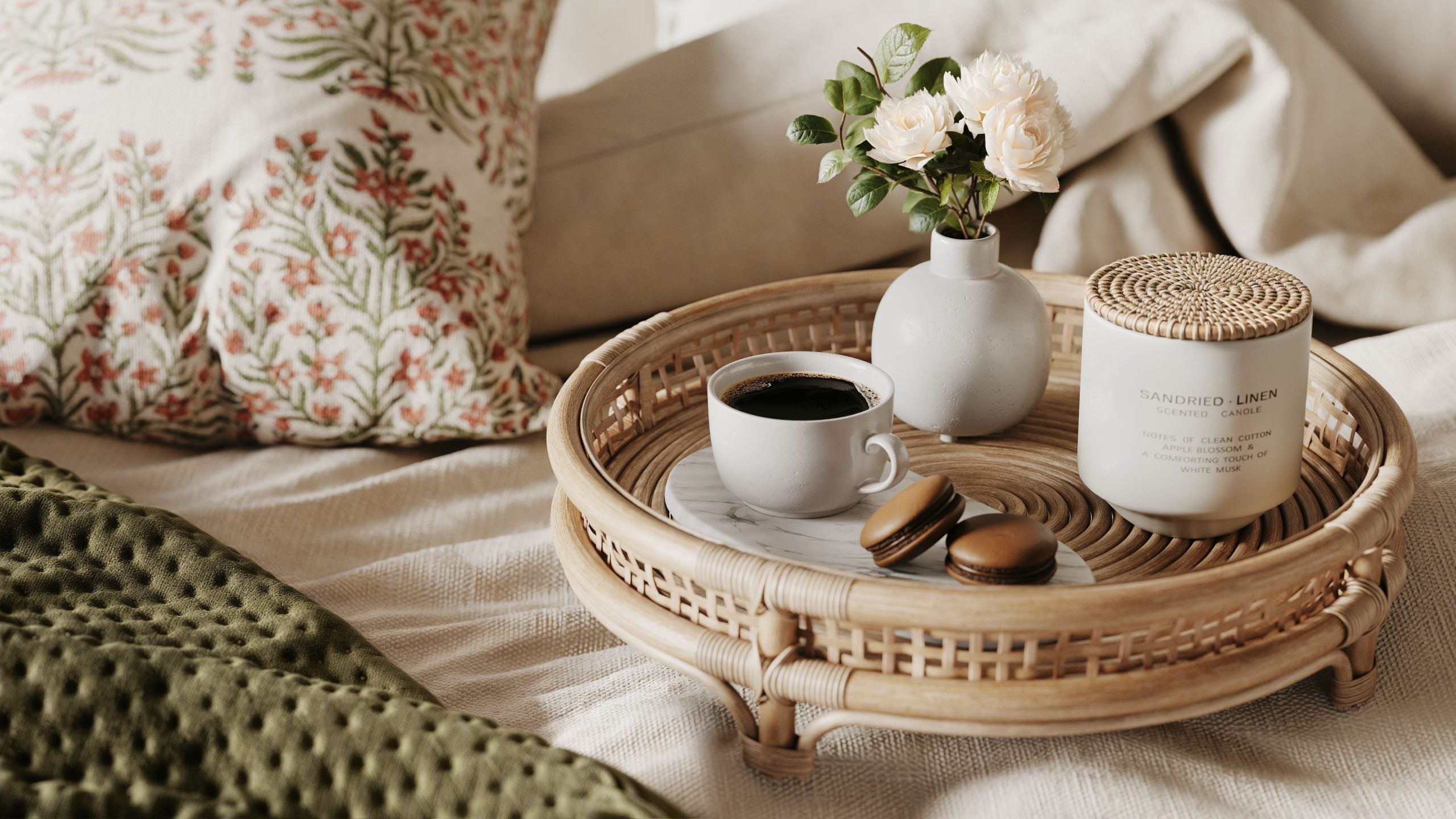
Close-ups
Macro views of glaze, weave and edge detail, lit so the texture a buyer would check in a shop is readable at the size they zoom to.
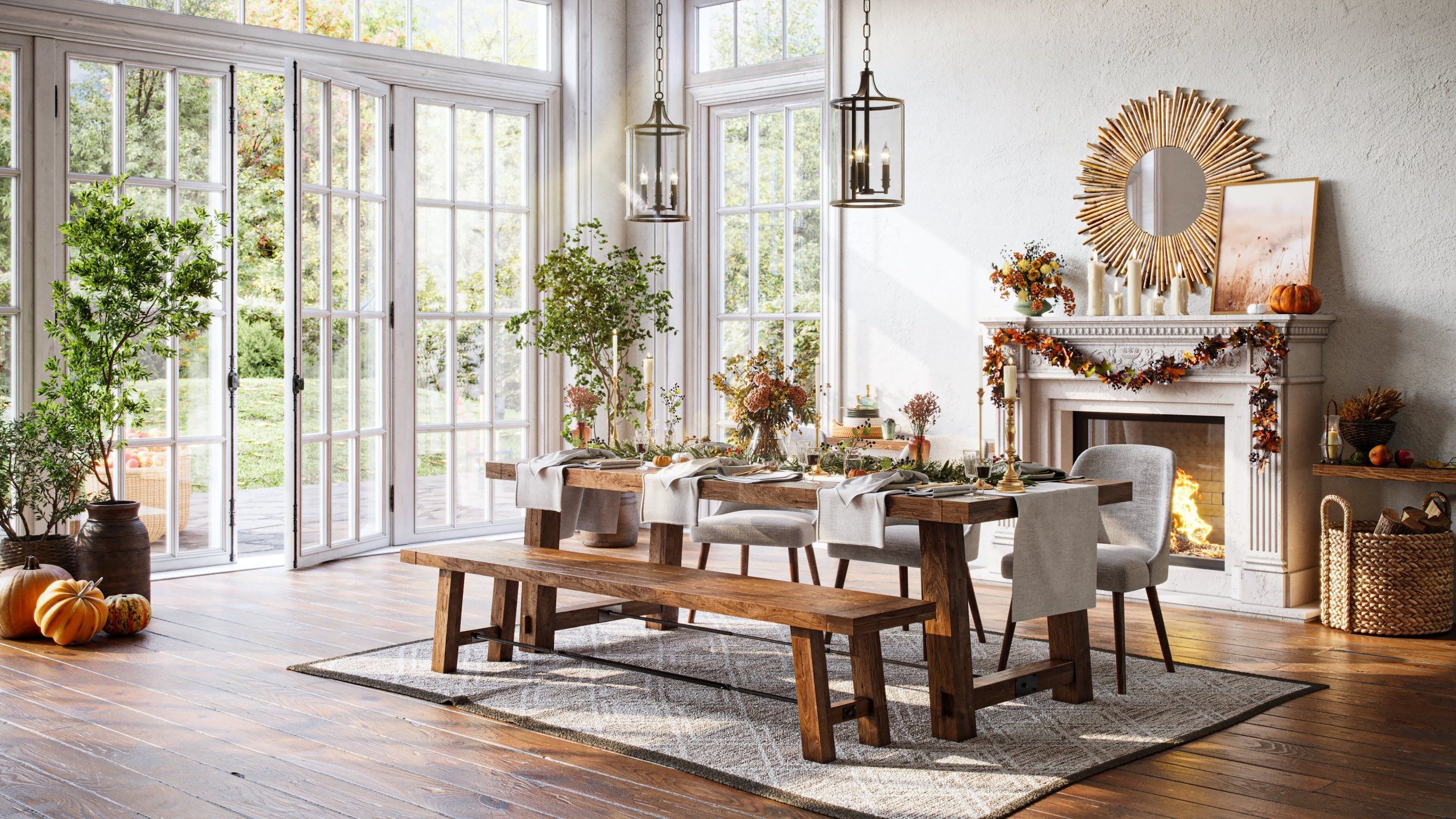 Autumn table
 Holiday scene
Seasonal and campaign restyling
The same approved room restyled for a season or a campaign, so a new set of imagery is a render pass instead of another booked shoot.
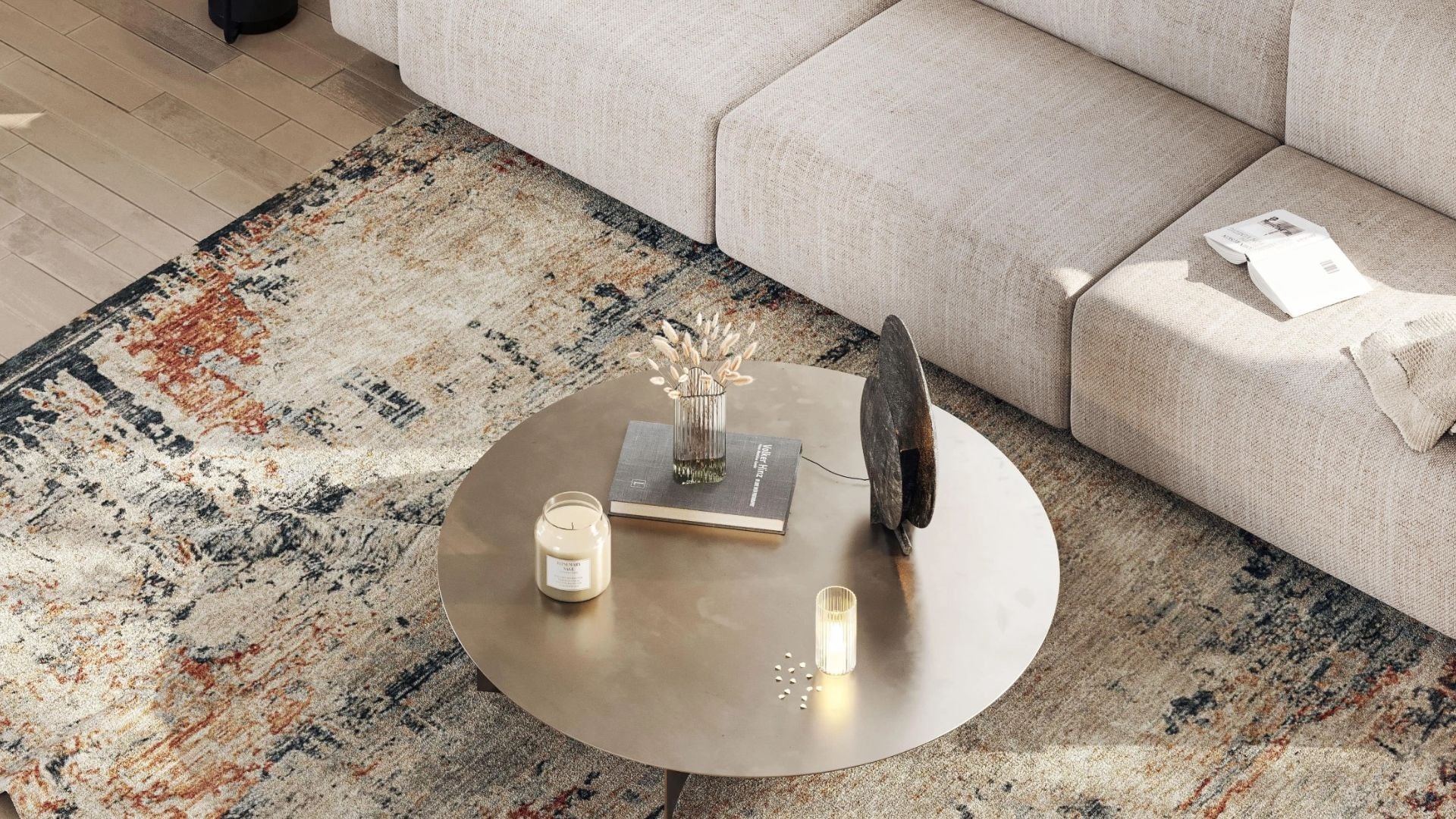
Scale and context shots
Overhead and in-place views that settle the questions a listing gets asked: how big it is, what it sits on and what it sits next to.
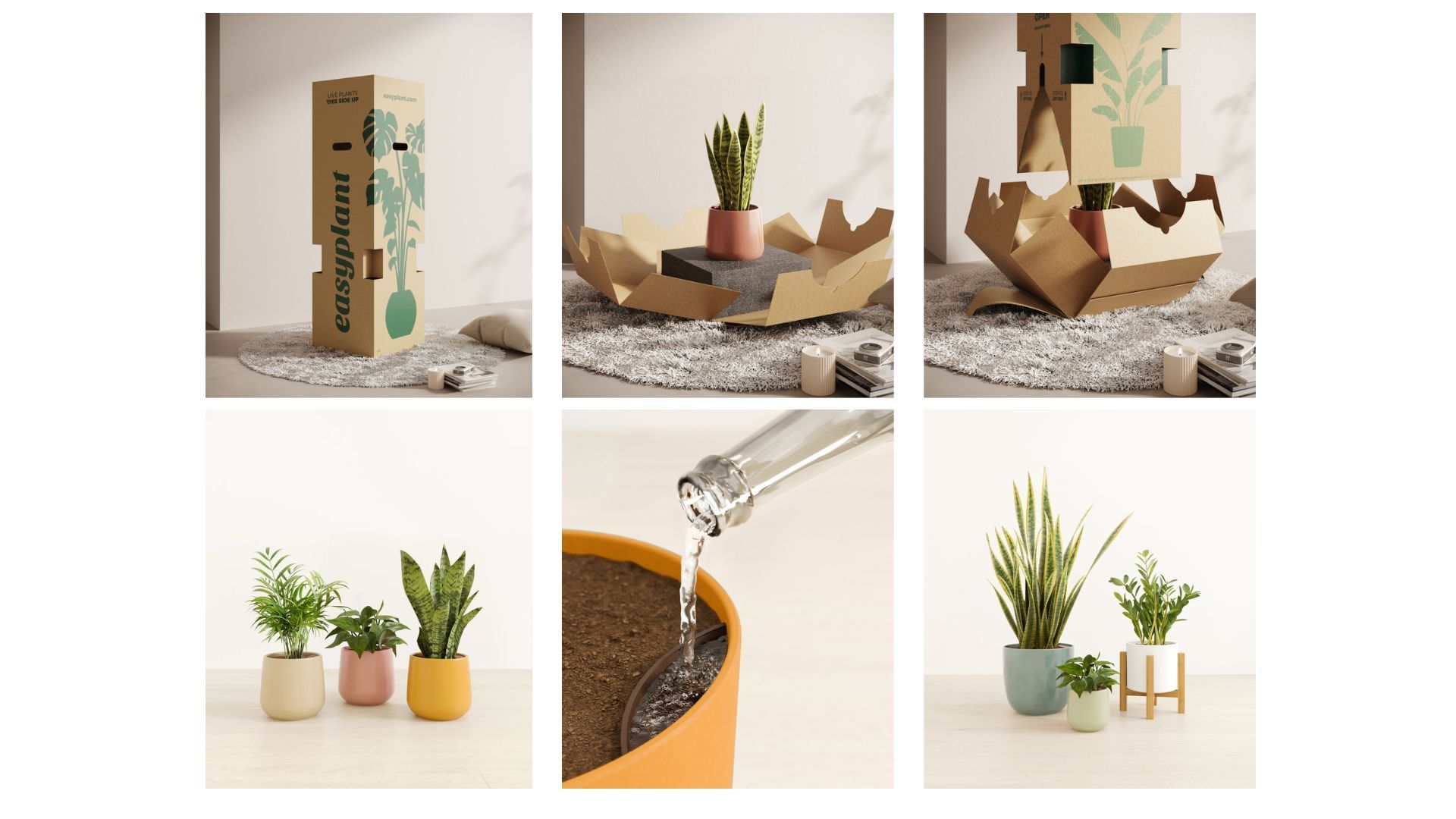
Asset sets for AR and configurators
One product prepared as a full set: packaging, isolated views and in-place shots, plus optimized geometry for an AR preview or a turntable.
How it works
From product samples to styled scenes
You send the product data. We handle modeling, materials, styling and delivery.
Brief & input files
Share dimensions, material specs and photos or samples of each product, plus the styling direction, seasonal, regional or brand campaign. A project manager sets the job up on our CGI CRM.
Geometry & clay approval
Products are modeled to real dimensions and sent as grey clay renders. Shape and proportion are approved before any material work.
Materials & light
Glass, ceramic, wax, metal and fabric are built from your samples, then lit so translucency and surface texture read correctly at product scale.
Styling & scenes
Products are staged into interior sets, alone or as collections, and the scene is restyled for the season or campaign without re-rendering the product.
QA & delivery
Each image is checked against your specs and delivered in the crops your PDPs, marketplaces and campaigns need. Approved models stay in your asset library.
CGI CRM
All home decor rendering work happens in our CGI CRM
Your projects, feedback and finished assets live in our portal, not in an email thread.
Briefs, feedback and approvals
Set tasks, comment directly on renders and approve versions. Every decision stays attached to the image it belongs to.
Reusable asset library
Approved models, materials and scenes are stored and reused, so the next collection starts from what is already built.
Project history and delivery
Versions, results and final files in one place, available to your whole team whenever a catalog or campaign needs them.
Sales channels
From One 3D Asset to Every Sales Channel
Where the approved decor assets land once they leave the studio. The same set also feeds marketplaces, dealer materials and social campaigns.
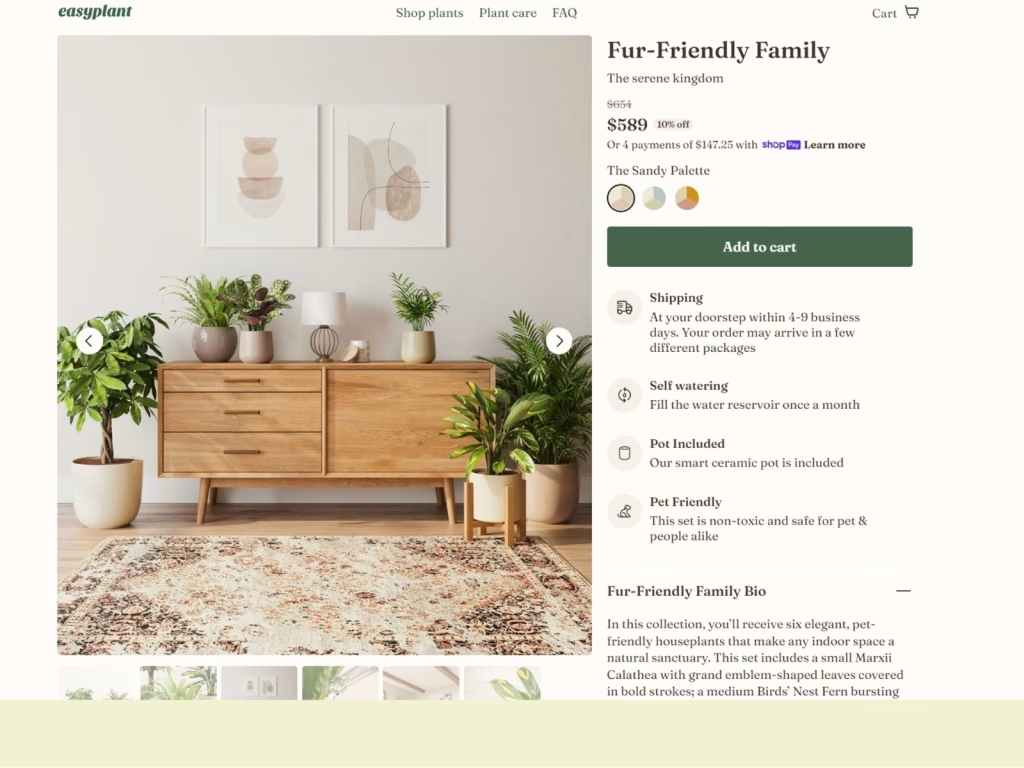
Ecommerce Product Pages
A decor listing needs the piece isolated, the piece in a room and a palette that matches what ships. All of it renders from one approved model, so the page stays consistent.
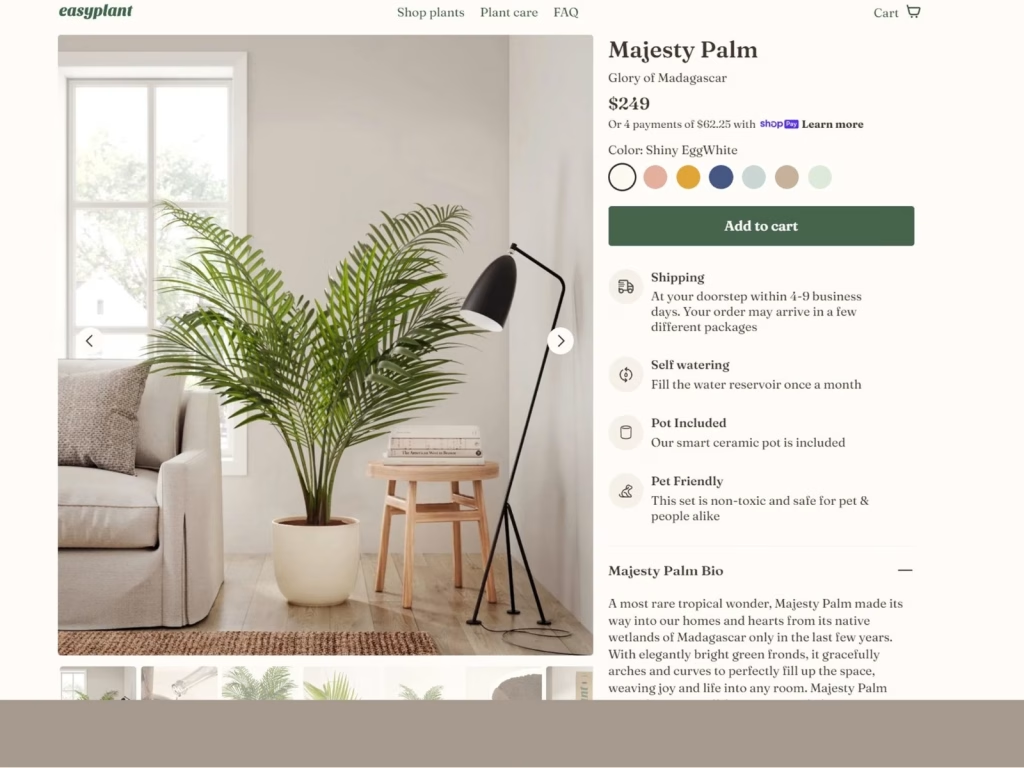
Product Options and Colourways
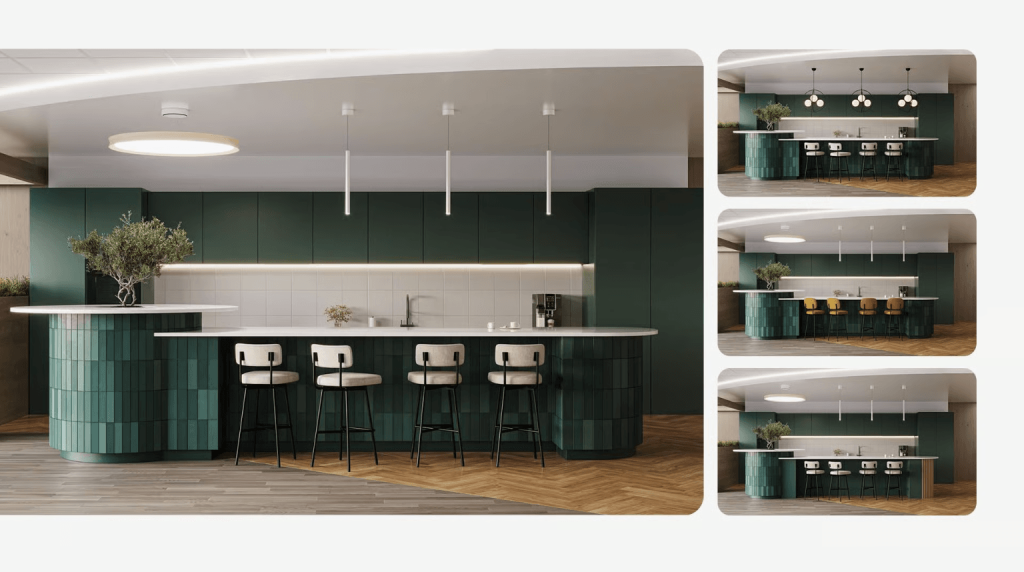
Every colour option needs its own image at the same angle. Re-rendering the approved model beats reshooting a set each time the range gains a finish.
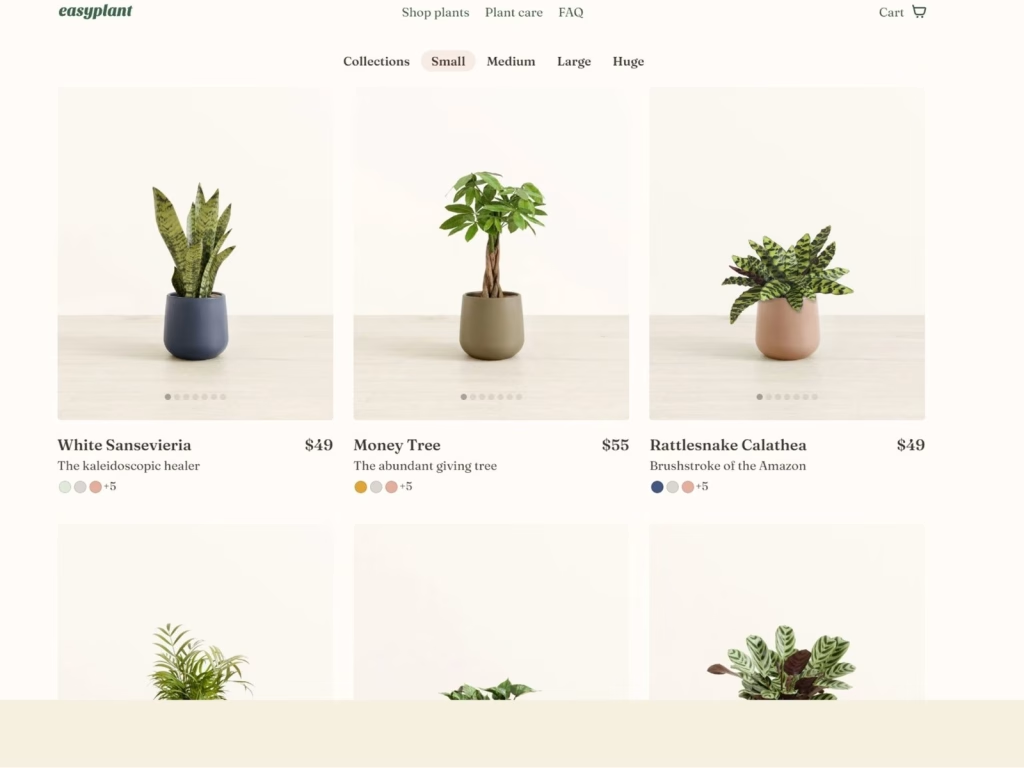
Category and Collection Grids
A grid is where a shopper compares. Rendering the range from one camera and one light means the thumbnails compare products instead of photo conditions.

Brand Online Store
A decor homepage changes with the season. Rendering from the approved models means a new banner is a restyle of a scene that already exists, not another shoot.
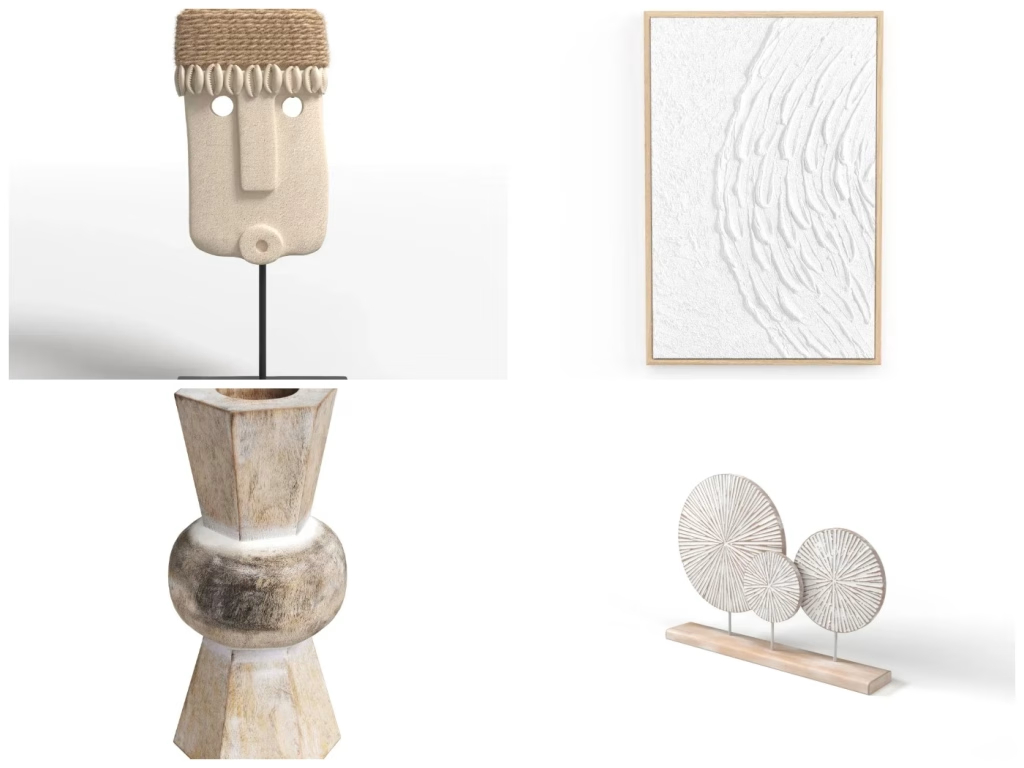
Catalog and Lookbook Sheets
A catalog sheet needs every SKU shot the same way. One approved model per product keeps scale, angle and light identical across a range that keeps growing.
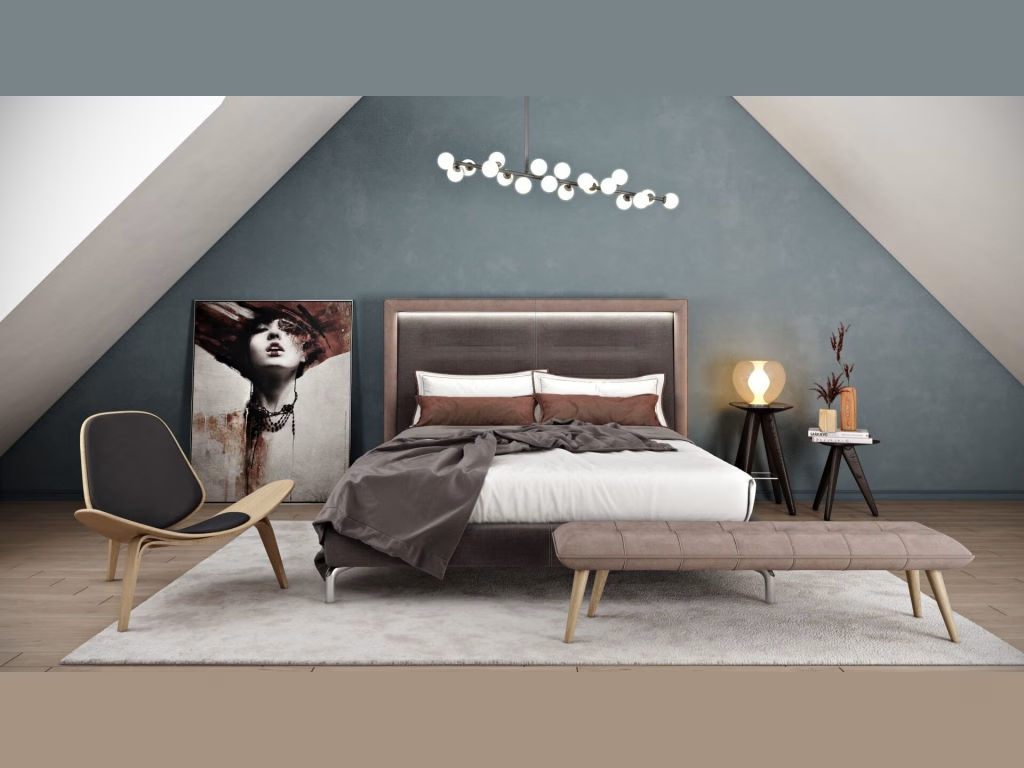
Campaign and Catalog Imagery
Campaign scenes carry several SKUs at once. The room is built once, then restyled and re-rendered for the next season instead of being booked again.
Ecommerce Product Pages
A decor listing needs the piece isolated, the piece in a room and a palette that matches what ships. All of it renders from one approved model, so the page stays consistent.
Product Options and Colourways
Every colour option needs its own image at the same angle. Re-rendering the approved model beats reshooting a set each time the range gains a finish.
Category and Collection Grids
A grid is where a shopper compares. Rendering the range from one camera and one light means the thumbnails compare products instead of photo conditions.
Brand Online Store
A decor homepage changes with the season. Rendering from the approved models means a new banner is a restyle of a scene that already exists, not another shoot.
Catalog and Lookbook Sheets
A catalog sheet needs every SKU shot the same way. One approved model per product keeps scale, angle and light identical across a range that keeps growing.
Campaign and Catalog Imagery
Campaign scenes carry several SKUs at once. The room is built once, then restyled and re-rendered for the next season instead of being booked again.
See what our clients say
Working with CGIFURNITURE has been an outstanding experience from start to finish. Their team consistently delivers high-quality renderings with incredible attention to detail, professionalism, and speed. They are true experts at what they do, bringing our ideas to life in a way that exceeds expectations every time. Their communication is seamless, turnaround times are impressive, and the final results always elevate our products. It’s rare to find a partner that combines talent, efficiency, and reliability so well. We highly recommend CGIFURNITURE to anyone looking for top-tier rendering services.
Worked with this company on multiple rendering projects and the experience has been consistently solid. Communication is clear, turnaround time is reliable, and the attention to detail is exactly what you want when it comes to product visuals. They understand design intent well and execute without needing excessive back-and-forth. Would definitely continue working together.
We really enjoy working with CGI. They always respond quickly and accurately, are flexible, and simply a great group of people to work with.
I've been working with the CGI team for nearly two years, and they’ve been an absolute delight. They’re incredibly responsive and communicative, with an impressive attention to detail. I would happily recommend them to anyone looking for a 3D imagery partner.
We’ve worked with CGI Furniture for about three years now, and they’ve been an incredible partner. Their CGI imagery and product animations are consistently top-notch, extremely realistic, beautifully lit, and perfectly aligned with our brand needs. They’ve truly helped take our content (both imagery and video) to the next level. The team is responsive, professional, and easy to collaborate with, even when timelines get tight. Every project has been delivered with great attention to detail and a strong understanding of what we’re trying to achieve. If you’re looking for a reliable CGI partner that delivers exceptional quality, I highly recommend CGI Furniture.
CGI Furniture is a pleasure to work with. The entire team is professional and very efficient. The output is phenomenal. Highly recommend for high-optionality manufacturers who are looking for an imagery solution.
TrustScore 4.7





Product Rendering Price List
All types of product CGI projects, their average costs and examples of results: plan your decor imagery budget in one download.
FAQ
Answers to common questions
What do you need from us to start?
Dimensions, material specifications and clear photos of each product, ideally from several angles. For glass, ceramics or anything with a printed label, a physical sample or a high-resolution scan gives a noticeably better result.
Is CGI worth it for low-cost products?
For decor it usually is, because the cost driver is styling, not the product. A photographed vignette costs the same whether the vase is expensive or cheap; a rendered scene can be reused across dozens of SKUs and restyled seasonally at a fraction of the price.
Can you render seasonal versions of the same scene?
Yes, and that is one of the strongest reasons to use CGI here. The room is built once, then the styling changes, autumn, holiday, spring, while the product stays untouched. You get a campaign set without shipping props anywhere.
Will glass, wax and fabric look real?
Those are exactly the materials that expose bad CGI, so we build them physically: refraction and thickness for glass, subsurface behavior for wax and ceramics, simulated drape for textiles. They are approved against your samples before the scene is finalised.
Can you show a collection together?
Yes. Once individual products are modeled, staging them as a vignette or a full lookbook spread costs far less than the first render, because the scene and the assets already exist. A lookbook spread is a new camera in a room that is already built.
How do you keep colors true to the physical product?
We work from your samples, Pantone or RAL references and calibrate the material against them, then send a first render for approval before the rest of the range is produced. Nothing goes into batch until that colour is signed off.
How long does a first project take?
It depends on the number of SKUs and how much styling is involved. After the brief you get a schedule with clay approval, materials and delivery milestones tied to your campaign date. Most catalogs run in batches, so the first SKUs are approved while the rest are still in production.
How much does decor rendering cost?
Pricing depends on the number of products, the amount of styling and the formats you need. Our price list breaks down project types with average costs and example results, download it above, or book a demo for an estimate on your catalog.
Book a demo
Schedule a demo with us
See how decor CGI works for your catalog: real results, the process, and pricing.
- See decor and accessory projects we have delivered
- Get a cost estimate for a handful of SKUs or a full catalog
- Learn how free corrections and the asset library save budget
Pick a date & time
Weekdays only · times in your local timezone
Your contact details
Fields marked * are required. Business emails only.
Please enter your name.
Please enter a valid business email.
Required.
Please enter a valid phone number.