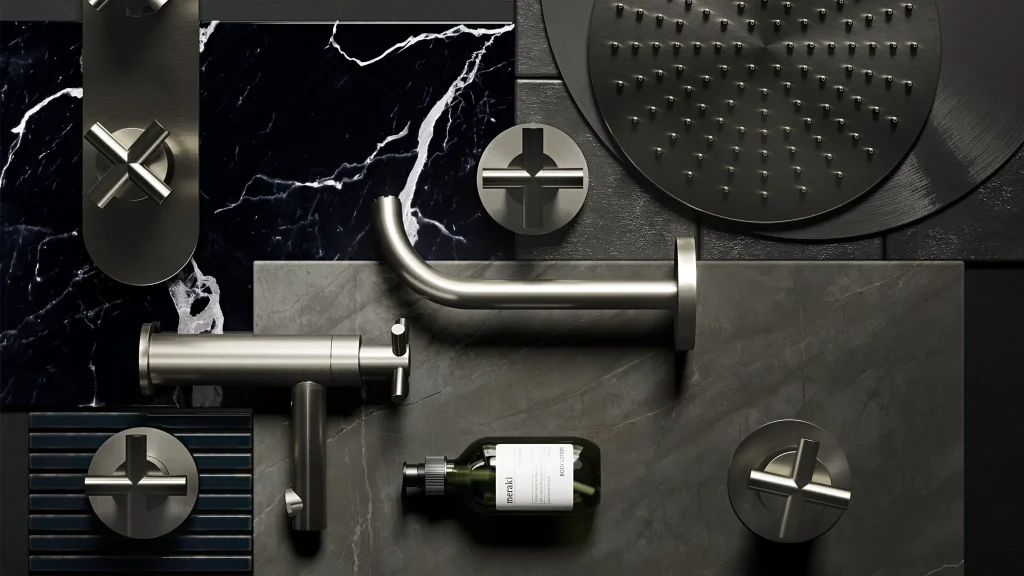
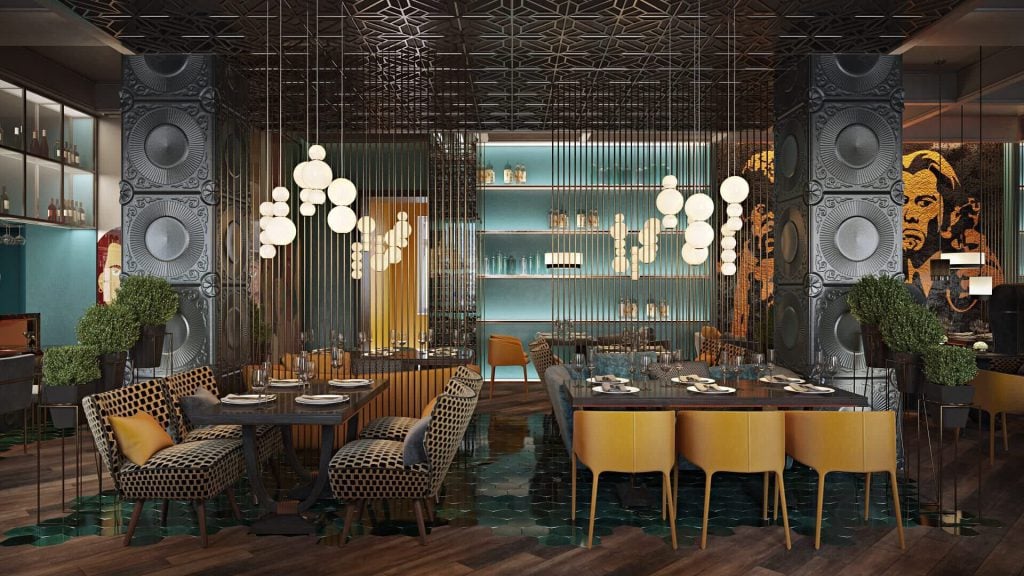
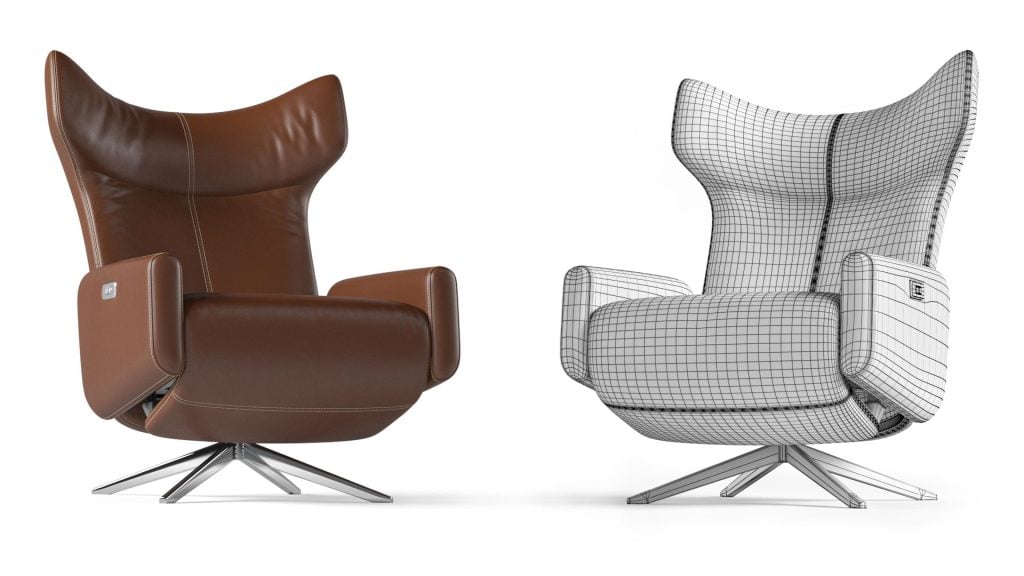
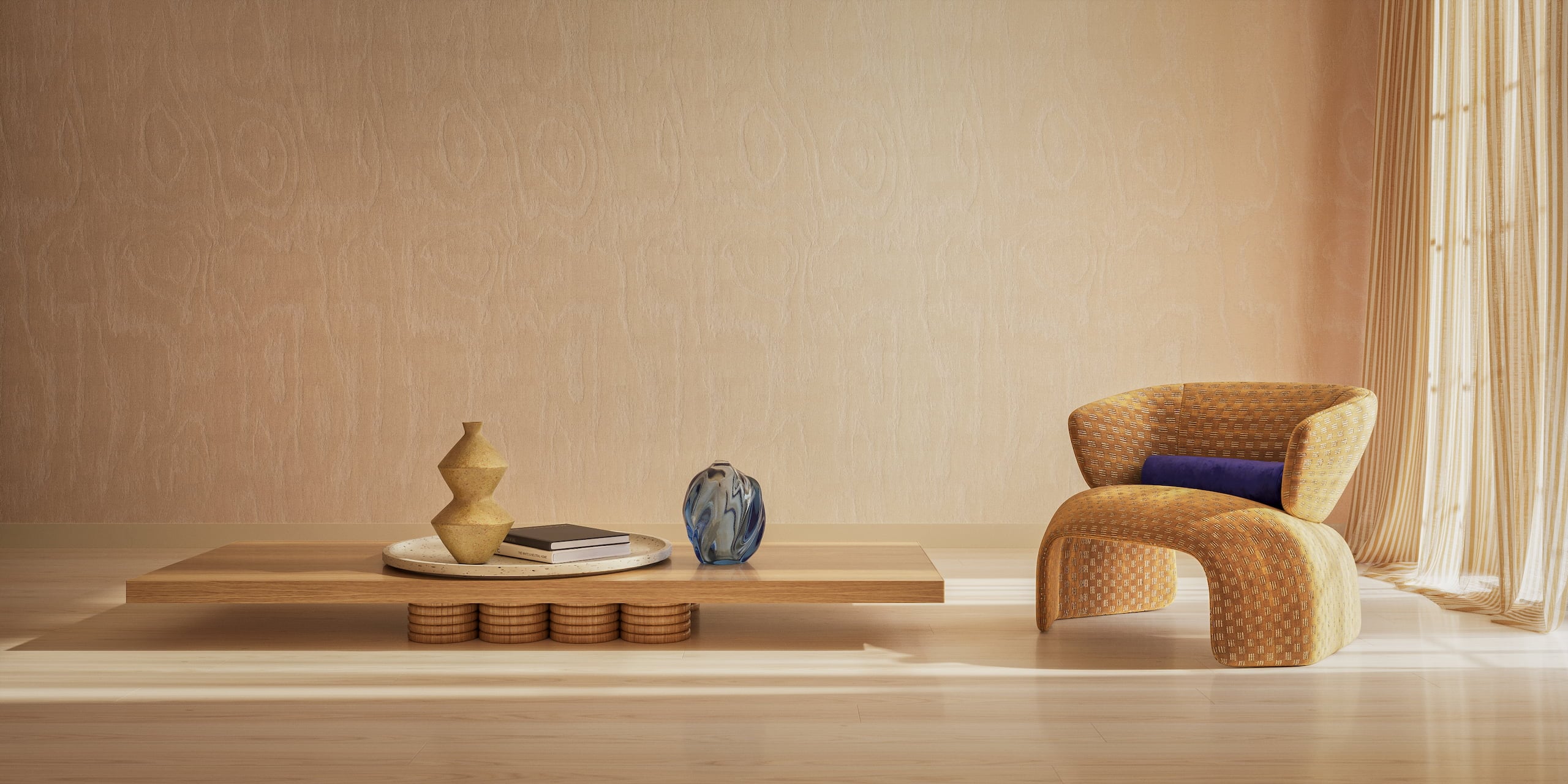
Flat Lay 3D Rendering Services Trusted by Leading Brands











Flat Lay 3D Rendering Services in Numbers
Our in-house team builds flat lays for single launches and full collections.
Why Choose Us for Flat Lay Product Images
Real control of light, texture and framing, so every flat lay looks natural.
627 In-House Artists for Big Launches
Flat lays for a whole collection are produced in parallel, not in a queue, with no freelancers or outsourcing.
Amazon Certified 3D Content Provider
Amazon has certified us to create 3D content for its listings from your product images, so the files meet its requirements.
Layouts Styled to Your Brand
Every composition follows your moodboard and palette, so the whole set looks like one shoot.
15 Years of Furniture CGI
Since 2011 we have worked for brands like Beauflor, Mannington and The Tile Shop.
Rated 4.7 on Trustpilot
Furniture and home brands rate our work 4.7 out of 5 on Trustpilot.
Answers Within One Business Day
Our manager replies within one business day and keeps every round of edits on track.
Flat Lay and Material Rendering Projects
Real projects: what each brand ordered and how they used the flat lays.
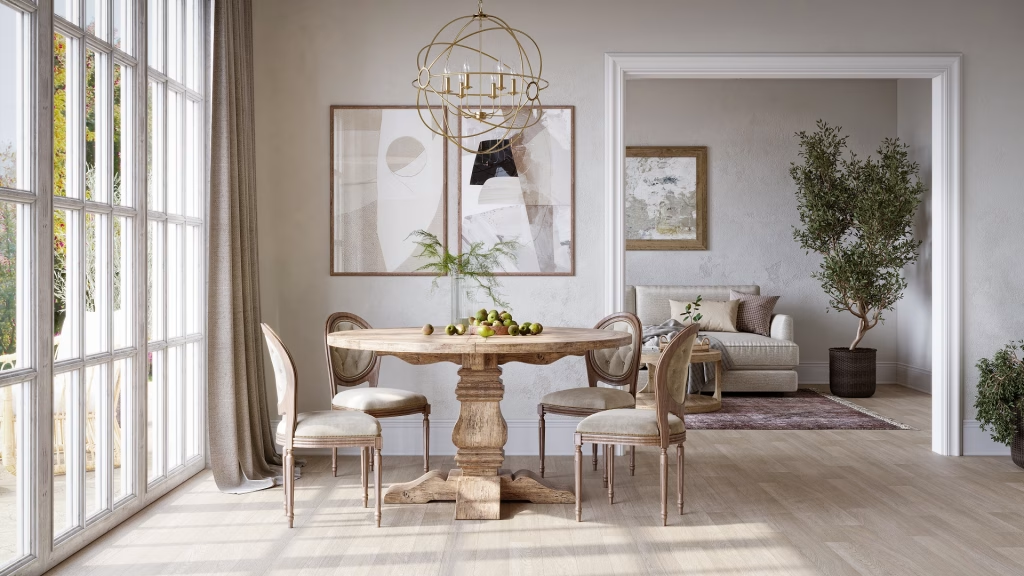
Beauflor: Flat Lays From Brand Moodboards
A US luxury vinyl flooring brand: flat lays built from its moodboards and palettes, plus lifestyle scenes, close-ups and animation. The flat lays run on its social channels.
View Project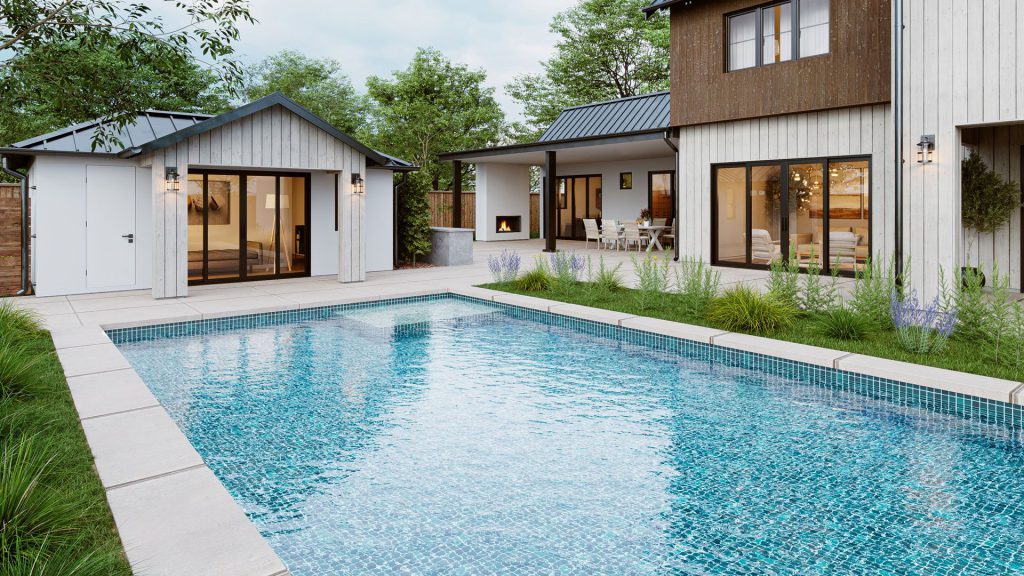
The Tile Shop: Patterns and Textures in CGI
The Tile Shop is a US tile retailer with more than 140 stores. Custom tile renders that show complex patterns and mixed finishes.
View Project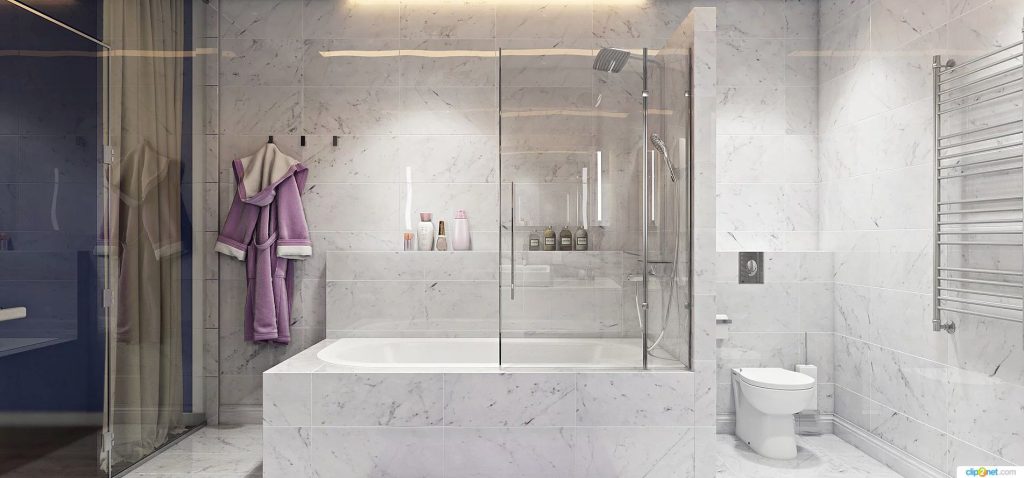
White Marble Source: Marble and Mosaic Visuals
White Marble Source is a New Jersey natural stone supplier of marble tiles and mosaics. Renders that show marble and mosaic tiles with true-to-life texture.
View Project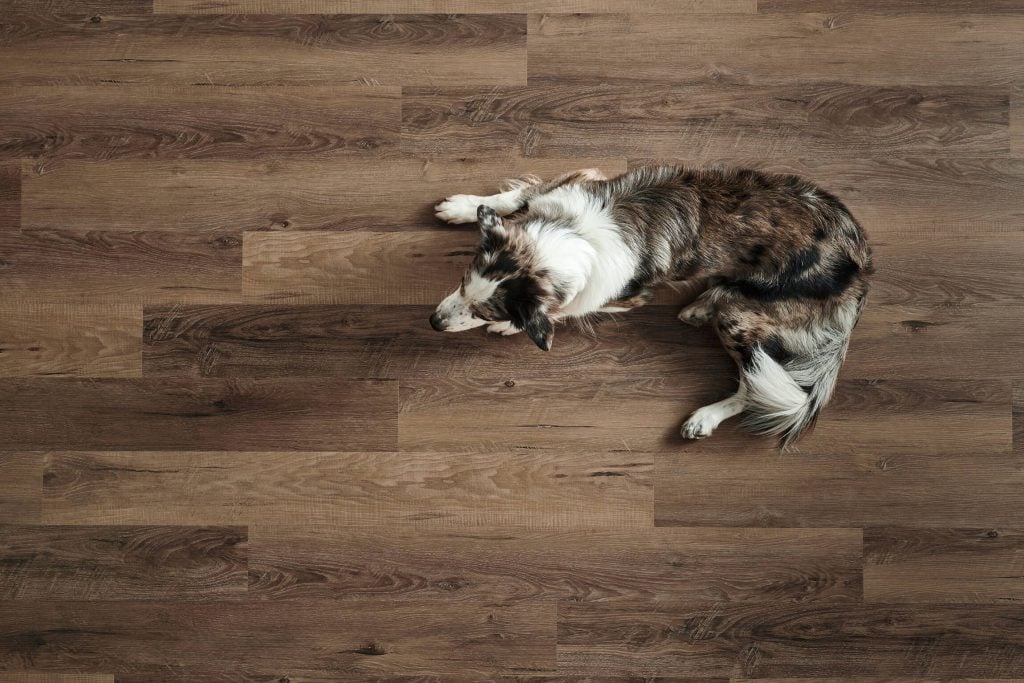
Mannington: Flooring Visuals for Every Finish
Mannington is a New Jersey flooring maker founded in 1915. Flooring visuals that show each finish and texture clearly.
View ProjectFlat Lay Renders for Every Product Category
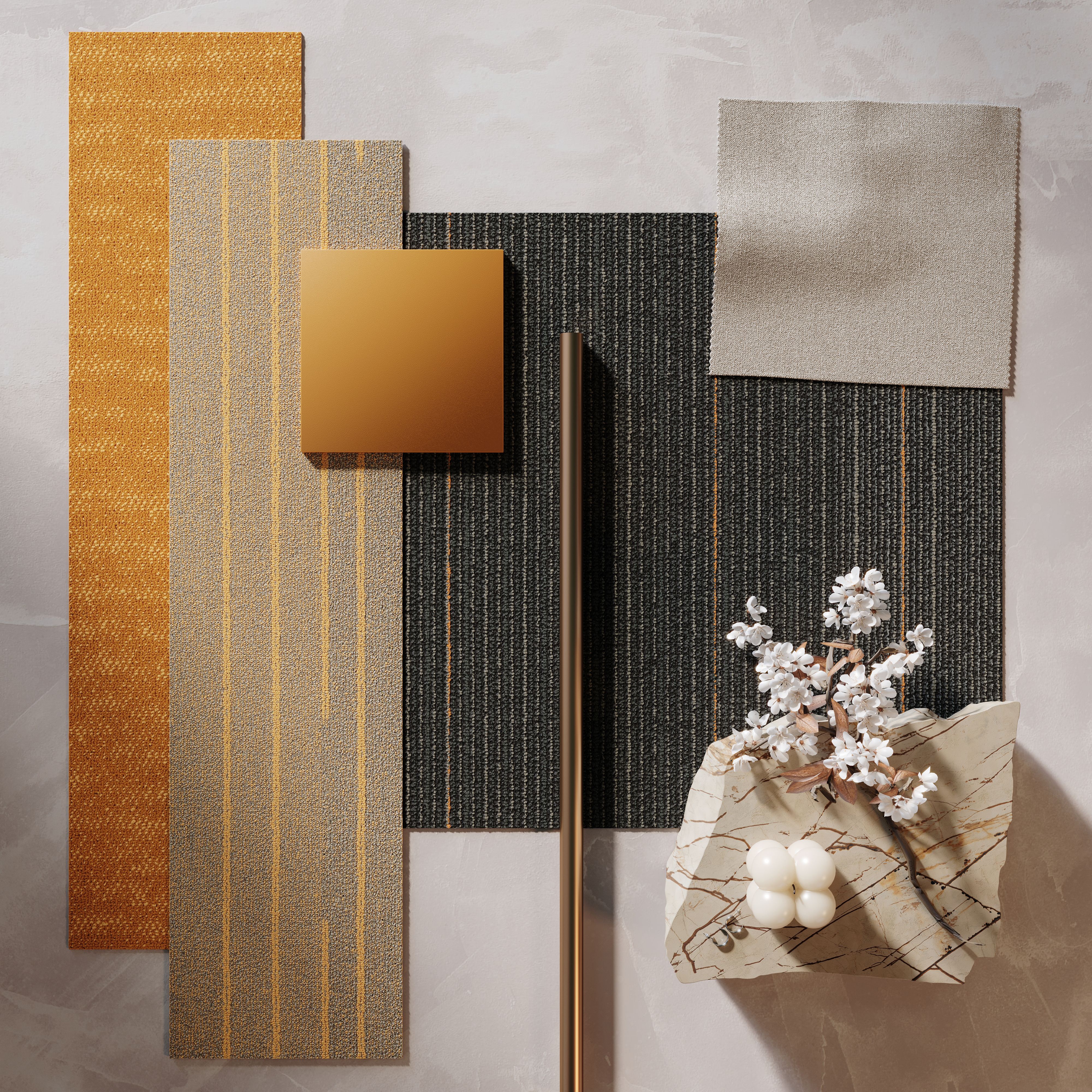
Carpets & Rugs
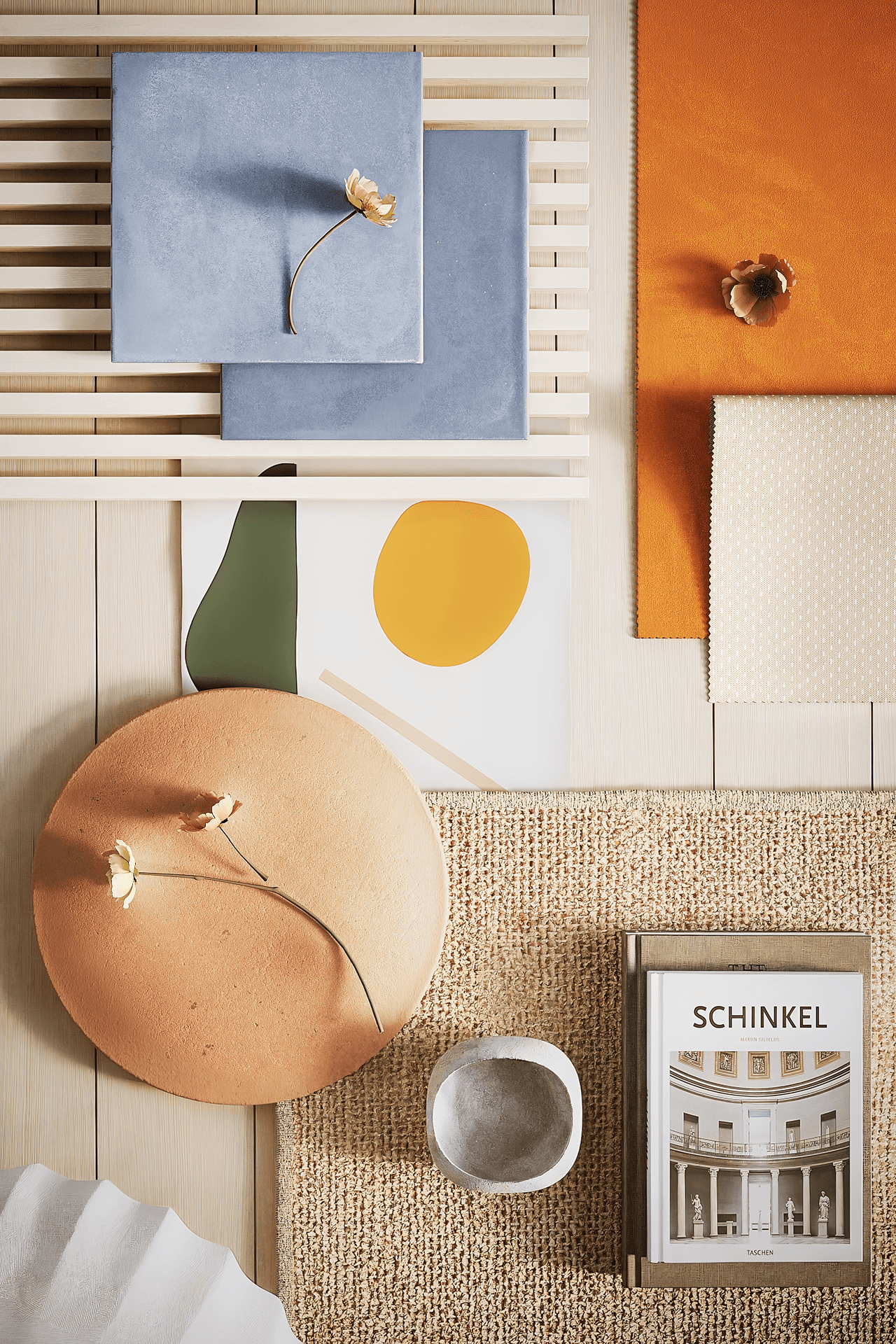
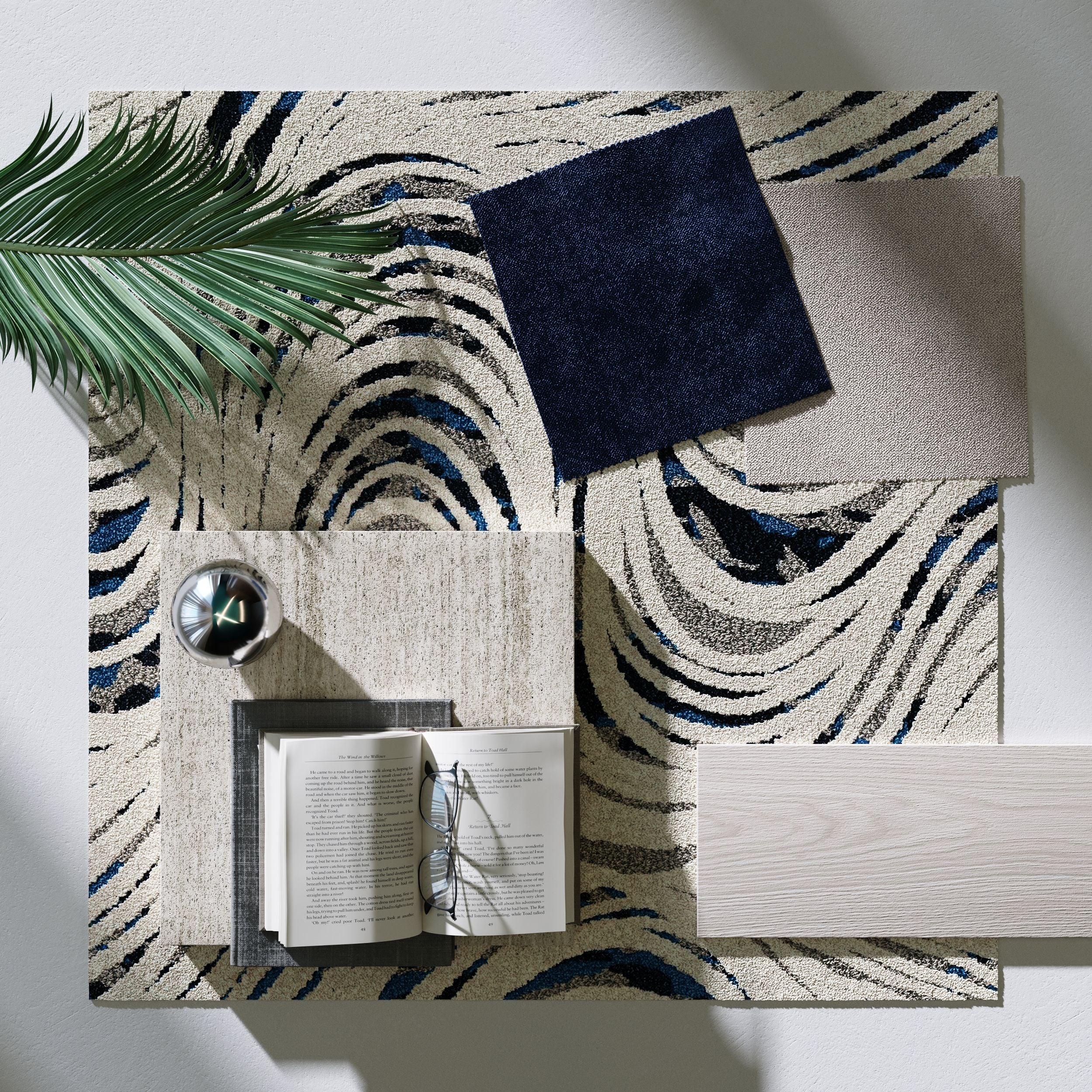
Show every pattern repeat and weave direction in perfect proportion with 3D flatlays. They help buyers see the difference in pile height, fiber texture, and edge finish at a glance. The overhead view captures true color across the full surface, which works beautifully for multi-tone and gradient rugs. This angle also makes it easy to picture matching sets together in one layout.
Decor
Present versatility in one simple scene. Flatlay 3D renders highlight the shapes and craft details like surface texture, finish, and pattern. So that glass clarity, ceramic glaze, and fabric grain all show through. The same controlled setup also makes collections and seasonal themes easy to arrange in one layout. Within these groupings, the same style can appear in different colors or sizes.
Flooring
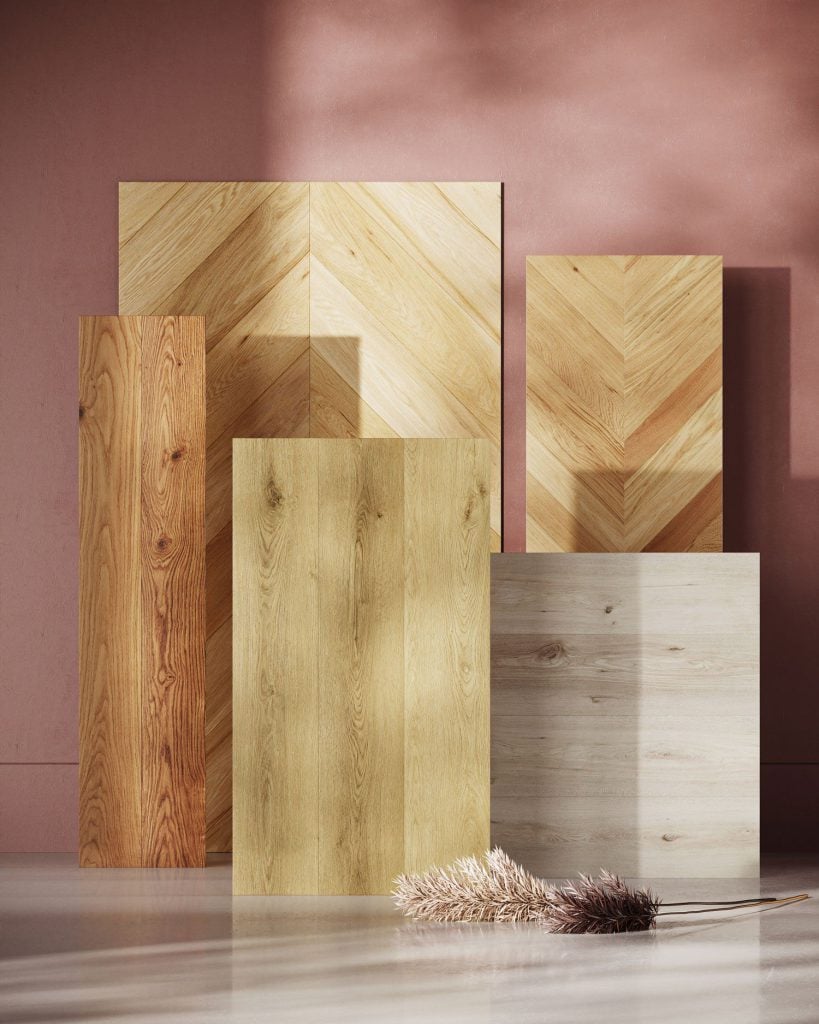
Use 3D flatlay rendering services to convey your product aesthetics. Show the true scale and direction of each pattern without camera distortion. This makes the herringbone, chevron, and plank layouts shine. 3D flatlays highlight the surface finish, so every texture and reflection looks natural. Color consistency also becomes easy to check. From board to board or tile to tile, any subtle tone shifts that occur within a single batch are visible. Multiple materials such as wood, vinyl, laminate, or stone can be displayed side by side in one frame.
Tiles & Mosaics
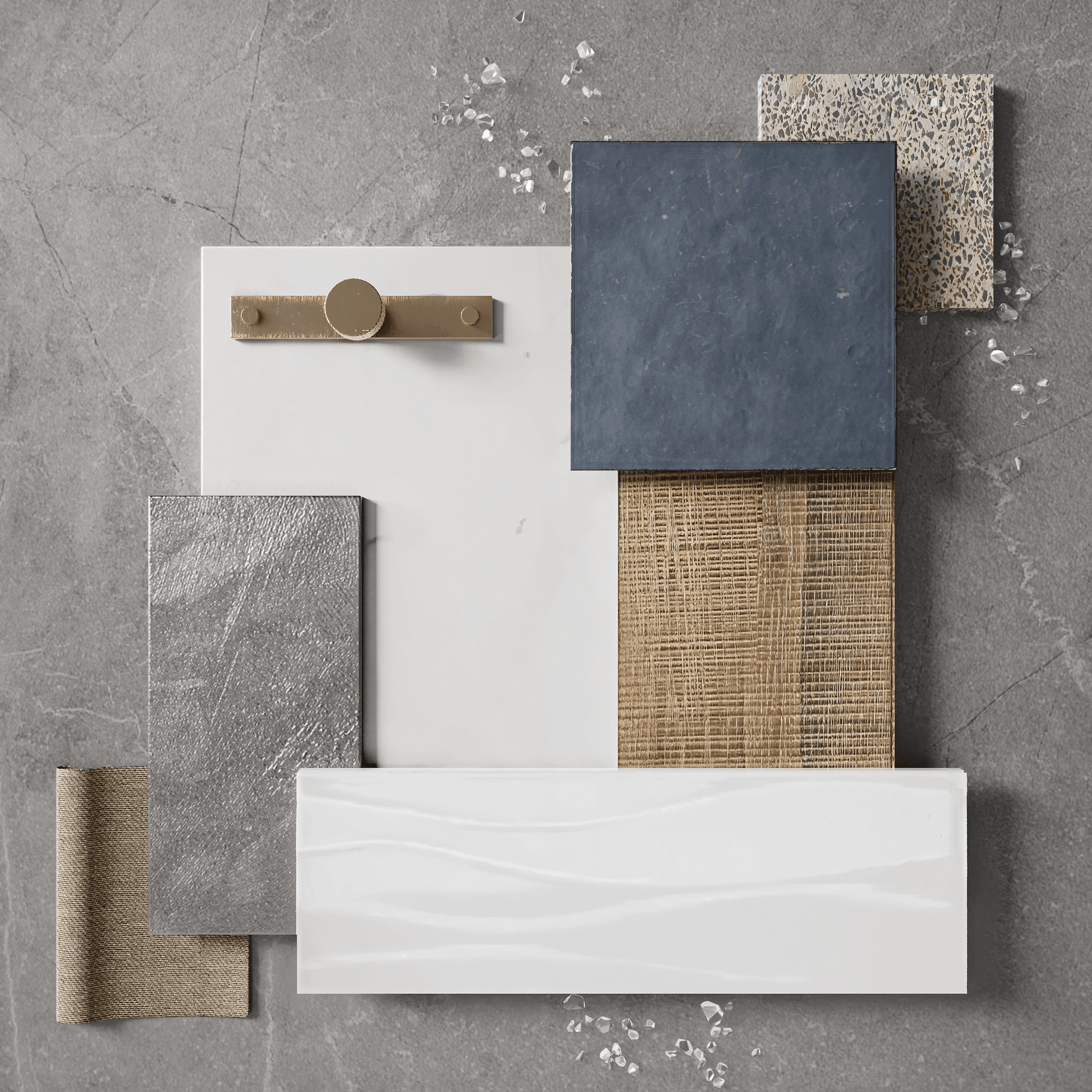
Tell the story of your collection in a simple, visual way. Display tiles of different sizes, patterns, or inserts next to each other using flatlay 3D rendering services. This way, anyone can see how wall and floor pieces, trims, and borders work together. The layout keeps the proportions true, revealing how every tile fits and repeats across the surface. Small changes in color or texture also come through, making sophisticated materials such as stone, marble, and handmade ceramics shine. With soft, even lighting, each finish appears as it really is. Whether glossy, matte, or textured, the surface keeps its authentic feel.
CGI Price List
Discover our complete range of CGI services, with real project examples and transparent pricing
Services That Pair With Flat Lay Rendering
Book one service or combine several in one project.


A process designed to make your products the star
How We Create Flat Lay 3D Renders
Our approach is clear, efficient, and adapts perfectly to your production flow.
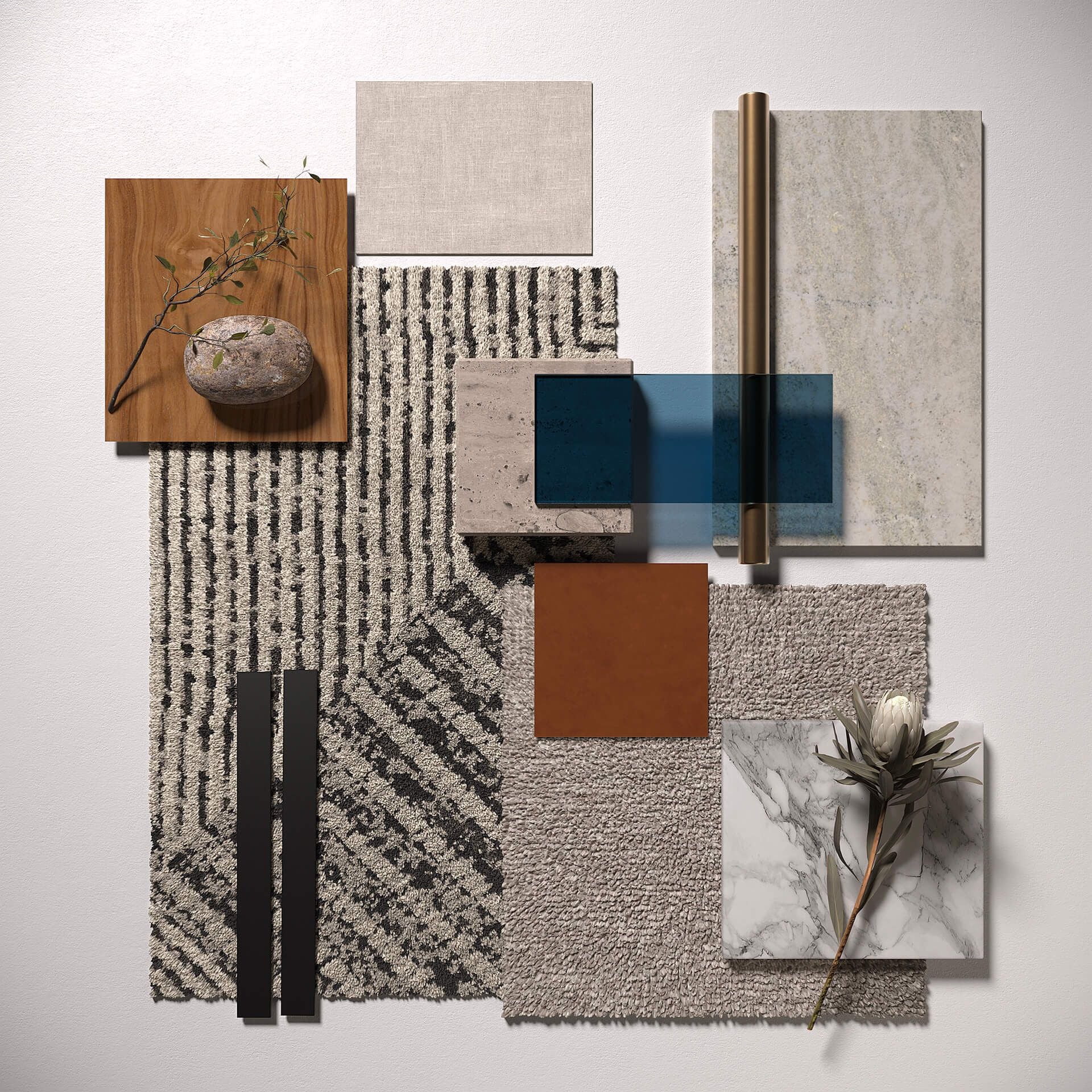
Brief and setup
We start by learning what you want to show. You share your product files, notes, and ideas for color and style. Together, we define how the flatlay should look and feel.
3D Model or Layout Setup
We build or refine the 3D models, or prepare an accurate base for tiles and panels.
Materials and Textures
Each surface gets realistic materials. We make sure metal reflects light naturally and fabric keeps its softness. Every texture is fine-tuned until it looks right.
Scene Composition
The layout takes shape here. We balance angles, spacing, and background tone so nothing feels crowded. Everything leads the eye to the product itself.
Lighting and Camera
Soft light, neutral tones, and a top-down view bring the details forward. The camera stays steady to keep scale and proportions real.
Rendering and Post-production
We render in high resolution, then polish the result by adjusting color, depth, and contrast. Subtle changes make the image look clean and believable.
Review and delivery
Before sending files, we double-check color, size, and alignment. You receive web- and print-ready formats such as PNG, JPEG, or TIFF, ready to use anywhere.
Book a demo
Need Flatlays You Can Restyle Without a Reshoot?
Send your product list and we will come back with a scope, the shot list and a timeline.
- See flat lay projects we have delivered for brands like yours
- Get a cost estimate for one product or a full collection
- Ask about formats, timing and how the process works
Pick a date & time
Weekdays only · times in your local timezone
Your contact details
Fields marked * are required. Business emails only.
Please enter your name.
Please enter a valid business email.
Required.
Please enter a valid phone number.