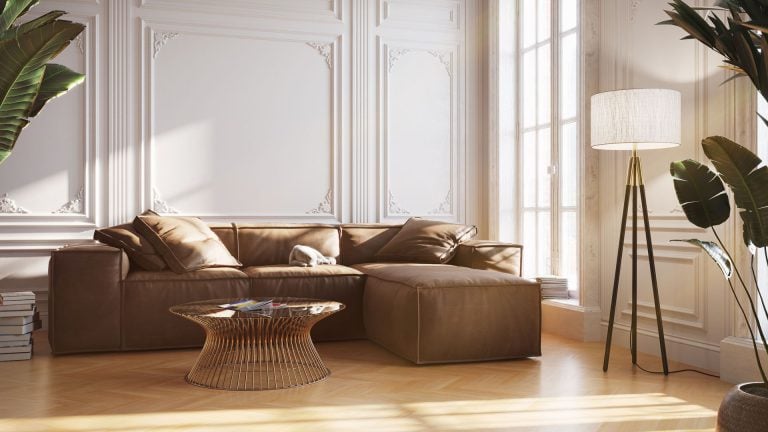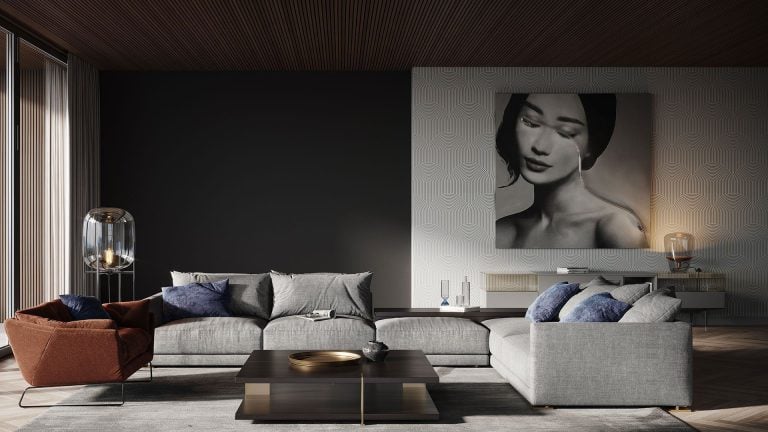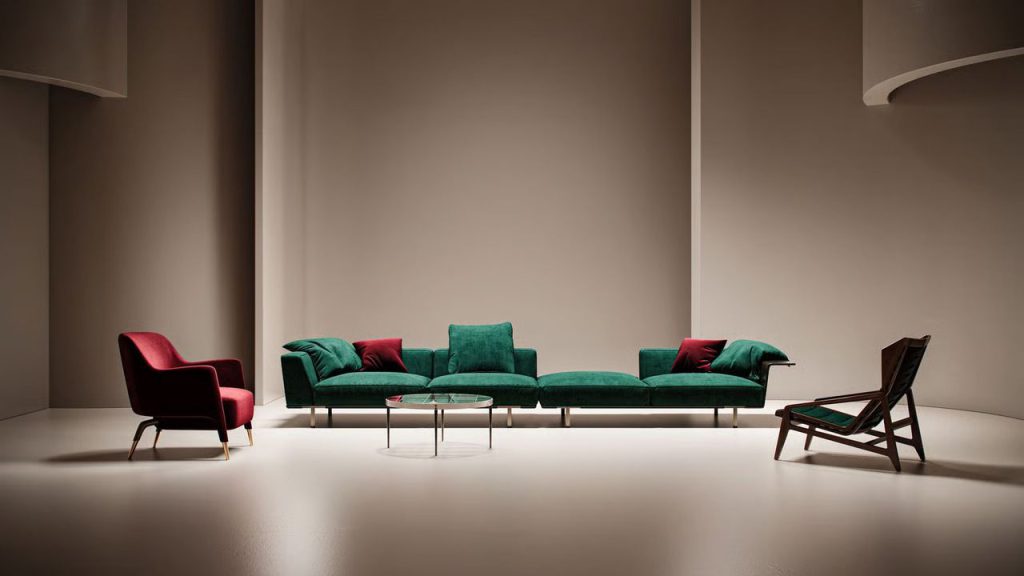
3D upholstered furniture rendering has transformed the way manufacturers and retailers can present their products and design ideas. Moreover, it made their life way easier in terms of the process organization.
Picture this, to get a high-quality photo of one single furniture piece, one would need to arrange the location, install a few types of lighting, prepare different decorations, and hire a professional photographer. The latter would have to meet the deadline, which is not always in line with the timeframe of the employer. In short, the whole process is costly and burdensome.
At present, with the rise of upholstered furniture 3D rendering, manufacturers want to give this technology a try but fear that it cannot reproduce all the benefits of the item’s build and texture.
However, after finding out how exactly 3D artists create upholstered furniture renders, they turn to CGI as the only quick and budget-friendly way to get a decent visual presentation of their pieces. Furthermore, the representatives of furniture business see this technology help scale up the marketing campaigns. So, let’s jump right into the process of our 3D furniture rendering services to see how the whole magic happens.
1\. Build Correct Forms of Furniture 3D Models
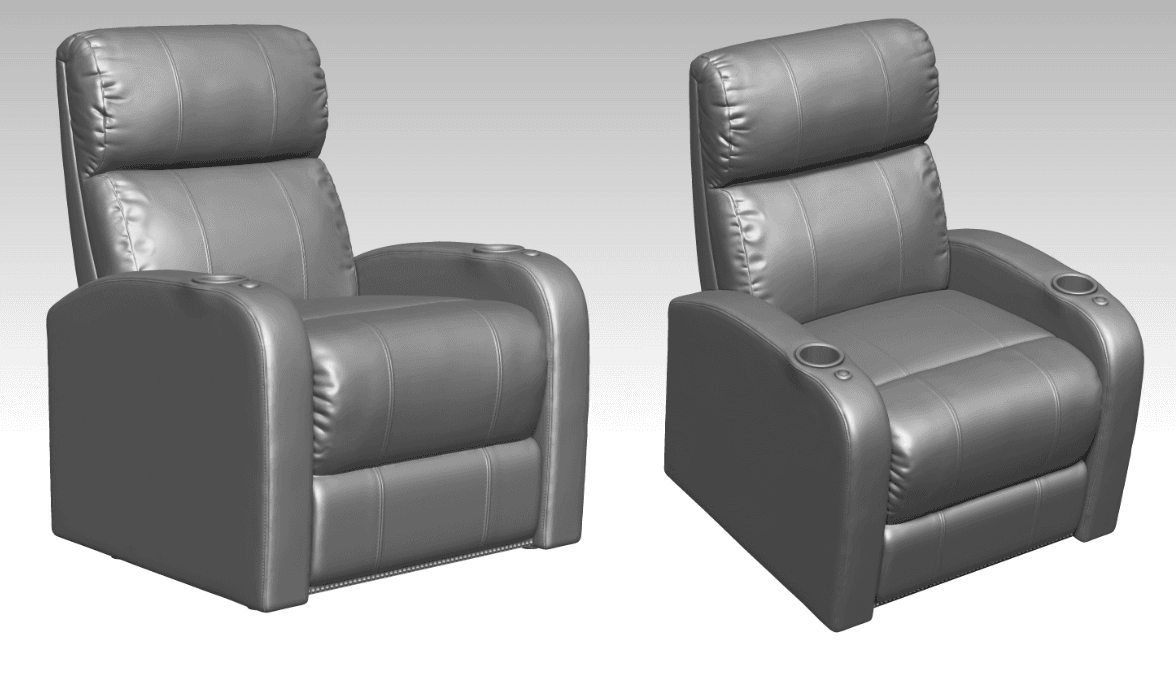
When 3D artists receive the references from the clients, such as drawings, photos, sketches, etc., their primary task is to create a 3D upholstered furniture model with the correct forms and dimensions proper to the real product. They also need to respond to one’s demand for modularity and customization. Moreover, in upholstered furniture rendering , solid objects are easier to recreate than soft ones. The latter are constantly being undergone with external effects, which makes their form changeable. Luckily, lifestyle upholstered furniture 3D visualization handles these challenges easily.
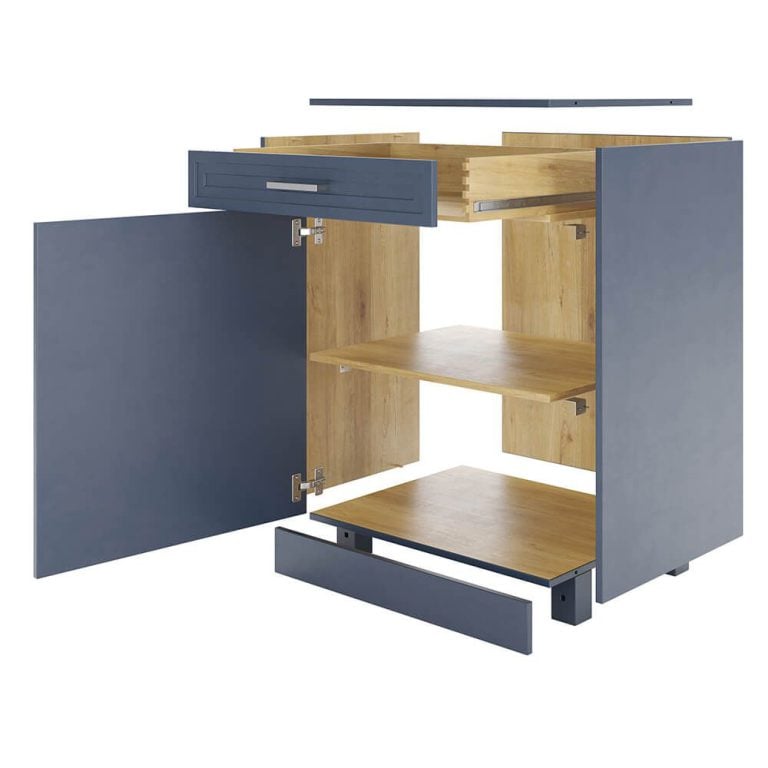
For example, to reproduce the exact shape of a furniture piece, product rendering artists use 3D design apps that allow building a geometrical structure, also called a wire model of the object. So, they design the model keeping the precise proportions and applying the same characteristics but in a smaller scale. As a result, a client gets the product’s photorealistic 3D model, shaped according to the accuracy of the references provided.
2\. Sculpt Realistic Curves and Bumps
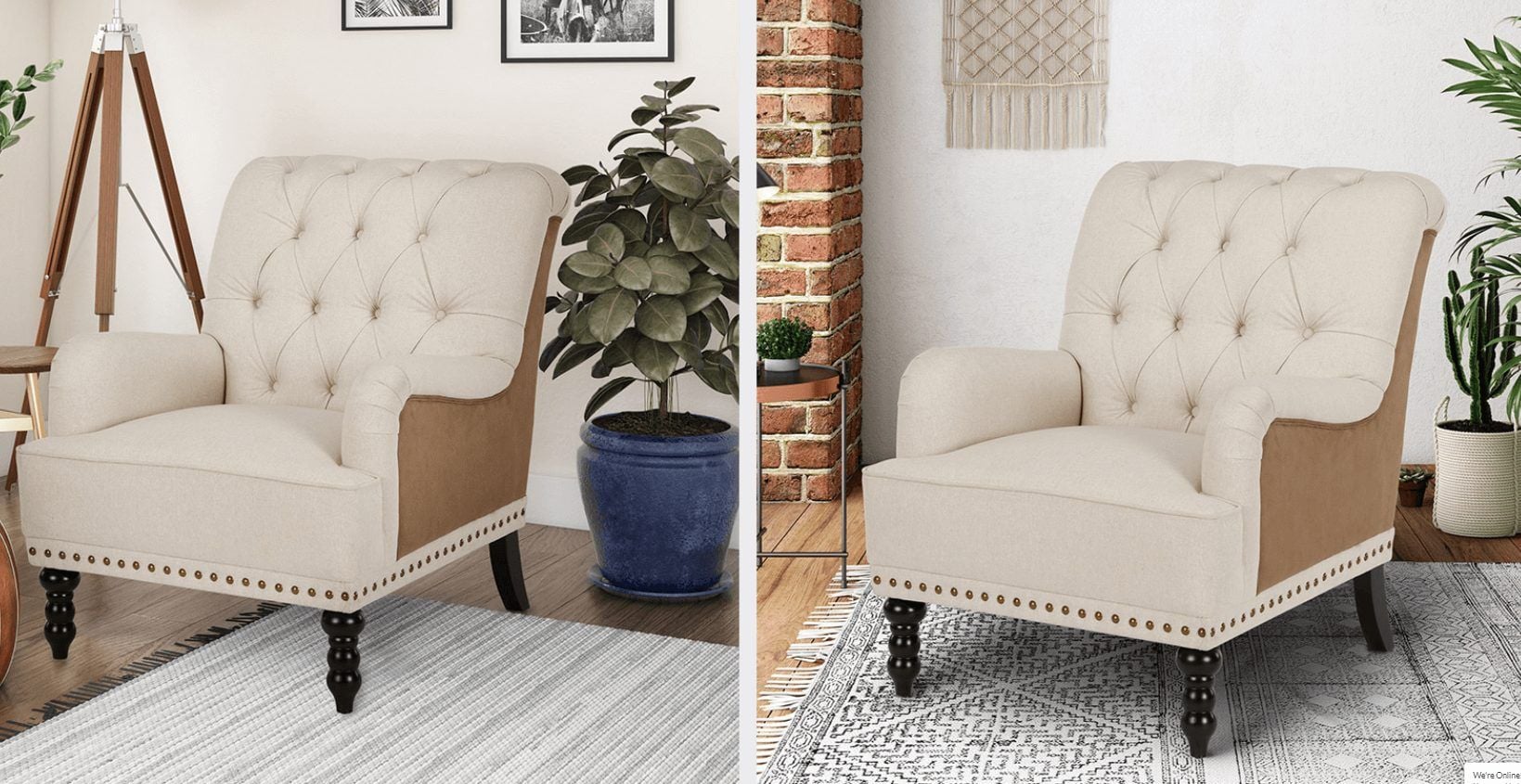
3D artists strive to keep the physical features of the materials. For soft upholstered furniture, these are wrinkles, bumps, curves, and other peculiarities of different furniture models. Plain, perfectly smooth surfaces look unreal and even unattractive in its unnatural look.
Let’s look at the example. To create a 3D render of the ottoman, a 3D artist needs to make it a bit embossed to demonstrate its softness and comfort. Or, to craft an upholstered sofa rendering of a Chesterfield, one makes its surface tufted, based on a real sofa look. As a result, manufacturers gets a visual that is as detailed as the real thing.
3\. Find Perfectly Matching Materials for Upholstery
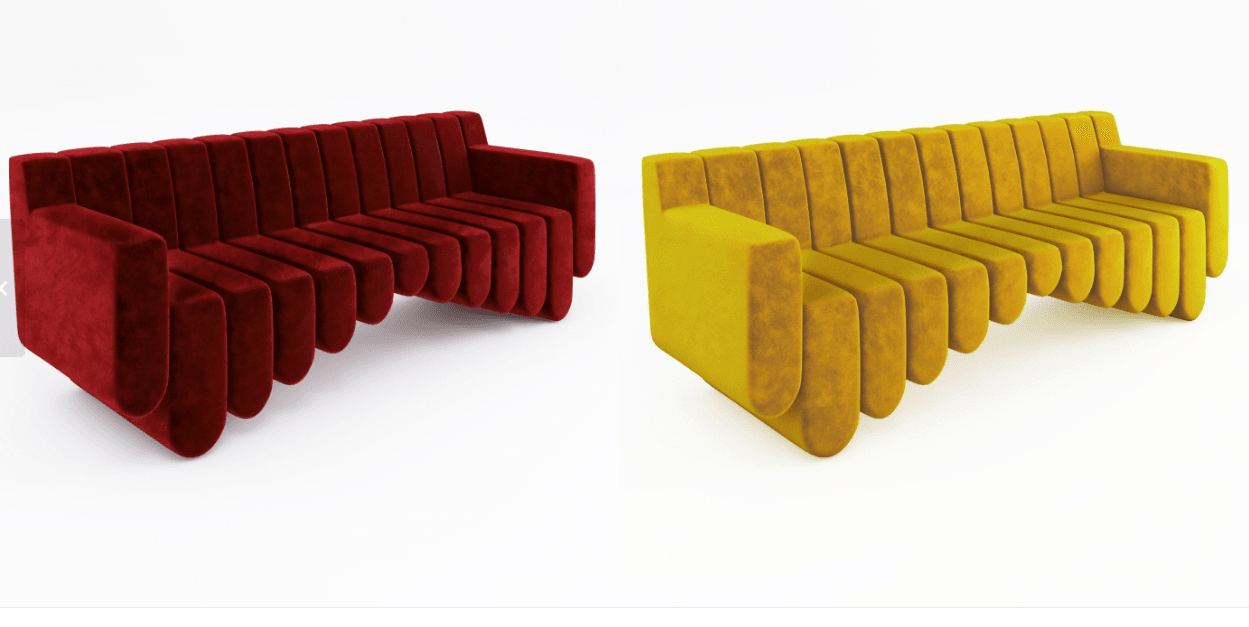
Another challenging task of 3D artists is to find an ideal combination of materials for every furniture piece. Not only should they impeccably “coexist” but also convey the taste, style, and a current trend appeal of the item.
Today designers can get away with mixing things up. To them, a Victorian piece might look almost ultra-modern in white linen. To address this and similar requests, 3D specialists look for the materials for fabric furniture rendering and download them from different bases, keeping in mind the information provided about the product.
A 3D professional needs to find high-quality templates with authentic colors and other features that go toe-to-toe with the real product. Or, they might create custom upholstered furniture CGI by altering the already existing models and adjusting them to the manufacturer’s requirements.
4\. Do Smooth Texture Mapping
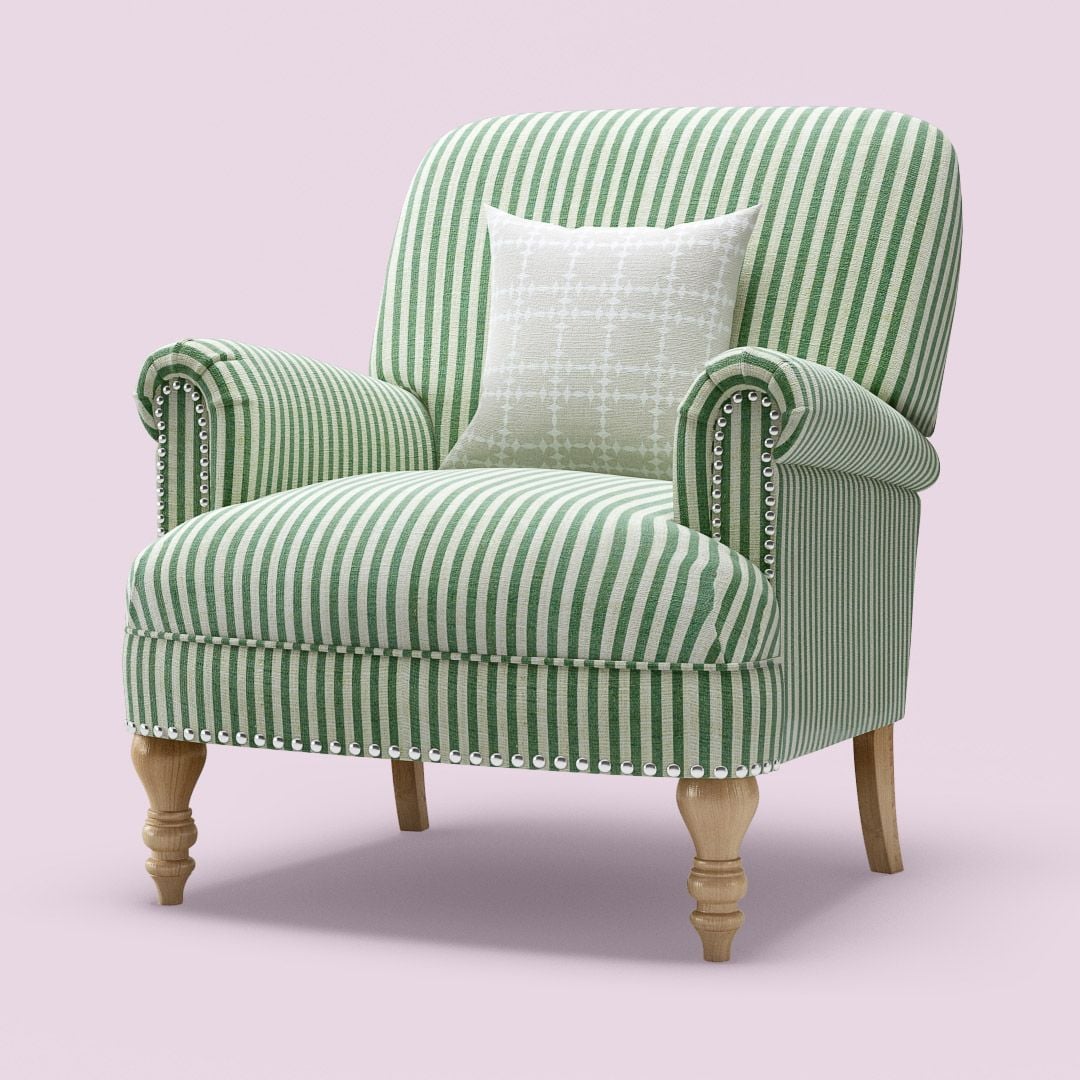
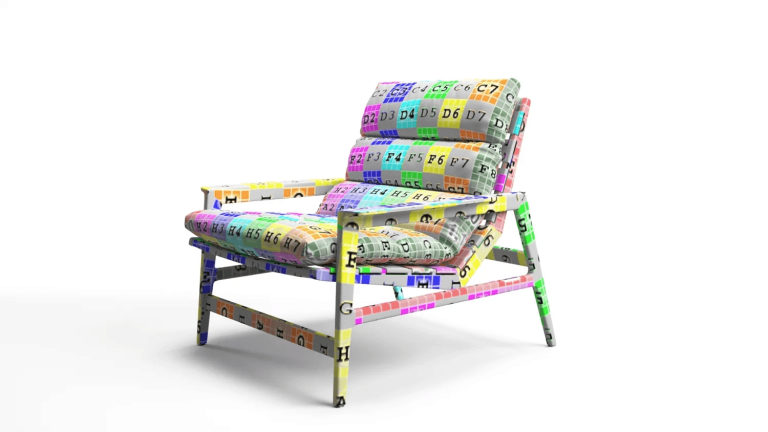
Upholstered furniture CGI projects include texture mapping as the next stage after choosing materials. For newbies in the subject, it is applying a two-dimensional image to the surface of a 3D model to bring about texture, color, or other details, such as reflectivity, transparency or glossiness.
The focus point here is texture needs to match the material perfectly. Thus, photorealistic product rendering allows reproducing the same stains and patterns wooden furniture has, as well as the curves of leather products, depending on the type of the original material. So, if a manufacturer wants to showcase the item’s quality on the picture, successful texturing is the best possible way to do it.
5\. Adjust Light and Shadow Settings
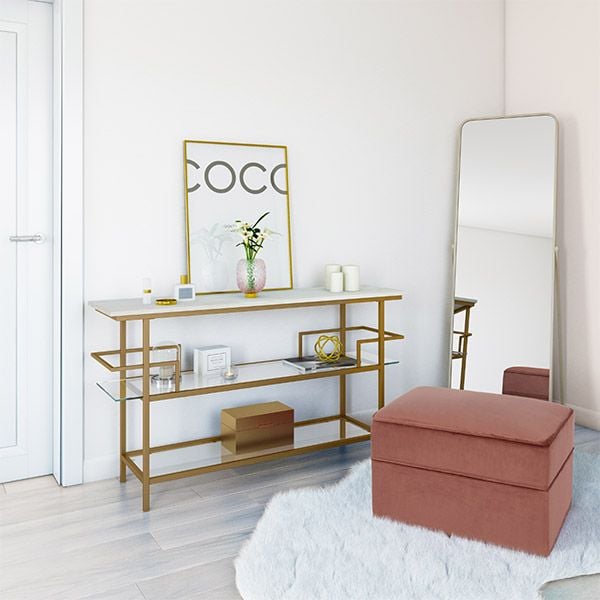
Lighting and shadows also define the photorealism of a model. Upholstered furniture 3D rendering allows copying exactly what photographers are doing in a real world and applying it to 3D scenes. CGI artists can regulate light and shadows for highlighting the product in the best possible way.
Usually, 3D specialists use a three-point lighting system, especially when it’s about focusing on an object. These are key light, fill and back one. For example, to depict an upholstered sofa immersed into sunlight, one will apply the fill light, which is considered the secondary lighting source. It will create shadows that come naturally and disperse organically around the item making it look as real as possible.
In a nutshell, to get a necessary effect, a 3D artist takes into consideration the sources of the light, their directions, the position of the object, etc. Thanks to 3D rendering software, any logic ever applied in photography lighting can be easily and quickly implemented in upholstered furniture 3D rendering.
Upholstered furniture CGI and 3D interior rendering made it impossible to tell apart a real-world photo and a 3D render. Each upholstered furniture render packs a punch with how little time and few resources are required to create it, which makes 3D rendering a no-brainer for most furniture manufacturers, online retailers, and marketers nowadays.
To learn how upholstered furniture renders improve product detail pages, see our e-commerce guide.

Download CGIFURNITURE price guide and learn the costs of top-tier 3D visualization projects of different scales!
See our pricingWant photorealistic upholstered furniture rendering for your catalog or website? Use our 3D furniture rendering services and get stunning visuals in just 2 working days.