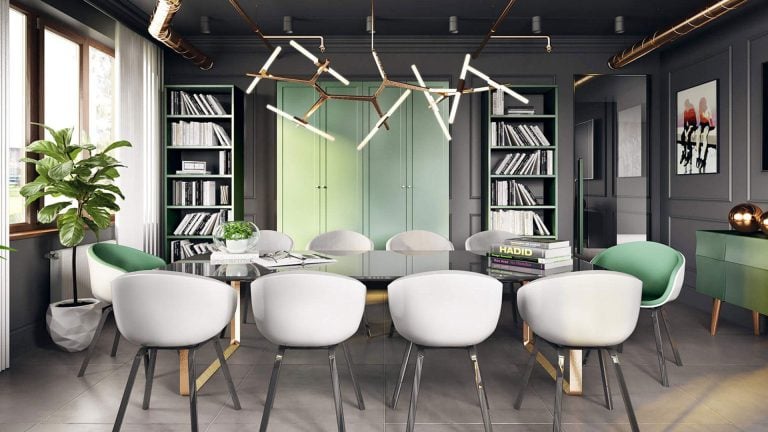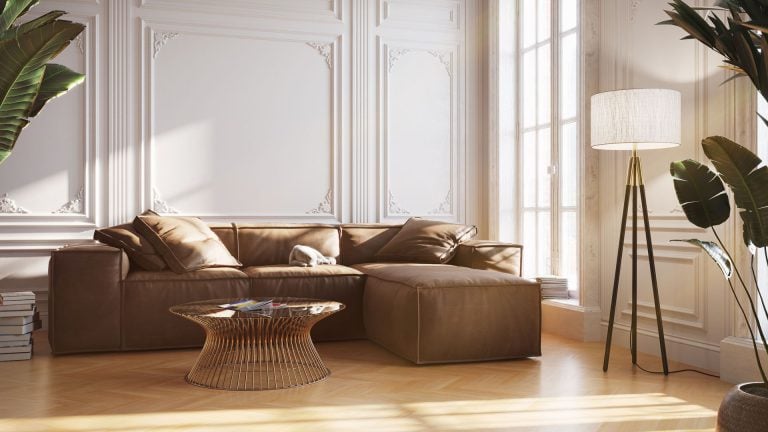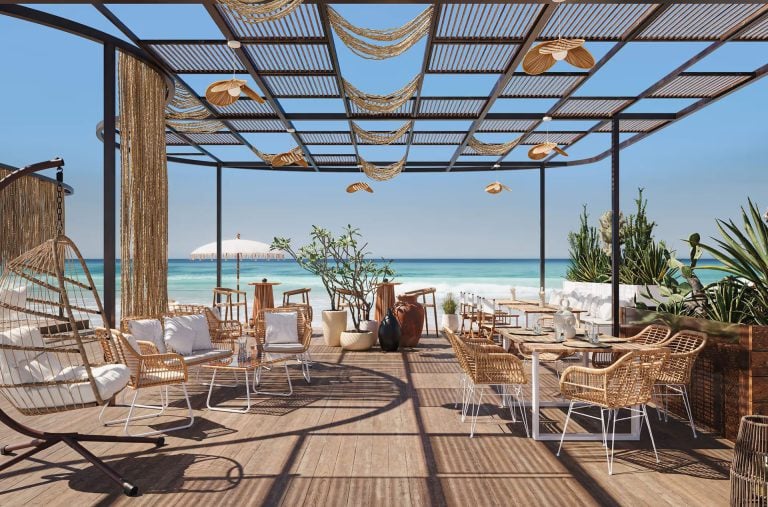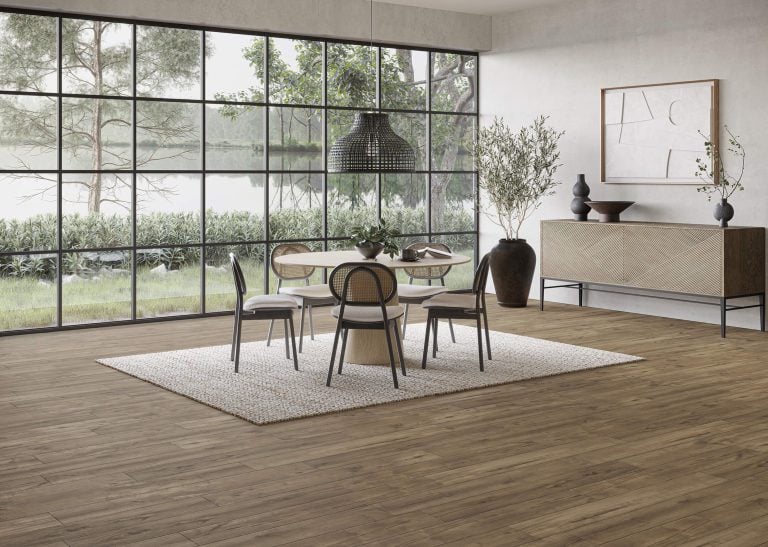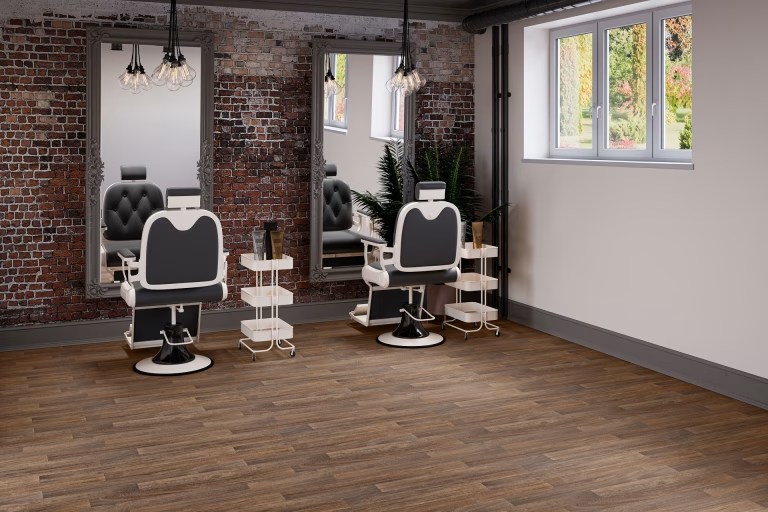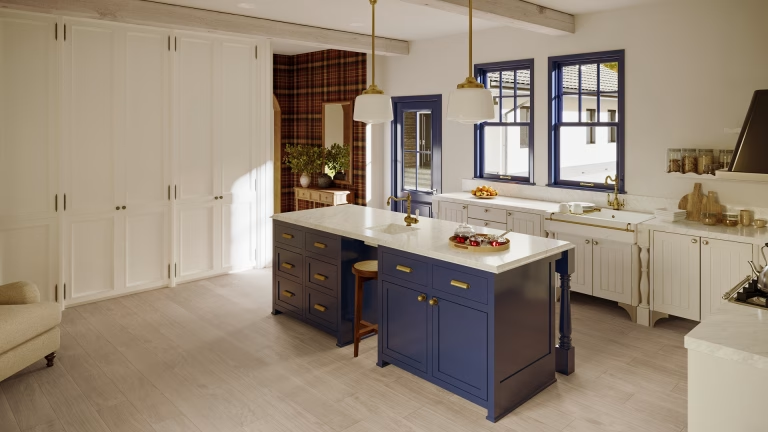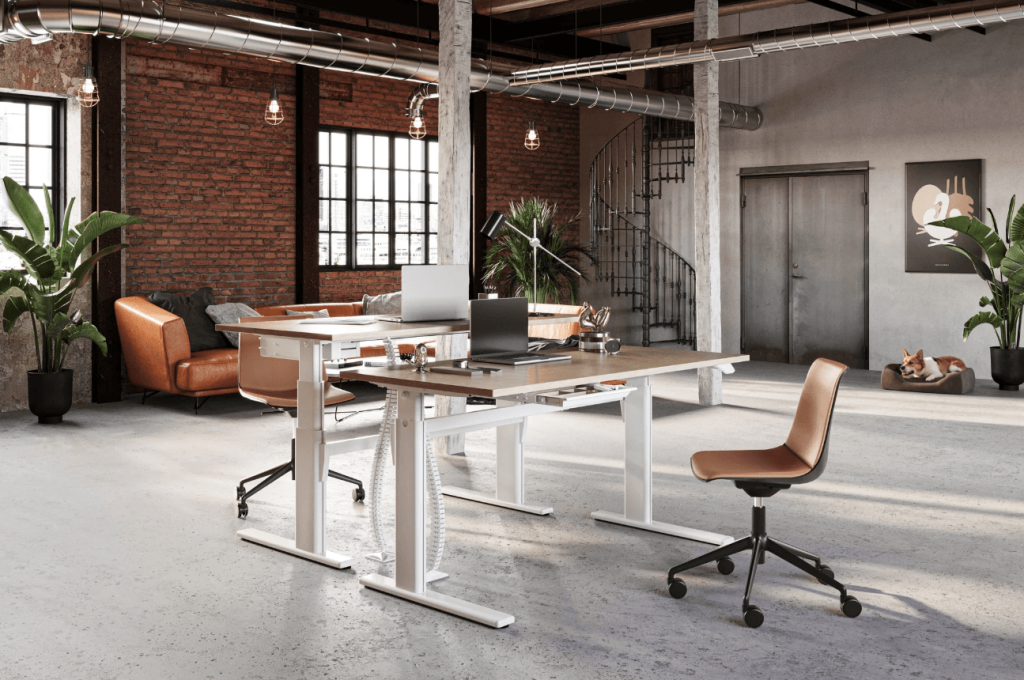
Introducing a new line of furniture does not mean having to wait for months for production to begin before launching the sale of your products. Most furniture companies postpone their pre-order strategy since they lack products that they can take photographs of. This means that their websites, catalogs, advertisement plans, and presentations have to wait until the first batch of products is produced.
That gap between a finalized design and the first delivered unit is months of lost selling time. By making use of pre-production 3D visualization for furniture products, brands will be able to launch their pre-orders before production even starts.
What Is Pre-Production 3D Visualization?
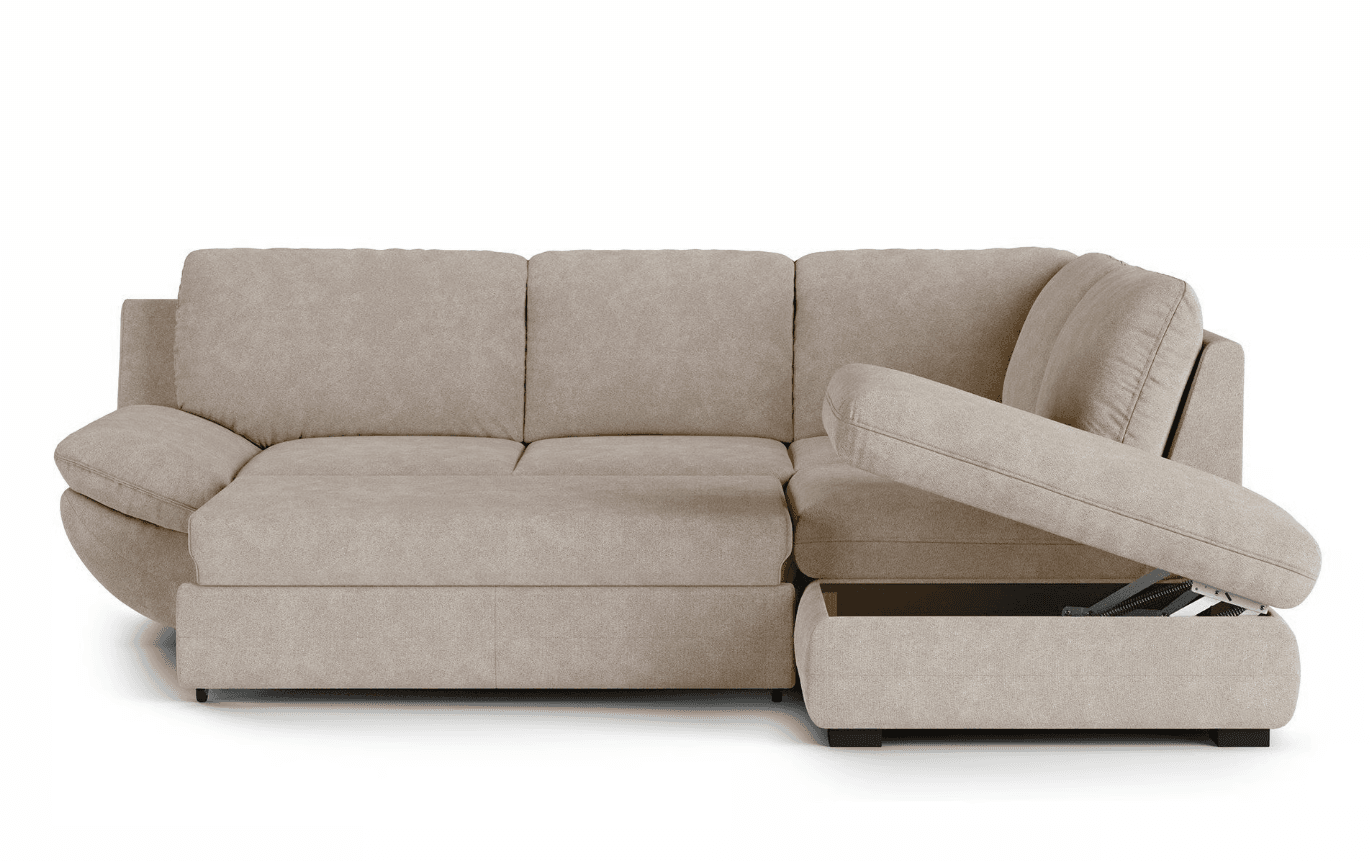
Pre-production 3D visualization is the creation of photorealistic images of products before the actual product is made. This is done by building up a digital asset that is based on a CAD drawing or technical drawing. It is a practical use of 3D furniture visualization, applied before the product exists.
Depending on your launch plan, these assets may include:
- Silo product images
- Lifestyle renderings
- 360° product views
- Product animations
- Material and color variations
To begin the process, a visualization studio typically needs:
- CAD files or technical drawings
- Product dimensions
- Material references or finish samples
- Hardware specifications
- Color options
Distinguishing between the two is crucial in this case. Prototypes validate manufacturing viability, while pre-production visualization creates the visuals needed for marketing and selling the product. When comparing both, refer to our guide on furniture prototyping.
How Do Pre-Orders Work for Furniture Brands?
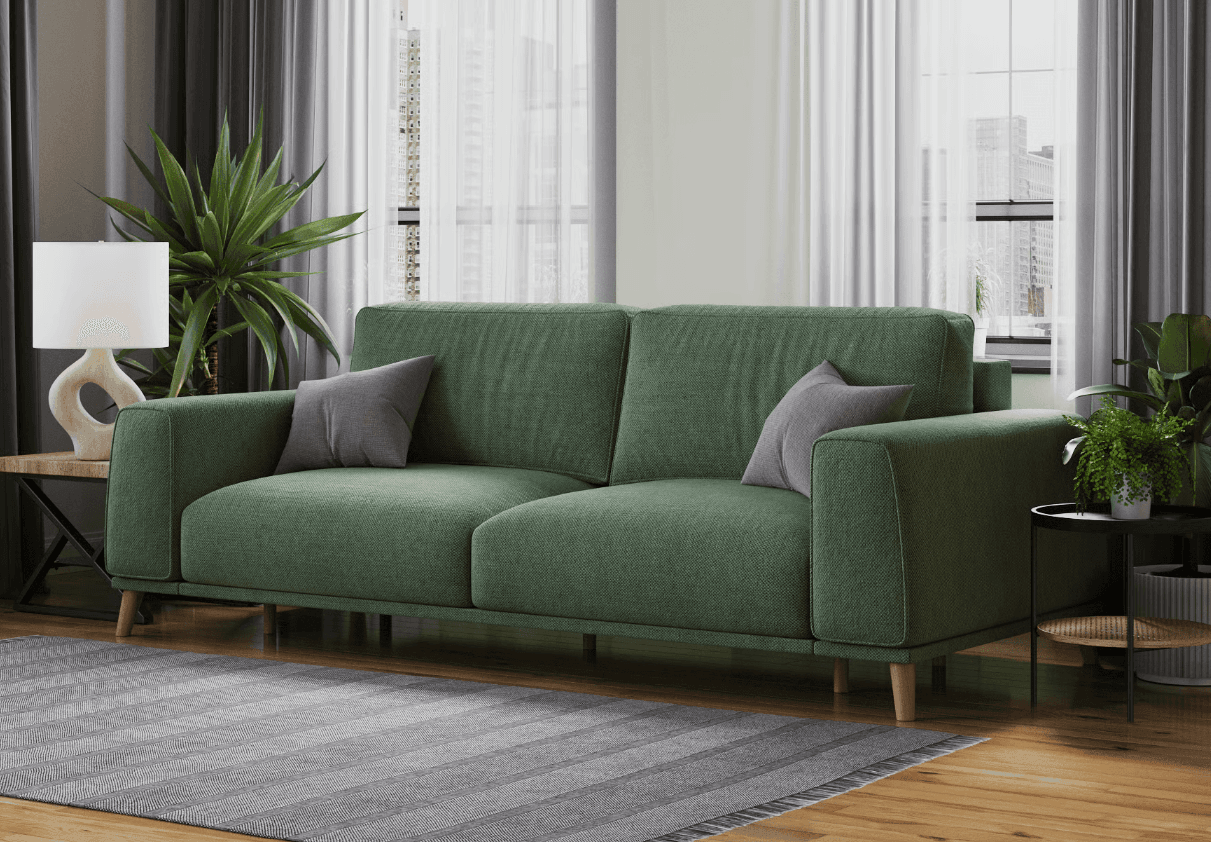
Furniture pre-orders enable buyers to buy their products even before they are completed. The mode of payment depends on the business strategy used; either full payment is made, or a deposit is made by the customer, with the retailer stating delivery and manufacturing timelines.
In contrast to other industries where delivery time is shorter, the furniture industry takes more than weeks or even months to manufacture, control quality, and deliver the product to the buyer. Pre-ordering in such an industry is successful through clear communication, realistic estimation of delivery time, and visualization of the product. The production process may alter the cancellation terms due to material ordering.
Why Pre-Selling Furniture Works: The Business Case
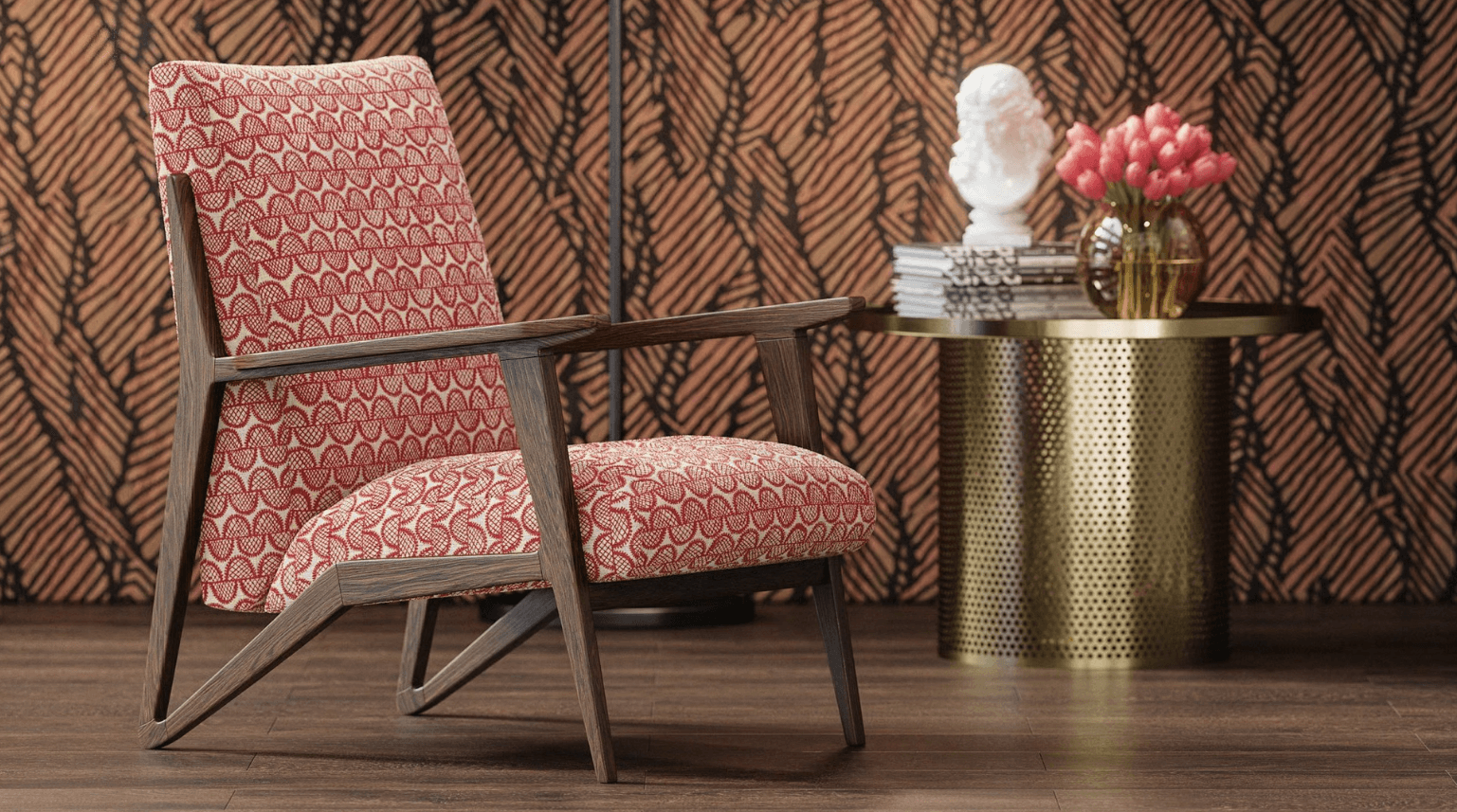
The benefits of starting the pre-order process before manufacturing extend much further than just receiving an early income.
Improve Cash Flow
Rather than financing production from scratch, pre-orders can bring in money before any product goes into manufacturing. You can use this information about the customer’s needs to plan production, starting a new line of products.
Validate Real Market Demand
Conducting market research and interviewing the customers can provide you with valuable information, but only real purchases can validate the findings. Pre-orders reveal the products, colors, and finishes that customers truly desire. This will help avoid producing unsold goods and focus on the best-performing designs.
Launch Marketing and Production Simultaneously
Traditional product launches often follow a sequential process:
- Manufacture products
- Complete product photography
- Build marketing assets
- Launch sales
Pre-production CGI furniture photography enables marketing to start even while the product is being manufactured. The creation of product detail pages (PDP), catalogs, creative advertising materials, and retail sales material is possible even before the first item comes out of the manufacturing facility.
The result reduces the gap between production and earnings, along with an efficient product life cycle.
Better Product Experiences Increase Conversions
According to Shopify, stores that use 3D visual content have a 94% higher conversion rate. As per the Shopify case study on Rebecca Minkoff, users who used 3D visual content were 44% more likely to put items in the cart and 27% more likely to make a purchase, while AR raised the purchase probability by 65%.
Furniture brands need this type of visual asset, as it helps users get a more profound understanding of the dimensions, material, and finish of the product they cannot examine in person. 3D and AR content is also among the main furniture ecommerce trends shaping how buyers shop online.
5 Ways to Sell Furniture Before It’s Built
Launch Pre-Orders on Your Store
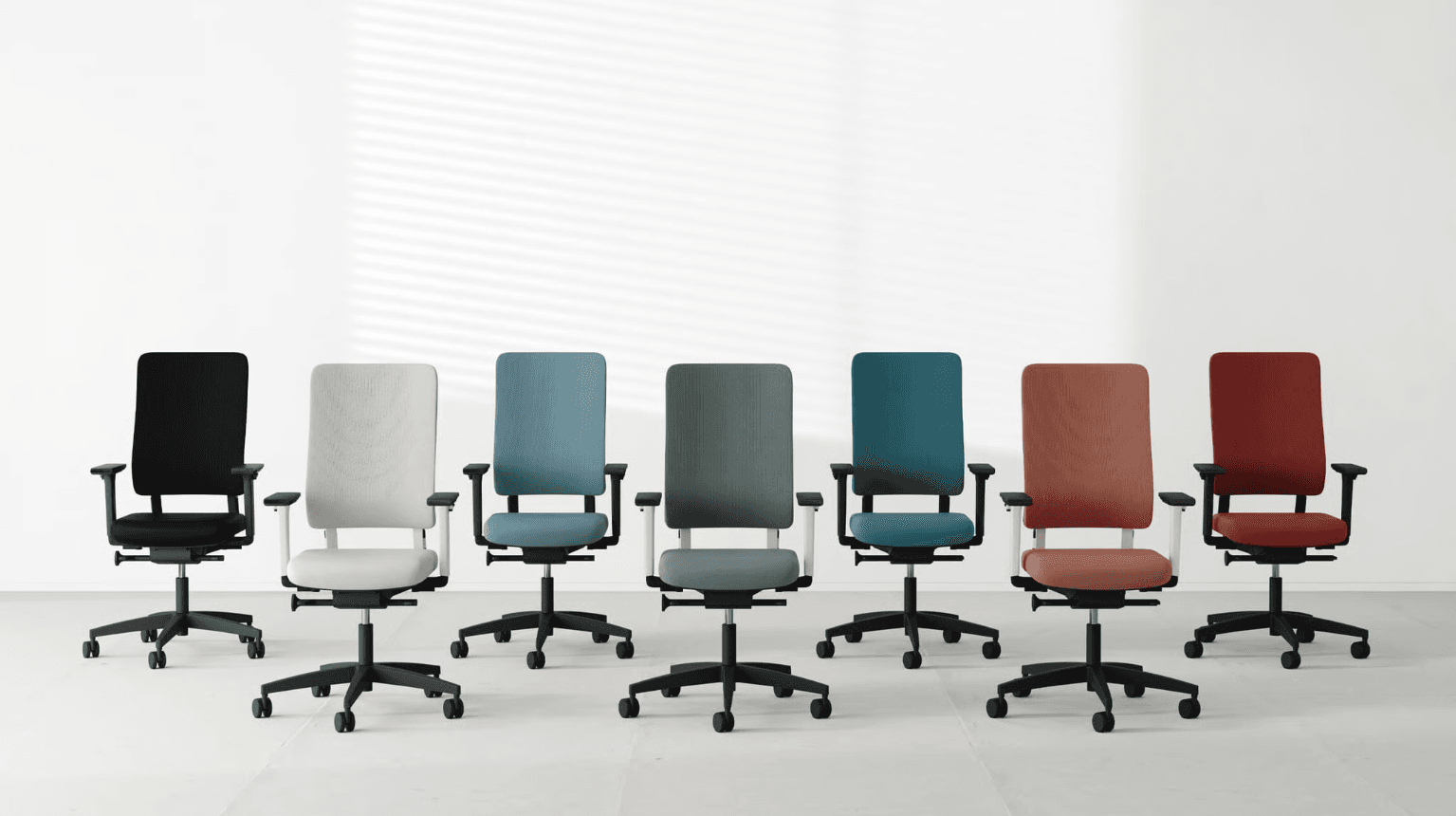
A successful product page design can start selling even before production begins. Photorealistic renders of the silo, lifestyle images, close-ups of materials, and different finishes ensure that customers feel confident enough to make a purchase even if they cannot physically see a sample.
Rather than waiting for the photographing process to take place, companies can launch full PDPs with CGI furniture photographs made from a single computer-generated image model. The main thing to remember is that it should be transparent, so people will know about the pre-order status.
Test Demand Across Design Variants
Among the many strengths that come with creating from 3D models is the ability to create a huge number of different variants of a product without actually producing all of them.
For instance, a chair model can easily be converted into many variants made out of various types of wood, upholstery, colors, and so on. There is no need to make any guesses concerning which designs people like more since there is an opportunity to track customers’ buying habits via pre-orders.
Pitch Trade Buyers and Retail Partners
Rather than spending money on several physical mockups, the furniture manufacturer can display an entire collection with photorealistic images. The buyer will be able to see all finishes and options during a sales presentation by professionals, and decision-making will take place before manufacturing.
This allows manufacturers that work with distribution channels and retailers to reduce the sales cycle significantly.
Present Collections at Trade Shows and in Catalogs
Manufacturers rarely coordinate their trade show dates with their production timelines. Having to wait until the merchandise is fully made will make you miss many sales opportunities. Renders let brands bring a full collection to furniture trade shows while production is still months away.
Visualization technology enables the creation of entire printed catalogs, lookbooks, booth graphics, and presentations before producing the items. You can literally create collections in the marketing world before producing them in the real world.
It allows you to start making sales contacts and collecting leads long before production takes place.
Run Pre-Launch Ads and Build a Waitlist
You can run ad campaigns without relying on inventory.
Furniture companies can use lifestyle renderings, animated products, and social media graphics to promote their new collections long before the launch. Paid ads will be able to direct traffic to their pre-orders or sign-ups and create hype for their new collection.
The day their new collection hits the market, they will have everything ready to go.
How to Keep Pre-Sale Renders Honest and Accurate
Common Mistakes to Avoid
However, even the most sophisticated visualization will not ensure the success of the preorder marketing campaign if the process itself is not carefully designed.
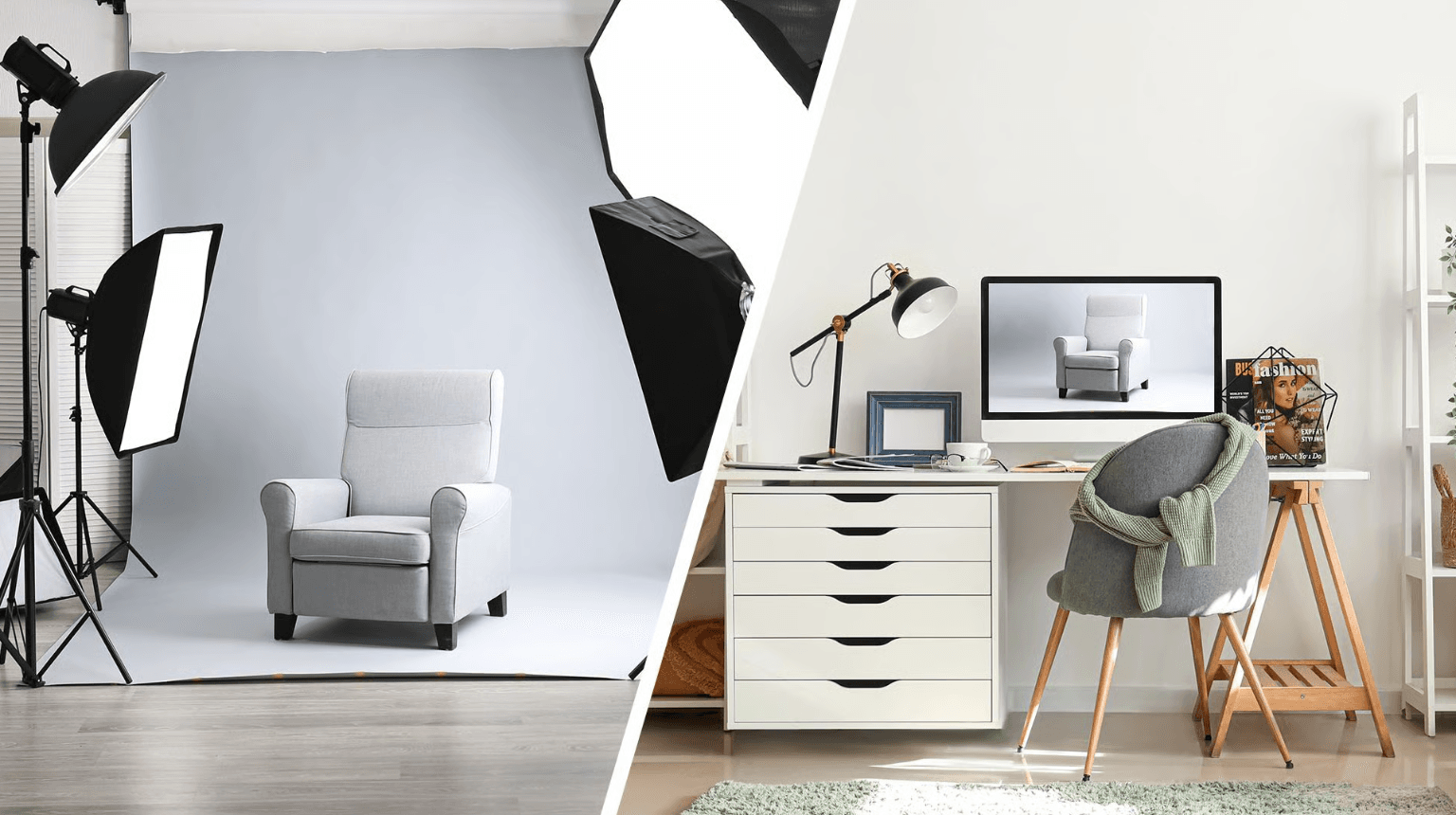
- Using Unrealistic Product Visuals “Photorealistic” does not imply “unrealistic.” The colors, the materials, the proportions, and the finishes have to match the final product. Excessively stylized pictures might cause customers’ dissatisfaction and unwanted returns.
- Hiding Delivery Timelines Customers tend to be quite patient regarding custom-made furniture as long as everything is clear about the timeline.
- Creating Too Few Marketing Assets A lone hero shot is not sufficient for a product launch. Effective pre-orders require the creation of product images, lifestyle renderings, close-up pictures of the material, social media images, banners, videos, and email images. All of these can be created through a single 3D rendering and will save on costs incurred in the future.
- Waiting Until Production Starts Brands continue to wait until their products are ready to ship to the warehouse before launching their marketing efforts. This hinders demand creation and limits the selling period.
What You Need to Get Started
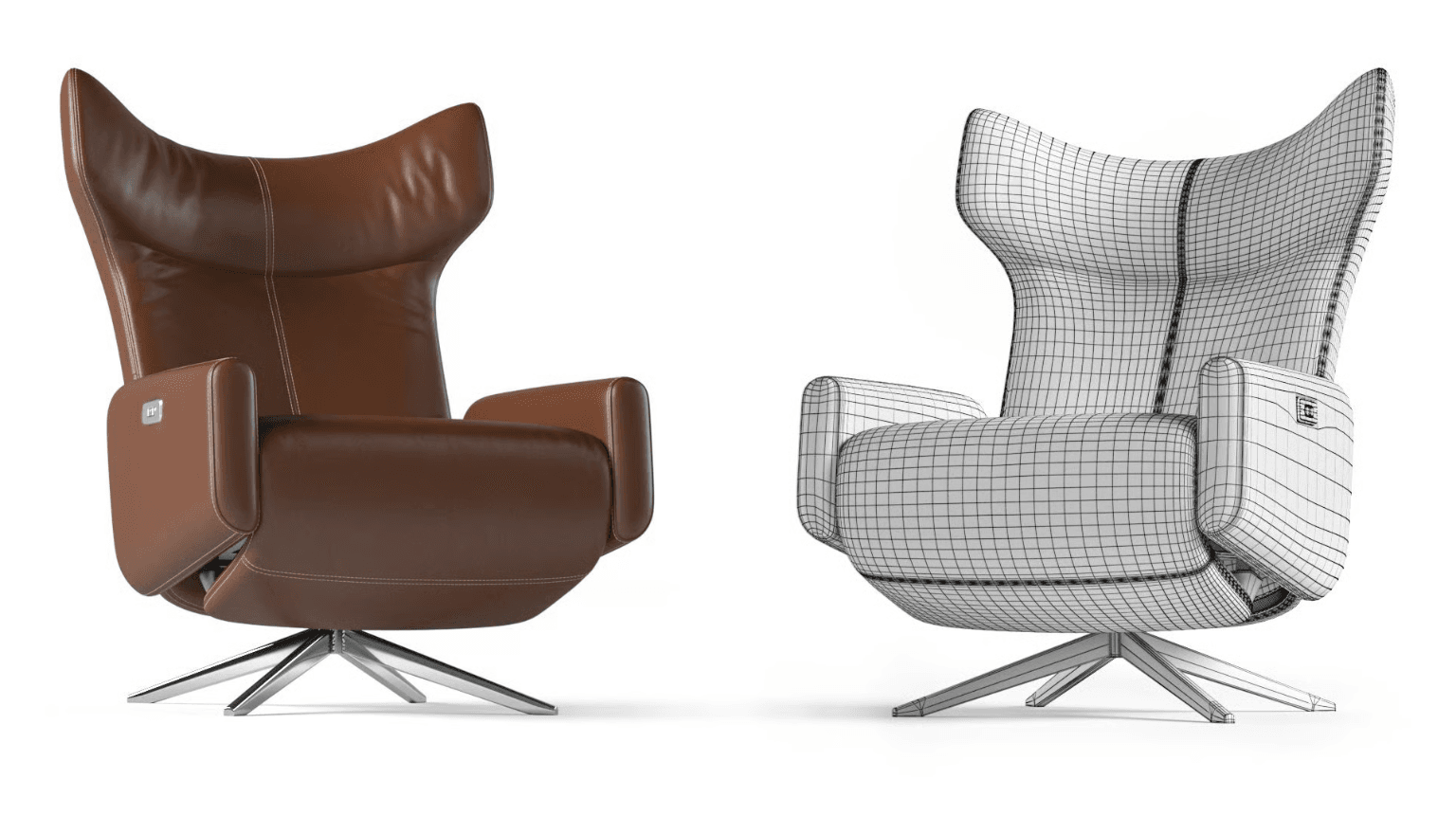
Creating a furniture pre-order campaign with product 3D modeling and 3D visualization is possible without the existence of a finished product, although production assets must be present.
In most cases, one will need:
- The files or technical drawings of CAD and the dimensions
- Reference materials and fabrics with finishing details and hardware
- List of required product variations (different colors, finishes, sizes, etc.)
- Marketing channels where the asset will be used – product pages, marketplaces, catalogs, advertising, social networks, presentations for retailers
Afterwards, the 3D visualization studio will analyze your materials, prepare the production 3D model, apply realistic materials, and create marketing assets. After the verification stage, the final visualizations will be sent in formats suitable for your sales and marketing channels. This is the standard workflow behind our 3D furniture rendering services.
It all depends on the size of the collection and can take from several days in case of a single item to several weeks in case of an entire product line with multiple variations.
On top of that, an AI + 3D workflow for furniture eCommerce brands helps generate product images, lifestyle scenes, product variations, and marketing assets faster while reducing production costs and time to market.
Choosing the Right Visualization Partner
The effectiveness of your pre-order campaign will greatly depend on how effective your visual content is. Realistic renderings must evoke confidence and be a true representation of the finished product throughout all marketing platforms.
When evaluating a 3D visualization partner, look for:
- Experience with furniture products and materials
- Consistent photorealistic quality
- Accurate material and finish reproduction
- Support for multiple product variations
- Scalable production for entire collections
- Fast turnaround times without sacrificing quality
Your visualization partner should also understand how to utilize those same 3D assets in e-commerce, advertising, catalogs, retail presentations, and product configuration. This way, you can ensure that every asset is created with marketing in mind.
Download Our Furniture CGI Pricing Guide
Launching new furniture soon? You should check our Furniture CGI Pricing Guide to learn about factors affecting visualization price and compare various asset types
Final Thoughts
A successful furniture pre-order strategy starts even before the manufacturing process. By taking advantage of pre-production 3D visualization, you get the opportunity to prove there is demand for your products, generate revenues, arm your salespeople with promotional material, and run a campaign even while you’re still manufacturing the products.
Rather than waiting for the completion of your products to roll out, you will be able to introduce your new collections through realistic imagery that captures each design, texture, and finish.
No matter whether you are launching a particular product or a whole furniture collection, pre-production 3D visualization will enable you to sell your products even before the first product comes off the assembly line.
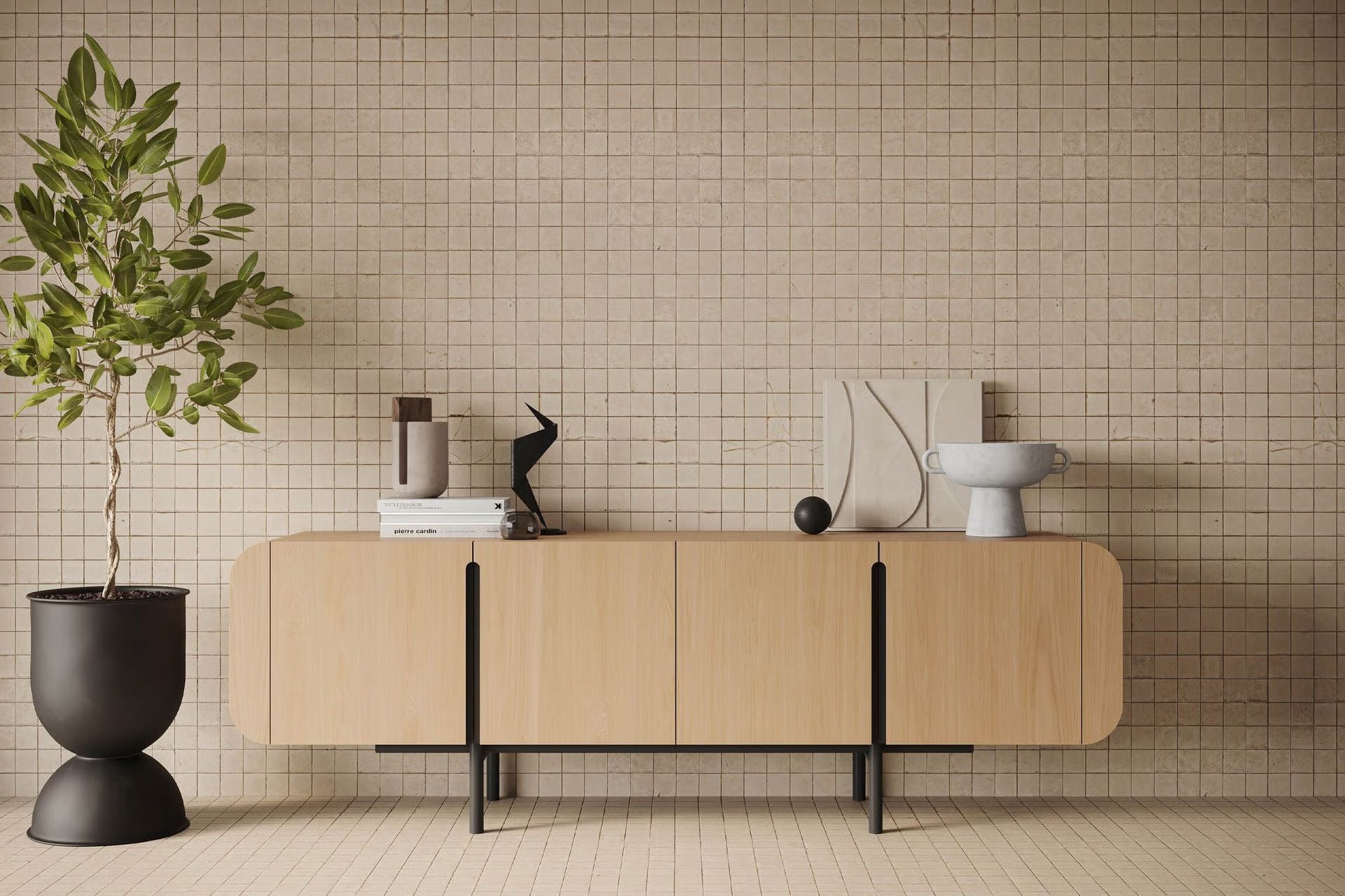
Pre-sell a collection before the first unit is built
We render new furniture from CAD files, drawings or prototypes, so product pages, ads and pre-order campaigns can go live while production is still running.
See furniture renderingFAQ
Can I sell furniture online before it’s manufactured?
Yes. Many furniture brands conduct pre-ordering campaigns based on the 3D renderings of their products rather than product photographs. This will provide enough time for the customer to evaluate the product before its creation through proper information and communication.
What files do I need for pre-production visualization?
To generate accurate 3D images, it is important to have CAD models or technical drawings, measurements, information about the materials used, hardware information, and information regarding colors. Providing additional information in the reference documents will result in a more accurate render.
Will the renders look identical to the final product?
With a production-ready spec and calibration to real-world materials, photorealistic renderings will be very close to the result. You’ll receive visuals that faithfully represent the appearance and texture of your furniture pieces if you use realistic materials and precise modeling.
How is pre-production visualization different from furniture prototyping?
Pre-production visualization provides photorealistic virtual assets for use in marketing, e-commerce, and pre-order promotions before manufacturing. However, furniture prototyping involves creating real-life models to prove the manufacturability and usability of a product. Whereas prototypes prove that the product is good, 3D visualization proves whether there is a market for it. Read more in the article about furniture prototyping.