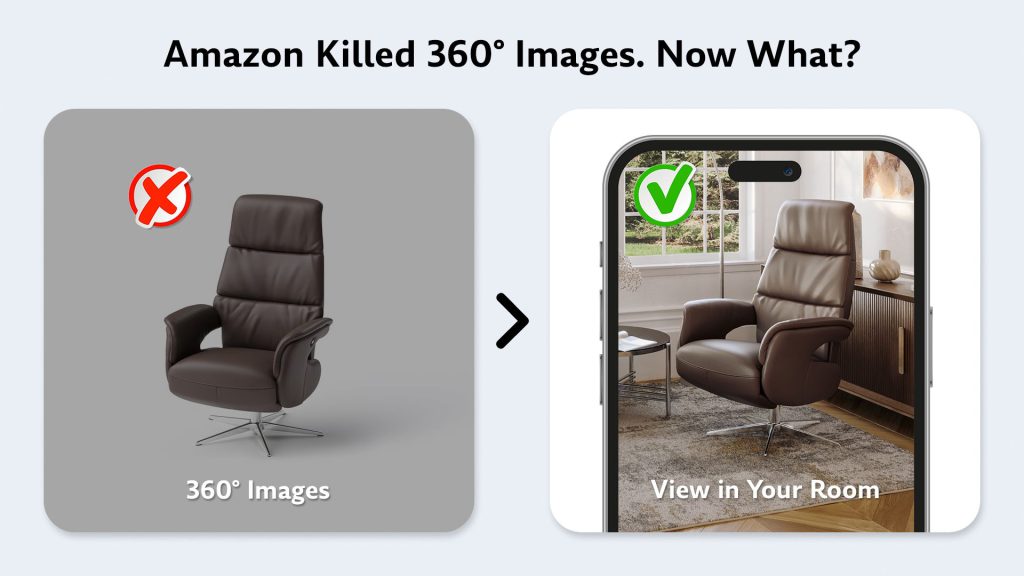
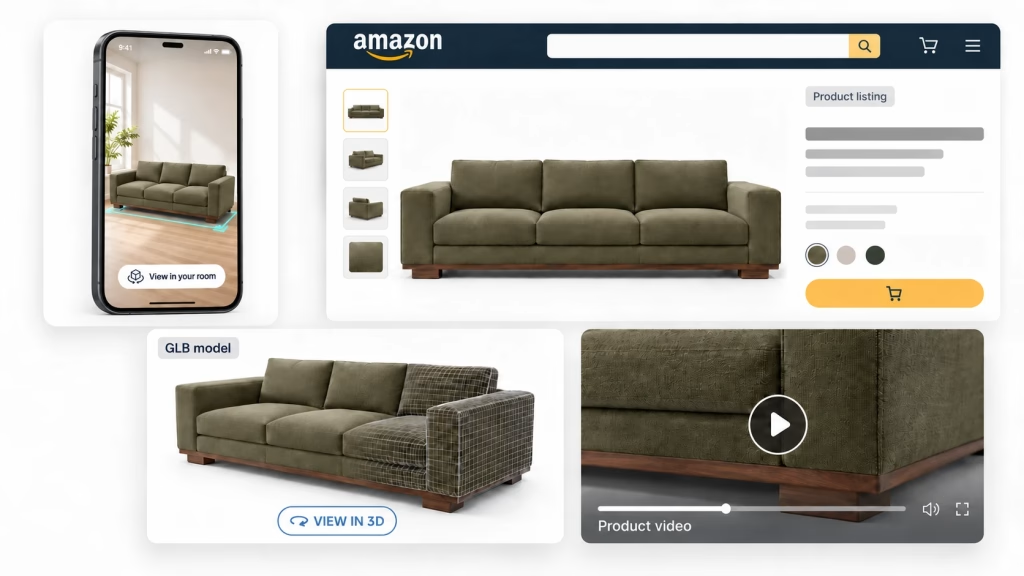
GLB 3D Models for Amazon and Your Store
We build GLB models that Amazon accepts for View in 3D and View in Your Room, and that work on Shopify, Google and your own site. If Amazon asks for changes, we fix the model free until it is approved.
* *Simple products at 200+ models a year. Medium $100, complex $300, highly complex from $375.
Certified by Amazon to Create 3D Content for Listings
Our team completed Amazon's External Content Provider training and holds the Amazon Certified 3D Content Provider credential for building models from product images. We learned Amazon's 3D rules from Amazon itself, and we build every model for the review it will go through.
The certificate is issued to Archivizer Limited, the company behind CGIFurniture.

Trusted by Manufacturers and Retailers







What a 3D Model Adds to Your Amazon Listing
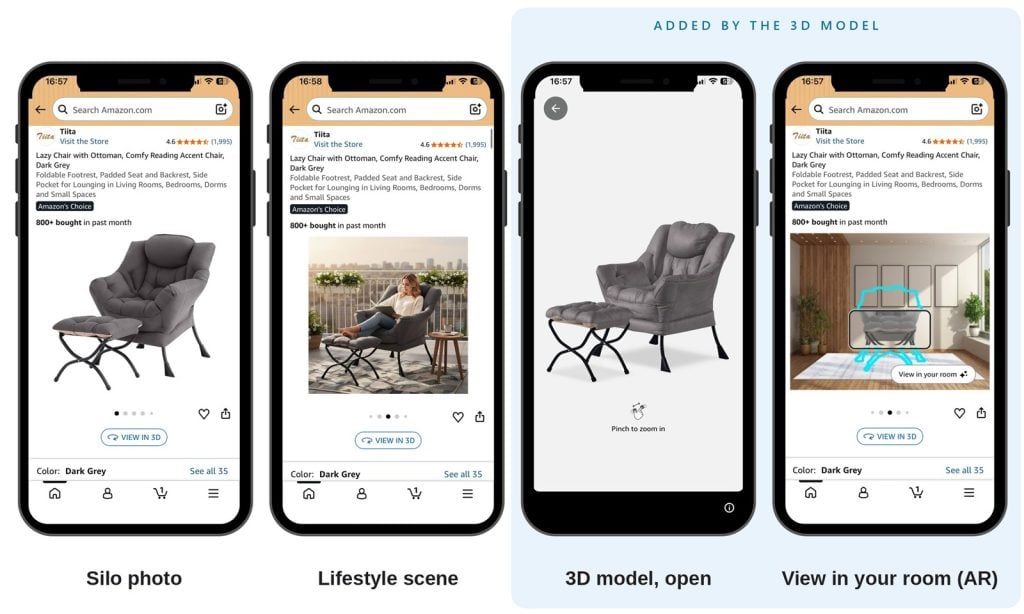
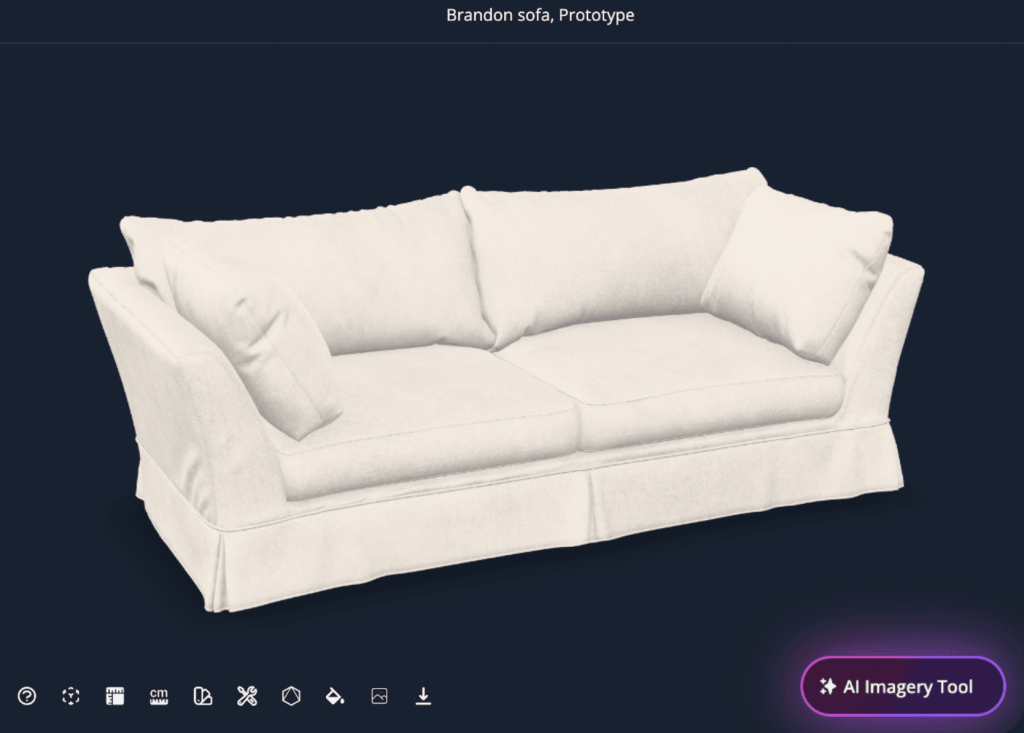
One GLB file switches on two Amazon features. View in 3D lets shoppers spin and zoom your product right on the listing. View in Your Room places it in their space at true scale through the phone camera.
Amazon stopped accepting 360° spins in December 2023 and switched the 360° viewer off in January 2025. A 3D model is now the way to show a product from every angle. View in 3D runs on Amazon US, Canada, UK, Germany, France, Italy and Spain.
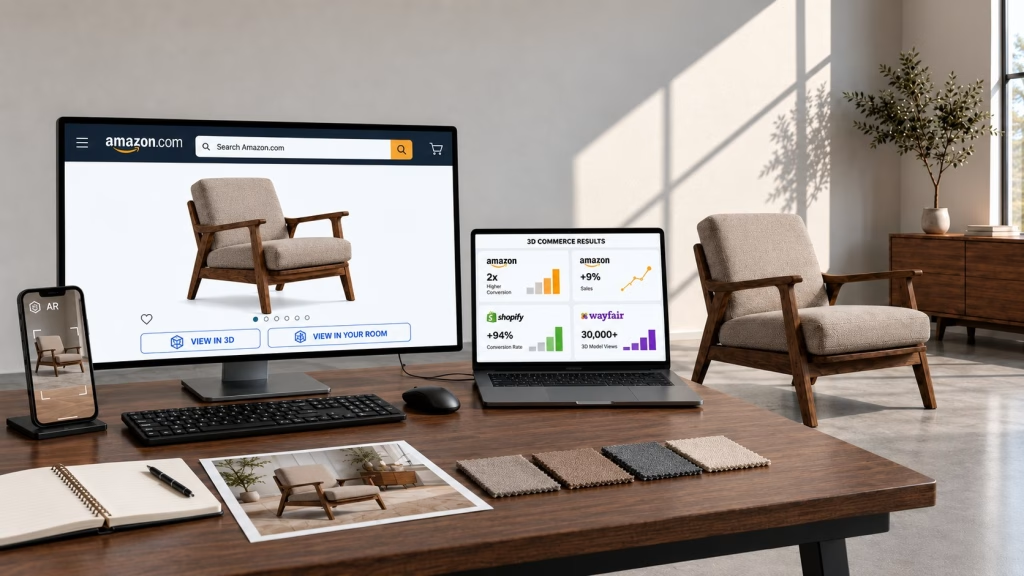
What Amazon Reports About 3D
Figures from Amazon's guide Getting Started With 3D Content on Amazon (2024). Amazon notes that past results do not guarantee future results.
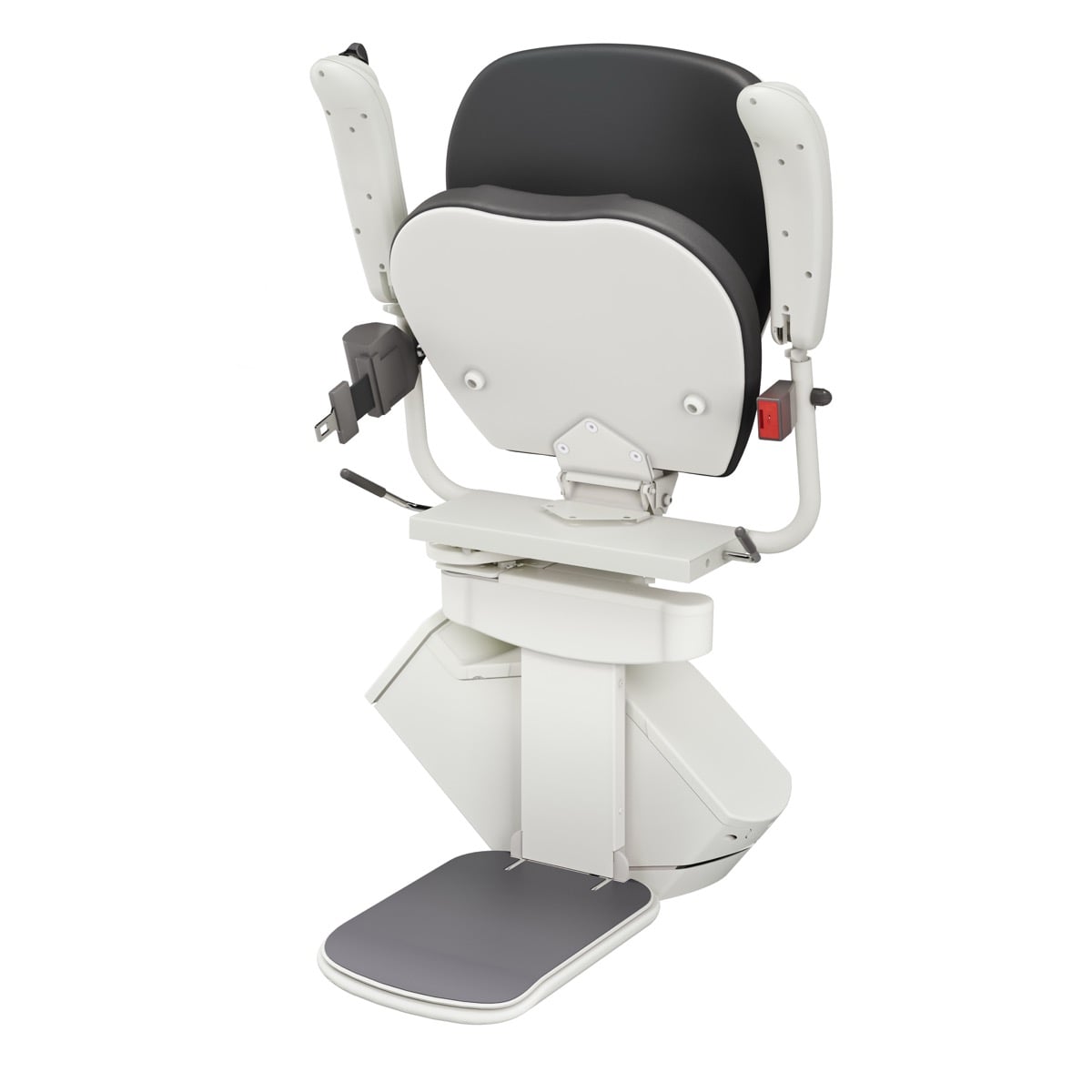
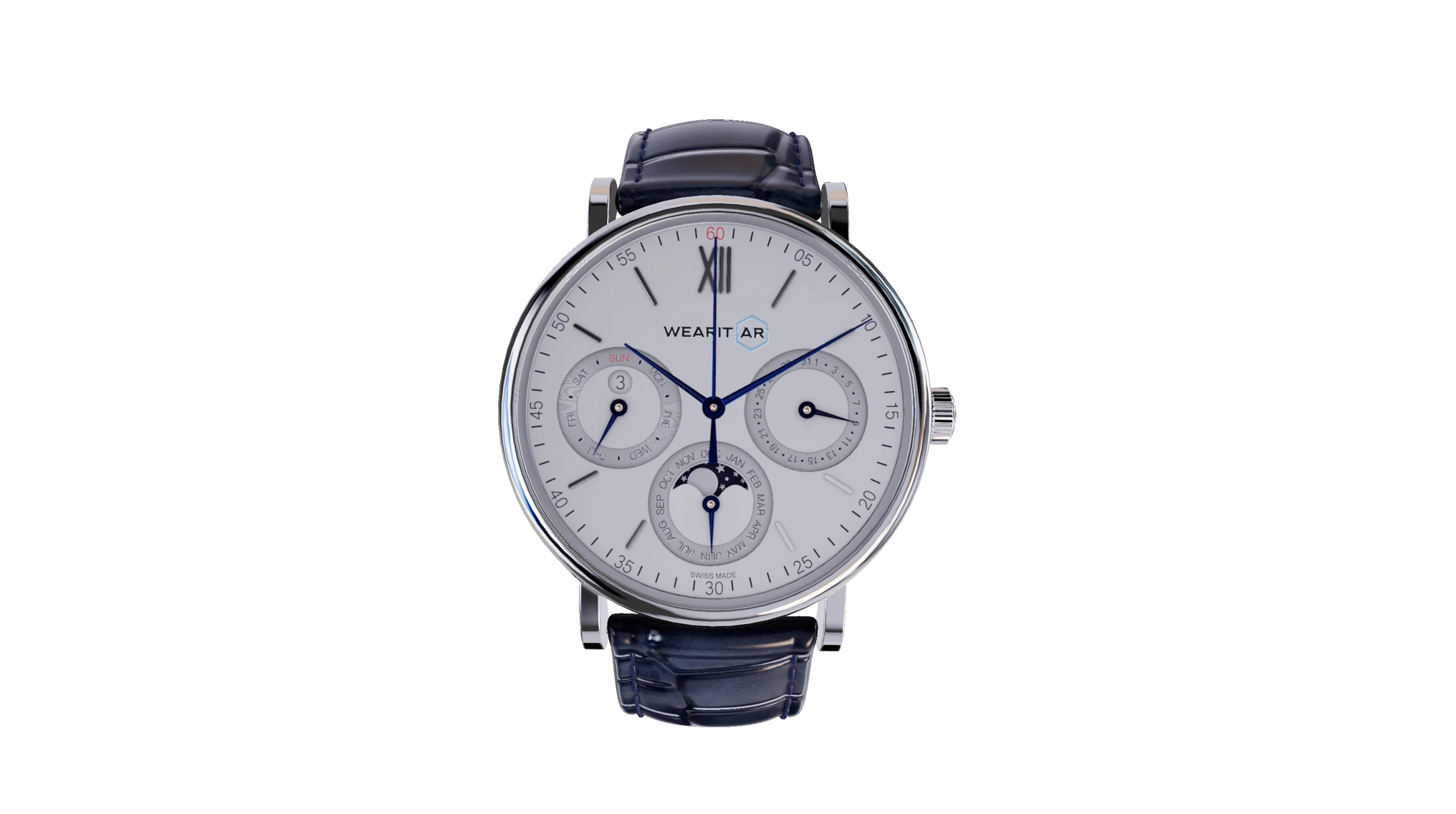
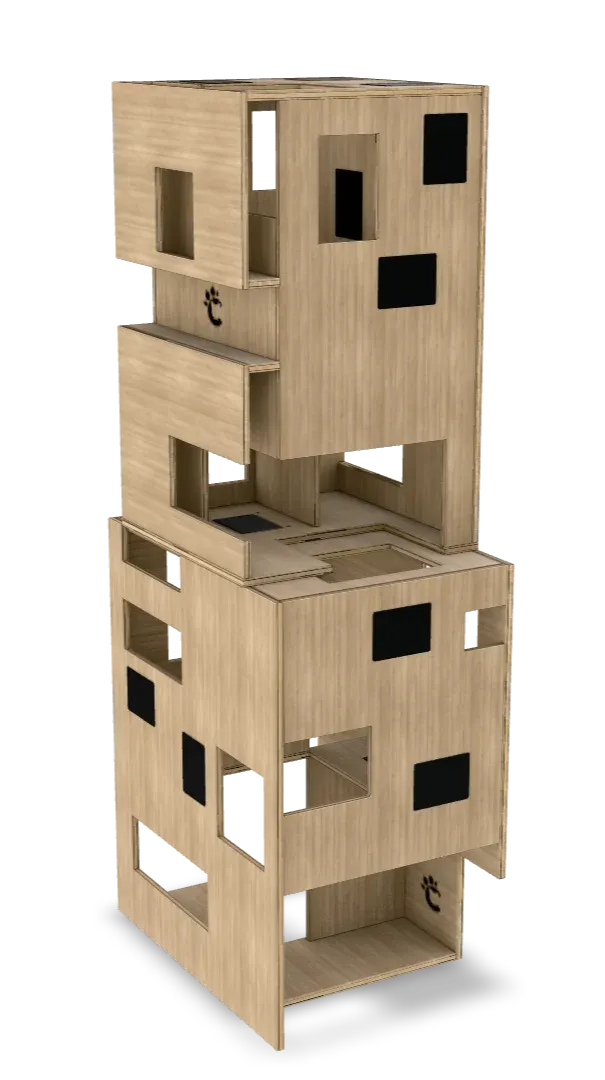
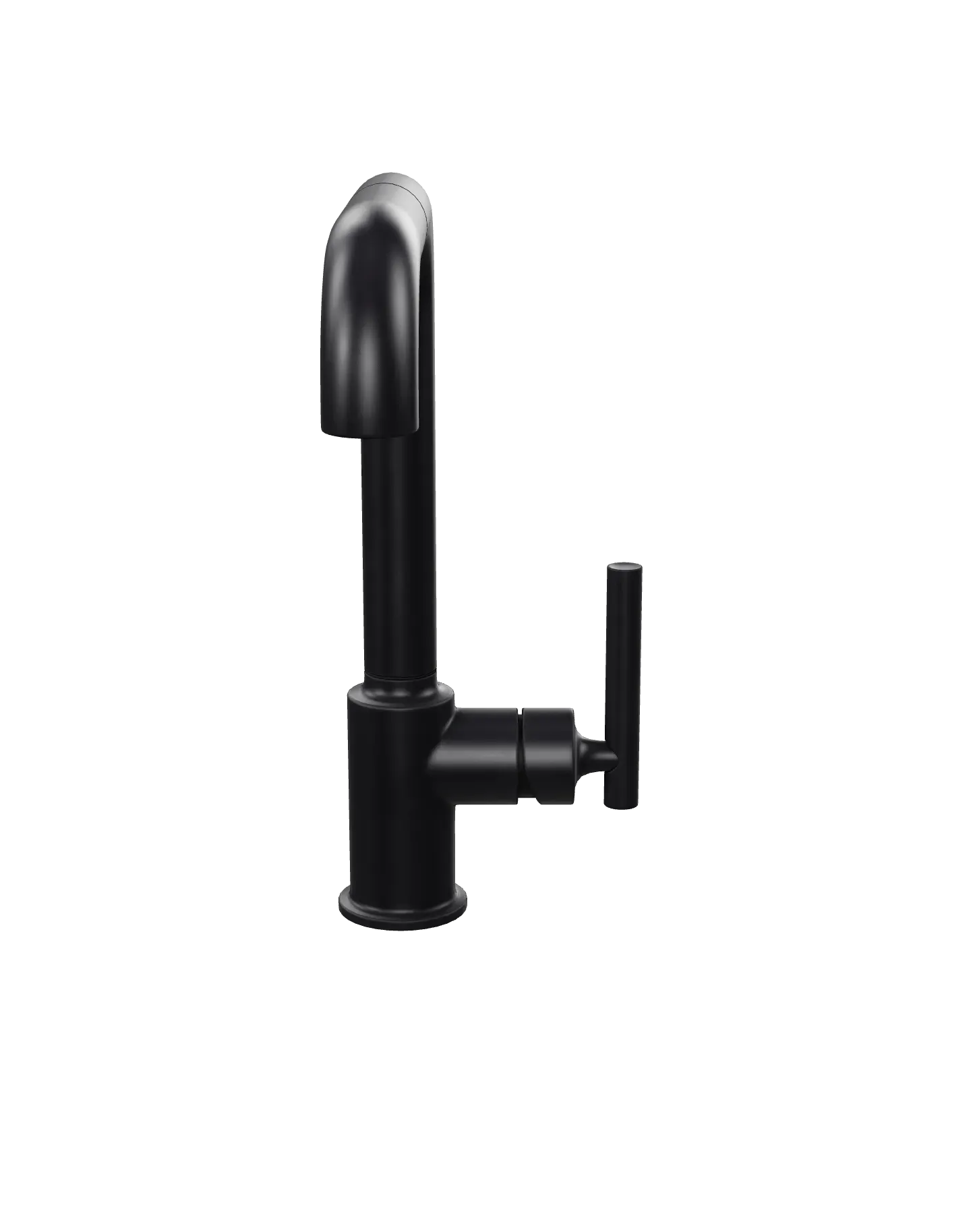
Models We Have Built, Ready to Rotate
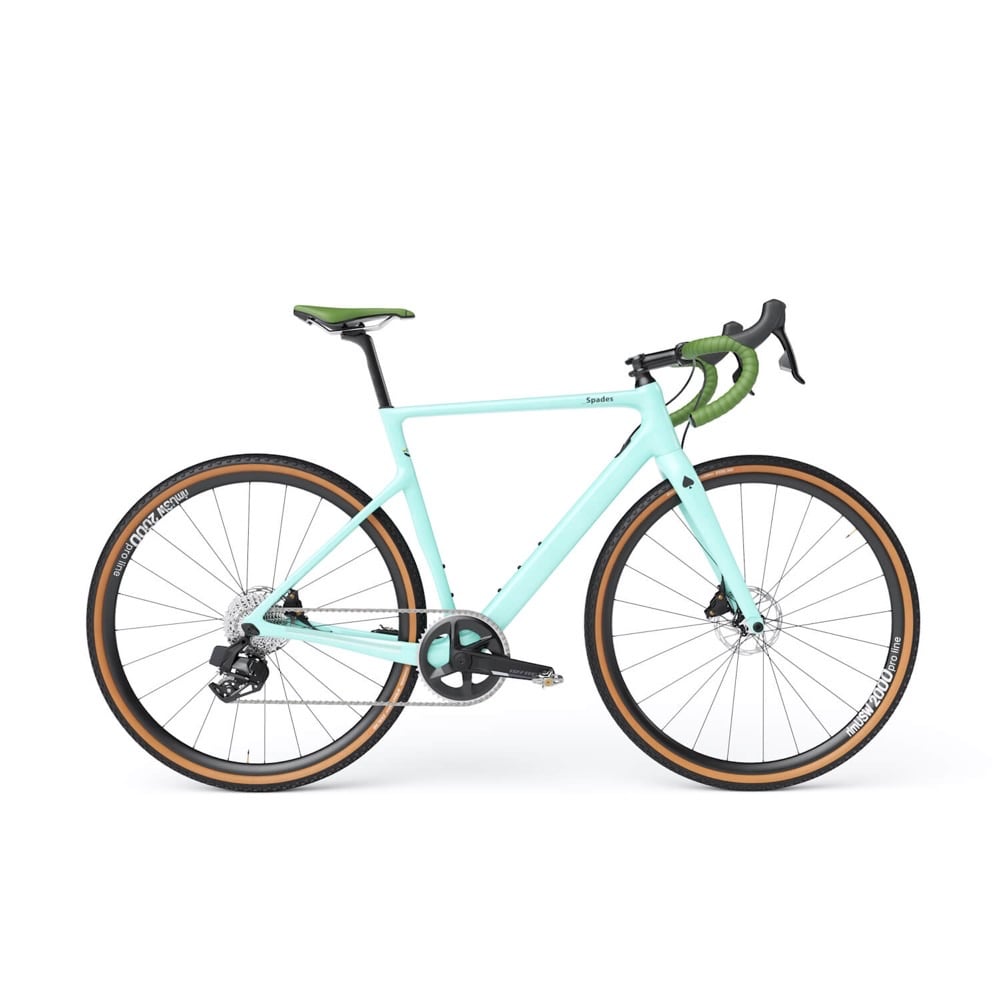
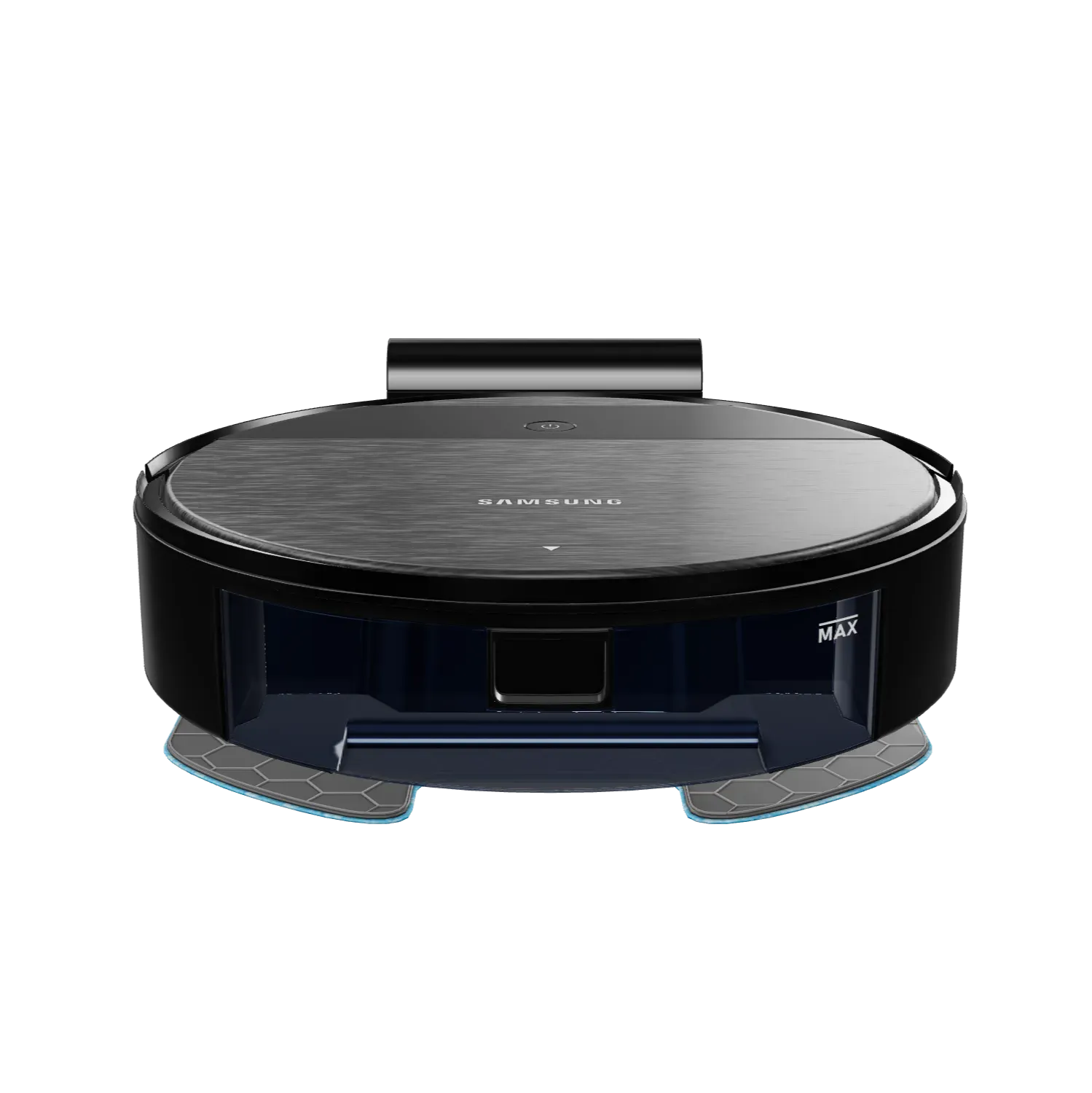
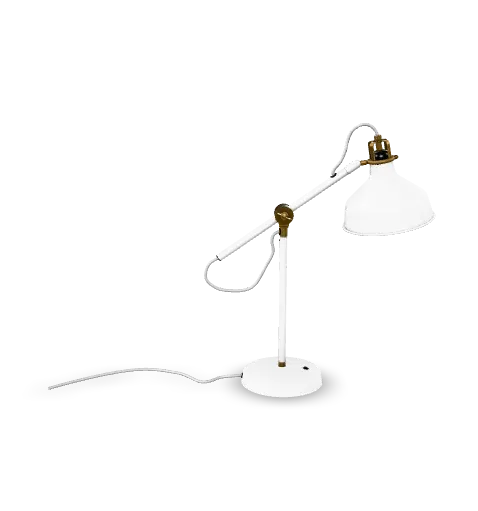
Not only furniture. Tap a model to load it, drag to turn it, and on a phone open it in your room. These are the same kind of GLB files we deliver for Amazon listings.
Categories
Models for the Products Amazon Sellers Carry
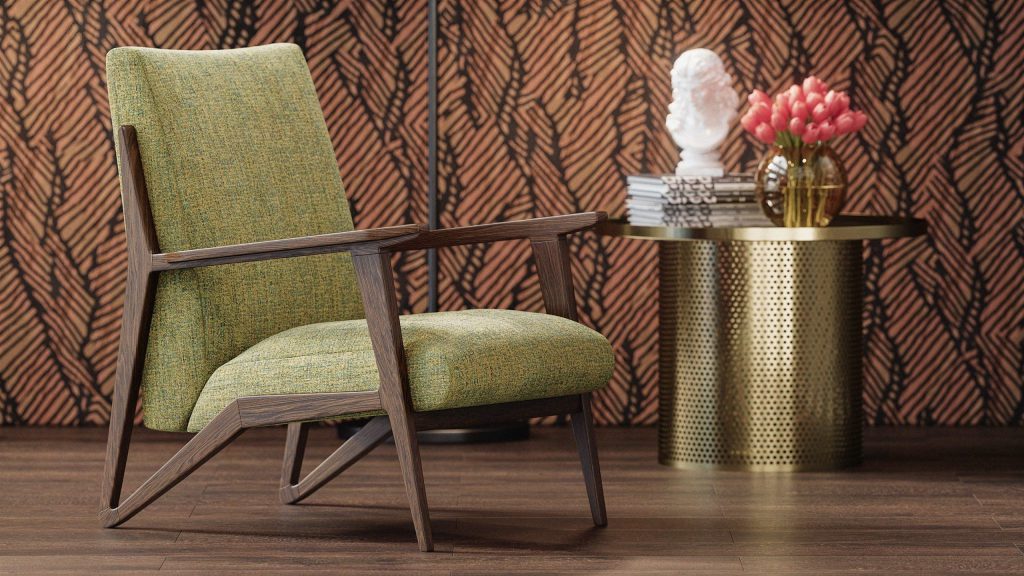
Amazon shows View in 3D for most product types, from sports gear and pet supplies to auto parts and electronics. We have built models for manufacturers in all of these categories.
Furniture and lighting
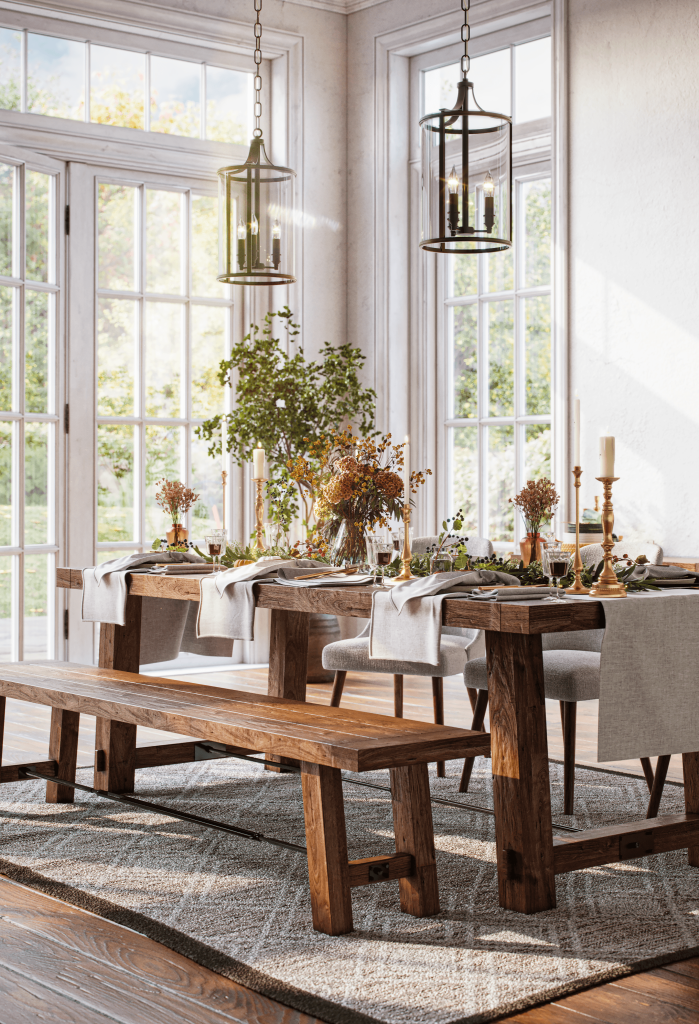
Sofas, tables, beds, outdoor sets, lamps and fixtures.
Kitchen and restaurant
Cookware, small appliances and commercial kitchen equipment.
Sports, fitness and outdoor
Bikes, fitness machines, camping and garden gear.
Tools and home improvement
Power tools, faucets, bathroom fixtures, doors and hardware.
Automotive
Parts, accessories and powersports gear with exact fitment details.
Electronics and appliances
Robot vacuums, speakers, devices and home appliances.
Pet supplies
Cat trees, beds, crates and feeders.
Toys and baby
Play sets, ride-ons, strollers and nursery furniture.
Amazon review
Built to Amazon's 3D Spec. Fixed Free Until Approved.
Every model is checked against Amazon's published requirements before it reaches you. If Amazon still sends it back, we fix it at no cost until it goes live on your listing.
GLB or glTF, under 200K triangles
The format and polygon budget Amazon asks for, light enough to open fast in the Amazon app.
2K to 4K PBR textures
Metal-rough materials, so wood, fabric, chrome and glass look right in Amazon's viewer.
Real-world scale
Built to the assembled dimensions of your product, so View in Your Room shows its true size.
Matches your listing photos
Colors and details follow your current images. A mismatch is one of the reasons Amazon rejects a model.
Clean, validated files
No cameras, lights or animation inside, and every file passes the Khronos glTF Validator that Amazon requires.
Free fixes until approved
Amazon reviews most models within two weeks. If it asks for changes, we make them free.
Already Have 3D Models? We Make Them Amazon-Ready
If you have invested in 3D before, most of the work is already paid for. Send us the files from past renders, AR projects or factory CAD. We clean up the geometry, make the file lighter, rebuild materials for Amazon's viewer and check each model against Amazon's 3D spec. It works for one product or a whole catalog, and conversion is quoted per file.
How We Turn Your Catalog into GLB Models
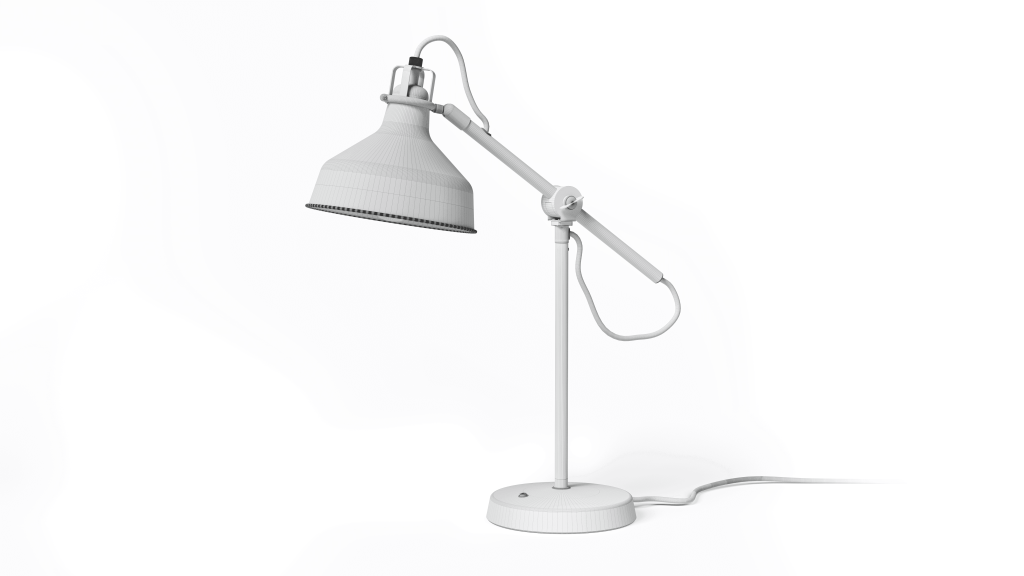
From a SKU list to approved models, starting with one test model.
ASINs or listing links, plus any photos, CAD files or dimensions you have. No samples needed.
We build one product first, so you can check quality and see it in a 3D viewer before the batch starts.
Our artists model the catalog in parallel, with shared materials so finishes match across SKUs.
Triangles, textures, scale, axes and the glTF Validator are checked before any file reaches you.
You add each GLB to its ASIN in Image Manager, under 3D models. It needs Brand Registry, and we walk your team through it.
Amazon reviews most models within two weeks. If it asks for changes, we fix them free until the model goes live.
Pricing
Price per Model
Prices for 200+ models a year. Send us your SKU list and we will confirm the level of each product before work starts. Converting 3D or CAD files you already have into Amazon-ready GLB is quoted per file.
Simple: $60
Simple shapes with one or two materials.
Medium: $100
Several parts and materials.
Complex: $300
Many parts, soft or curved forms and detailed surfaces.
Highly complex: from $375
Mechanisms and assemblies with fine detail.
CGI Price List
Our full range of CGI services with real project examples.
A bonus
The Same Models Work Beyond Amazon
You order the models for Amazon, but the files are yours. Each one comes as GLB, glTF and USDZ, so you can use it on other sales channels and on your own website too.
Your own website
Show the model next to your gallery with Google's model-viewer, on WooCommerce, Adobe Commerce or a custom store.
Shopify
Upload it to product media and Shopify shows it in 3D and AR.
Google Shopping
Add the GLB link in Merchant Center, so eligible products can show in 3D on Google.
AR on iPhone and iPad
The USDZ version opens in Apple AR Quick Look, right from your product page.
Product configurators
The same model can drive a configurator where shoppers switch finishes and options.
Images and video
Silo shots, lifestyle scenes and product video for your listing come from the same model.
Why Not Just Use an AI 3D Generator?
AI is fast at turning a photo into a rough 3D shape, but it guesses what it cannot see: the back, the hardware, the real dimensions. On Amazon that means a model that does not match your listing or shows the wrong size in View in Your Room. A GLB we build is an accurate digital twin of your product, and the renders and AI scenes you make from it stay true to what you ship. Our AI Background Generator works exactly this way: AI builds the room, and your product comes from its 3D model.
3D Models in Client Projects
Real projects: what each brand ordered and how they used the 3D models.
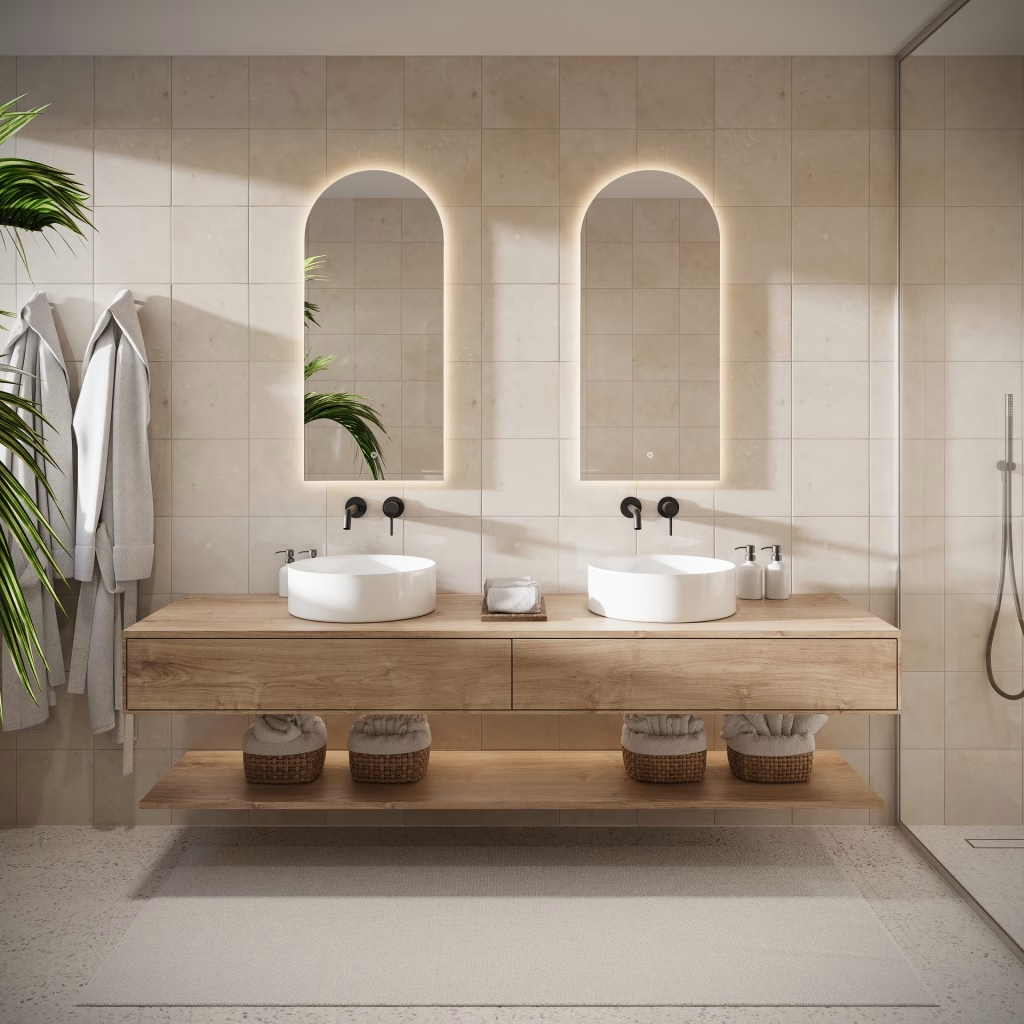
LOMAZOO: GLB Models for a Shopify Store
A Dutch bathroom furniture brand: vanities, mirrors, showers and toilets built in 3D from factory CAD, with GLB models for its Shopify store. The work took 35 projects over nine months.
View Project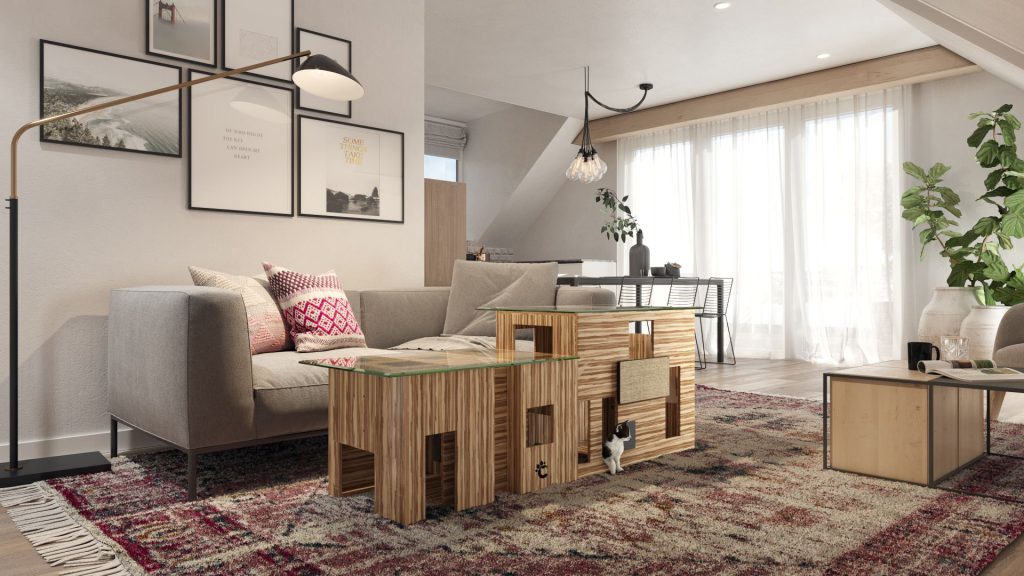
Clawz: 3D Product Images for Cat Furniture
Clawz is a US brand that makes furniture for cats and their owners. Silo, lifestyle, 360 and AR models for a cat furniture brand.
View Project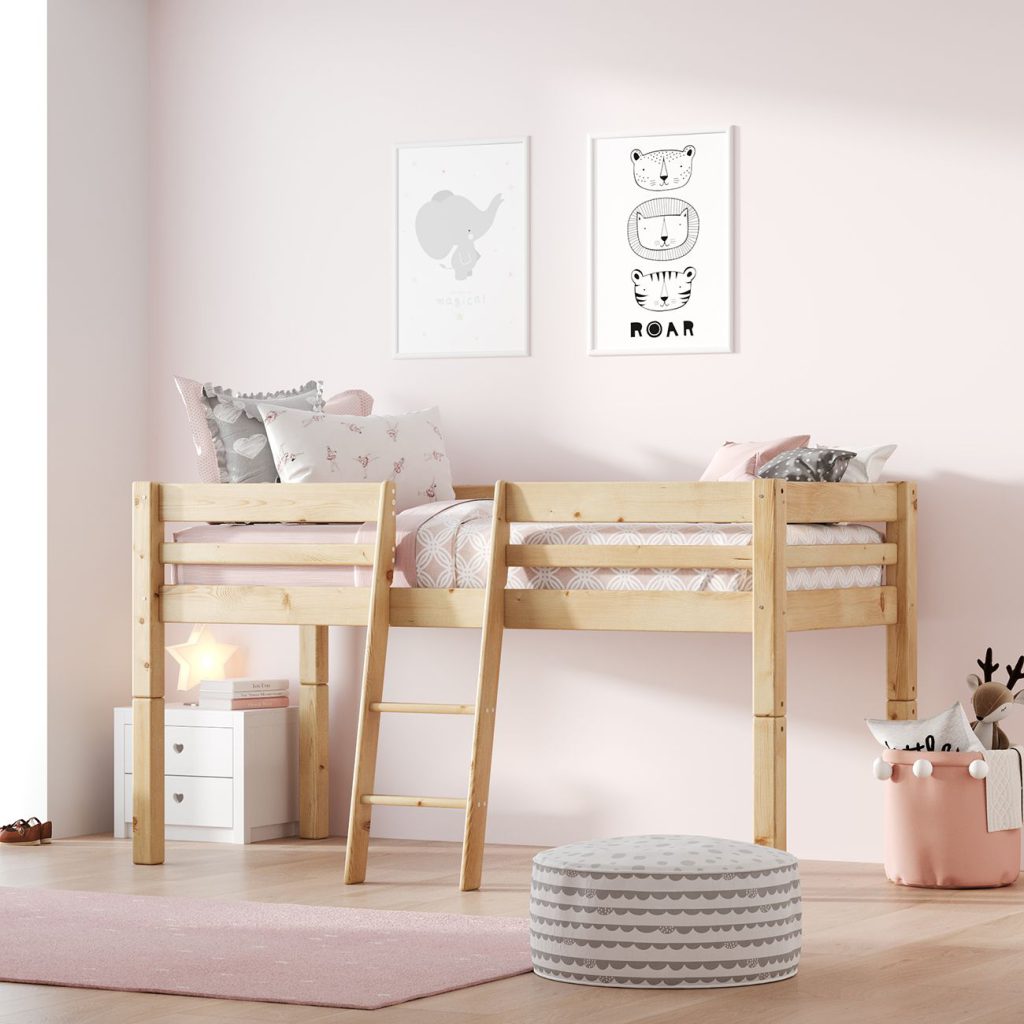
ScanLiving: Visuals and AR for Kids Furniture
ScanLiving is a Danish maker of beds for kids and teenagers, in business since 1989. Renders and AR-ready models for a kids furniture brand.
View Project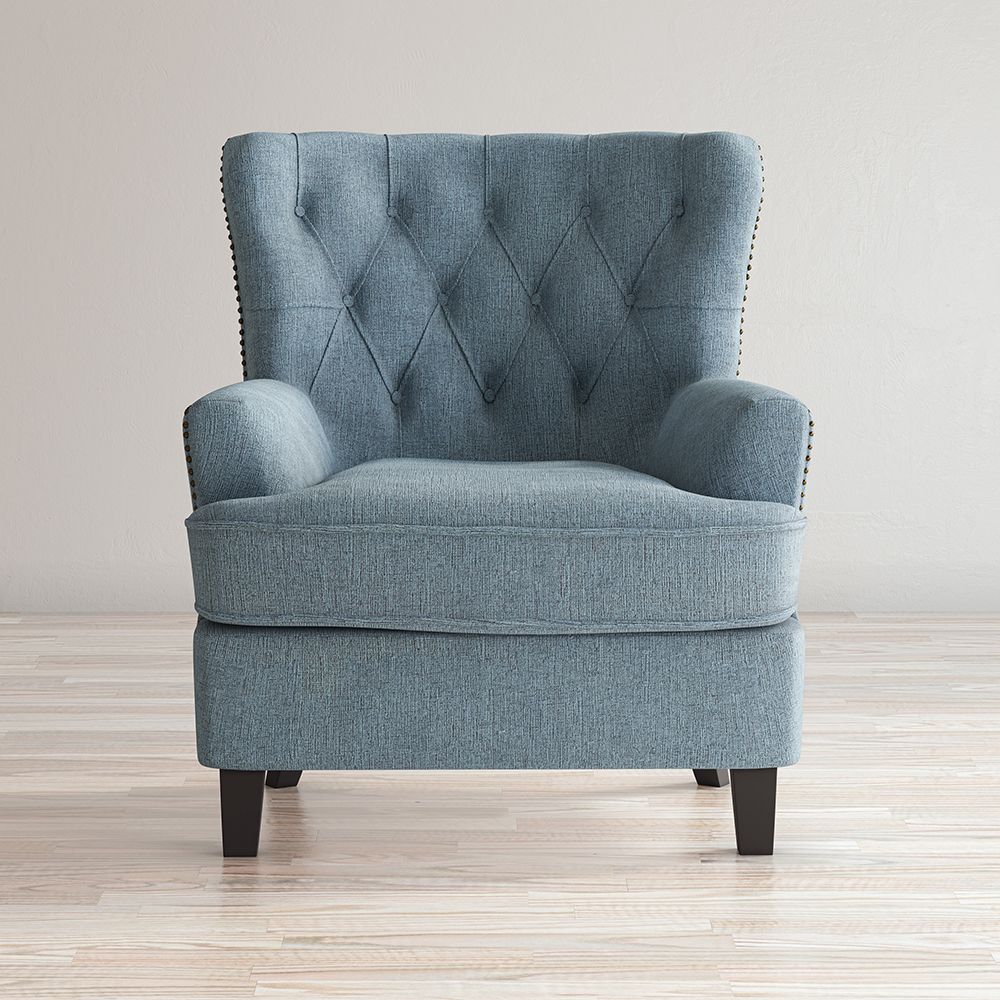
Jofran: 3D Rendering and AR for Furniture
Jofran is a US furniture company founded in 1975, with bedroom, living and dining collections. Product renders, 360 views and AR models for a furniture maker.
View ProjectWhy CGIFurniture
Why Brands Choose Us for GLB Models
For 15 years we have built 3D models for manufacturers and retailers: more than 38,000 products across furniture, lighting, kitchen, sports, appliances and home improvement.
Amazon Certified 3D Content Provider
Trained and certified by Amazon to create 3D content for its listings.
Free fixes until approved
You pay for a model that goes live on Amazon, not for a file that gets rejected.
627 in-house artists
Large catalogs are modeled in parallel by our own team, with no freelancers.
One manager, one business day
A dedicated manager replies within one business day and keeps every round of edits on track.
Rated 4.7 on Trustpilot
Product brands rate our work 4.7 out of 5.
Files you own
Source files and every export stay with your brand for Amazon, your store and future renders.
What Brands Say About Working with Us
I enjoyed collaborating with this company, the staff was friendly, communicated well and the end result was satisfactory and of good quality. 10/10 would recommend.
I hired 3 separate 3d Render companies at the same time and CGI Furniture was, without a doubt, the best! They have excellent communication through their own workplace app. The final products were far superior to the other two companies. Will be hiring CGI Furniture for all my future 3D Render needs.
The Team at CGI furniture have been excellent, with great communication, understanding of each project and flexibility with any amendments or revisions. The workflow system is great and helps keep track of all tasks and sign off / revisions etc. The entire team have been fantastic to work with and would happily collaborate on future projects.
The team was quick in the project turn around and the quality was great. Thanks for the help!
Very professional team, fast delivery, always on time. Results arrive always as promised, very detailed and flexible in working
The best 3D render company I have come across. A very professional team who is dedicated to accomplishing excellent work. They are very detail- oriented, always open to critical/positive feedback. They accommodate last minute changes and deliver impeccable results. the images they have provided are my foundation of new website and I am looking forward to the results. However, I do feel that the overall delivery times can be improved. Thank you Anna, Adriana, Marina & Anastasia for all your hard work. You guys rock!
TrustScore 4.7
GLB 3D Models: Frequently Asked Questions
Who can upload a 3D model to an Amazon listing?
Only the brand owner. Amazon allows 3D uploads for products where your account has the Brand Representative role in Brand Registry. In Seller Central go to Catalog, Upload images, Image manager, pick the ASIN and open 3D models. We prepare the files and walk your team through the upload.
What file does Amazon need?
Amazon accepts GLB or glTF with up to 200K triangles, square 2K to 4K PBR textures, real-world scale and a file that passes the Khronos glTF Validator. We deliver GLB built to that spec, plus glTF and USDZ for other channels.
How long does Amazon take to review a model?
Amazon says it reviews most models within two weeks. When a model is approved, View in 3D and, where supported, View in Your Room appear on the listing.
What happens if Amazon rejects a model?
We fix it free until Amazon approves it. Most rejections come from scale, materials or a model that does not match the listing photos, so we check those before delivery.
Will a 3D model improve my Amazon search ranking?
Amazon has not said that 3D is a ranking factor, so we will not promise that. What Amazon has published is conversion data: shoppers who used View in 3D converted 2x better (US, 2022), and listings with View in Your Room sold 9% more (2023). Better conversion can help a listing over time.
Amazon offers free 3D scanning. Why pay for models?
Amazon's phone scan is free for US brand owners with an iPhone, works for eligible items only and takes about three weeks per model. It suits a few simple products you have on hand. For a full catalog, product sets, glossy or transparent materials, or files you can also use on Shopify and your own site, a studio model is the safer choice.
Which products and marketplaces support View in 3D?
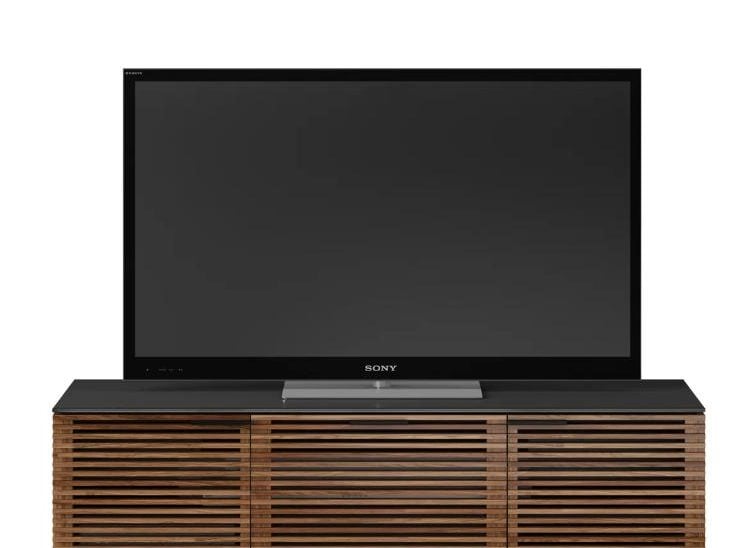
Most product types, including home and furniture, sports, toys, pets, automotive, electronics, beauty and baby products. Amazon excludes TVs, rugs, wall art and headphones. View in 3D runs on Amazon US, Canada, UK, Germany, France, Italy and Spain. View in Your Room also works in Japan and India.
What do you need from us to start?
Listing links or ASINs, photos from several angles and the product dimensions. CAD or older 3D files help but are not required. We do not need physical samples.
Can you convert 3D models we already have?
Yes. If you have models from past renders, AR projects or factory CAD, we clean them up, make the file lighter, rebuild materials and check the result against Amazon's spec. Conversion is quoted per file.
How much does a 3D model for Amazon cost?
At 200+ models a year: simple products $60, medium $100, complex $300, highly complex from $375. Send us your SKU list and we will confirm the level of each product.
What is the difference between GLB, glTF and USDZ?
GLB is the single-file version of glTF: geometry, textures and materials in one file. It is what Amazon, Shopify, Google and most web viewers use. glTF is the same standard split into several files. USDZ is Apple's format for AR Quick Look on iPhone and iPad. We deliver GLB and USDZ, and glTF on request.
Can you handle 100+ SKUs?
Yes, large batches are our standard mode. A dedicated team, shared material libraries and a check on every model keep quality the same across hundreds of products. We start with one test model, then agree a delivery schedule for the batch.
Can 3D and AR reduce product returns?
They can help. When shoppers check the size, color and proportions of a product in their own room before buying, fewer orders arrive as a surprise. Amazon has not published a returns figure for 3D, and results depend on the product, so we do not promise a number.
What is WebAR, and do I need an app for it?
WebAR lets shoppers open AR straight from your product page in Safari or Chrome, with no app. It uses Google's model-viewer with the GLB file on Android and the USDZ file in Apple AR Quick Look on iPhone. Our models work for it out of the box.
Can I use the same models on Shopify or my own website?
Yes. The files are yours. GLB works on Shopify, in Google Merchant Center and on any site through model-viewer, and the USDZ version opens in AR on iPhone and iPad.
Get a quote
Get a Quote for Your Catalog
Pick a time for a short call. Tell us how many products you sell and add a few listing links in the notes. We will come back with the level and price of each model and a plan that starts with one test model.
- Price per model for your catalog
- One test model before the full batch
- Free fixes until Amazon approves each model
Pick a date & time
Weekdays only · times in your local timezone
Your contact details
Fields marked * are required. Business emails only.
Please enter your name.
Please enter a valid business email.
Required.
Please enter a valid phone number.