What is a lifestyle product image?
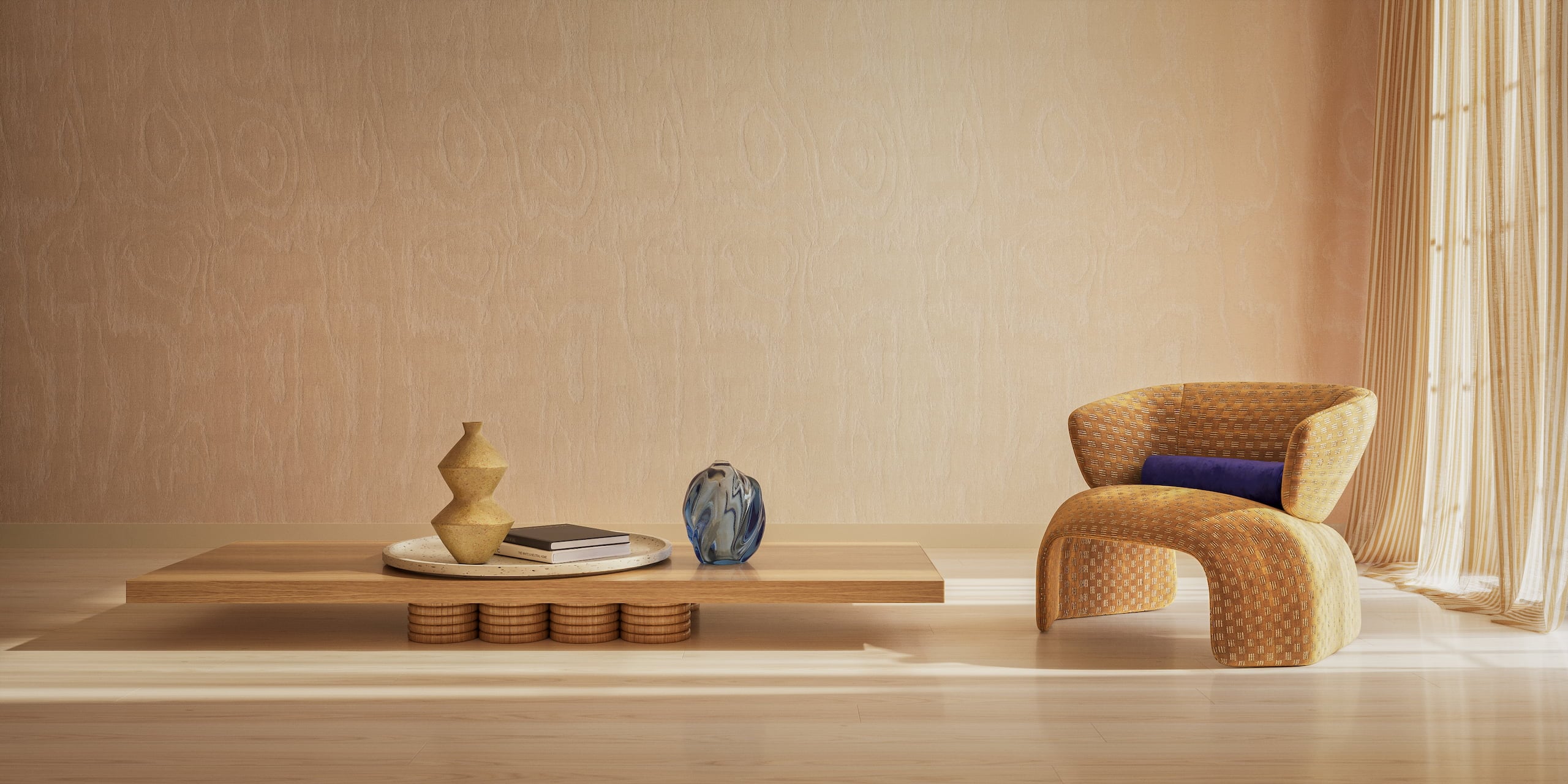
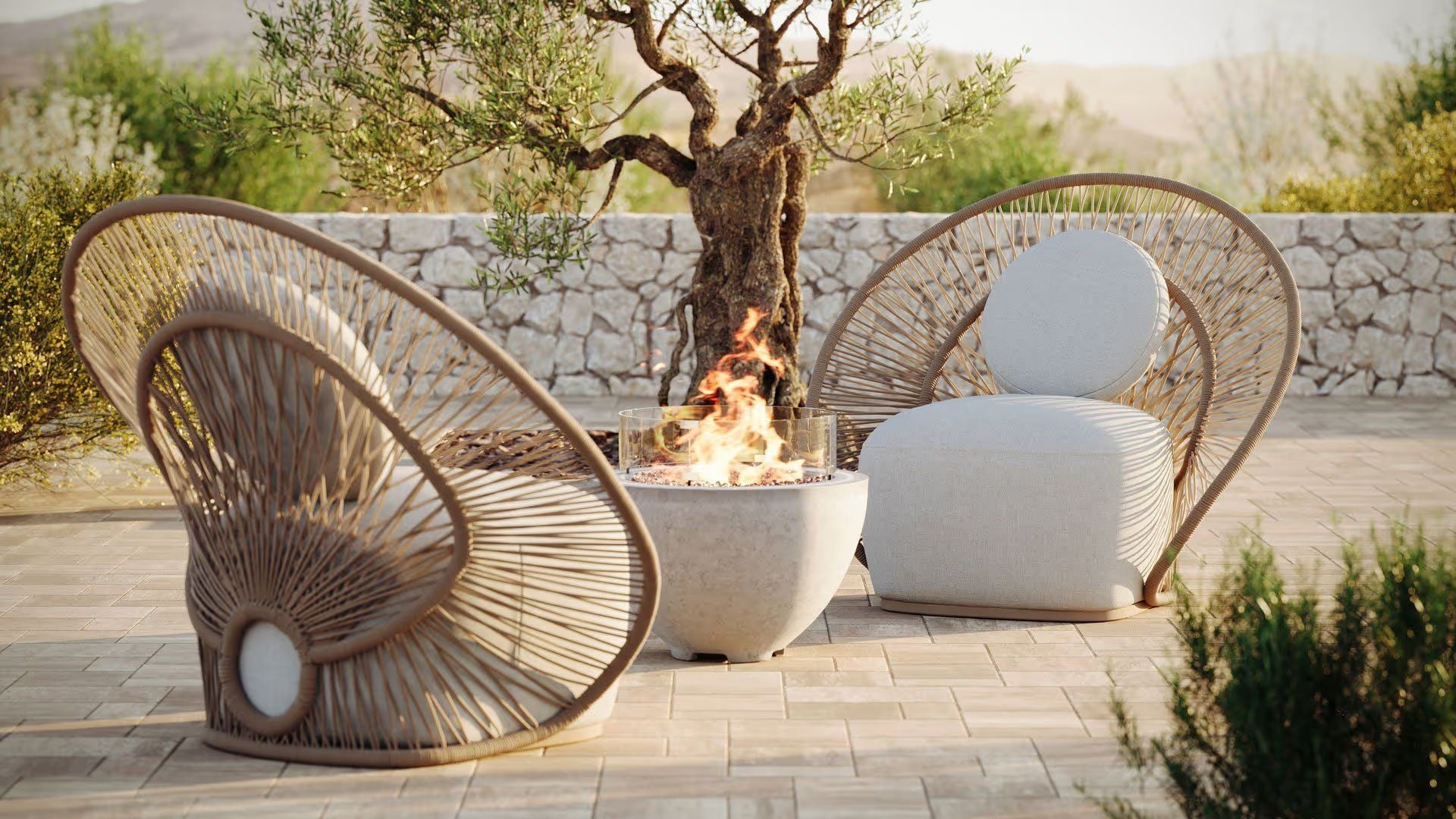
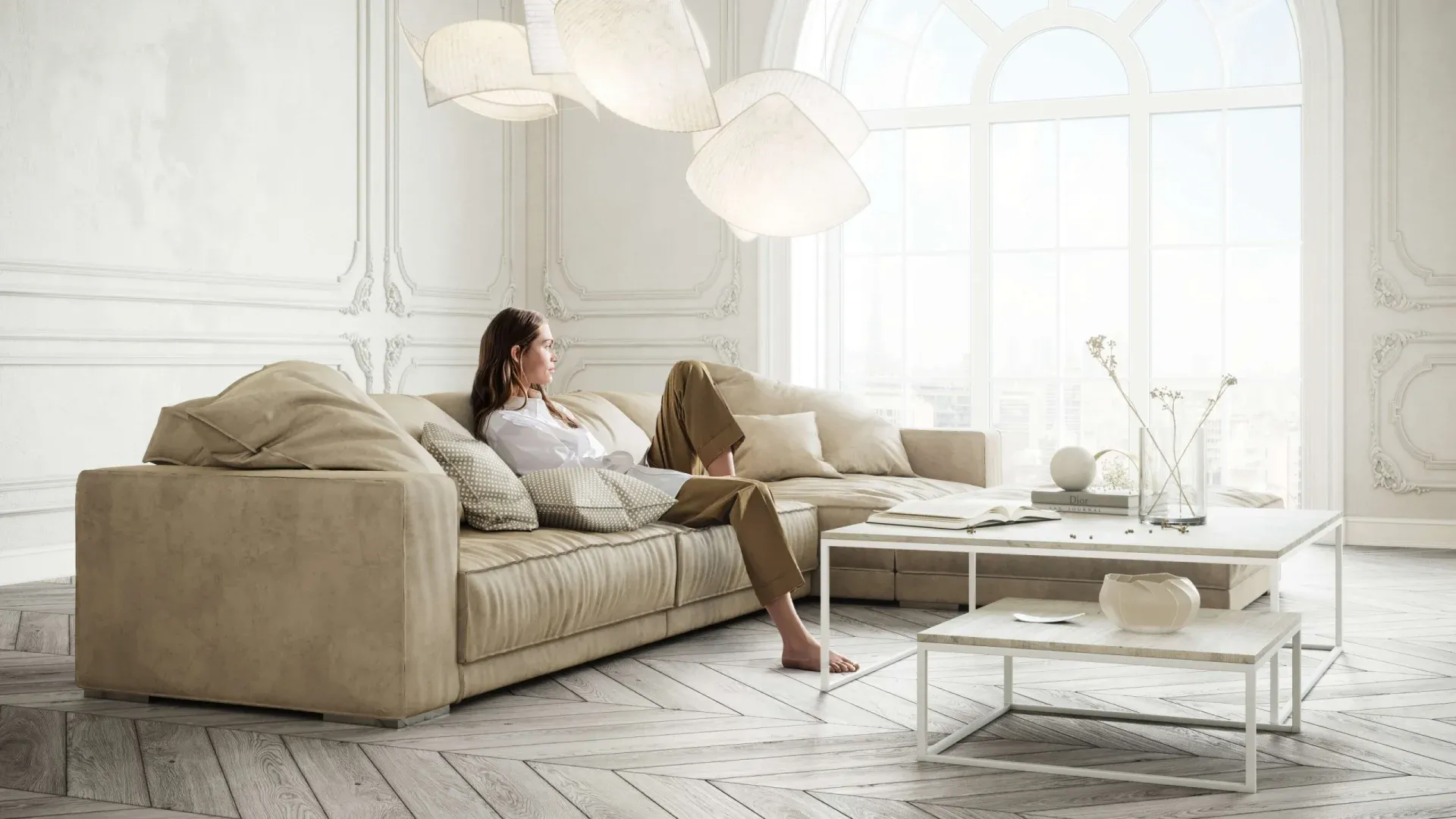
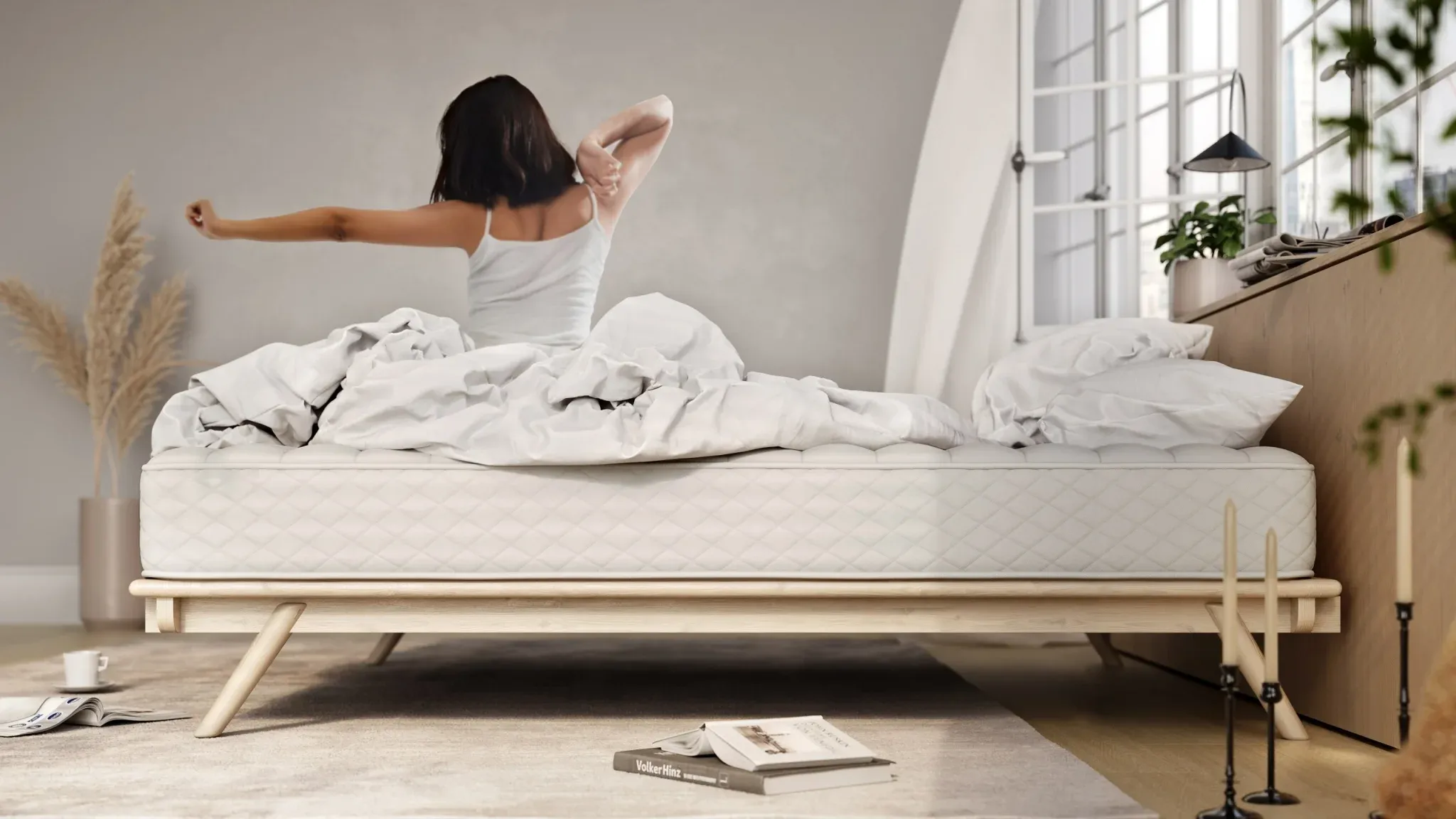
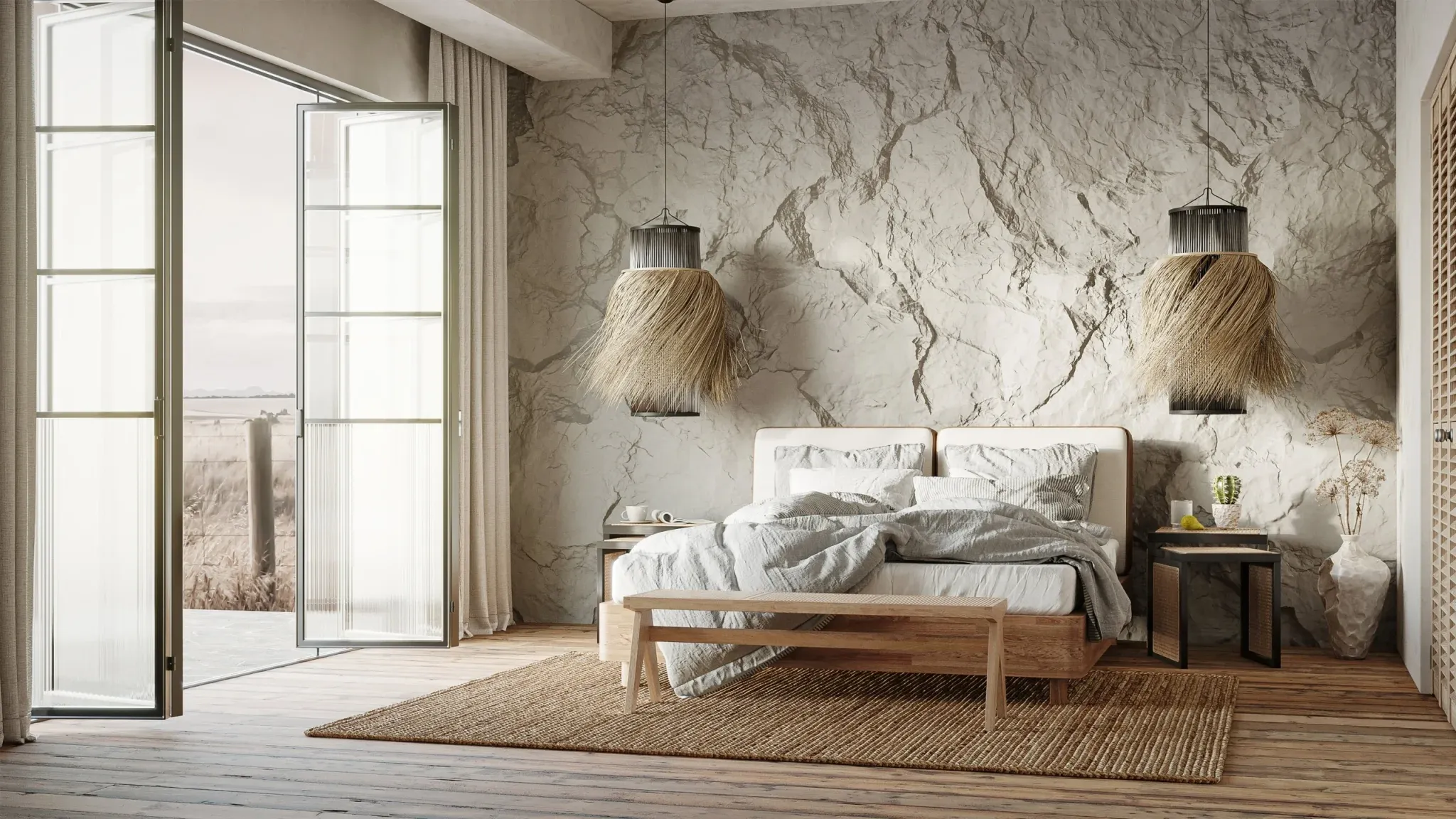
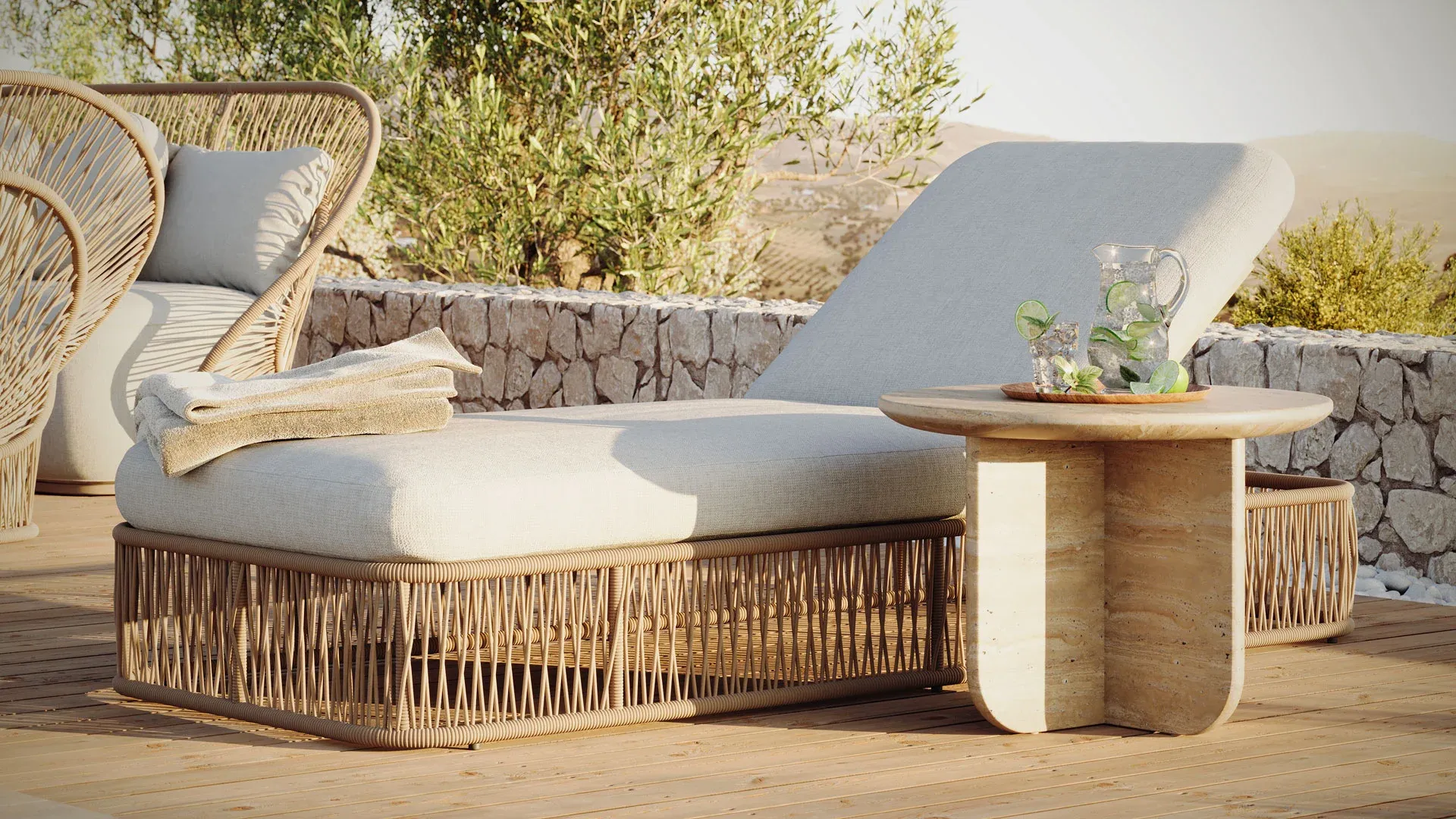
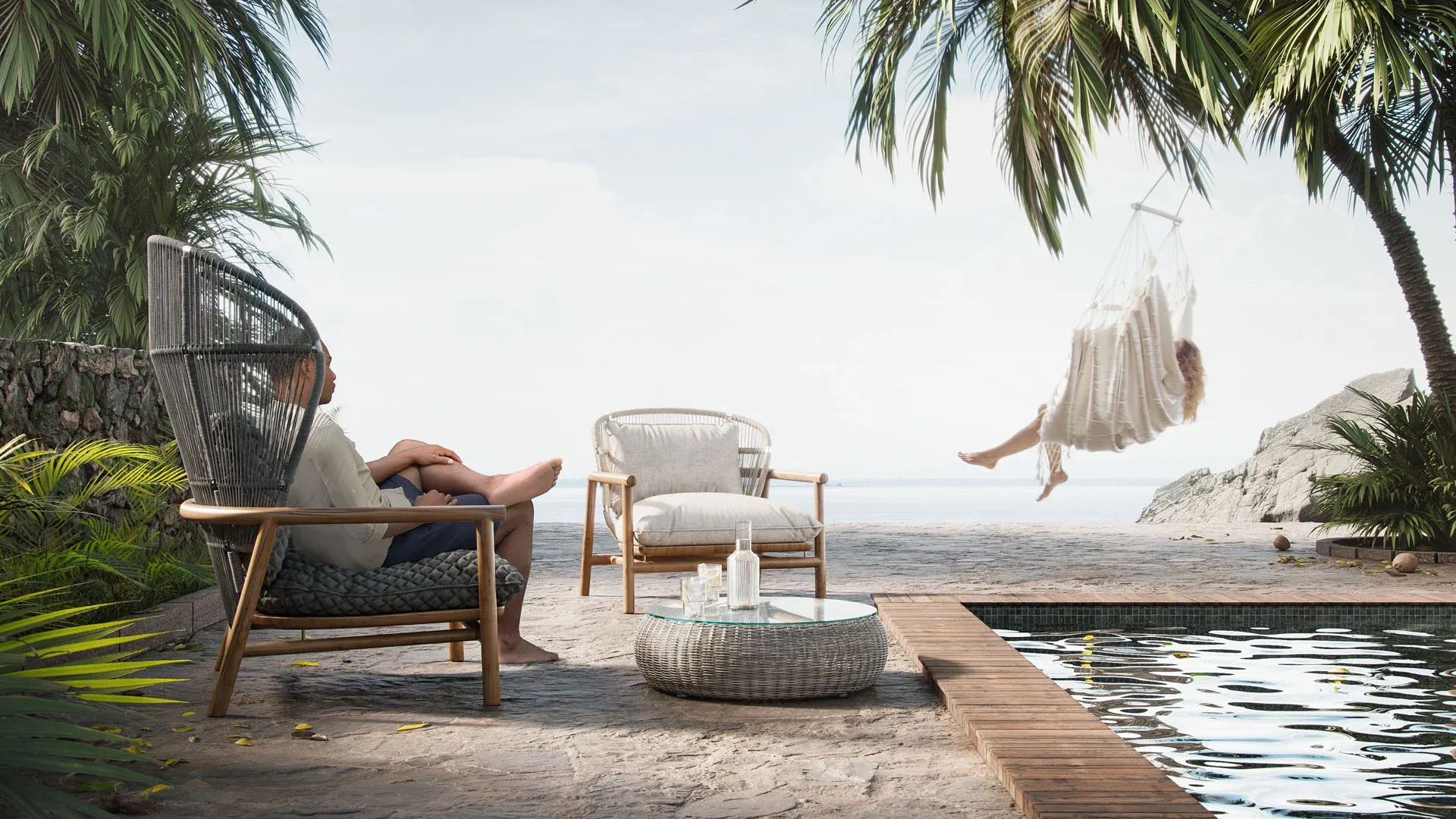
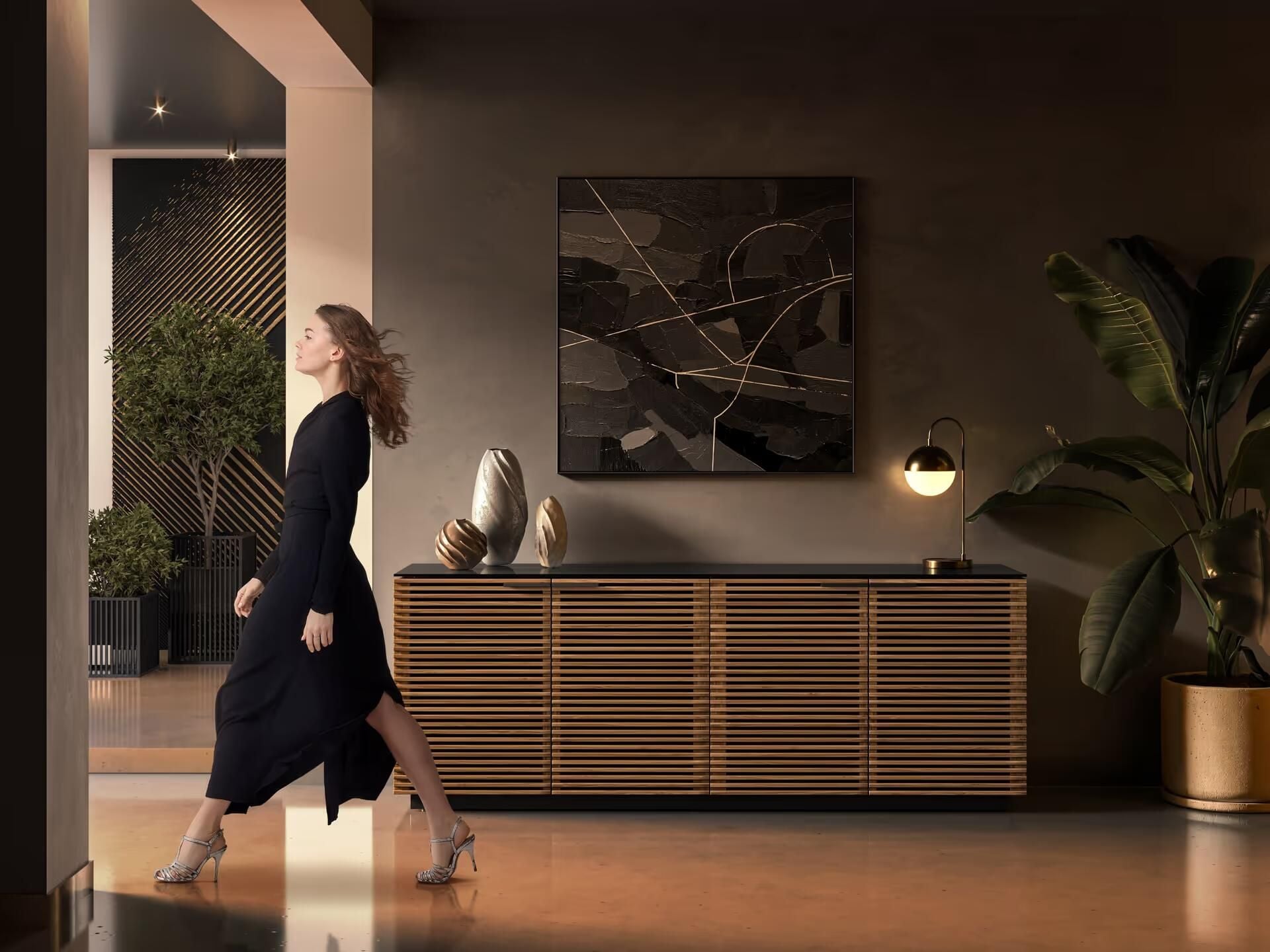
A lifestyle product image (also called an in context image or a roomset) shows a product placed in a styled environment. The scene can be indoor or outdoor and may include models, depending on the campaign concept.
A 3D lifestyle scene is often easier to organize and more predictable than a traditional photoshoot. This helps teams compare product photography vs visualization for a campaign. There is no need to rent a location, build a set, buy decor props, arrange logistics, or hire a large on set team. The full environment is created digitally, which saves time and removes many production risks. Our guide to 3D product rendering explains how the process works.
Lifestyle 3D Rendering Project Requirements
Lifestyle 3D rendering runs smoother when the brief defines the setting, mood, and visual style upfront. Unlike isolated product images, lifestyle scenes depend on context and story, so the team needs to align early to keep results consistent. A typical lifestyle rendering brief includes:
- Product specifications (dimensions, materials, finishes, variants)
- Target audience and intended use case
- Interior or exterior setting requirements
- Preferred design style and visual references
- Lighting mood
- Camera angles and framing priorities
- Level of realism and detail
- Output formats and resolutions for different channels
What to Send With the Brief
Besides the list above, the CGI team needs material to build the product itself and to understand the scene around it:
- Product data. 2D drawings with dimensions and photos of the product or material samples. If a 3D model already exists, it can be used instead.
- A short scenario. Who uses the item, in what room, and at what time of day. Two or three sentences are enough. If the scenario includes a person, see the options for people in 3D renderings.
- Visual references. A mood board, a Pinterest board, or images from earlier campaigns the brand wants to stay consistent with.
Once the product is modeled, the same 3D model can go into as many scenes as the campaign needs. A leather chair can appear in a minimalist office for one audience and in a cozy living room for another, without modeling it again. Scenes also stay editable after delivery, so a prop, a material, or a camera angle can be changed later instead of reshooting. The same model can also power augmented reality in the furniture industry, placing the item in a buyer’s own room.
Why is lifestyle imagery so popular in product advertising?
The main reason for which in-context images are so widely used is that they show the item in usage and in its natural setting. This way, a brand can communicate the offer to the target audience without saying a word – and sell. Here are some of the things lifestyle product imagery helps manufacturers do:
- Show the dimensions. As the item will be placed next to other familiar objects, the viewers will understand its size at a glance.
- Cross-sell. Brands can place the main product next to items that complement it. And possibly, sell a bundle! For instance, a dining table with a set of chairs.
- Target to the right audience. A context image shows the product in a scene that is relatable to the target audience. That is, it reflects the lifestyle potential buyers lead or aspire to lead. A family brand, for example, might choose a warm country interior design scene.
- Show the purpose of the item. Or purposes! For instance, in one lifestyle product image, the console is put in a Scandinavian interior and topped with a TV. The same console can also appear in a Boho roomset, but serving as a cool table for books and decor. A Boho setting draws on ethnic interior design, with natural textures and handmade decor.
- Promote product design variations. For instance, the same furniture model in different colors can help create entirely different moods. And there is no better way to demonstrate that than with product lifestyles images!
- Convey the feel of luxury. An upmarket product will look all the more exclusive when surrounded by items of the same class. So the context image for a luxury sofa can feature a lavish fireplace, a magnificent carpet, and some exquisite art pieces. Our overview of luxury interior design styles gives more ideas for such scenes.
- Inspire customers. A lifestyle product image can sell not just an item but a dream. That is, the person who didn’t even think about buying a sofa can see it in an amazing interior, and realize they want this look in their home. And that requires the sofa, as well as everything else in the picture – the coffee table, bookshelves and even the decor. If all those complementary items exist and can be easily bought from the brand’s partner, all the better!
- Communicate the brand’s message. A product lifestyle image in 3D can convey the main idea a company promotes. Be it family values, eco-consciousness, taste refinement, the context will help communicate it.
- Establish emotional connection. In-context pictures not only show the functions and aesthetics of a product, but also tell its story – through composition, lighting, and thoughtful details. As a result, the viewers feel something when looking at the ad. Where a silo picture would get an absent-minded glance, the lifestyle product image catches attention and evokes emotion. Which translates into recognition or even a sale.
- Fast creative optimization. Brands often test a few scene directions to see which one communicates the product best. The decision is based on simple checks. In particular, the product must be easy to recognize at a glance, its scale must read correctly next to familiar objects, and the mood must match the brand positioning. If needed, the CGI team can fine-tune lighting, props, materials, and camera framing to strengthen product focus and improve clarity across channels.
What are the types of lifestyle product imagery?
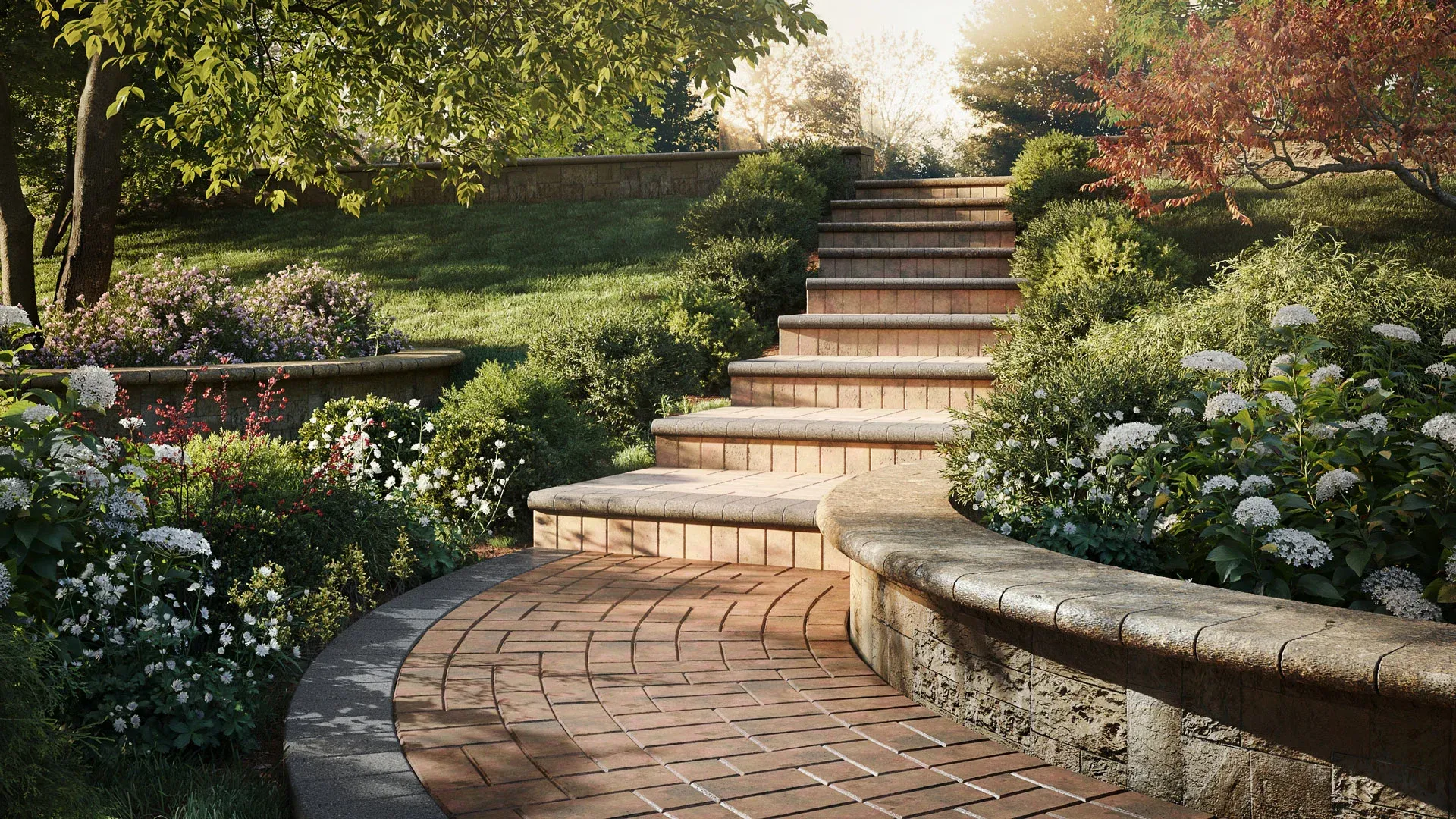
Depending on the background, context images are divided into indoor and outdoor ones. An indoor lifestyle shows the product in a roomset, while an outdoor one showcases it in plein air. Our article on lifestyle shots breaks these types down with examples.
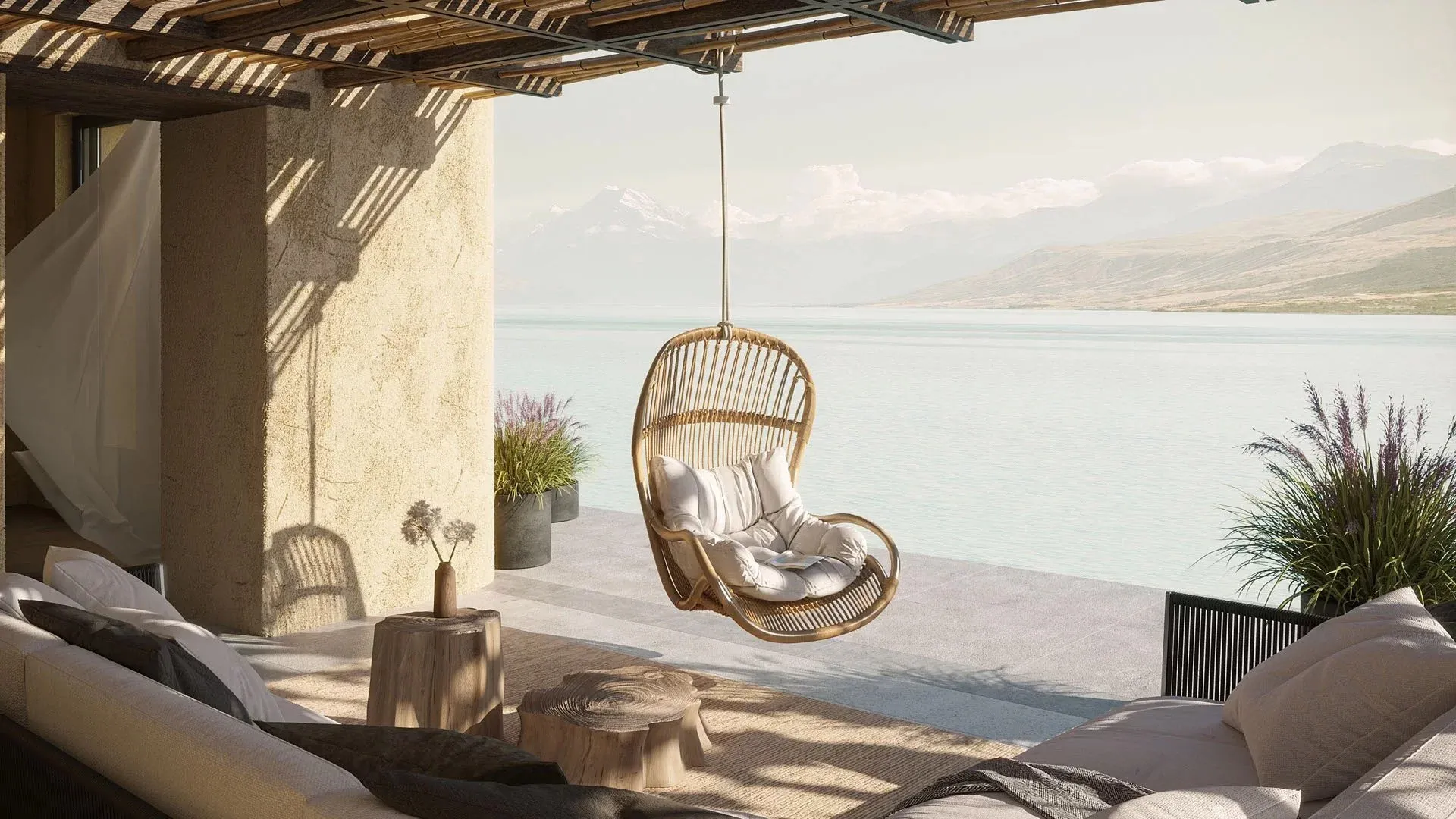
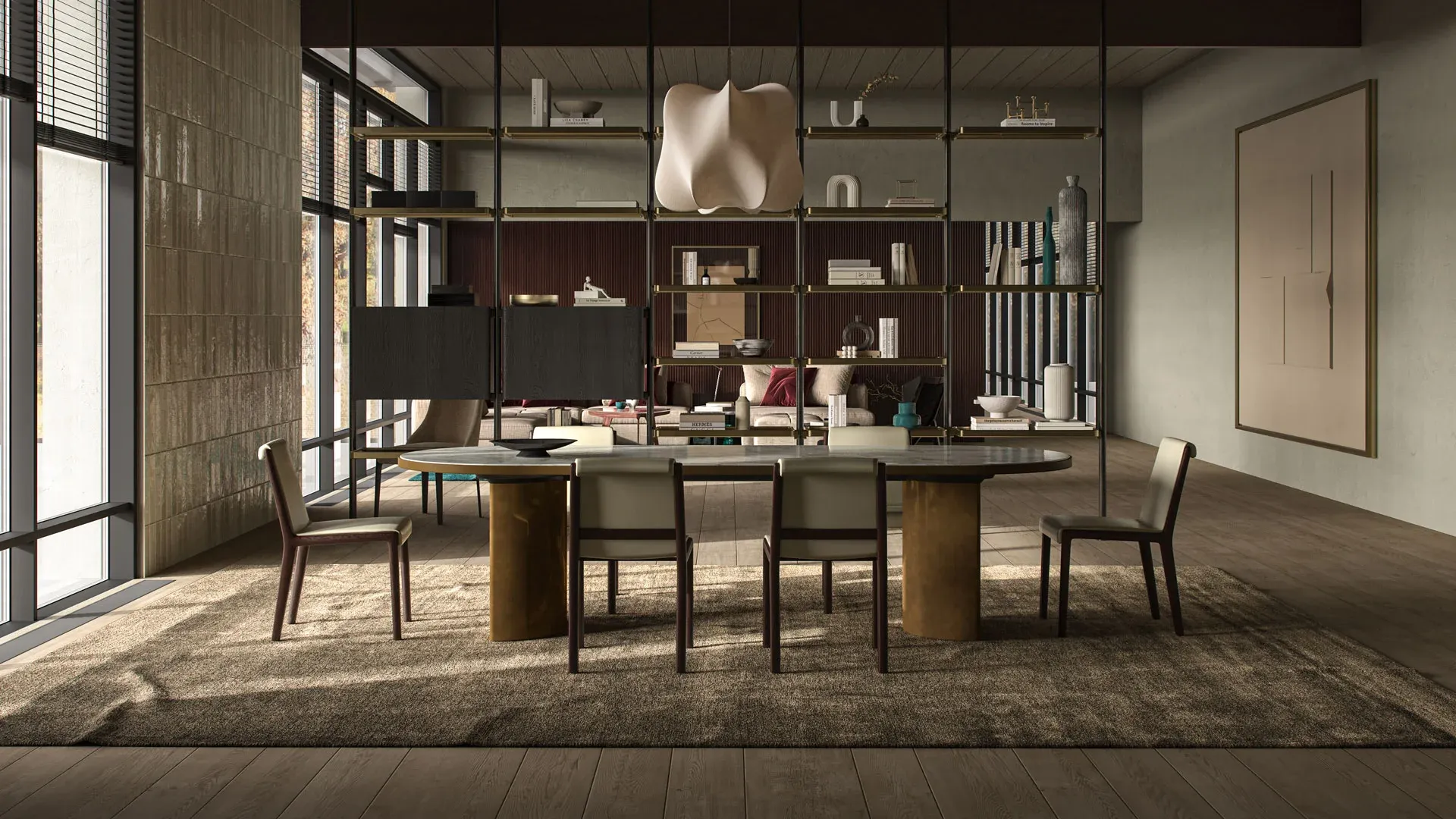
Another way to classify the product lifestyle images is according to their purpose. Depending on the aspects to highlight, context images come into the following categories.
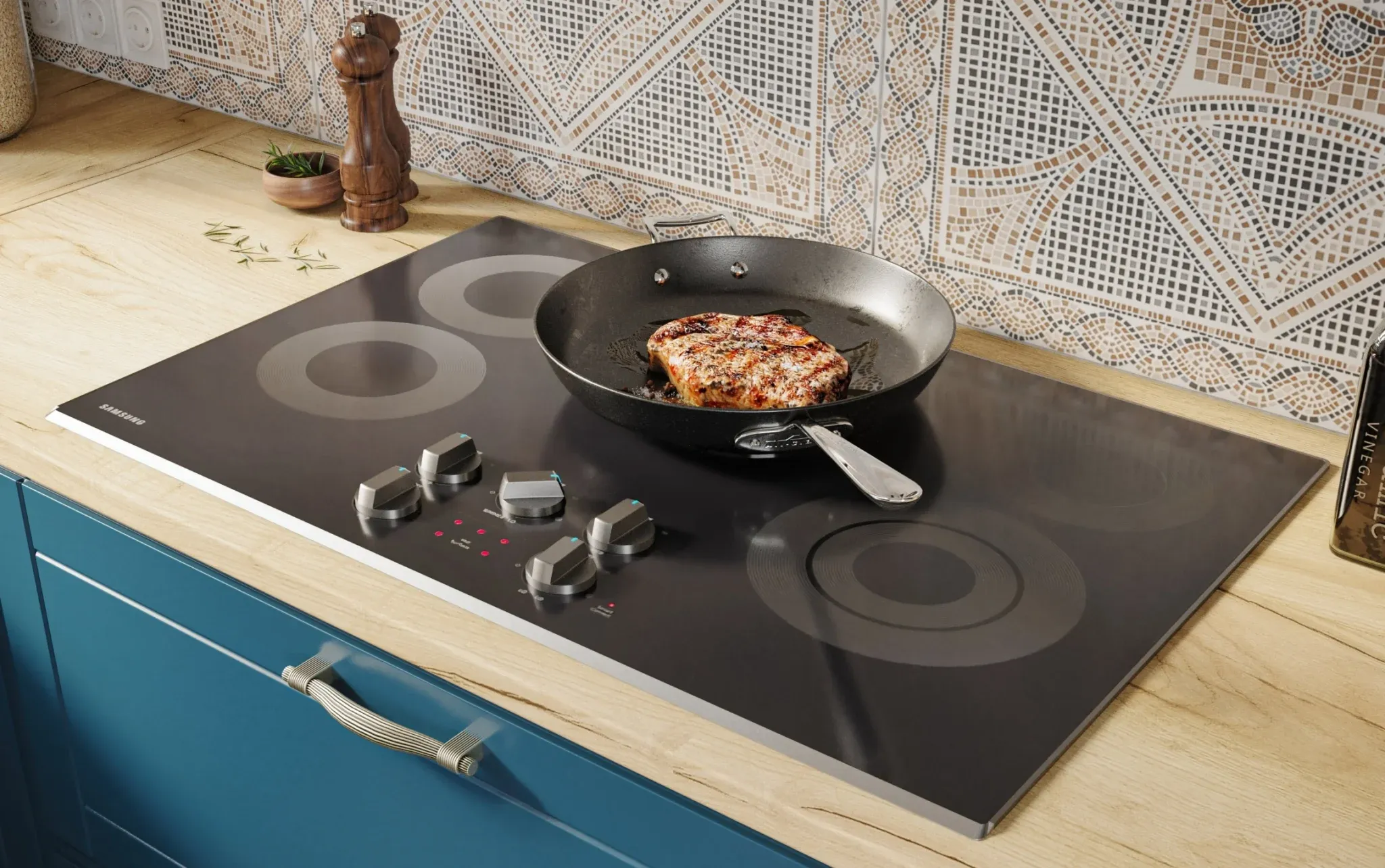
1) Individual product image features one single object. The setting is designed to highlight the product features and plays a secondary role.
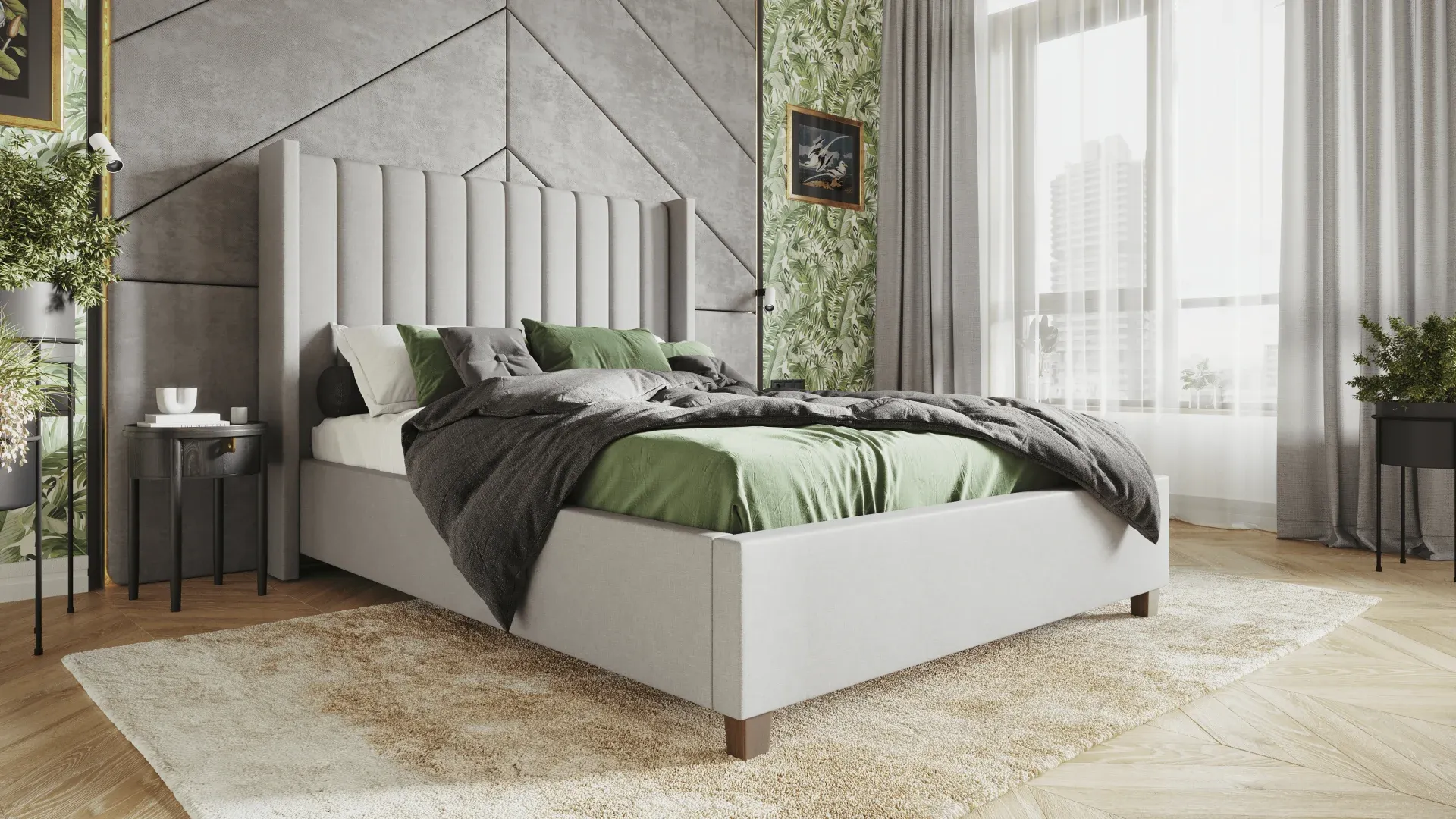
2) Group lifestyle shot shows a set of products. This allows buyers to see different options in one product lifestyle image and thus compare them easily.
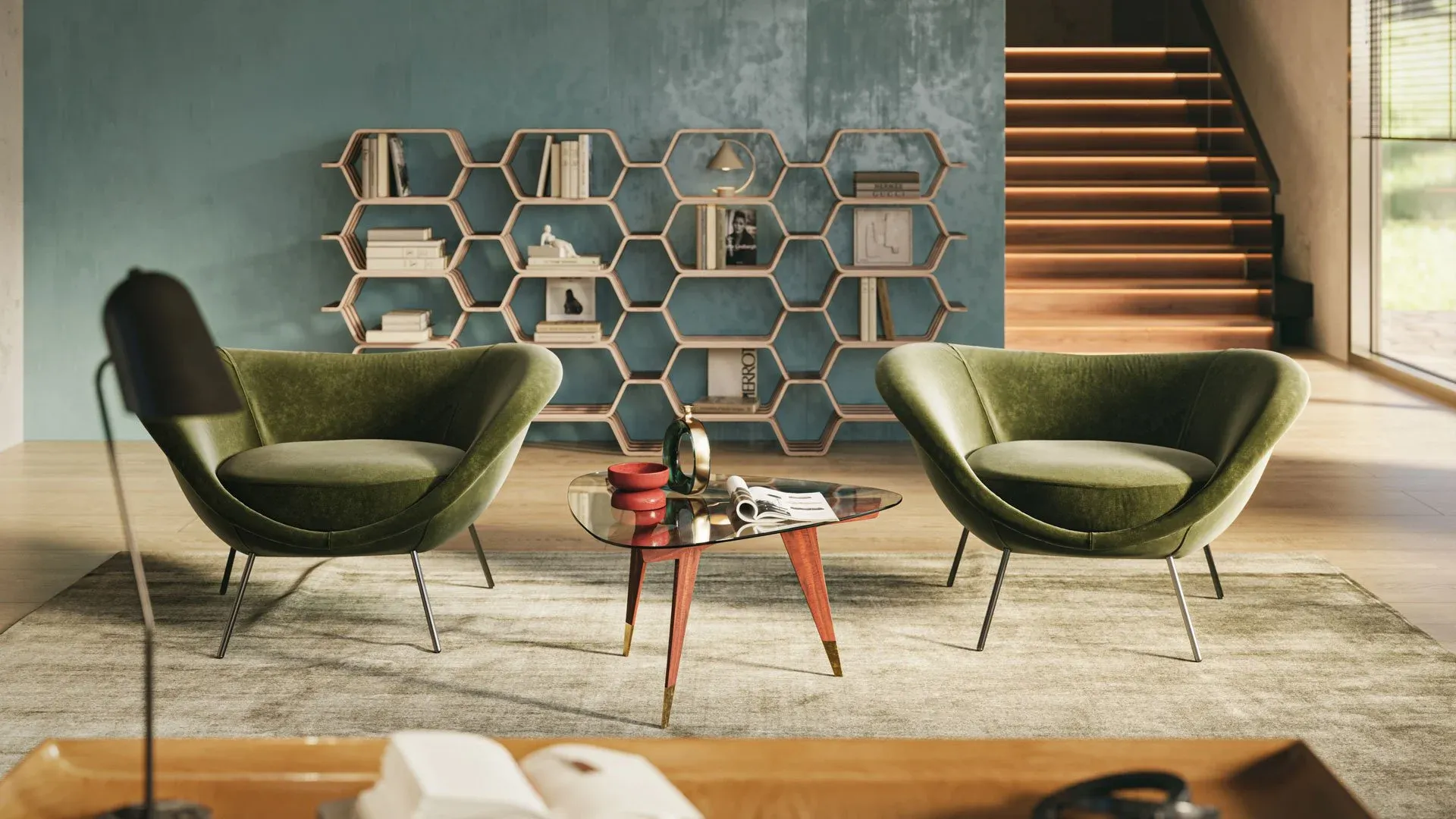
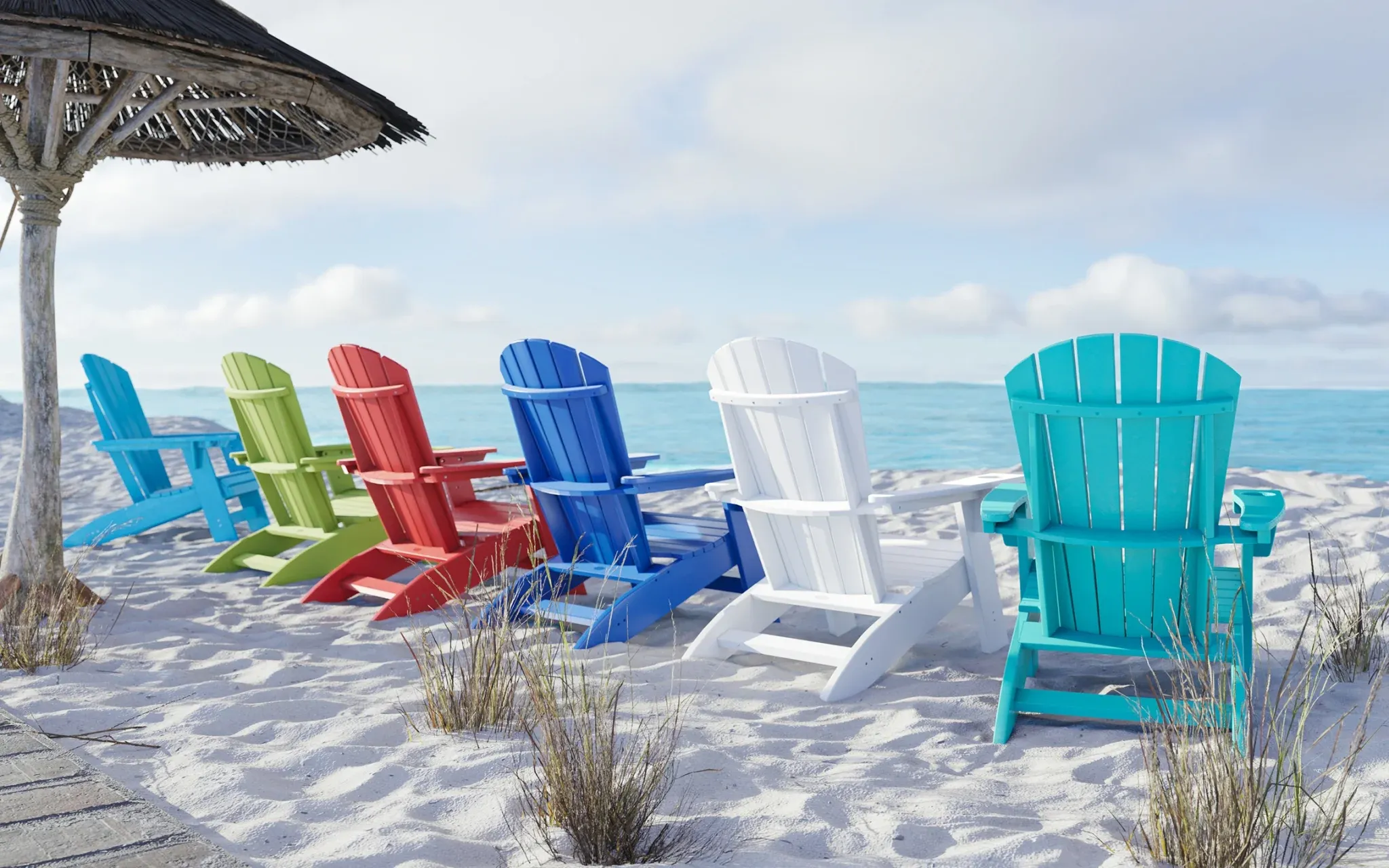
3) Colorways lifestyle shots let viewers discover color variations of the same product. This way, prospects can choose the option they like best or get inspired to combine a few.
4) Scale lifestyle image showcases the product with objects that help identify its dimensions. For instance, it’s easier to understand the size of the coffee table when it’s next to a sofa.
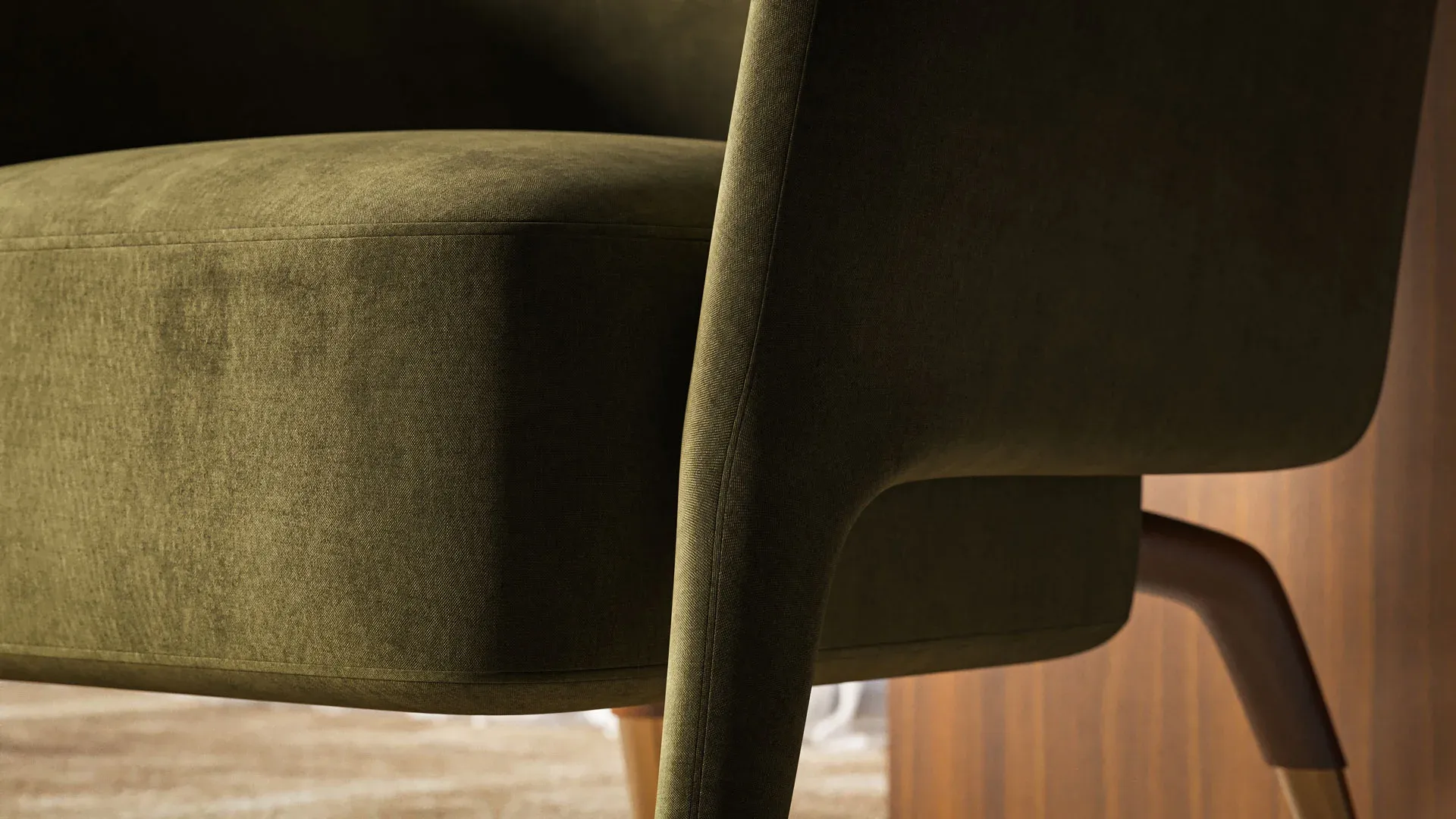
5) Detail lifestyle image or a closeup shows a part of the product. It allows the viewer to see detailing, patterns, and texture so that viewers could appreciate the quality and craftsmanship.
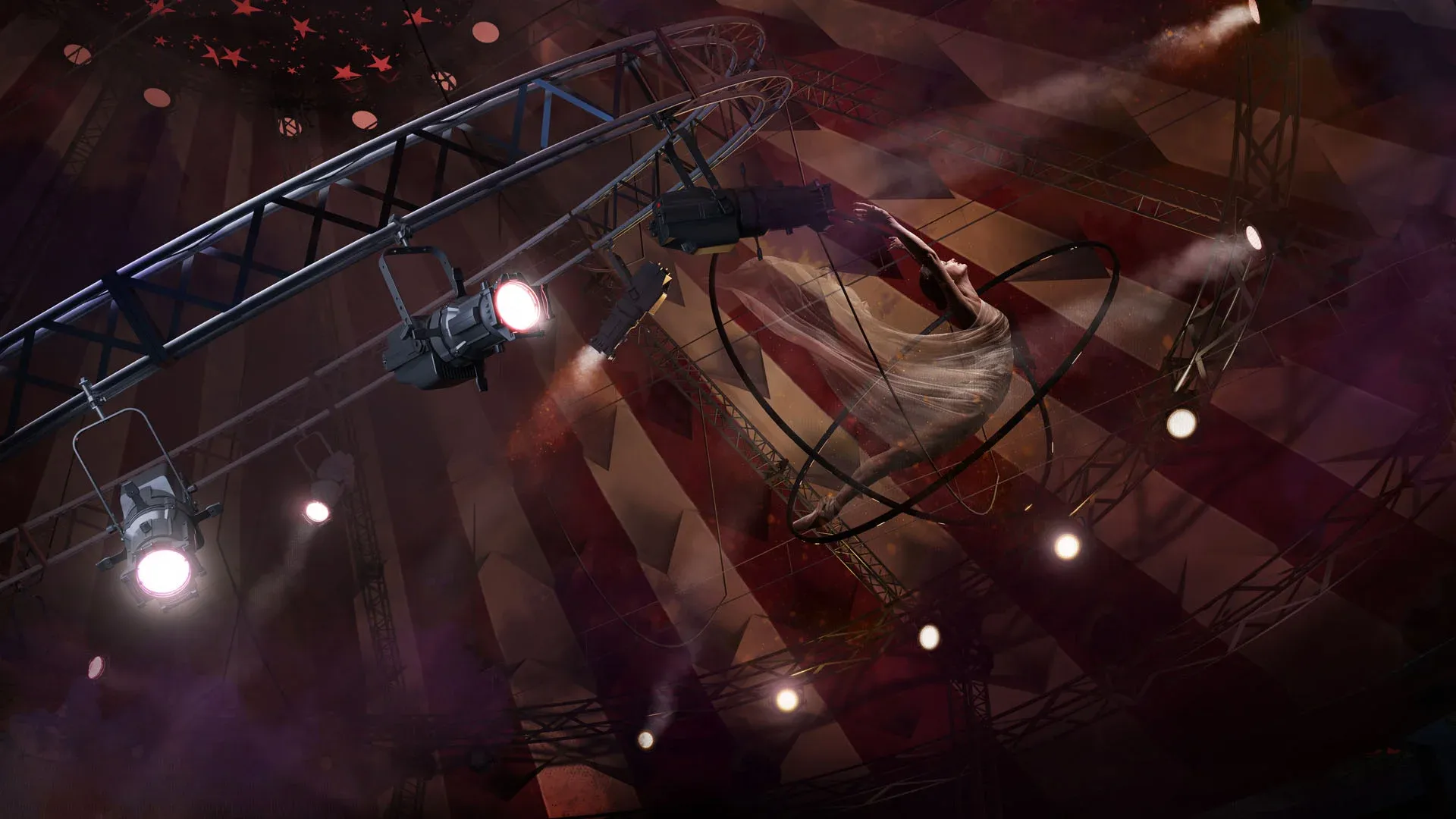
6) Concept lifestyle shows the product in an unusual environment. The setting does not highlight any features but serves to catch attention, surprise, and emphasize a product’s design aesthetics.
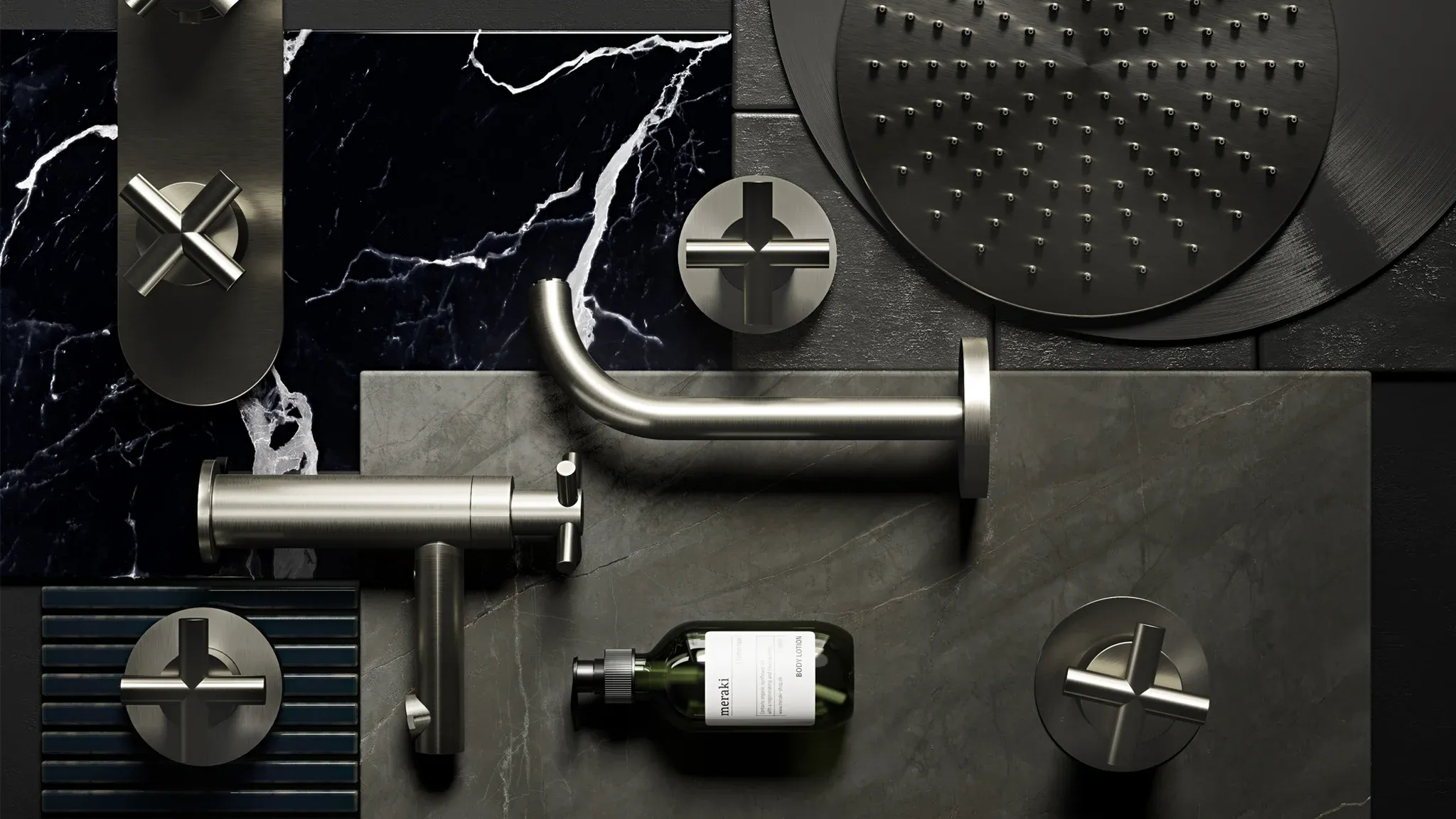
7) Flat-lay product image has a thought-out concept, composition, and color scheme that suit each other perfectly. The most important feature of the flat lay image is the layout of items that could be parts of the product or elements of the product set. This way, a manufacturer demonstrates all components of product design but in a more creative way.
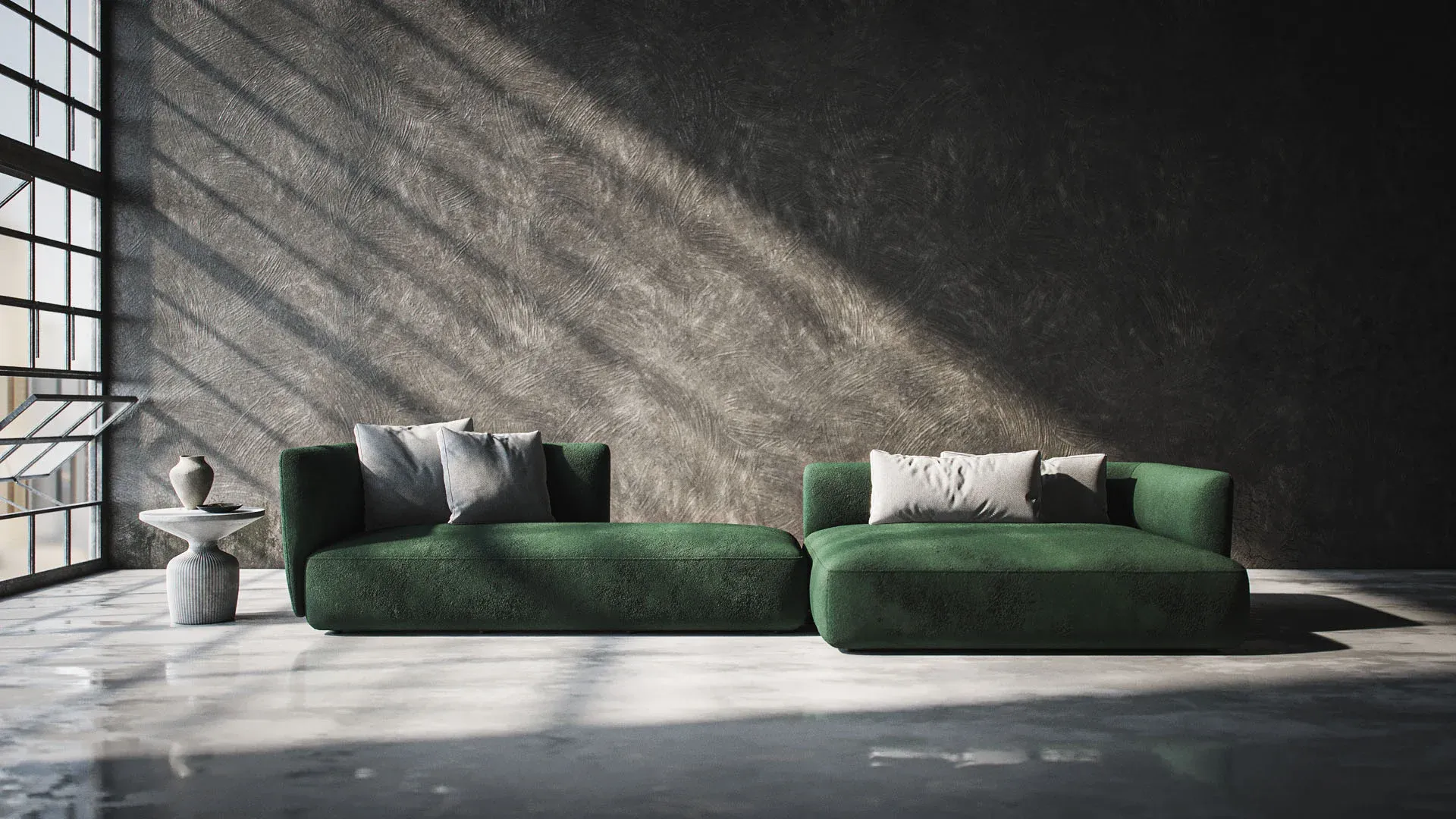
8) Wall product image is a simple rendering that depicts a product on the background of the wall. Such a type of render is an alternative to a silo image but with a realistic setting, however simple it may be. Its purpose is no different from that of a silo 3D visualization service. It is likewise designed to focus viewers’ attention on the main item rather than distract from it.
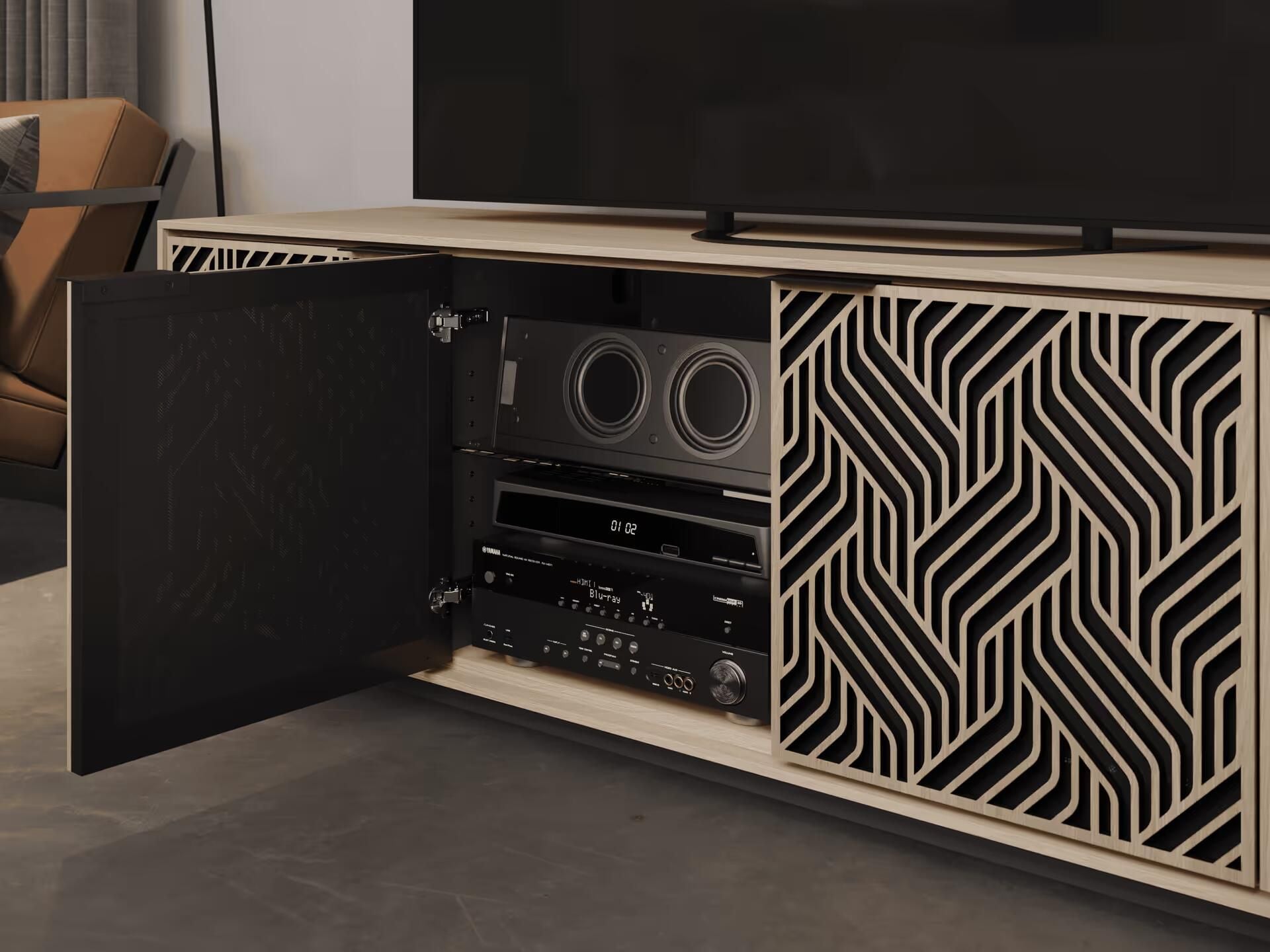
9) Feature lifestyle is an image focused on a certain product feature. This way, manufacturers can demonstrate a product’s competitive edge to e-shoppers across all marketing channels. Overall, product feature rendering services provide manufacturers with visuals that highlight unique functions more effectively than feature lists.
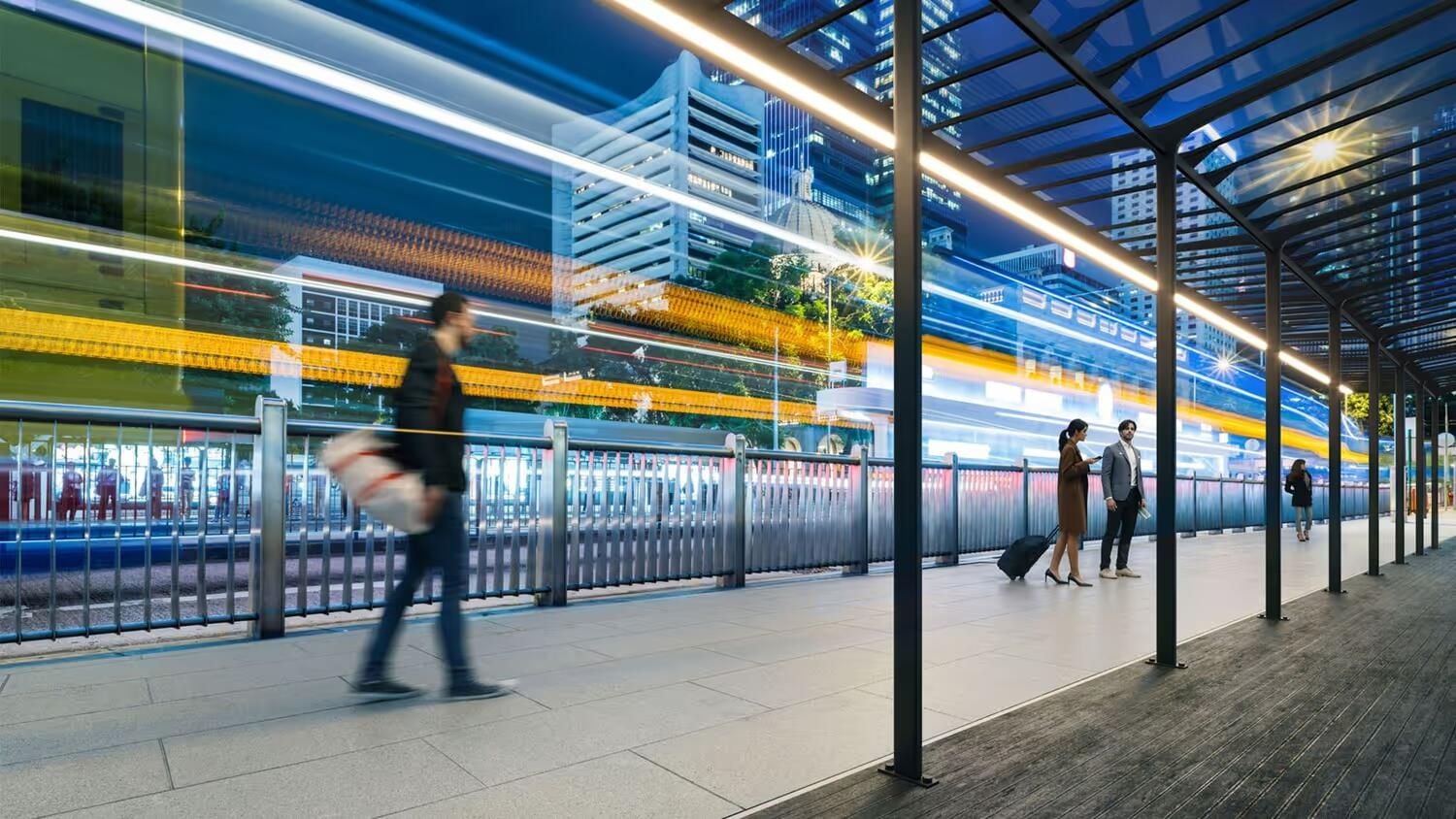
10) Motion lifestyle is a 3D rendering that includes movement. The latter may come from the product, props, people, etc. The lifestyle may be based on ideas like water splash, frozen motion, “a second before”, etc.
Where Lifestyle Renders Are Used
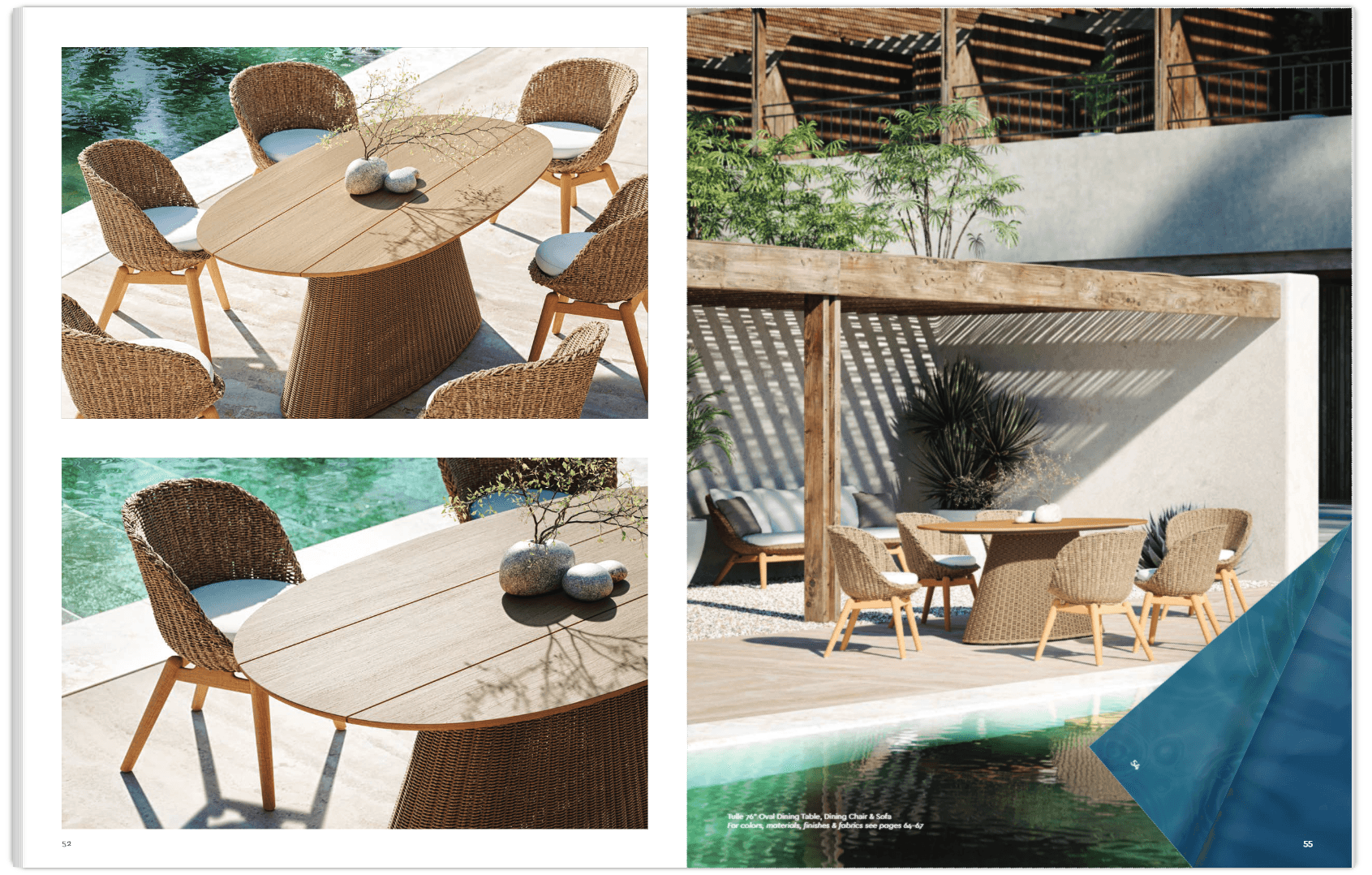
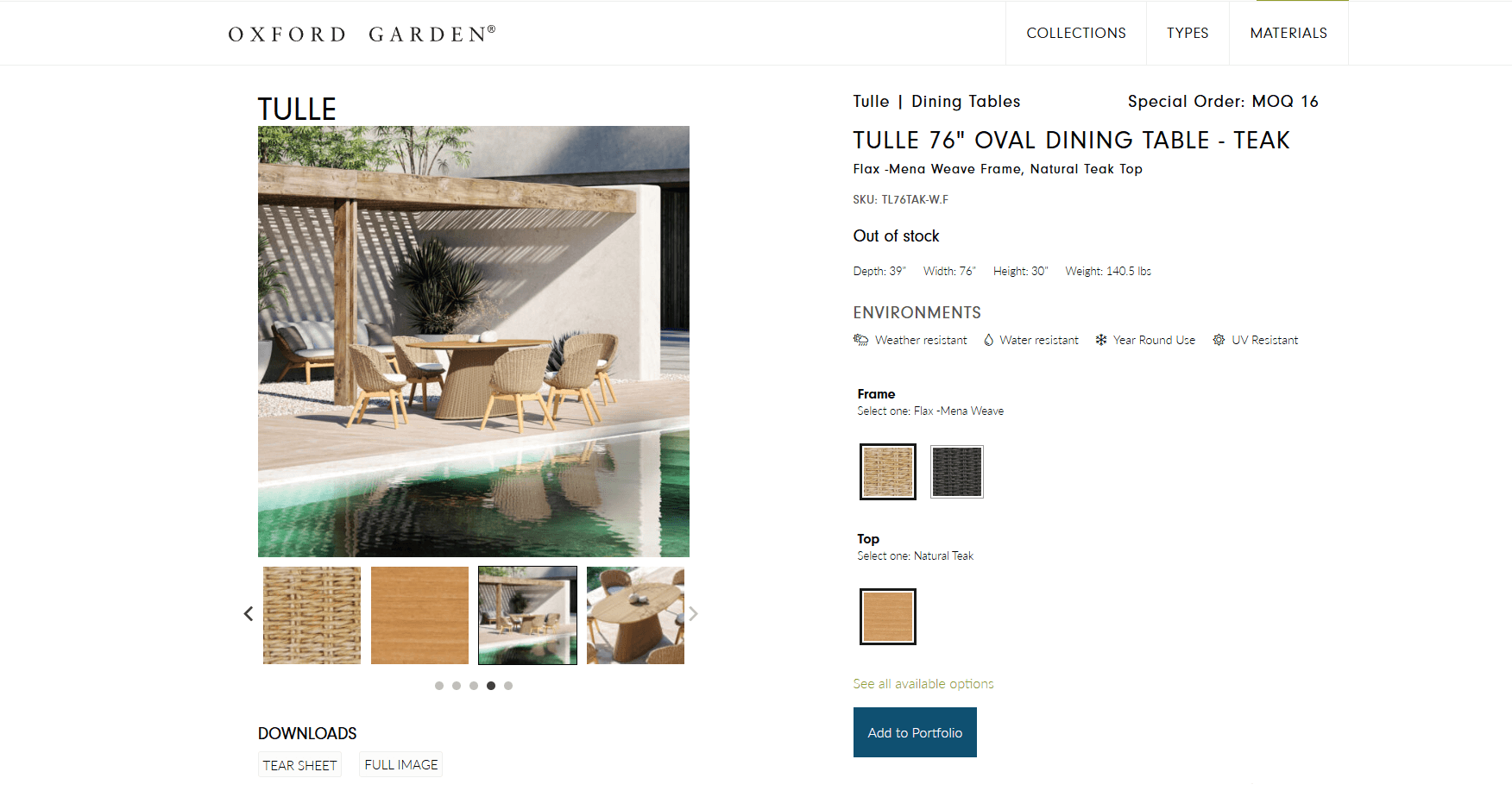
Lifestyle 3D renders are applied across a wide range of marketing and sales materials where visual context helps communicate product value more clearly. By placing a product in a realistic or aspirational environment, these images support decision-making and improve content clarity across channels. Lifestyle renders are commonly used in: This is one reason 3D visualization in the furniture industry has become so common in catalogs and on product pages.
- advertising and promotional visuals
- social media content
- website hero sections, category pages, and product detail pages
- digital and printed catalogs and lookbooks
This flexibility allows the same lifestyle scene to be adapted for different formats while maintaining visual consistency throughout the brand’s visual ecosystem. The same scene can also serve as the setting for product animation.
Angle for a 3D Lifestyle Render
Another important factor of a lifestyle image success is the angle choice. Depending on the aspect, there are 3 types of the images:
- Straight-eye angle
- Bird’s-eye angle
- Low-angle.
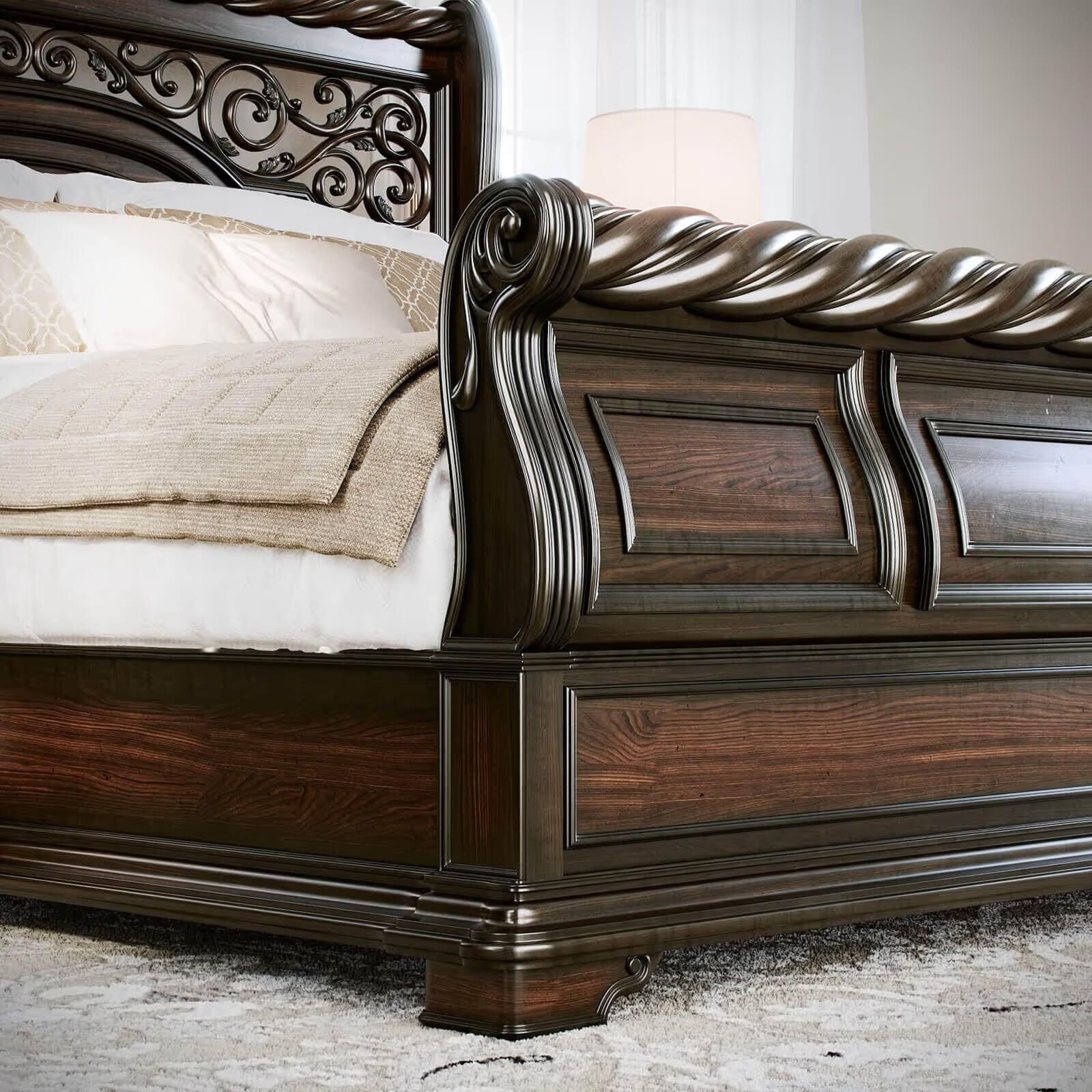
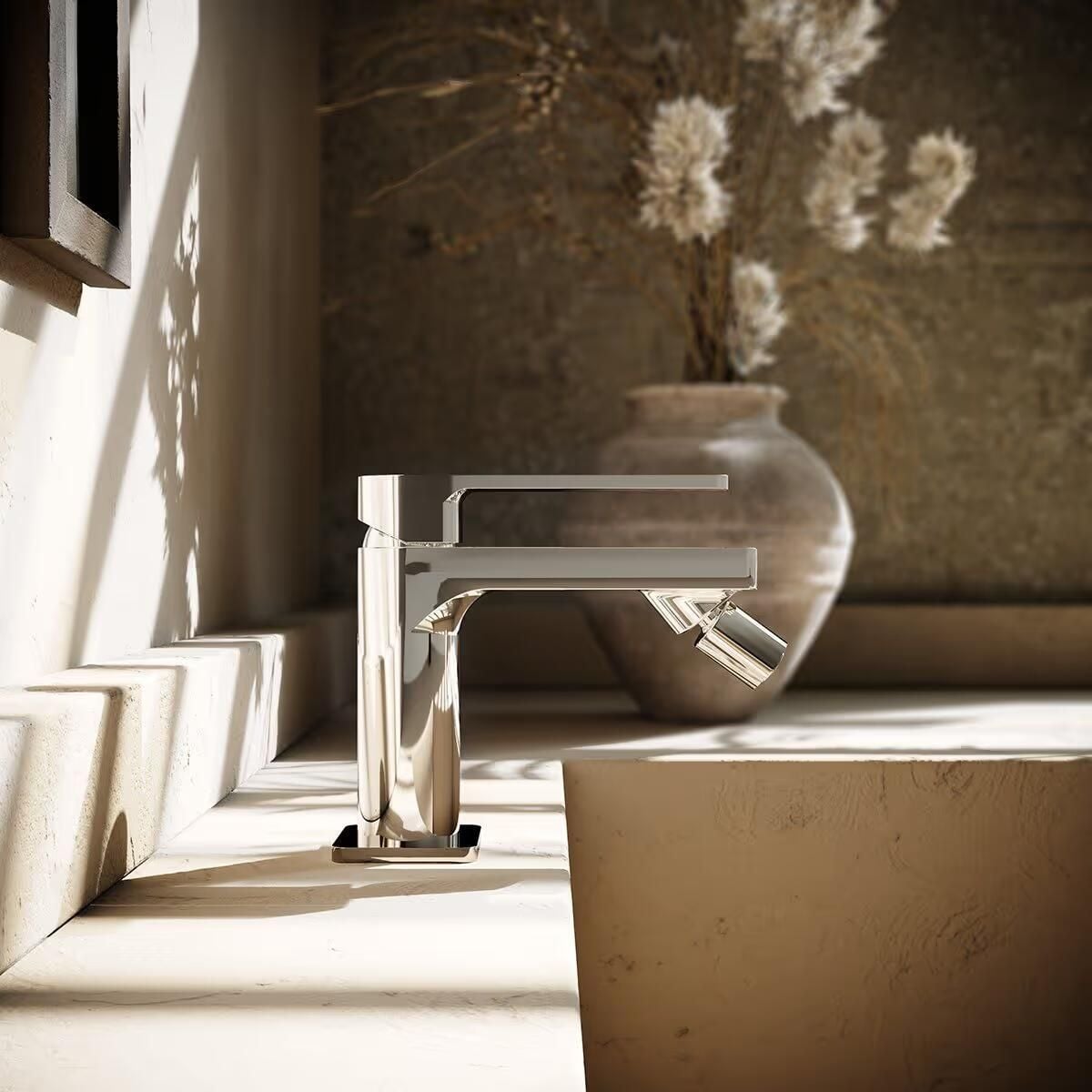
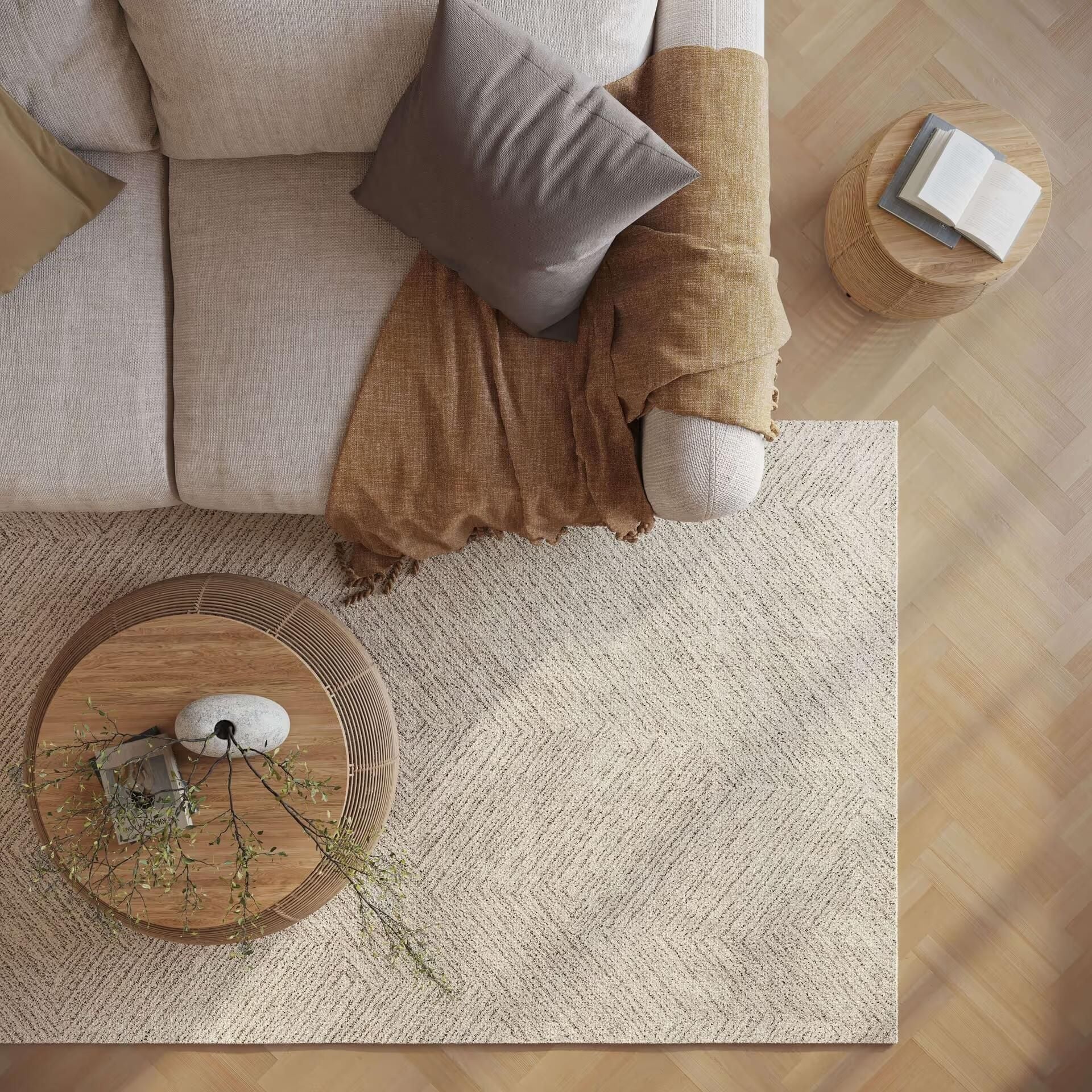
Camera angle choice is not just a technical detail. It shapes what customers notice first. That is why CGI artists approach camera setup the same way photographers do, with attention to framing, balance, and focus on the main product.
Context images are a separate form of art, and camera angle is one of the main reasons why. With the right framing, brands can control what viewers notice first and what they understand about the product in the first seconds. That opens up plenty of creative solutions for every product type.
Manufacturers can use them to showcase product color and design variation, a whole set of products, the quality of the item, and simply entertain. Too much choice? Book a demo and let a CGI specialist recommend the most suitable 3D modeling and rendering services for your product.
Choosing the Perfect Mood for a 3D Lifestyle Render
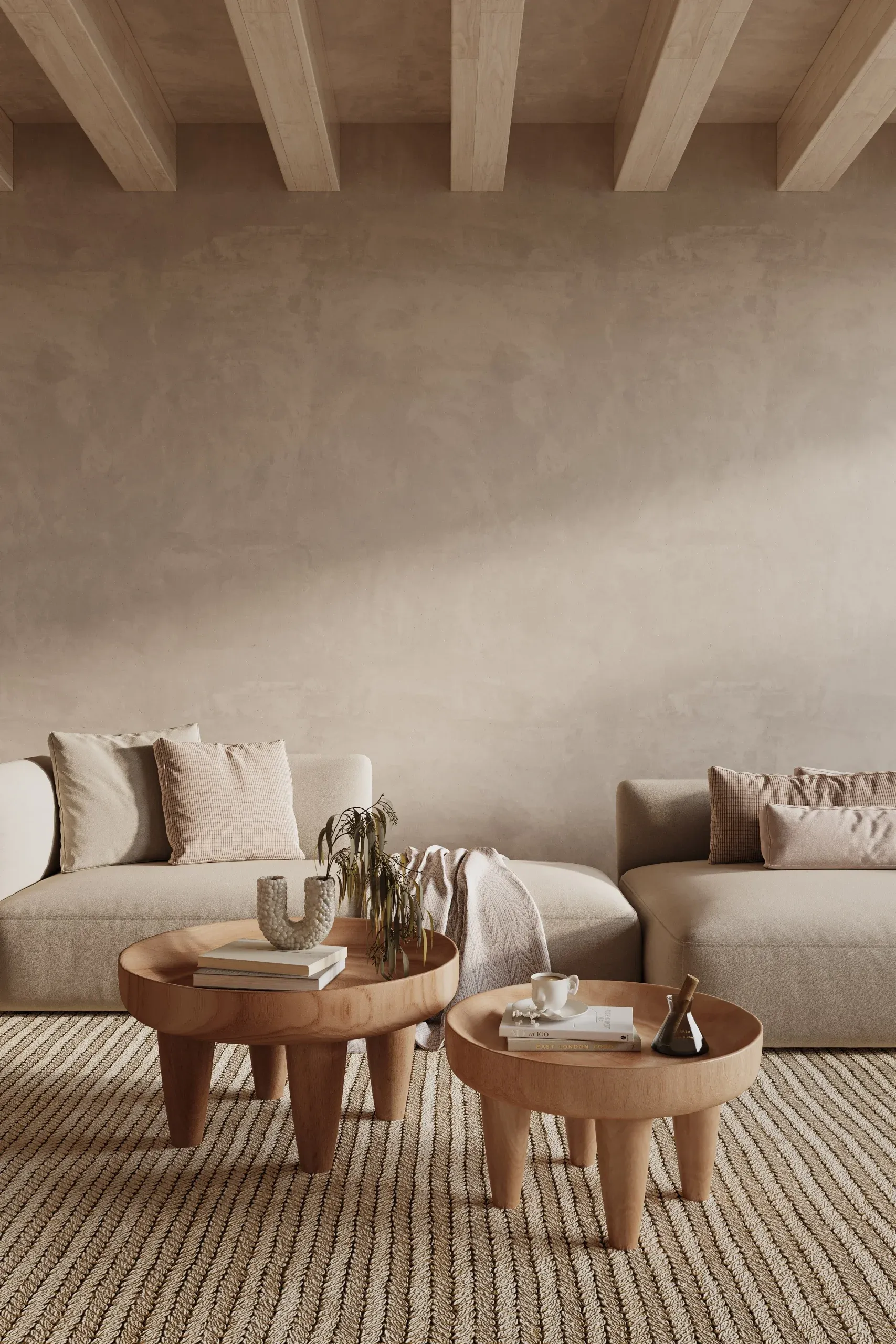
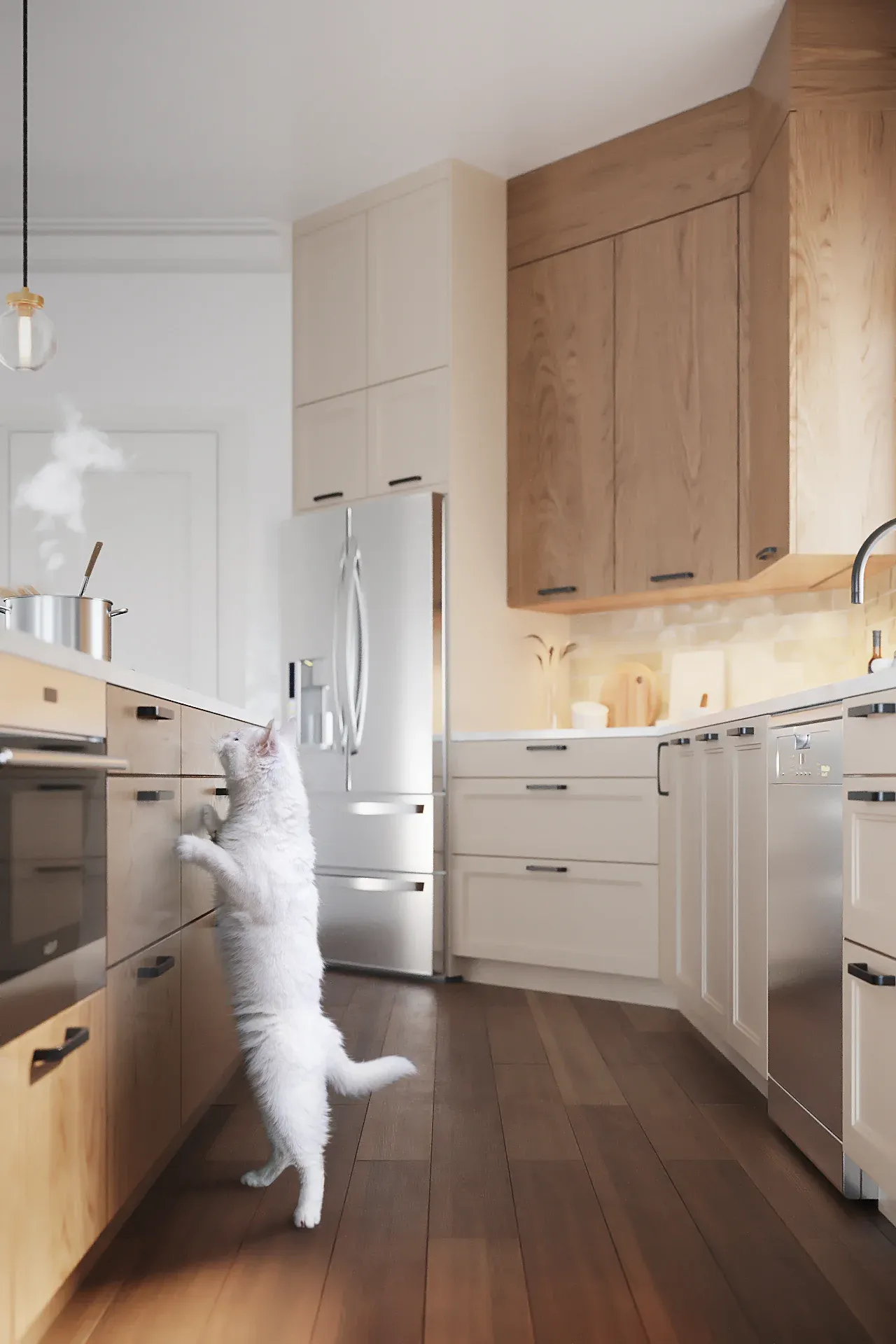
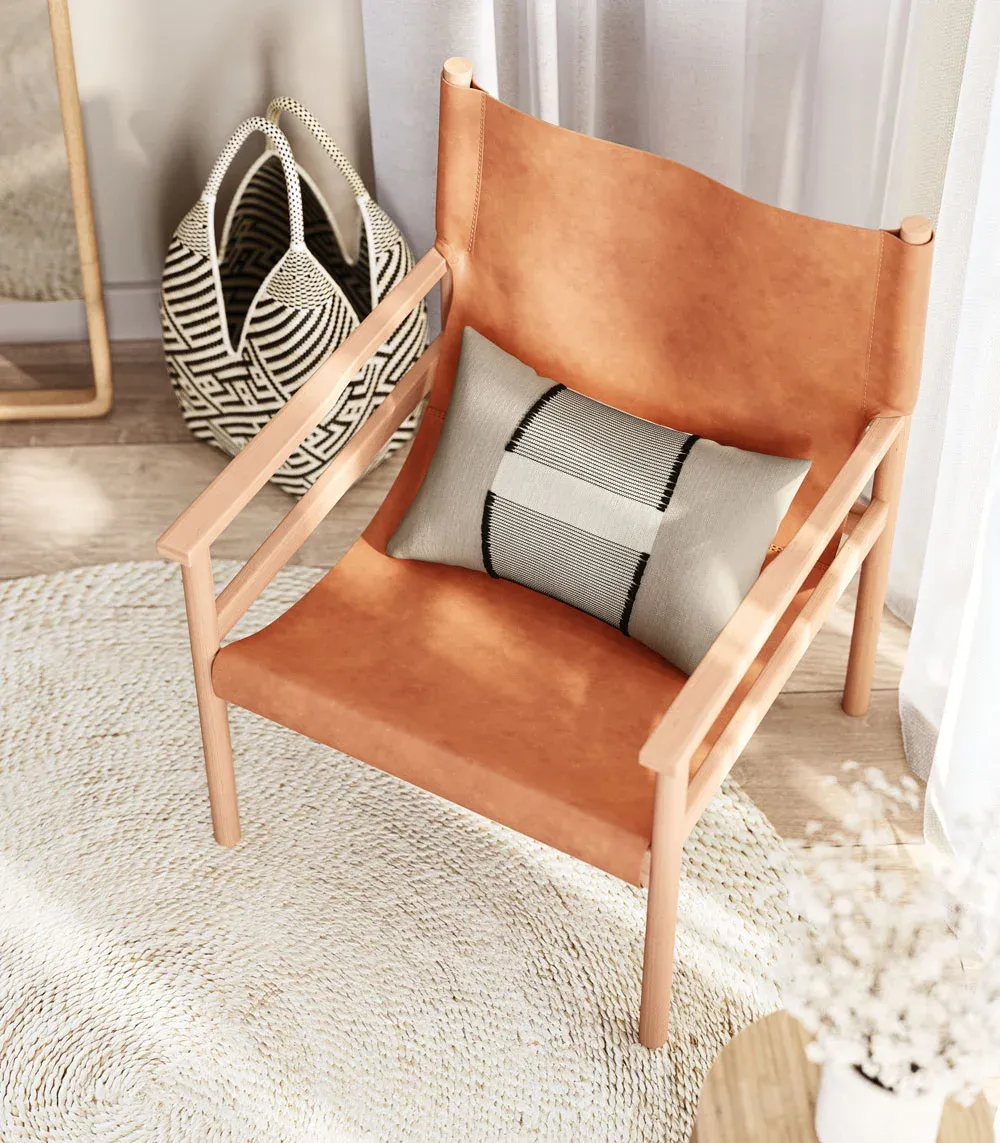
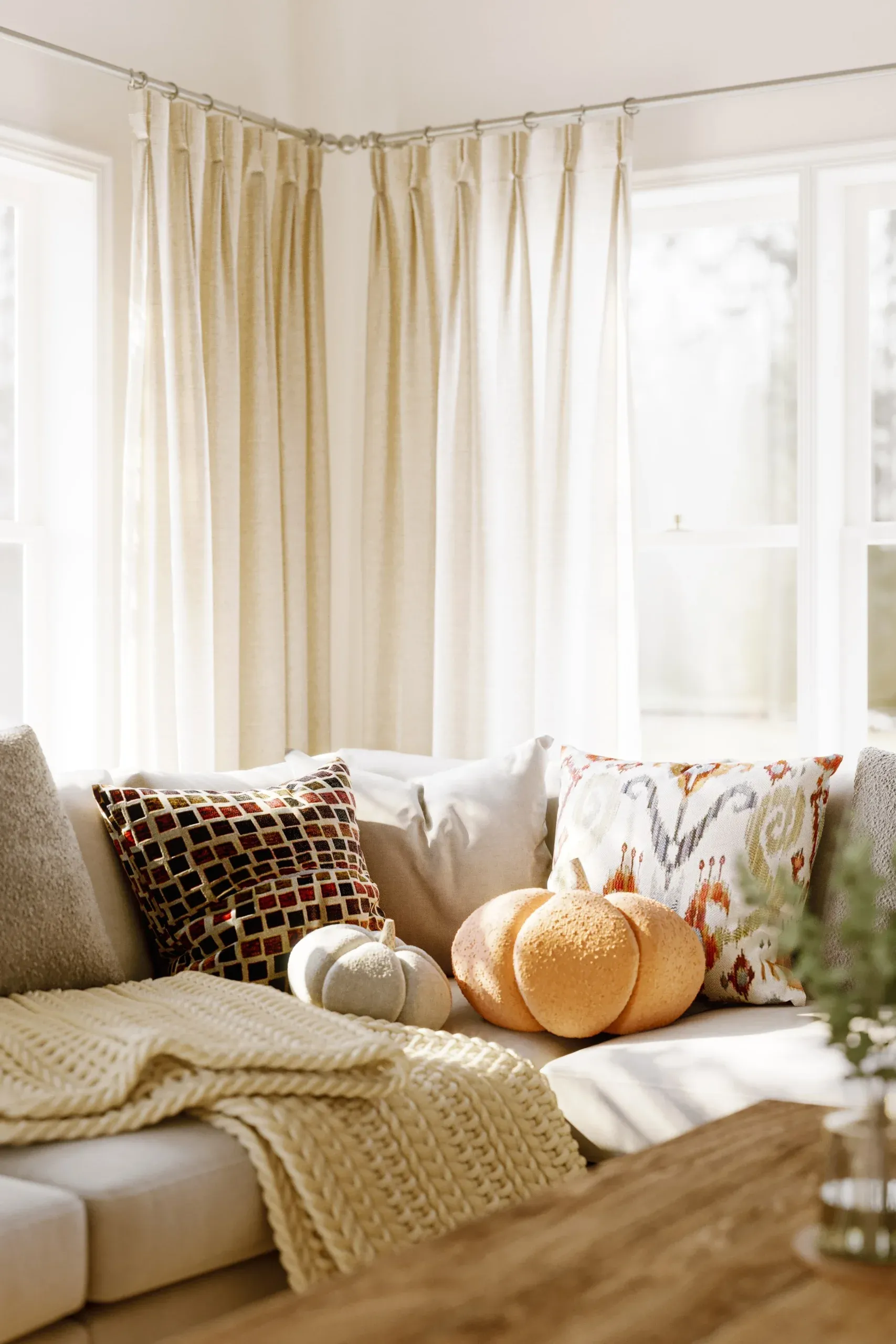
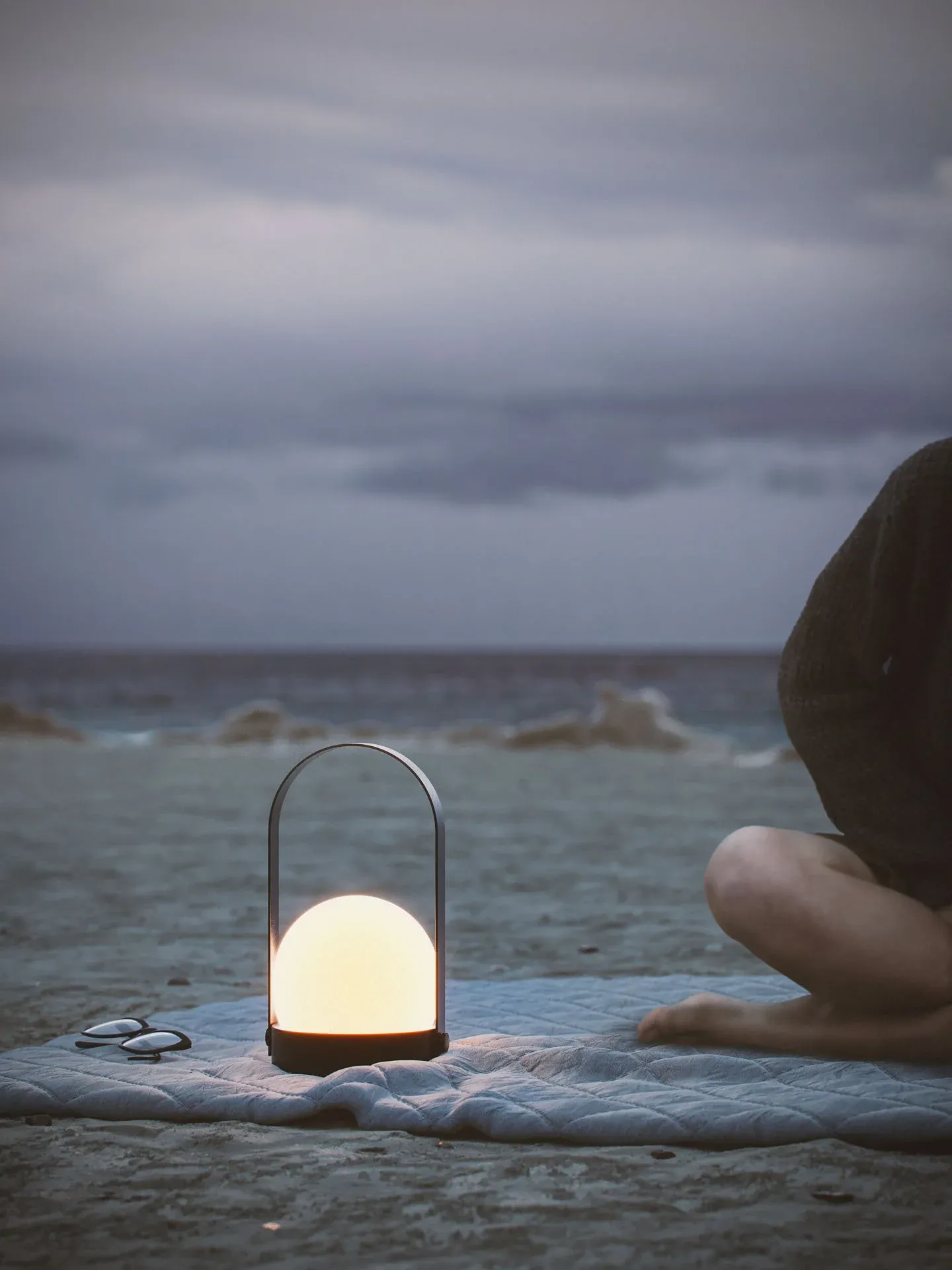
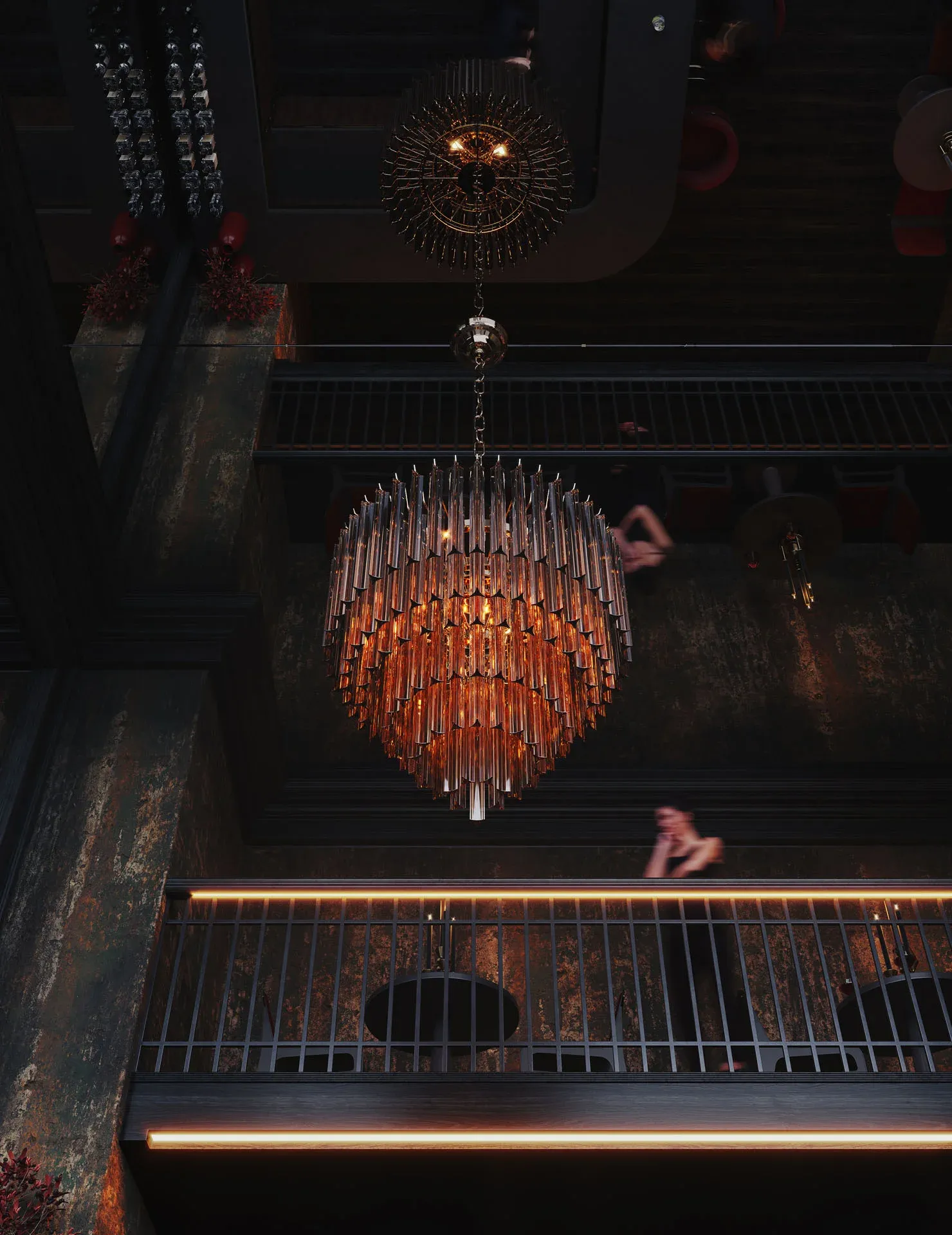
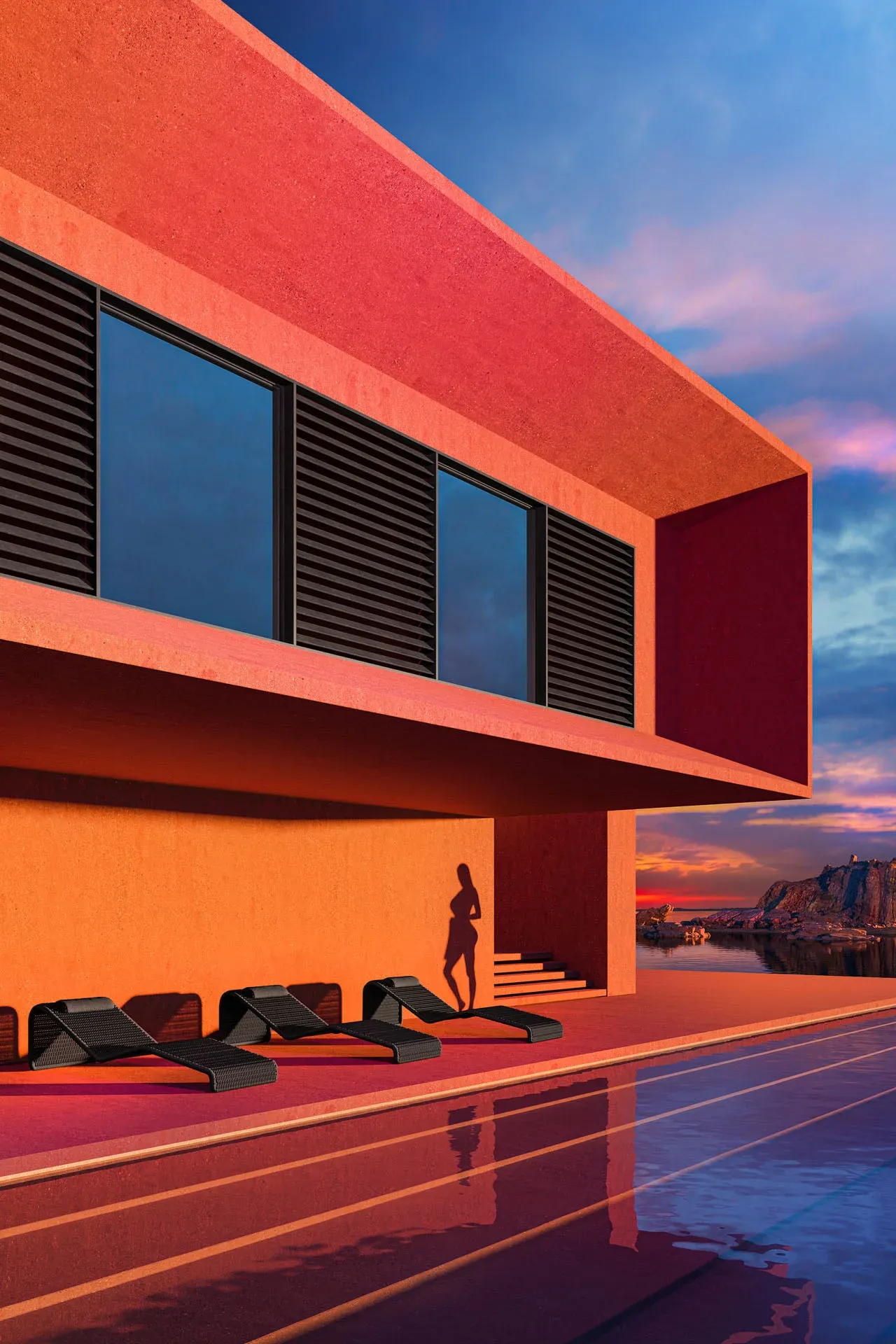
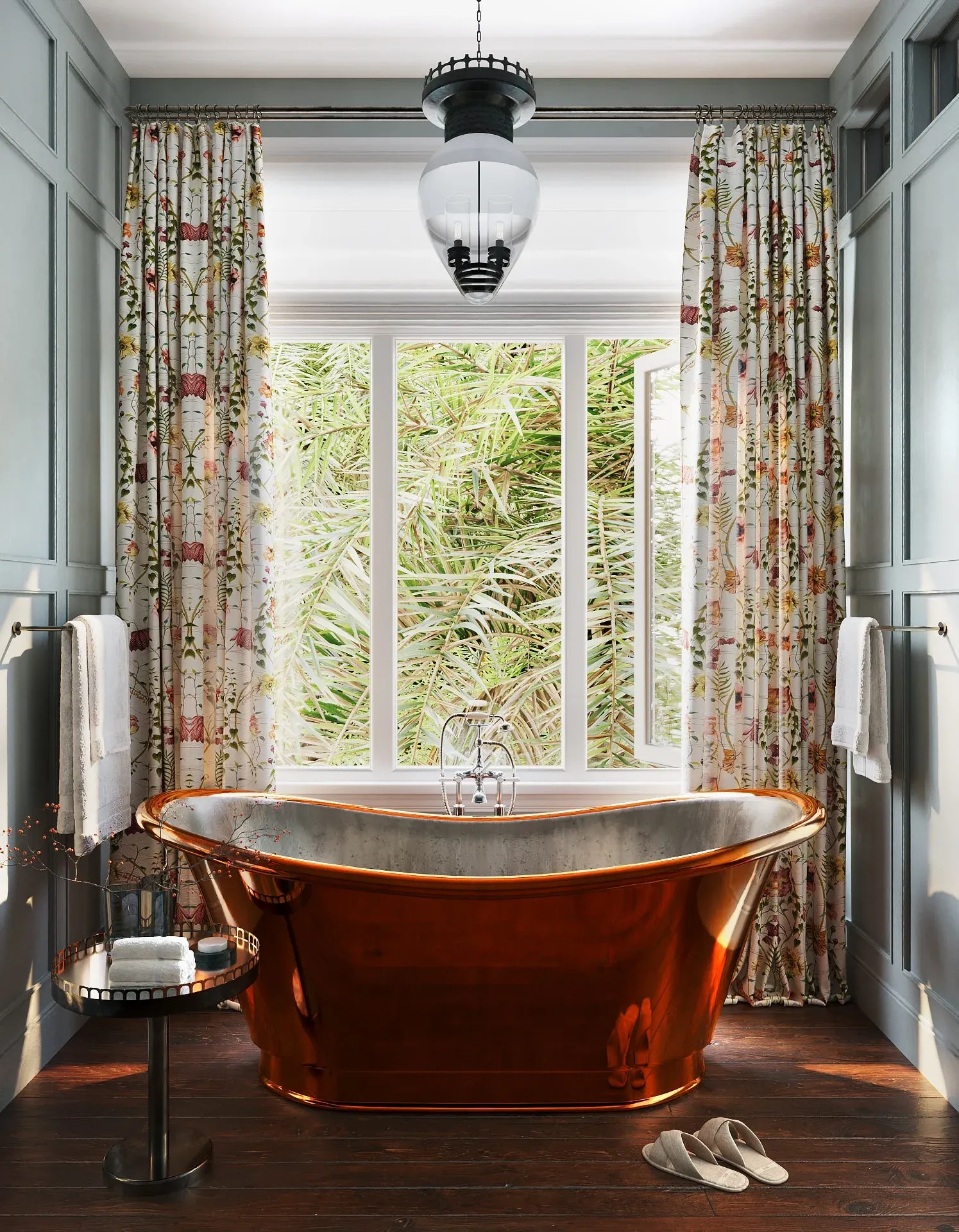
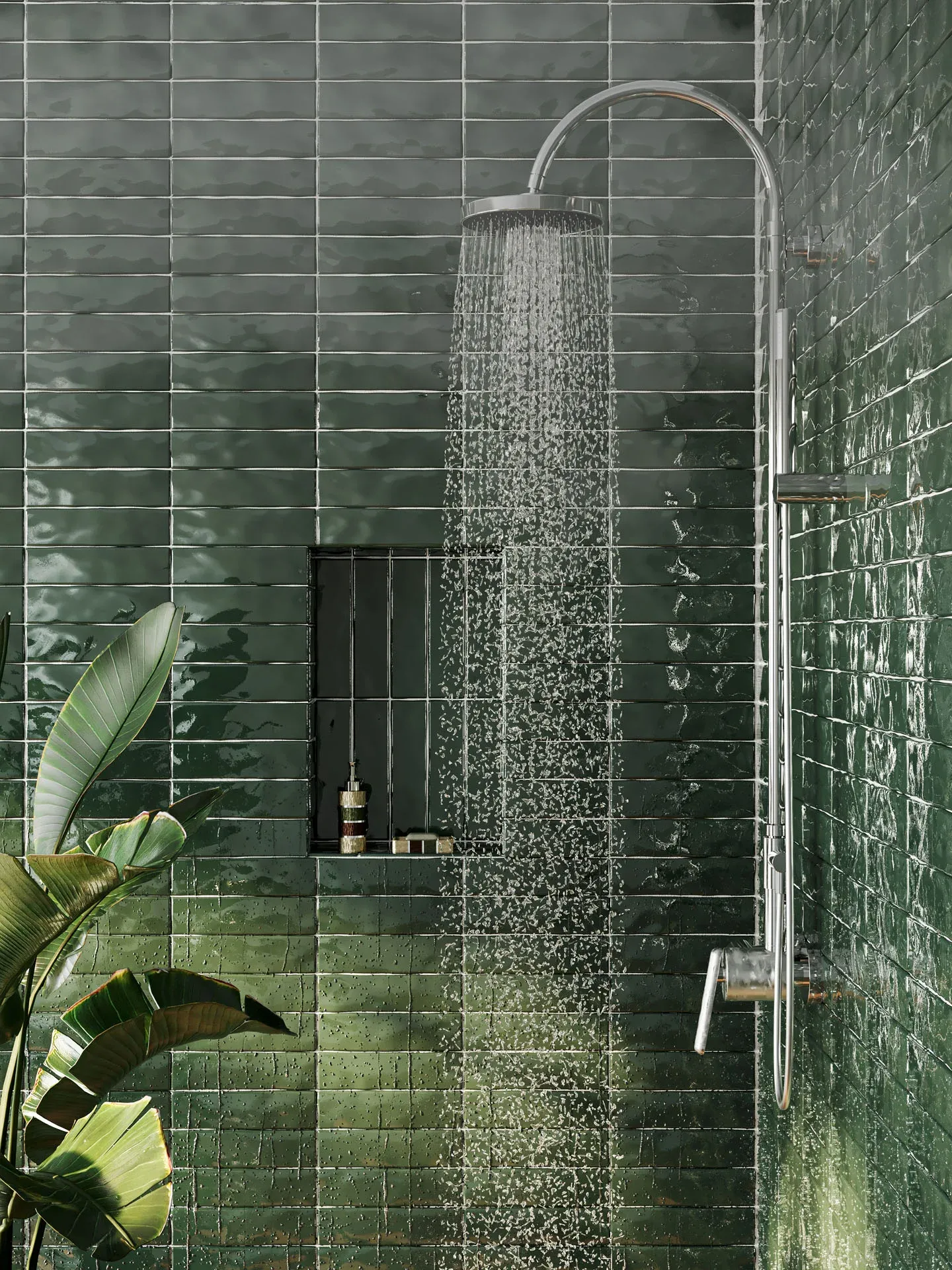
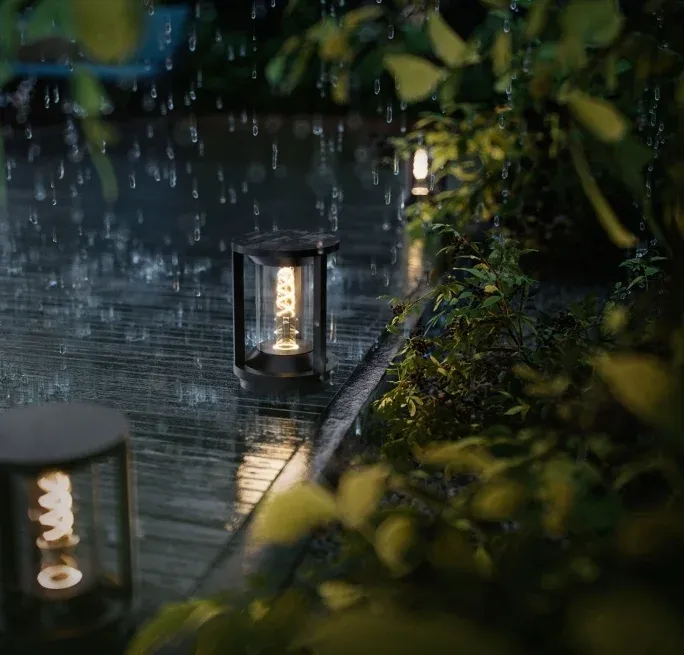
CGI offers product manufacturers the possibility to get any ambiance for their lifestyles. There’s no limit to what an artist armed with powerful 3D rendering tools can achieve. They can conjure any light, weather, and season, find any decor props for making the product lifestyle image speak. Snowfall in the Christmas living room scene? Sure. A lion on the velvet couch to set the atmosphere of power and luxury? Great idea! And it will look amazing. Our ideas for winter 3D renders show how this works for holiday campaigns.
This creative freedom is also practical. A brand can test different environments, moods, and lighting scenarios without booking locations or transporting products. If the concept changes mid-project, the scene can be reworked with less disruption than a physical reshoot.
In terms of mood and atmosphere for lifestyle rendering services, there are many options. The most popular of them are dramatic, lyric, and epic ones.
- A dramatic product lifestyle is characterized by light-and-shadow contrasts, and a dynamic story told through props. The scene looks theatrical, with all the focus on the main star – the product.
- A lyric roomset can be recognized by pastel colors, pretty decor and flower arrangements, daytime and morning light.
- An epic scene exudes the feeling of grandeur and has a lot of character. Such ambiance is often used for commercial settings, for instance, in product lifestyle images for evening bar and restaurant furniture.
For more details on each of these lifestyle moods, check out our article about 3D rendering styles. You’ll find there characteristics of each mood and a series of photorealistic renders to guide and inspire you.
Changing Light and Color in an Existing Scene
Mood is not fixed once a scene is built. The same bedroom scene can be rendered with warm evening light to read as calm and restful, and with morning sun to read as fresh and energizing. The artist adds, removes, or adjusts light sources in the existing scene, so a second lighting version does not mean building a new room. Our tips on making a 3D scene explain how such a room is set up from the start.
Color works the same way. If the room competes with the product, its palette can be muted so the main item stands out. The texture of any object in the scene, from the rug to the wall finish, can be swapped to suit the product. This is also how a ready-made scene template is adapted to a specific brand rather than used as is. The same thinking applies when choosing backgrounds for product renders.
Types of Lighting in Outdoor Lifestyle Rendering
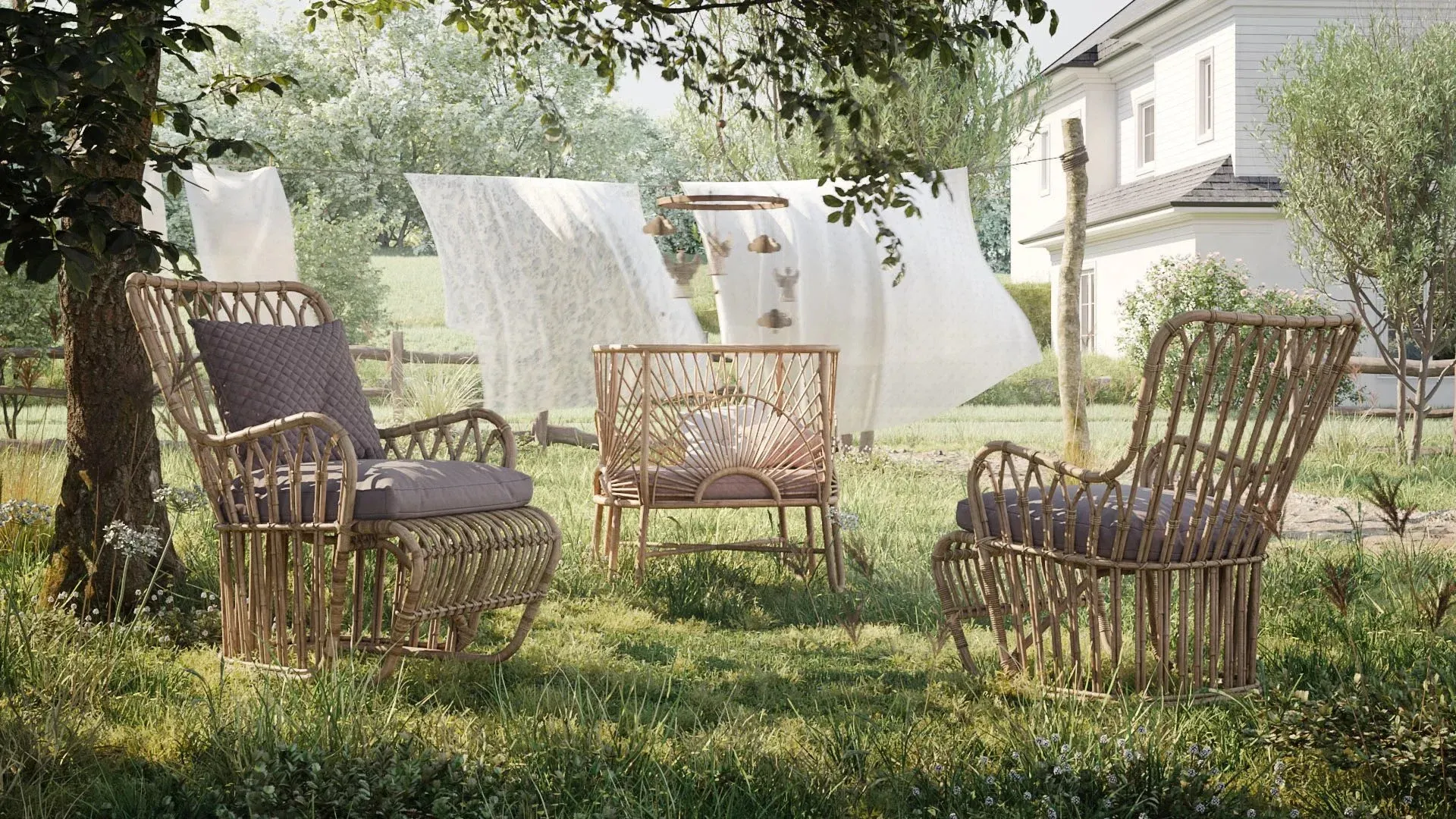
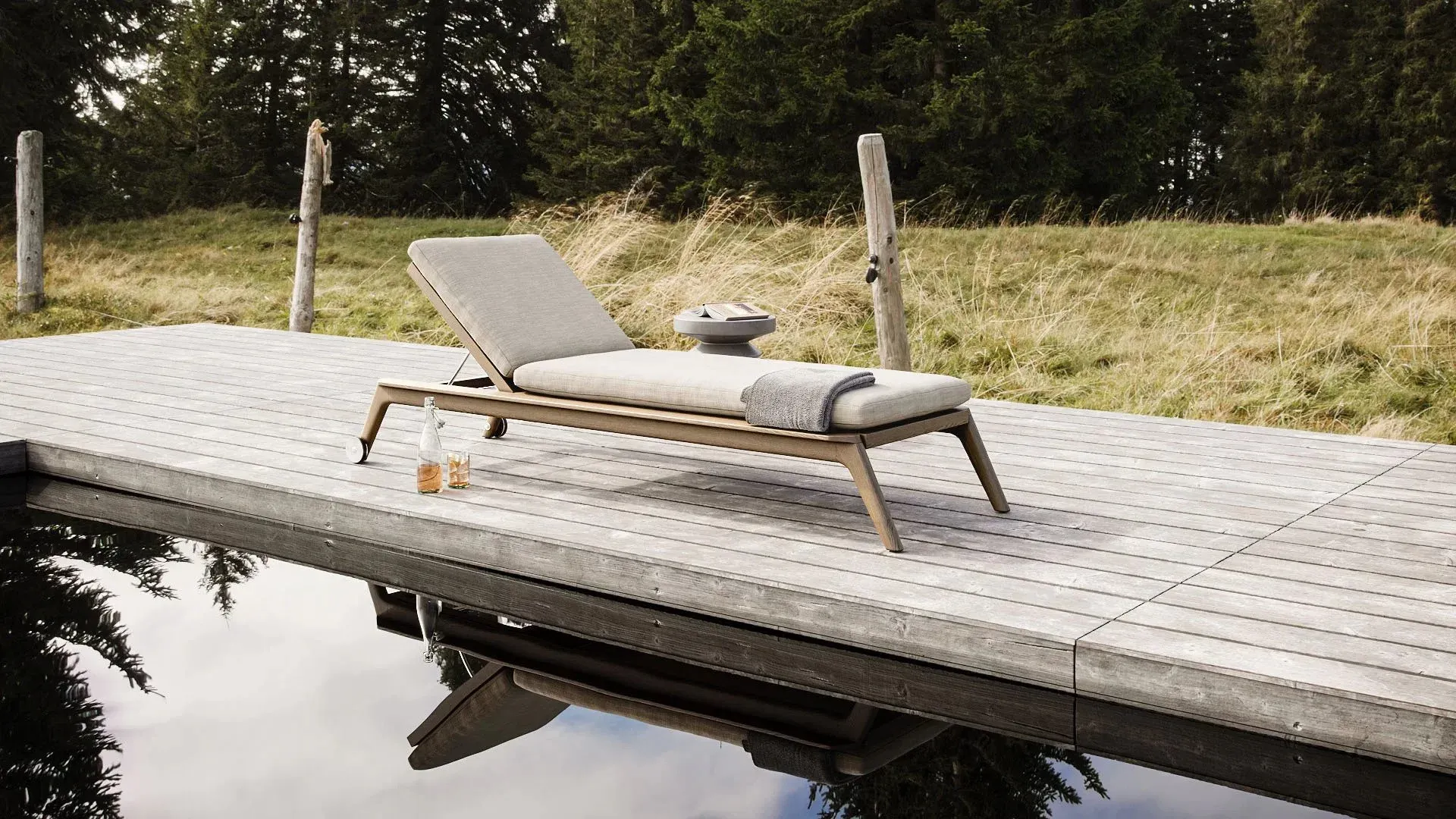
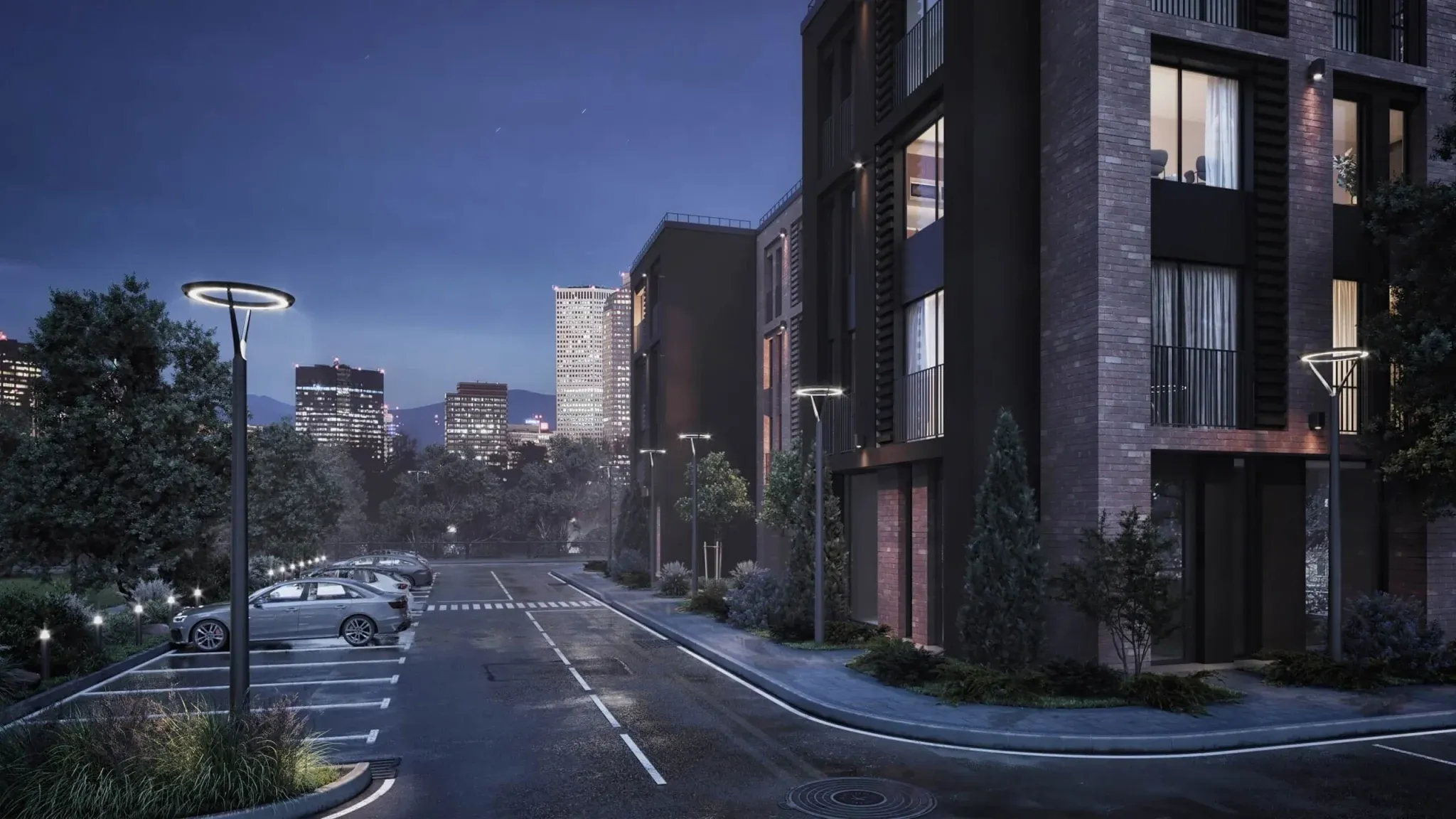
Light is important for setting the atmosphere in all types of context images. And for the outdoor lifestyle scenes, lighting is simply everything! So 3D artists can reproduce it with photorealistic quality. The choice of illumination type depends on the brand, product, and advertising concept. Usually, manufacturers choose among the following options:
- regular daylight
- highly-detailed daylight
- mid-detailed daylight
- ambient
- fog+morning light
- sunrise/sunset
- nighttime.
Making the right lighting choice is crucial, so it makes sense to see the impact of each illumination type and decide which option will flatter the item most. So don’t hesitate to read our article about product render lighting with a detailed and illustrated description of each lighting.
Choosing the Style for a Jaw-dropping In-context Image
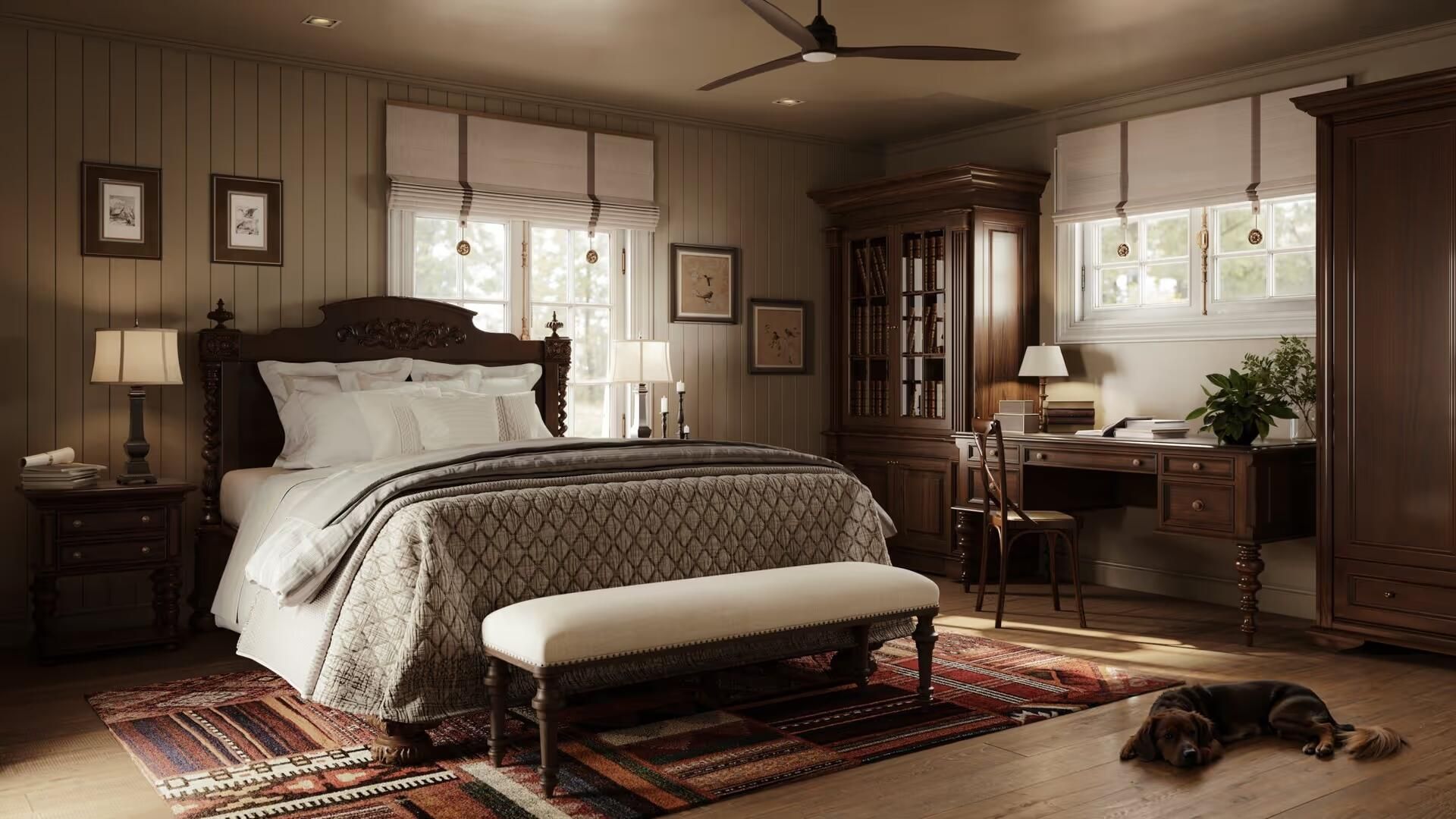
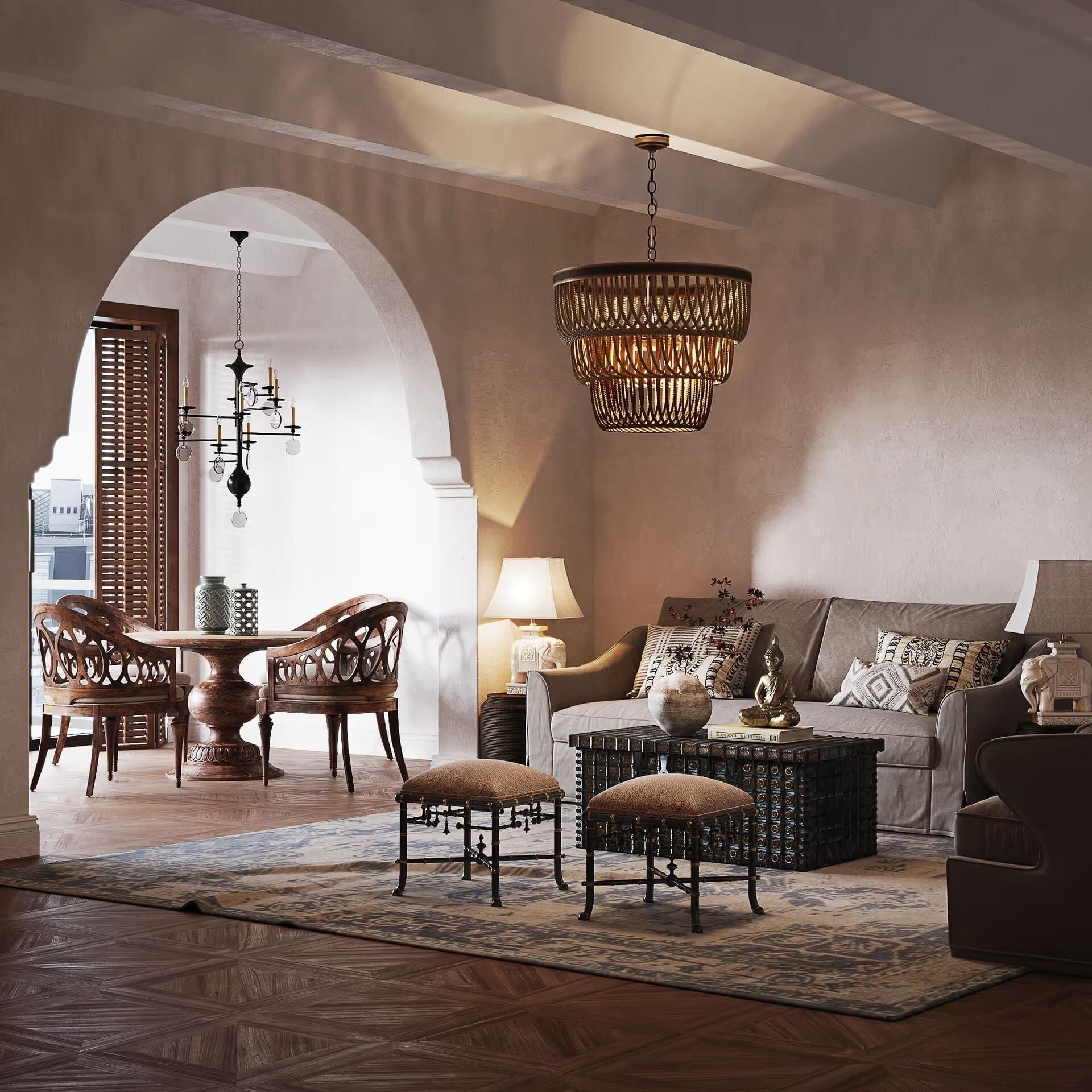
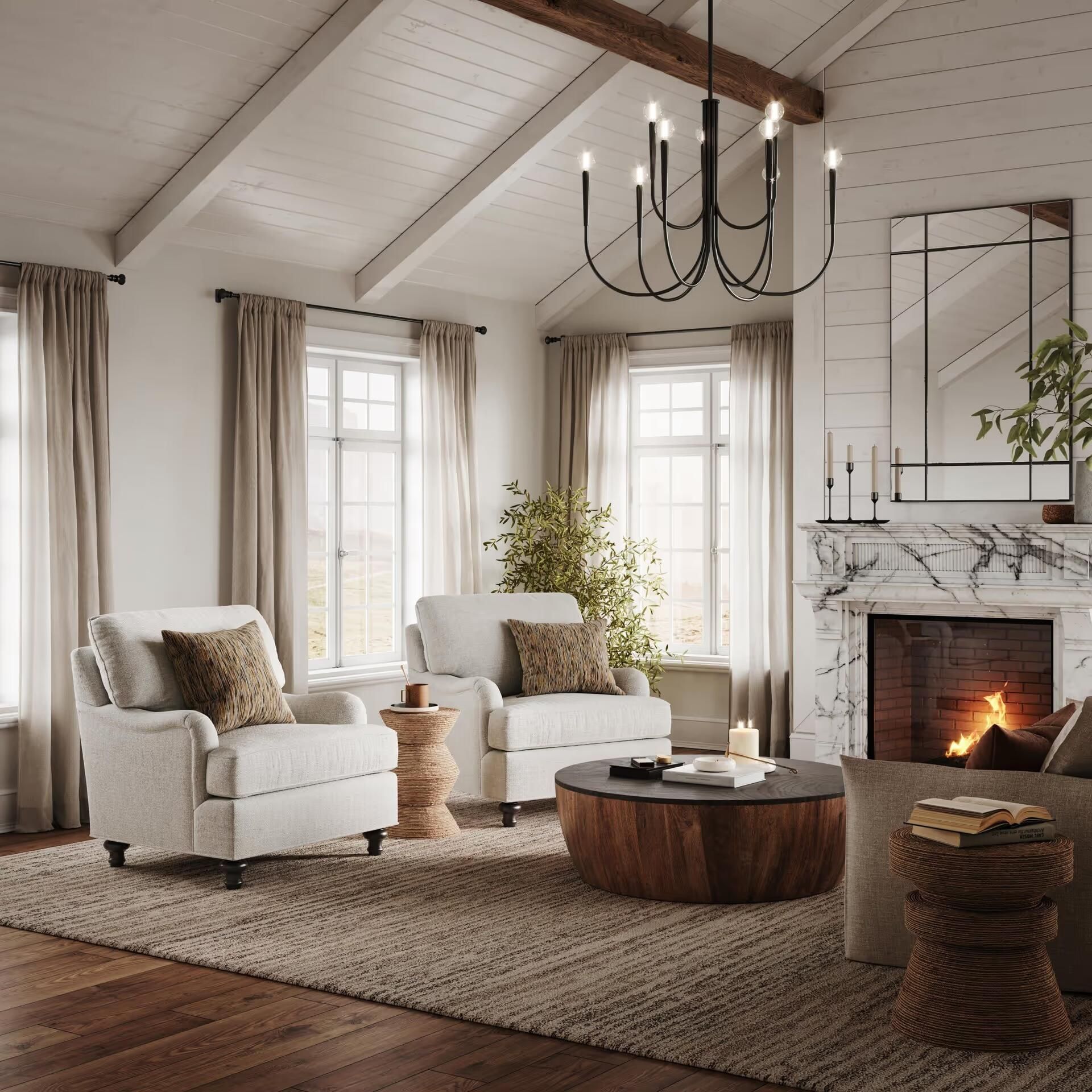
Photorealistic 3D rendering can help manufacturers get a background of any style they want. For there’s no need to look for furniture props, rent, buy, transport, and store them. Everything is available digitally! That covers anything from traditional interior design with classic wood tones to minimal contemporary rooms.
This is also where “photorealistic” matters. A well-built roomset with quality models and correct render settings will not look artificial or “computer-made.” In many cases, only CGI professionals can tell the difference between a high-end lifestyle render and a traditional photo. Our article on 3D interior visualization for furniture shows what such roomsets look like.
Which means that the only thing a manufacturer needs to do is to answer the question: “What interior design style would make this product look best?” Or even styles. There are neither budgetary nor physical constraints! For a clean, current look, a good starting point is modern interior design.
Social Media Playbook for Your Brand
Templates and examples for reels, carousels, and 3D motion–tailored to your brand
Download Social Media GuideWith that new freedom of creative choice, it makes sense to reconsider the current advertising concept. Here are the links to our articles on various interior design styles. Check them out to see if you’d like to try for your new product lifestyle images the following styles:
- Luxury styles
- Ethnic
- Eclectic
- Modern
- Traditional
- Country
Now that 3D rendering has eliminated all constraints on concepts of product lifestyles, manufacturers can consistently get show-stoppingly beautiful visuals. Moreover, it’s possible to showcase how the furniture piece or decor would look in a few different styles! Which will help attract a broader audience to the item. An eclectic design style that mixes several of them is another option.
Lifestyle 3D Scene Templates
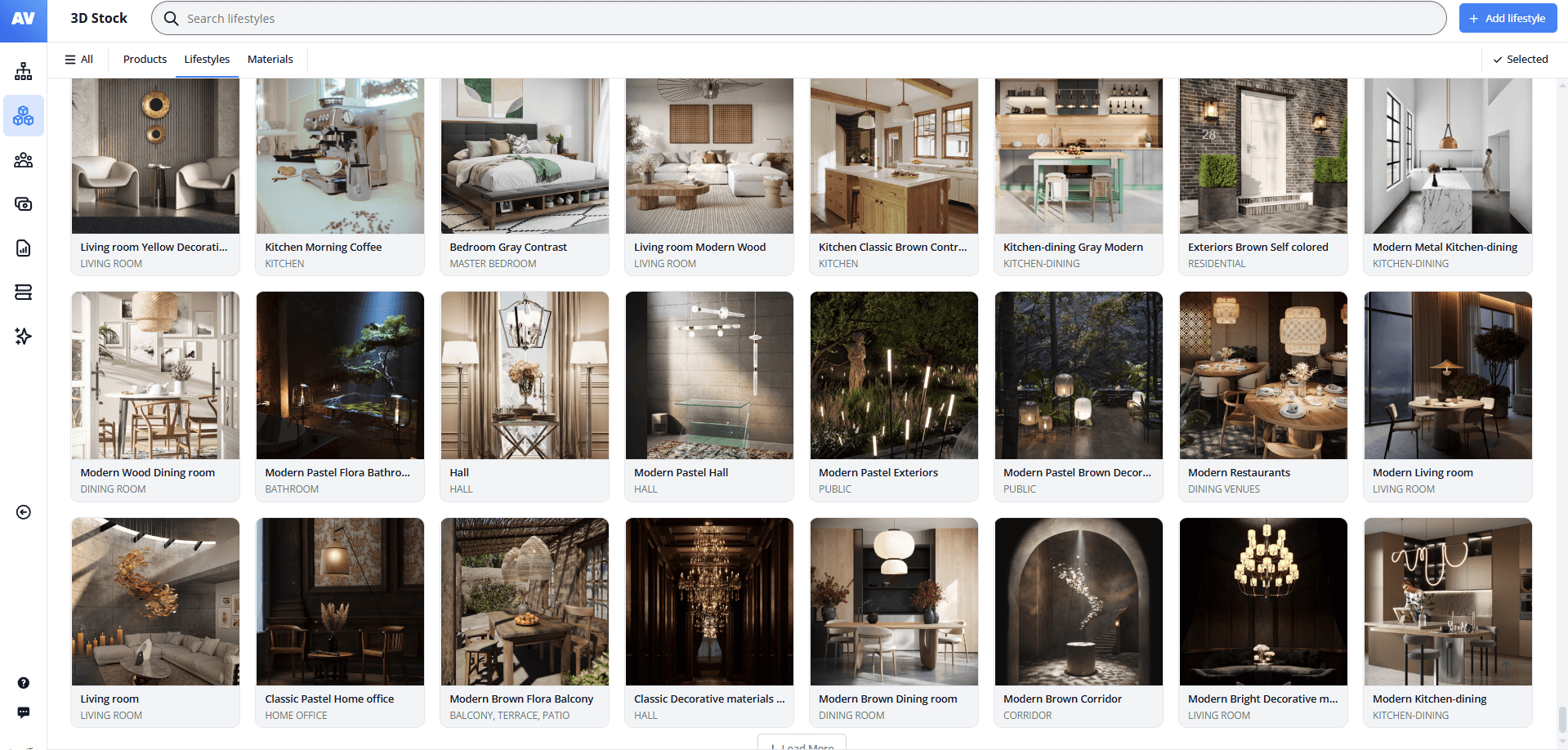
Lifestyle scene templates help manufacturers and retail brands get high-quality lifestyle visuals fast at a reduced cost. Instead of ordering a custom environment every time, CGI teams can start with a ready setup and focus on product styling and composition. This saves time and money, and keeps the visual language consistent across all the marketing materials. See how brands work with ready-made 3D interior scenes in practice.
CGIFurniture provides clients with free access to a library of 4,200 lifestyle scene templates. Each template can be customized to match brand guidelines, product category, and campaign references. The library is easy to filter by style, color palette, and space category. If needed, the CGI team can also select the most suitable scenes based on provided references.