A mattress is one of the few big purchases people now make without touching the product. Online shoppers can’t lie down, press the foam or check how the edge holds up. So every mattress ad has the same job: show what the buyer can’t feel through the screen. The ten mattress advertising ideas below do that, and each one comes with the visual it needs and the place where it works best.
We build these visuals for sleep brands as part of our 3D rendering for mattress brands. Some of the examples below come from those projects. For the production side (what to send, how cutaways are built and how approval works), see our mattress product rendering guide.
What the Best Mattress Ads Have in Common
The ads people remember are built around a single proof. Purple dropped raw eggs onto its mattress and turned a comfort claim into something you could see. Casper made the box part of the pitch: a full-size bed that arrives compressed and opens in your bedroom. Mattress Firm’s “How do awful people sleep at night?” campaign got attention with a joke rather than a product shot.
You don’t need a viral stunt. You need one clear message per ad and a visual that makes it believable. That is where most of the ideas below start.
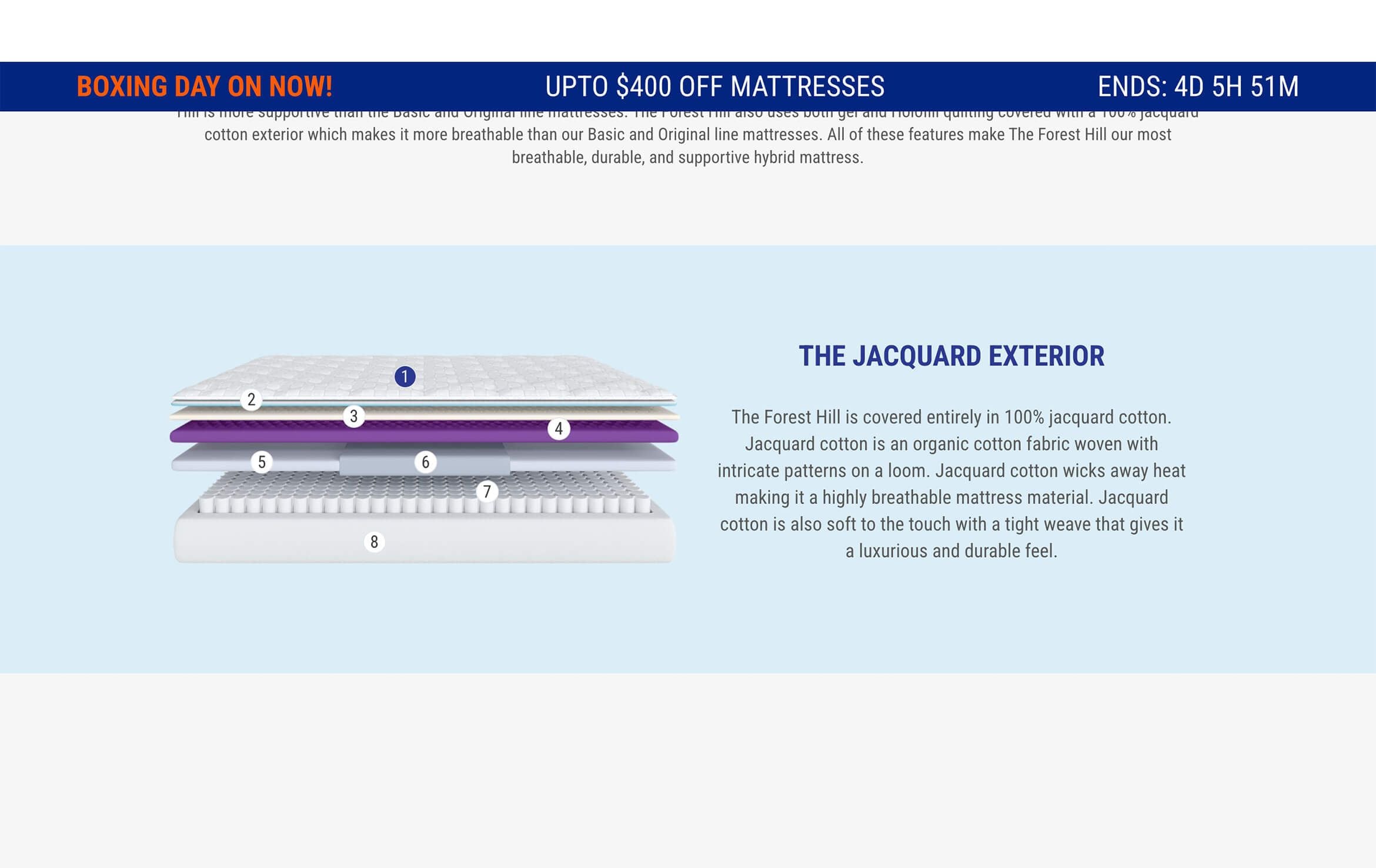
1. Open the Mattress Up
Most of a mattress’s selling points sit inside it: the foam types, the coil layer, the cooling cover. A layer cutaway puts them on screen. Canadian sleep brand Dozy Sleep ordered exploded views of its mattresses for exactly this reason: one image explains the build better than a paragraph of specs.
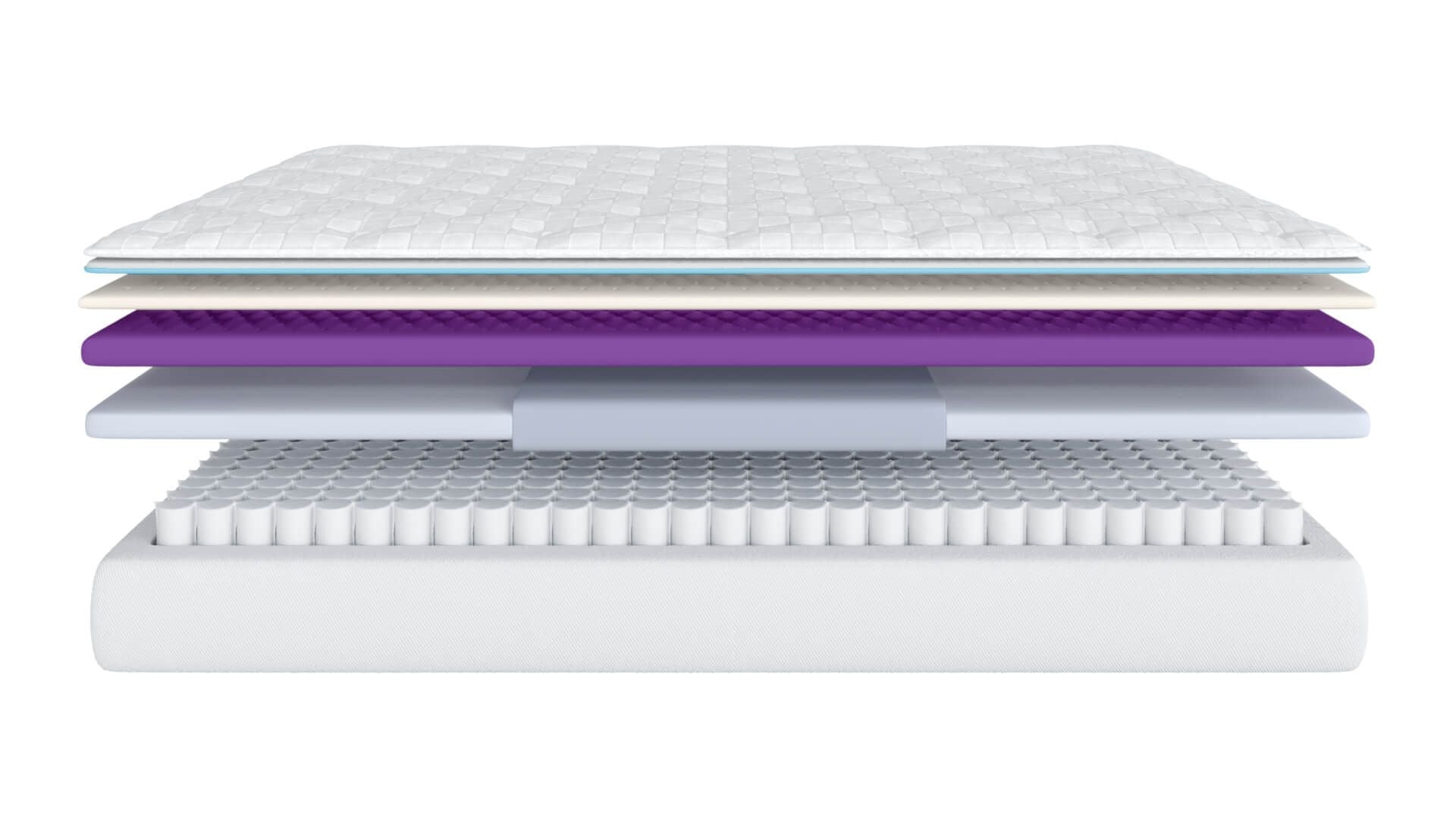
A cutaway works on product pages, in comparison ads and as the first frame of a short video. It is a classic exploded view, and it is one of the formats we cover under product feature rendering.
2. Show Support in Motion
“Supportive” and “pressure-relieving” mean little in text. Motion makes them visible: a body turning over, a hip sinking in, the surface springing back. For Dozy Sleep we made an animation with people that shows how the mattress responds when a sleeper turns or lies still.
This works as a 10 to 15 second ad on social platforms and as a product page video. A 3D product animation can show the response from angles a camera can’t reach, such as a cross-section during the movement.
3. Build One Repeatable Proof
The egg drop worked because anyone could understand it in two seconds. Pick one claim your mattress truly wins on (edge support, motion isolation, airflow) and design a simple test that demonstrates it. Then use the same test across ads, so it becomes your brand’s signature.
Film it if the test is physical and safe to repeat. Animate it if the claim lives inside the mattress, such as air moving through a foam layer.
4. Turn the Unboxing into the Hero
For bed-in-a-box brands, the delivery is a selling point: a full mattress in a box you can carry upstairs. An expansion sequence (the box opens, the roll is cut, the mattress takes shape) answers the practical question of how it gets home and makes it look easy.
You can shoot this, but it needs a real compressed unit for every take. In CGI you can repeat it for every size and cover, and drop the result into ads as many times as you need.
5. Plan Seasonal Ads Before the Season
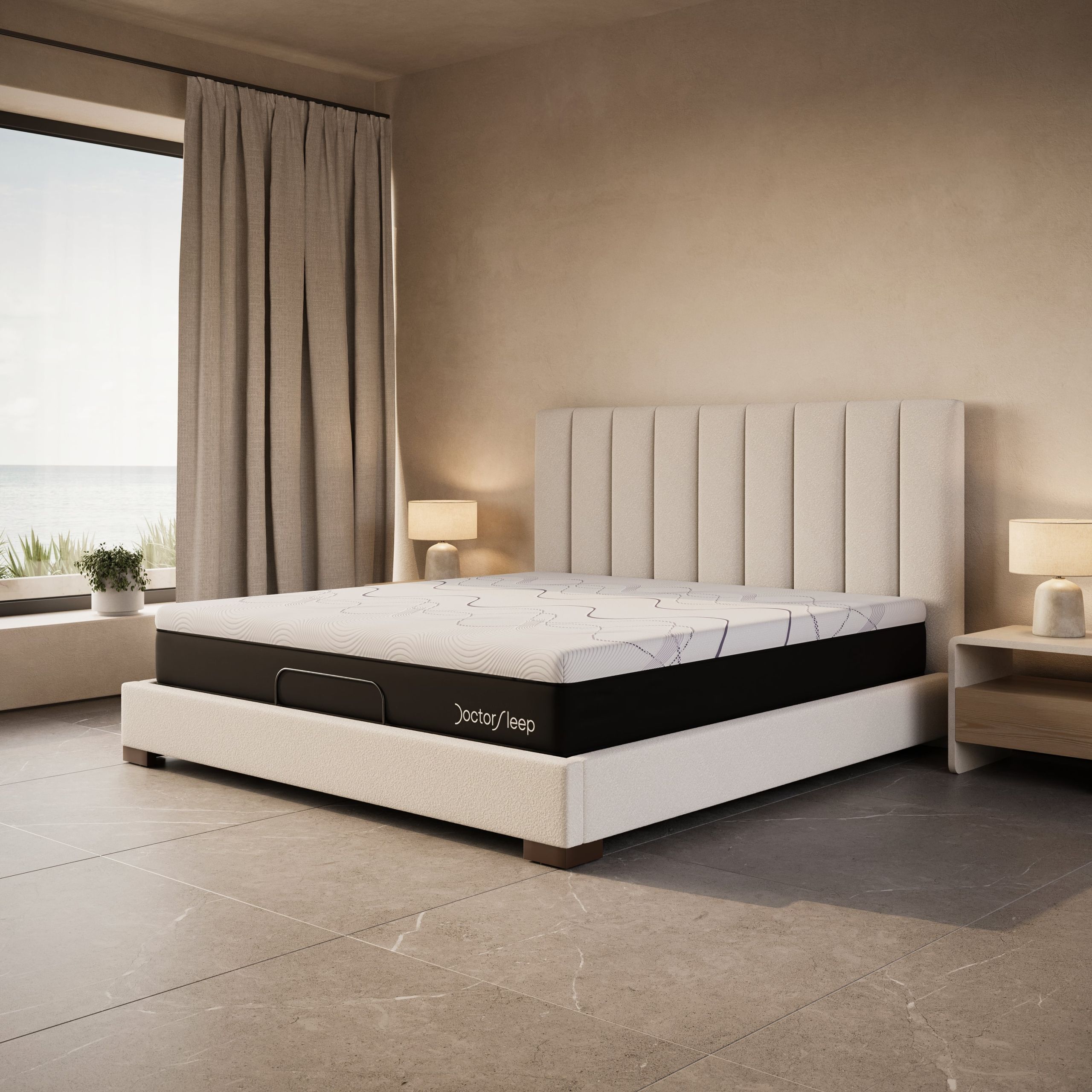
Mattress sales follow the calendar: holiday weekends, Black Friday, Valentine’s Day. Ads for those dates need fresh visuals, and they are needed fast. For its Valentine’s offer, Doctor Sleep got a stop-motion style animation in which the mattress, sheets and pillows appear on an empty bed one by one.
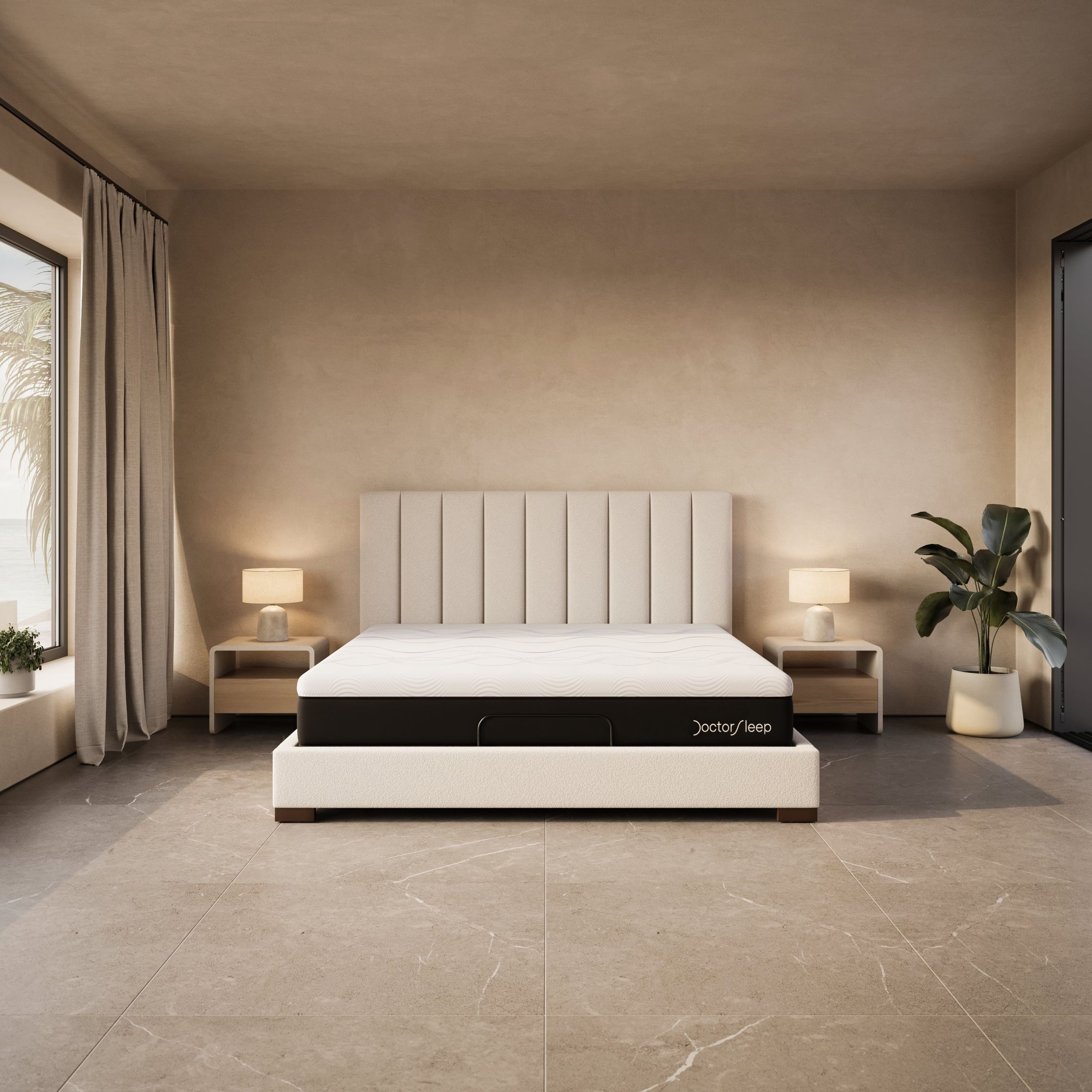
Because the product models already existed, the seasonal piece was a new scene, not a new production. Short pieces like this fit the formats we make as 3D animation for social media.
6. Make Discount Banners Look Premium
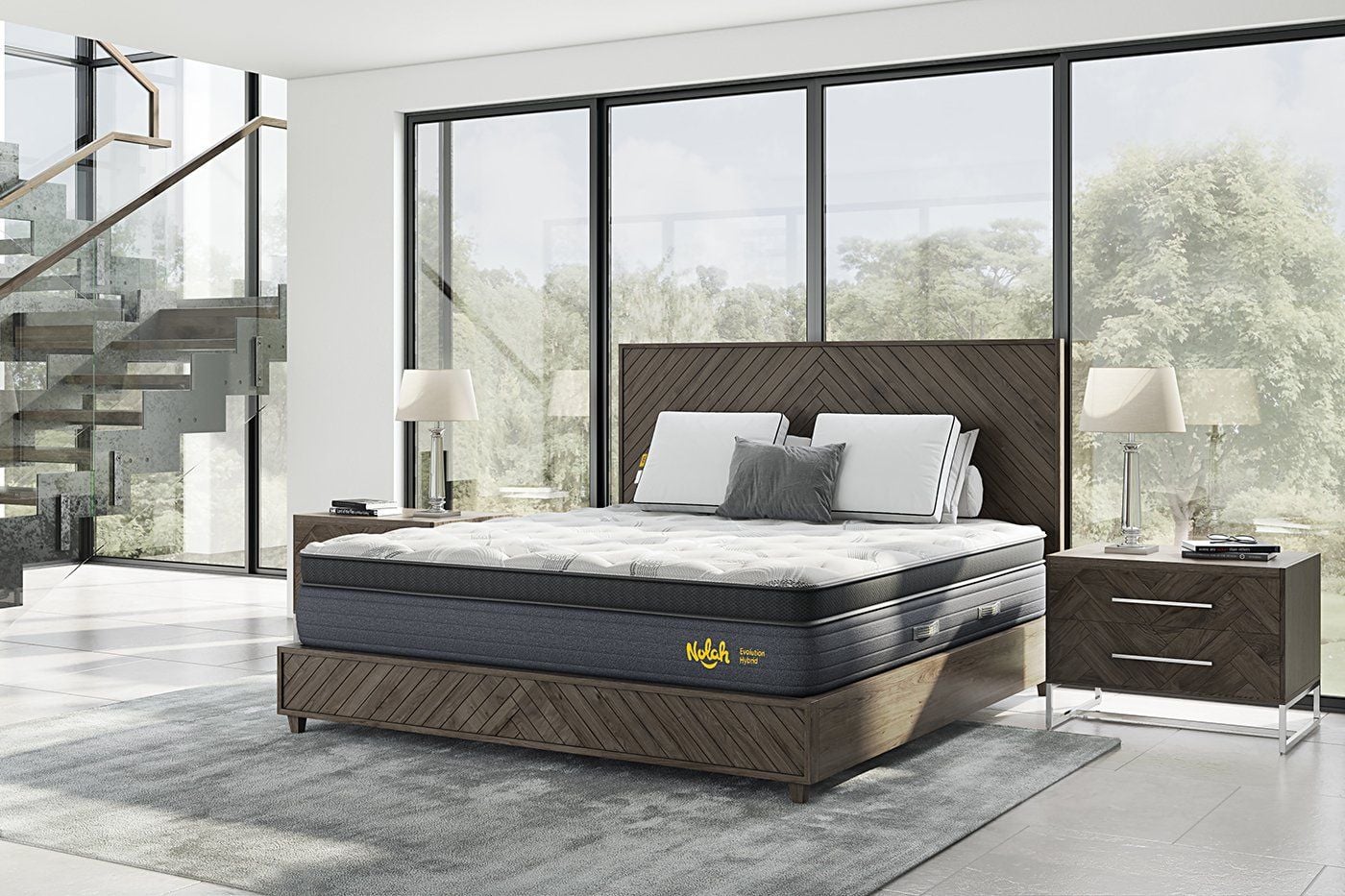
Sale banners often show the same tired product photo with a red price tag. Clean product renders from several angles give designers more to work with. Nolah, a US mattress brand, used our white background renders (front, top, side, 45 degree views and close-ups) on product listings, discount banners and social posts.
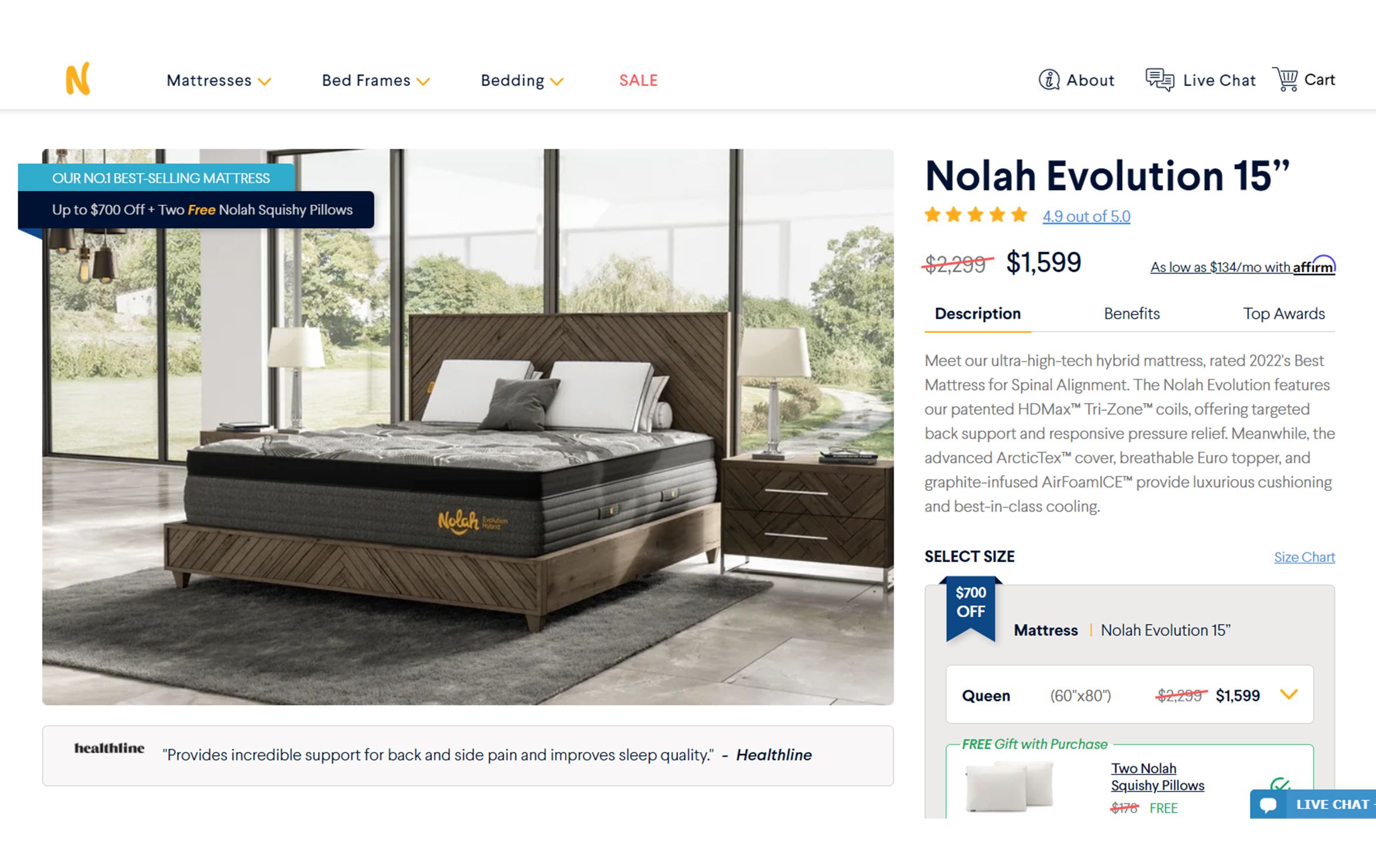
The trick is to plan the angle set once, then reuse it for every promotion through the year.
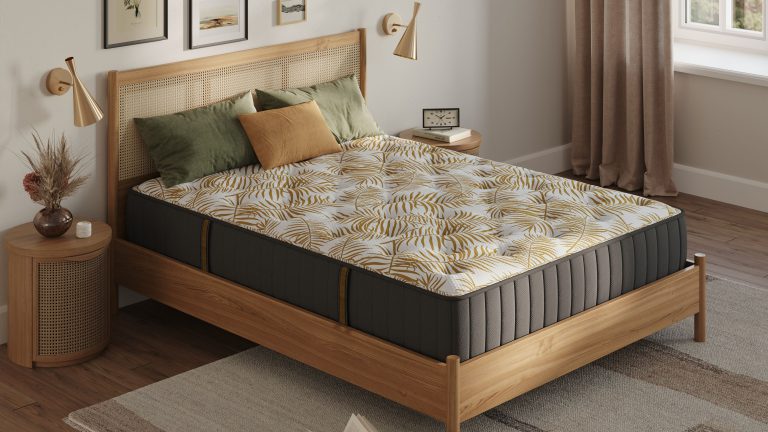
7. Sell the Bedroom, Not Just the Bed
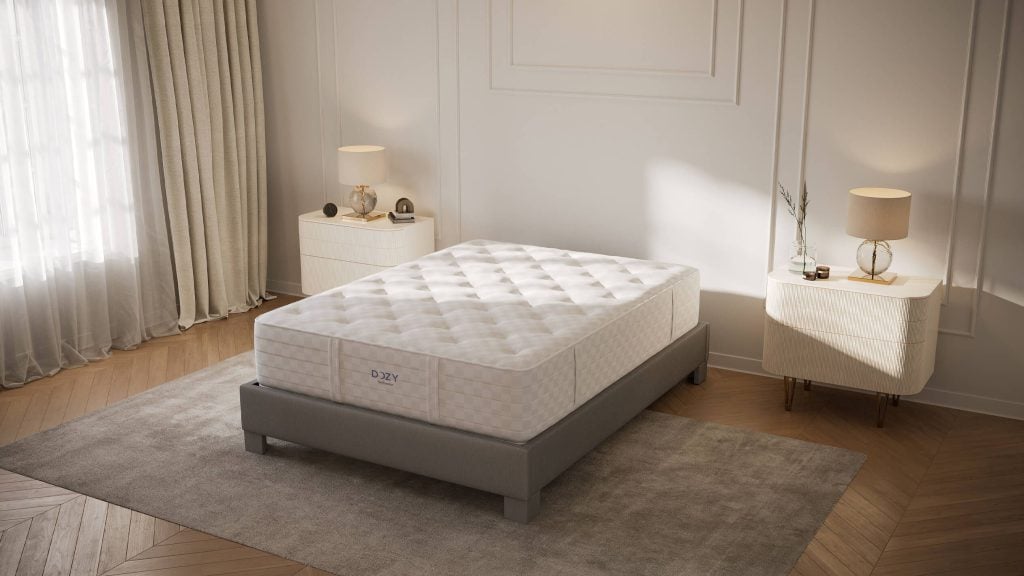
A mattress on a white background answers “what is it”. A bedroom scene answers “will it fit my life”. Lifestyle shots set the mood for your brand: Nolah sent minimalist bedroom references and got renders that matched them, and Omi’s organic range sits in soft, morning-lit rooms with pastel colors.
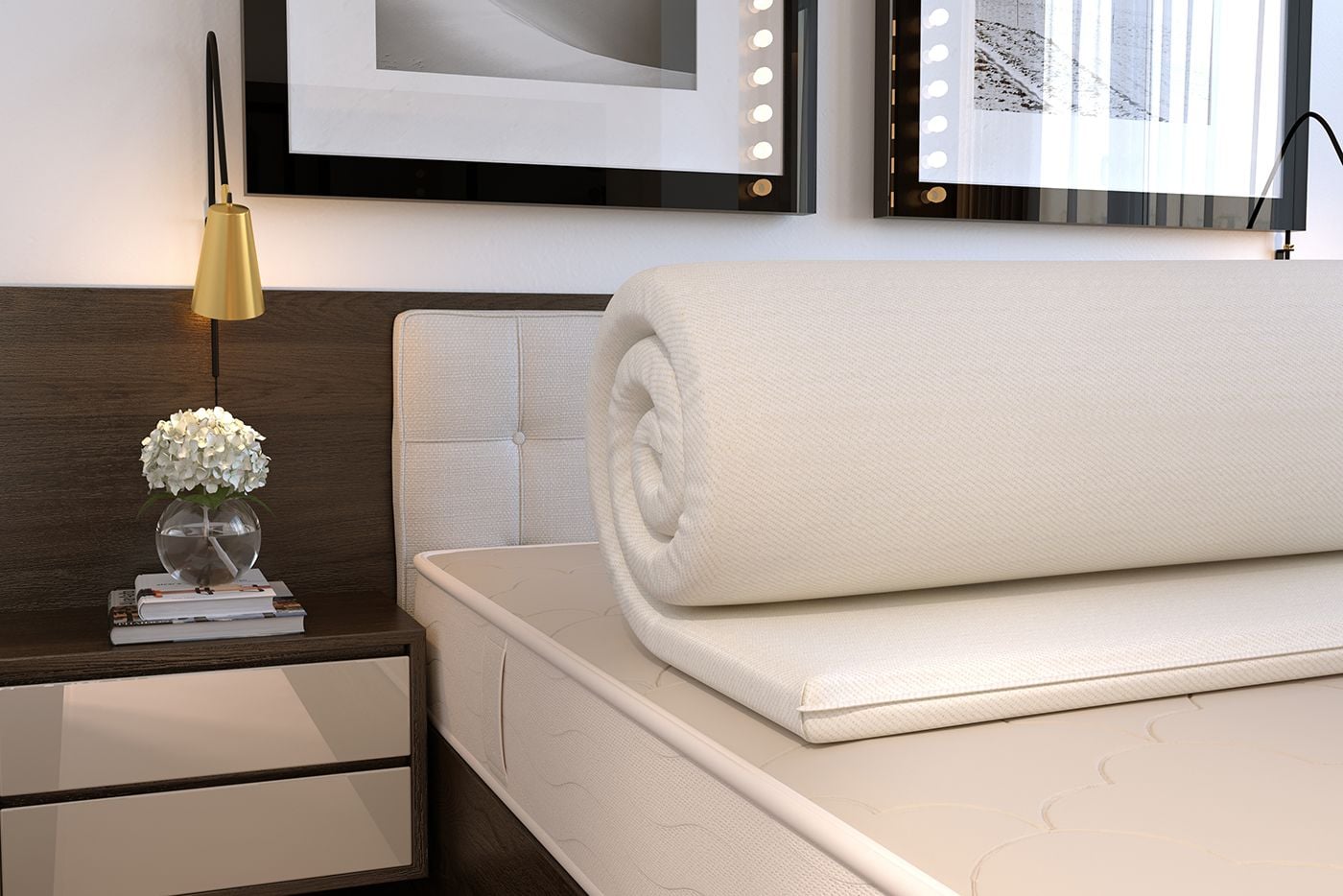
Keep the rooms consistent across a campaign so the ads read as one brand. Lifestyle 3D rendering lets you reuse the same room for every new model. If you are still weighing renders against a shoot, we compared the two in bedroom renders vs photos.
8. Put People in the Frame
Comfort is easier to believe when someone is enjoying it. Doctor Sleep’s lifestyle set included people, such as older adults relaxing in lounge chairs designed for back comfort. These images speak to a specific buyer and a specific need.
Be careful with wording. An image can show someone relaxed and comfortable, but a claim like “relieves back pain” needs evidence behind it (see “Keep Every Claim Provable” below).
9. Compare Sizes and Bases Side by Side
Size questions stop purchases. Twin or full? Will a king fit with the nightstands? Does the mattress work on an adjustable base? A size lineup or a base-position sequence answers these in one image, and it works well in carousel ads where each card shows one option.
The same 3D model can be rendered in every size in the range, on every base, without a new shoot.
10. Let Shoppers Look Closely
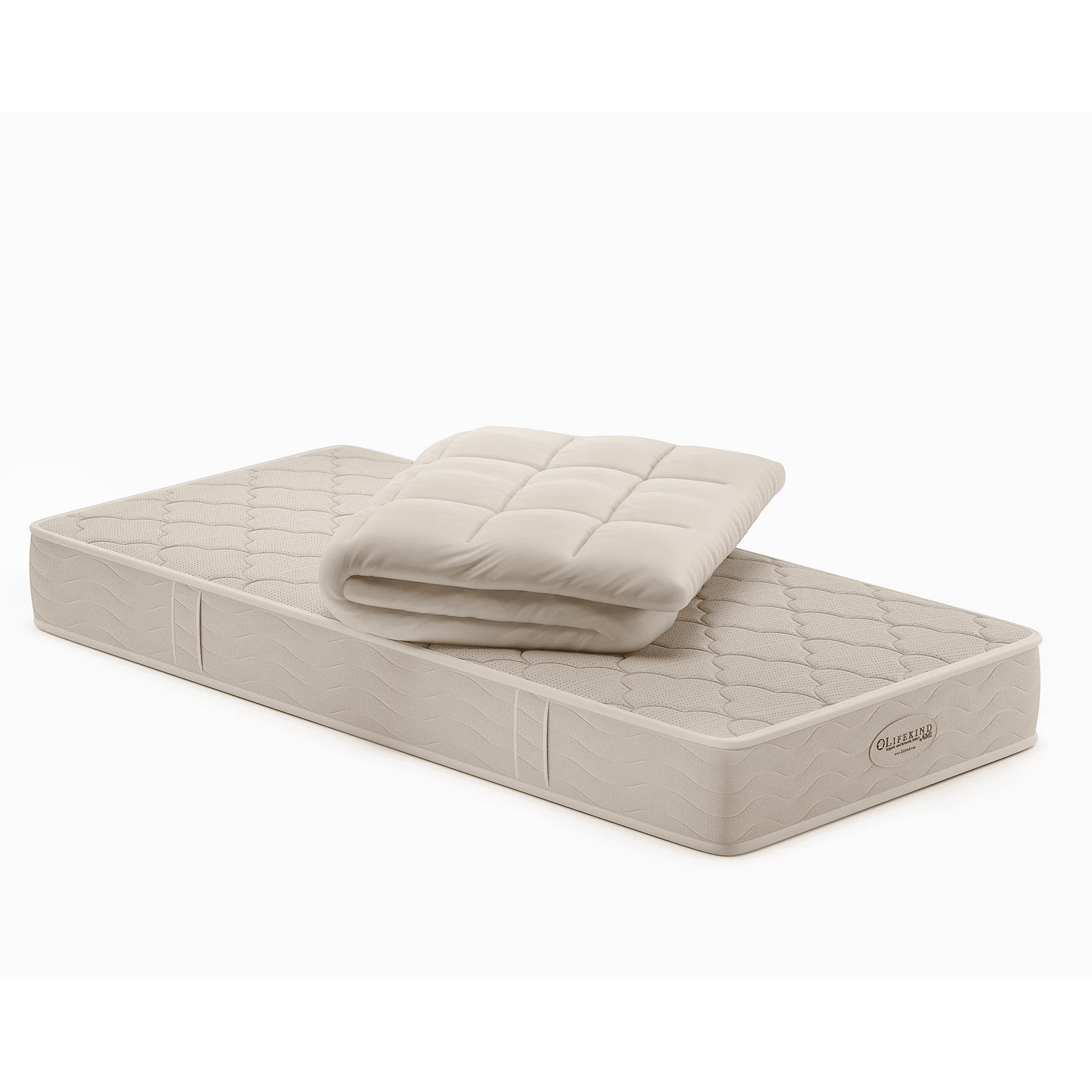
Shoppers zoom in on the cover: the quilting, the stitching, the handles, the zip. Close-ups of the textile, like the topper close-ups we made for Omi, do the job a showroom visit used to do. A 360 product spin goes one step further and lets the buyer turn the mattress on the product page. Dozy Sleep uses 360 views alongside its silo and lifestyle images.
Keep Every Claim Provable
Mattress ads attract scrutiny. Consumer Reports has published fact checks of TV mattress ads, and design studio Penji wrote up ten ads it found misleading. Words like “organic”, “cooling”, “orthopedic” or “pain relief” should rest on a certification or test result, and the visual should show the same thing the claim says. Omi, for example, presents its range around its organic certifications, not around a general promise.
A render should also match the real product: the same layer order, the same cover, the same proportions. Accurate visuals protect you from returns as well as from complaints.
Which Idea Fits Which Channel
| Idea | What it proves | Best format | Where it runs |
|---|---|---|---|
| Layer cutaway | What is inside | Still image or first video frame | Product pages, comparison ads |
| Support in motion | How it responds to a body | 10 to 15 second animation | Social ads, product pages |
| Repeatable proof | One key benefit | Short video | Social, YouTube pre-roll |
| Unboxing sequence | Easy delivery and setup | Animation | Social, retargeting |
| Seasonal piece | Timely offer | Short animation or banner | Social, email, homepage |
| Premium sale banner | Product quality during a sale | Silo renders, several angles | Display, marketplace, email |
| Bedroom scene | Fit with the buyer’s home | Lifestyle render | Social, catalog, homepage |
| People in the frame | Comfort for a specific buyer | Lifestyle render with people | Social, landing pages |
| Size and base lineup | The right size and setup | Carousel or one wide image | Carousel ads, product pages |
| Close-ups and 360 | Cover quality and details | Close-up renders, 360 spin | Product pages, marketplaces |
What We Need From You
- Product specifications: dimensions for every size and the layer stack with thicknesses
- Cover fabric: photos or a physical sample, plus quilting and handle details
- Bases and frames you want to show, with their positions
- Brand references: rooms, colors and lighting you like (or your existing photos)
- The claim each ad has to support, so the visual matches it
Start With One Mattress
You don’t need a full campaign to test this. Send us one mattress and we will start with a white background render, a layer cutaway and one bedroom scene. That set is enough for a product page, a sale banner and a first social ad. If it works, the same model carries every future size, cover and season.
Start With One Mattress
Send us one mattress and we will start with a white background render, a layer cutaway and one bedroom scene. That set is enough for a product page, a sale banner and a first social ad.
Send One MattressFAQ
What makes a good mattress ad?
One clear message and one visual that proves it. The strongest ads focus on a single benefit (support, cooling, easy setup) and show it instead of describing it.
How do you show what’s inside a mattress in an ad?
With a layer cutaway or exploded view: a render that separates the cover, comfort layers and support core so each is visible and labeled. It can be a still image or an animation that opens the mattress up.
Can mattress ads be made without a photoshoot?
Yes. Once the mattress exists as a 3D model, you can render white background shots, bedroom scenes, cutaways and animations from it, and reuse the model for new sizes, covers and seasonal campaigns.
What are good mattress advertising slogans?
Good slogans name one benefit in plain words and leave the proof to the visual. A few examples of the pattern: “Sleep cooler from the first night”, “Support you can see”, “A full-size bed in a box you can carry”. Make sure every promise in the slogan is one you can back up.
Which ad formats work best for mattress brands online?
Short videos and carousels for social platforms, clean product images for marketplaces and product pages, and lifestyle scenes for brand awareness. Most brands use all three, which is why it pays to build them from one 3D model.