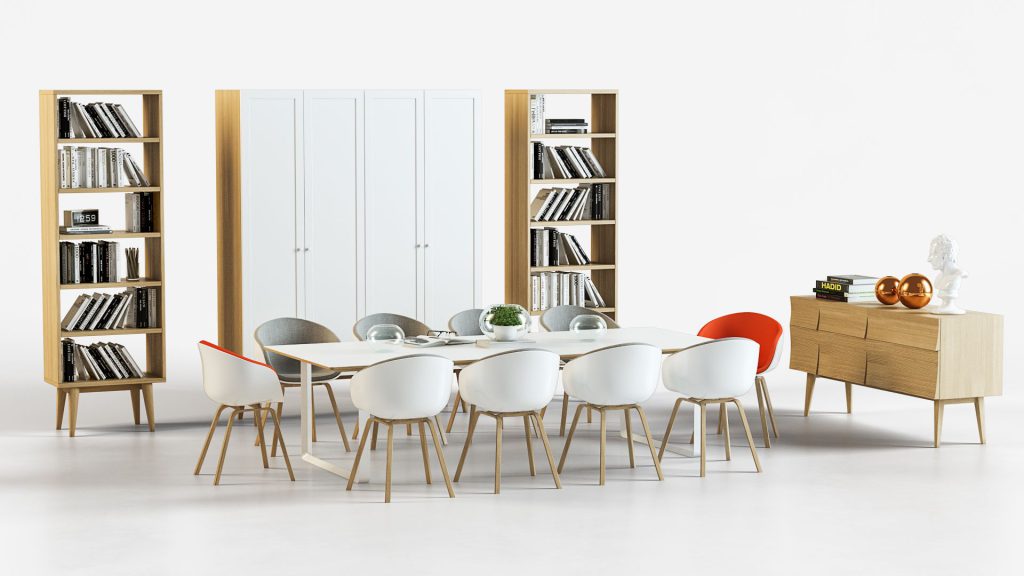
3D furniture modeling services suit the best perceptive manufacturers and marketers who want fast results without huge spending. These busy businessmen know how to earn money and win over their customers with effective digital marketing strategies.
Picture this: a furniture company needs to launch a new product line on a tight deadline, but there’s no time to scout the perfect location, book a top-tier photographer, or coordinate a full-scale photoshoot, and producing a complete visual library means manufacturing a prototype for every single piece, an expense that adds up fast. This is exactly where professional 3D furniture modeling services come in, giving brands the power to create photorealistic visuals without the logistical headache or the hefty price tag of traditional photography. The real question, though, is finding the right provider, especially if you’ve never outsourced this kind of work before, and having a clear picture of furniture rendering cost helps brands budget with confidence and choose a vendor that actually fits their needs. If it is your first project, here is how to outsource 3D modeling step by step.
In this article, our studio splits the price into two parts: the 3D model itself and the images rendered from it. Below are the 5 factors that set the cost of the model, followed by what changes the price of the images.
Model Price vs Image Price: Two Different Budgets
A 3D model is built once. It is the digital copy of your product: its shape, its materials and every version you need. Images are made from that model afterwards, and each render has its own cost depending on the scene, the camera angles and the resolution. Mixing the two makes quotes hard to compare, so ask any studio to price them separately.
Current 3D Modeling Prices
These are the rates from our current price list. Prices include texturing and drop as the yearly volume grows.
| Complexity | Pay as you go | From 10 models | From 50 models | From 200 models |
|---|---|---|---|---|
| Simple | $130 | $120 | $100 | $70 |
| Medium | $330 | $270 | $160 | $130 |
| Complex | $780 | $650 | $380 | $320 |
| Ultra complex | $970 | $890 | $745 | $520 |
At 200+ models a year, modeling alone is $60, $120, $300 and $500, with texturing added at $10 for simple and $20 for medium materials. Texturing a model you already have costs $30 or $80. An AR version ordered together with the main model is 40% of its price. The factors below decide which level your product falls into.
1. The Complexity of the Geometry
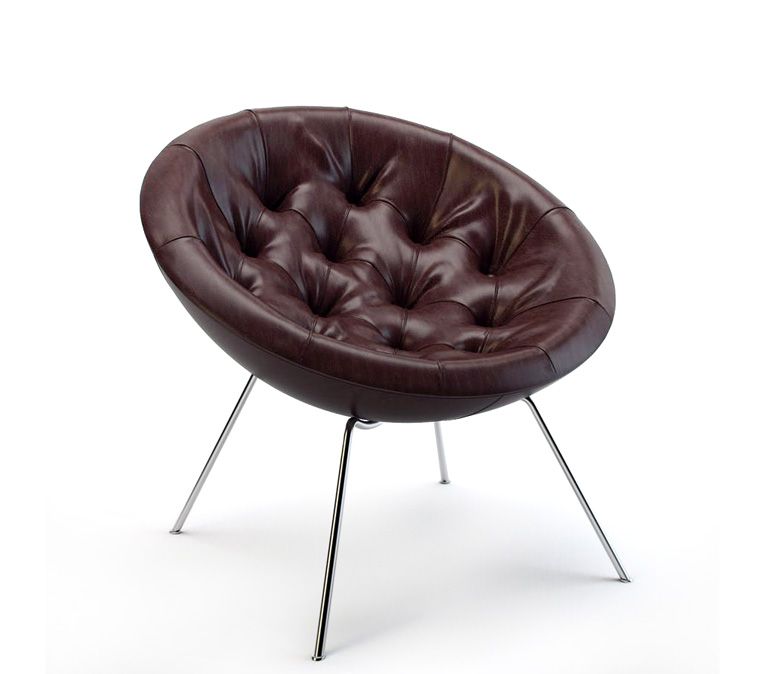
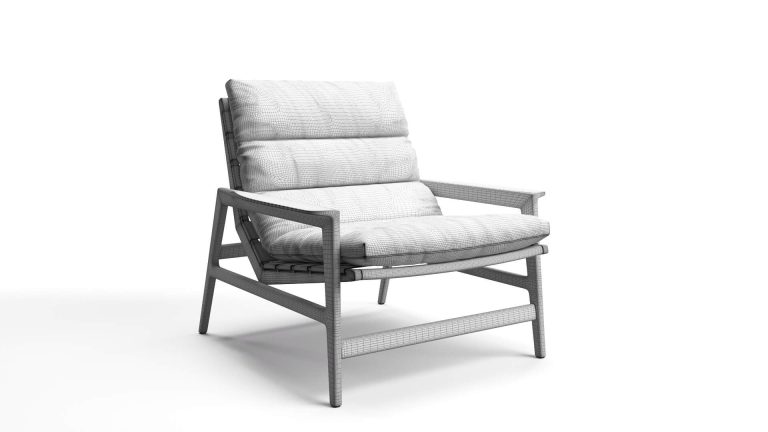
The main driver of a model’s cost is how much geometry it needs. Models fall into three groups: high-poly, middle-poly and low-poly. Low-poly models are used where a model has to load in real time, such as AR views, web 3D viewers and product configurators, and they cost the least. Middle-poly models show more detail and cost a little more. High-poly models carry every seam, joint and curve, so they take the most time and cost the most. The shape matters as much as the polygon count: tufting, carving, woven surfaces and moving mechanisms all add hours. Our overview of the types of 3D models shows what each complexity level looks like.
2. The Source Materials You Send
What you send decides how much the artists have to work out on their own. Production CAD files or detailed drawings with dimensions give the fastest and cheapest start. Sketches with notes take longer, and a model built from photos only takes the longest, because every proportion has to be measured from the pictures. Incomplete data also leads to more corrections later, which adds to the final price.
3. Materials, Textures and Finishes
Every material on the product needs its own texture: wood grain, fabric weave, metal, glass, leather. Standard materials from a studio library cost less than a custom one built to match your physical sample. The number of finishes matters too, since each extra wood tone or fabric is another material to create and check.
4. The Versions of the Model You Need
One product often needs several versions of the same model: a detailed one for renders, a lighter one for AR or a web viewer, and variants in other sizes, colors or configurations. Each version takes extra work, but much less than a new model, so it pays to list every use and variant in the brief from the start.
5. Urgency and Corrections

When it comes to 3D furniture modeling services, CGI studios always evaluate the complexity of a project and determine turnaround time (TAT). If manufacturers require specific deadlines that are tighter than the calculated TAT, it increases the price. The main reason for this is that 3D artists have to work overtime to finish the task earlier than they would normally do. As most of them charge per working hour, it is only natural that urgency adds extra money to the average cost of 3D modeling services .
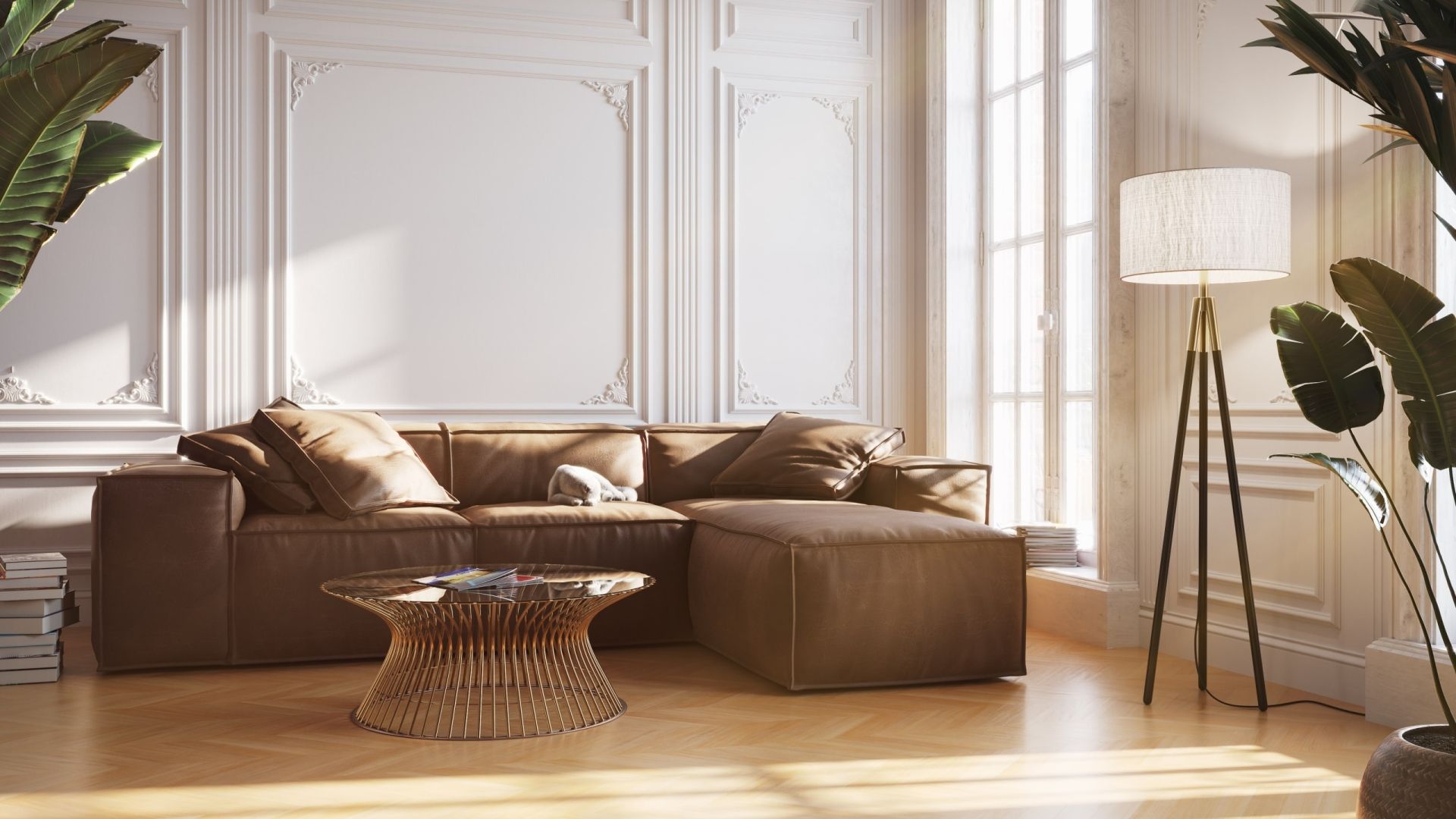
Another factor that significantly affects the price of 3D furniture modeling services is different kinds of revisions. The more corrections a client makes, the higher will be the final cost of a project. However, some 3D modeling studios offer corrections as a part of the standard package of services. For example, CGIFURNITURE includes 30-60% of various adjustments in the initial price. Everything above 60% is paid by clients, while more than 90% of corrections are considered an entirely new task.
Note that the included corrections cover the studio’s own work. If a model has to change because the input data was wrong or has changed since the brief, those changes are billed separately.
What Changes the Price of the Images

Once the model is ready, each image has its own price. A plain white background is the cheapest option. A simple scene with decor or architectural elements costs a little more, and a full lifestyle interior costs the most, although a ready-made scene from a studio library is much cheaper than one built from scratch.
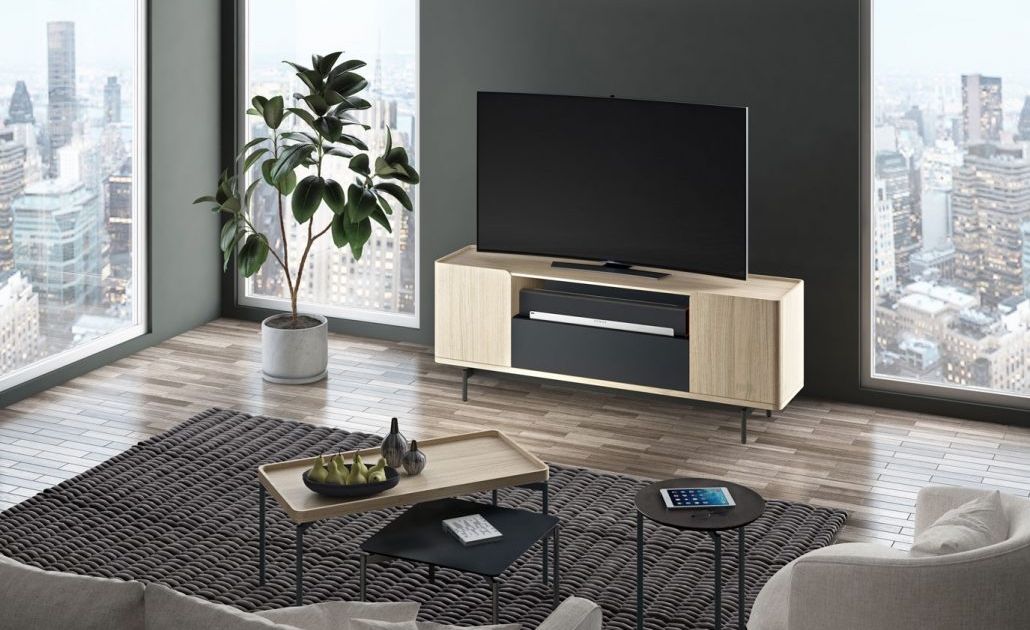
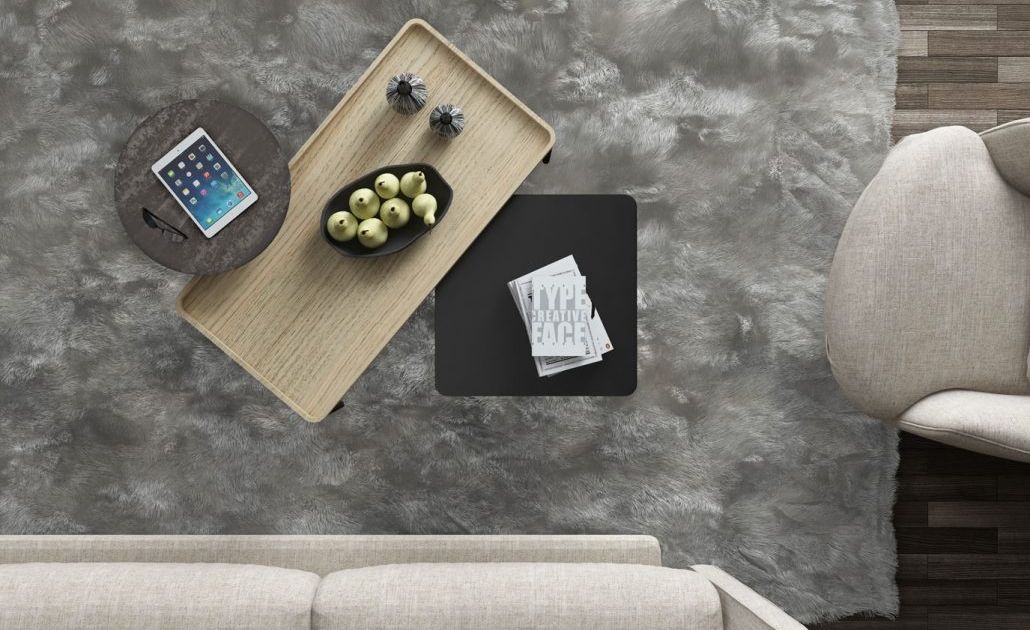
The number of angles adds up as well. Each extra view, close-up or top view needs its own camera, light setup and render, and a 360 view needs a whole sequence of frames. For a full breakdown of what drives the price of renders, see our 3D rendering price guide, and for the images themselves, our 3D product rendering services.
How to Keep the Price Down Without Losing Quality
Most of the factors above are set by the project itself, and a few depend on how you prepare the order. How the model itself is built is explained in our guide to 3D product modeling.
- Say where the model will be used. Close-ups and lifestyle renders need a detailed high-poly model. An AR or web viewer needs a lighter one. If the studio knows the use from the start, you pay for the right level of detail.
- Fill in a complete brief. Every missing detail turns into a question or a correction. Our guide on how to write a brief for a 3D project lists what the artists need.
- Send a full set of references. Schematics, annotated sketches, texture samples, and, if the item is already in production, photos from several angles. Here is how to take reference photos that work.
- Start early. If some data is still missing, the work can begin and the details can be added along the way. This costs less than a rushed order at the last minute.
- Give specific feedback. “The seat looks too deep, it should be 55 cm” can be fixed in one round. “Something feels off” usually takes several.
3D furniture models give manufacturers product images without photoshoots or prototypes. To budget for them, separate the cost of the model from the cost of the images, and compare providers on both. Knowing the factors above will help you calculate the price in advance and avoid unnecessary costs.

Download CGIFURNITURE price guide and learn the costs of top-tier 3D visualization projects of different scales!
See our pricingHave a product in mind? Send us its drawings or photos, and our manager will reply within one business day with an estimate for the model. See our 3D modeling services to get started.