The first thing to do before starting a CGI project is to ask for the price. At CGIFurniture, client managers state the cost at the outset, break it down when asked to, and even advise on how to reduce the price. Easy! For a quote on product images, see our 3D product rendering services.
The only thing that can make it easier is to learn what the product rendering cost comprises before contacting a CGI studio. Here are the main criteria client managers take into account for providing a ballpark estimate:
Current Product Rendering Prices
Rates from our current price list for orders of 200+ items a year. The 3D model is priced separately, from $60.
| Image type | Price |
|---|---|
| White-background silo, Full HD (up to 2000px) | $5 |
| White-background silo, 4K (up to 4000px) | $7 |
| Close-up or custom view | $30 |
| 360° view | $50 |
| Lifestyle scene: simple, interior, outdoor or large interior | $100, $120, $200 |
| Additional view of the same scene | $20 to $40 |
| Ready-made stock scene | $140 |
| Exclusive premium scene | $290 |
For a one-off order a lifestyle scene is $200, $220 or $470. The five factors below explain where each project lands. You can also check our 3D product rendering services.
1. CG modeling complexity level.
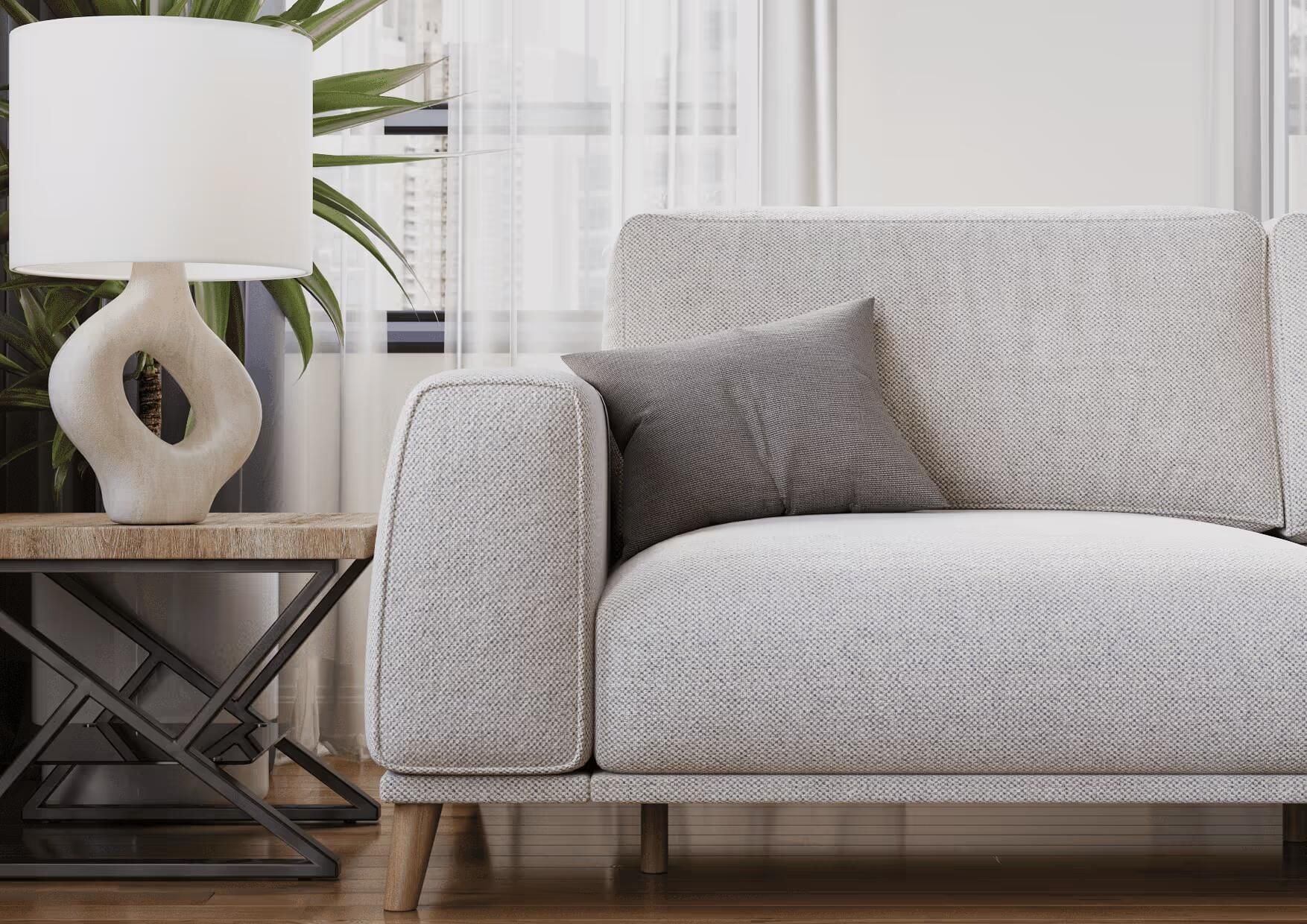
Some 3D models take more time and labor than others because they have more elaborate geometries and difficult textures. As a result, their cost is higher. For instance, simple wooden chairs are much easier to make than wicker ones or stone fireplaces. You can find the description of 4 complexity types in our article about furniture modeling types.
Not every image needs the same level of detail, so match it to the job. For catalogs and listings, clean full views are usually enough. Close-ups need finer geometry and textures, so order them only where the detail sells the product: stitching, carving, hardware. For a campaign, a few strong images cost less than many near-identical variations. The right level depends on which 3D product visualization services you order, from white-background images to lifestyle scenes.
2. Urgency
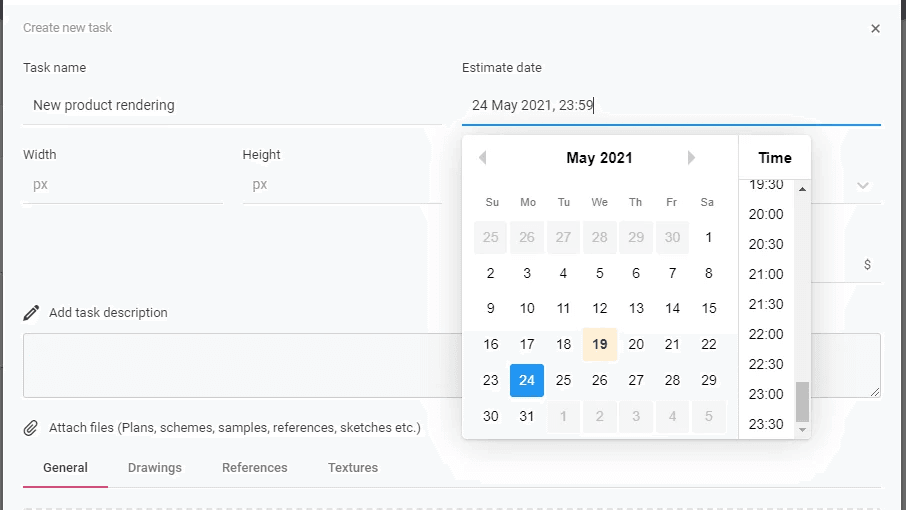
When on a tight deadline, CG artists may have to work overtime and at weekends. Naturally, working in an emergency mode costs extra. So the best way to reduce the project price is to keep in mind the deadline and always contact the product rendering company beforehand. Planning ahead also gives the 3D visualization studio room to schedule artists for your project.
3. The number of views
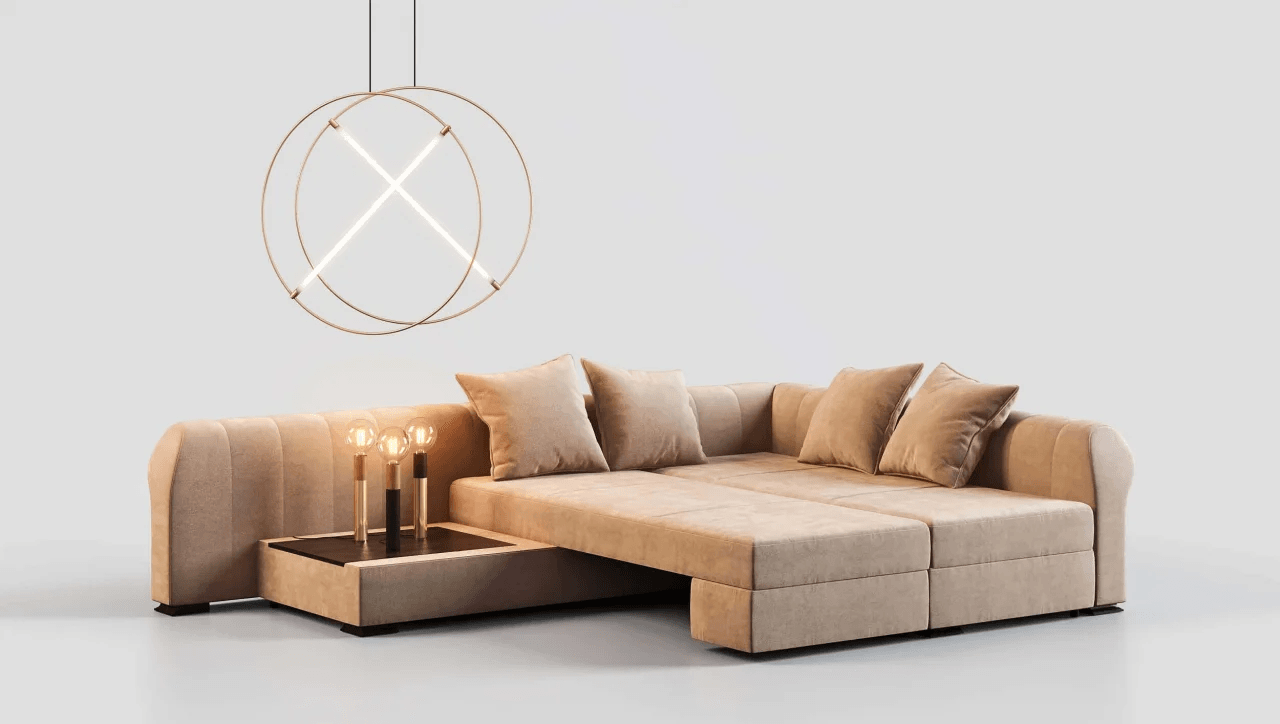
The standard offer includes 1 general view. Therefore, each new view will add to the price. The angles normally cost the same. The cutout, however, requires modeling of the inner structure of the product and is therefore priced higher.
4. Resolution
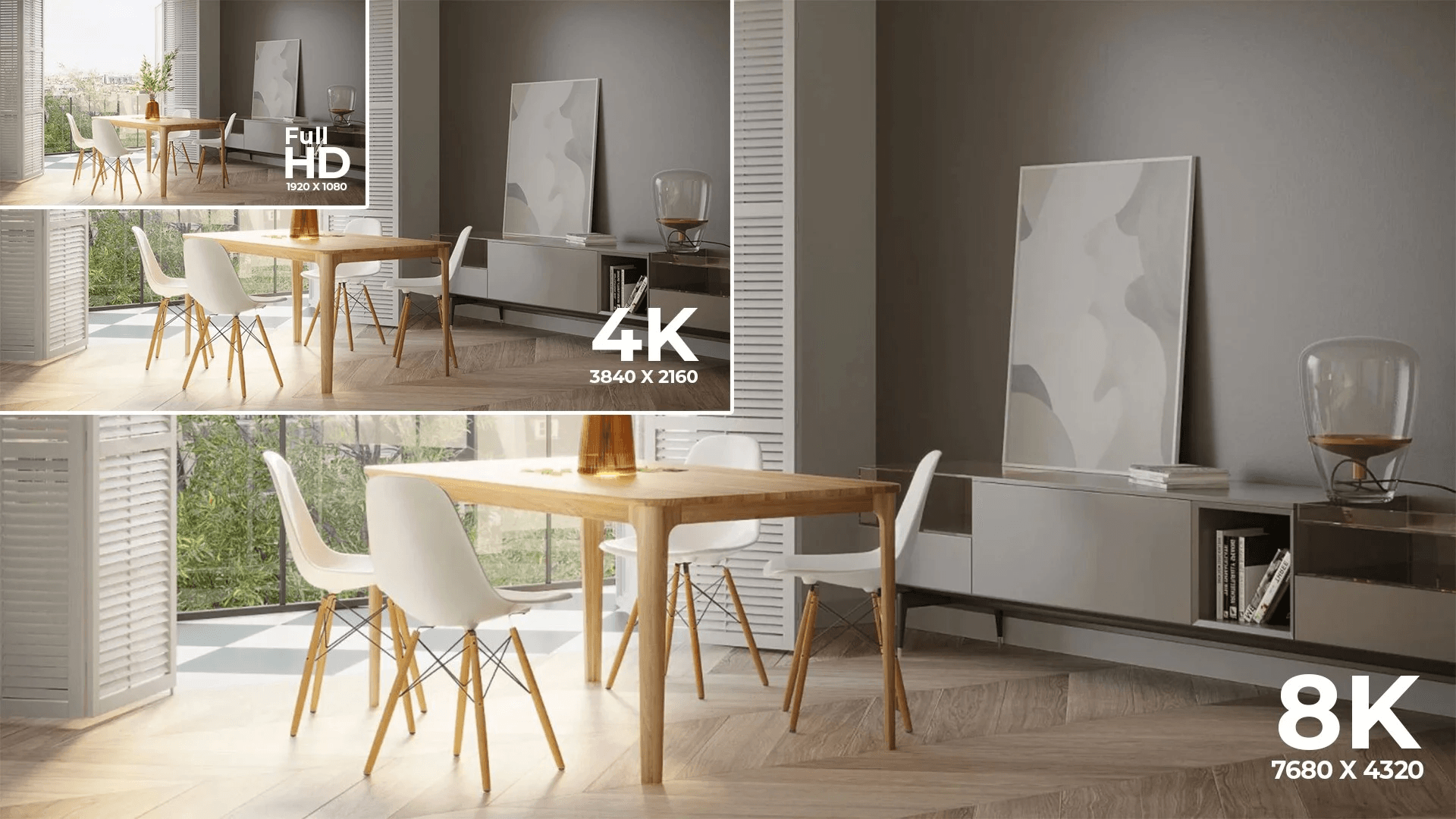
By default, CGIFurniture provides product 3D renders in FullHD, 1920×1080. If there’s a need for a higher resolution, the price will increase.
Choose the resolution by where the image will be used. FullHD works for product pages on e-commerce sites. Posters and printed catalogs need more so the image does not look blurry, and billboards or city lights need more again. Order the high resolution only for the images that will actually be printed large or cropped tightly.
5. Post-production extras
Standard post-production, the color and light polish of a finished render, is part of the job. Some requests go beyond it: adding people to a scene or unusual 2D effects need separate work from 2D specialists, so they can add to the estimate. Mention them in the brief so they are counted from the start.
How to Reduce Product Rendering Costs
These were the main criteria affecting the product rendering cost, and at least 2 of them can be adjusted. Their defining feature is that these factors are inherent to the project character. But that’s not all. In addition, a product manufacturer can reduce the CGI production price through workflow optimization. Here are 3 easy ways to do it.
1. Provide a Detailed Scope of Work
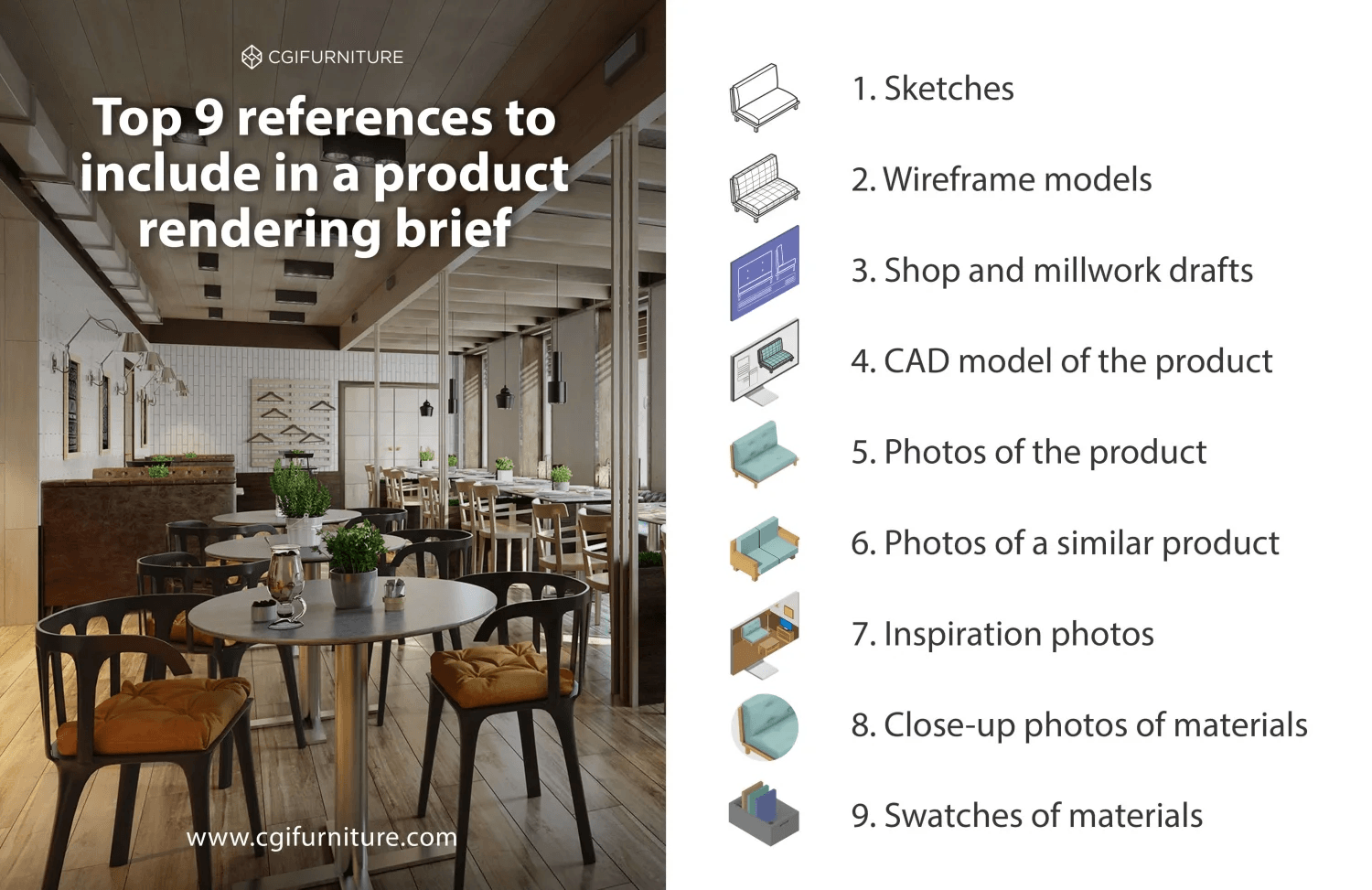
The less research 3D artists need to do, the faster the 3D rendering production goes. As a result, it costs less. So a product manufacturer can help speed up the process by answering all the questions in the brief, specifying the purpose, format, and resolution of the imagery, and attaching all references they can get their hands on. The effort will 100% pay off!
A brief that leaves nothing to guess covers:
- product variations and the final list of deliverables;
- required angles, full views, and close-ups;
- where the images will be used, with resolution and file format;
- sketches, drawings, and photos of the product;
- notes on textures, reflections, lighting, mood, and background.
If a 3D model of the product already exists, send it. Starting from a ready model instead of drawings takes the modeling time off the estimate.
2. Use Ready 3D Models
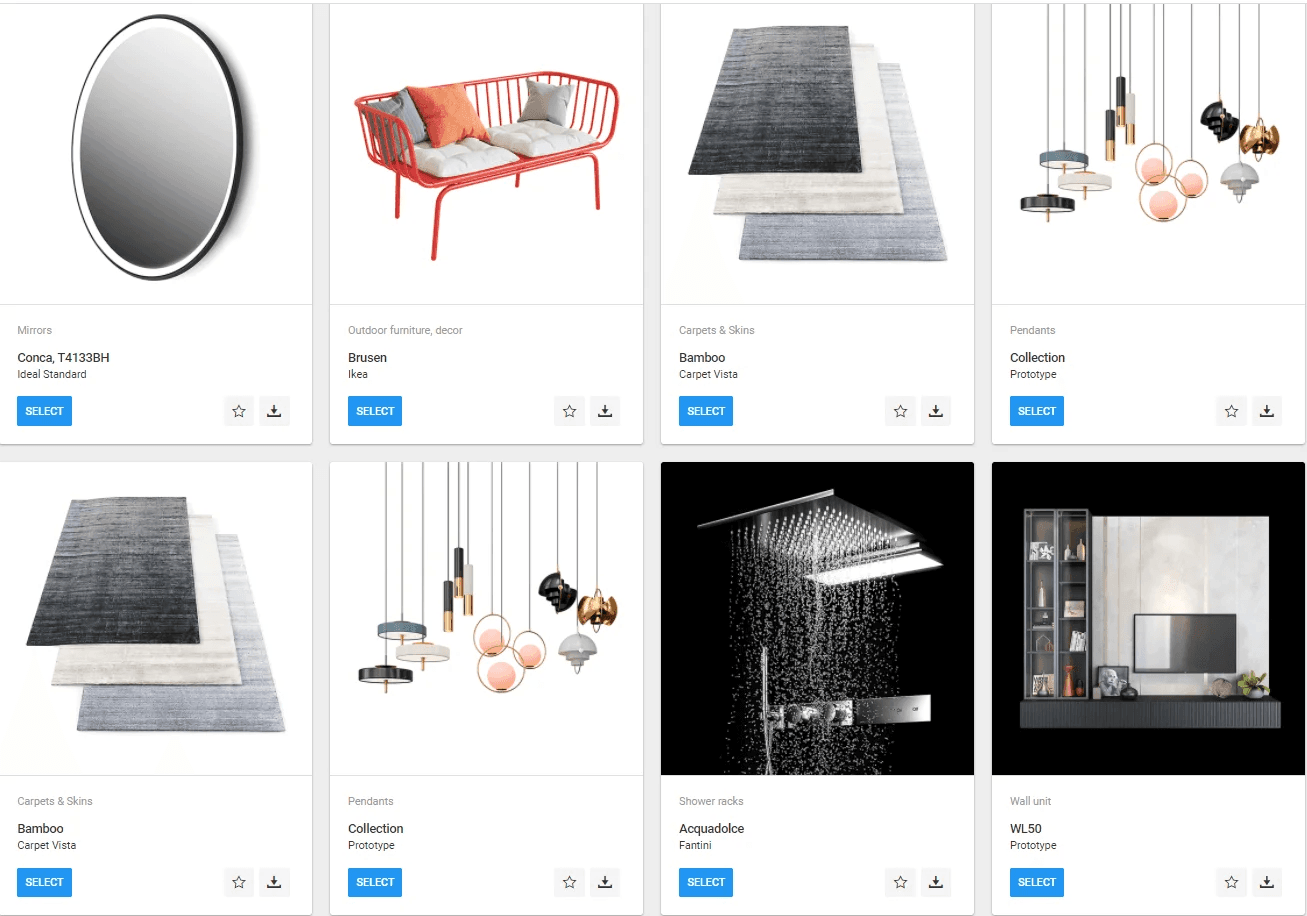
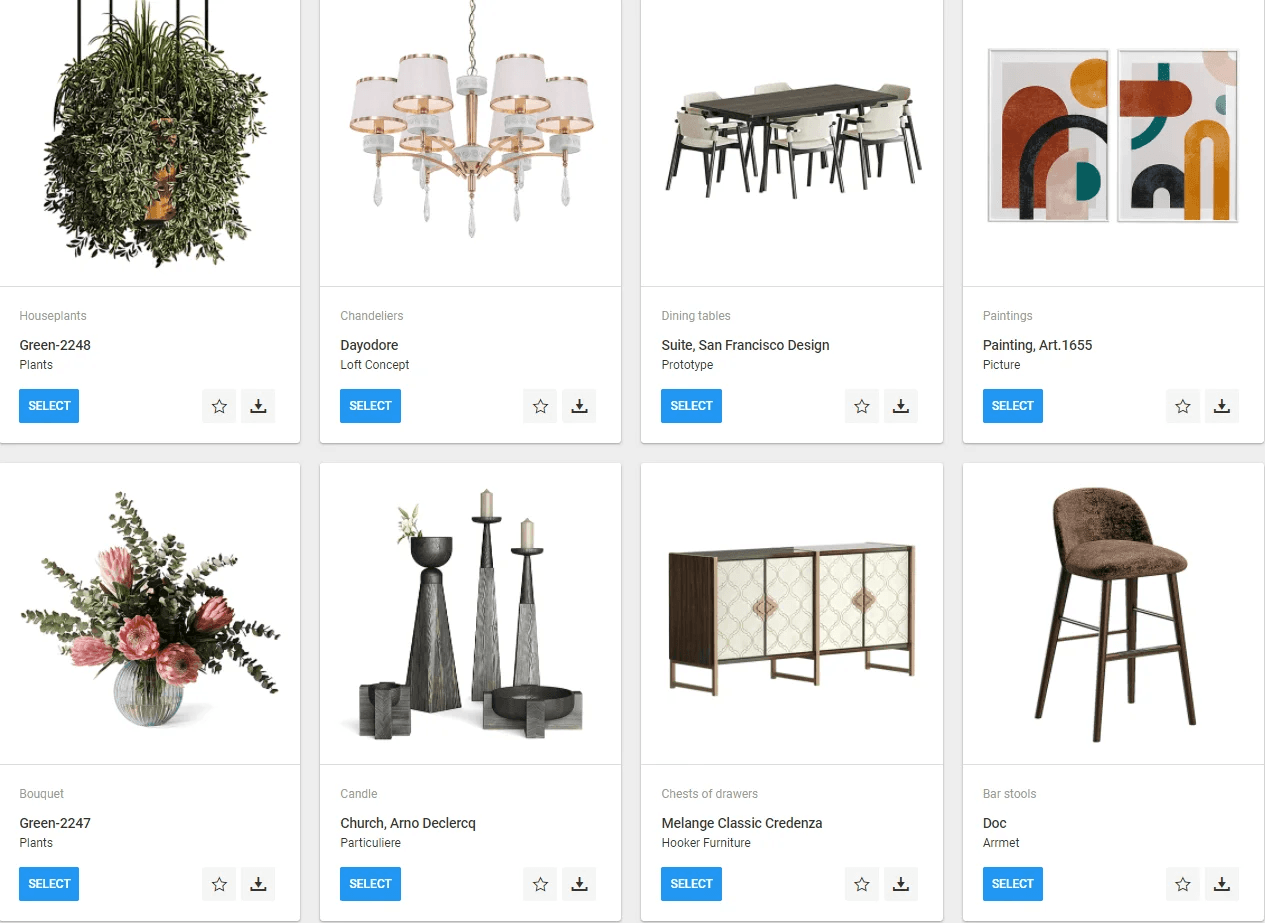
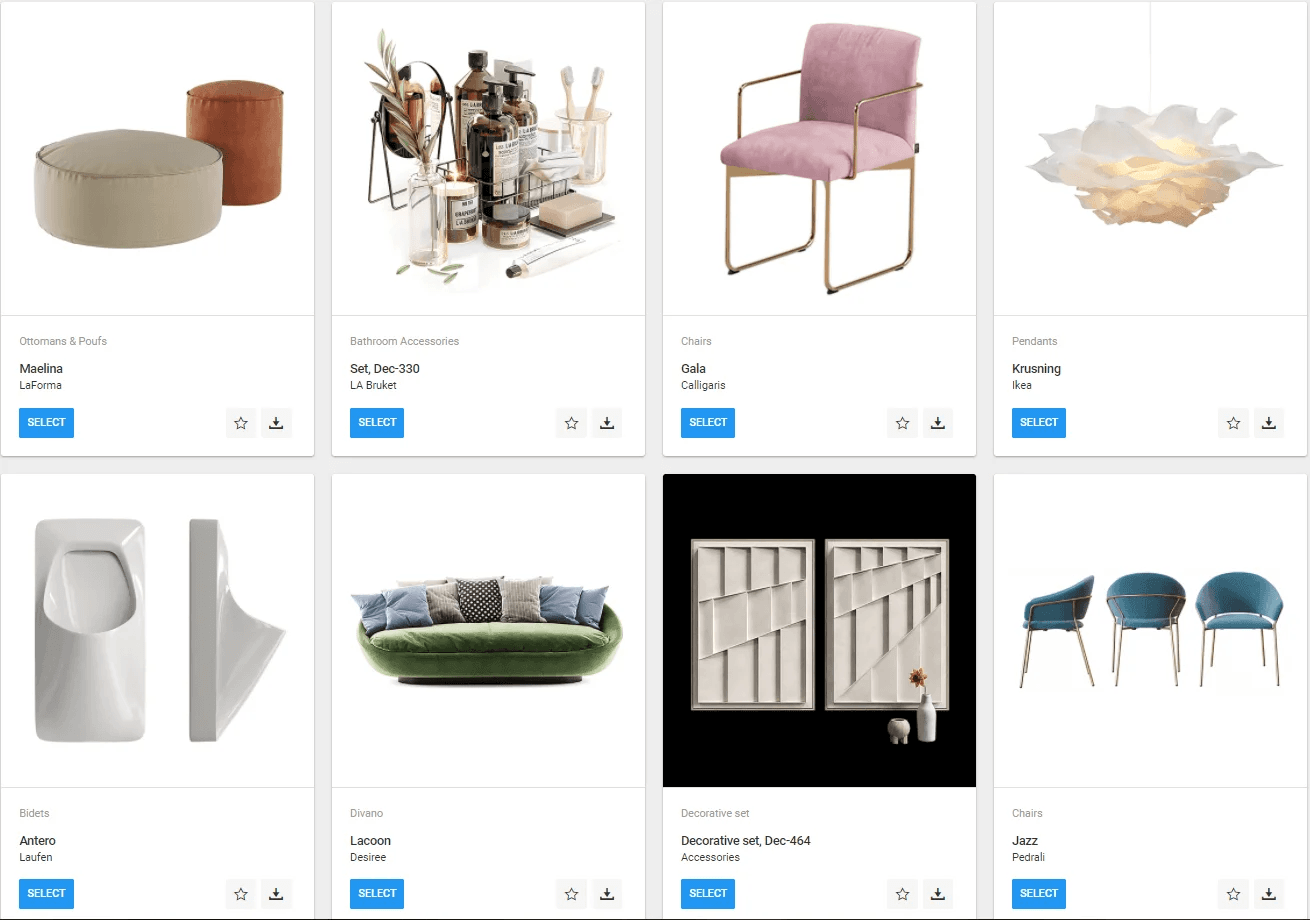
Another cost-cutting tip is to ask the product rendering studio upfront if they offer 3D models of props for room sets. Using them will help to avoid paying for modeling every decor and secondary object in the scene. For instance, CGIFURNITURE offers clients free access to a virtual library with more than 47000 items. They are indoor and outdoor furniture 3D models of various styles and brands, lighting fixtures, architectural elements, paintings, sculptures, carpets, etc. It is one of the questions worth asking when comparing the best 3D rendering companies.
3. Use Ready 3D Scenes
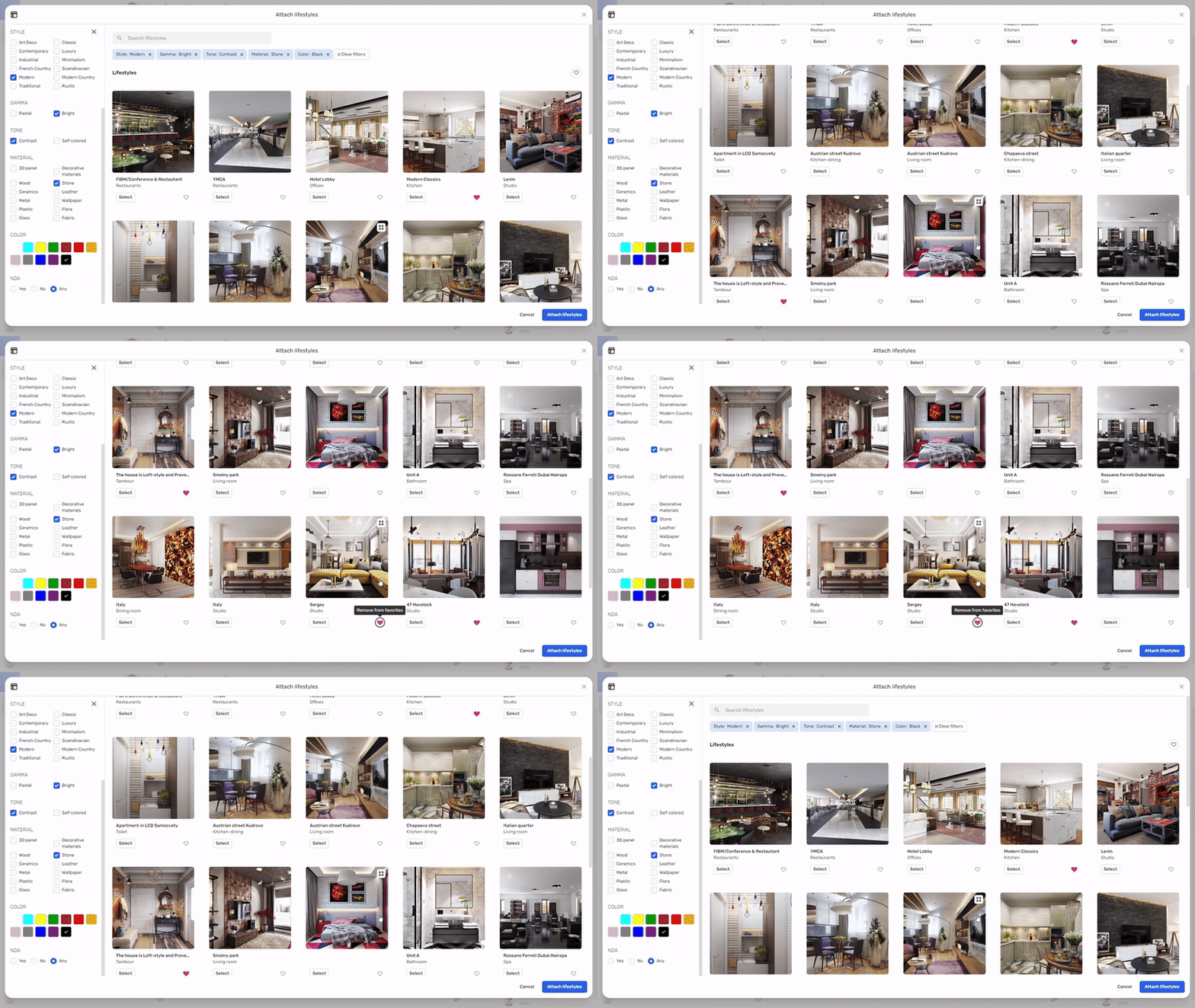
CG rendering studios can offer CG room sets and outdoor scenes, too. So a manufacturer can pick one, and have it tweaked to fit the concept. As an example, CGIFURNITURE 3D rendering agency gives users free access to 3,913 lifestyle scenes of excellent quality. So product manufacturers can pick one they like, and even ask to adjust details like wall color, flooring material, and decor to fit the concept. This will take the modeling of a new scene off the product rendering cost.
4. Approve Each Stage Before the Next One
A mistake found late costs more, because everything built on top of it has to be redone. Check the work in order:
- geometry and proportions before detailing;
- textures and finishes before final lighting;
- camera angles before producing multiple views.
Rushing works against this. A squeezed schedule skips the checks that catch errors early, so the project often ends with more revisions than a realistic timeline would have produced. Our CGI project workflow guide shows what to check at each stage.

Social Media Playbook for Your Brand
Templates and examples for reels, carousels, and 3D motion–tailored to your brand
Download Social Media GuideNow, these were the main factors influencing the price of a lifestyle 3D visualization project and a set of tips on how to decrease it. However, these are not the only considerations. Beyond the core factors, there are additional ways to optimize CGI production costs through smarter planning and workflow decisions.
What Affects Product Rendering Cost
Number of revision rounds. The more revision cycles included, the higher the final cost. Unclear feedback or changes after approvals increase production time and budget.
Quality of source materials. Incomplete drawings, outdated CAD files, or missing references require additional preparation and verification, which affects pricing.
Material and surface complexity. Glass, glossy finishes, fabrics, and advanced PBR materials take longer to set up and test, increasing production effort.
Consistency across multiple SKUs. Large product ranges with consistent lighting and camera setups require tighter quality control but may reduce the cost per item when produced in batches.
Batch production. Ordering multiple products, variations, or color options together significantly lowers the cost per render.
Early-stage approvals. Approving models, scenes, and camera angles early helps avoid expensive changes later in the pipeline.
Long-term collaboration. Ongoing partnerships or volume-based projects often allow for more flexible pricing and production planning.
The best way, of course, would be to combine those and ask the client manager for custom advice. For many things would depend on the project. For instance, the company may be willing to offer a discount for a volume order.