Marketing collateral refers to printed and digital promotional materials used for all purposes a strategy may require: selling, educating customers, showcasing the level of expertise, raising the brand awareness, conveying the company’s mission and values, etc. And once produced, these content assets will bring results across all the media channels they’ll be promoted in.
As a 3D rendering company, we have extensive experience of creating imagery and developing design for all types of marketing materials. Read up and learn which ones are the most impactful and what makes them so good for product promotion!
1. Catalogues
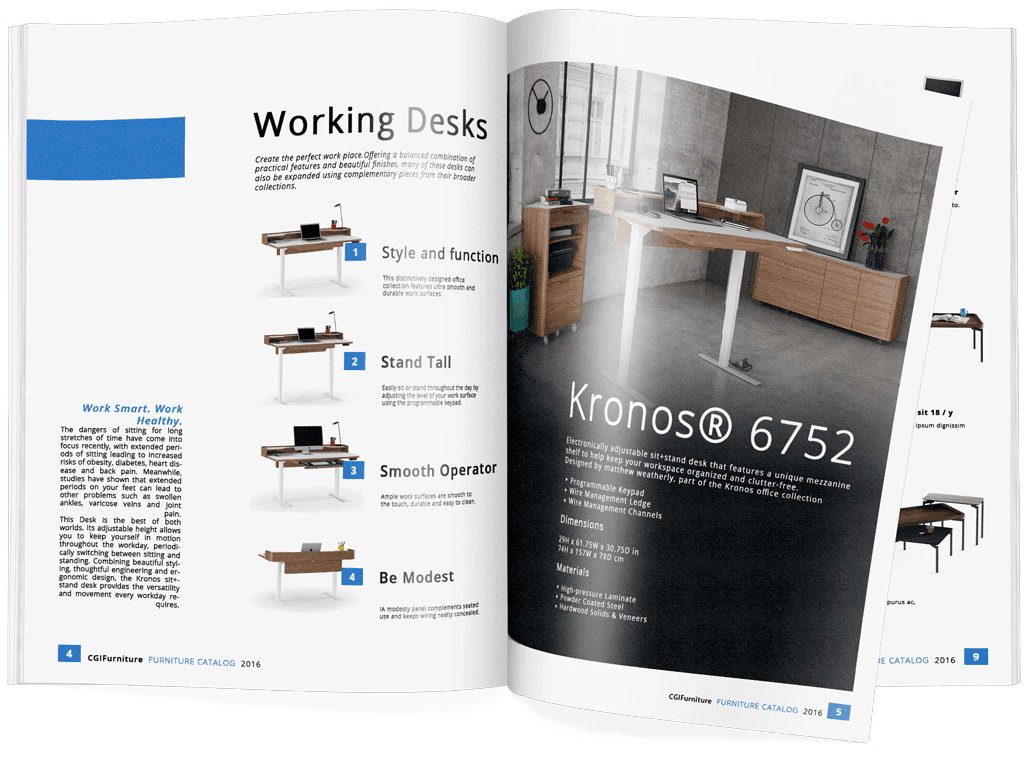
Catalogues are a powerful and non-intrusive marketing tool, because people enjoy browsing through them even just to keep busy – so that an offer could catch the eye of a prospect. It usually works: according to DMA, some 100.7 million consumers made catalog purchases in 2016\. So manufacturing, wholesaling, and retailing firms publish catalogues to promote the sale offers. This type of marketing collateral serves to showcase new collections, offers, prove the ads promises with testimonials, give instructions on usage and detailed descriptions.
Catalog is an asset that can be used throughout many channels: direct mail and email marketing, on the website, in social media, and even in a physical store as a giveaway. To create a high-end catalogue, a company must take some details into account. Catalogs are one of many uses of 3D rendering in marketing, since one set of models can feed every channel.
First, texts should be brief and informative. Second, the design should be attractive but not overwhelming. Last but not least, the imagery should showcase the product benefits to the full. Hero shot renders, roomsets, 3D animations and 360 views for digital catalogues should make the prospect fall in love with the merchandise and motivate to read about it. And finally, lead to the call to action…
2. Product Specification Sheets
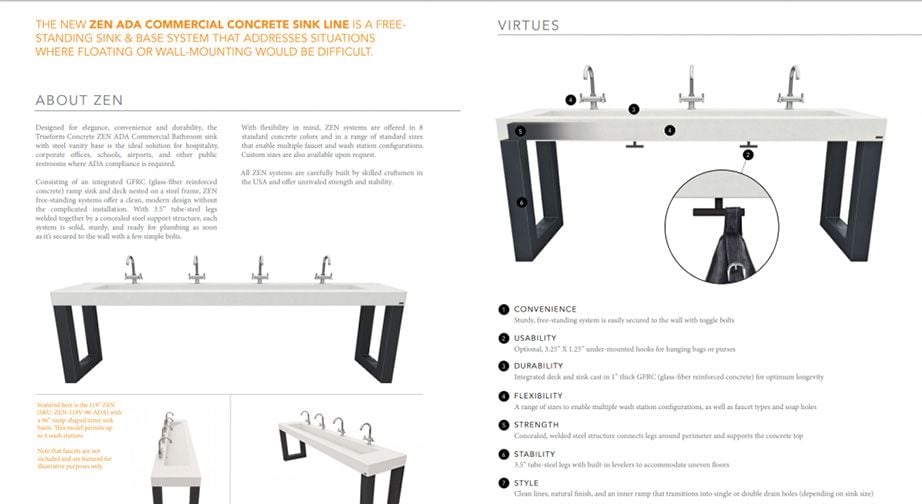
Also called data sheets, these marketing collateral materials are used to advertise a particular item and educate about its features. One sheet usually contains the picture of an item, a paragraph overview of what it is, retail price, specifications and sketches for different configurations. With help of product sheets, prospects can see options, details, and product usage better, which will increase buying confidence and close the deal.
Retail companies often post specification sheets online on their websites together with product descriptions. Also, it’s a common practice to offer the look at data sheet at physical stores when a specific item interests a client. People want to know what they’re buying, so giving them that understanding is the best advertising.
The text on specification sheet should convey only the most essential info like product’s definition and its benefits. Using bullet points and bold key phrases can make text easier to skim through and concentrate people’s attention on the most important points. Images illustrating item’s features and how they work will reinforce the effect. With 3D product rendering, these images can be made from drawings before a sample exists.
3. Flyers
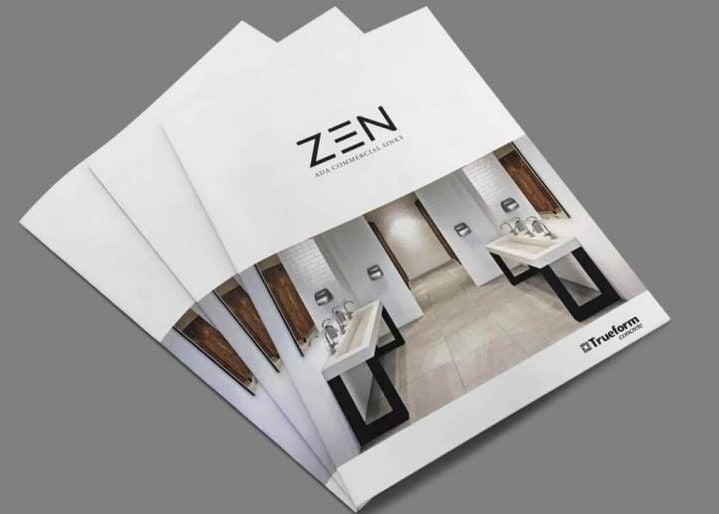
Flyer is a form of paper or digital advertisement intended for wide distribution. Used as part of a well-planned marketing campaign, this collateral leads to astonishing results. Most commonly, flyers are handed out on the streets to prospects. Another effective way to distribute them is mailing, both physical and digital. Flyers sent by direct mail should serve as a reminder for prospects who already know the brand. They work best with a limited-time offer. As for the digital, flyers can be eye-catching attachments for letters to draw the prospects’ attention.
There are 2 major advantages for furniture companies to include flyers on their list of brand collateral ideas :
- They are a low-cost way to get leads. According to DMA, 79% of recipients either keep, pass on to a friend, or skim through the contents of a flyer. Which means that this type of collateral may bring a lead almost at the cost of one piece of paper.
- Flyers are perfect to support short-lived campaigns. For instance, a company launches a new collection and has many great discounts. Distributing flyers with this info doesn’t require too much effort but makes thousands learn about the short-term special offer and will raise the sales rate for the period of promotional campaign.
High-quality flyers require an impressive print design and outstanding imagery – for these are responsible for the first impression. Ass well as that, high-quality copywriting is a must: there should be only one appealing offer with a crystal-clear wording. Add to it a simple and logical call to action – and reap the benefits.
4. Banners
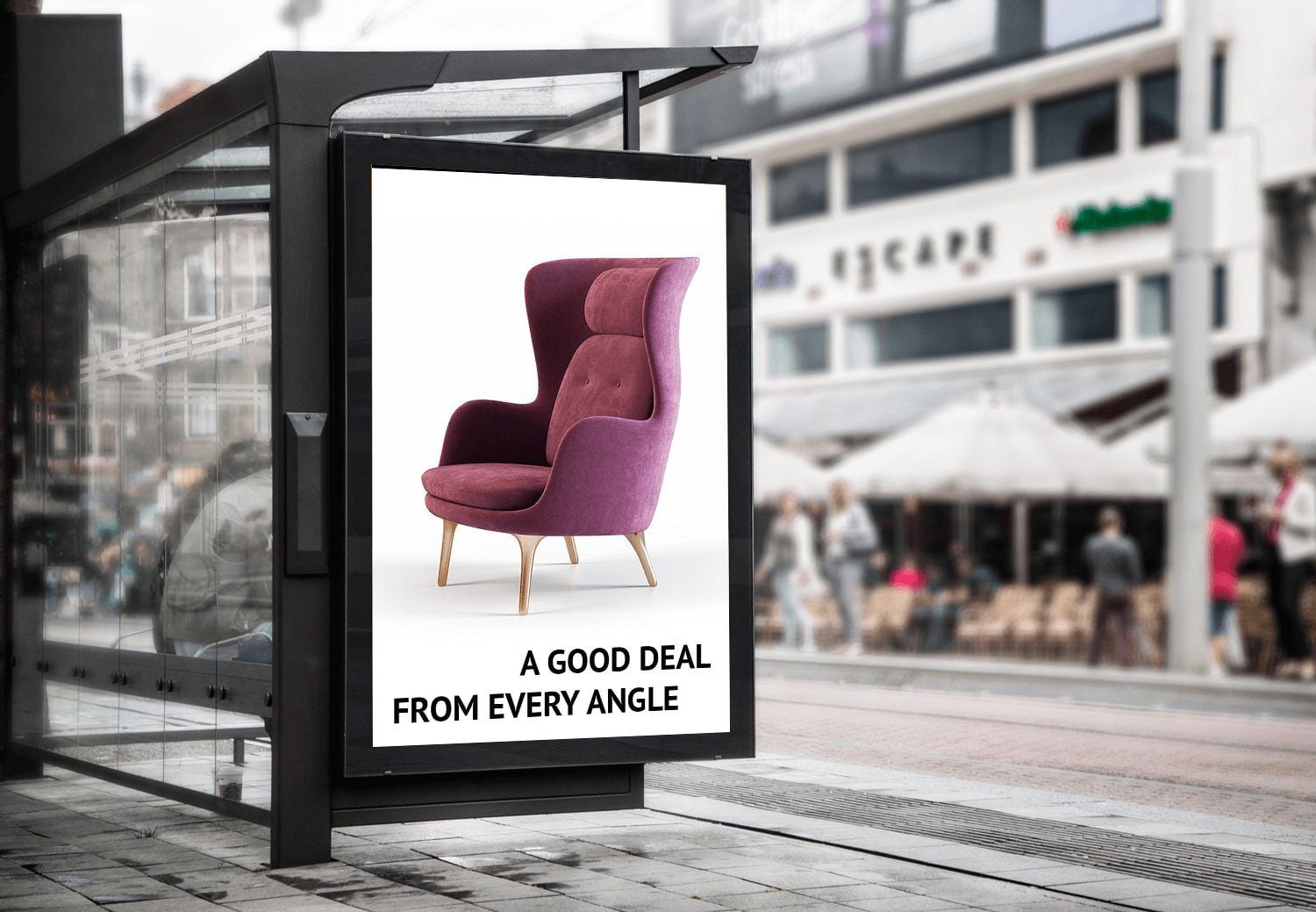
A physical banner advertisement represents a big print poster placed in a way to attract attention. It comes in different forms, such as vinyl banners, billboards and mesh banners, and offers a lot of opportunities for creativity. The strength of this marketing collateral item is a wide reach: for with a banner placed at a high-traffic area, thousands of prospects will see the message. Thus, it will pay off even at 3-5% response rate.
There is, however, a way to narrow down the audience and get a higher conversion level – by placing the banners where the prospects are expected to appear. These could be festivals, big concerts or conventions. Since these events also target the audience by interests, it’s easy to define which one will be suitable to place the banners.
Banners are all about visual impact, so it’s crucial that its image attract attention and look unique. And, of course, there should be a clear offer formulated in 1 short sentence. Professionally made banners make huge impact, can be used at multiple occasions and may go viral – so it’s a worthy investment. Product banners outside furniture work the same way, as our article on 3D rendering for consumer products shows.
5. Direct Mail

The best thing about direct mail is that it is a narrow targeting technique. When a marketing team decides on recipients, they consider the area and social parameters that may include gender, age, income level, education level, job, and other factors. This helps to define an image of an ideal customer. Delivering materials directly to recipients of postal mails brings product’s advertising to the personal level.
Direct mailing both advertises and starts an open conversation with prospects. To achieve a high level of trust from direct mails’ audience and push potential clients to action, there are four powerful writing techniques:
- Limited Offer – creates a feeling of urgency. One simple sentence that limits an offer by time or quantity – “there are only 200 UltraGamer mice + bonus 2Tb USB flash drive left in the store!” – can hurry up the buying decision.
- Return on Investments – improves prospects’ understanding of product effectiveness. Even those who are not sure whether they need a product can be convinced if given an example of what they will get in return for the money spent.
- Appealing to Ego – relies on natural human behavior. People want respect – so build the aura of necessity and prestige around your product providing examples of how it can get the client the status he seeks.
- Guarantee – explains how and why the offer works, providing numbers, proof, and testimonials.
6. Blog Posts

Blog serves many functions: it helps with SEO, educates customers about a product, shares the company’s values and supports sales and marketing efforts throughout the buying cycle. A salesperson can use blog articles with the necessary info to answer clients’ questions on the fly, or post them in social media to showcase the company’s expertise.
The most popular types of blog articles are:
- Lists. Human eye loves numbers. Moreover, it’s very convenient to organize info into some points, both for the writer and the reader.
- How To’s. This type answers a particular question. It’s great for targeting the narrow audience of only those who want to find the answer.
- VS. It’s the comparison of two different options and the description of their pros and cons. This type of article helps a reader to find the best option.
- Dos And Don’ts. It describes what one should do in order to achieve something and what pitfalls there are to avoid.
- Case Studies. These articles speak about specific work on projects, reveals the details of it and emphasizes the professionalism of the producer.
7. Social Media Presence and Advertising
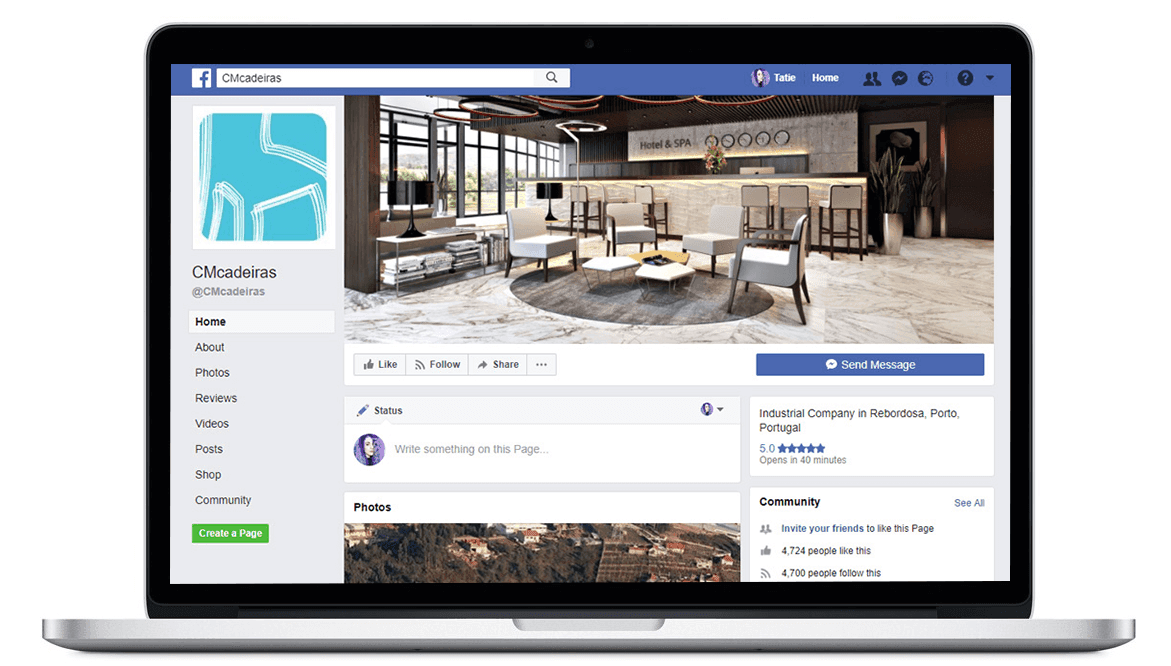
Implementing a social media strategy requires a certain number of marketing assets. So while developing a strategy, it is well-advised to make a list of all the pieces necessary – imagery, texts, ebooks, quizzes, videos. Only when every collateral piece is ready and available, one can launch the campaign and expect the prospects to follow the sales funnel as planned. It is crucial to make sure that “temporary replacement articles”do not make it on the actual social media account and only the best designer-approved version gets posted.
Sales Collateral for Your Sales Team
Marketing collateral speaks to a broad audience. Sales collateral is what a sales rep uses with one specific buyer, dealer, or partner, so it has to answer that person’s questions. For furniture companies, these pieces matter most:
- Company presentation: short and structured around attention, interest, desire, and action, with bullets and product images instead of long text.
- Brochures for dealers and trade shows: benefits stated in the headlines, a direct call to action (call or email us, not just a contact block), the brands you already supply as social proof, and a custom layout in your brand style rather than a template.
- Product videos: a demo of key features, a product tour that shows how the item works, a how-to (for example, every configuration of a modular sofa), or a production video that shows how the piece is made. The first three can be made with 3D animation before a finished sample exists.
- Testimonials: video or PDF, each one answering a single question buyers actually ask.
- After-sales materials: what to pair the piece with, how to care for it, and how to use its configurations. They support repeat purchases and cross-selling.
Smaller Brand Items from the Same 3D Models
Once your product models exist, the smaller items that carry your brand do not need new photo shoots:
- Stationery and business cards: a bestseller rendered in your corporate colors.
- Trade show materials: banners, brochures, and PR packs need images in many sizes and resolutions, all rendered from one model. The stand itself can be visualized in 3D before it is built.
- Seasonal greeting cards: an existing catalog scene re-dressed with garlands, evening light, and a holiday palette, without building a new scene.
- Gift cards, coupons, and merchandise: a silo or lifestyle render adapted to the card, calendar, mug, or bag.
- Landing pages: a hero render planned around the page message, with an angle that explains the product’s shape or scale, and the same visual style in every section below it.
To order visuals for collateral, list the items you need, the number of images for each, the sizes or print specs, and your deadline. That is enough for a studio to plan the work. Our product rendering services cover silo, lifestyle, and animated visuals for every item on that list.
Marketing collateral pieces are the set of assets that bring results and work throughout various media channels – definitely worth the effort and resource. Catalogs, product specification sheets, flyers and banners, as well as blog, direct mail and social media pieces will work online and offline, leading the prospects down the funnel, straight to the purchase point.
There are 3 main ingredients of a converting collateral: professional design, high-impact copy, and high-end imagery. Once you have it all – may the campaign begin! Not sure where to get such amount of top-quality visuals? We can easily help you with that.
As a product rendering company, we provide manufacturers with all types of professional cgi for a stellar marketing campaign. We specialize in photorealistic lifestyles, product images and animated social media video production without photoshoots and fast – based on specifications and a smartphone photo. Moreover, we will develop a high-impact design for your collateral – based on your brand guidelines and your wishes for the theme.
Download CGIFURNITURE price guide and learn the costs of top-tier 3D visualization projects of different scales!
See our pricingNeed impressive marketing collateral? Contact CGIFURNITURE for design and 3D modeling services and get breathtaking materials that will make your product shine!