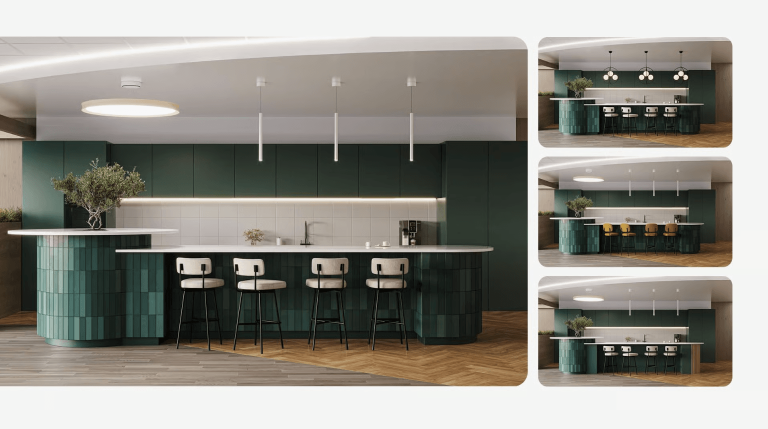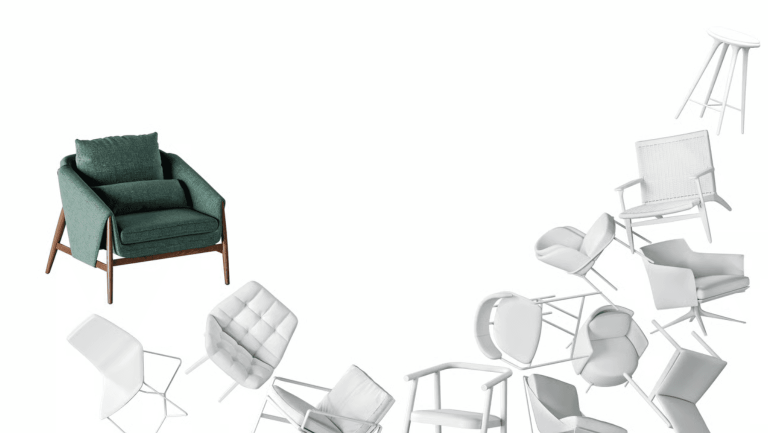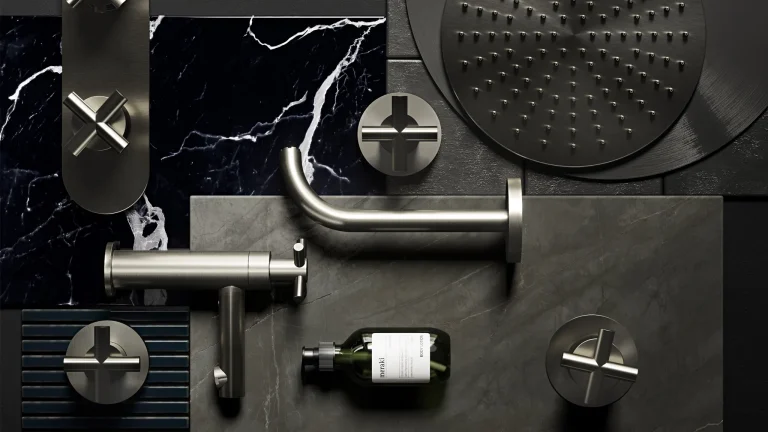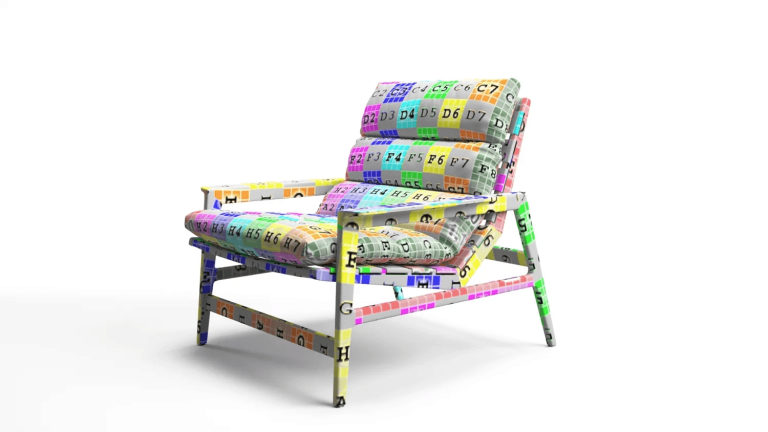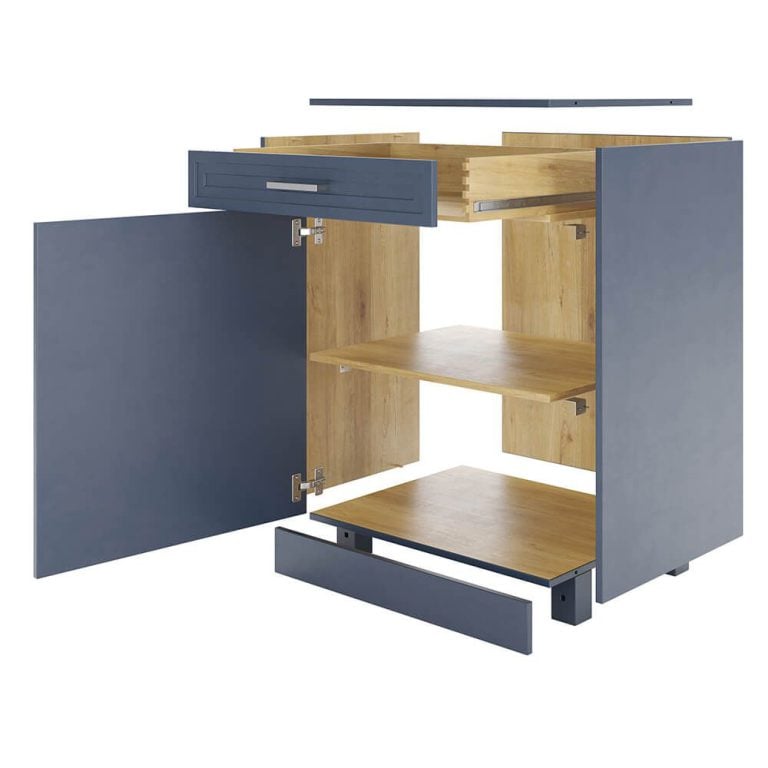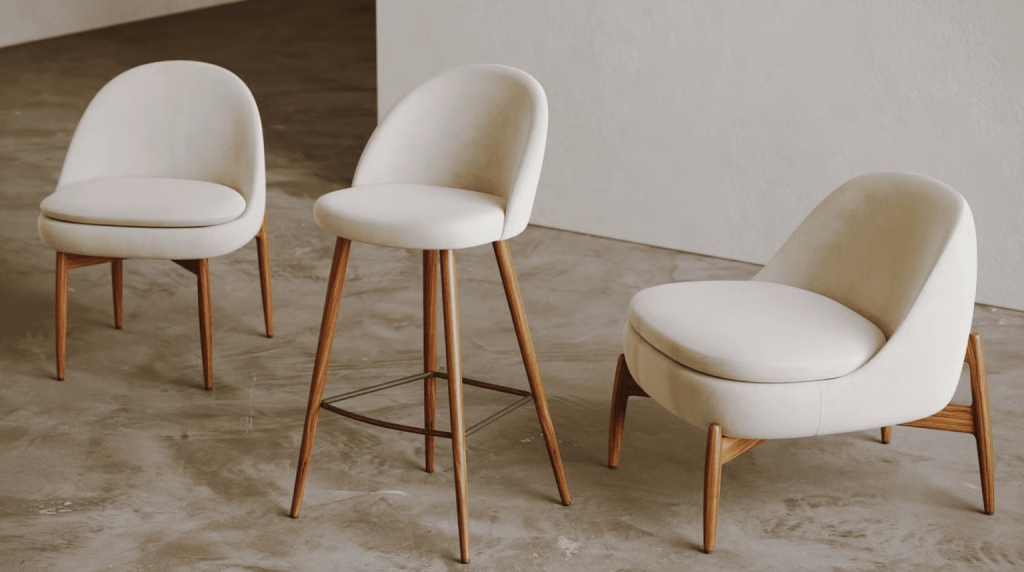
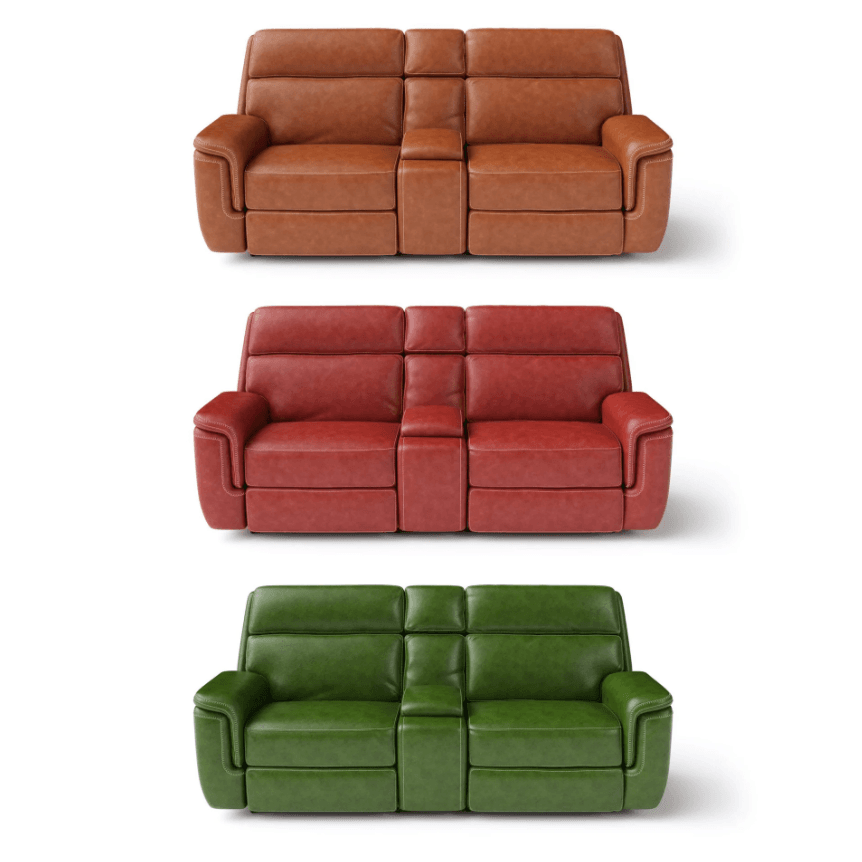
A product digital twin is a reusable, metadata-rich 3D master of a physical product – its geometry, materials, options, and dimensions captured once so every image, configurator, and AR experience can be generated from that single source. The term gets used loosely, so it’s worth being precise: a digital twin isn’t just a pretty 3D model. It’s a model plus the data and rules that describe what the product is and how it can vary. That distinction is exactly what makes it useful for ecommerce, and it’s where most explanations stop short.
Digital Twin vs 3D Model vs Digital Model
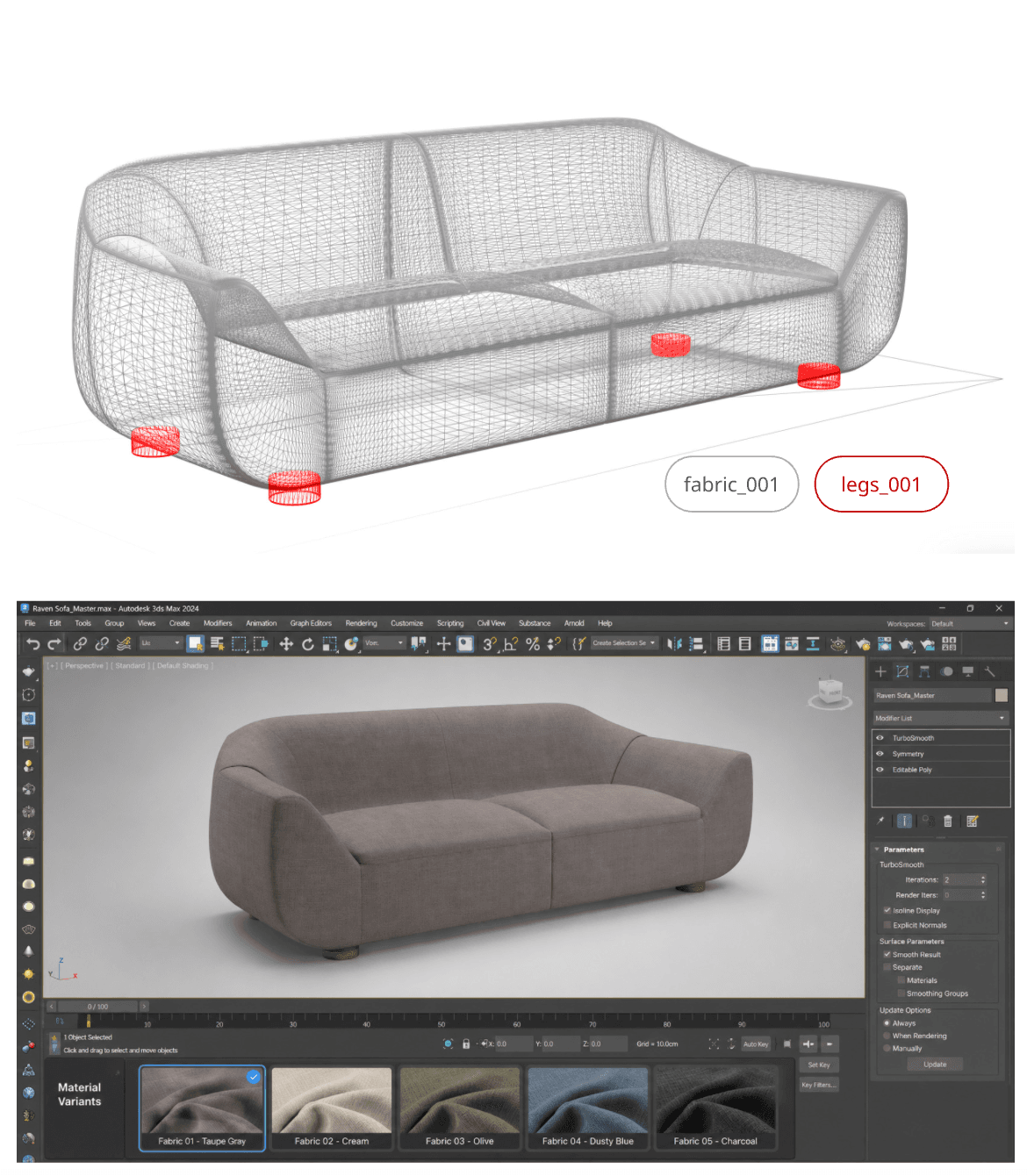
In engineering, the words have specific meanings. A digital model is a static 3D representation – useful for visualizing form but inert. A digital twin adds a live layer: data, behavior, or rules that keep the virtual version meaningful over time. In the industrial world, that live layer is sensor data feeding a simulation of a turbine or a factory line. In ecommerce, the “live layer” is different – it’s the structured metadata attached to the model: the available fabrics, the valid option combinations, the dimensions, and the pricing logic. The geometry alone is a model; the geometry plus that data is a twin.
| Category | Digital Model (Static 3D) | Product Digital Twin | Industrial / Store Twin |
|---|---|---|---|
| Core | Geometry only | Geometry + product metadata & rules | Geometry + live sensor/IoT data |
| Changes by | Manual re-edit | Swapping options/materials defined in data | Real-world data feed |
| Used for | One-off visuals | Content, configurators, AR at scale | Monitoring, simulation, operations |
| Example | A rendered chair | A sofa with all fabrics, legs, sizes defined | A digitized store floor (Lowe’s, Matterport) |
This is the line a technical buyer will check, so it’s worth stating plainly: the product digital twin we mean here is the middle column. It’s not an IoT simulation, and it’s not a 3D scan of your showroom. It’s your product, modeled once, enriched with everything needed to render and configure it. Learn more about an industrial digital twin.
What’s Actually Inside a Product Digital Twin
Three layers make the twin work:
- Accurate geometry. A precise model built from CAD, drawings, or references – dimensionally true to the physical product. How that geometry is built is covered in our guide to 3D product modeling.
- Materials and options. Each part is tagged with the finishes and variants it supports – this fabric, that leg, these sizes – so the twin knows how it’s allowed to change.
- Rules and metadata. The logic that says which combinations are valid, how variants map to SKUs, and (increasingly) how they map to price. PlatformE, for instance, builds twins “enriched with metadata” specifically to drive creative rules and dynamic pricing.
That third layer is what separates a twin from a folder of renders. A twin doesn’t just show the product – it encodes the product.
Why Ecommerce Brands Need One
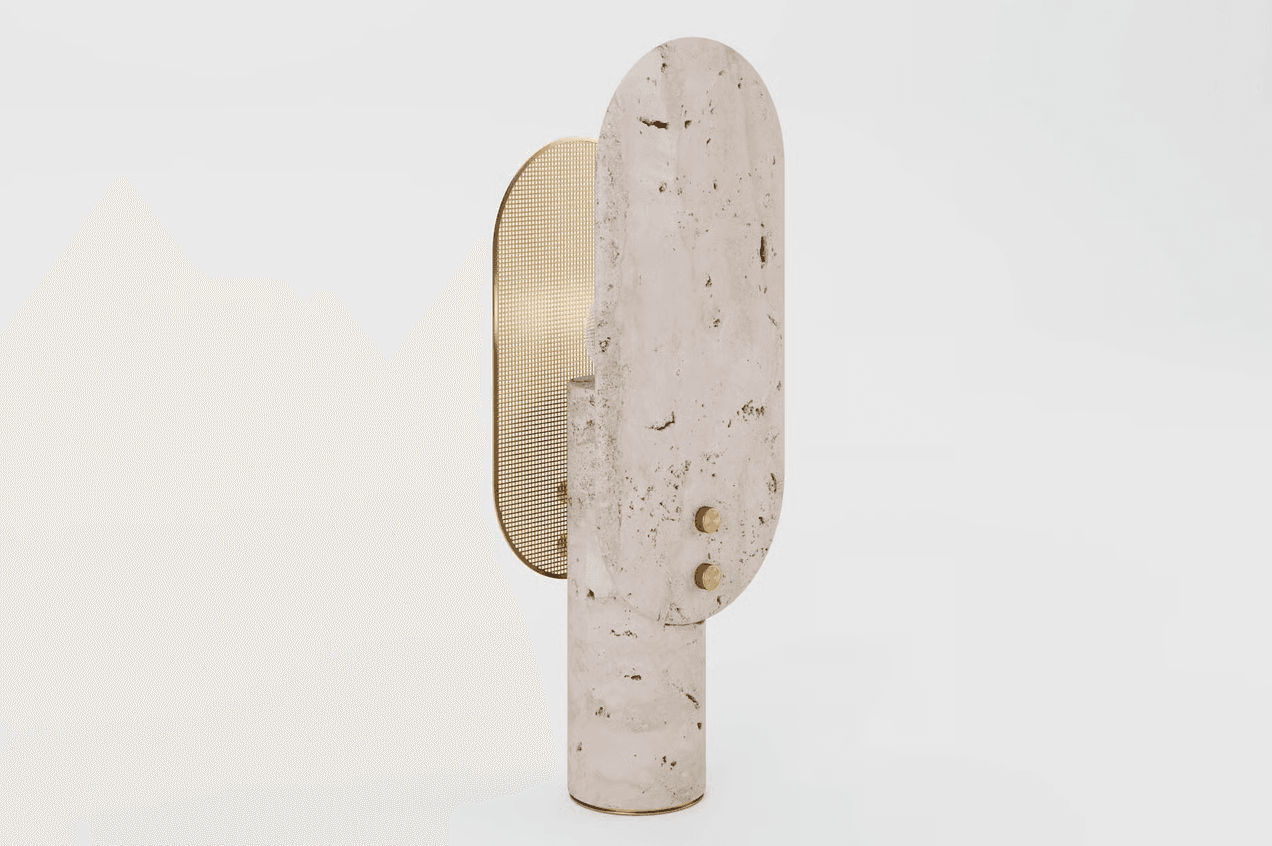
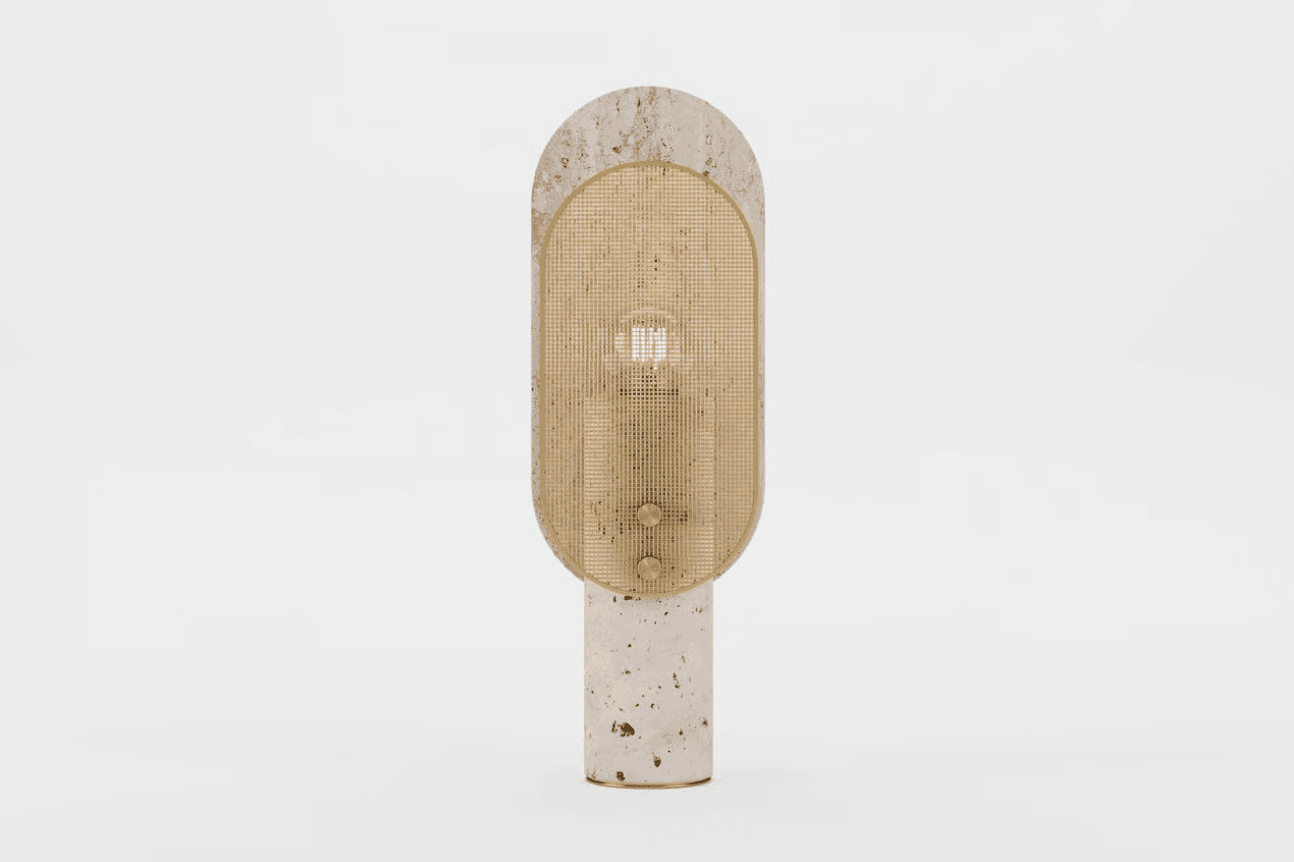
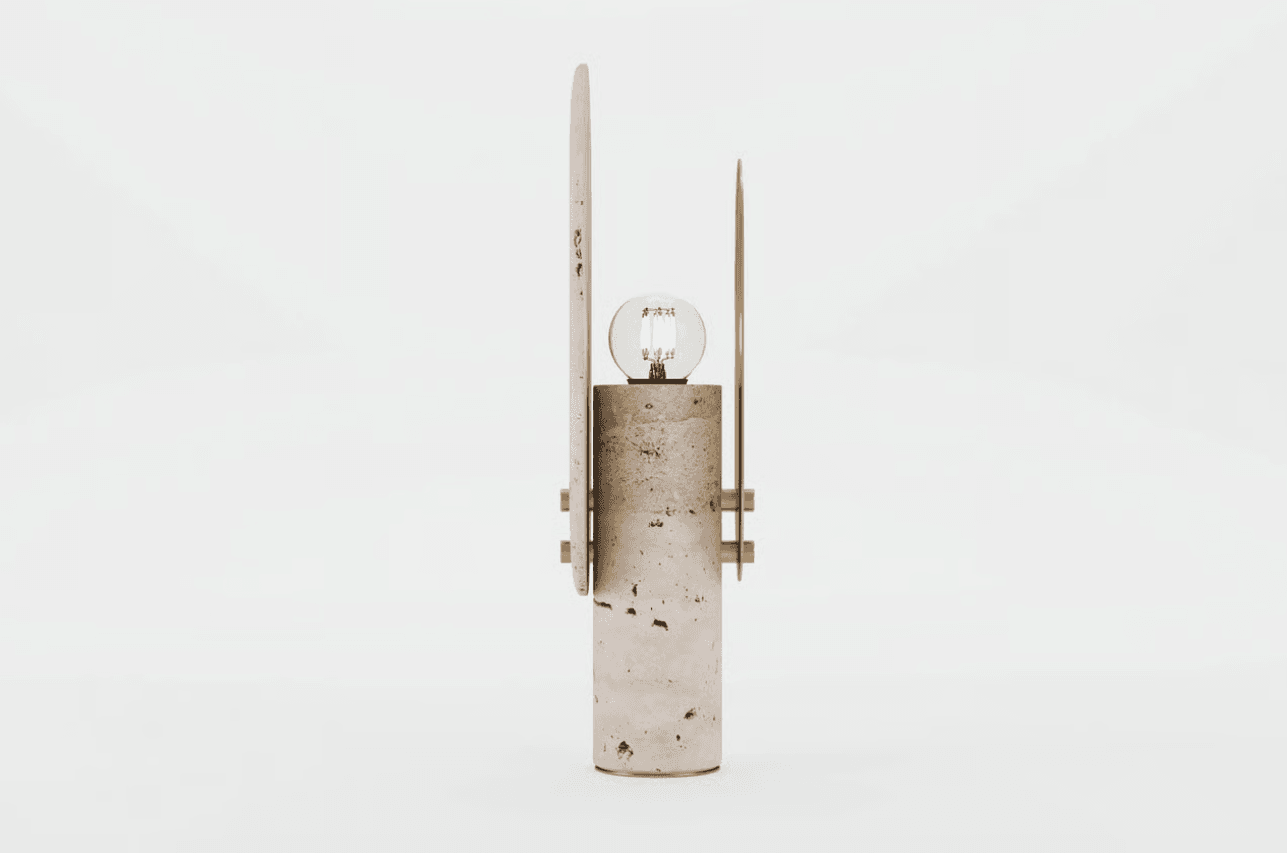
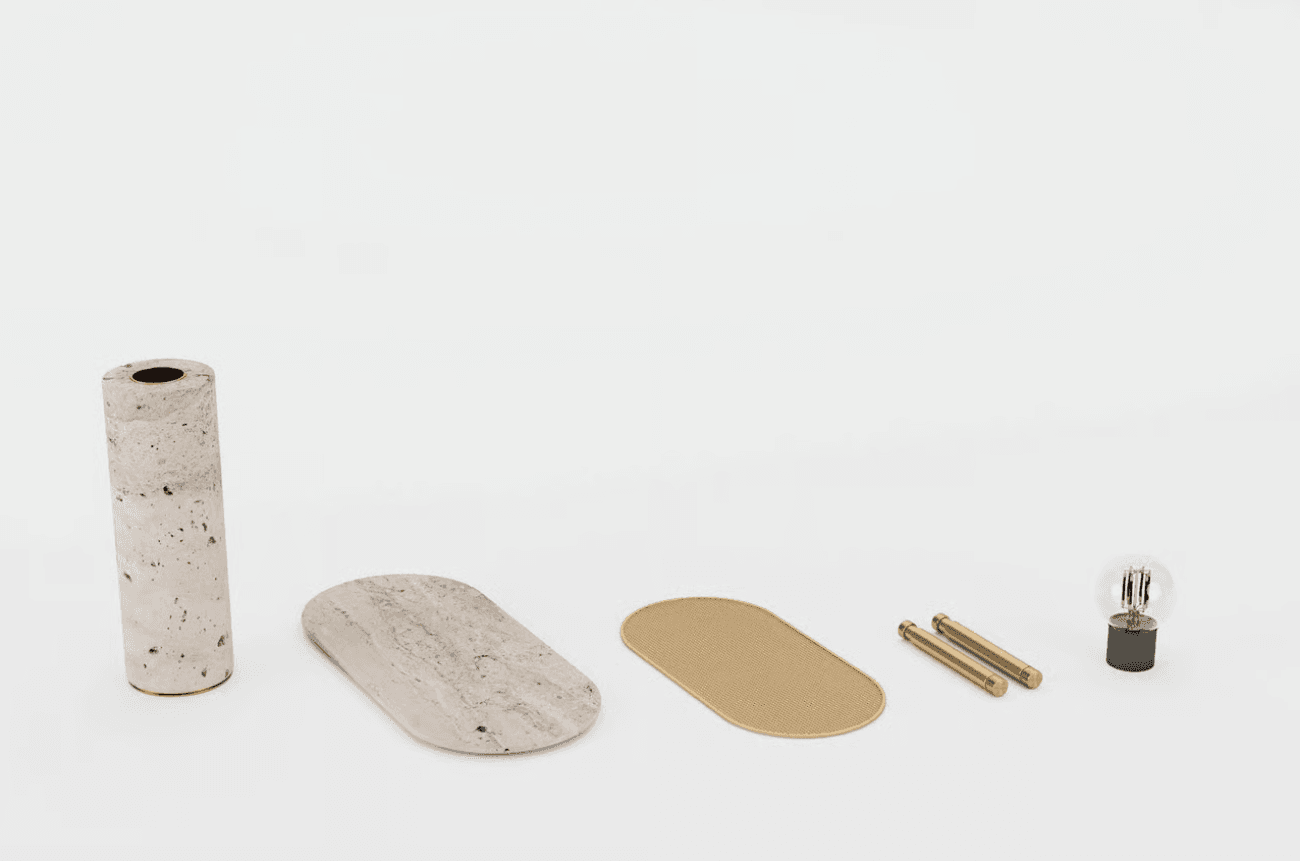


- Content stops being a per-shoot cost. Once the twin exists, a new colorway is a material swap, not a new photoshoot. Brands report cutting content costs dramatically and compressing timelines from weeks to hours because every silo image, lifestyle scene, 360° spin, and AR asset is generated from the same source.
- One source, every channel. PDPs, marketplaces, catalogs, ads, and social all draw from the twin, so visuals stay consistent by default rather than by manual coordination. This is the practical meaning of a single source of truth for product content.
- Interactivity and fewer returns. Because a twin carries its options, it powers AR “view in room” and interactive viewers that let shoppers explore size, material, and fit before buying – which is consistently linked to higher confidence and lower return rates. Wayfair’s “View in Room” and IKEA’s AR catalog are early, well-known examples.
- Content before the product exists. A twin can be built from CAD before manufacturing finishes, so launch imagery, pre-orders, and even crowdfunding visuals don’t wait on a physical sample.
- You own your differentiation. When a manufacturer supplies the same 3D model to every retailer that carries a product, that asset shows up identically across competitors. A twin you commission and customize is one your rivals don’t have, so the customer-facing experience built on top of it stays yours.
Where the Twin Fits in Your Stack
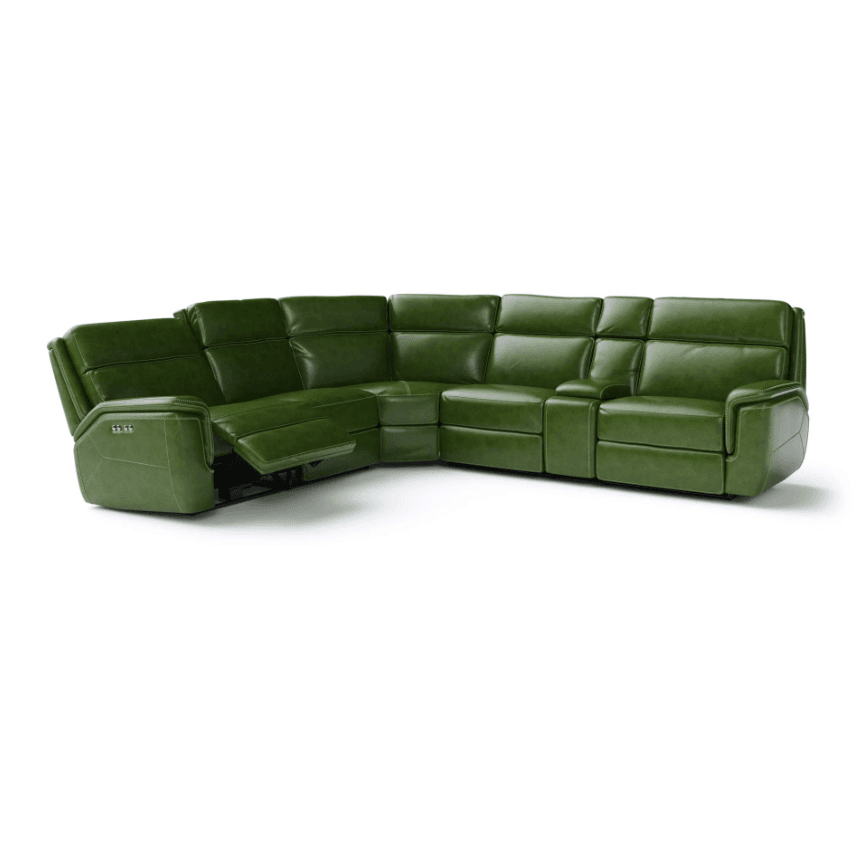
A product digital twin isn’t a replacement for your PIM or DAM – it complements them. PIM holds product data; DAM stores finished files; the twin is the generative source from which those files come. The cleanest setups keep the twin in a central library, version-controlled and searchable, tied to SKUs, and connected outward to the channels that consume its outputs. From there, the same twin can feed a configurator, a batch-rendering pipeline, and an AR viewer without duplicating work. We show how this works in practice in our piece on one 3D model for every marketing asset.
Which Products Benefit Most
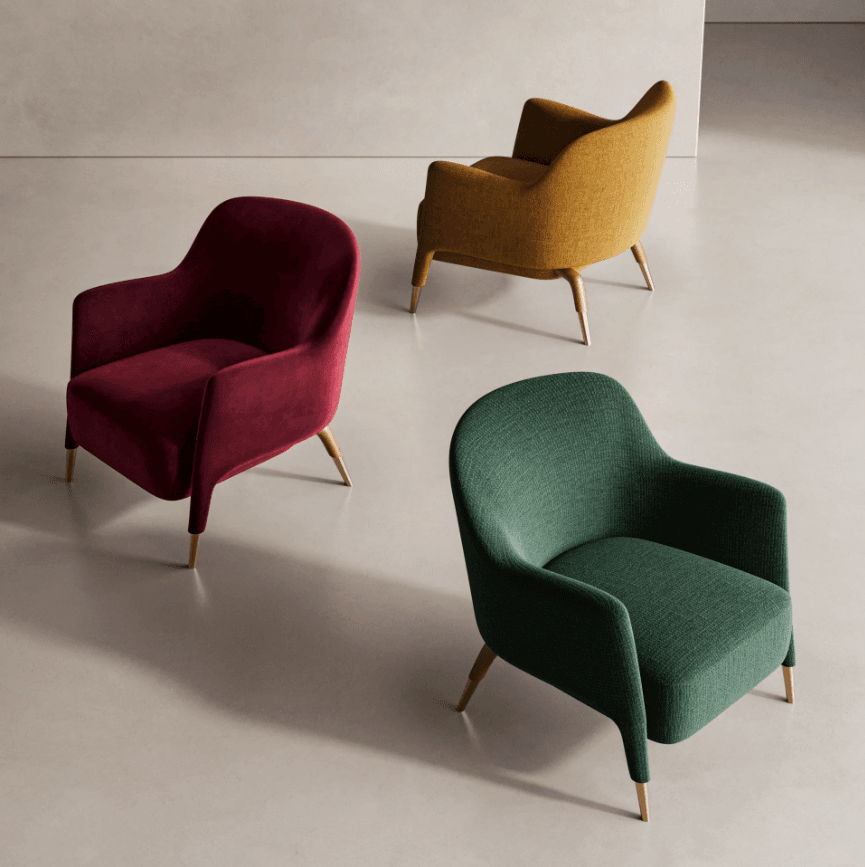
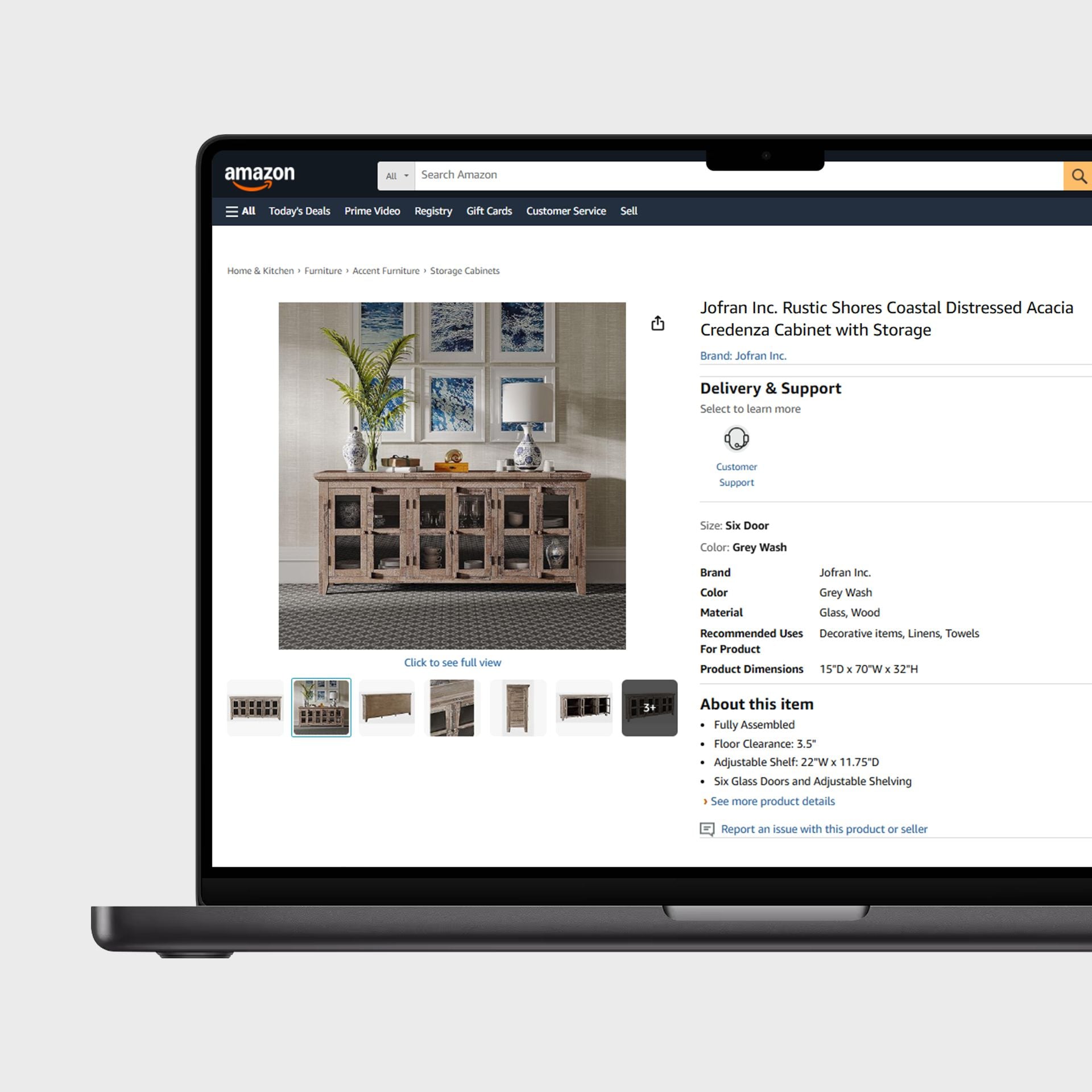
The twin model pays off fastest for catalogs with real variation and scale: roughly 20+ SKUs, products offered in multiple colors or configurations, frequent design updates, or a need for pre-launch and marketplace content at volume. Furniture, lighting, flooring, electronics, hardware, and footwear are natural fits because the geometry is stable while finishes and options multiply. For a handful of simple, unchanging products – or items whose appeal is tactile and organic – traditional photography may still be the practical choice. For catalogs like these, our 3D modeling services build the master model from CAD, drawings, or reference photos.
Getting Started
Schedule 30-Minute Visual Strategy Session
Discover how CGI can replace traditional photography, reduce content costs, and speed up product launches – all in a single 30-minute call.
Schedule your demoYou don’t need to twin an entire catalog on day one. Most brands start with a high-variation hero product or a category that drives the most content work, build the twin properly – geometry, materials, options, metadata – and prove the economics before scaling. The fastest way to see what that looks like on your own product is to walk through it with someone who builds these. Schedule a demo, and we’ll show the full pipeline, from master model to finished assets.
FAQ
What is a product digital twin?
A product digital twin is a reusable 3D master of a physical product, enriched with metadata – its materials, options, dimensions, and rules. Unlike a plain 3D model, it encodes how the product can vary, so images, configurators, and AR experiences are all generated from one source.
What’s the difference between a digital twin and a 3D model?
A 3D model is static geometry. A digital twin adds a live layer – in ecommerce, that’s structured metadata (materials, valid options, dimensions, pricing logic). The geometry alone is a model; the geometry plus that data and rules is a twin.
Is a product digital twin the same as an industrial digital twin?
No. Industrial twins use real-time sensor/IoT data to simulate physical assets like machines or factories. A product digital twin for ecommerce uses metadata and rules to drive visual content, configuration, and AR – there’s no live sensor feed.
How do digital twins help ecommerce?
They turn one model into every visual asset, keep content consistent across channels, power AR and interactive viewers that reduce returns, and let brands create launch content before a product is manufactured – all while cutting content costs and timelines.
Do I need a digital twin for every product?
Not necessarily. Twins pay off most for products with multiple variants, large catalogs (~20+ SKUs), frequent updates, or pre-launch needs. Simple, unchanging products with no variants may not justify the upfront modeling.
Who owns the product digital twin?
Whoever commissions and customizes it. This matters: if a manufacturer supplies a shared 3D model, competitors may use the same asset. Owning a customized twin protects your visual differentiation.