CGI has become indispensable in many industries and continues to gain new territories. A complete list would make a guide of its own, so let’s focus on the categories that use product rendering the most. There are 5 of them:
- Product manufacturers use CGI all throughout the project, starting with concept development and ending with marketing materials production. We’ll learn more about each usage type in the next paragraph. Our article on 3D rendering for consumer products shows how manufacturers use renders to communicate product value.
- E-commerce platforms extensively use CGI too. Some require 3D models from vendors in order to create 3D renders for them or showcase the product in AR.
- Retail companies choose CGI because of the reusability of assets, the possibility to get large batches of imagery fast and without any transportations, and the possibility to work with AR and VR. That reusability is the whole point of a digital twin: one asset that feeds content, AR, and an interactive configurator alike – more in our guide to turning one 3D model into every marketing asset.
- Entrepreneurs use 3D modeling and rendering to get their products to the market quickly. With CGI, they can get top-class silos, lifestyles, and promo videos while the product is being shipped or even manufactured. And this way, launch the site and advertising campaign while collecting the funds through crowdfunding.
- Marketing agencies value 3D rendering for 2 main reasons. First, they gain time by getting visuals before the product is manufactured. Second, marketing agencies opt for CGI because of unlimited creative opportunities. For 3D artists can show the product from any angle and in any environment.
What Is Product Rendering Used for?
Product rendering is widely used across marketing, product development, and presentation. Below are some of the most common use cases where 3D visuals play a key role. If you are new to the topic, start with what 3D product rendering is and how it works.


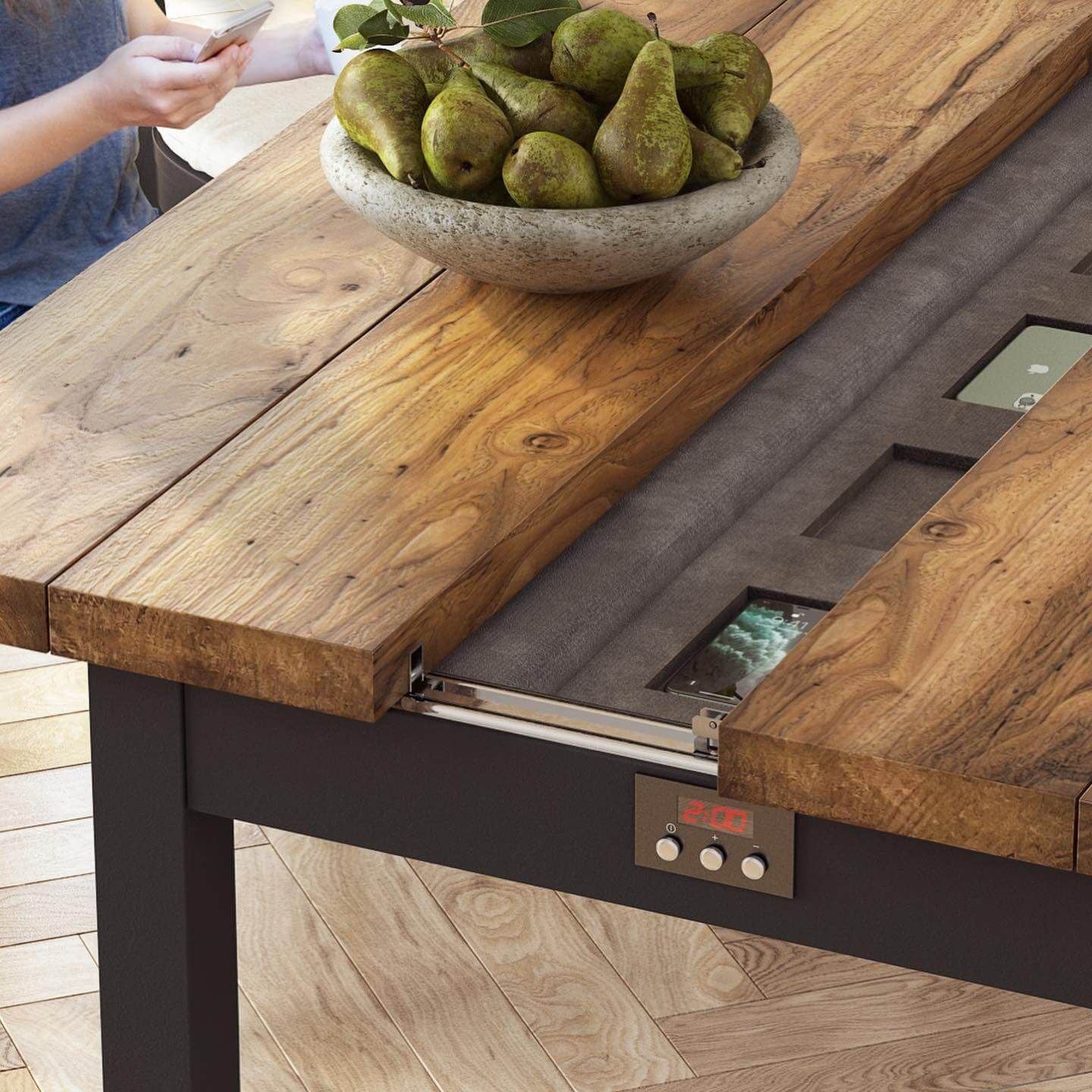
In practice, 3D rendering supports several key use cases across product marketing and development.
Product development
CG images help teams visualize and approve the final design before production begins. Thanks to their photorealism, 3D renders provide a clearer and more reliable reference than drawings or sketches.
Marketing and Advertising
Once the design is approved, the same 3D model moves on to marketing. This is where CGI saves the most, because one model can feed every format a campaign needs: a catalog spread, a billboard, a poster series, online banners, social posts, and email. New angles, finishes, and crops come from the existing model, not from a new shoot. With 3D product rendering services, the team gets one model it can reuse across the whole campaign.
Each placement asks for something different, and renders can be planned around that:
- Catalogs: several angles of each product plus close-ups of materials and details.
- Billboards and large posters: one bold hero shot that reads in seconds, rendered at the resolution the print size needs.
- City lights and regional placements: several variants of one scene, such as a day and a night version, or different styling for different neighborhoods or retailers.
- Online ads: several versions of one image to test. If an ad underperforms, the team swaps the background, color, or angle and relaunches it without a reshoot.
- Video ads: a short animation that shows how a product works, for example how a convertible sofa folds out.
- Blog and content: cutaways that show what is inside an armchair, and lifestyle scenes that illustrate an article.
- Email: stills or short GIFs for launches and sales, linking to the 360 view or animation on the website, since most email clients do not play interactive content.
Renders can also be tailored to different audiences. The same sofa can be staged in a warm, traditional living room for one segment and in a compact city apartment for another, with no extra samples or sets.
For print, CGI also lowers the risk of late changes. Print deadlines are strict, and edits get expensive once files go to production. In a CGI workflow, the team reviews drafts before the final files are made, and late changes to color, light, or camera angle happen in the 3D scene instead of on a new set. The same review process works for brochures, flyers, and other printed marketing collateral.
Two examples from our projects. For the marketing agency Johan Ronnestam Studio, we produced silo renders, close-ups, and lifestyle scenes for its client Svedbergs, a Swedish bathroom brand. The images went into Svedbergs’ online catalogs, product listings, and social media (see the Johan Ronnestam Studio case). For furniture brand Jofran, we have completed over 30 projects since 2021: lifestyle renders for its online catalog, silos and AR models for product listings, and 360 spins and lifestyles for Facebook and Instagram (see the Jofran case).
The most common marketing uses at a glance:
Social Media Playbook for Your Brand
Templates and examples for reels, carousels, and 3D motion–tailored to your brand
Social Media Playbook for Your Brand- Market testing. CGI allows estimating a reaction of the target audience to a product before it’s manufactured or launched in order to predict its success or failure on the market. Before, the only way to do it was to produce prototypes.
- E-commerce websites. Product 3D rendering is a great source of show-stopping materials for visual merchandising. Online retailers use it to get lifestyles, silos, 3D animations for product pages, websites, as well as imagery for Amazon, Shopify, Etsy, eBay, etc.
- Advertising. Photoreal 3D visualization provides imagery for digital and outdoor advertising, photoshoot-free. This way, CGI allows for implementing any concept and doesn’t require complex stage construction. And that for any concept and format, from online banners to billboards ads.
- Print collateral. CG renderings look extraordinary in print catalogs, flyers, brochures, in any resolution required. Moreover, as 3D renders can be done even before the prototypes are manufactured, it’s possible to get all the collateral materials ready way before the launch.