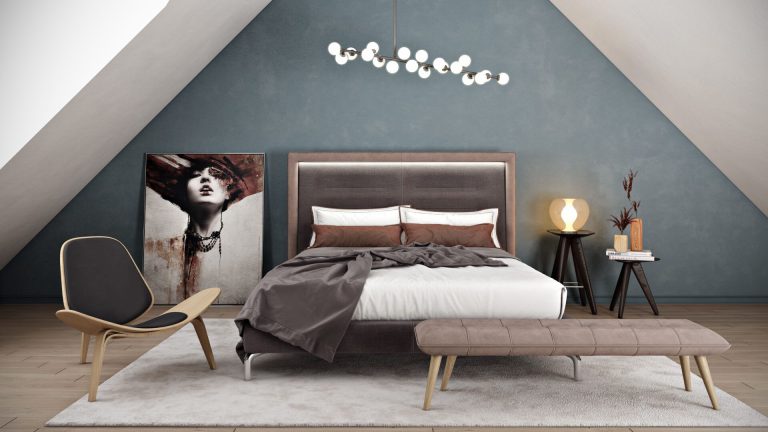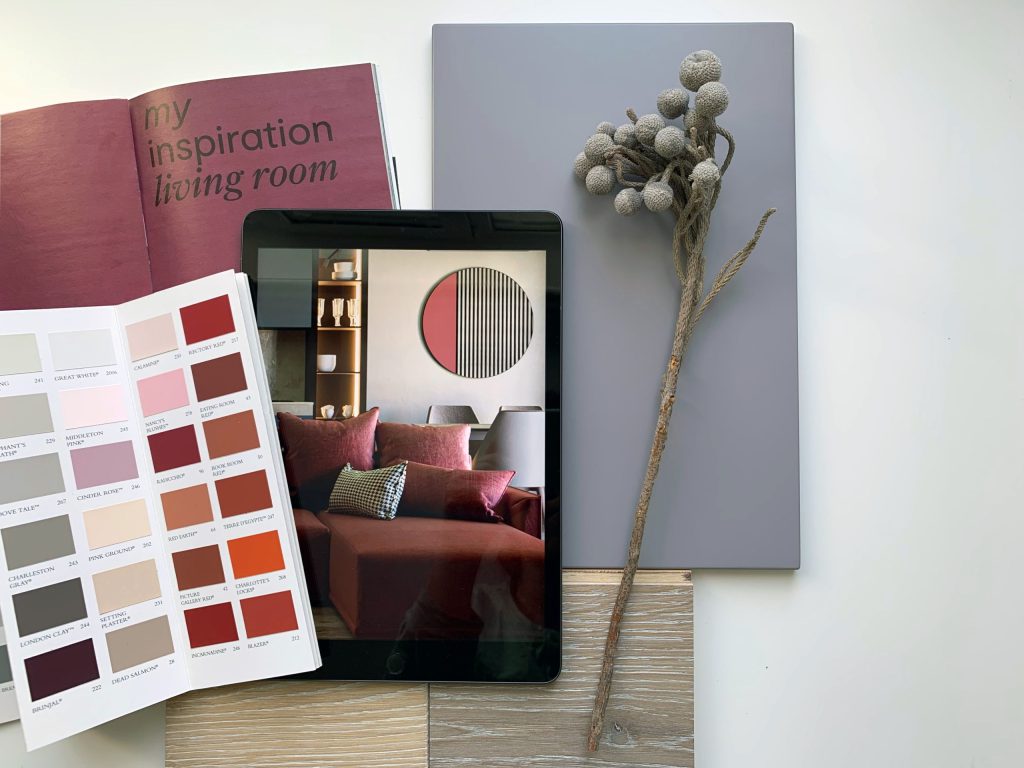
In a competitive furniture market, standing out and catching the eye of potential customers is not an easy task. And, unfortunately, a manufacturer can’t just hope it will happen on its own. That’s what marketing is about: making sure that your furniture business doesn’t go unnoticed. There are lots of rules and tricks to successful marketing, and for someone who’s never done it before, it might seem overwhelming. That’s why our 3D rendering studio created this comprehensive furniture marketing guide. From understanding your users’ needs to acing digital marketing, we’ve got all your needs covered. So, let’s dive in together!
Chapter 1. Introduction to Furniture Marketing
First, let’s cover the basics and discuss why furniture companies need to pay attention to marketing and how our guide can help.

1.1. The Importance of Marketing in the Furniture Industry
The furniture market is quite crowded. Even if the product is of superb quality, a manufacturer can’t expect potential buyers to learn about the product on their own. Here’s where digital marketing for furniture business comes into play. Its goals are to create company awareness, boost sales, and foster clients’ loyalty. A well-executed marketing strategy helps manufacturers differentiate their products, communicate their unique selling points, and reach their target audience. Simply put, through marketing, a company stands out, attracts new buyers, and retains the existing ones. And that’s a path to increased revenue in a moment and to long-term success.
1.2. Marketing Goals and Objectives
Setting clear marketing goals and objectives is a must-have for furniture manufacturers. A great way to check whether the goals are approached in the right way is by using the SMART framework. What it says is that the objectives should be specific, measurable, achievable, relevant, and time-bound. Planning frameworks such as the RACE marketing model help connect those goals to each stage of the customer journey.
What are the examples of common marketing goals in the furniture industry? They can include:
- increasing awareness,
- increasing sales,
- expanding market share,
- enhancing consumer satisfaction, and
- fostering brand loyalty.
Different goals require different approaches. To know what actions a company should take, it should be very clear on where it’s going.
So, setting defined goals helps manufacturers tailor their marketing strategies to them and measure whether they were successful.
1.3. Scope and Structure of the Guide
The furniture marketing guide offers an extensive discussion on various marketing strategies and techniques that can be employed by companies. The guide focuses on various facets of marketing, starting from targeting the right audience to measuring the performance of your marketing efforts. This guide discusses each topic in detail along with helpful tips and trends for furniture marketing.
Without any delay, let’s begin!
Chapter 2: Understanding Your Target Audience
This is Chapter 2 of our furniture marketing guide where we talk about how you can understand and segment your target audience.

2.1. Market Segmentation
Market segmentation is the first step in developing a successful marketing strategy regardless of the industry. A marketer divides potential buyers into distinct groups based on common characteristics. They can include:
- demographics (age, income, household size, gender, and so on),
- location,
- lifestyle,
- and buying behavior.
By doing this, one can better understand the needs and preferences of each group. This is necessary to tailor the marketing messages and offerings to appeal to specific segments. Even the best-written copy or discount will fail if they are not relevant to the people they are sent to.
2.2. Client Needs and Preferences
Comprehension is key to designing and promoting furniture products that will be relevant to the intended consumers. The manufacturer or marketer needs to carry out adequate market research in order to know what the consumer is seeking.
There are several techniques used to collect such information; examples include surveys, focus groups, interviews, and analyzing consumer data.
This information may help a manufacturer develop the right product and marketing strategy. In other words, the more a firm knows about its intended market, the better the chances of selling the produced furniture.
2.3. Developing Customer Personas
Personas are an excellent way to define and visualize the ideal customer. The marketers develop personas for each segment, which are based on the demographics, lifestyle, buying behavior, and design preference.
In essence, it is essential to understand that effective personas are those that have been derived from reliable research and data analysis. Demographics, lifestyle, buying behavior, and problems all help in forming the persona.
These personas work as a useful shorthand for humanizing one’s consumers and keeping them in mind when tailoring marketing strategies and proposals. If the personas correlate with reality, they help to ensure the messaging and strategies resonate with the target audience on a personal level.
But how does one learn about their target audience and its segments?
2.4. Market Research Techniques
Market research is a crucial component of understanding your target audience. There are various techniques one can use to gather data and insights.
Primary research methods include surveys, interviews, and focus groups.
Secondary research methods are analyzing existing data and industry reports.
Research techniques are adjusted according to the existing goals and resources and are used to inform marketing strategies, furniture development, and customer service approaches. Of course, from time to time, the research phase should be repeated to check if the previous findings are still relevant and up-to-date.
Chapter 3: Brand Identity
This chapter of our furniture marketing guide covers the importance of creating a strong identity and the ways one can achieve that.

3.1. Elements of Brand Identity
Brand identity is the visual and emotional representation of the furniture company. It includes various elements, from logo and color palette to tone of voice and even values. Different elements work together to create a consistent and recognizable image and vibe and help consumers differentiate a company from competitors.
All elements should be cohesive, memorable, and reflective of the company’s values and unique selling points. Let’s get into more detail on what constitutes brand identity.
3.2. Defining Values and Purpose
It is essential for any furniture brand to be able to define its core values and its sense of purpose. Not only do they help to develop and market furniture items, but they also speak to customers on a more profound level. Whatever the values might be – sustainability, innovation, or client satisfaction – they create the story of a brand.
3.3. Visual Identity and Branding Elements
It is important for a business to have a well-developed image that would help in recognition. It involves the development of logos, colors, fonts and images that would represent the values of the company and would appeal to its targeted customers. Product images are a big part of that identity, as our article on 3D visualization in the furniture industry explains.
3.4. Tone of Voice and Messaging
This includes the tone and style with which the company communicates to its audience. It must be distinct, a reflection of the character of the manufacturer, and consistent. The luxury manufacturer that uses elaborate literary language would easily stand out from the affordable one that speaks in a neighborhood style.
Good and convincing messages are necessary for persuading potential buyers about the values and unique features of the company.
3.5. Differentiation

In competitive market conditions, the differentiation of one company from others is an essential thing. First of all, it should focus on the highlighting and demonstrating of unique selling propositions. What could they be? For instance, the original design, top-quality material, or excellent customer service.
Having identified unique selling propositions of their brand, a marketer creates a proper value proposition and communicates this message to the customers who look for such qualities.
3.6. Building Brand Equity
Brand equity is the worth of the business in the mind of the consumer. The creation of brand equity happens through customer experiences, marketing activities, and associations.
Creation of brand equity is an all-encompassing approach in the sense that it involves offering high-quality furniture and customer services together with consistency in terms of identity. Strong equity also shapes how far a label can move into new categories, a choice explained in brand stretch vs brand extension.
A marketer should engage with the clients through social media, events, and other touchpoints to foster client loyalty and positive word of mouth marketing. Over time, strong equity will translate into increased buyer preference, recognition, and higher sales.
3.7. Employee Engagement and Advocacy

Employees have a great potential to become advocates. It means that they can promote the values and message of their employers. Getting involved in a company’s mission and motivating employees to participate actively in marketing activities is helpful in promoting it.
3.8. Consistency in Messaging
Consistency in messaging helps reinforce brand identity. Thus, the target audience perceives and memorizes the brand of the furniture manufacturer.
As a business develops and many different people work on different communication channels (content writer, social media manager, designer), it may become challenging to keep this consistency. For these purposes, it makes sense to create a brand book. In such a way, a company describes how to use its logo, color palette, font styles, tone of voice, and other elements. All marketing materials, packaging, and communication should follow the guidelines of a stylebook.
3.9. Monitoring and Managing Reputation
Reputation is a valuable resource that affects the client’s perception and decisions. It is important to monitor the feedback, social media, and reviews in order to understand how people perceive a company. Positive reputation needs to be maintained constantly.
Chapter 4: Positioning and Pricing Strategies
How much a manufacturer can charge for its items and how it’s connected to what it tells about itself? Let’s see in this chapter of our furniture marketing guide!

4.1. Positioning Strategies
Product positioning means creating a distinct image and perception of the furniture in the minds of the target audience. Is it a luxurious company? An artsy one? A go-to for office chairs or outdoor relaxation furniture? Effective positioning helps to understand the unique value and benefits of the products. Because of this, they are more likely to choose a company over competitors. Simply put, if the job is done right, they will think of this specific manufacturer over the others when contemplating a purchase.
Developing positioning is the next step after researching the target audience and developing a brand voice. It relies on the previous research and decisions associated with it. Just like unique selling points, positioning should be clear in all marketing materials.
4.2. Competitive Analysis
Nothing exists in a vacuum, and knowing one’s competitors is essential. Competitive market analysis helps to understand the competitors’ strengths and weaknesses, as well as identify the opportunities for a furniture manufacturer.
What does one pay attention to when conducting a competitive analysis?
- furniture offerings,
- pricing strategies,
- marketing tactics, and
- reviews.
There are direct and indirect competitors, and there’s a sense of paying attention to both of them.
This allows marketing specialists to uncover gaps in the market and areas where a specific furniture manufacturer can excel. For example, if there’s a lack of affordable outdoor furniture, that’s a niche one can choose to occupy. (Of course, if it’s a viable strategy. If there’s no outdoor furniture on the market because you live in a Polar zone… well, maybe not a good idea to go there.)
These insights can be used to inform furniture development, positioning, and marketing strategies. Like with any research, from time to time there’s a sense of refreshing knowledge.
4.3. Pricing Methods

Pricing strategies are diverse, with cost-based and competitor-based pricing being common approaches. Determining the right pricing approach requires a deep understanding of production costs, market demand, competitor prices, and perceived client value. Manufacturers must balance profitability with competitiveness, positioning their offerings attractively in the eyes of consumers.
Common pricing strategies include:
- Cost-plus pricing means adding a markup to the cost of producing an item to determine its selling price. The markup is set to cover overheads and provide a profit margin.
- Market penetration pricing involves setting a low price for a new product to attract buyers and gain market share quickly. Once the item establishes a strong market presence, the price may be gradually increased.
- Value-based pricing sets the furniture’s price based on the perceived value to the buyers rather than the cost of production. Prices are aligned with the product’s benefits and the value it offers to consumers. This method can maximize profits but requires a deep understanding of client needs and preferences.
- Skimming pricing sets a high initial price for a new or innovative furniture item, targeting clients willing to pay a premium for the latest technology or design. Over time, as demand from these early adopters is satisfied, the price is lowered to attract a broader client base.
- Competitive pricing, one of the most popular in the industry, means setting prices based on what competitors are charging for similar furniture pieces. The goal is to stay competitive by pricing furniture offerings similarly or slightly lower than competitors.
- Premium pricing, on the other hand, involves setting prices higher than competitors to reflect the superior quality, exclusivity, or prestige of a furniture piece. This approach targets consumers who are willing to pay more for perceived added value, such as luxury, performance, or status.
All of these strategies have their pros and cons. Choosing the right one goes hand in hand with the positioning.
Chapter 5: Compelling Portfolio
This part of our guide deals with one of the most important steps in marketing strategy, as a portfolio helps to establish and communicate what a company sells, not just _how__._

5.1. Design and Development
Design and development play a pivotal role in the creation of market-oriented furniture which is not only functional but attractive too. Cooperation with designers, knowledge of trends prevailing in the industry, and high-quality material used in production provide for the formation of a good furniture portfolio that will be able to attract customers and keep them loyal. Furniture portfolio becomes a cornerstone of success. With 3D rendering services, new pieces can be shown in the portfolio before the first sample is produced.
5.2. Product Line Strategies
Well-developed furniture line makes it possible to serve diverse customer segments in terms of product design, price, and functionality. It is necessary to control the performance of individual furniture products and manage the portfolio accordingly.
5.3. Product Life Cycle Management
The management of a product life cycle, which consists of such stages as launch, growth, maturity, and decline, presupposes proper strategic decisions about marketing, pricing, and furniture production. The launch stage needs its own plan, outlined in our guide to product launch marketing.
5.4. Managing Product Cannibalization
The so-called cannibalization occurs when a company’s new furniture design eats into the sales of one of its existing products, potentially reducing overall sales revenue or market share for the company. This typically happens when both pieces appeal to similar customer segments. Strategically managing product cannibalization involves assessing the impact of new products on existing offerings and making informed decisions to optimize the overall portfolio. Minimizing negative impacts while leveraging opportunities for innovation and market expansion is key to sustained growth.
Chapter 6: Marketing Channels and Tactics
The next part of our furniture marketing guide covers the online and offline marketing channels. Exploring and diversifying them is a vital step in marketing.

6.1. Traditional Marketing Channels
Even in a digitally dominant era, traditional marketing channels maintain their relevance for certain audiences and objectives. What are those?
- print advertising (a newspaper or a furniture magazine);
- television commercials;
- radio ads;
- direct mail (brochures, catalogs, flyers);
- outdoor advertising (billboards, posters);
- telemarketing,
- trade shows and furniture exhibitions.
Furniture manufacturers have to assess the effectiveness, reach, and ROI of these channels and integrate them into a comprehensive marketing approach. For concrete formats to try, see these furniture advertisement ideas.
6.2. Digital Marketing Channels
Digital channels offer precision targeting and analytics, from SEO and social media to email marketing and online ads. Developing a branched online presence and strategic use of digital marketing enable companies to connect with their audience, showcase their products, and drive sales effectively. To learn more, address Chapter 7 of our furniture marketing guide, as it’s fully dedicated to digital marketing. Each option is described in our overview of digital marketing channels.
6.3. Choosing the Right Mix of Marketing Channels
The optimal marketing mix varies by target audience and objectives, requiring a customized approach. The most important thing is to keep evaluating the performance of all channels and be flexible. If something doesn’t work, it should be dropped. Constantly monitoring performance ensures the marketing mix remains effective in reaching and engaging the target market. Neighboring categories face the same choices, as these tips on home appliances marketing strategy show.
6.4 Budgeting and Resource Allocation
To continue the previous point, strategic marketing resource management is critical. Manufacturers prioritize investments based on channel performance, market trends, and business goals. Knowing what works for the company and what doesn’t allows us to focus the resources on the right marketing channels.
Chapter 7: Digital Marketing for Furniture Manufacturers
We’re all online all the time, so digital marketing is vital for a furniture manufacturer. Let’s get into the part of our guide covering how to market furniture business online! Our article on digital marketing for furniture business covers this topic in more depth.

7.1. Website Optimization
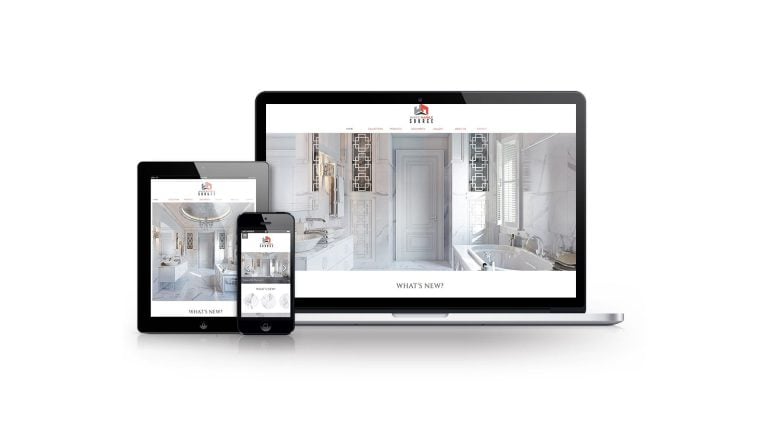
An optimized, user-friendly website with a well-developed UI/UX design serves as the cornerstone of digital presence. It showcases the products and facilitates engagement. Incorporating SEO best practices improves visibility, attracting traffic and potential buyers.
Can small sellers start working their furniture on social media (for example, on Instagram)? Yes. But at some point growth becomes no longer impossible without a website with a portfolio and e-commerce features.
Check every page on a phone first. Shoppers often arrive from a social post or an email on their phone, and if menus, images or the search box are too small to tap, they go to a competitor instead of switching to a computer.
Product pages also sell better when shoppers can interact with the item. A 360 view lets them turn a piece around, and a 3D configurator lets them choose the fabric, finish or size and see the result before buying. Both are built from the same 3D model as the still images. Our guide to product 3D modeling explains how such a model is made.
7.2. Search Engine Marketing
SEM strategies enhance visibility on search engines, connecting with potential buyers through targeted ads based on relevant searches. Effective SEM campaigns rely on well-crafted ads, strategic keyword selection, and optimized landing pages. More tactics are covered in our article on advertising products online.
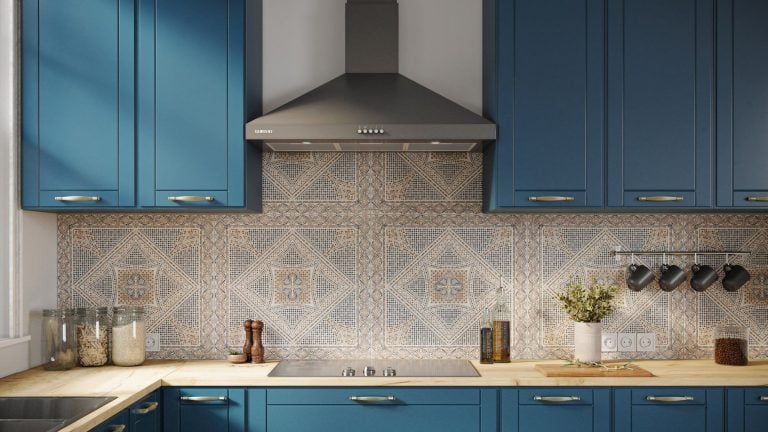
Paid search also has visual formats. Display ads run as banners on partner sites, so a simple lifestyle image with a short line of copy works best. Shopping ads look like a catalog: a single piece on a plain background or a room set. Both can be made from the same 3D model, so it is easy to run them side by side and see which one gets more clicks.
7.3. Social Media Marketing
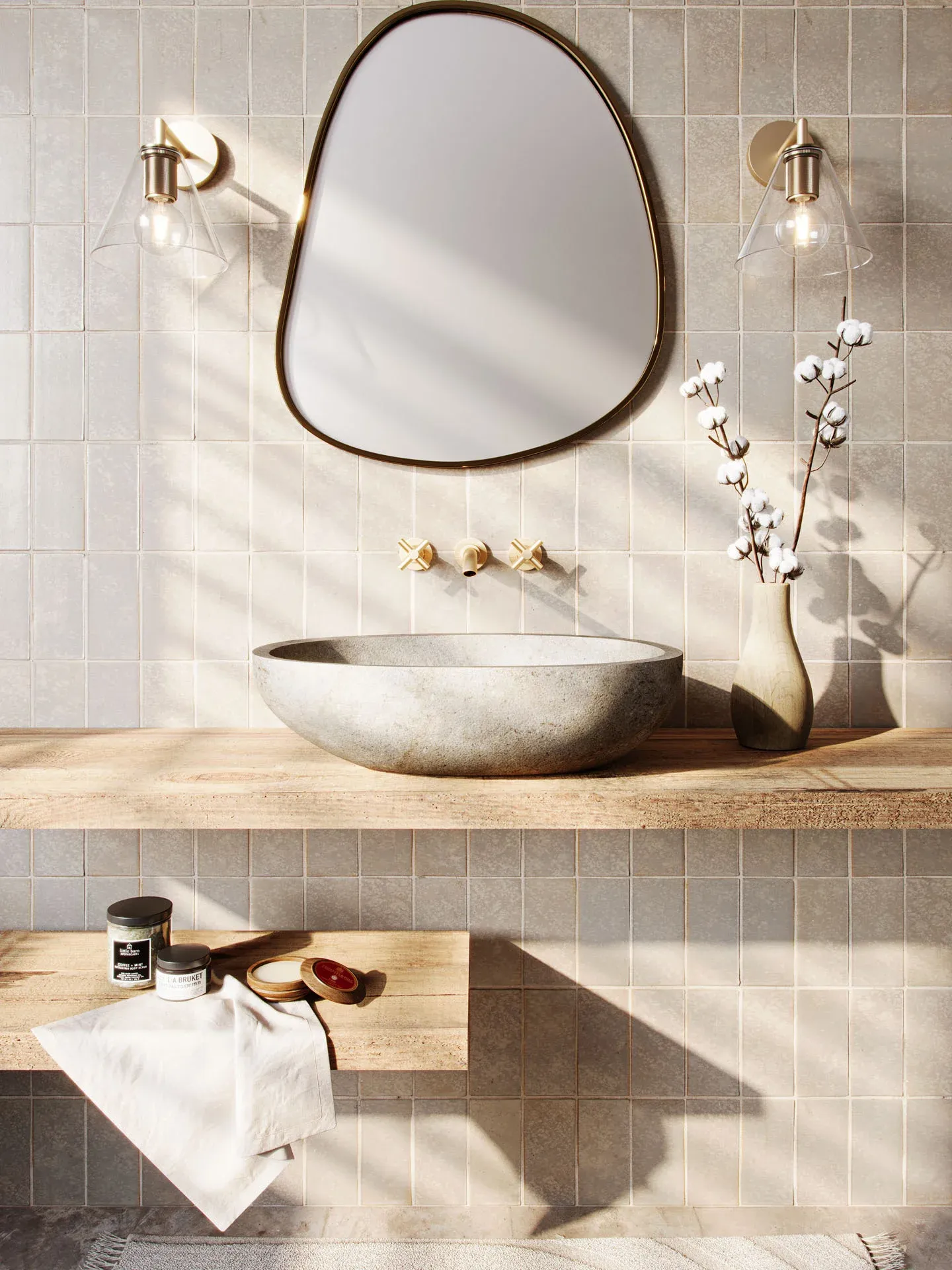
Social media platforms are ideal for visually showcasing furniture, telling the story, and engaging with the audience. Tailored content and targeted advertising on platforms like Instagram, Pinterest, and Facebook can elevate awareness and drive consumer interest. On Instagram and Pinterest, shoppable imagery lets viewers tap a product in a post and open its page.
There are several strategies to boost SMM:
- Content calendar planning allows one to post consistently, which is incredibly important for staying visible on most social media platforms;
- Visual content should always be high-quality and engaging;
- To make your visual content even more engaging, consider using animated social media video production tailored to platforms like Instagram and Facebook. These dynamic assets outperform static images in terms of engagement and are perfect for showcasing product features, announcing sales, or sharing customer stories in a fast, scrollable format.
- Encouraging to create and share user-generated content is a great way to post consistently and foster engagement and loyalty;
- Constant analytics and adjustments according to them are also critical.
A product name with dimensions is not a post. Stories work better: how a piece is made step by step, how the brand started, interviews with designers or makers. A simple frame for each post is AIDA: get attention, build interest, create desire, end with a call to action.
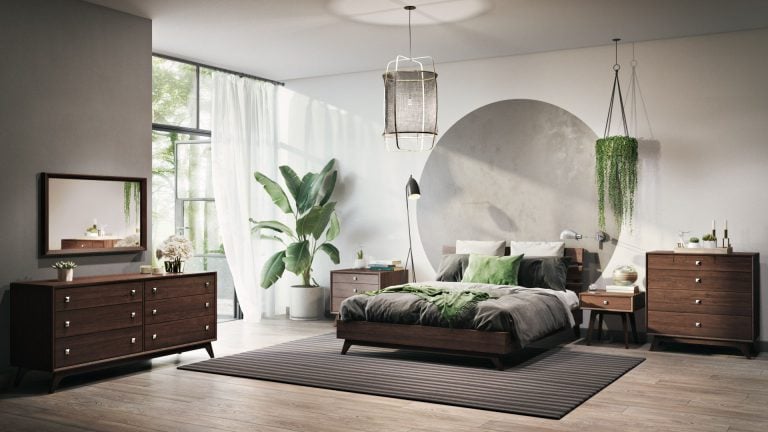
For visuals, alternate three types: close-ups of texture and details, lifestyle images of the piece in a room, and short product animations. On TikTok and Reels, skip the classic presentation video and try formats people actually watch, such as an assembly guide, a how-to or a look at the manufacturing process. All of these can be made as 3D animation, without a film crew or a set.
7.4. Email Marketing
Email marketing facilitates direct communication with clients, offering a platform for promoting new products, sharing offers, and building loyalty to a label. Personalized content and targeted campaigns enhance engagement and encourage repeat business.
An important thing to build an email list is offering something valuable: discounts, educational content, and personalized product recommendations.
Place the subscription form next to a banner with a strong product image and a clear reason to sign up. After that, send content people can use: the top products of the month, a style or decor tip, a selection of pieces for one room. For seasonal campaigns, the festive version of a lifestyle image can be made by adding holiday decor to an existing 3D scene instead of organizing a new shoot.
Knowing the target audience is vital for creating emails that will be efficient. Even the best-crafted copy will fail if it doesn’t resonate with its receiver.
The performance of ecommerce email marketing campaigns should be constantly monitored and adjusted to optimize open rates, click-through rates, and conversions.
7.5 Content Marketing
Through valuable and informative content, manufacturers and marketers can attract and engage their target audience beyond traditional sales tactics. Blog posts, videos, and guides that offer design inspiration and practical advice establish a company as a trusted resource, supporting client decision-making.
Chapter 8: Influencer Marketing and Partnerships
What can collaborations and partnerships do for a furniture manufacturer? Let’s see in this chapter of our guide!

8.1. Influencer Marketing
Collaborations with influencers enable furniture manufacturers to tap into established audiences, gaining visibility and credibility through endorsed content. A furniture label can partner with social media influencers, bloggers, or industry experts who have a strong following and credibility in the furniture or interior design space. This strategy extends reach and reinforces the messaging authentically and engagingly.
8.2. Strategic Partnerships and Collaborative Product Development
Forming strategic partnerships with complementary businesses or organizations can help a label expand its reach, enhance its offerings, and grow. A furniture manufacturer can partner up with interior designers, architects, real estate developers, or other related industries that share a target audience. Co-created products or limited edition collections can attract new buyers, enhance the reputation, and set it apart from competitors.
Collaborative projects also mean co-marketing campaigns. This boosts both parties as it allows cross-sharing of the audiences.
8.3. Affiliate Marketing
Affiliate marketing is using word-of-mouth strategically. A label rewards affiliates (such as bloggers, influencers, or other partners) for driving sales or leads to it. An affiliate program can offer competitive commissions and marketing support, such as promotional materials or product samples. Affiliates can promote the furniture products through their channels, providing additional exposure and driving new clients to the label.
8.5. Measuring the Success
Just like with any other marketing strategy, the success of influence marketing, collaborations, and partnerships should be constantly evaluated. Reach, engagement, leads, and sales attributed to these initiatives are the metrics a manufacturer pays attention to. This data is used to refine the partnership strategies and identify the most valuable and effective collaborations.
Chapter 9: Measuring Marketing Performance
We’ve already talked about performance metrics and analysis a few times. Now our furniture marketing guide delves into it in more detail, as it’s a vital part of any strategy.

9.1. Key Performance Indicators (KPIs)
For furniture manufacturers, identifying and tracking key performance indicators (KPIs) related to marketing efforts is crucial for assessing success and making informed decisions. Relevant KPIs might include different metrics:
- website traffic,
- social media engagement,
- lead generation rates, and
- sales conversions.
Regular analysis of these indicators allows businesses to understand the effectiveness of their marketing strategies and make necessary adjustments.
9.2. Analytics and Reporting Tools
Using analytics and reporting tools is essential for gathering data on marketing performance and user behavior. Tools such as Google Analytics, social media analytics platforms, and email marketing software provide insights into user engagement, conversion rates, and campaign effectiveness. This data is invaluable for continuous improvement of marketing strategies and tactics.
9.3. A/B Testing and Experimentation
A/B testing, or split testing, is a method for comparing two versions of a marketing element (such as an ad, web page, or email) to determine which performs better. Furniture manufacturers can use A/B testing to refine marketing messages, design elements, and promotional offers. This allows them to optimize their marketing efforts for better engagement and conversion rates.
9.4. Feedback and Reviews
Gathering and analyzing feedback and reviews offers direct insight into the market’s reception of the products and marketing strategies. This feedback can highlight areas of success and identify opportunities for improvement. Encouraging positive reviews and addressing negative feedback promptly can also enhance a label’s reputation and client satisfaction.
9.5. Continuous Improvement and Iteration
The landscape of marketing is ever-evolving, necessitating a mindset of continuous improvement and flexibility in marketing strategies. By staying attuned to industry trends, feedback, and performance metrics, furniture manufacturers can adapt and innovate their marketing approaches to maintain relevance and effectiveness in a competitive market. Reviewing product advertising trends regularly helps spot formats worth testing next.
Chapter 10: Customer Relationships
Building relationships with one’s clients is a crucial part of any business’s activities. So, let’s dive into this part of our guide!

10.1. Personalization and Targeted Marketing
Remember we’ve talked about market segmentation in Chapter 2 of this guide? It’s time to come back to it again.
Once a business has done its homework, and defined the customer segments, it can use it to personalize its marketing message. Analyzing the data from CRM, website interactions, as well as past purchases, preferences, and more all play a part in this. Targeted marketing campaigns can better resonate with individuals, foster stronger connections, and enhance loyalty.
10.2. Customer Relationship Management (CRM)
A robust CRM system enables furniture manufacturers to manage and analyze customer interactions and data. By using CRM insights, labels can optimize their sales strategies, marketing campaigns, and client service practices, delivering a more personalized and satisfying client experience.
10.3. Retention Strategies
Getting new clients is way harder than retaining the existing ones. So, implementing effective retention strategies is vital for sustaining long-term business growth. This might include loyalty programs, exclusive offers, and regular communication to encourage repeat business. Prioritizing client satisfaction through quality products and exemplary service is fundamental to retaining a loyal user base.
A loyalty program works when members feel singled out: exclusive deals, personal letters, brochures with offers only club members receive. Add a referral reward for customers who bring in new buyers. It keeps existing clients engaged and turns them into a source of new ones.
10.4. Customer Service Excellence
Outstanding customer service sets a furniture business apart in a competitive marketplace. Training customer service teams to provide knowledgeable, empathetic, and responsive support across multiple channels can significantly enhance client satisfaction and loyalty. Regular assessment and improvement of customer service practices ensure that the business continues to meet and exceed buyers’ expectations. More ways to improve furniture retail customer experience are collected in a separate article.
Chapter 11: Adapting to Market Trends and Innovations
In this chapter of our furniture marketing guide, we’ll discuss how a business can stay ahead of the curve and stay relevant.

11.1. Staying Informed on Industry Trends
The furniture market is dynamic, with evolving furniture ecommerce trends and tendencies in design, consumer preferences, and technology. Businesses that stay informed and adapt to these changes can better meet clients’ expectations and maintain a competitive edge. Regular market research, attending industry events, and engaging with design communities are ways to stay connected and informed. Following furniture manufacturing trends shows where materials, production and design are heading.
Explore types and features of 3D modeling service to enhance your visual marketing like never before.
11.2. Incorporating Sustainability and Eco-Friendly Practices
Sustainability is increasingly important to consumers, influencing their purchasing decisions. Furniture businesses that adopt eco-friendly materials, sustainable production practices, and transparent supply chains can appeal to this growing client segment. Communicating these efforts through marketing can enhance the brand’s image and appeal.
11.3. Embracing Technological Innovations
Technology, from 3D product rendering for furniture, augmented reality (AR) for virtual product visualization, to artificial intelligence (AI) for customer service, is transforming the furniture shopping experience. Businesses that embrace these innovations can offer enhanced interactions, streamlined operations, and personalized marketing, setting themselves apart.
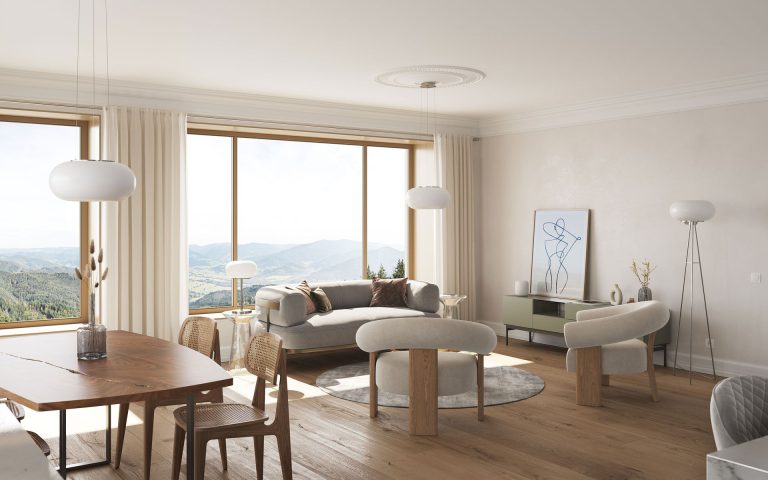
For a marketing team, the practical gain from 3D is volume and flexibility. One 3D model can be shown from any angle, in every color and material, and in a different room set for each collection or seasonal sale, with no new photo shoot every few months. Scenes can also include other pieces from the same brand next to the main product, which cross-sells items that look good together without feeling like an ad. Our explainer on what 3D product rendering is covers how these images are made.
11.4. Adapting to Evolving Consumer Preferences
Consumer preferences are subject to change, influenced by cultural shifts, economic factors, and technological advancements. Brands that actively listen to their buyers, analyze feedback, and adapt their product offerings and marketing strategies can stay relevant and appealing to their target markets.
11.5. Agility and Flexibility in Marketing Strategies
The ability to adjust marketing strategies in response to feedback, market trends, or competitive actions is crucial for sustained success. A culture of experimentation, data-driven decision-making, and responsive marketing can enable brands to navigate the complexities of the market and seize growth opportunities. Situational marketing, which ties campaigns to current events, is one way to put this agility into practice.
In Conclusion
And that’s it for our furniture marketing guide!
Navigating the complexities of marketing in the furniture industry requires a complex approach. Market research, a strong portfolio, communicating brand values, and fostering customer relationships are things a brand has to do constantly to stay ahead of its competitors. Ultimately, the goal is to create a coherent, engaging brand experience that resonates with clients and stands out. If you need a reliable product 3d modeling services partner to provide you with visuals for your portfolio and social media, get in touch with us at CGIFurniture to learn how to leverage the 3D renderings!