Product imaging is an essential aspect of any effective marketing strategy. People desire a clear picture of how the product in question, for instance, the window, will appear and function once incorporated into their environment. This is where 3D imaging of windows comes in handy. With 3D, it is now possible to showcase, tailor, and market the windows in a more interactive way than ever before.
Our lifestyle 3D rendering services give manufacturers the power to make a lasting impact. Below, we’ll explore 7 ways window rendering can improve sales and enhance buyer experience.
1. Enhanced Product Visualization

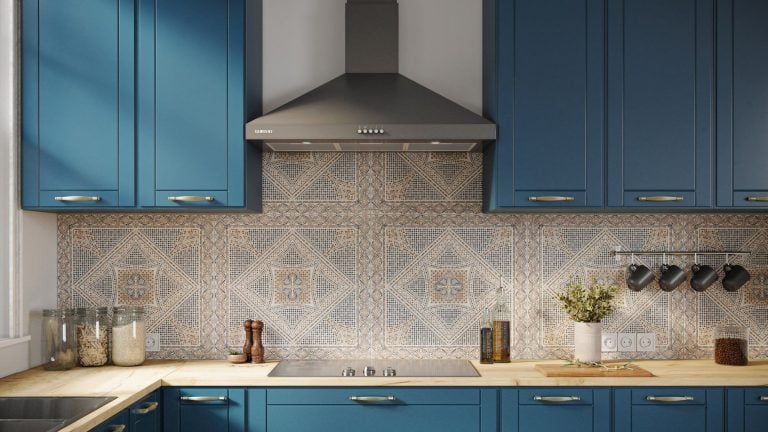
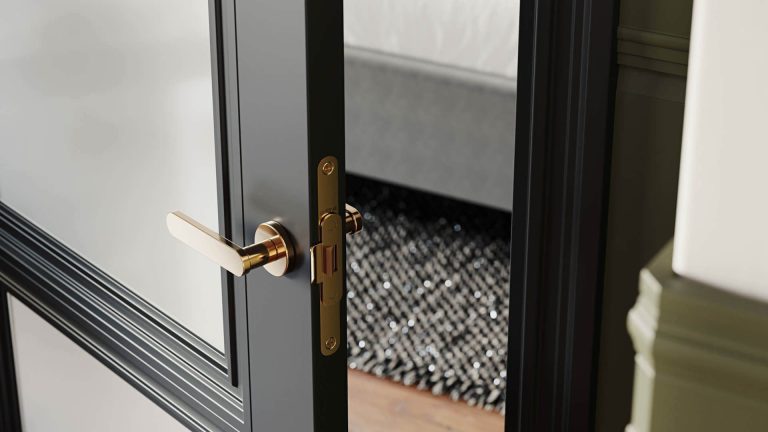
With window 3D rendering, brands can present product visuals that are not only high-quality but also highly realistic. Unlike photography, 3D rendering allows control over every detail of the image. For instance, a 3D artist can change frame textures or how a window will react to different lighting. A single render can show glass type, frame finish, and opening mechanism in one image, capturing all the intricacies that help buyers make informed decisions. CG visualization provides an accurate and engaging view of products, giving buyers confidence that what they see is what they’ll get.
Beyond static images, 3D also allows for dynamic visuals. Customers can explore close-ups, view a window from various angles, or even see it in a real-life context. This interactivity creates a tangible shopping experience that makes decision-making simpler for buyers. To learn more about types of lifestyle product images and when to use each, see our guide on lifestyle product image creation.
2. Customization and Personalization Options
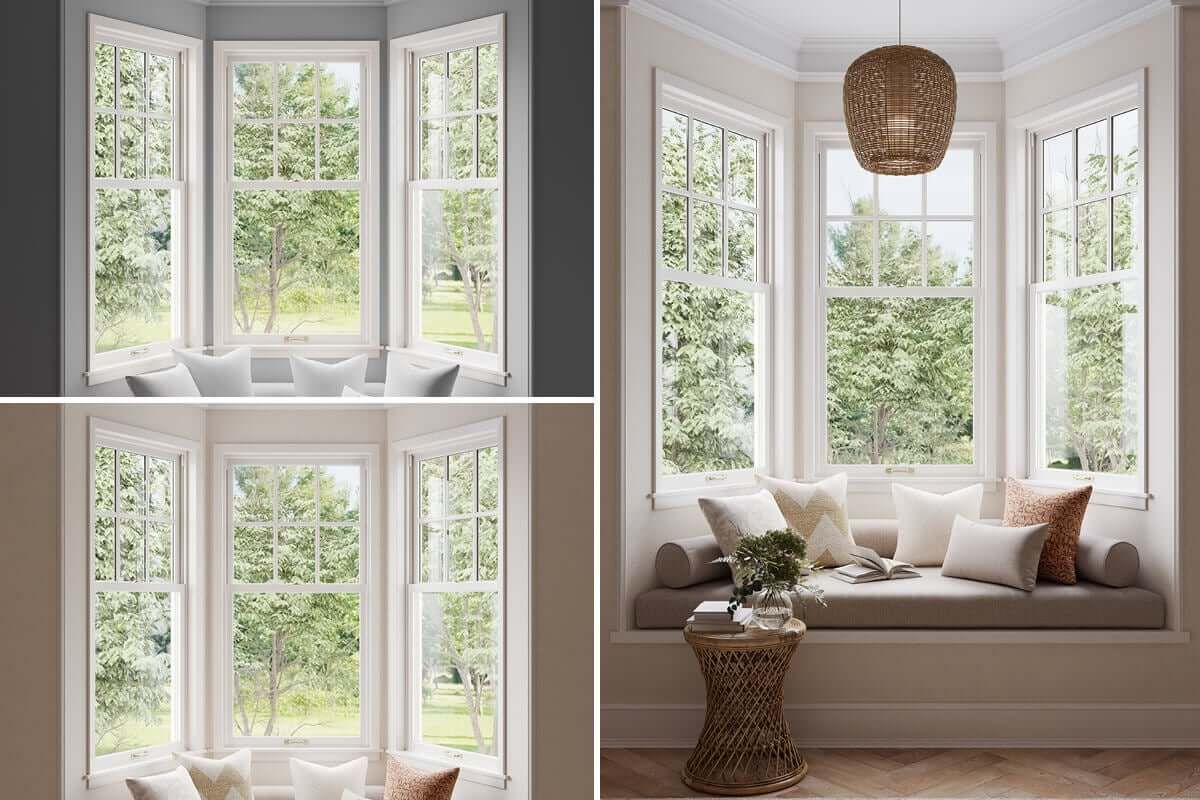
Customization is a very significant aspect of modern marketing. And so, window 3D rendering enables manufacturers to offer various design options and allows customers to personalize product elements. As a result, buyers can mix and match until they find a design that aligns perfectly with their vision.
For instance, a potential client can be able to imagine the frame of a window in various colors or pick from different types of glasses and see what suits his or her need either indoors or outdoors. In this way, it will make the goods more relevant and attractive. By presenting different options of products, manufacturers will be able to attract a large number of consumers.
3. Cost-Effective Prototyping

Traditionally, prototyping involves creating multiple physical samples, which requires significant resources. With window 3D rendering, manufacturers can prototype and refine designs digitally. This approach eliminates many of the expenses associated with physical production. Such an approach allows designers to create, test, and modify window models with ease, speeding up design development.
As a result, manufacturers can gather client feedback without the need to build a physical sample every time they make a minor change. It will allow you to minimize physical waste and maximize efficiency. As you see, 3D rendering helps companies bring products to market quicker while keeping budgets in check.
4. Real-Time Configurators
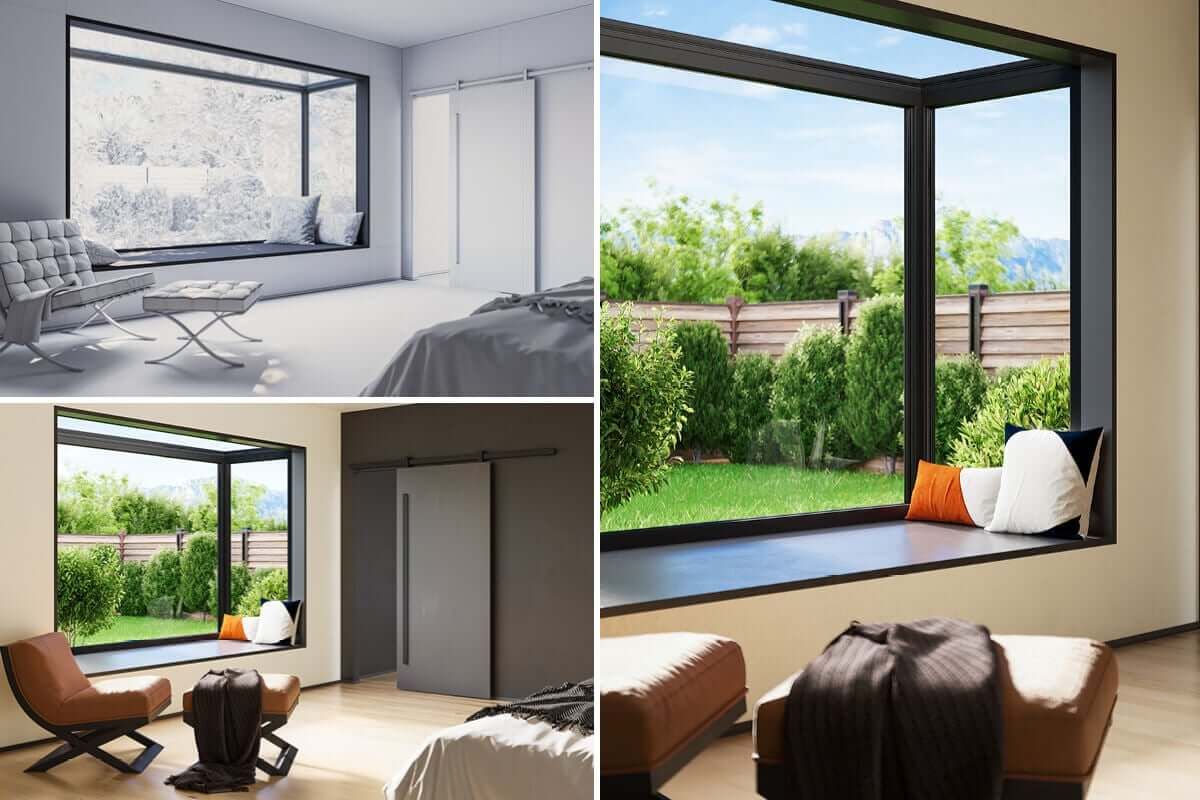
Integrating window 3D rendering with real-time configurators into websites can greatly enhance the shopping experience. This feature lets buyers experiment with design elements and see the results right away. The interactive nature of configurators appeals to customers’ desire for control and personalization. Seamless adjustments make users feel they’re actively involved in the design process. The configurator provides instant visuals, making the product accessible and increasing buyer engagement.
5. Virtual Showrooms and Augmented Reality Experiences
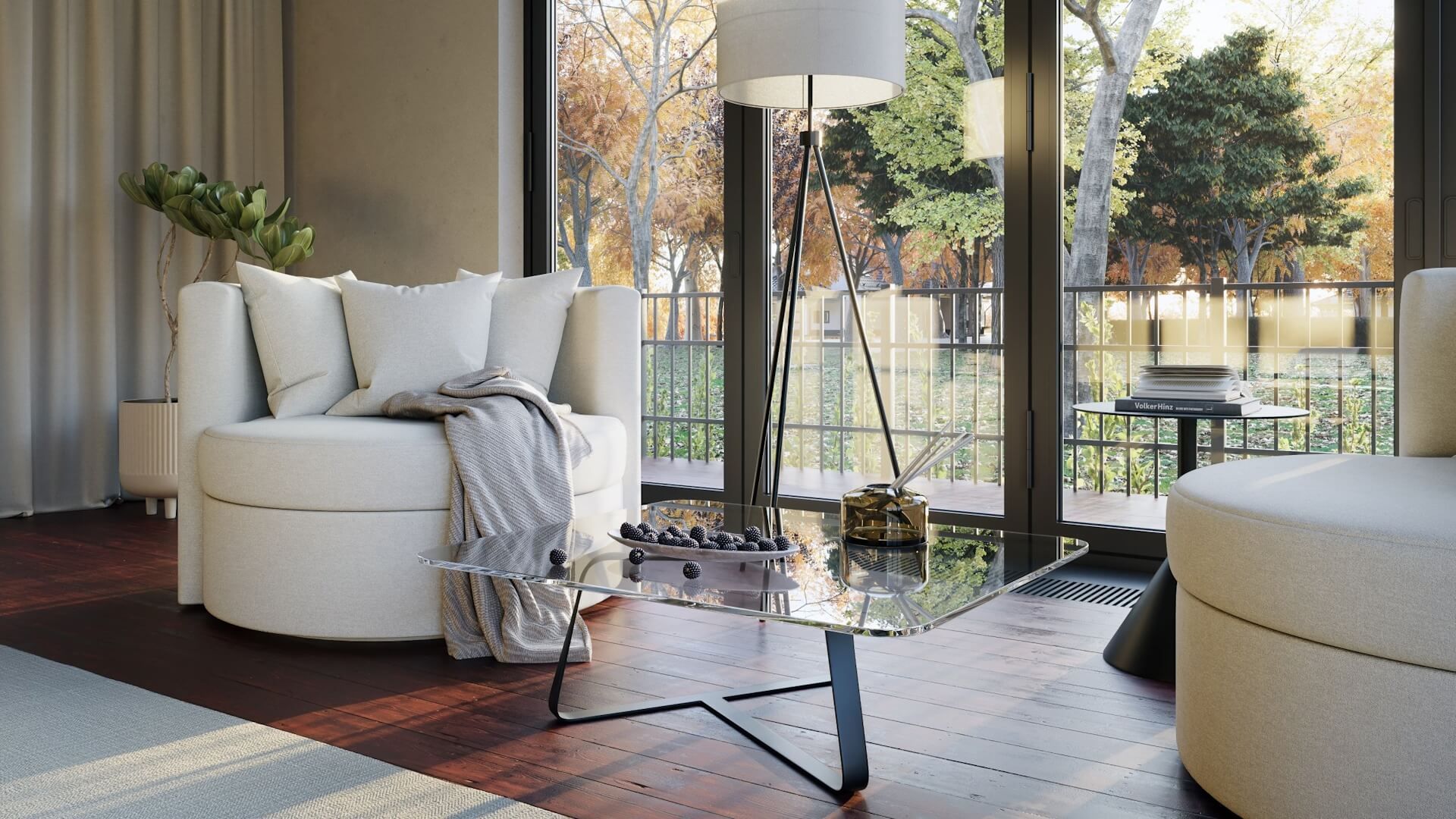
VR and AR take window 3D rendering a step further. Through AR applications, for instance, buyers can “place” a digital version of a window in their home environment. It will give them a realistic preview of how a product will look once installed. This immersive experience provides reassurance and a practical way to assess the compatibility of a window with the existing decor.
Virtual showrooms also provide a way to showcase an entire product line without the limitations of physical spaces. Customers can explore various styles and options as if they were in a showroom but from the comfort of their own homes. These tools bridge the gap between online and in-store shopping, helping people make informed decisions.
6. Sales Presentations and Marketing Materials

Integrating 3D renders into sales presentations and marketing materials can enhance the impact of promo campaigns. High-quality 3D product pictures have a polished, professional look that resonates well with the audience. Whether in a brochure, online ad, or presentation, these visuals showcase products in a way that captures attention. Window 3D rendering brings versatility to marketing by enabling images and animations to communicate design features across various platforms effectively.
7. Customer Education and Engagement
Product 3D rendering can be an effective educational tool, helping explain product features and benefits visually. Windows often have complex features – such as glass types (single, double, or triple glazing), thermal and sound insulation layers, and opening mechanisms (tilt-and-turn, lift-and-slide, etc.) – which can be challenging to understand through text description alone. 3D rendering solves this by using cutaway views and animations that reveal the internal structure, helping customers clearly see what they’re paying for and make more confident purchasing decisions.
As you can see, window 3D rendering offers a competitive edge. It transforms the way products are showcased, customized, and marketed. By adopting these tools, brands can enhance engagement, drive sales, and brand loyalty. In today’s evolving market, integrating 3D rendering into sales and marketing strategies is crucial to capturing buyers’ interest, meeting expectations, and growing the business.
Examine case studies of CGI projects to see real examples of using 3D technology for marketing purposes.
See our case studiesWant to make your windows stand out online? Our lifestyle 3D rendering services help manufacturers create compelling visuals that drive sales.