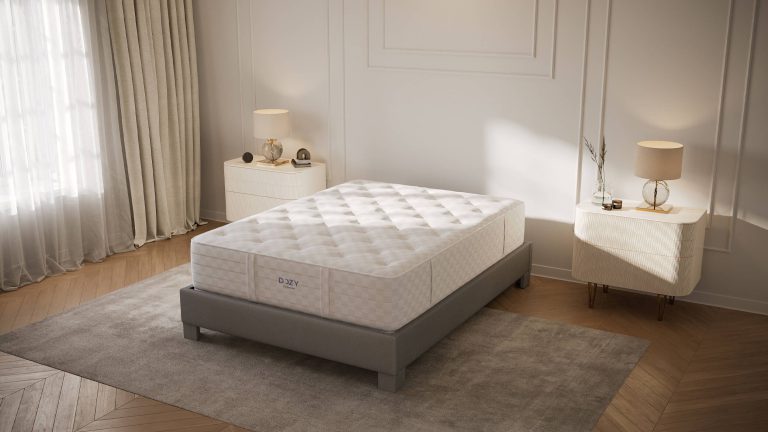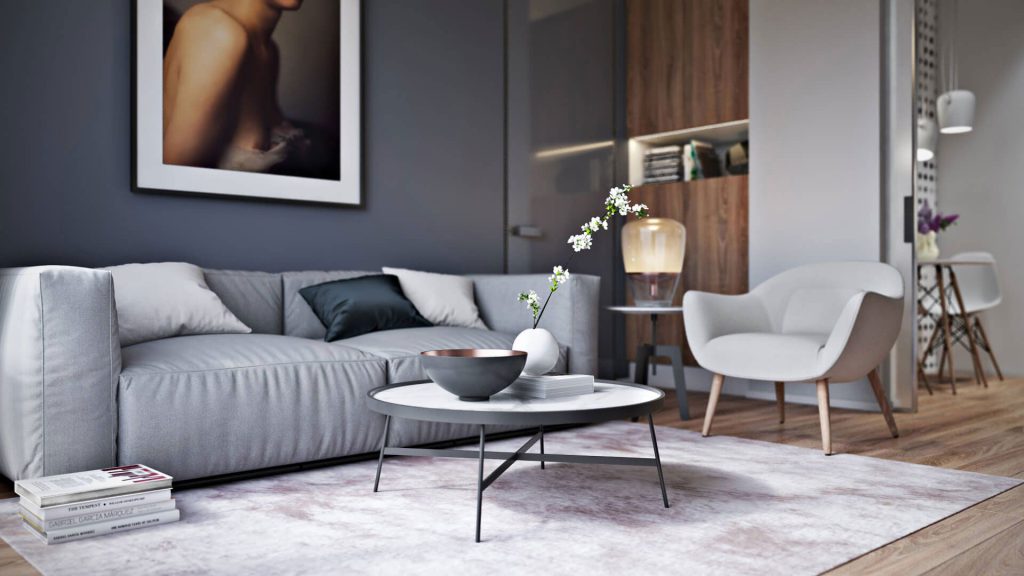
You know strong product images drive marketing results. You also know how fast a photo shoot eats a budget: equipment rental, a photographer, stylists, physical props, prototypes, decor and transport.
There’s another way. With 3D product rendering services, you get 3D product images with consistent quality for digital and print.
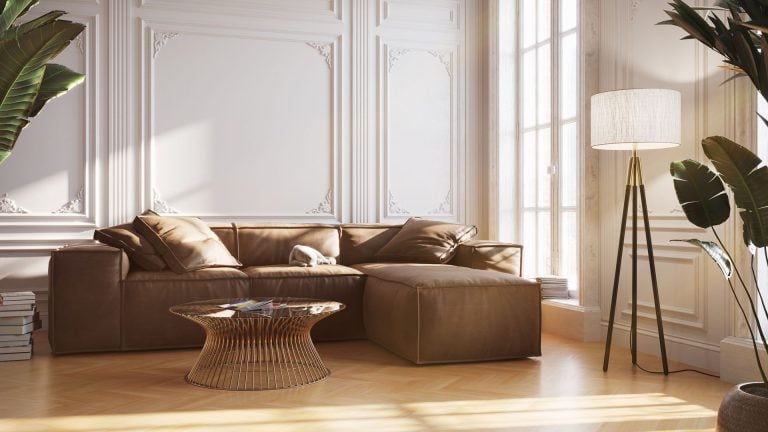
So what is it? 3D product photography, also called CGI product rendering, means creating photorealistic product images from a 3D model, not a camera. You can get multiple angles, formats and product variants without a physical photoshoot. Why does this scale? Every angle and variant comes from the same master asset, as our guide to producing product content at scale from one 3D model explains. So new collections get updated faster, and your visual style stays the same across campaigns and sales channels.
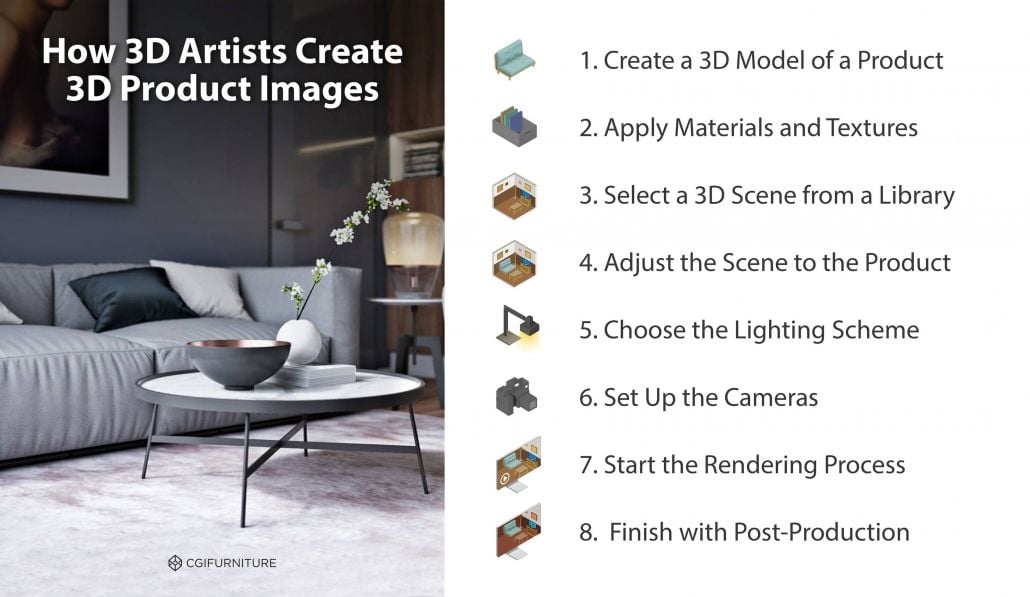
We’re a CGI company with global experience in 3D rendering product images, and the easiest way to see the advantages is to walk through the workflow. Here are the 8 steps CG teams follow to create high-impact 3D product images.
3D Product Photography vs a Studio Shoot
| Studio shoot | 3D product photography | |
|---|---|---|
| What you need | A finished sample, shipped to the studio | CAD files, drawings or photos of the product |
| New color or finish | A new sample and a new shoot | A material swap on the same model |
| Room settings | Rented or built sets, props and styling | A scene from a library of 4,432 ready-made rooms, or a custom one |
| Changes after delivery | Often a reshoot | Edits to the scene; our corrections up to 60% of the project are free |
| Reuse | The photos you shot | The same 3D model also feeds 360 spins, AR and animation |
A studio shoot still makes sense for a single hero product with a real model or a one-off campaign. For a catalog with many SKUs and finishes, 3D product photography is easier to scale. Our 3D product rendering services cover the full process described below.
1. Create a 3D Model of a Product
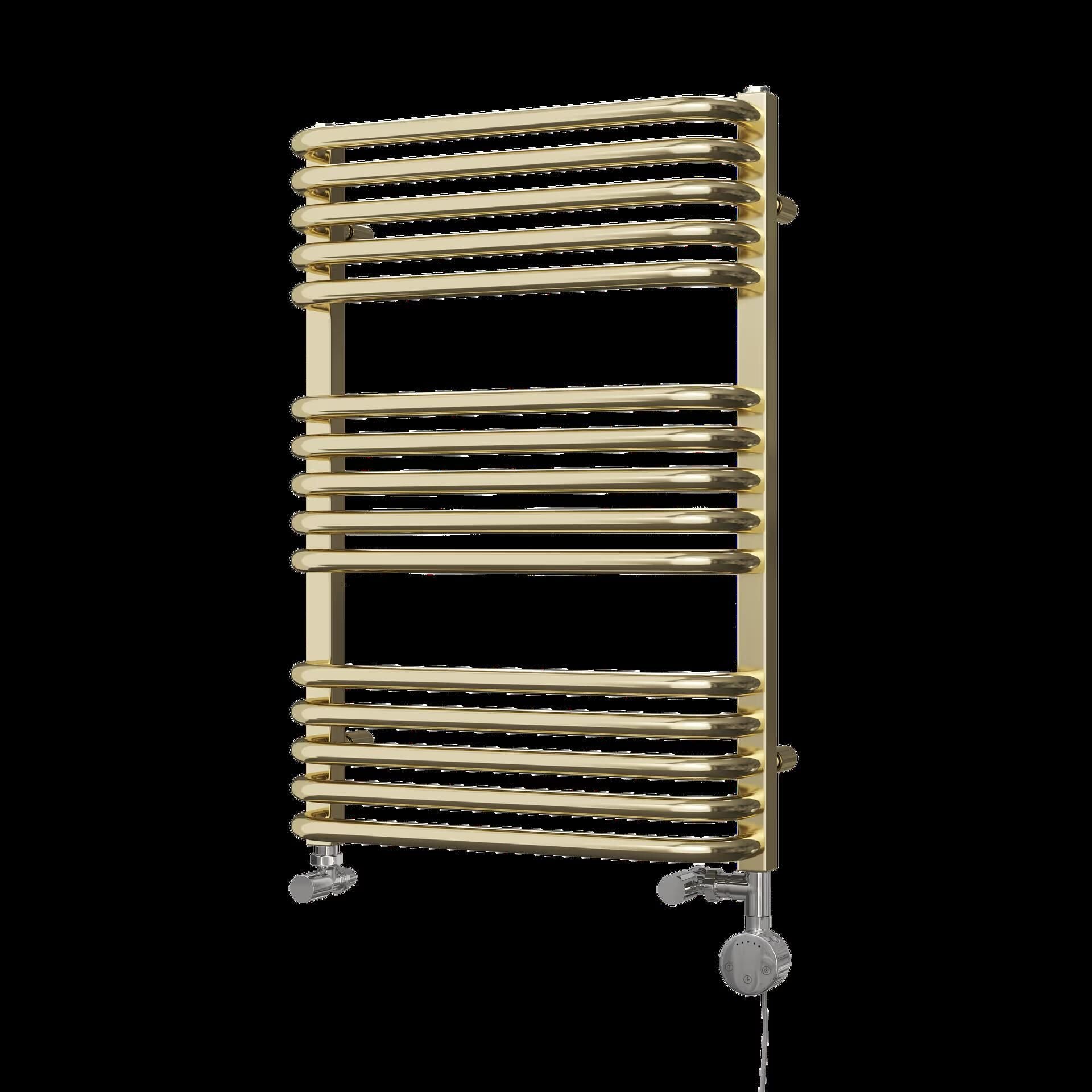
Before anything else, you need a 3D model. And for that, the studio needs your input: product photos, technical drawings, references, mood boards. The more you send, the closer artists get to the real shape, proportions and design details.
Then the modeling begins. Artists pick a method that suits the product, often polygon or spline-based modeling. Got a really complex design? It can still be rebuilt accurately.
Tempted by free models from the internet? They often look fine in a preview, but once materials go on, the defects show: uneven surfaces, broken edges, stretched textures. So studios build their own models and keep them in a library. Ours sits alongside the scenes described below.
2. Apply Materials and Textures
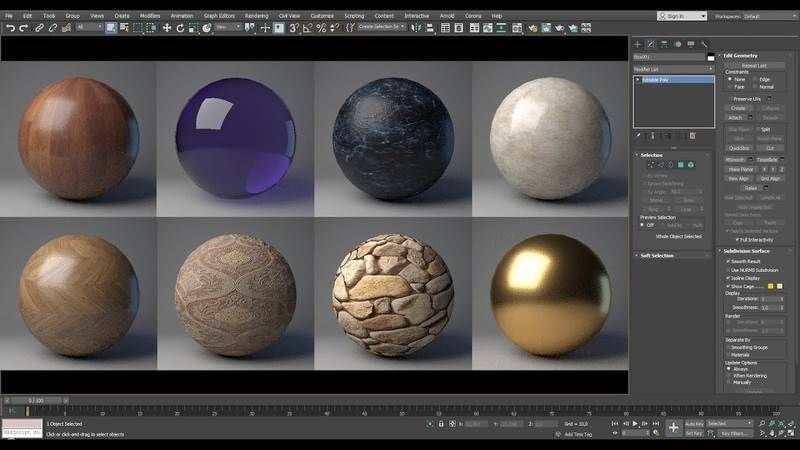
Now the model needs photorealistic surfaces. CG artists often work from a material library with both popular and rare surface types. They pick a base sample and adjust it until the surface looks clean, smooth and seamless.
Need a custom surface? CG experts can build it from scratch in 2D graphic software and tailor it to your product.
What tools do they use? 3D modeling may happen in 3ds Max, Blender or Maya. 3D texturing can be done in Substance Painter or similar software. Rendering runs on engines like V-Ray, Arnold or Octane Render. And the images are polished in Adobe Photoshop. Our 3D product rendering guide explains how these stages fit together.
3. Select a 3D Scene from a Library
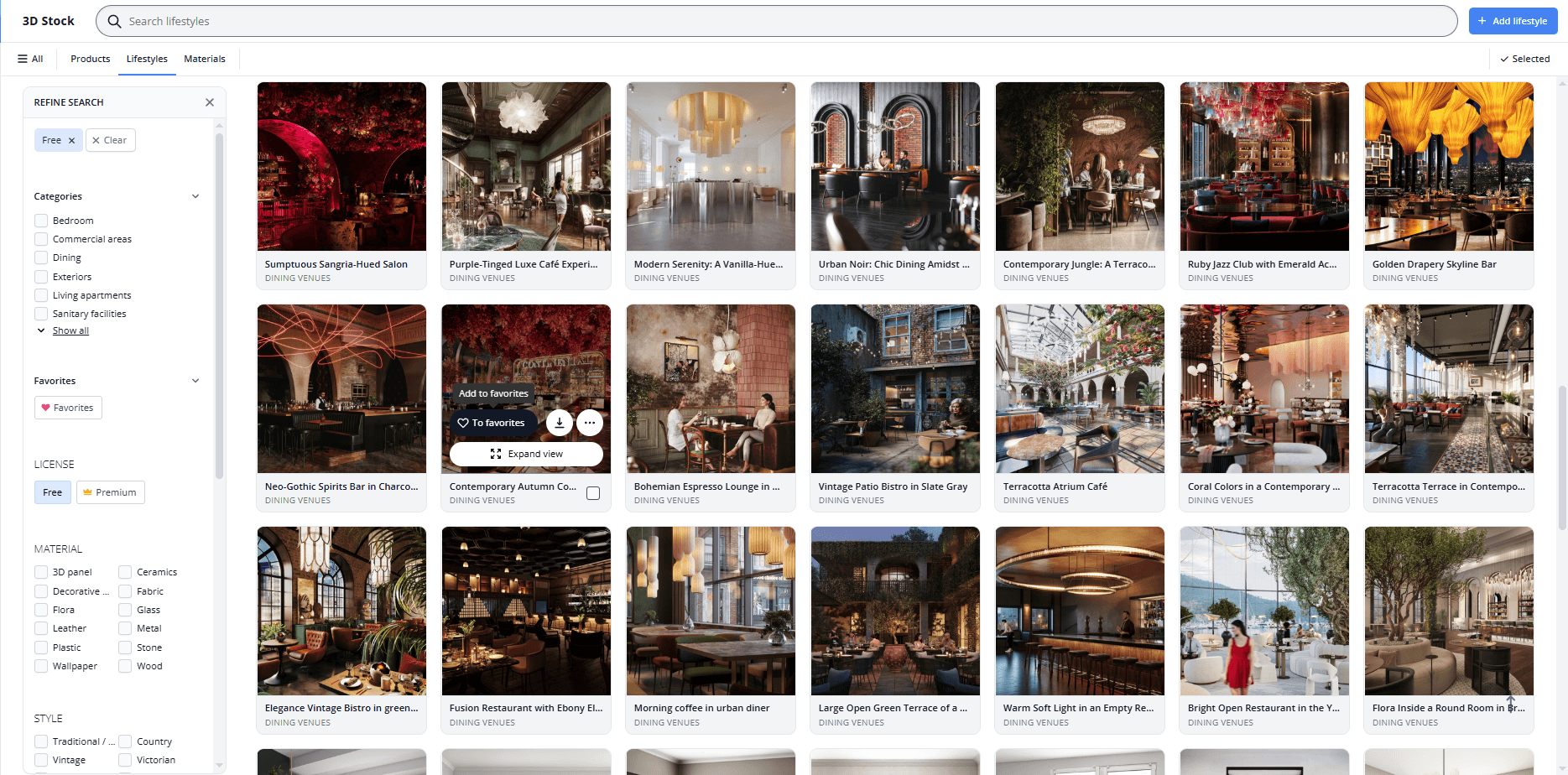
Your product needs a place to live, right? So next comes the 3D roomset. In lifestyle 3D rendering services, this is a big deal, because the room sets the mood and tells the product’s story. You’ve got two options: take a ready-made 3D roomset or build a new one.
Going custom? Artists pick an interior style, build and decorate the room, then bring in furniture and accessories piece by piece.
Honestly, ready-to-go roomsets are the usual choice. Our studio has more than 6500 scenes in its 3D library, sorted by style and color. We pick the closest match, then change it to fit each client and project.
4. Adjust the Scene to the Product
How to create 3D product images that look organic with ready-made backdrops? You can’t just drop the product in and expect a premium result. CG artists adjust the roomset first.
They can add or delete objects, move things around and tweak colors, until the roomset fits the product and the story.
When to Move Away from a Neutral Roomset
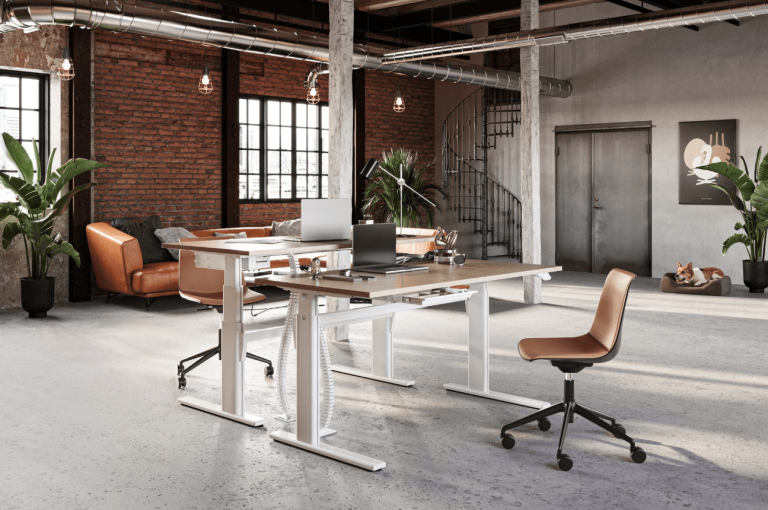
Many manufacturers show every product in a minimal, neutral room because it feels safe. It works for a catalog, but it makes listings look alike. Adjusting the scene is also the moment to try something different:
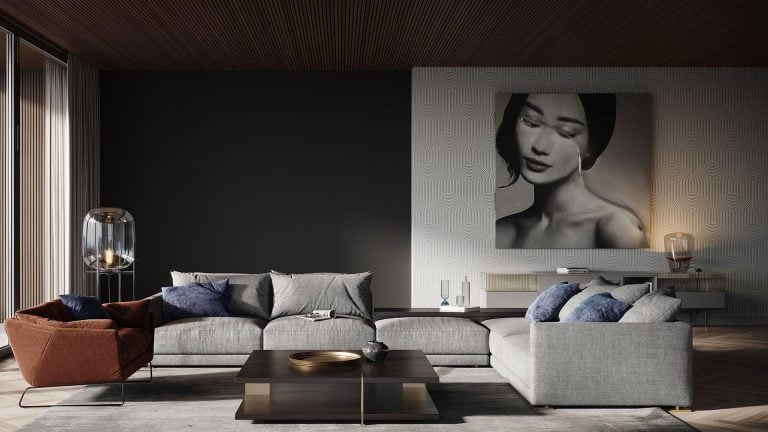
- A different interior style. The same bed in a Japanese-style room tells a different story than in a Scandinavian one, and can reach buyers the usual style does not.
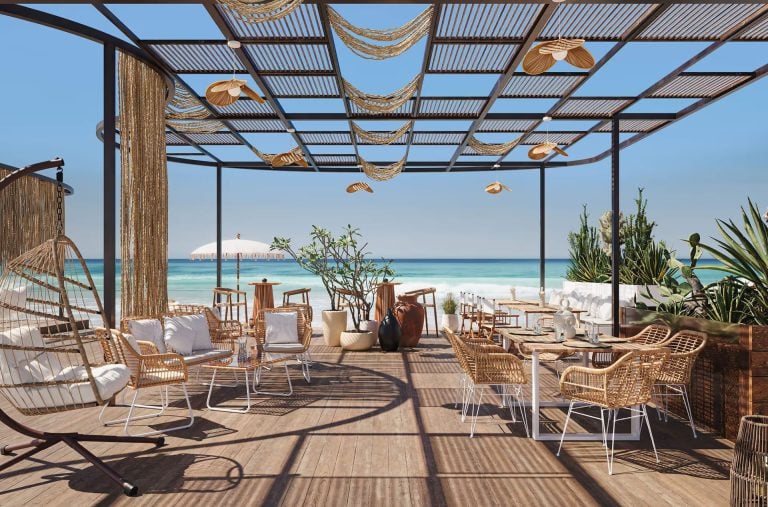
- A bold composition. A view from the ceiling, a product on a stage under a spotlight, or an outdoor setting can stop shoppers scrolling through similar listings.
- A clear mood. Based on your references, the scene can feel calm and relaxed or bold and energetic, so the image sells a way of living, not just an object.
5. Choose the Lighting Scheme
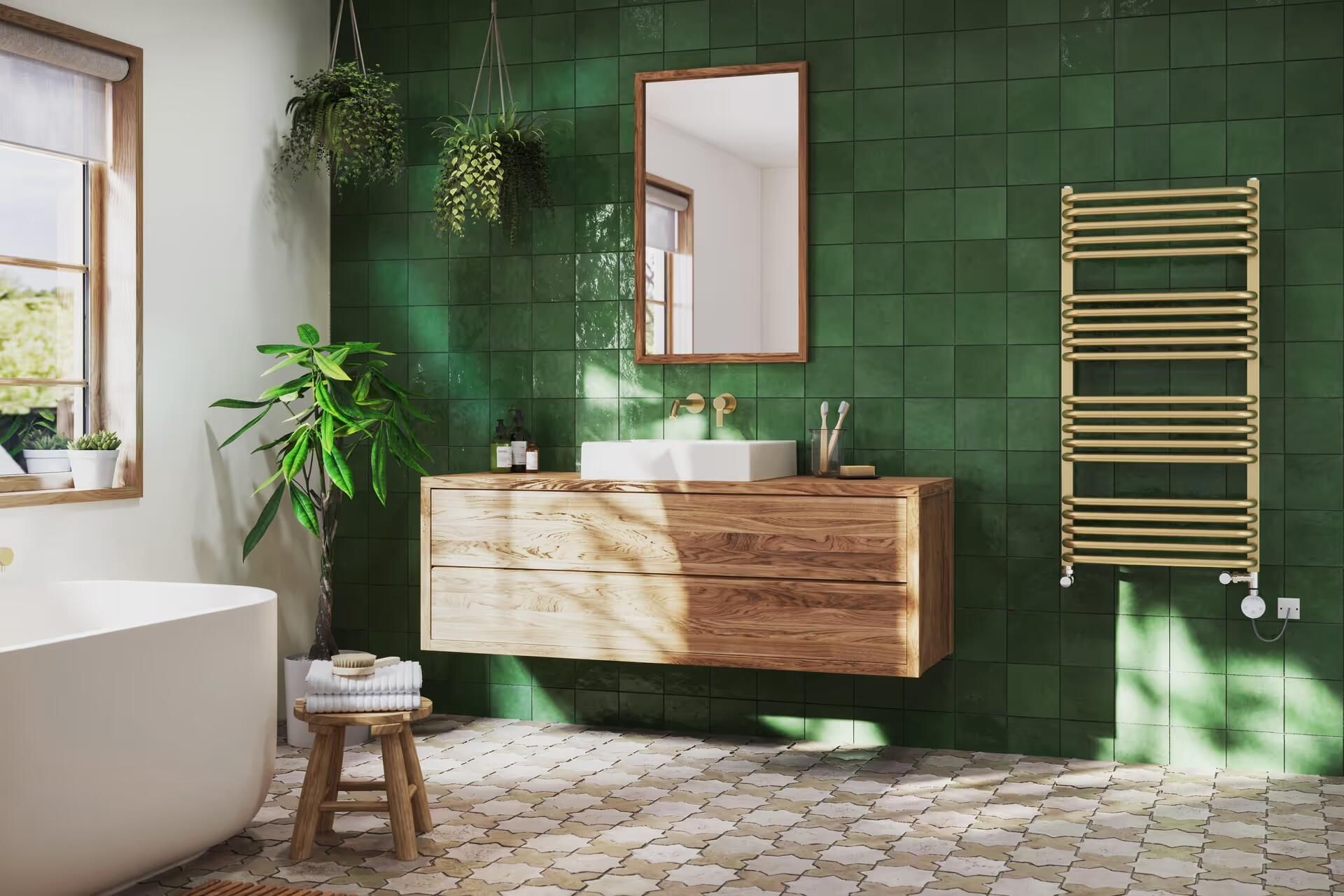
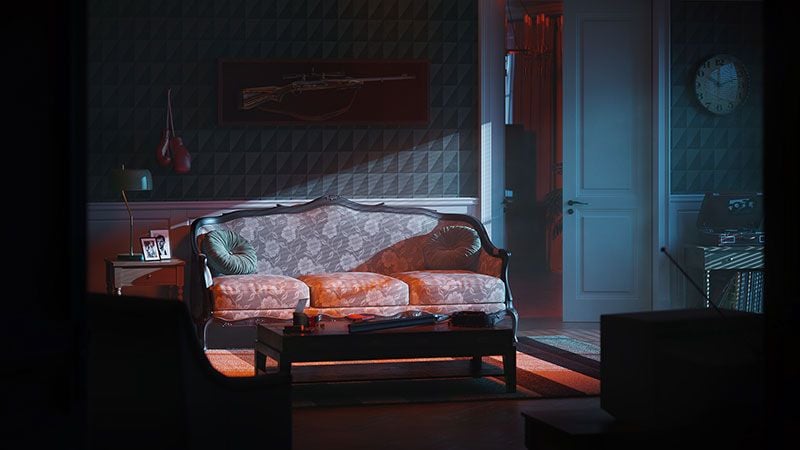
What mood are you after? That’s where CG specialists start. For a large, airy living room, bright natural daylight adds energy and clarity.
Want to highlight certain areas or product features? Artists add extra light sources in those zones. Soft evening light can make a room feel warmer and more comfortable.
And since 3D software can create any type of lighting, you can get the same room in both daylight and evening versions for different campaigns.
Brightness isn’t everything, though. Realistic light behavior, accurate reflections and the right shadow softness shape the final look. Even small imperfections matter: subtle surface variation keeps materials from looking flat or fake.
6. Set Up the Cameras
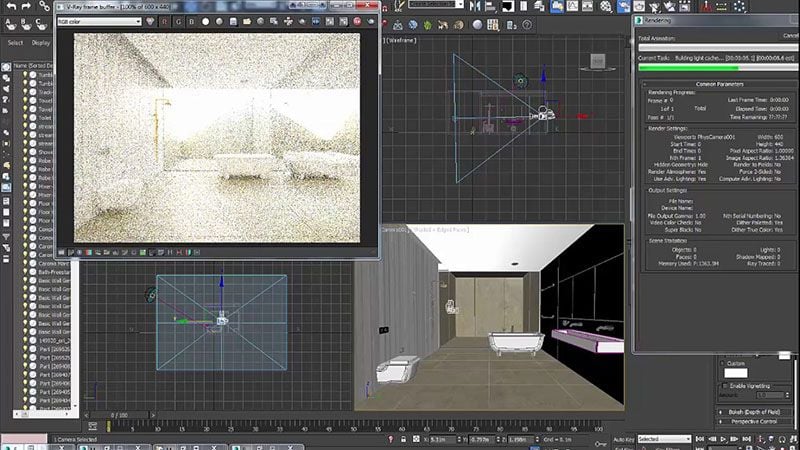
With the scene, textures and lights in place, it’s time to set up the 3D cameras.
A virtual camera can go almost anywhere. Is a wall in the way? CG specialists can simply remove part of it. That’s how you get angles that would be hard or impossible in a real studio.
7. Start the Rendering Process
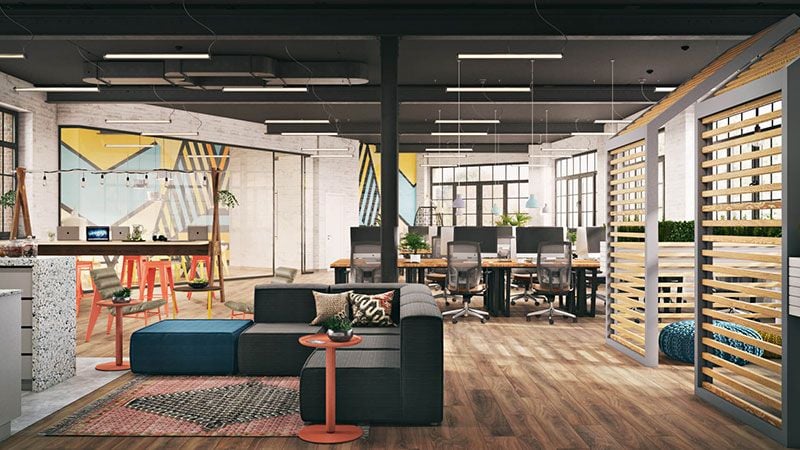
Scene set, lighting calibrated, cameras placed: now artists render multiple views to get 3D product shots from every angle you need.
Render settings and camera count depend on what the 3D lifestyle renderings are for. A print catalog, for example, often needs many angles from one interior, at high resolution, and many teams want CMYK preparation too. For more information on this CGI solution, see our lifestyle product image guide.
8. Finish with Post-Production
After rendering, CG artists edit the visuals in Adobe Photoshop. Good furniture rendering already looks strong, so heavy retouching is rarely needed.
They focus on small improvements: shadow refinement, color correction, a little contrast and saturation. You might barely notice these changes, but they make the final 3D rendered product images clearer and more realistic.
Types of 3D Images
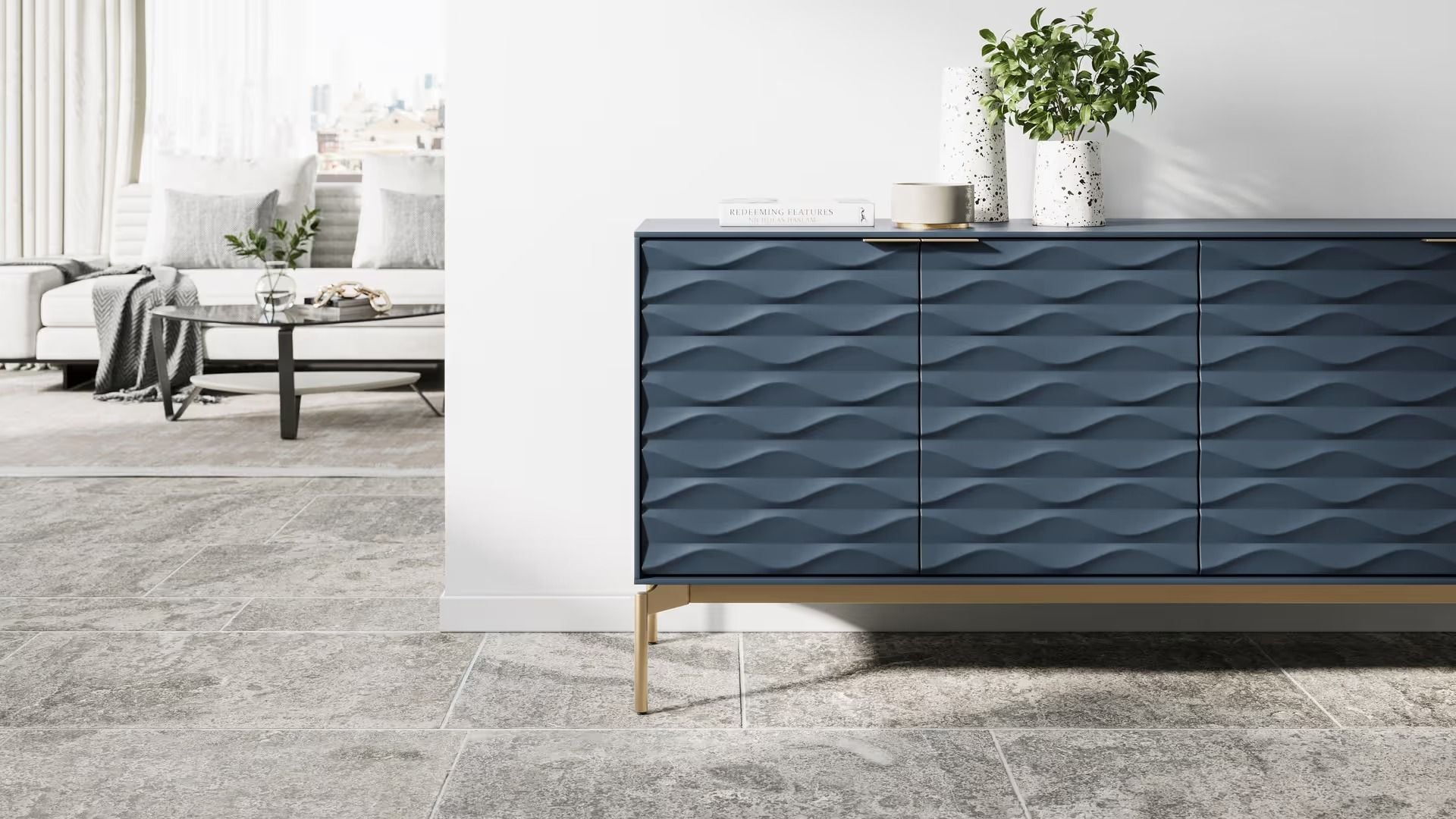
Let’s take a closer look at 5 main types of 3D product images for ecommerce and marketing that manufacturers need.
- Individual Shots on a Monochrome Background
- Detailed Close-Up Views
- Impressive 3D Lifestyle Images
- Buyer-Grabbing Hero Shots
- Top-Notch Cutaway Views
Each type has its job. Individual shots on a monochrome background, close-ups and lifestyle scenes work well for catalogs and product pages. Hero shots and cutaways are often used for advertising, email marketing and social media.
Technology keeps moving too. Automation and AI tools can speed up routine production and iteration. 3D modeling for AR and VR gives people new ways to explore products. And real-time personalization keeps growing, since many buyers want to see finishes, colors and configurations before they order. Our article on product visualization for ecommerce covers configurators, AR, and 360 views in more detail.

Download CGIFURNITURE price guide and learn the costs of top-tier 3D visualization projects of different scales!
See our pricingCGI is a simple, fast way to get photorealistic 3D product images for almost any purpose, in any resolution. Want the same quality across a whole campaign? Then the studio’s experience and process control matter. Skilled CG artists stay consistent from roomset setup to final post-production, which means fewer revisions and more reliable visuals.
Need photorealistic product imagery? Contact us for 3D rendering services. Our CGI team will deliver high-quality visuals for every marketing channel and format.