Home appliances are a tough sell online. Not because people don’t want them – everyone needs a fridge, a dishwasher, an oven – but because the products themselves are hard to differentiate visually. A stainless steel range from Brand A looks a lot like a stainless steel range from Brand B in a standard product photo. The brands that win in this space are the ones that make the strongest case for their products, not just the ones with the best engineering.
That’s what an effective home appliances marketing strategy actually comes down to: giving people enough reasons (visual, emotional, practical) to pick your product over something that looks nearly identical on a spec sheet. Our 3D rendering company has worked with appliance brands for years, and we’ve seen what the top performers consistently get right. Here are 10 things that make the difference.
1. Know Your Target Audience

This sounds obvious. It is obvious. But “obvious” and “done well” are not the same thing. “Homeowners” is not one demographic. A first-time buyer furnishing a starter kitchen has completely different concerns than a couple upgrading to a chef-grade range during a full renovation. The first buyer worries about getting it wrong. The second already knows exactly what they don’t want.
What actually helps is understanding daily friction. What annoys your customer about their current appliance? Noise? Size? No smart home integration? When you know the specific frustration, your messaging can address it directly instead of relying on words like “innovative” and “premium” that don’t say much on their own. Every home appliances marketing strategy that performs starts with this kind of specificity.
2. Build a Strong Brand Identity
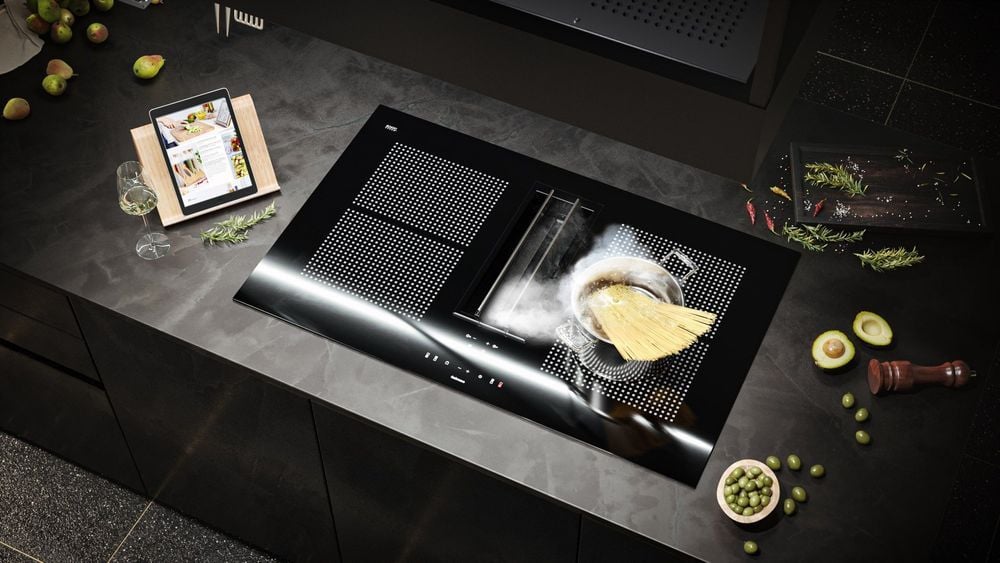
When products look similar across a category, identity creates preference before anyone reads the specs. Your home appliances marketing strategy needs to answer one question first: what does this brand stand for? Precision engineering. Sustainability. Affordable design for small kitchens. Whatever it is, it has to come through everywhere (website, packaging, social channels, retail displays).
The harder part isn’t defining an identity. It’s keeping it consistent. The website looks premium and minimal. The Amazon listing is cluttered with badges and callouts that feel like a different company made it. Instagram is clean. Email campaigns are not. Customers register this even when they can’t explain why something feels off. Consistent branding across every touchpoint builds familiarity. Familiarity is what makes someone comfortable spending $800 on a product they’ve never touched. Furniture brands face the same problem online, and our furniture marketing guide applies this consistency principle to them.
3. Invest in High-Quality Product Visualization
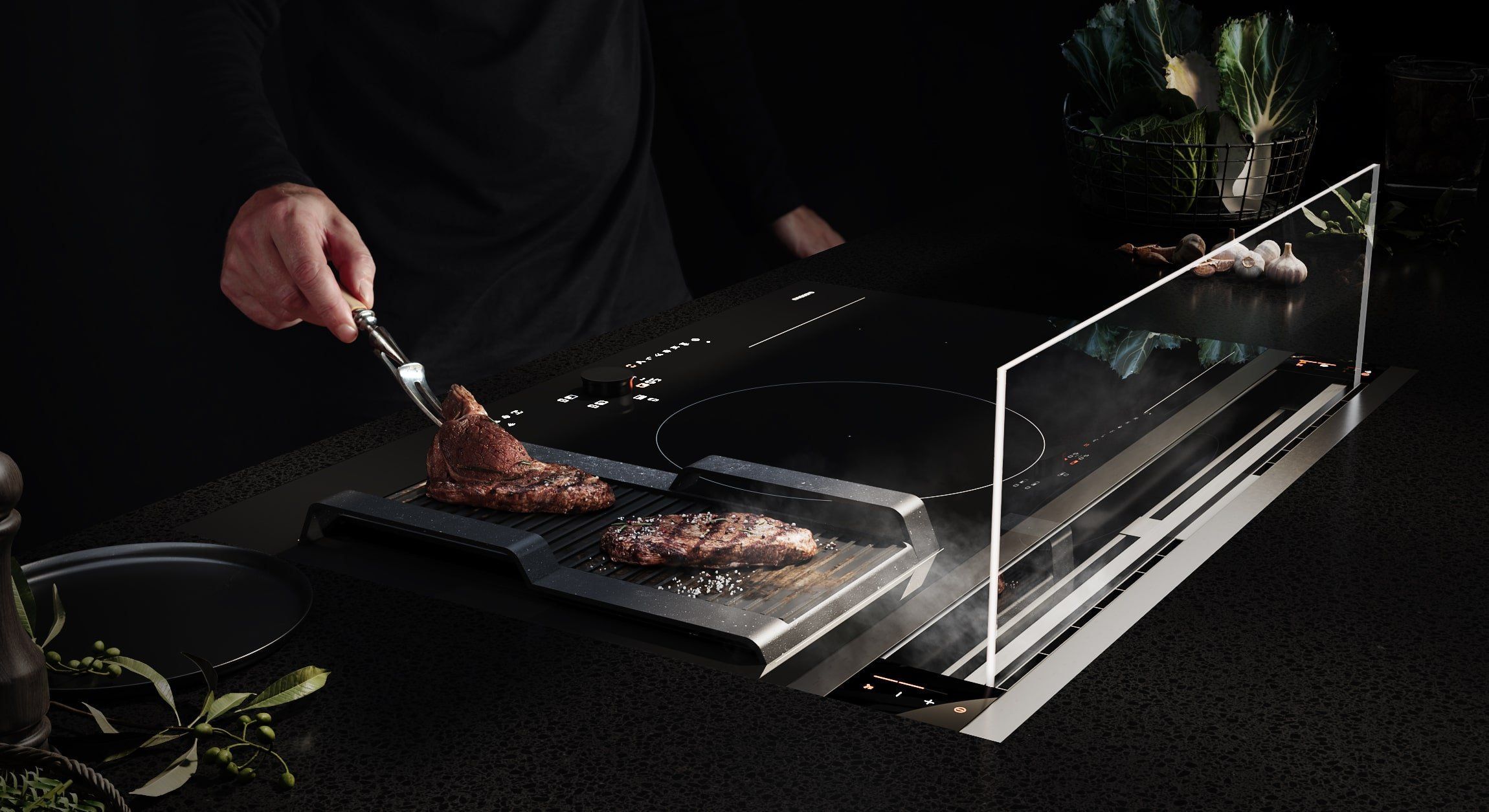
Appliances have features that standard product photography struggles with. Interior rack layouts, control panel details, material finishes, moving mechanisms. A buyer wants to evaluate these things. Two or three flat images against a white background don’t give them enough to work with.
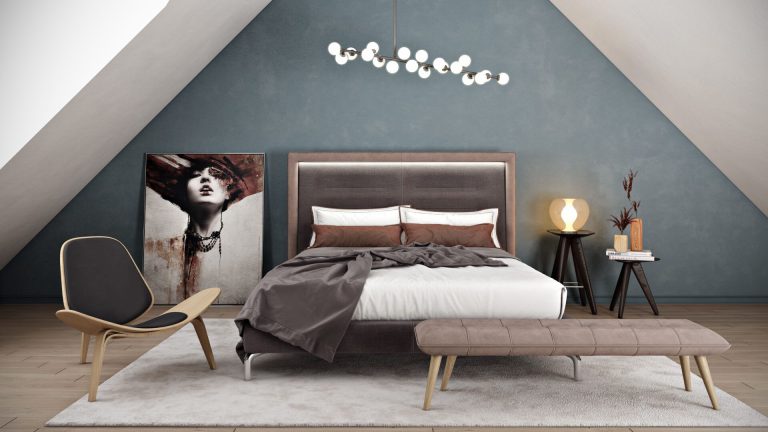
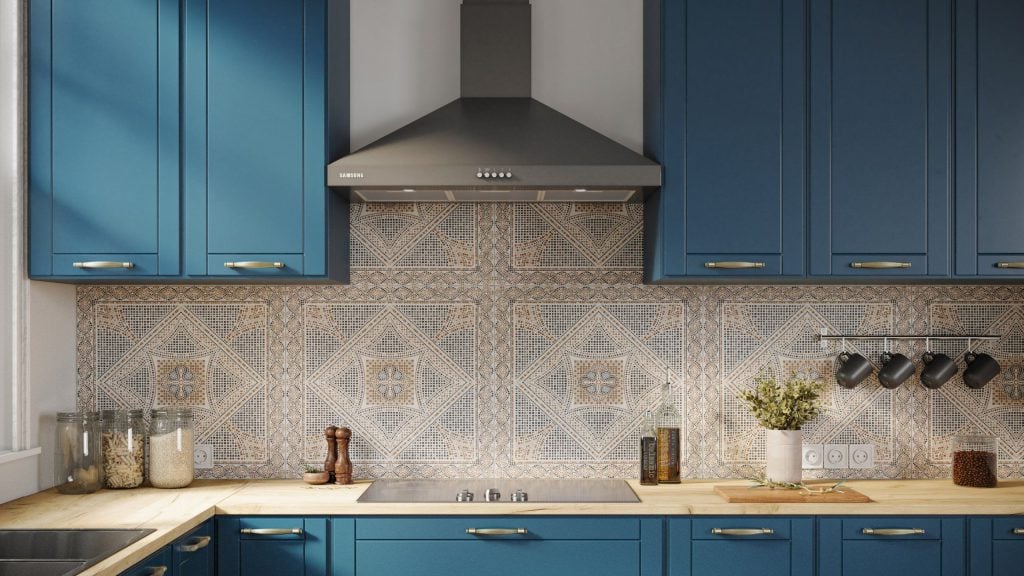
A stronger approach uses several content types, and each one has a specific job. Lifestyle 3D rendering is probably the most versatile: it places the appliance in a realistic kitchen or laundry room, which helps customers picture it in their own space. For catalogs and e-commerce listings, silo 3D visualization gives you clean product shots on a neutral background. Then there are close-ups for textures, materials, and control panels, where CGI consistently outperforms photography in level of detail. Need to show how something actually works? 3D product animation handles that (doors opening, racks sliding, smart interfaces responding). And 360 spin product photography rounds it out by letting shoppers rotate the product and examine it on their own terms.
Producing all of that through traditional shoots would cost a fortune. With CGI, you build one 3D model and generate every content format from the same asset. That math alone makes visualization a core part of any serious home appliances marketing strategy. Brands without in-house 3D artists usually hand this work to a 3D visualization studio.
4. Optimize for E-commerce Platforms
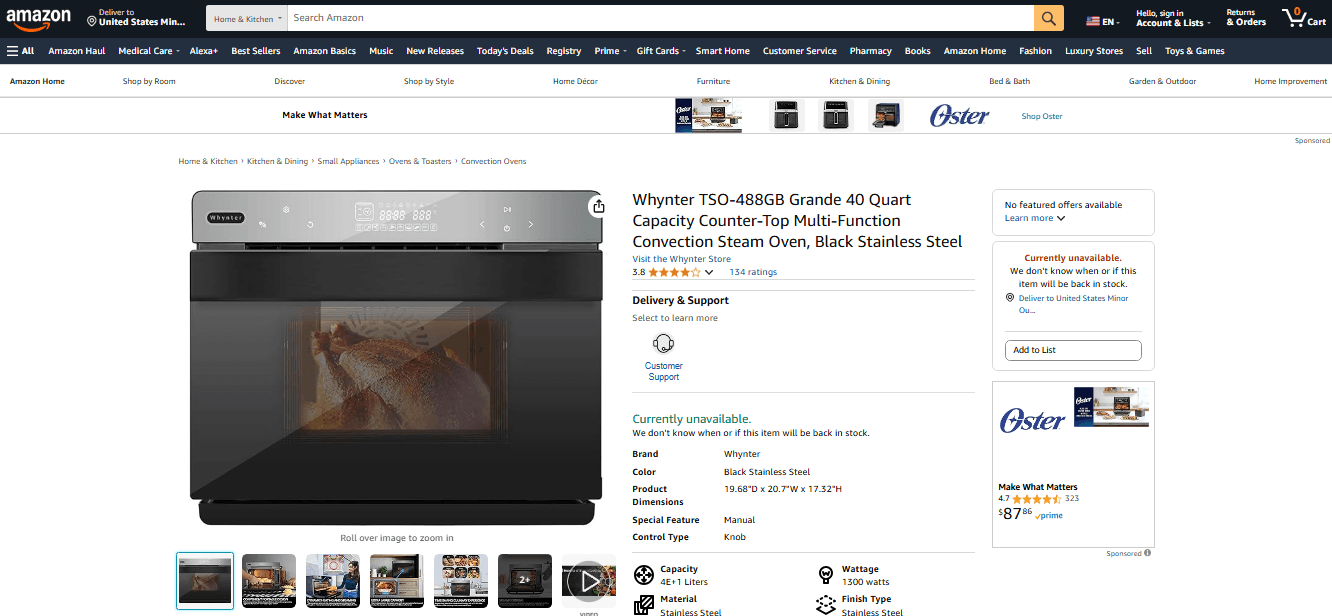
Each platform has its own rules. What performs on your own website won’t necessarily work on Amazon, Wayfair, or Best Buy. Product titles, image specs, description formatting, metadata structures: they all vary, and they directly affect whether your listing surfaces in search or gets buried.
What does this look like in practice? Detailed spec tables, for one, so buyers can compare options without clicking away from your page. Variant images are important too: if you offer three finishes, each one needs its own dedicated visual, not a color swatch. Descriptions should address the questions a real buyer asks before purchasing, not just restate the product sheet in different words. And image quality is non-negotiable. A listing with visuals that don’t meet the platform’s technical specs is a listing nobody sees. This side of a home appliances marketing strategy isn’t glamorous. It might be the part that affects revenue most directly.
5. Leverage Social Media Marketing
Nobody scrolls Instagram hoping to discover a washing machine. But people do watch kitchen renovation content, before-and-after transformations, cooking videos. Appliances show up naturally in all of those contexts. That’s where the opportunity sits.
Animated social media video production gives you short-form content built for Instagram and TikTok: feature highlights, product demos, comparison sequences. But the content that tends to perform best is often the least polished. Real customers unboxing a product. Showing their kitchen setup. Recording a quick review on their phone. A home appliances marketing strategy that combines professional branded visuals with user-generated content tends to outperform strategies that rely on either one alone. The branded content sets the visual standard. The UGC provides social proof. They work together.
6. Utilize Product 3D Animation
Video outperforms static images on nearly every platform. For appliances specifically, animation solves a problem photography can’t: showing how things work. A photo of a closed dishwasher tells you nothing about the spray arm coverage, the rack flexibility, or how quiet the cycle runs. Fifteen seconds of animation shows all of it.
The economics work, too. No studio rental. No production crew. No physical product on set. You can show a fully stocked refrigerator interior without buying $200 worth of groceries and arranging them by hand. You can visualize airflow inside an oven, water circulation in a washing machine. Things a camera literally cannot capture. Product demos, explainer clips, installation walkthroughs, promotional reels. These content types belong in a home appliances marketing strategy by default, and CGI animation makes them practical to produce at volume. This also lets a new model’s product launch marketing start before the physical product is ready.
7. Incorporate Customer Reviews and Testimonials

People trust other customers more than they trust the brand selling to them. Not new information. Reviews are one of the most underused assets in appliance marketing. There’s a big difference between letting them accumulate passively on Amazon and actively collecting and deploying them across your channels.
The shift is straightforward. Pull the strongest review quotes and use them in ad creatives. A real customer saying “quietest dishwasher I’ve ever owned” carries more weight than anything a copywriter produces. Turn detailed reviews into shareable graphics for social media. Film short video testimonials if you can. Reviews sitting on page three of a product listing aren’t helping anyone. The same reviews placed in email campaigns, social stories, and product pages do significantly more work.
8. Offer Interactive Experiences

The biggest disadvantage of selling appliances online: customers can’t open the door, press the buttons, or check if the fridge fits in that awkward nook next to the counter. Interactive tools close this gap directly.
AR visualization is the most obvious example. Someone points their phone at their kitchen and sees a 3D model of your range standing in the actual space, scaled correctly. That alone answers the “will it fit?” question that kills so many online appliance purchases. Then there are 360-degree product spins, which let buyers do the kind of all-angles inspection they’d normally do in a showroom. Product configurators add another layer: a customer picks a finish or feature package and sees the result update in real time. The value of these tools comes down to one thing. They reduce the hesitation that sits between “I’m interested” and “I’ll buy it.” Less hesitation means higher conversions and fewer returns, which is where the upfront investment pays back.
9. Collaborate with Influencers & Industry Experts

Trust matters more than reach here. A lifestyle creator with 50,000 followers who actually cooks every day and has opinions about kitchen equipment will generate more engagement than a much larger account that has no real connection to the category.
The right partners are usually in the home, kitchen, lifestyle, or tech spaces, and the overlap between their audience and your target customer is what makes the partnership worthwhile. What kind of content works? Reviews where the creator actually uses the product over time. Cooking tutorials that feature your appliance in a natural context. Side-by-side comparisons where the creator is candid about trade-offs. The common thread is authenticity. If the endorsement feels scripted, the audience reads it as an ad and moves on. But when a partnership is genuine, that kind of content gives a home appliances marketing strategy something branded content can’t: third-party credibility.
10. Track Performance and Adjust Strategy

Running campaigns without tracking results is spending money on assumptions. Google Analytics, Meta Ads Manager, platform-specific dashboards. The specific tools matter less than the habit of actually reviewing the data and acting on what it shows you. Furniture sellers rely on the same habit, as our guide to digital marketing for furniture business describes.
Here’s what that looks like in practice. Say your lifestyle renders consistently outperform silo shots on a particular channel. That’s a signal to shift more of your visual production budget toward lifestyle content. Or maybe your video content drives longer session times, but static images generate more shares on social. That doesn’t mean one format is better. It means they serve different purposes, and your budget should reflect that. A home appliances marketing strategy that stays the same quarter after quarter is a strategy that’s ignoring its own data.
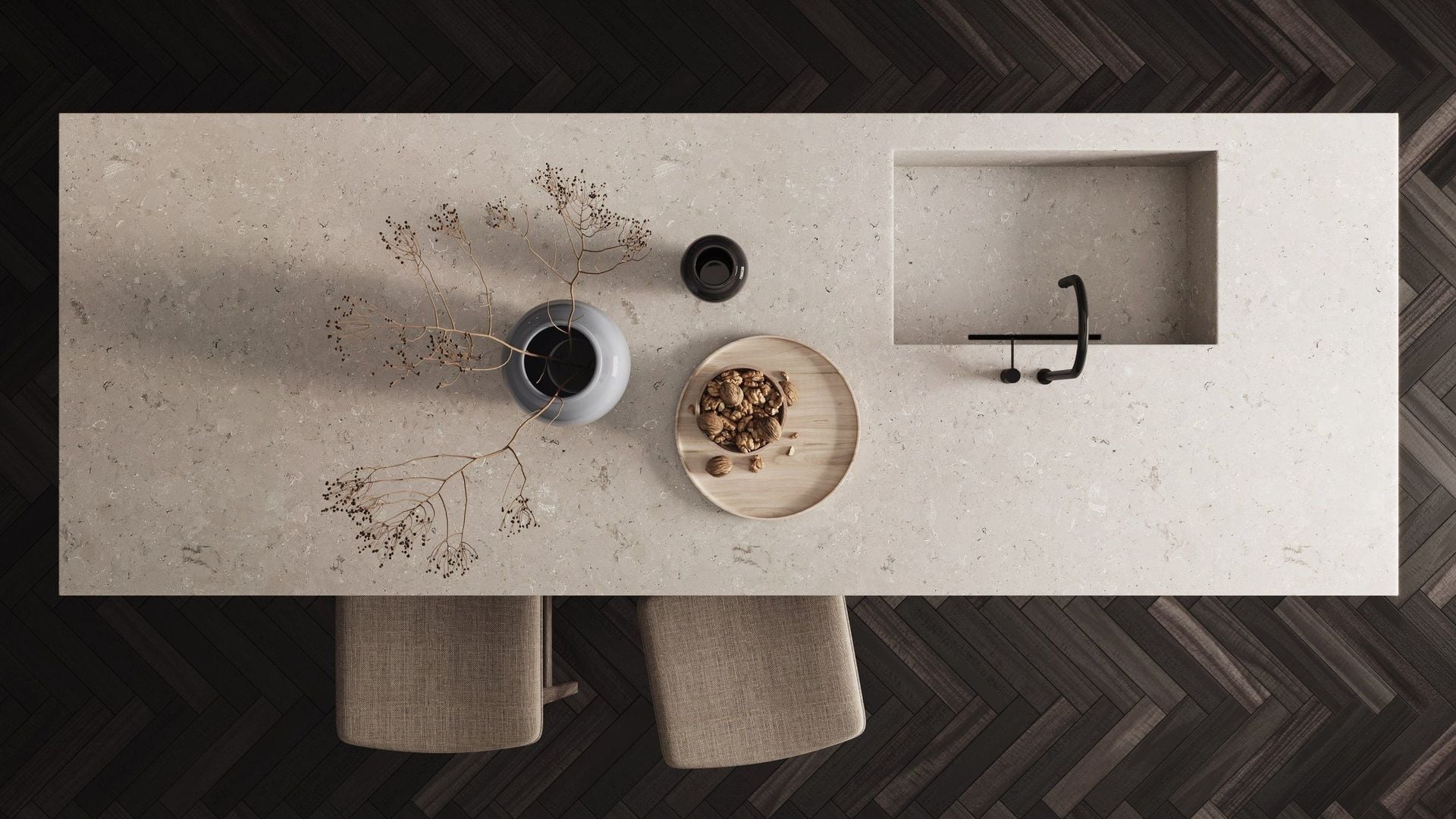
Try lifestyle 3D visualization now and expect your sales to skyrocket in a flash.
See moreStrong visuals and consistent marketing execution go hand in hand in the appliance market. Not everything on this list needs to happen at once. Start where the gaps are biggest, build out from there, and adjust based on what the data tells you.
Need the visual side handled? Our 3D modeling services cover product renders, lifestyle scenes, animation, and interactive content. Reach out and let’s talk about what your appliances could look like with the right imagery behind them.