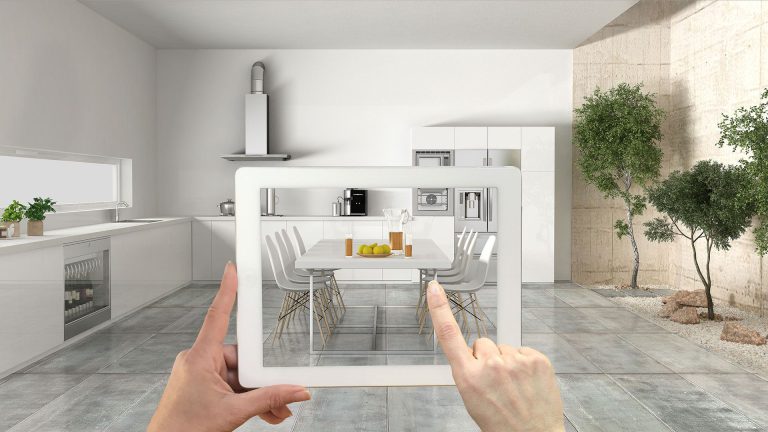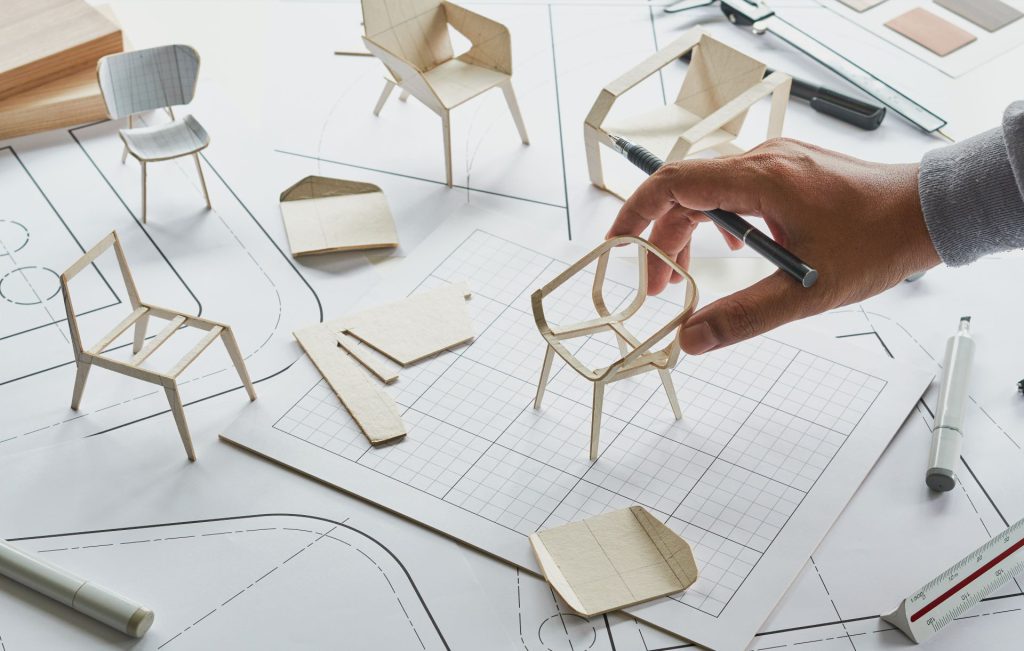
Traditionally, when elaborating on design ideas of the products, manufacturers and designers regard many workable variations. To decide on the best one, they order multiple prototypes for each item. At present, amongst many methods, rapid prototyping came in as the most effective way to actually design a product and launch its production as soon as possible.
So, what is rapid prototyping ? It is a group of techniques used to build a prototyping model quickly by applying 3D computer-generated design data. The construction itself is executed by using 3D printing. Thus, old-school industrial methods seem cumbersome and time-consuming against such progressive technology. Besides, it allows testing and approving rapid prototypes in the shortest time frame during the development phase.
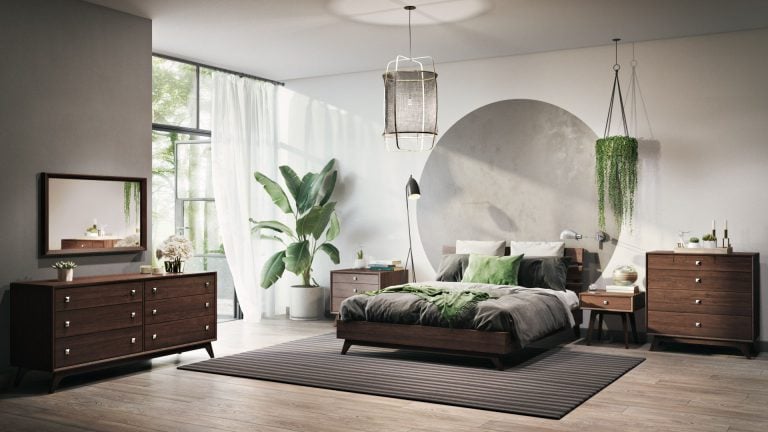
Such techniques are broadly used in product design and prototyping alongside 3D furniture rendering services, which boosts the production process and shortens time to market. In general, the technology offers many benefits to furniture manufacturers. But here are the most pivotal ones.
1. Rapid Prototyping Adds to Quick Concept Execution
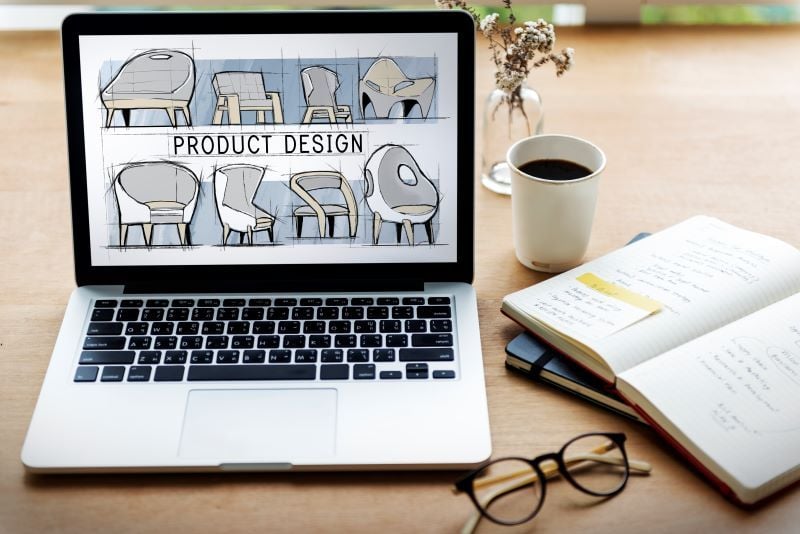
To understand how rapid prototyping contributes to concept execution, it’s important to know the basics. So, what is rapid prototyping against usual industrial practices? Rapid prototyping models are made by blending raw materials together, such as photopolymers, metal or ceramic powders, thermoplastics. Industrial techniques, on the other hand, are usually compressive and subtractive. They are proved to be enormously time and cost-consuming nowadays.
Each product design prototype goes through short cycles to fine-tune the principal design quickly. Moreover, at the earliest stage of low-fidelity furniture prototyping, they can be even shorter. The visible element it provides adds to getting an early buy-in from the team and investors.
With 3D modeling, things are even easier and faster. To accelerate the process, CG specialists turn to ready-made 3D models, herewith customizing proportions and structure. What’s more, if design modifications are required here and now, 3D software enables you to make them within a few minutes. Our 3D product modeling services follow the same approach for furniture manufacturers.
2. The Technology Accelerates Collaboration And Feedback

What is rapid prototyping – and CGI prototyping specifically – in terms of communication and collaboration? If explaining in a broader way, rapid prototyping helps develop a shared understanding across the team. The creators share a model with other team members, stakeholders, and focus groups positioned as end-users. Everyone assesses the build and usability and then provide feedback. This is an early opportunity to interact with designers and debate on the product prototype to finally agree on the most successful model.
3D modeling works the same way in terms of communication prior to design approval and production. 3D renders explain the usability of the product at the very presentation, and manufacturers can examine and evaluate proportions, materials and so on and ask for modifications right at the moment. 3D artists can start making them immediately after or even during discussions. Therefore , it is absolutely possible to create a convenient prototype from the first shot and not to waste money and time for remodeling and other changes. We explain this stage in more detail in our article on 3D modeling in product design.
3. It Addresses Limitations With Difficult Parts Production
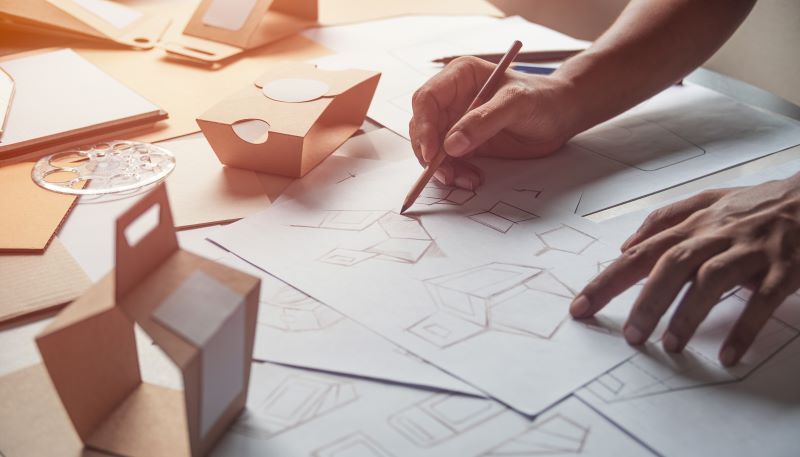
Tiny components of models that used to be complicated to design and produce are now easy to craft. With rapid prototyping, elements with minute inner cavities and compound geometric designs are created without stress. This allows designers to think out of the box, provide creative ideas and get them approved shortly.
3D technology is advanced enough to tackle the most ambitious ideas and address the limitations of traditional industrial modeling. As it was previously mentioned, 3D specialists can create 3D furniture models or 3D product designs by using already existing geometric shapes and modify them by altering curves, points and surfaces, etc. 3D software works miracles with shapes, textures, colors and other product characteristics, and the technology itself provides enormous opportunities to furniture manufacturers these days.
4. Rapid Prototyping Favors The Ultimate Customization
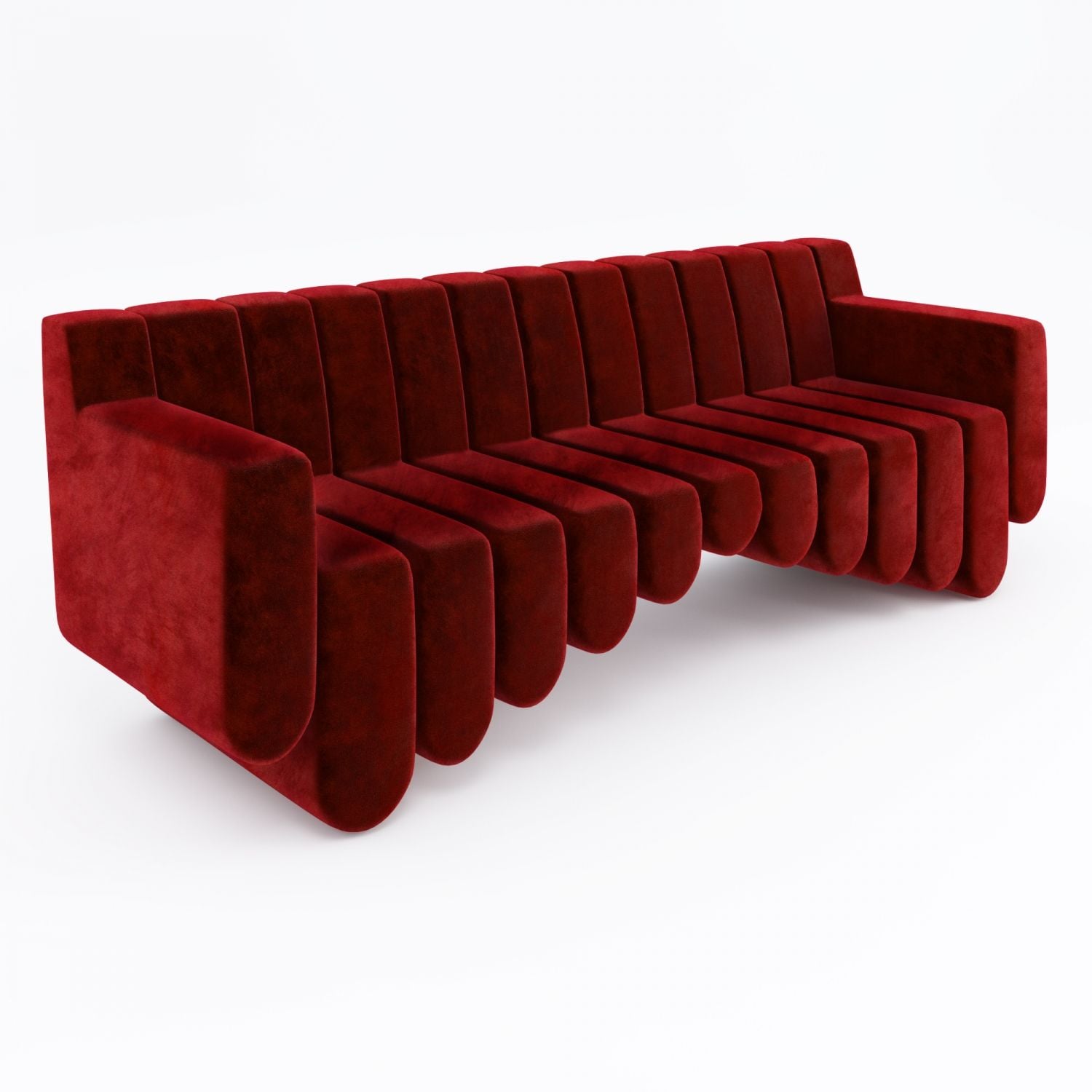
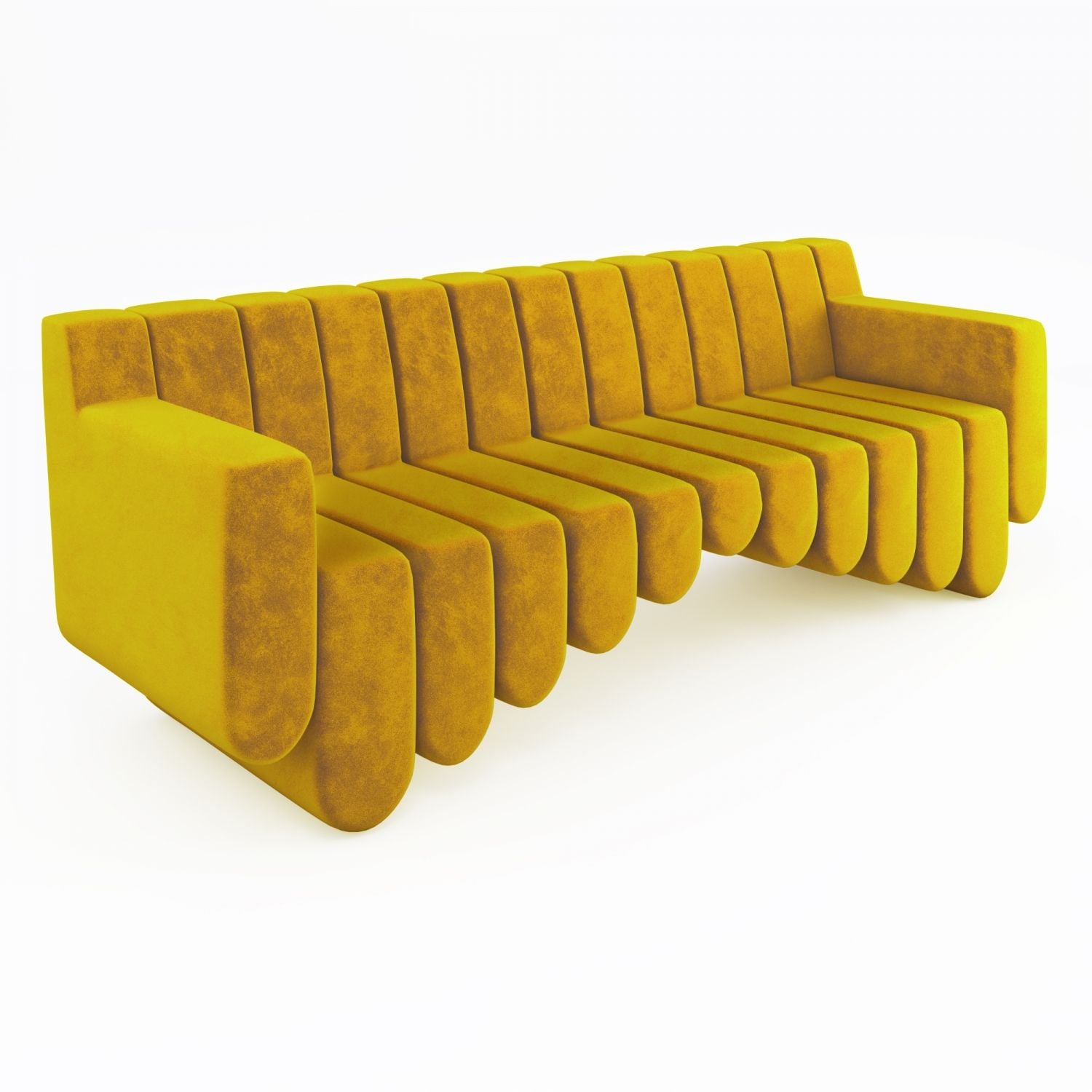
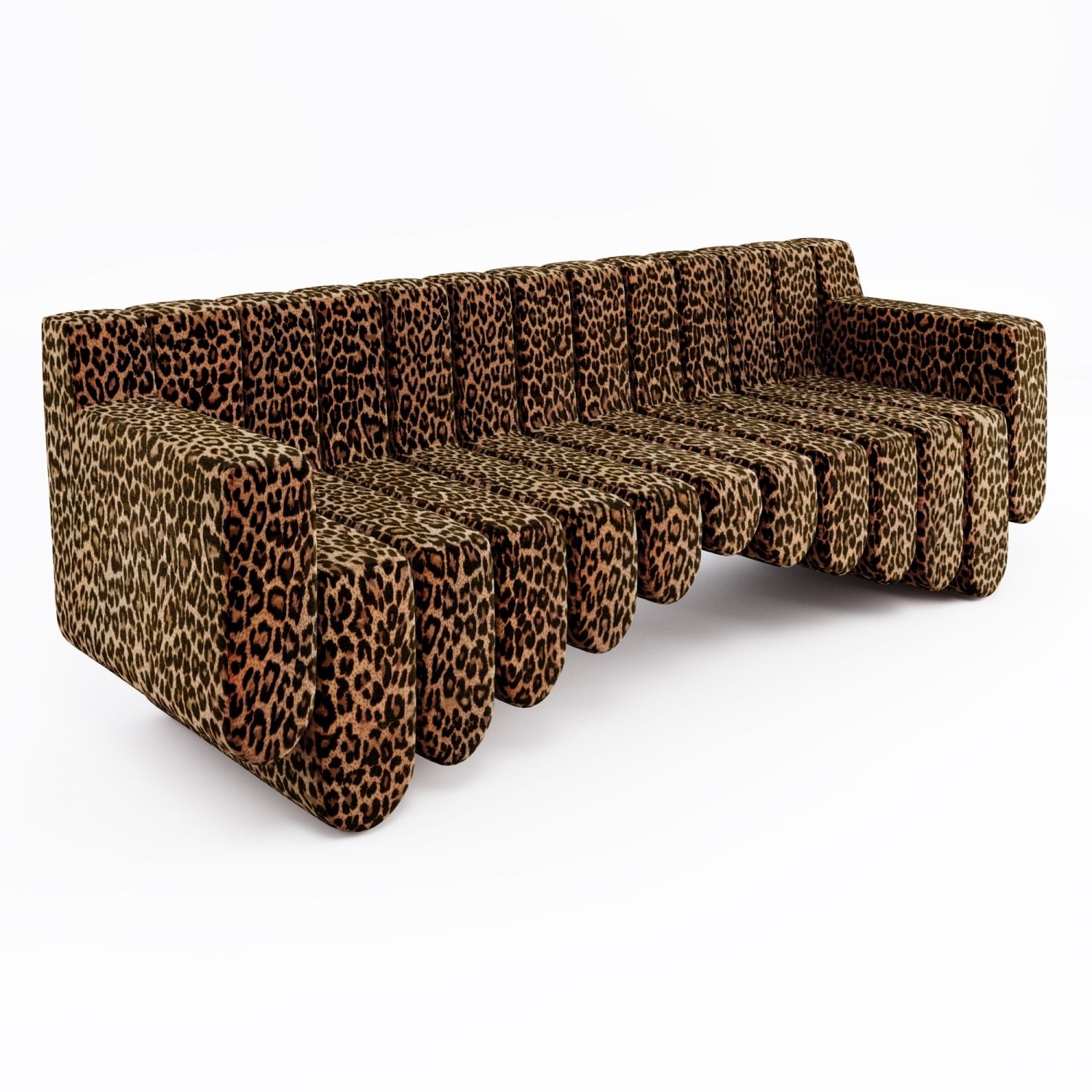
Product customization is a proven driver of sales – according to product customization statistics, 59% of online shoppers are more likely to buy from a brand that offers customization options. Rapid prototyping makes this possible from day one.
With rapid prototyping, designs can be easily tailored to the requirements of the clients, and they can feel safe when specialists modify them. With one tweak in the model, a prototype becomes different without using special tools, patterns, or molds. What is rapid prototyping against 3D technology? In fact, the latter can only double the efficiency of the process and provide the best customization based on customers’ current wishes.
5. It Reduces Time To Market The Product

When the business’ stakeholder is asking “ What is rapid prototyping ”, it’s the right time to show how quickly the product gets to the market. Since rapid prototypes are super iterative, the team can check the designs quickly, approve one of them, and start the production immediately.
Also, the technology combined with 3D modeling comes in a sharable, modifiable format that gets around many procedures related to traditional modeling and manufacturing. Moreover, designers can easily access 3D models of the prototypes to check for viability, and designs can be tweaked within the stipulated time frame to meet the needs of the public. Our guide to product 3D modeling covers how these models are built and reused.
Such speed advantage brings about the premium positioning on the market and the expansion of the market share respectively. Finally, by getting to the market faster, manufacturers will recoup development expenses also more quickly, which also means less costs on labor.
Why should manufacturers create a furniture prototype using rapid prototyping alongside 3D product design services? It is beneficial in many ways. Apart from the fact that it helps accelerate the pre-production phase and increases accuracy, it also contributes to cutting costs and satisfying customers in the best possible way. It’s a modern, progressive way to launch the products nowadays with optimized processes in every stage.
Once your product reaches market, see our guide on building a perfect product detail page for ecommerce to showcase it effectively.
6. Rapid Prototyping Saves Time and Budget
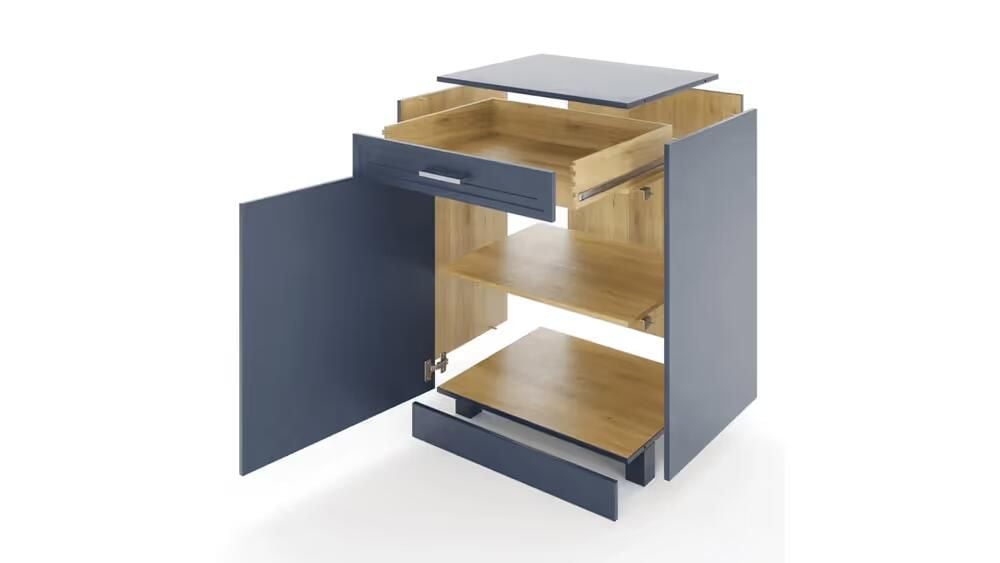
Rapid prototyping is often the cheapest way to test a product while the design is still unstable. At that stage, traditional tooling is a gamble. New molds, patterns, and fixtures can become useless after one more round of changes. With rapid prototyping, manufacturers can print and check updated versions without rebuilding the whole setup each time. This keeps early development moving without turning every adjustment into a new expense.
Waste is easier to manage as well. A prototype is produced for a specific check, fit, scale, joint, or assembly logic. Then the next version is printed only when the change is confirmed. This approach makes the prototyping stage more predictable, even when several variants need to be reviewed before the final design is approved.
7. Rapid Prototyping Makes Design Changes Fast and Scalable
Rapid prototyping works through short, practical iterations. A basic version is produced first, then refined in stages until the design holds up in real testing. This prevents the classic situation where the product looks correct on paper but fails on details that matter in production. Small issues are caught early, when they are still easy to fix.
Another advantage is parallel prototyping. Several design options can be printed in the same development window and compared side by side. That makes trade-offs obvious and reduces time wasted on debating assumptions. Rapid prototyping supports faster decisions because the team is reacting to physical results, not guesses.
What Makes a 3D Model Ready for Printing
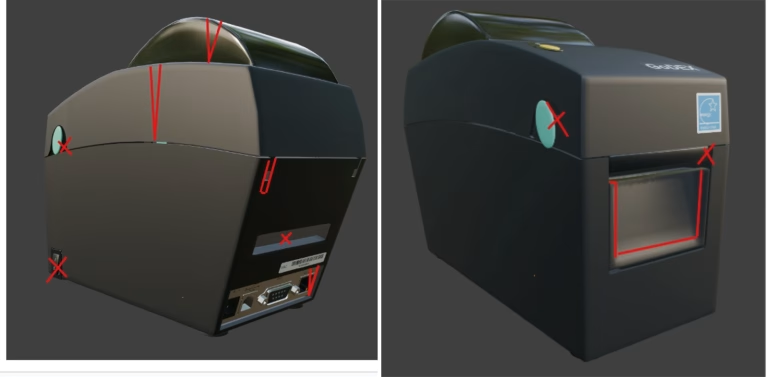
A model built for renders is not automatically a print file. Rendering forgives things a printer will not: open edges, overlapping parts, and surfaces with no thickness look fine in an image but fail when the file is prepared for printing. Before a model goes to print, it needs:
- Closed (watertight) geometry with no holes or loose faces
- Real wall thickness on thin parts such as legs, slats, and handles
- Correct real-world scale, or a clearly stated scale for a reduced model
- Export in a print format such as STL, OBJ, or 3MF
Mention printing in the brief, so the model is built or adapted for it from the start. A 3D studio delivers the file; the printing itself is done on your in-house printer or by a print bureau. Our overview of 3D file formats explains how STL, OBJ, and 3MF differ.
Printing works best for small parts and scale models: hardware, joints, connectors, decorative inserts, and tabletop mockups of a full piece. FDM is the cheapest option and fine for fit checks, though layer lines stay visible. SLA and PolyJet give fine detail and smooth surfaces for appearance models. SLS produces strong nylon parts for functional tests. Printed parts can also be combined with real wood, metal, or glass to check how a joint or insert works with the actual material.
Test Designs With Buyers Before Printing Anything
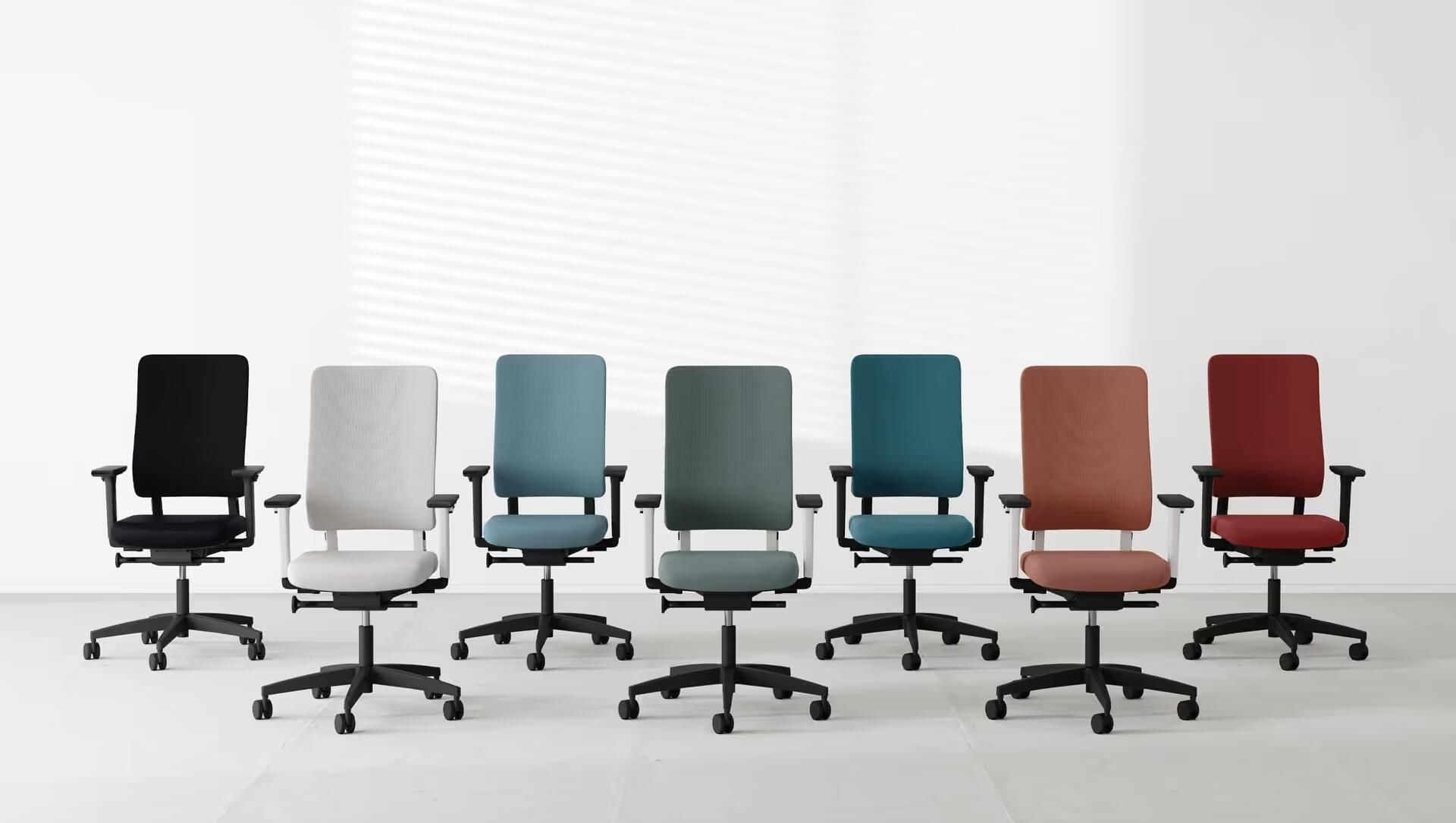
Not every option needs a physical prototype. Once the variants exist as 3D models, each one can be rendered as a product image: the same chair in three fabrics, with two leg styles, with two arm shapes. Show those images to buyers, retail partners, or a customer panel and ask them to rank the options. Then print or build only the versions that win.
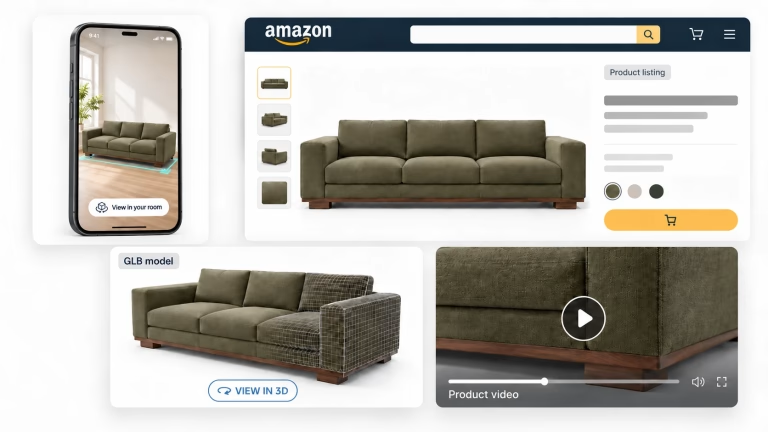
This keeps the prototype run short, and nothing is wasted: the same models later serve as digital twins in product development and as the source for product page images at launch.

Download CGIFURNITURE price guide and learn the costs of top-tier 3D visualization projects of different scales!
See our pricingWilling to improve manufacturing processes and get high-quality 3D models for further effective exploitation? Contact our team to get the most professional 3D modeling services right now!