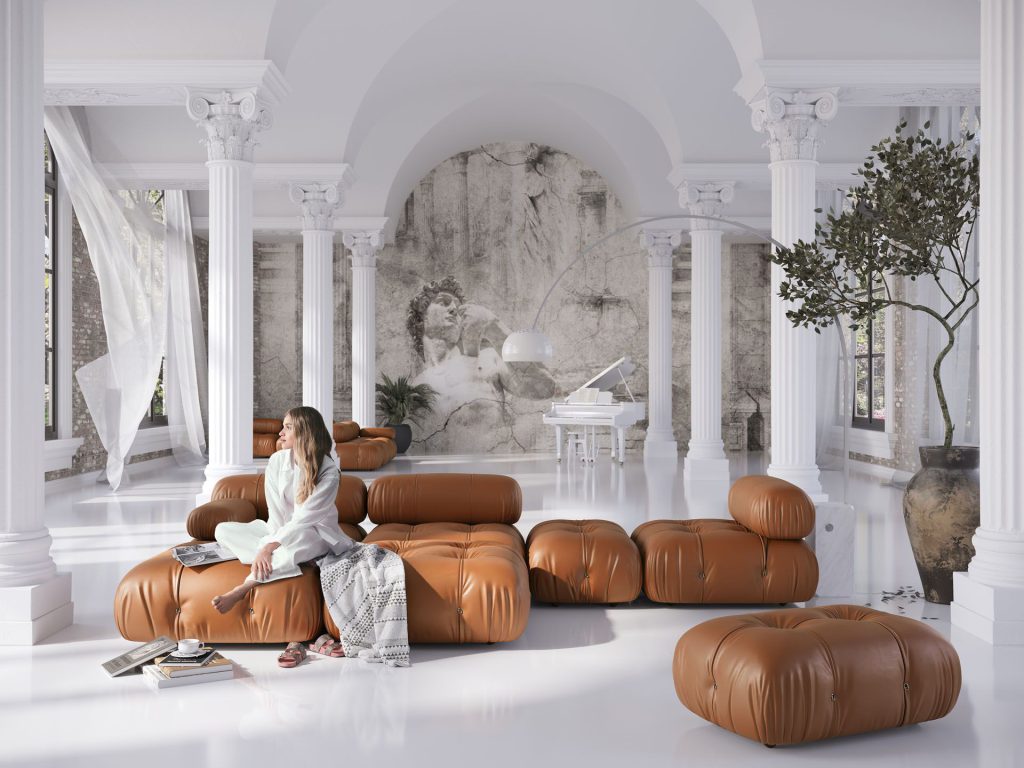
Human characters depicted in 3D animations help to give a realistic feel and make it easier for people to picture the space. The addition of people makes a scene more interesting and emotionally compelling. It is important to select the right CGI characters in order to achieve this goal.
Our 3D rendering company focuses on creating exciting and realistic visual effects for our clients. We constantly monitor new technologies to improve the quality of our visualizations. Here, we share our experience adding people to CGI, helping you find the best option for your project. Adding people is part of our 3D lifestyle rendering services when a project calls for it.
1. 2D People
In this case, one uses 2D clippings where human figures taken from photographs are made to fit into the furniture picture by scaling. In many cases, the 2D clippings are very realistic especially in a close shot and make the display of furniture much better. But they need greater flexibility since the angle at which the human figure was taken can not be changed. The use of 3D people is flexible though it takes much time to do this. One has to adjust the shadows in order for them to fit in well. This makes 2D figures a practical choice for close-up lifestyle shots.
2. 3D Modeled People
Individuals depicted in 3D models, created using 3D renderings, are much more flexible as compared to 2D cutouts. Their poses can be changed very easily to match the layout of the furniture. In addition, the individuals in 3D renderings require lesser time to be adjusted for lighting purposes. But the only problem is that they look unrealistic at close range shots, hence should be used at distance shots or with a blur effect. For animated furniture presentations, people in 3D renderings are ideal, as they enhance movement and interaction. This makes them easy to place anywhere in a 3D scene.
3. AI-Enhanced 3D People
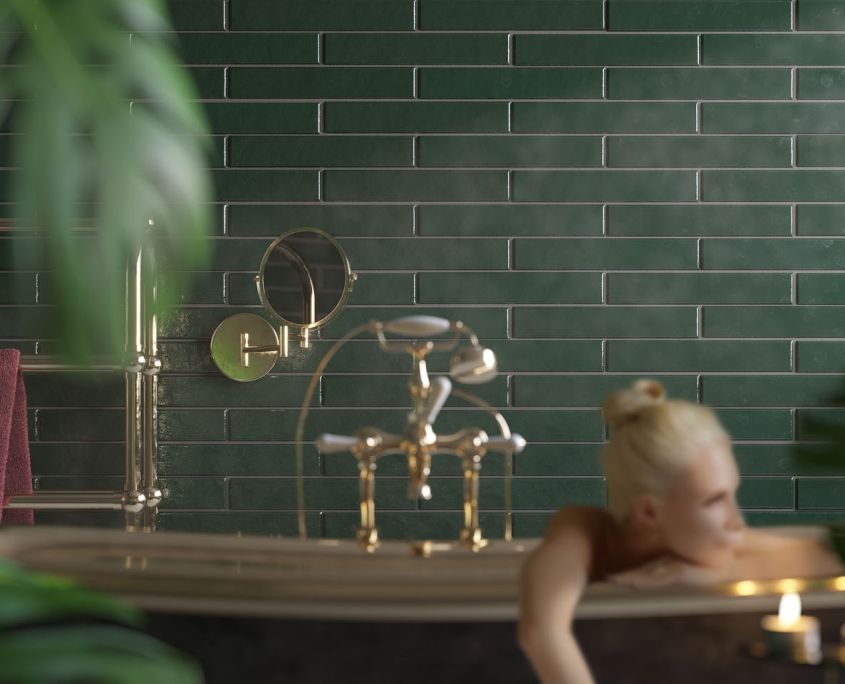
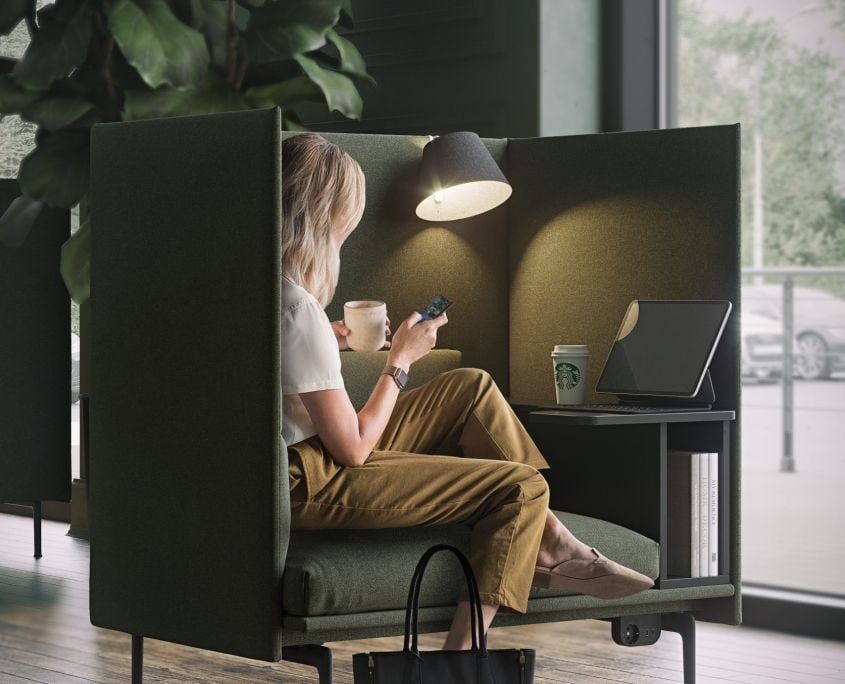
The innovations in artificial intelligence have revolutionized the way human beings are integrated into 3D renders used in the process of furniture design. Programs like Stable Diffusion are known to help make the models look real in order to be able to combine them with furniture compositions. AI can adjust lighting, faces’ emotions and clothes, and even alter people’s age or ethnicity. This flexibility allows 3D artists to create more attractive and contextually relevant furniture visualizations. AI models make furniture products look more realistic and immersive, even in close-ups, increasing overall visual appeal.
4. Renders without People
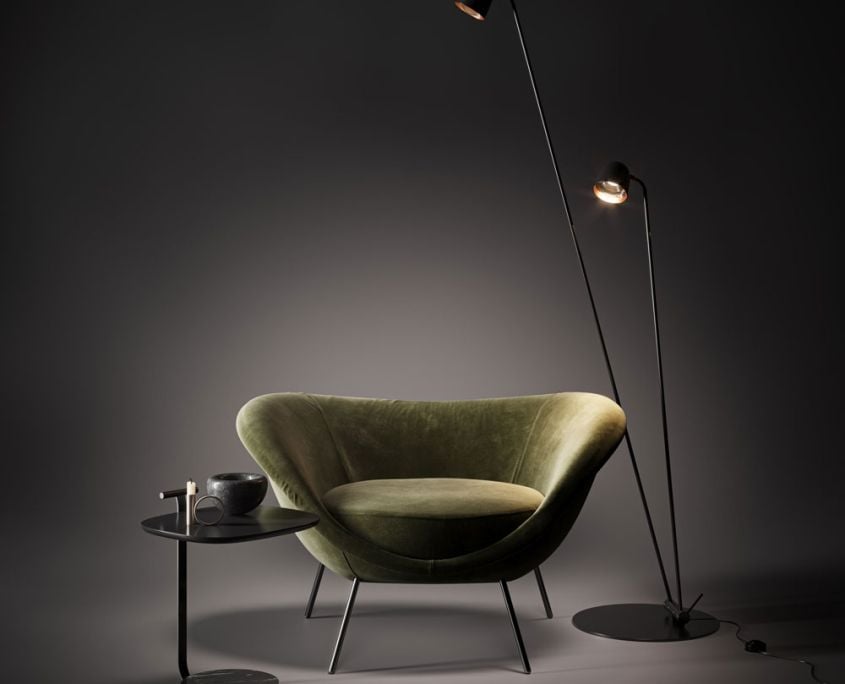
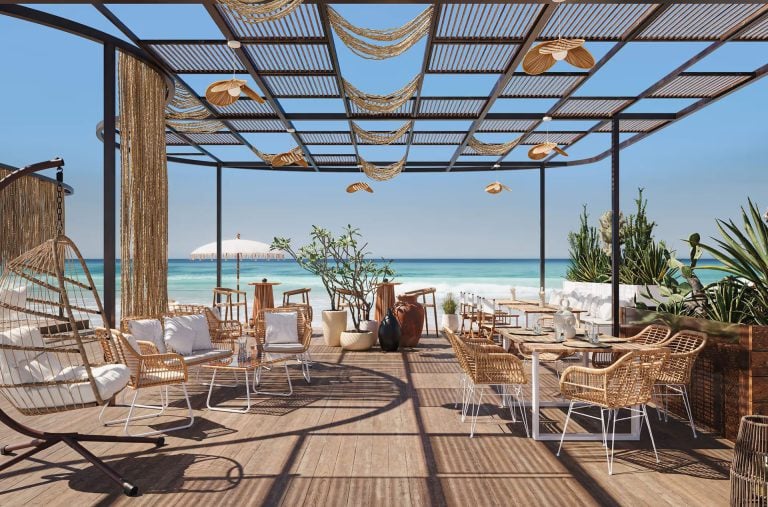
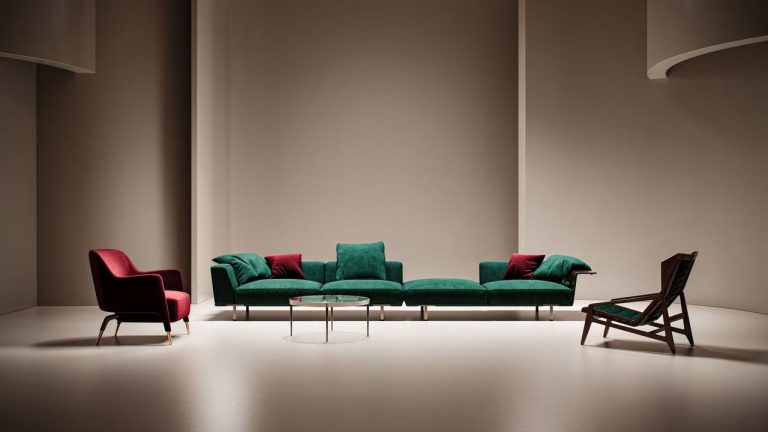
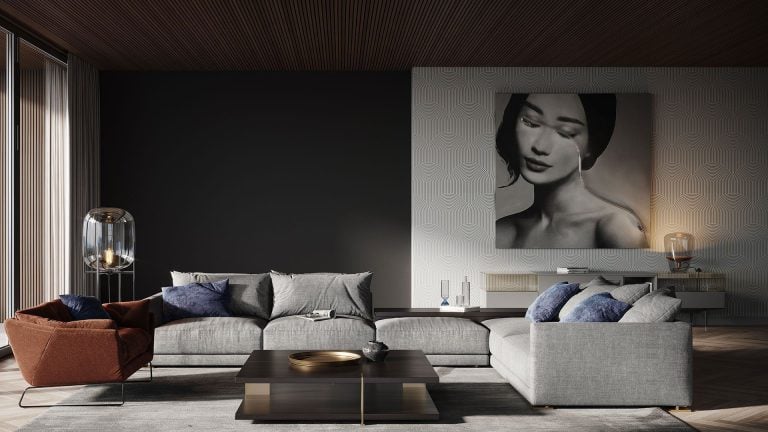
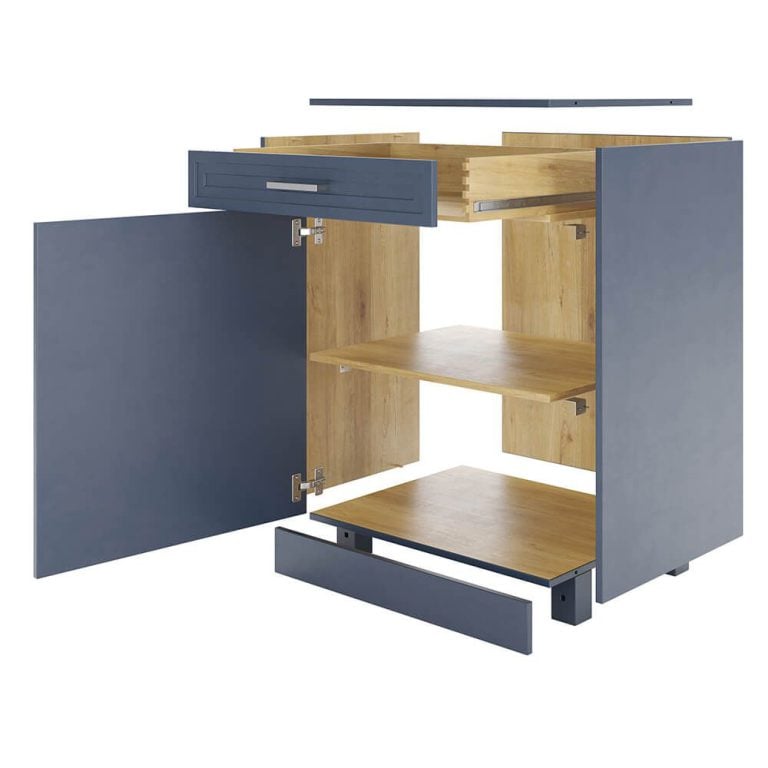
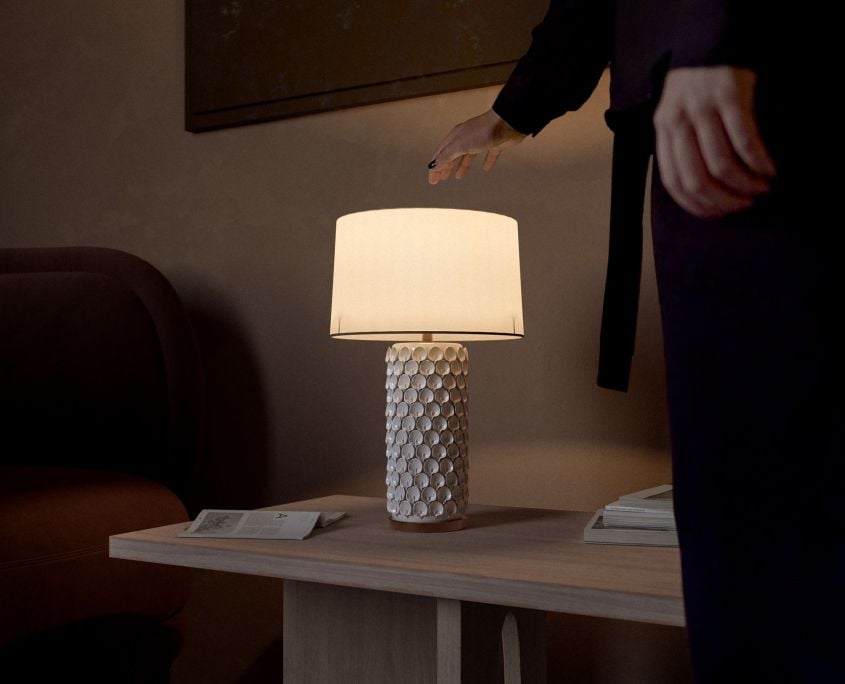
Applying the “less is more” philosophy can be efficient in certain situations when no people are depicted in 3D renderings. This approach allows you to focus the presentation more on the design itself or individual elements without being distracted by human figures. By eliminating people from the visualization, viewers can concentrate on the design details, appreciating the skill and creativity that went into the project. Even without people, 3D lifestyle images can tell a story through the room, light and decor.
The lack of figures gives an insight into elements like materials, texture, and space dynamics. Such insight helps a person to see how good and detailed the furniture and surrounding spaces actually are. Further, the lack of people makes the space look voluminous, which makes the smooth and functional design of the interior come out well. This strategy works well when one needs to demonstrate a minimalist/modern design that relies on simplicity and elegance.
Try kitchen furniture 3D visualization now and expect your sales to skyrocket in a flash.
See morePeople in 3D renderings enhance the furniture product placement by adding a sense of life and emotional engagement, making it more relatable and appealing. However, there are times when the presence of people can distract from the product itself, overshadowing the design details and quality. Designers must evaluate all options and select the best approach to effectively communicate their furniture pieces’ moods and messages.
If you’re looking for a partner to help bring your furniture vision to life, contact us for exceptional 3D modeling studio!