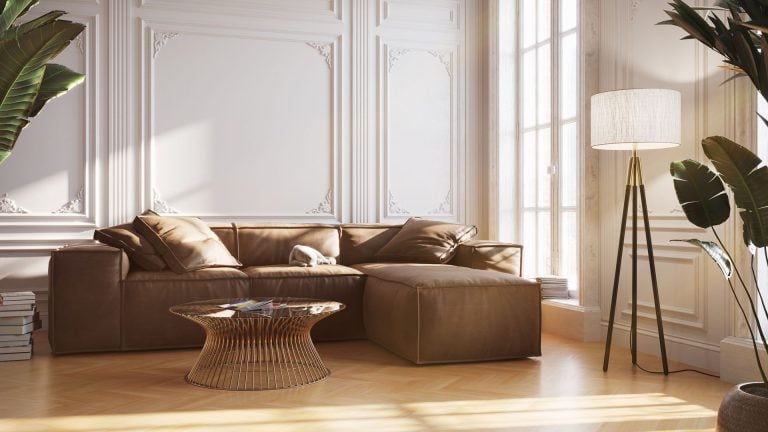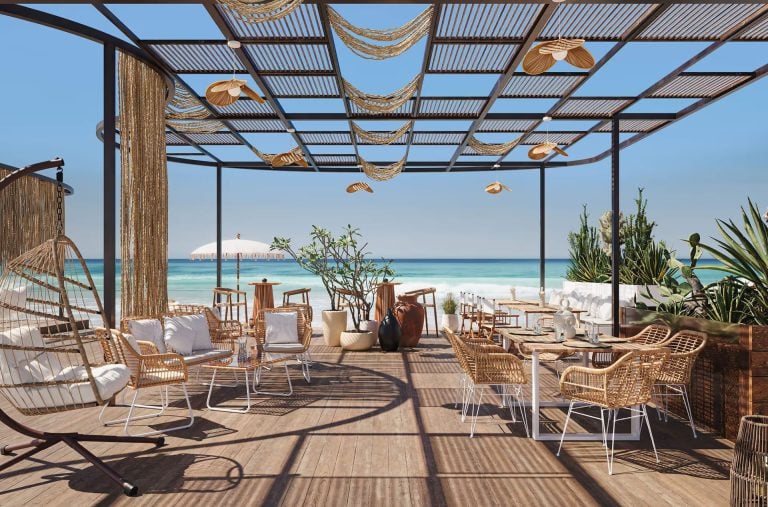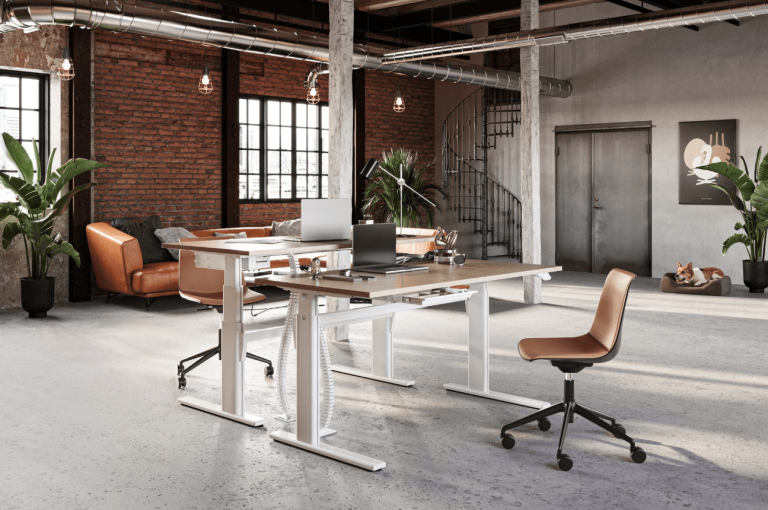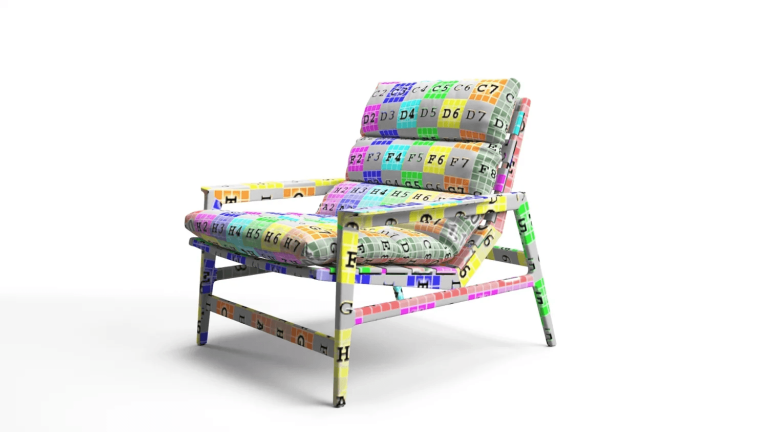
A lifestyle shot in a catalog is one of the most effective ways to expose the product’s benefits and boost sales immensely. A monochrome wall or a simple sheet of paper as a standard studio background for product photos cannot satisfy a picky customer anymore. Now they want to see how well this particular furniture element will fit in the general interior design.
As for the Manufacturers and Furniture Retailers, the process of organizing lifestyle shots photography might be a nightmare. Let’s face the truth – the catalog needs to be prepared in the short term, and photo shooting takes too much time due to the complexity of the overall process. For example, Marketers, involved in catalog making, need to arrange the location – warehouses or exhibition stands in stores – and have the furniture delivered there. Since these are lifestyle images, changing the decoration sets is a must, which is also burdensome and time-consuming.
Thus, is there any solution considering that a catalog is still a powerful tool for selling? The way out lies in rethinking the way of using lifestyle 3D rendering services for it. It brings all the involved to computer-generated images. So, here are the top 6 types of lifestyle photography for a furniture catalog that can revamp your product presentation and boost sales significantly.
1. Colorways Lifestyle Shots
Colorway lifestyle photo shots expose the object in many color variations. A viewer can look through all the color palettes of the item in one image. As a result, a manufacturer showcases the whole product’s range without taking too much space in a catalog and turning it into a heavy book.
Furthermore, on a 3D image, this very product and its color variations might be shown in different lifestyle interiors and pieces of furniture, carefully selected by go-to designers. Here and now one can see the most convenient option for their home, imagine how it will look there, and make a purchase immediately. This makes the process of choosing a win-win for any customer, had they taken a catalog into their hands.
In 3D, a colorways image starts from one model of the product. Artists swap materials and colors on that model, so there is no need to make a physical sample in every finish. The same model also keeps size and proportions identical across all variants. Swapping finishes on one model is a routine task in 3D lifestyle rendering services.
Two rules make a colorways shot work. Every option should be equally visible in the frame, and the palette of the scene should suit where the image will run: a vivid setting can work for social media, while a catalog usually reads better in the brand’s own color scheme.
2. Scale Lifestyle Shots
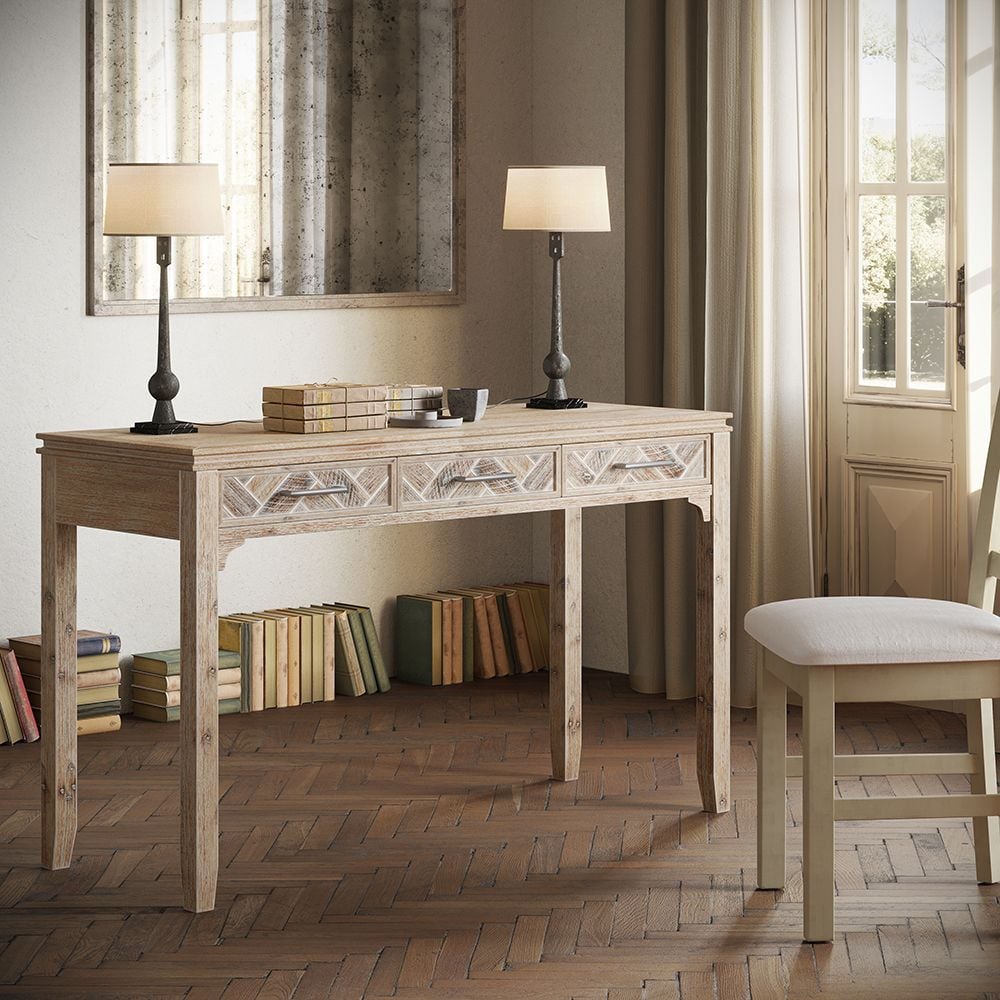
Scale lifestyle product photos are designed to highlight the product’s dimensions and proportions. They are placed in relation to the size of other furniture elements. In simple words, it’s much easier to understand the coffee table’s proportions when seeing it against the armchair or a sofa. Such display tells the customer all they need to know about the item’s size and how it might work for the entire interior design.
To be more precise, it’s hard to understand what 60″w x 19″d x 19″h means and how it looks like in the room. So, a photo or 3D lifestyle render helps to visualize it more clearly. Except, 3D rendering provides more background solutions than traditional photography could ever offer. It amplifies the viewer’s grasp of the thing and makes their choice more informed.
The camera angle matters as much as the props. A straight-on general view or a top view at about 45 degrees gives the most honest sense of size and shape, while extreme angles distort proportions. Use comparison objects people already know the size of, such as a person, a dining chair, or a door, and pick companions that support the point: a slim sideboard reads as slim next to other slender pieces. Knowing the real size before checkout means fewer surprises on delivery.
3. Group Lifestyle Shots
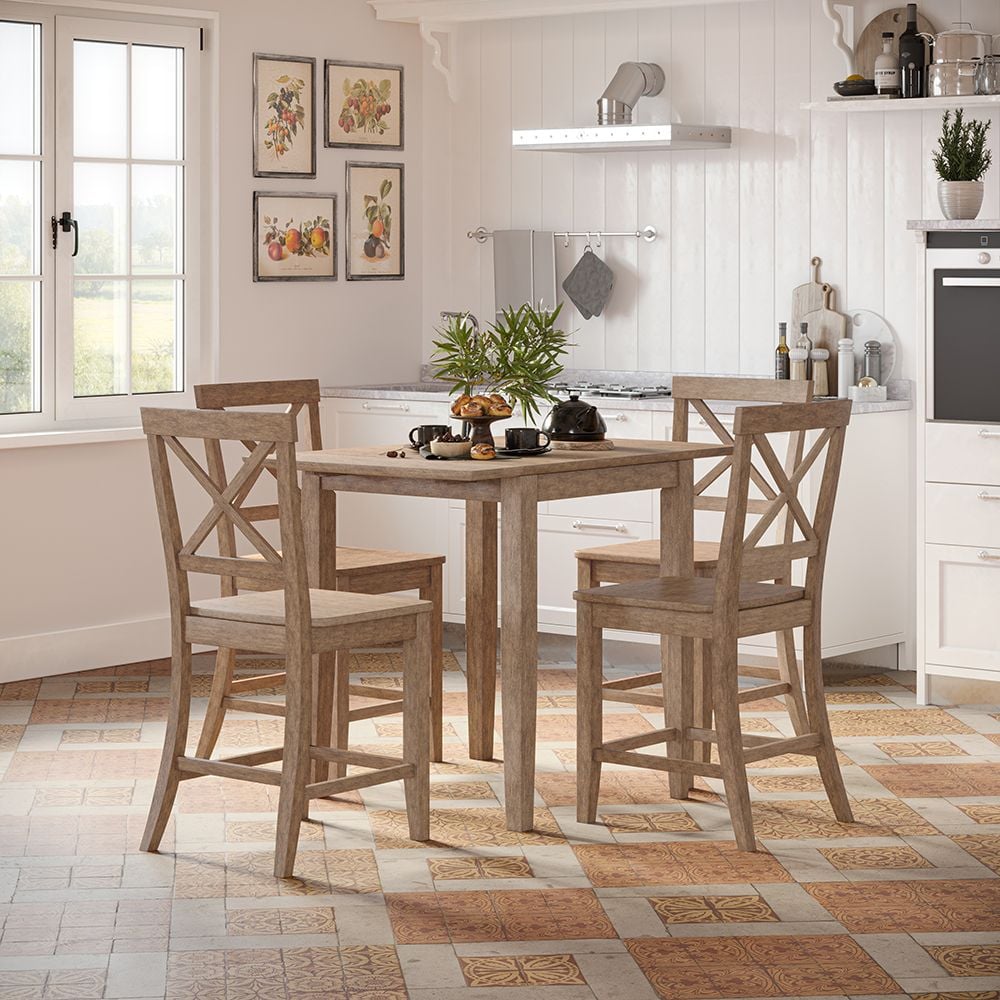
A group shot demonstrates the lineup or one item in multiple design solutions. It shows the whole range in all colors and materials and even might feature a few background settings. But whenever there is a need to change a furniture model or the background and produce new shots again, the process becomes more complicated and delayed.
As an alternative, 3D furniture rendering allows placing a few furniture elements into different 3D scenes and doing it as many times as necessary. Thus, a Manufacturer or Marketer can choose already existing scenes from 3D lifestyle renders’ base or ask for creating new ones. It’s simple and quick, unlike classic photography where decorations need to be reset every time the scene changes.
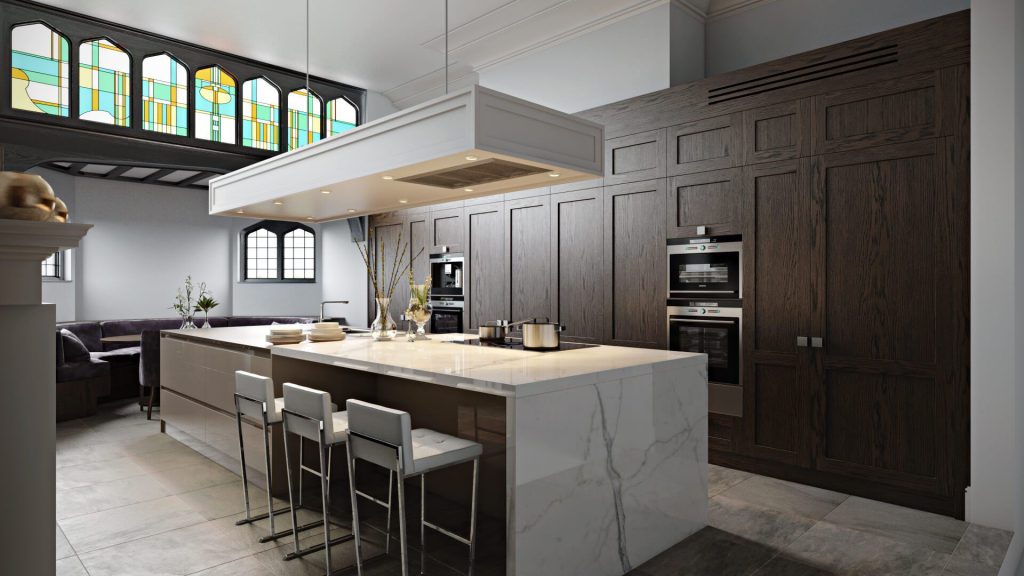
For the record, group lifestyle shots are a perfect tool for cross-selling since they showcase multiple goods side by side taken from a furniture store. For example, one, willing to renovate a kitchen, will love brand-new white cabinets featured in a catalog. Meantime, when seeing sleek-finished induction cooktops ideally completing the entire concept with cabinetry, they might want to have it all in their kitchen design. Besides, when buying multiple pieces, a customer gets discounts. Therefore, both the retailer and the client end up with a win-win.
A few rules keep a group shot readable. The products for sale should fill most of the frame, with minimal decor around them. Color and contrast decide which piece leads: a lighter or warmer item comes forward, a darker one steps back.
Because the set exists only as 3D models, a group shot can also show a collection before it is produced. Brands use such virtual mockups to check how a new line looks together and to start promoting it ahead of launch.
4. Hero Lifestyle Shots
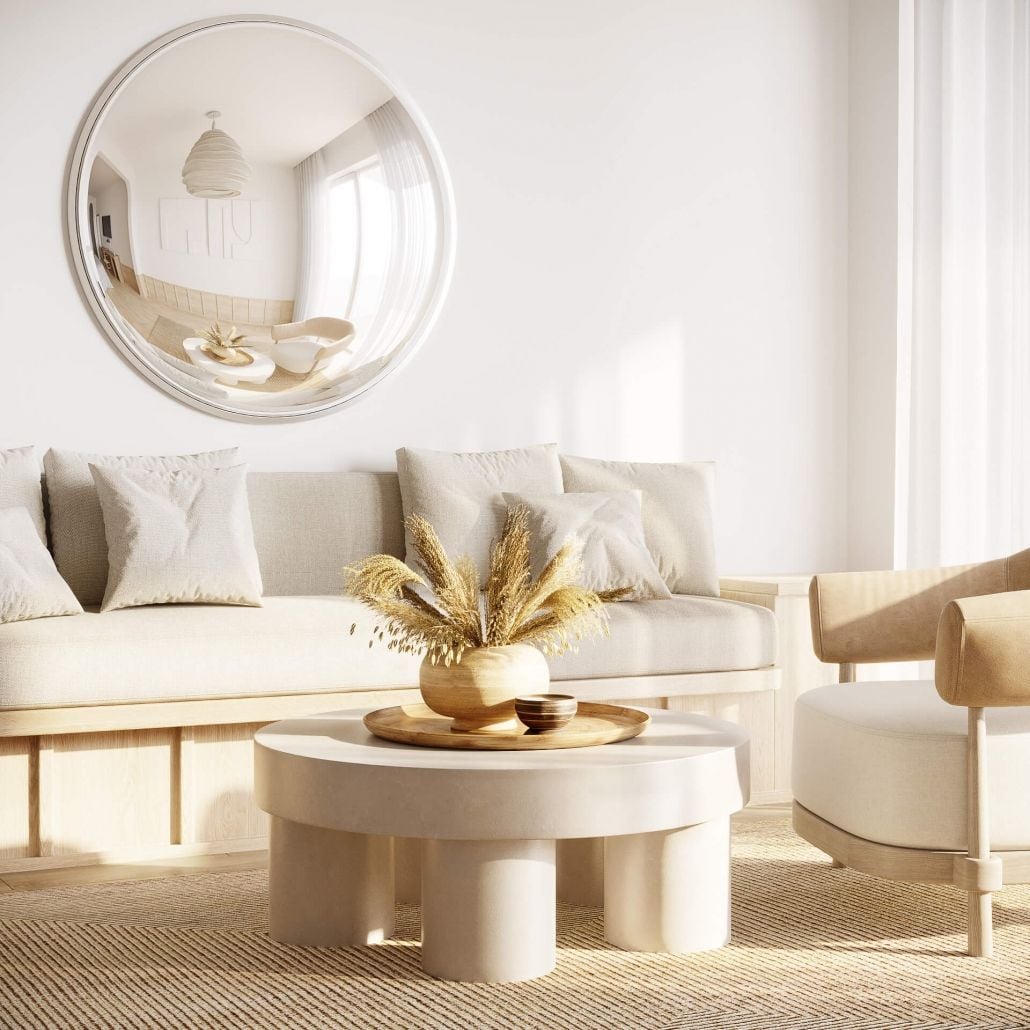
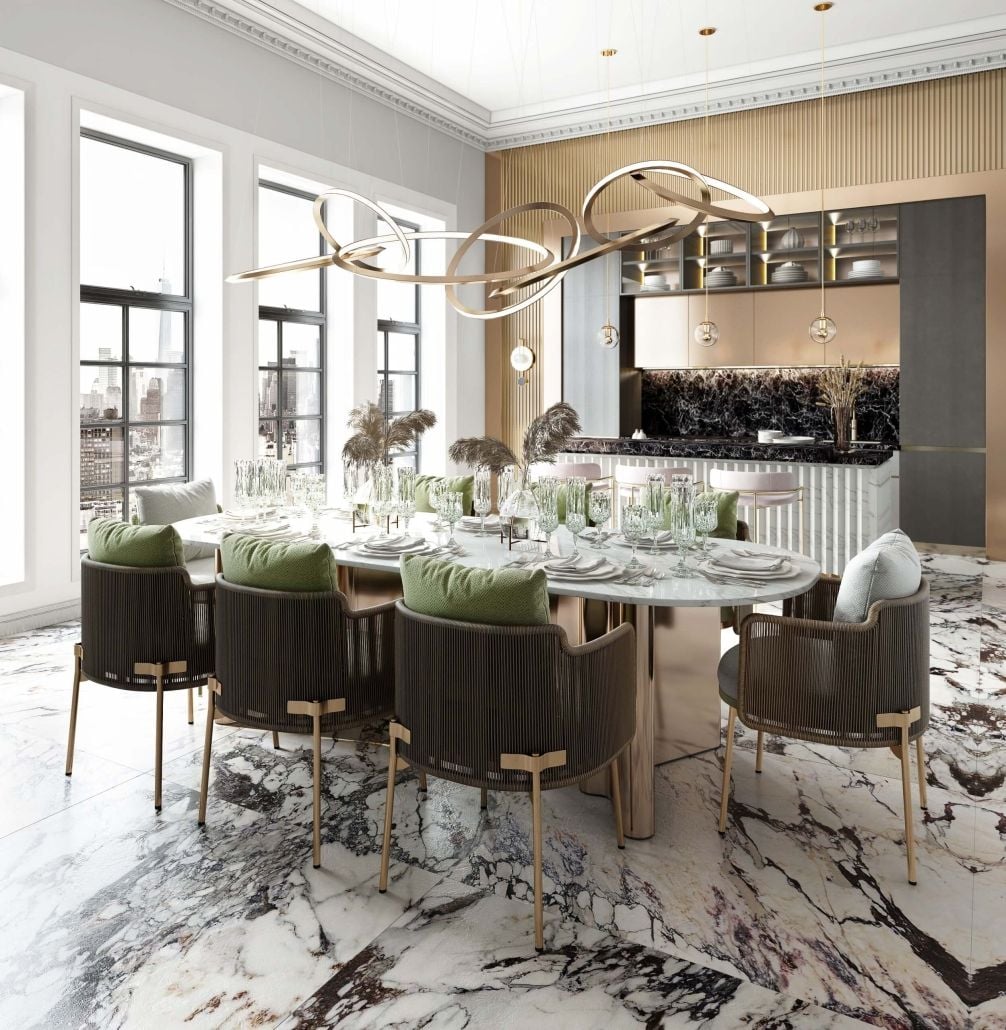
A shot makes the flagship product a hero of the catalog’s page. The furniture element is placed into the space where everything serves to highlight its benefits and, thus, show an exclusive value proposition. The environment of these lifestyle shots might include specific lighting, composition, contrast, etc., which will be perfectly suited for the “hero” item.
It’s an ideal way for the viewer to see the signature features of the item. From the perspective of producing hero lifestyle shots, ordinary photography might be at a disadvantage. Installing the correct lighting as well as creating the right composition of things is always challenging and requires a lot of equipment and props. In the meantime, CGI does it quickly and effectively with a few clicks of 3D artists providing lifestyle 3D product rendering services.
Lighting sets the mood of a hero shot before viewers notice any detail. Soft morning light feels fresh, warm evening light feels cozy, and hard shadows add drama. The choice should follow the brand: a luxury maker and an eco-friendly decor brand may sell similar pieces, but their hero scenes should look very different in light, materials, and styling.
5. Detail Lifestyle Shots
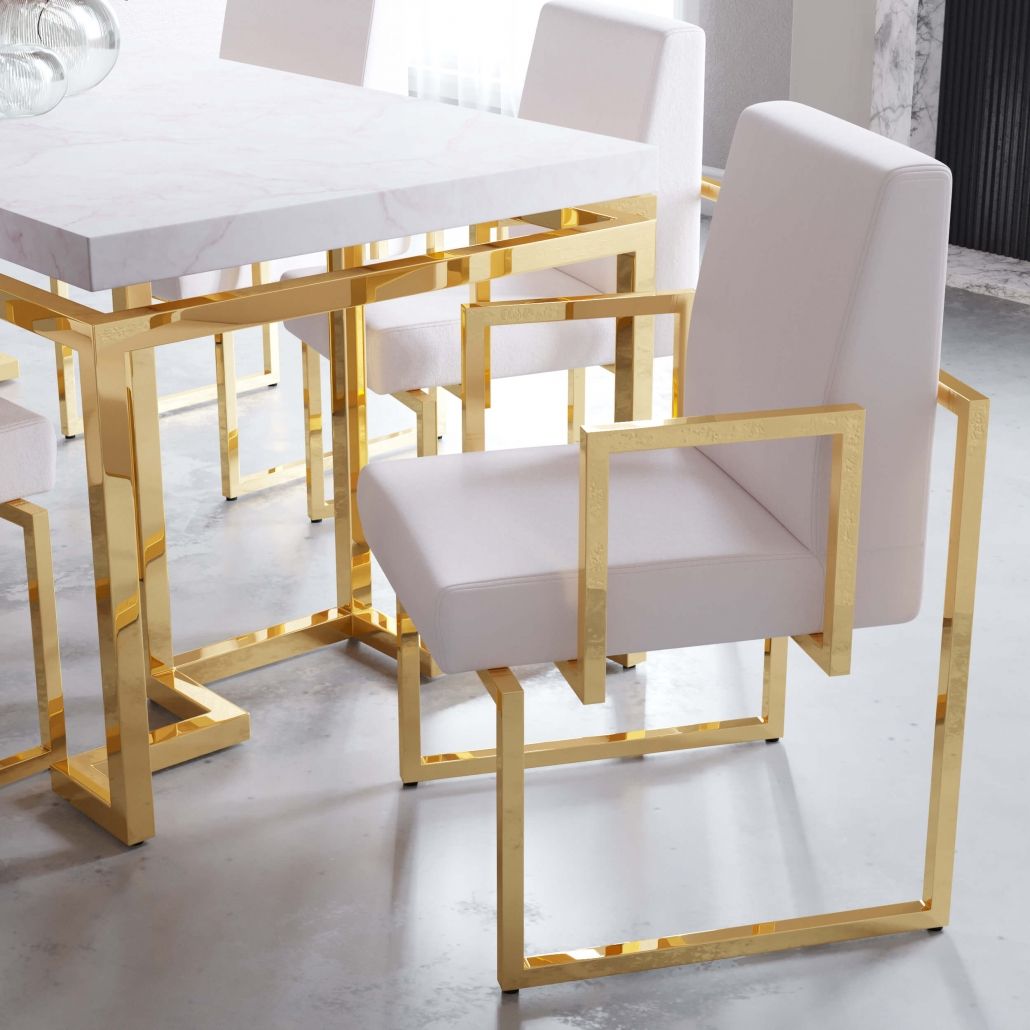
Whatever the placement is – a website or catalog – material quality will always be the basic point when purchasing furniture. This is exactly what a detail shot does – it focuses on the concrete details of the item under different close-up angles. Thanks to it, the viewer can assess its quality and examine its peculiarities.
Only high-definition technologies are capable of truly showing such robust upholstery fabrics as corduroy, wool, velvet, or quilted cotton in a catalog. This is where 3d rendering is irreplaceable. Furniture retailers use these lifestyle shots to allow prospects to opt for custom pieces of one item – for example, fine knit velvet or woven chenille upholstery for the sofa. Usually, detail shots come with other lifestyle images, enhancing the overall product presentation.
Close-ups also need small imperfections to look real: fabric that bunches at a seam, wood grain with natural streaks and color shifts, reflections that change with the angle. A perfectly spotless surface often looks fake, while these details make a detail shot believable.
6. Conceptual Lifestyle Shots
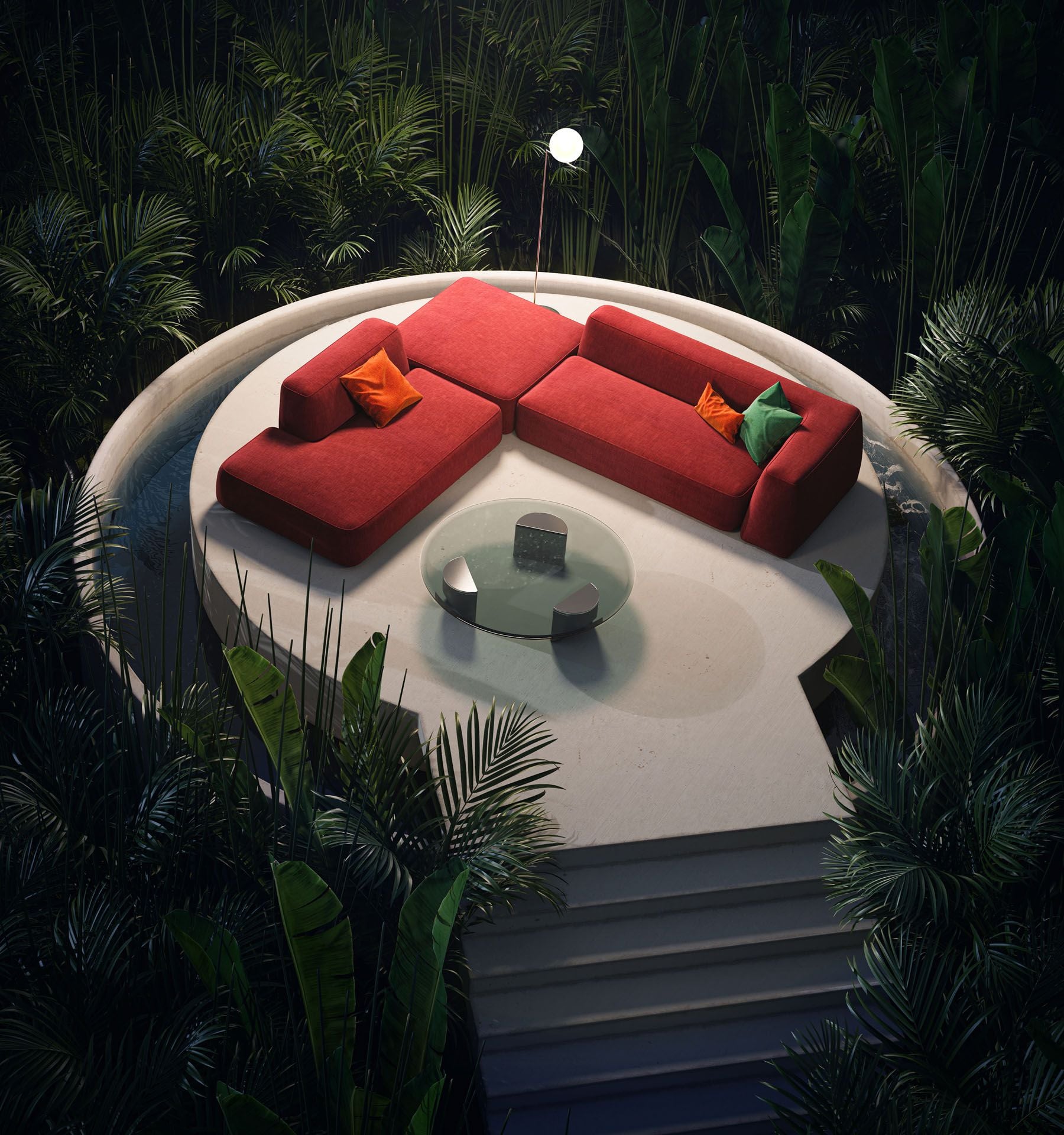
This is one of the most creative lifestyle shots for unique and bold marketing concepts. When it comes to a concept lifestyle image, there are no limits to implementing ideas. Marketers can try exotic backgrounds, artistic compositions, dynamic visual effects, and many more amazing features. For example, 3D artists can make an abstract background instead of a simple monochromic one. Or, they can go for a smoke effect in combination with spotlight rays to create a stage-like ambiance. Abstract scenes are one of several backgrounds for product renders that go beyond plain studio colors.
A concept image does not illustrate a typical room around the product. It conveys an idea, a mood, or an emotion, so the scene can be abstract or even surreal. It still needs realistic lighting, materials, and composition, or the product itself stops looking real.
Keep the idea simple enough to read in a second, and do not overdo post-production: if the product looks too perfect, viewers stop trusting it. Concept shots work best where attention is the goal, such as ad campaigns, social media, store windows, and outdoor ads, rather than as the main product page image.
Between Silo and Lifestyle: Wall Product Shots
Not every image needs a full interior. A wall product shot places the item against a plain wall or in an empty room. There are no props to distract from it, but the viewer still gets real-life context: light, shadows, and a floor under the piece. It is a practical middle ground between a white-background silo and a full lifestyle scene, and it often sits next to silos in product listings.
Feature Lifestyle Shots: One Selling Point per Image
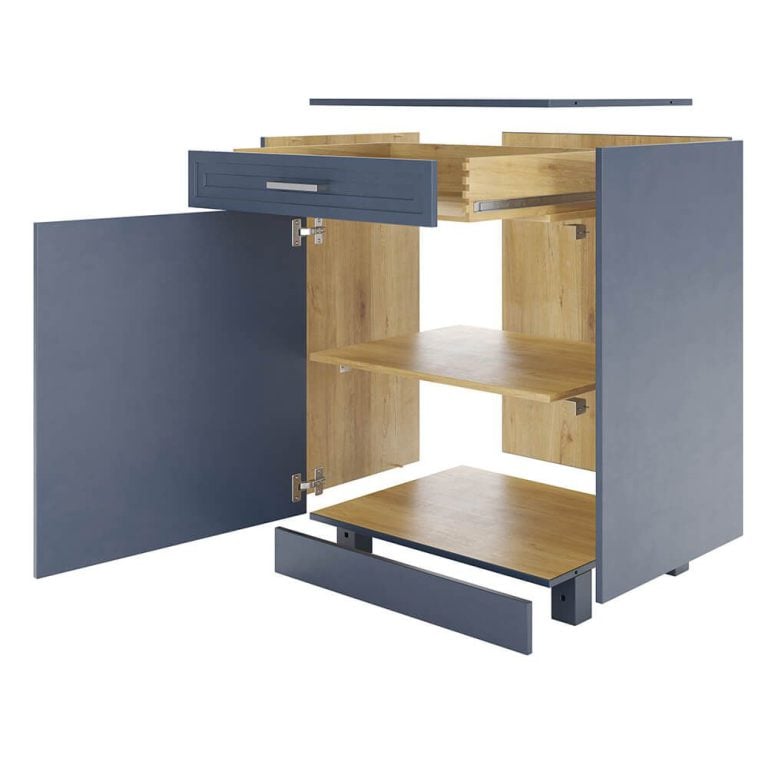
A feature shot is a lifestyle image built around one specific feature: a mechanism, a piece of hardware, a finish or a function. Kitchens are a typical case. Instead of the whole room, the scene shows cabinet hardware or a built-in cooker and grill at work, and the rest of the interior is there only for context. The kitchen hardware scenes we made for HABCO work this way.
To brief a feature shot well:
- Name the single feature the image must sell before anything else.
- Describe the real materials (fabric, wood, metal) so the textures match the product.
- Show the feature in use, such as a drawer pulled open or a reading nook with the chair in place.
- Ask for more than one lighting setup to see which brings out the shape and texture best.
- Agree on image usage rights with the studio before work starts.
Beyond the catalog and website, feature shots work well in email campaigns, trade show materials and interior design magazines.
7 Fireproof Benefits of Using Lifestyle Shots for Furniture Catalogs
With the rapid growth of e-commerce, printed and online catalogs still run the furniture industry world. Annually, Ikea prints about 203 million copies worldwide. Herewith, 75% of their images are not photos but 3D renders. These are images of single objects against a white background or motion lifestyle 3D shots featuring a room filled with furniture and people.
The latter is particularly valuable to buyers since they represent the products in many design concepts. This gives people as much information as possible about the product and accelerates the purchase. In general, lifestyle product images have many advantages for catalogs, but here are seven of the most crucial ones.
1. Amazing Targeting Opportunities
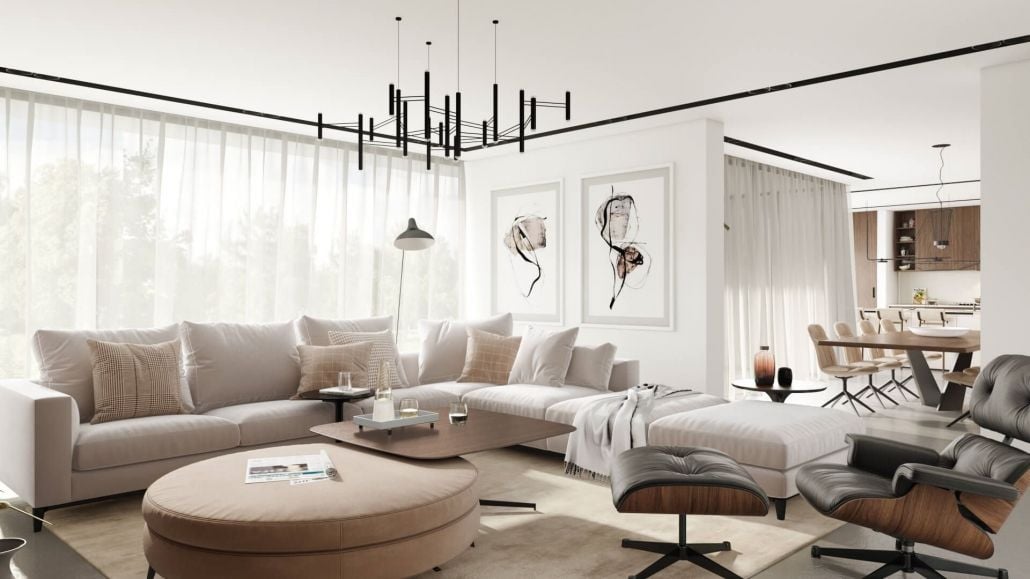
Here’s an interesting fact about ‘digital’ retail – it has become more “crowded” and “noisy”. However, catalogs tailored to customer preferences represent a more intimate and less crowded way of advertising than emails, social media, or online stores. In many ways, this ‘customer preference tailoring’ is achieved thanks to lifestyle pictures for furniture . They help eliminate this ‘crowd’ factor and add to delivering a rich, tactile shopping experience to prospects. Here’s how it works.
Furniture retailers collect data about shoppers and build their marketing collateral strategy respectively. Armed with an ample roster of data on customer transactions and wants, they work out the visual content and focus on reaching those who will be more responsive to it. Thus, that’s what the huge furniture retailer Wayfair does. They send out catalogs to the high-value target audience or people who have moved into particular neighborhoods.
2. Bringing Value To Viewers
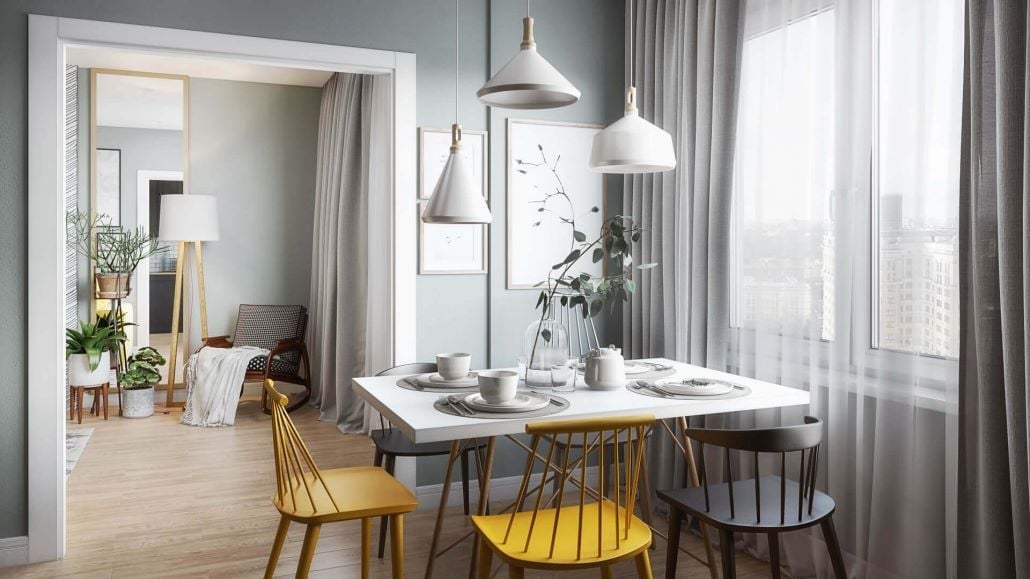
Once prospects hit a page, they engage with lifestyle images for products – relevant, valuable content that drives purchase decisions. It’s exactly what lifestyle pictures for furniture are about nowadays. There are a few types of them. For example, colorways lifestyle shots are designed to present an item in different color variations in different design scenes. This way, people should realize which color is the best one for their living space and where to place an item to complete the whole interior concept.
Or, this could be hero lifestyle shots to highlight an object by placing others around. It might be helpful for those looking for separate pieces for certain rooms. Finally, lifestyle images essentially make sense during the holiday seasons. They become super relevant and insightful at a time since catalogs provide a huge variety of product and design concepts for any taste and price scale.
3. Physical Touchpoint To Build The Brand’s Identity
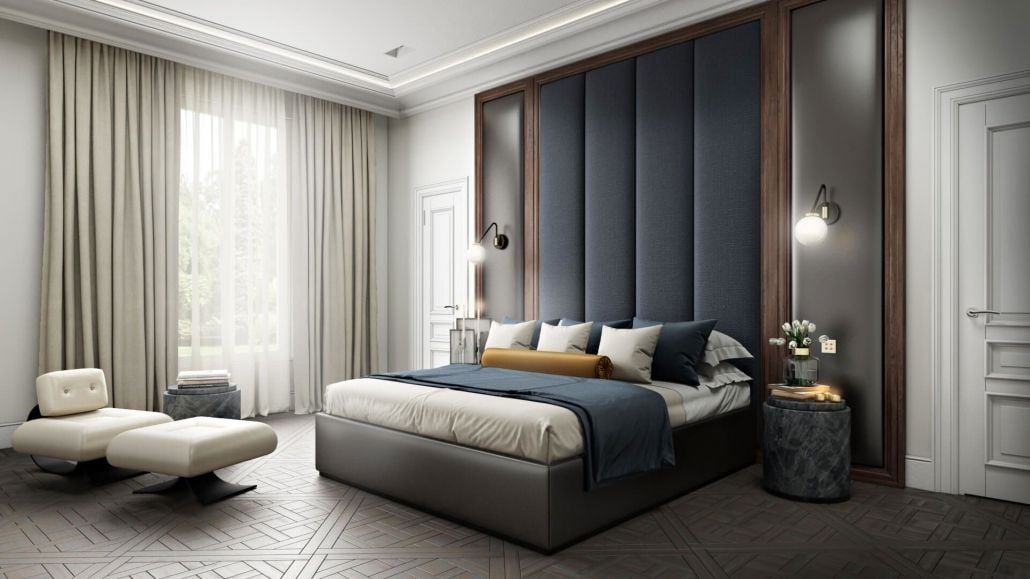
Customers can tell acutely any unauthentic content. In due time, they were impressed with photoshopped pictures but today it is unacceptable. Prospects appreciate realistic images of models and are impressed with the content which is rather authentic than perfect. Besides, they want to relate to it as well. Lifelike 3D renders for furniture address this inner query as well. Furthermore, people associate such valuable content with the brand, which solidifies its positioning.
Based on that, retailers roll out other offline activities to instill the brand’s message in people’s minds. For example, Wayfair is used for organizing physical pop-ups. Prospects select catalog merchandise and then are allowed to touch and feel it.
4. “It’s About The Story Of A Product”

There’s nothing more effective in terms of telling a story than lifestyle pictures for furniture. When used for catalogs, they allow a retailer to tell a story and put those products in context. By the way, visual storytelling is one of the catalog printing trends at present.
Storytelling engages people emotionally and helps brands connect with the audience. For example, 3D specialists can create a nice scene with a fireplace in the living room where the elderly gather with the whole family. Or, the same fireplace can be put in the context of high-tech design with the party on fire. To sum up, there’s so much room for different lifestyle conceptual images that people will resonate with.
Props carry most of the story. A book left open on the coffee table, a mug next to an armchair, kids’ drawings on the wall: each one hints at who lives in the space. Every prop should help answer that question, because random decor only clutters the frame and pulls attention away from the product. Some scenes go further and show the residents themselves, which is where people in 3D renderings come in.
One image tells a story, but a catalog tells it page after page. Keep lighting, colors, composition, and mood consistent across the whole set, so the brand is recognizable in the catalog, on the website, and in ads, even as settings and featured products change.
5. Great Personalization Opportunities
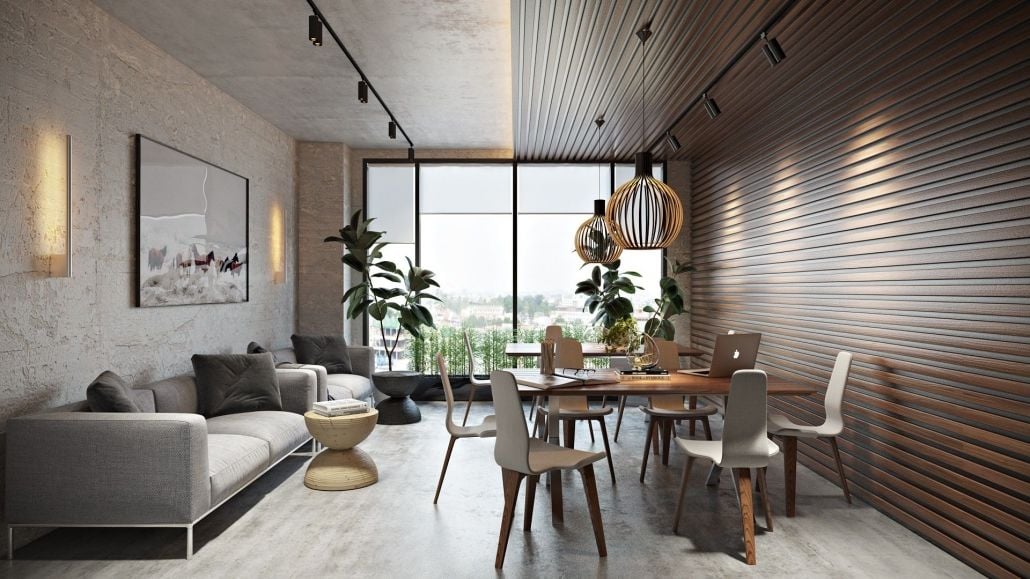
Lifestyle pictures for furniture provide retailers with the opportunity to meet the customers’ personal needs. Let’s suggest that a customer needs to know the item’s dimensions and its iteration against others. Scale lifestyle shots can help out significantly here. This type of CG imagery places the objects with other furnishings. This way, it is clearer and easier to figure out their proportions.
For example, the proportions of the ottoman will be more perceptible when placed near a sofa and an armchair in the living room. Luckily, unlike traditional photography, furniture 3D rendering services suggest offering many background solutions for the most optimal product presentation. Customers have all the chances to make a more informed purchase.
6. Unbeatable Cost-Efficiency

Ten years ago, Ikea abandoned the idea of traditional photos and moved to computer graphics. The idea was not to better the quality of the imagery. They wanted to streamline the supply of producing images and save on creating and shipping furniture prototypes around the world to have them photographed.
Lifestyle pictures for furniture , by nature, are implementable to any online and offline selling platform. It allows retailers to economize drastically on advertising material throughout the whole brand’s network. In simple words, once 3D images are created, they can be used in many marketing channels. The same set of 3D lifestyle images can serve the catalog, the website, and ads.
7. Enhancement Of Online Purchases

Consumers who received both email and a physical catalog purchased 24% more than those who received email only. The bright, relevant and insightful lifestyle pictures for furniture reinforce brand recognition and increase product awareness. They make the brand stand out in the crowd and maintain existing customer relationships. Thus, wherever shoppers go – be it an online store or brick-and-mortar one – they will lean on their previous experience with the catalog and its content.
Catalog imagery can make or break the sale, so taking care of the product pictures is crucial. They should be high resolution, smartly stylized, and demonstrate the advantages of furniture to the full extent. Moreover, they need to provide the client with the information, sufficient to make a purchase here and now. It makes 3D rendering, not just a credible alternative to traditional product visualization but the only ultimate way to do it quickly and budget-friendly.
Download CGIFURNITURE price guide and learn the costs of top-tier 3D visualization projects of different scales!
See our pricingNeed eye-catching lifestyle shots photography for your furniture catalog? Give it a try with our lifestyle 3D rendering services and create a catalog that will stand out amongst competitors.