The 3D rendering artist plays an important role in helping to bring ideas and 3D designs to life through turning two-dimensional drawings or sketches into intricate 3D designs that are very realistic. The process of 3D rendering can be used in a wide variety of industries such as architecture, product visualization for furniture and e-commerce as well as video game development. This helps in showing off ideas in a dynamic manner.
This article by our 3D rendering services team aims to offer an inside look into the work of CG (Computer Graphics) specialists. Read this post about 3D rendering artists’ creative process, their tools, and their significance in today’s digital landscape.
1. Expertise in 3D Modeling, Texturing and Lighting

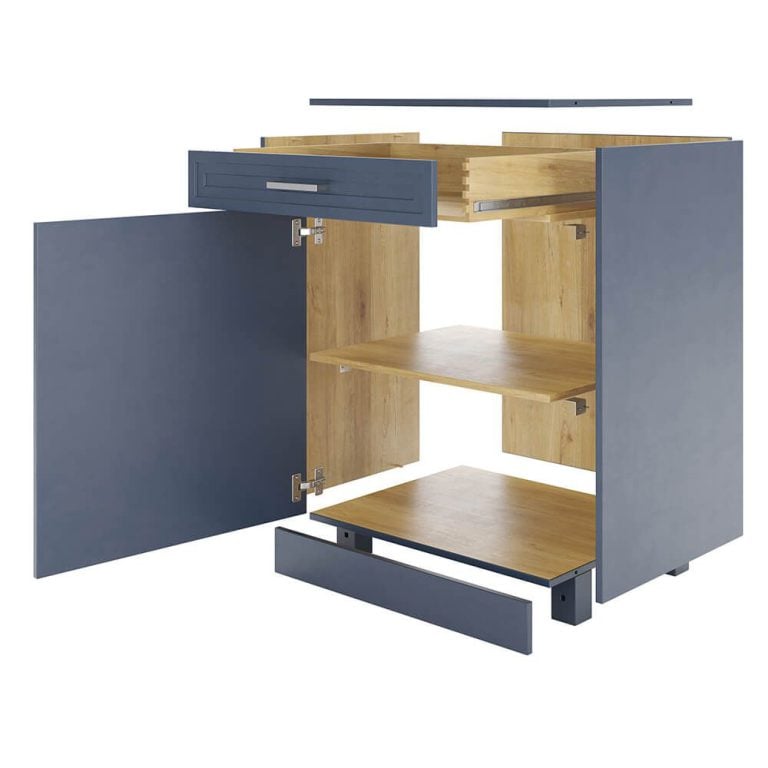
Any 3D rendering begins with modeling in 3D, which forms the basis of the whole creation process in terms of visuals. Artists begin their work on rendering by first creating the shape and structure of objects, whether it be simple shapes like cubes or sophisticated designs like architecture. Specialized software is used to accurately reproduce the dimensions and proportions of the object, and it is very important that the modeling is done accurately as this will form the basis for all other processes.
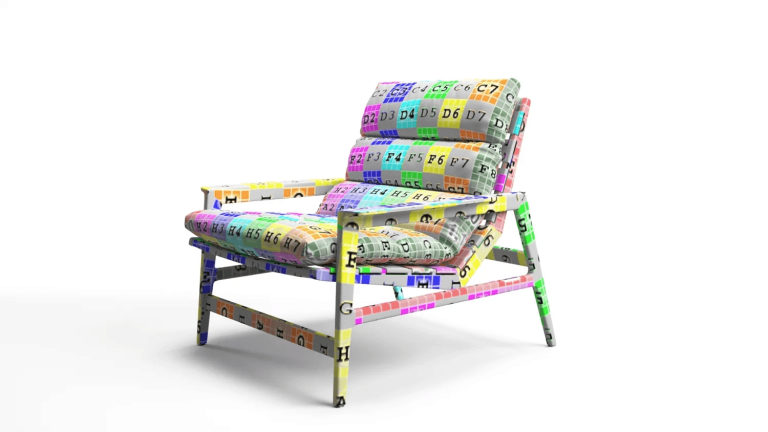
The process of texturing allows for giving more depth to the model through adding layers of texture and making the object look as though it was made of the material whose features are described by the texture. The purpose of texturing is the recreation of the interaction of light with the surface, and 3D rendering artists use special programs for texturing 3D models. The texturing process is very useful in allowing an artist to add certain imperfections like scratches, wear and tear and the likes to the object.
A skilled product rendering artist is a bit of everything – they should know modeling, texturing, lighting, camera positioning, rendering, and post-production. To get a perfect 3D render ready to go, they learn at least several CGI software types and know the drill perfectly, from building scenes and configuring lighting to adding visual effects in post-processing.
Lighting is one of the most essential elements in achieving photorealism in CG rendering. Lighting works in tandem with shading in order to achieve realism. It replicates the absorption, reflection, or scattering of light on a particular surface. This method depends on the type of material used in the object and makes objects look realistic whether it is skin shading or metal shading. These two aspects bring depth and texture to a 3D image. They add reality to the render and create the mood and atmosphere of the scene.
2. Utilizing Different Rendering Software and Tools
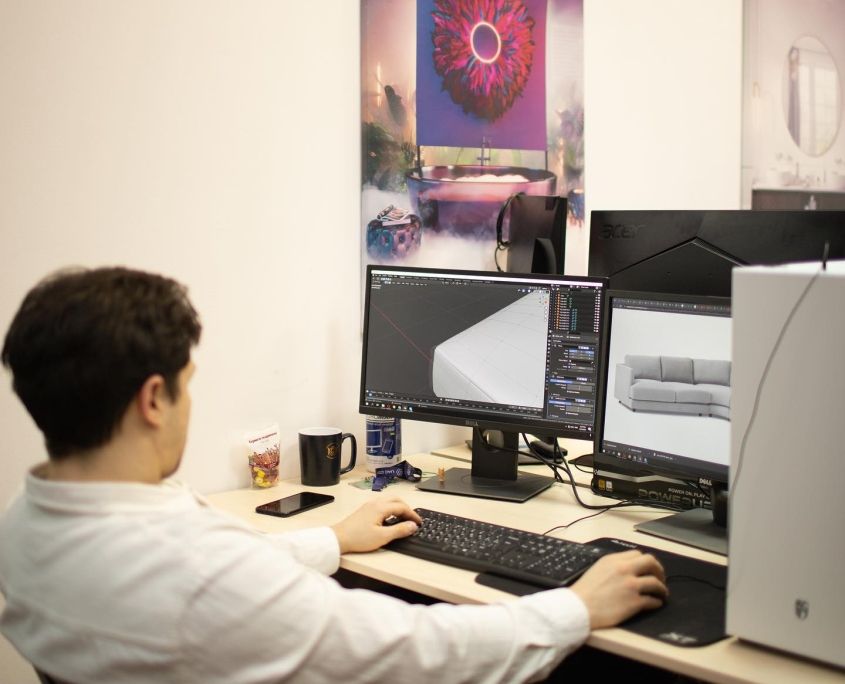
3D modeling artists rely on specialized software and tools to bring their creations to life. The most commonly used programs include Blender, 3ds Max, and V-Ray. Blender is known for its versatility and open-source nature, while 3ds Max is a go-to for architectural and product visualizations. V-Ray, often used with other software, is highly valued for its ability to produce photorealistic renders through advanced lighting and material simulation. Here’s a look at some of the most popular ones:
- Blender: An open-source, versatile tool for 3D modeling, texturing, and animation, Blender is widely used for its powerful features and community-driven support.
- 3ds Max: Favored in industries like architecture and product design, 3ds Max offers advanced modeling and rendering capabilities, making it a professional go-to choice.
- V-Ray: Often paired with other 3D modeling software, V-Ray is renowned for its ability to create photorealistic renders through detailed lighting and material simulations.
- Cinema 4D: Known for its user-friendly interface, Cinema 4D is popular for motion graphics, product visualization, and architectural rendering. Maya: A top choice for animation and character design, Maya is also highly regarded for its robust rendering and texturing capabilities.
Mastering these 3D rendering tools and equipment is essential for producing high-quality renders, as each offers unique features that cater to specific project needs. A 3D rendering artist must deeply understand these platforms to optimize his or her workflow and ensure that the final output meets industry standards.
Additionally, there are critical differences between real-time and offline rendering. Moreover, there are important distinctions between real-time and offline rendering. The former technique, which is commonly applied in games and interactive software programs, enables instant responses to any changes that occur, making the design process more dynamic. In contrast, the latter approach is normally applied for static images and animations of high quality. While computing complex lighting and textures takes longer, its result is impressive.
A-class product rendering artists are not just tech-savvy – they are tech-obsessed. For many, 3D rendering is where passion meets the personal quest to evolve with the job market. That’s why they keep abreast of the latest 3D software and techniques. Moreover, they do networking to learn from colleagues worldwide and attend specialized trainings to master advanced tools.
3. Focus on Composition and Camera Angles
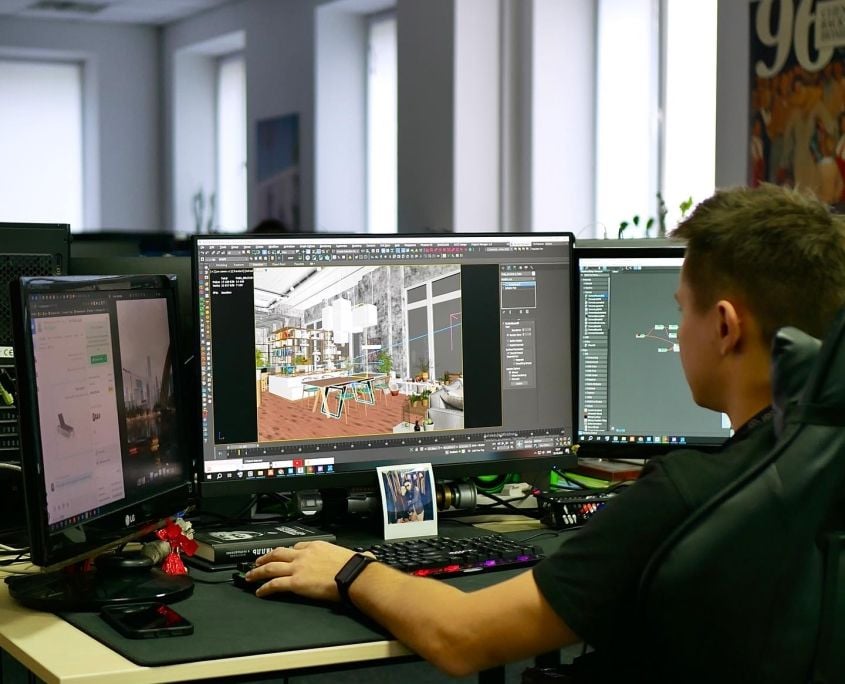
A 3D rendering artist approaches their work like a photographer, carefully setting up compositions and camera angles to create visually compelling renders. For instance, in photography, framing, and positioning are crucial for telling a story or highlighting a product’s or scene’s critical features. By strategically placing and rendering 3D objects within the frame, adjusting the depth of field, and selecting the right angle, artists can guide the viewer’s focus to essential details, whether it’s the design of a building or the texture of a product.
Composition plays an important role in making the render look more visually appealing. The good thing about having well-composed scenes with good framing is that the viewers tend to be emotionally moved by the scenes and the scenes help emphasize some parts of the scene.
Composition also pays off after the first project. Once the model exists, the artist can place it in a new scene, change the camera, and produce a fresh set of images for another market, audience, or season. The product does not need to be shipped or shot again.
An ideal product rendering artist often comes into the world of 3D with a solid background in design or architecture that combines technical skills and creativity. Architecture knowledge allows following geometrical and spatial authenticity, while design skills bring functionality to visual presentations. At an early stage, skills in drawing and sculpting help get a clear understanding of the model required as well as adjusting foreshortening and perspectives.
4. Problem-Solving and Attention to Detail

CG artists may experience considerable difficulties when dealing with highly complicated geometrical forms and modeling polygons in many cases. It is necessary to achieve the appropriate balance between quality and the efficiency of the work to maintain the small size of files and proper performance.
Troubleshooting and problem-solving are integral parts of the rendering process. The artists must continuously solve issues like slow rendering times, texture errors, or lighting inconsistencies. This technical expertise ensures the final render meets creative and practical demands.
Attention to detail plays a significant role in delivering flawless images. Every aspect – from subtle texture variations to precise lighting adjustments – can significantly affect the final result. A meticulous approach ensures that the final output looks visually stunning and meets the project’s requirements for realism and quality.
Over the course of a project, hitches can happen along the line. A product rendering artist needs to be flexible and resilient to resolve issues quickly and properly. They deal with risk management and make timely decisions – suggesting alternative solutions is an important skill. On top of that, CGI professionals know how to handle conflicts within a team or misunderstandings with clients through reliable communication systems.
To explore how different types of 3D visuals can work for your products, see our guide on types of product visualization.
5. Team Collaboration, Communication and Industry Awareness

A 3D visualization artist in a CGI studio is not a solo performer – being a team player is a must. They collaborate with other artists, designers, and project managers throughout the production cycle. A client manager receives orders from customers, while a project manager oversees completion. Designers provide ideas on the product’s look and the best possible settings for it. In this entire chain, communication is the foundation.
Strong communicational skills are needed during one-on-one and group interactions within a team, as well as during negotiations with prospects on potential projects. 3D professionals often assist executive managers with concept pitches to new clients – helping clarify what the manufacturer wants, agreeing on realistic deadlines, and demonstrating the studio’s capabilities.
How Artists and Clients Actually Communicate
In a studio, the 3D artist usually does not write to the client directly. The client manager collects the brief and the feedback, and the artist sends questions back through the manager. So the artist has to describe each problem in a way that a manager, and then the client, will understand without 3D jargon.
Most questions fall into two groups:
- Missing technical data. A dimension, a hidden part, or a fitting that the drawings and photos do not show.
- Conflicting style references. For example, two mood images that point to different interiors. The artist needs to know which one to follow.
A few clear, consistent style references are usually enough for the artist to build the whole scene. Sending complete product data up front saves a round of questions.
Commercial or business awareness is a crucial aspect of any professional skillset. Knowing the industry a 3D artist works in helps connect with the target clientele and secure economically advantageous projects. At CGIFURNITURE, 3D professionals follow the trends in design, furniture production, and digital graphics and implement these novelties into projects. This way, new visual materials become more and more in demand on the market. Besides, there is a Marketing Department in our studio, which is designed to explore the industry constantly and make a regular market research. Based on its data, 3D artists can offer competitive 3D solutions that let Furniture Manufacturers stand out in the crowd.
 ↔ drag to rotate
Explore types and features of 3D modeling service to enhance your visual marketing like never before.
See moreOverall, 3D rendering artists have both creative and technical skills that are different from each other. They are able to manipulate models, textures, lighting, shading, and compositions in order to make their visuals as realistic as possible. With their technical skills and ability to use high-tech programs, 3D rendering artists can make sure that the end product looks perfect and realistic.
Choosing the right CG specialists for your rendering projects is vital. Their experience and skill directly impact the quality and effectiveness of the final product, making it essential to select professionals who understand both the artistic and technical aspects of 3D modeling.
Try CGI services by our 3D rendering artists that transform ideas into stunning visuals that enhance storytelling, communicate design features, and leave a lasting impression.