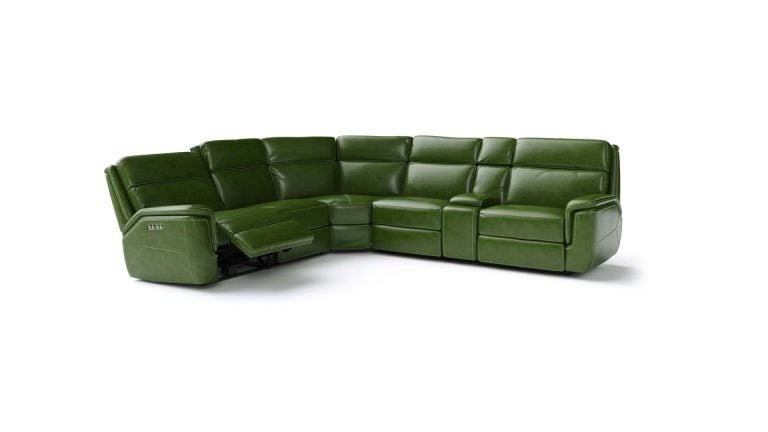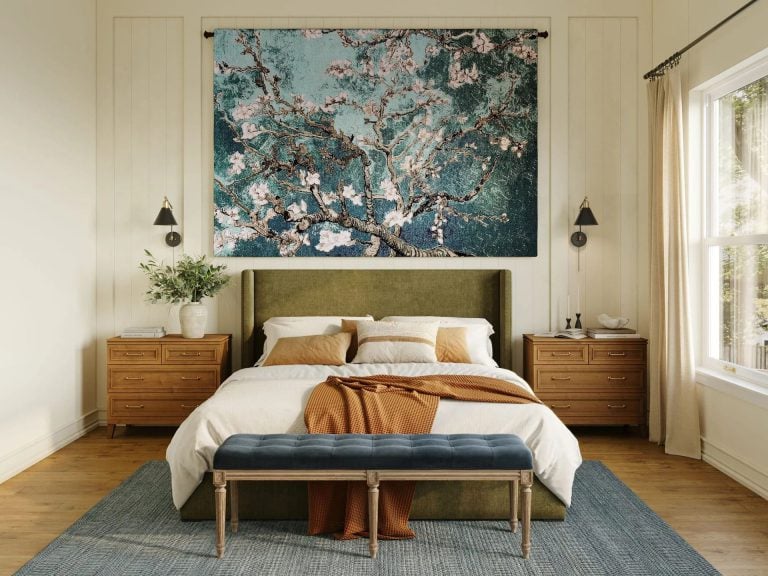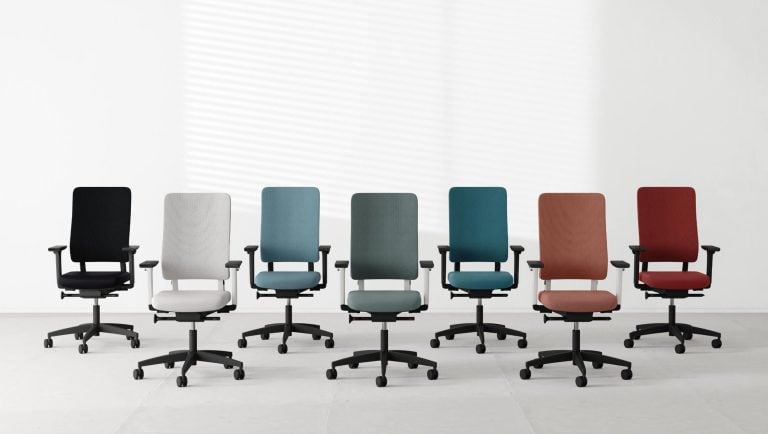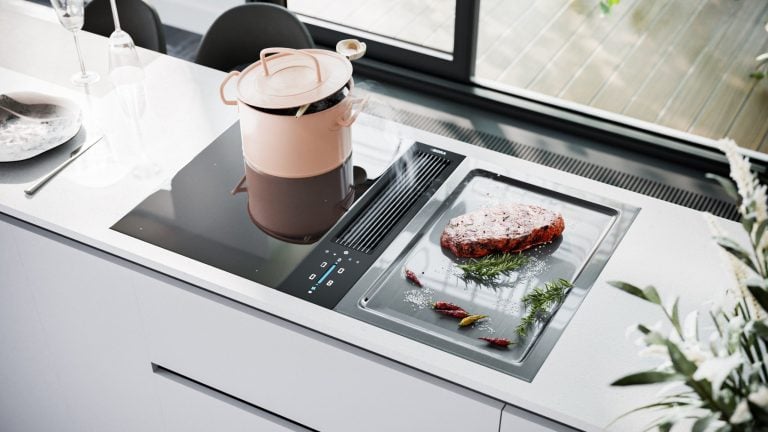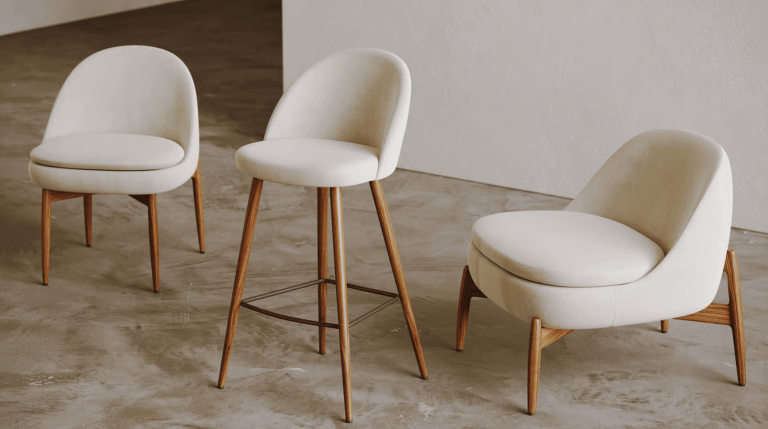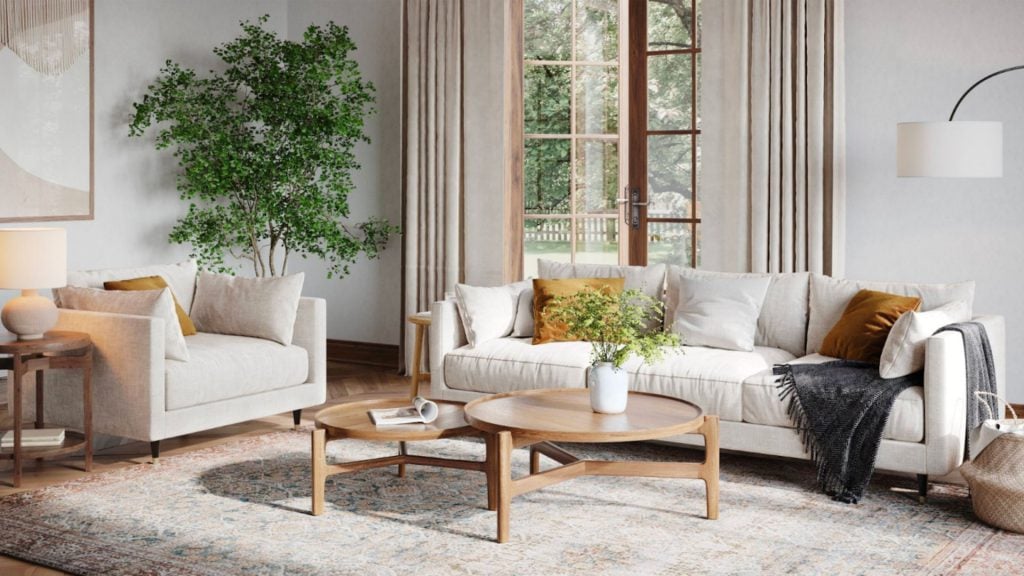
Have you ever wondered how furniture companies create those jaw-dropping computer-generated images of their products? If so, you’re in luck! In this article, we’ll take you on a fascinating exploration of the world of 3D modeling. We’ll also provide valuable insights and techniques used by our 3D modeling studio’s professionals to create the best CGI visual marketing materials for businesses.
If you are a budding product marketer or designer, a person who loves learning things or simply a person who admires well-designed furniture illustrations, this blog article is intended to share some insider information and secrets about it. Now let’s explore the world of Computer Generated Imagery, which is a combination of art and science.
Explanation of 3D Modeling & The World of Computer Graphics
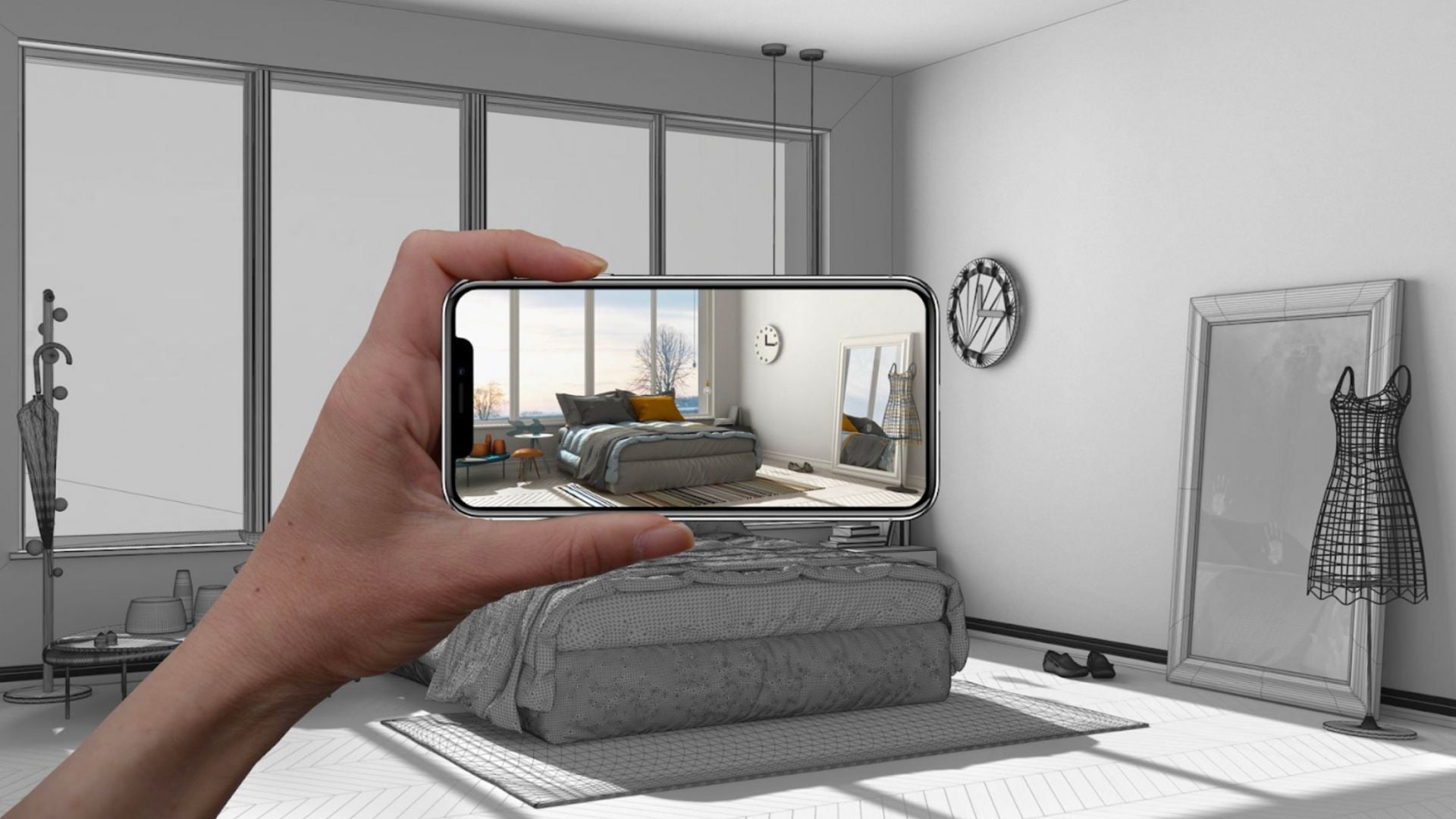
Unlocking the world of computer graphics, 3D modeling techniques revolutionize the creation of lifelike virtual representations of furniture. From intricate textures to realistic 3D lighting techniques, these approaches, fueled by cutting-edge software and tools, empower designers and artists to craft furniture models that mirror reality in astonishing detail.
In the process of digital model production, there is always a complicated procedure that gives birth to the object, character, or environment. Artists begin with basic geometric shapes like points, lines, and curves, developing them to create a wire frame model. The basics of 3D modeling become a masterpiece through texturing, shading, and proper use of materials. In the end, the effect of lighting comes into play, adding realism to the model.
The Significance of 3D Modeling Techniques in Creating Realistic CG Images for Furniture Renders
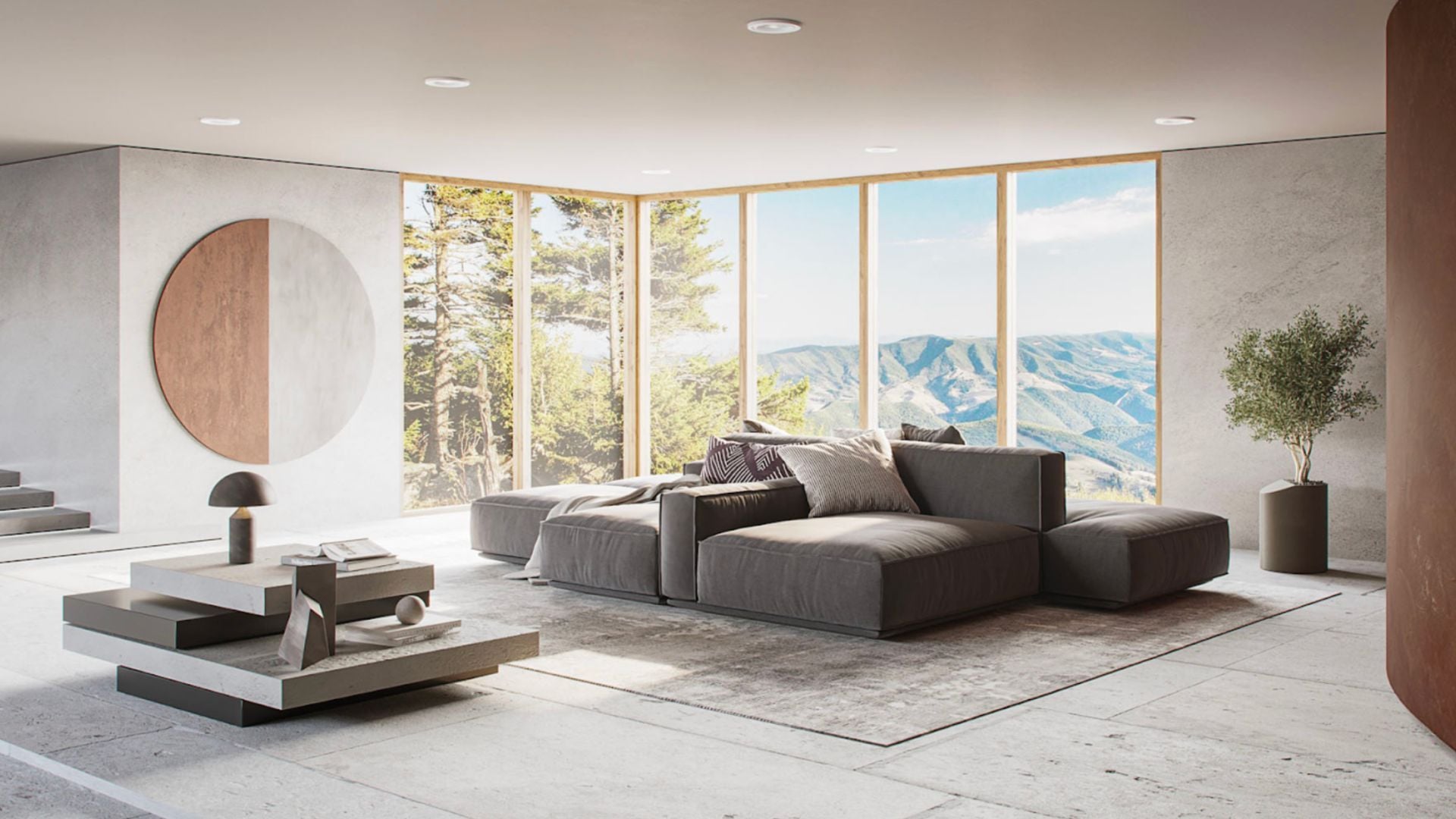
But why are 3D modeling techniques so crucial in the realm of computer graphics for furniture renders? Allow us to unveil their remarkable significance.
To start with, these tools provide designers with the ability to manipulate the model in real-time. Expensive physical prototyping is no longer needed because of 3D modeling that allows to easily change sizes, forms, and styles of furniture by simply clicking on a button. Not only does it save valuable time and money, but also boosts creativity and innovations. Designers can rapidly demonstrate their projects, collect the feedback, and improve them, making their ideas alive and developing them faster.
But the real magic happens when one realizes that these modeling techniques have the potential of producing absolutely amazing photorealistic renders of furniture objects. All the tiny details such as wood grain or form can be represented in detail in the model. This realism makes models very attractive for both designer and client as well as gives the client an opportunity to see how the furniture will fit in its environment and how it would look like. The biggest value of this technique for the furniture industry is to encourage creativity and improve the design and production processes.
To learn more about the 3D modeling process, check out our in-depth article on how to model a product.
Different Types of 3D Modeling Techniques
There are many different types of 3D modeling techniques used in computer graphics, each offering unique advantages and suited for different purposes. In this article, we take a deep dive into the most common ones:
1. Polygonal Modeling
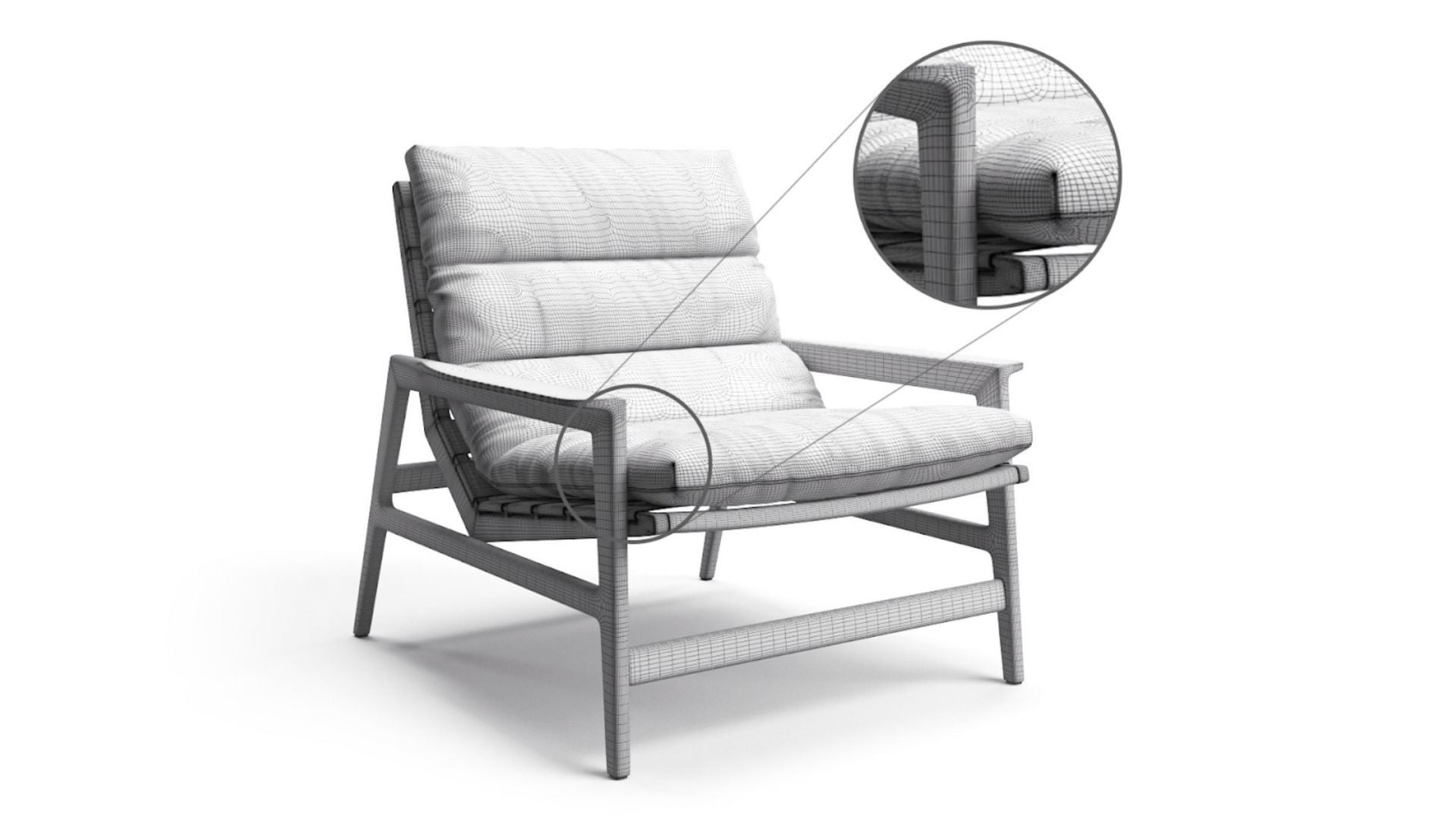
Polygonal modeling is a fundamental and widely-used technique in 3D modeling. The process requires the formation of furniture objects through joining of vertices, edges, and faces to make polygons. Such a method ensures that the artists can have total control of the geometrical aspect of making both easy and complex shapes of furniture. It is an effective means of developing furniture models with incredible precision.
Low-Poly 3D Modeling
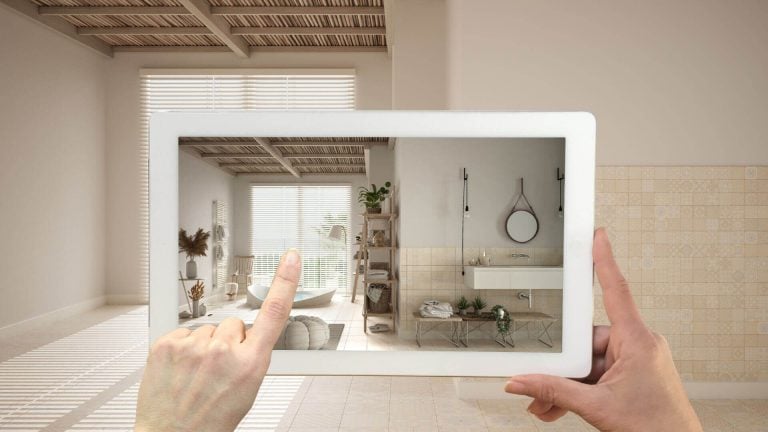
Low-poly 3D modeling takes the notion of 3D to another level by making lightweight and lifelike objects. In this case, the 3D models developed are meant to possess few numbers of polygons, thus ensuring that there will be optimization when used in gaming and interactive online services such as AR applications and 3D configurators.
High-Poly 3D Modeling
On the other side of the spectrum, high-poly 3D modeling deals with the creation of highly detailed and complex models of objects. Due to the much larger amount of polygons, high-poly 3D models are used in photorealistic marketing content, including product CG images,product 3D animations, and 360-degree spins. High-poly 3D modeling enables the careful recreation of textures, materials, and lighting of the furniture renders.
By incorporating these advanced 3D modelling techniques, designers and artists can achieve even greater levels of precision and realism in their furniture renders. Whether it’s the efficient control over geometry, the lightweight nature of low-poly models for interactive experiences, or the immersive visual impact of high-poly models in marketing materials, these techniques elevate the art of furniture design to extraordinary heights.
2. Subdivision Surface Modeling
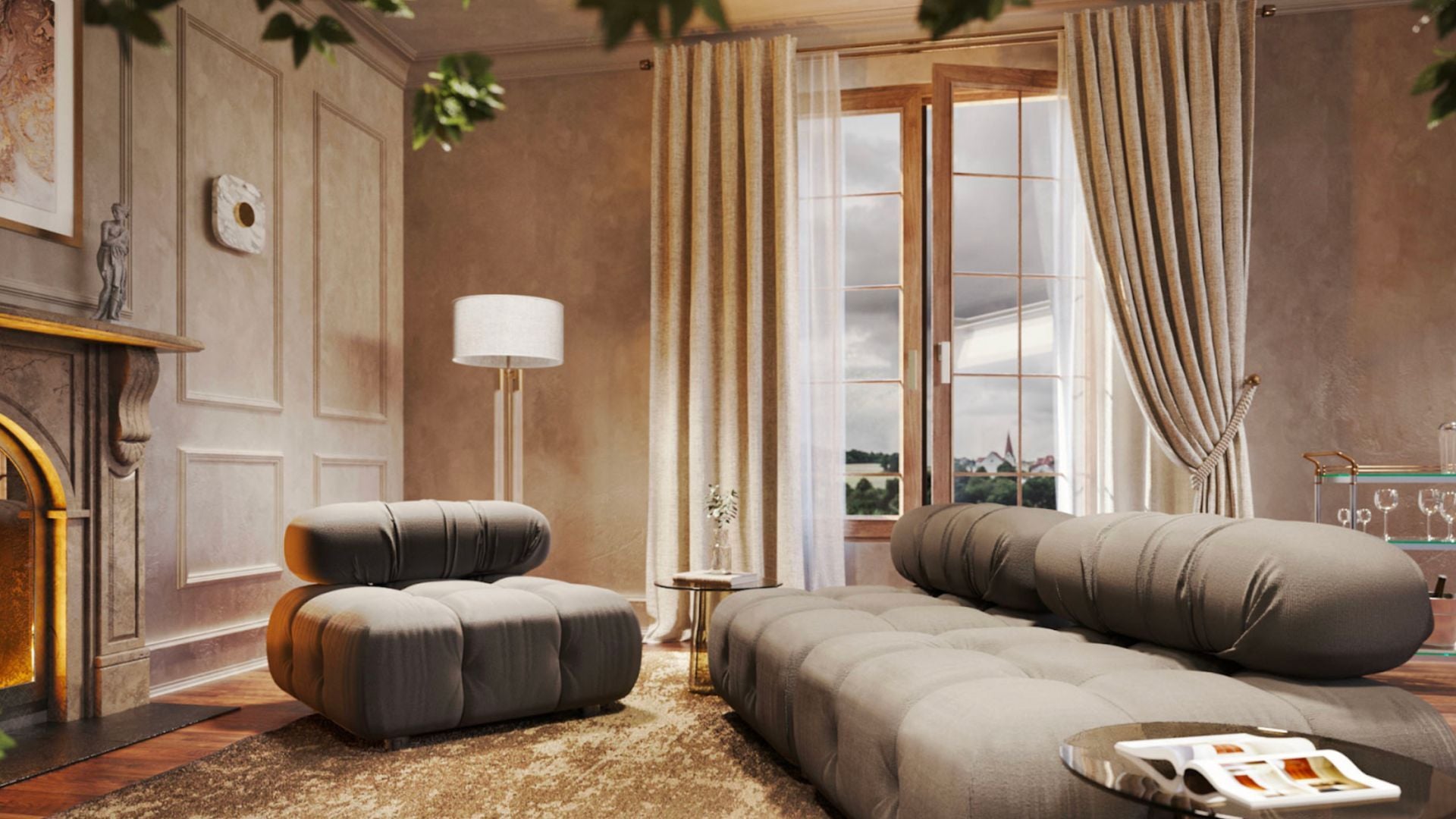
One of the modeling tools that we apply is Subdivision Surface Modeling. This modeling technique is very crucial for the creation of smooth organic shapes from a base mesh. The greatest value of these 3D modeling techniques is that they allow our artists to create very realistic curves and contours, particularly of furniture objects like sofas, cushions, and ergonomic chairs. By subdividing the base mesh and smoothing the resulting surface, we can produce high-quality models that look great for any marketing or e-commerce needs.
3. NURBS Modeling
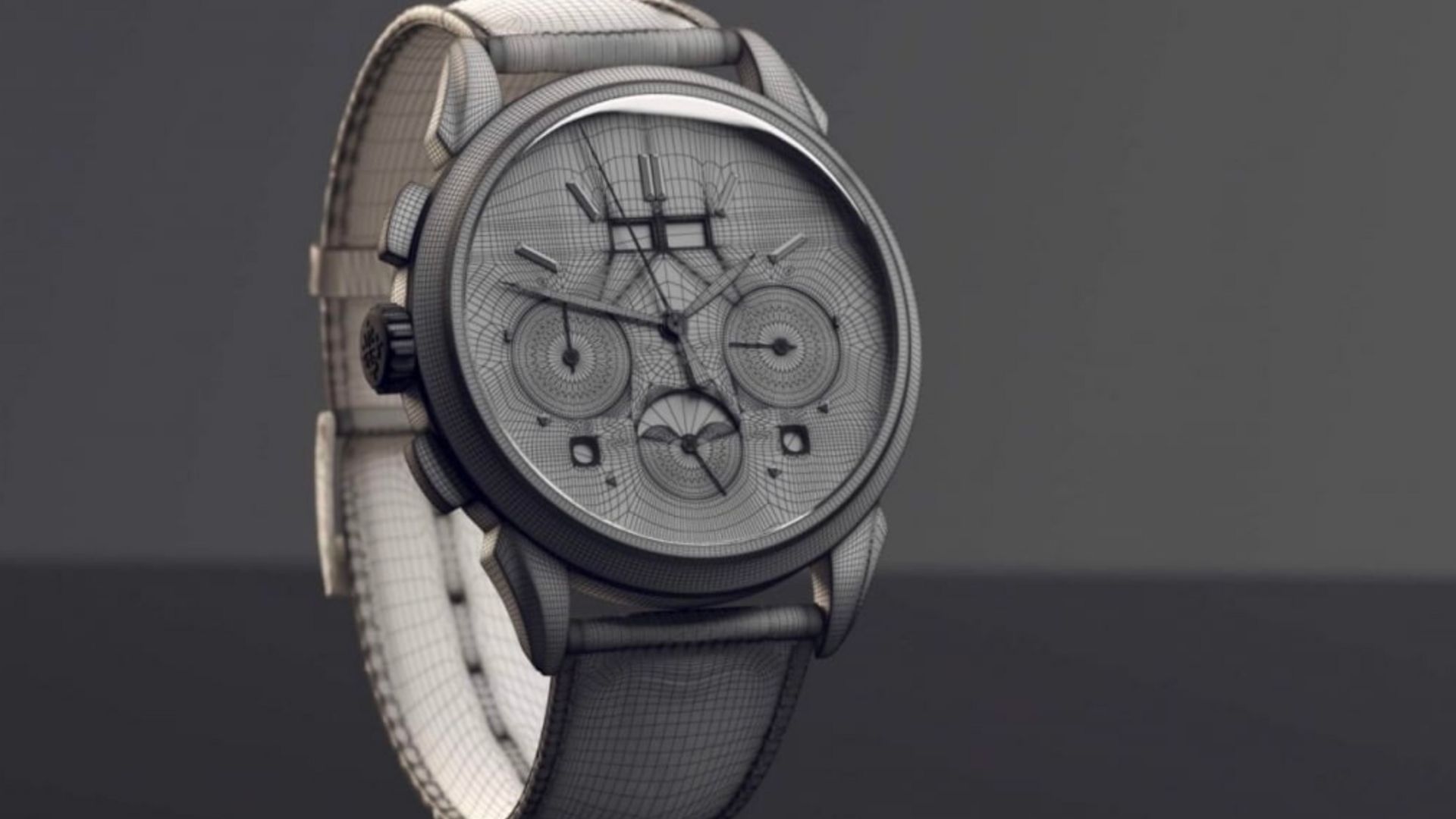
Non-uniform rational basis splines (NURBS) are particularly valuable when it comes to creating smooth and precise surfaces. It is an excellent choice for modeling furniture with intricate details and curves.
The beauty of NURBS surfaces is that they maintain their smoothness even when scaled or modified. This means that you can make adjustments to the size or shape of the furniture without compromising its quality or aesthetics. Whether you need to create realistic renderings, animations, or interactive 3D models for your product marketing or e-commerce vitrine, NURBS modeling is a reliable method that can deliver exceptional results.
4. Boolean Operations
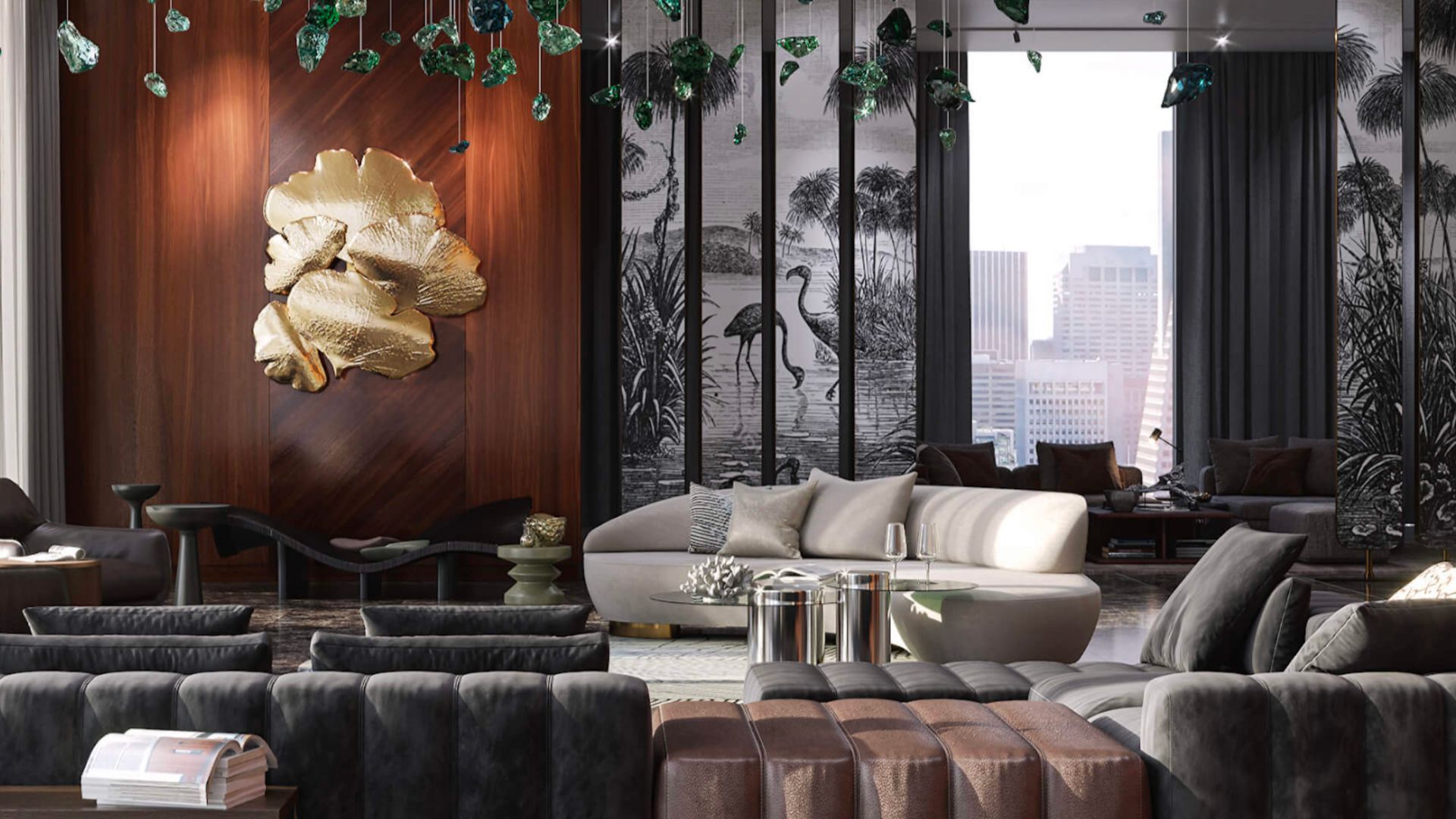
One such technique where we shine is Boolean operations. Boolean operation means the process of combining two 3D objects with each other or cutting one 3D object with the other. It proves very helpful when you need to create complicated furniture models that include various carvings, inserts, and interlocked pieces.
Through Boolean operations, it becomes possible to create your desired models quickly with the required intricacy. Through multiple combinations and cuts of objects, we can create models according to your requirements. Using this technique, we can create intricate designs of the furniture models with complicated geometry.
It is also necessary to consider one thing about topology while performing Boolean operations: you should have control over non-manifold geometry. The skilled team of CG artists at us knows how to perform Boolean operations precisely in order to get your desired results with good topology and geometry.
5. Sculpting
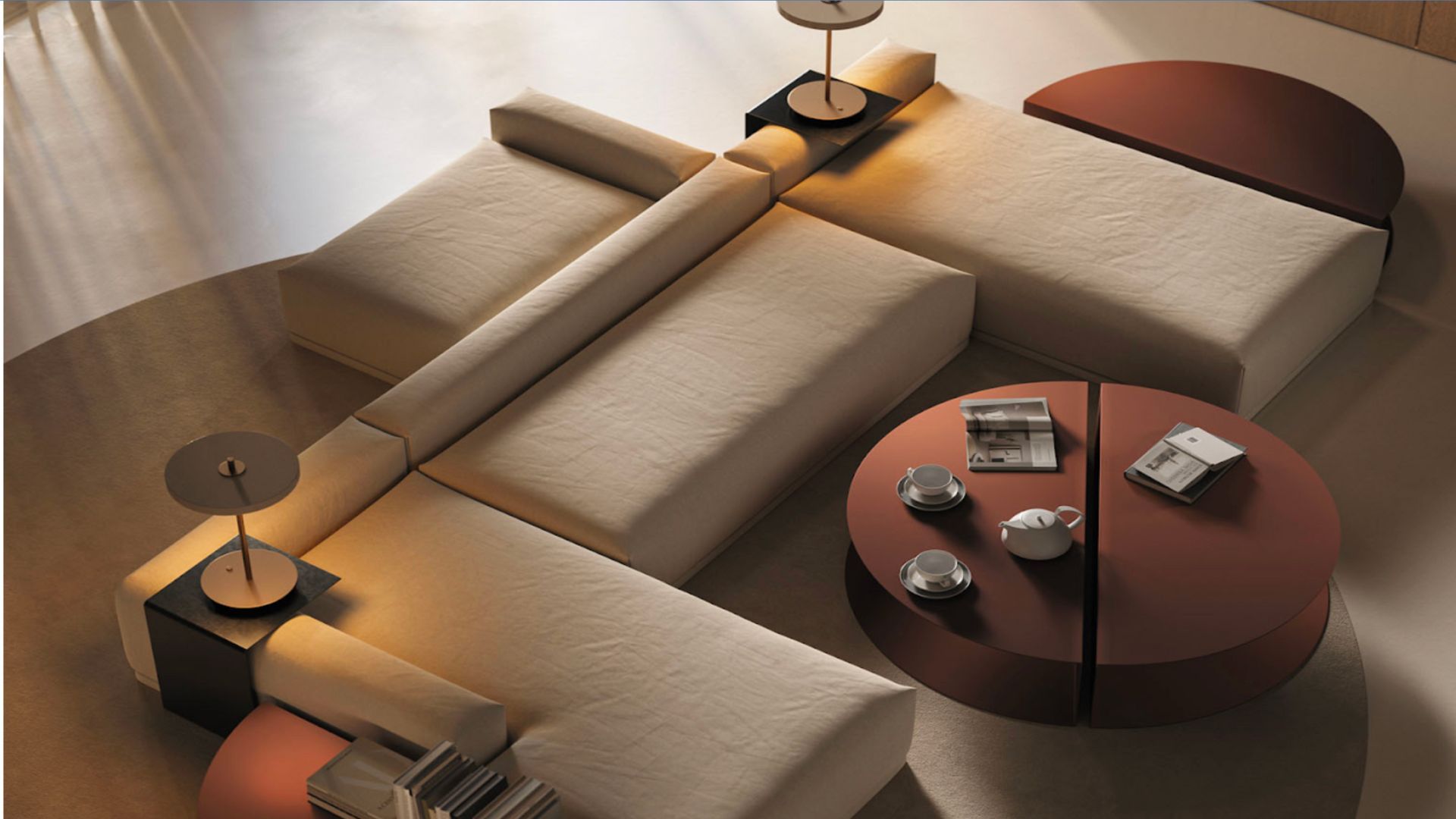
Sculpture is the process where we create organic and detailed designs for furniture models so that they will look lifelike and tangible. Our skilled artists use sculpting tools in order to create surface details like wood grains, fabric textures, or ornaments.
With our sculpting skills, we will be able to give your furniture renderings life by making them look realistic through the addition of intricate details. From the intricate designs of the wood used to the softness of the upholsteries or the ornate design details, our sculpting skills will make sure that your furniture models will look truly amazing.
3D sculpting workflow also allows for creativity and customization, as our artists can carve out unique and personalized designs on your furniture models. This enables you to offer one-of-a-kind pieces to your customers, setting your products apart from the competition.
6. CAD Data Import
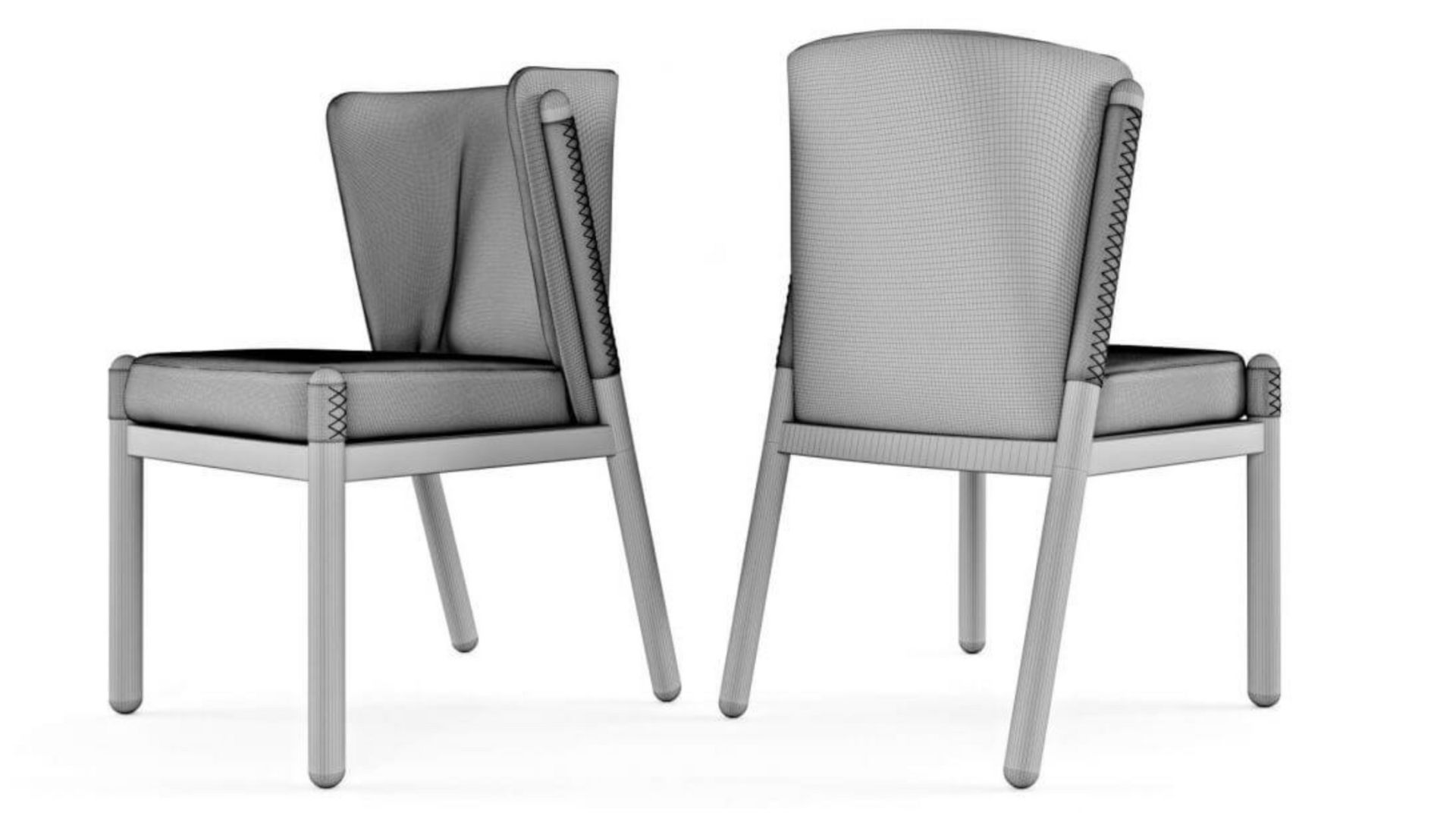
CAD data import is a valuable technique that allows us to work with precise representations of real-world furniture designs. In some cases, we can directly import CAD data provided by furniture manufacturers or architects to ensure accuracy and fidelity in our modeling and visualization process.
The use of CAD data import will help us to produce highly precise and realistic 3D models of your furniture designs. Through the use of CAD data import, we shall be able to produce 3D models of your furniture designs that closely match real-world furniture pieces because of the detail, size, and proportion captured through this approach.
Furthermore, working with CAD data will increase efficiency in our modeling process. Using this data, our skilled artists can concentrate on improving the materials and texture of the furniture models.
7. Procedural Modeling
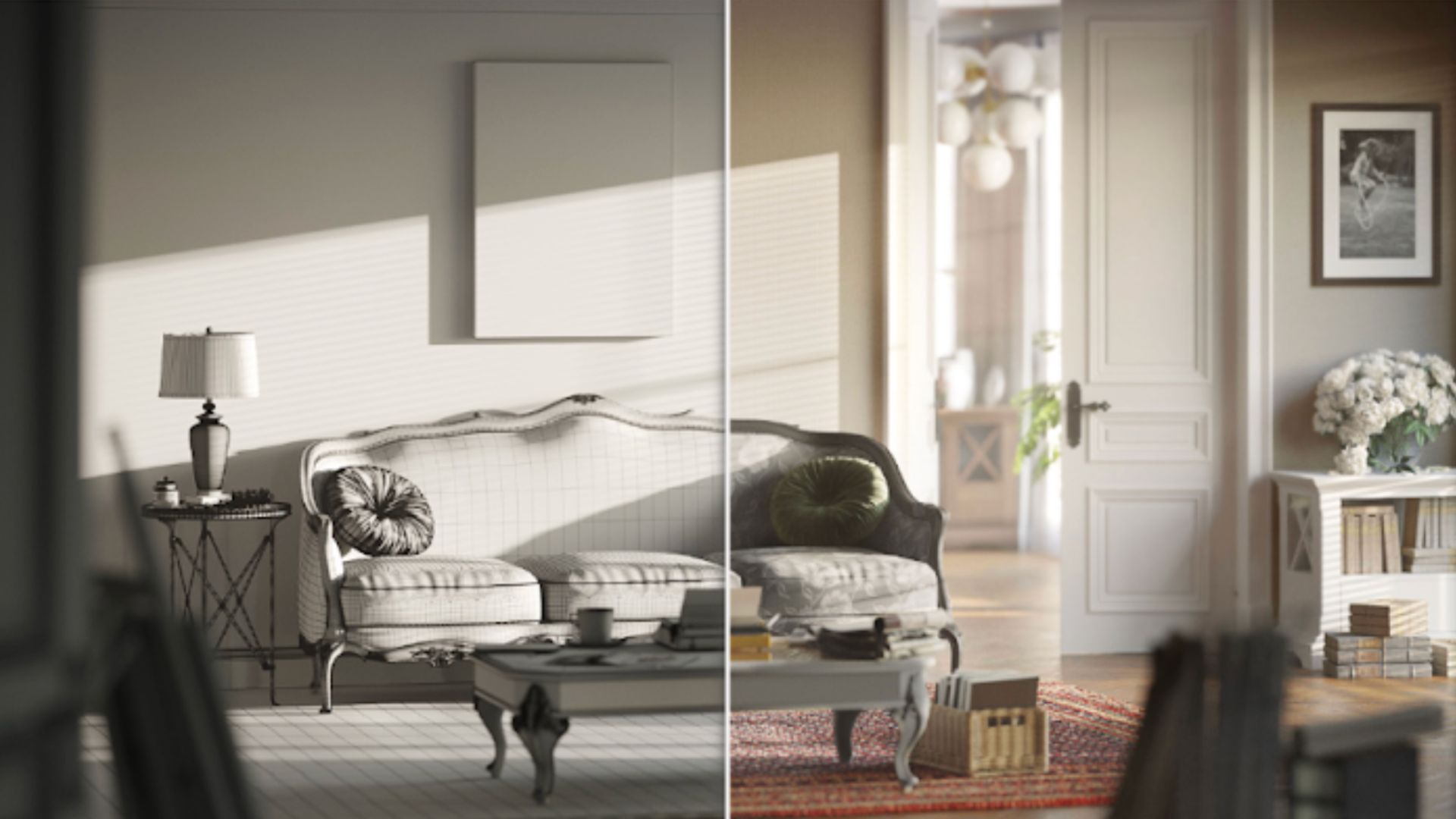
The term procedural modeling refers to the use of algorithms and parameters for generating furniture models. The procedural modeling method comes in handy especially for designing repetitive or parametric furniture. Procedural modeling makes it possible for us to develop various models of furniture with certain design elements.
By using the procedure modeling method, we will be able to design create a wide range of furniture models that have certain design elements. The use of algorithms helps us create certain design rules or patterns and, therefore, it gives us more control over the entire process of furniture design.
With the help of procedural modeling, we can create different types of furniture whether it is modular or has intricate patterns. We will not have to draw each module or repeat certain patterns because we will only have to program algorithms and parameters which will produce the output we desire.
One of the greatest advantages of procedural modeling is the possibility to modify parameters and thereby make certain adjustments regarding furniture size or shape. Thus, we will be able to work much faster.
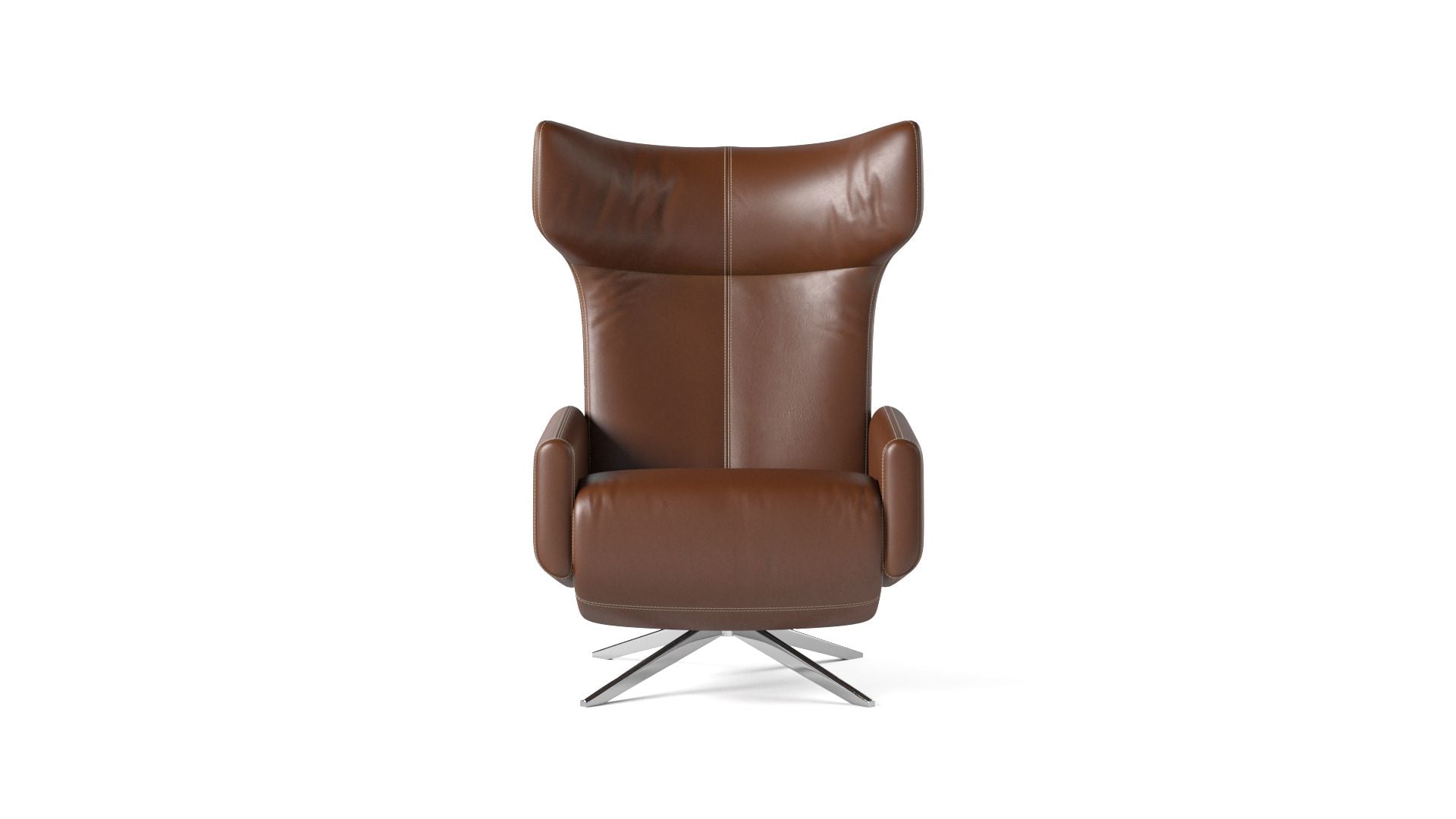 ↔ drag to rotate
Explore types and features of 3D modeling service to enhance your visual marketing like never before.
See moreOur photorealistic modeling team of experts is committed to creating outstanding visuals for your project. We are well-equipped to deliver high-quality results, whether it be in the form of ready commercial imagery or providing you with a 3D model file for further modifications on your side. Depending on your requirements, we can offer both low-poly 3D models for AR/VR engines or website interactive solutions, as well as high-poly 3D models for photoreal CG imagery.
CGIFurniture offers top-quality 3D modeling services to showcase your products through AR, interactive images, configurations, or animation. You can easily schedule a free demo consultation, and our manager will contact you shortly. If you have any questions or need assistance at any stage, our team is always ready to guide you to ensure a smooth and successful collaboration.