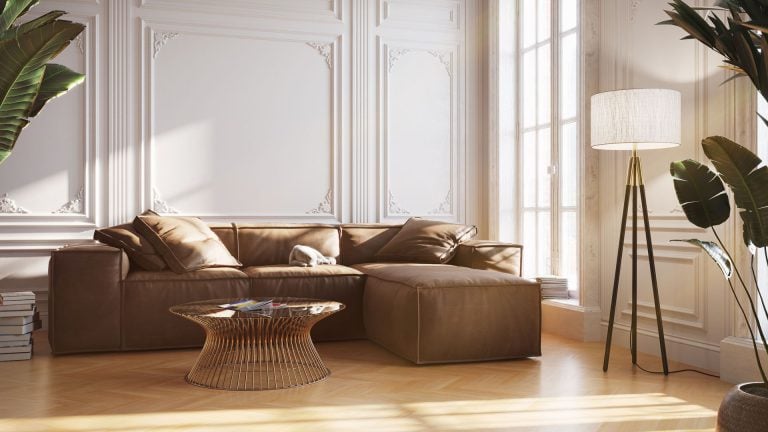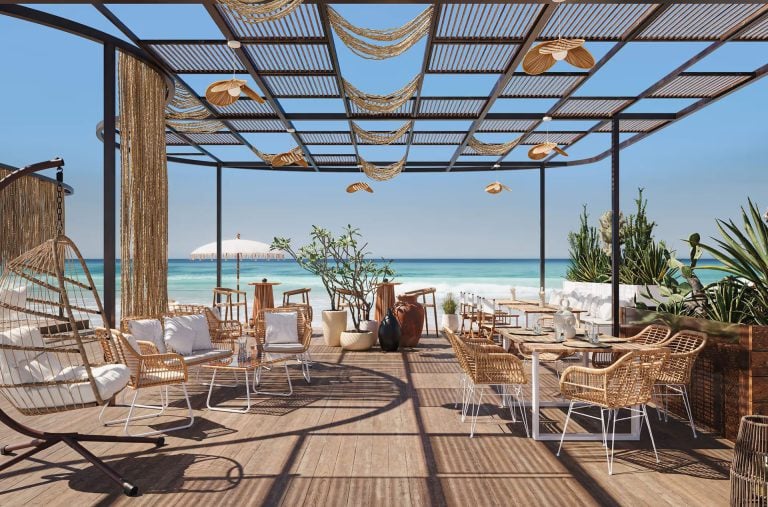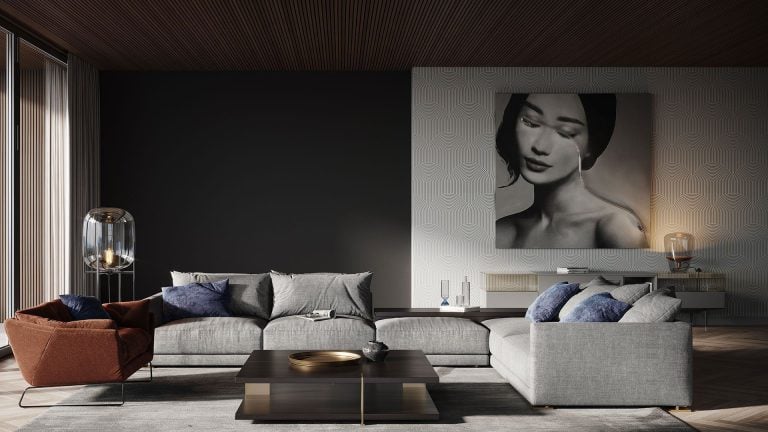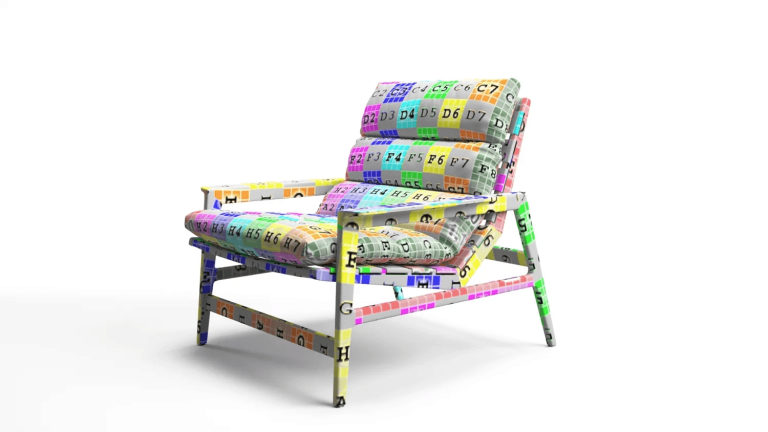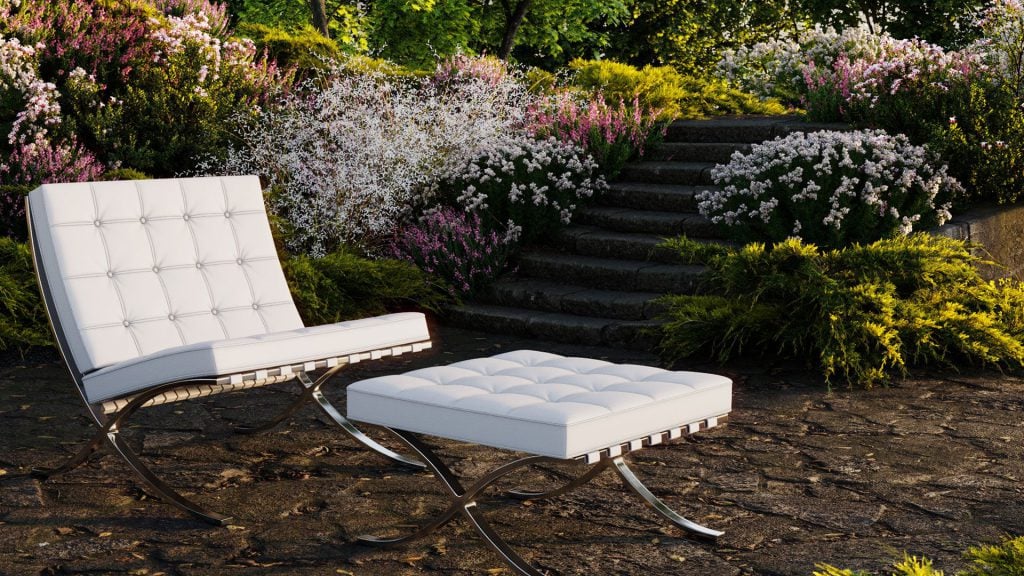
Outdoor photoshoots look simple on paper but tend to be hard to execute. Weather can shift within hours, forcing teams to reschedule or rebuild the entire setup. When that happens, production time stretches, crews stay on the clock, and budgets grow faster than expected. To avoid these risks, many marketers replace location shoots with 3D product renders. 3D lifestyle rendering services provide full control over 3D rendering lighting, keeping conditions consistent and timelines manageable regardless of weather.
Lighting introduces another layer of difficulty. In outdoor settings, it changes constantly as the Sun moves, causing inconsistencies across images and making it harder to maintain a cohesive catalog. In 3D environments, however, lighting is fully controlled. CG artists set and adjust it within professional software, refining every detail until the scene achieves the intended look.
In 3D lighting and rendering, photorealistic results do not happen by accident – each scene is built around a carefully planned lighting setup. CG artists adjust directional lighting, global illumination, and spotlights to control shadows, highlight key details, and achieve a natural look. Small changes in lighting can completely shift how a product feels on screen. Below are several lighting types that show how these choices influence the mood and overall perception of a product render.
Lighting is one of the factors that directly shapes the outcome of a 3D render. For a broader look at how environment, angles, and context shape product visuals, a lifestyle product image guide covers the full range of setup decisions that influence how a render is planned and executed. The sections below walk through seven lighting methods often used for outdoor 3D renders and explain the visual effect each one brings to product imagery.
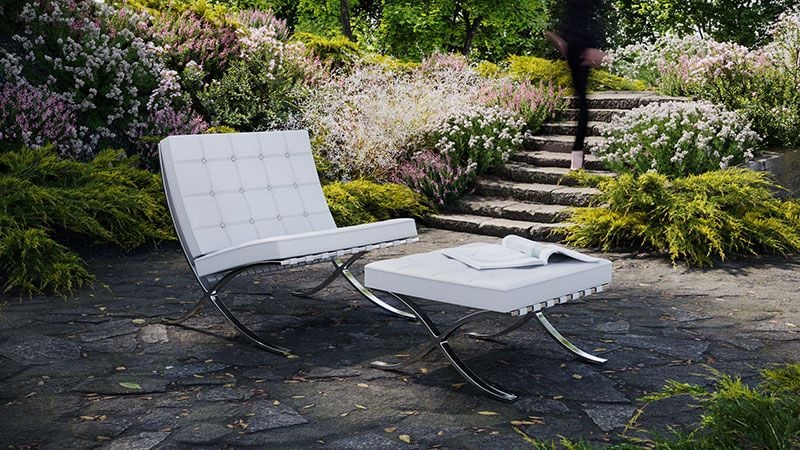
1. Regular Daylight
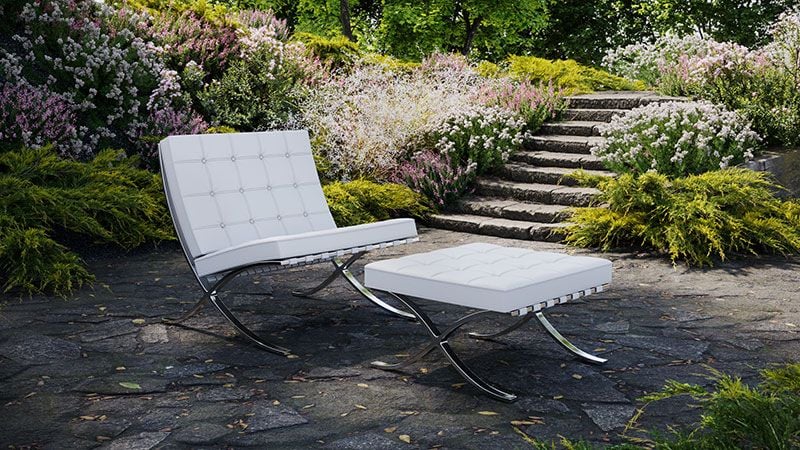
Regular daylight is the most common lighting rendering setup – CG artists recreate late-morning or early-afternoon daylight for maximum clarity. This effect is typically achieved using directional lighting, which simulates natural sunlight and allows precise control over shadow length and brightness.
By positioning the light above and slightly to the side, 3D artists create angled illumination that falls off naturally and produces long, defined shadows. Such lighting emphasizes materials, reveals texture, and adds dimension to every object. Because of its clarity and vibrancy, Regular Daylight remains one of the most popular choices for outdoor product renders. Brands ordering lifestyle rendering services for outdoor collections can request this setup as a consistent base across the whole catalog.
2. Highly-Detailed Daylight
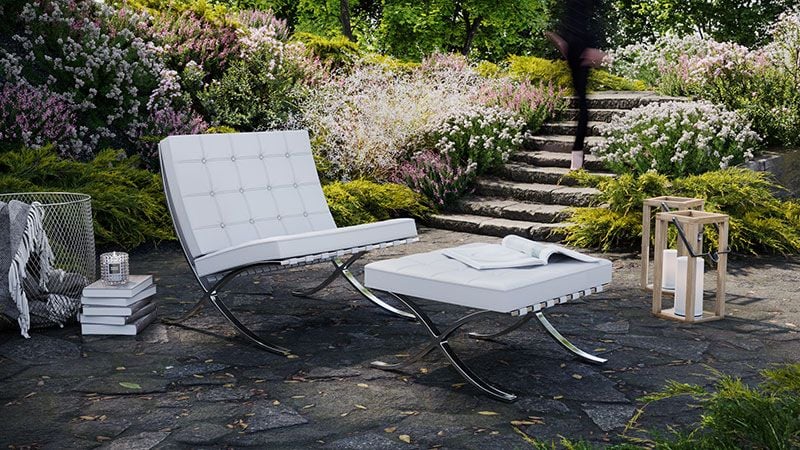
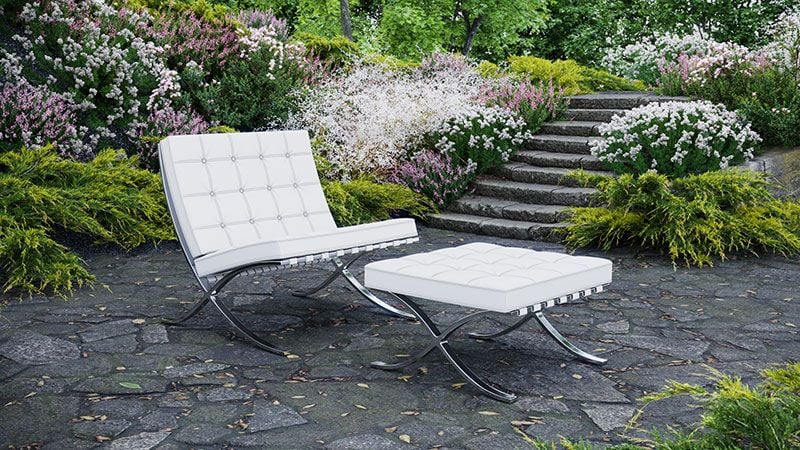
Although this outdoor furniture 3D visualization may resemble a standard daylight scene, its strength lies in the precision of the lighting setup. 3D artists adjust the main light according to object placement, illuminating the key product while subtly highlighting surrounding props with additional sources.
To achieve this level of realism, CGI teams often rely on global illumination. Global illumination is a technique that calculates how light bounces between surfaces to create natural shading and balanced contrast._ The result is a polished 3D render focused on a product group, making it especially effective for cross-selling and curated catalog presentations.
3. Mid-Detailed Daylight
Ambient lighting is defined by an even distribution of illumination, with no intense highlights or deep shadows competing for attention. 3D Visualization artists typically build this effect using large, soft light sources supported by global illumination to smooth transitions between light and shade.
Because every object is presented at a similar brightness level, this approach works particularly well for brands with refined, low-contrast aesthetics. Furniture catalogs built around pastel palettes or minimalist styling benefit greatly from the calm consistency that Ambient lighting provides.
4. Ambient
Ambient lighting is characterized by an even distribution of light, i.e., there are no bright spots of light and deep shadows in a pic. Therefore, all objects in the 3D product render are approximately the same illumination level without harsh contrasts. This technique can be used for brands with overall low-contrast, elegant visual aesthetics. For instance, if the whole vibe of a catalog is based on pastel colors, then soft Ambient lighting will work perfectly for its 3D product renders.
5. Fog + Morning Light
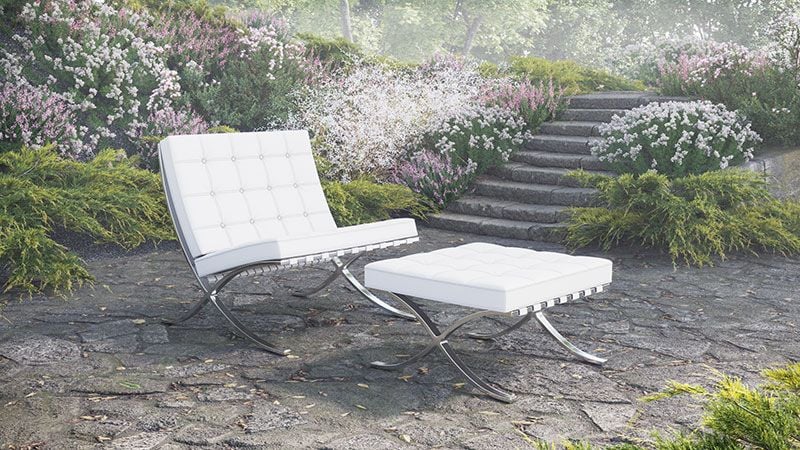
Fog and early daylight introduce a muted atmosphere that often reads as clean and tranquil. Cloud cover blocks sharp sunlight, so illumination settles evenly across the environment and strong shadows are largely absent.
To achieve this look, CGI lighting teams rely on restrained directional light supported by global illumination. Light spreads more gradually, tonal shifts stay smooth, and contrast remains controlled. Such conditions help products appear grounded and natural, which makes this lighting approach a practical choice for lifestyle renderings.
6. Sunrise / Sunset (Morning / Evening)
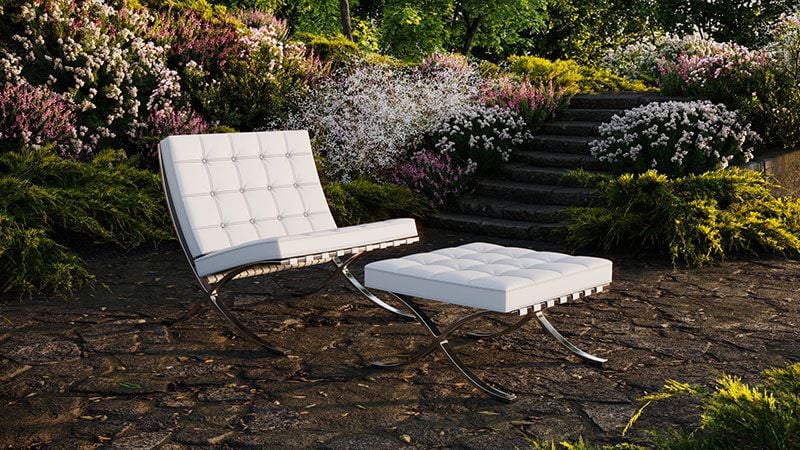
Morning and evening light are naturally expressive, which is why they are frequently chosen for visually striking 3D product renders. To recreate this effect, CG artists position the sun very low and carefully regulate its warmth. By lowering the angle of directional lighting, they mimic real horizon light, producing elongated shadows and richer color contrast. Because the sun in a 3D scene is a virtual light, artists can hold this low angle across every image in a set.
With the right balance, the warm key light casts gentle cool tones across shaded areas. After rendering, teams may refine contrast and saturation in post-production to enhance depth. The final image feels atmospheric and memorable, helping the product leave a lasting impression.
7. Night Time
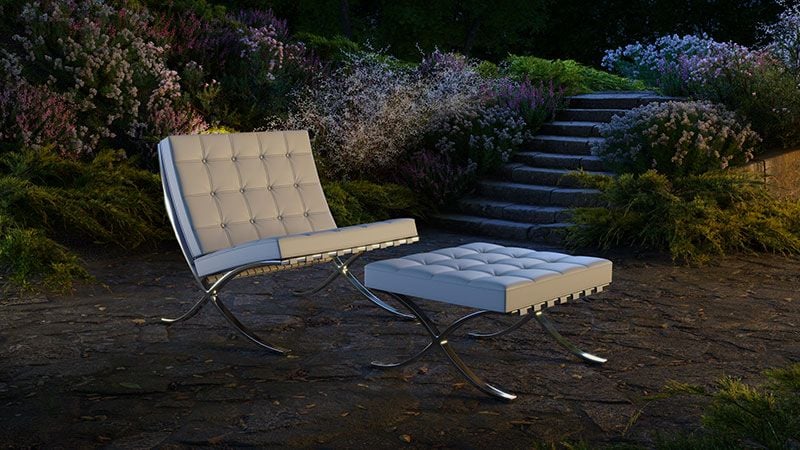
Night renders usually come together through multiple light sources instead of one dominant beam. Artists position omni and area lights to echo familiar interior fixtures such as lamps or overhead lighting. A restrained directional glow is sometimes added to hint at moonlight and give the scene gentle definition.
Color temperature plays a quiet but important role. Warmer light can draw attention to key surfaces, while cooler tones keep the space visually balanced. Features like fireplaces, candles, lanterns, or string lights introduce small variations in brightness that prevent the image from feeling flat. The overall impression is a space that appears natural, settled, and visually complete. The same warm sources are central to winter 3D renders made for holiday campaigns.
In lighting and rendering, the choice of setup is not only technical but strategic – it shapes how customers perceive quality and brand positioning. From soft diffused light that evokes approachability to sharp, dramatic shadows that signal luxury, every lighting decision communicates something about the product before a customer reads a single word.
See our case studies
Explore examples of CGI solutions, styles, and atmospheres to spark ideas for your marketing materials.
View CGI projectsIf you opt for outdoor lifestyle images for your goods, choose 3D rendering. Professional 3D artists have enough skills and experience to set up 100% realistic lighting in 3D product renders. Firstly, they are all trained as artists and designers, thus, they know how to use light the same way photographers do. Secondly, they use advanced CG plugins and 2D graphics programs for creating special effects such as fog or fire in a 3D product render.
Need mind-blowing outdoor 3D product lifestyle pics? Contact our managers right now and order 3D product modeling services to get photorealistic renderings in the required lighting scheme!