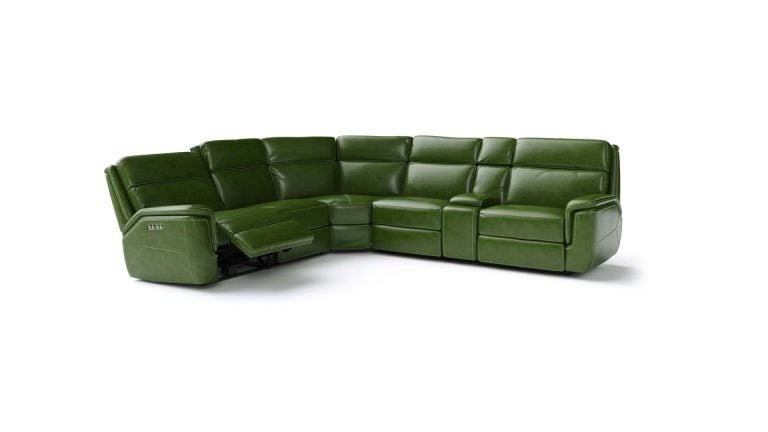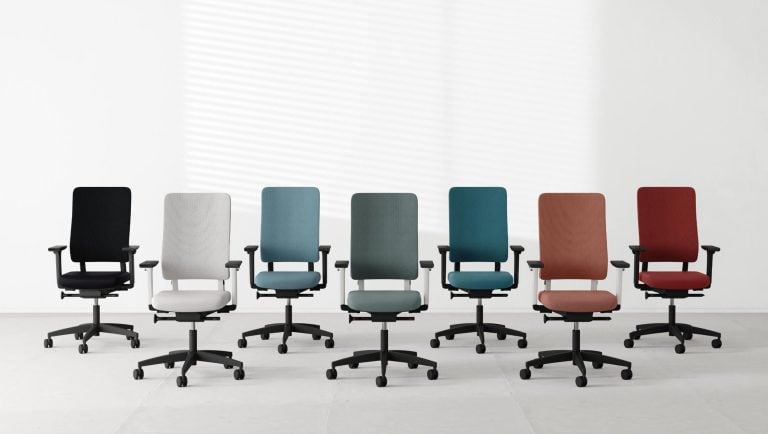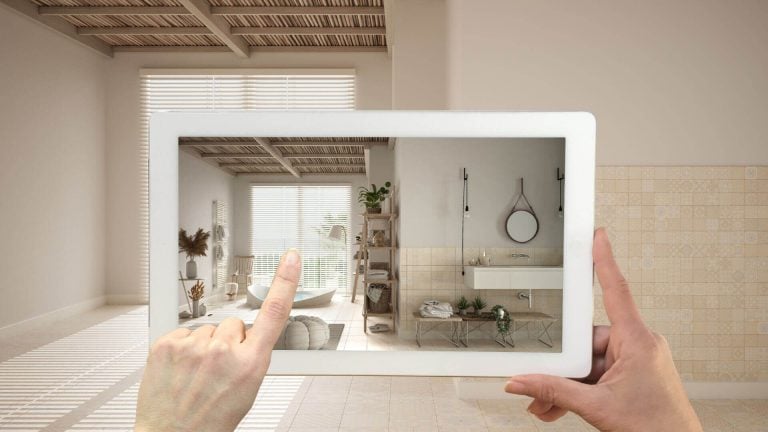
In the competitive world of visual marketing, it’s no secret that visuals can make all the difference in capturing the attention of potential customers and driving sales. And at the heart of creating these visually compelling materials is the art of product modeling.
But what exactly does it mean to model a product for visual marketing materials and how to model a product? It’s about creating visuals that are not only visually appealing but also realistic and persuasive. In this article, our 3D modeling company will provide you with a step-by-step guide on how our 3D artists effectively model a product, providing you with marketing materials that truly stand out.
Let’s dive into it!
1. Research and Understand the Product
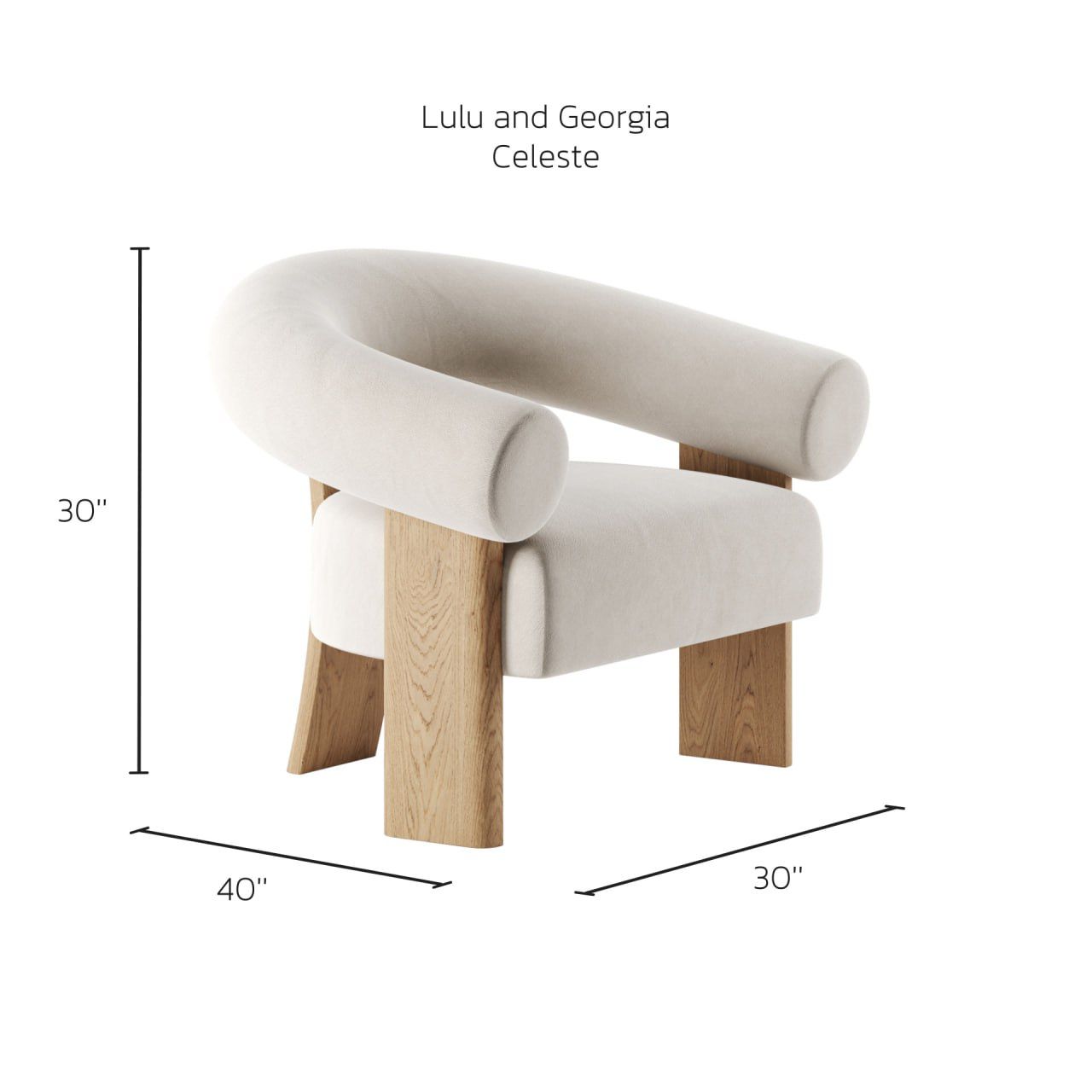
To create a visually captivating representation of a product, it is essential to delve into thorough research and truly understand how to model a product . As a 3D modeling company, we can assist manufacturers in creating a technical specification for their product. A technical specification outlines detailed information about the product that is crucial for 3D modeling, such as the product’s dimensions, materials, and functionality. This could include product blueprints, schematics, or CAD drawings. We also review any existing marketing materials and product documentation to ensure that we have a thorough understanding of the product.
With this information, we create a detailed technical specification that will serve as guidance for 3D artists during the modeling process. This specification ensures that every detail of the product is accurately depicted in the visuals and that the final product truly represents the client’s vision.
Understanding the Product
When 3D artists receive a project to model a product for visual marketing materials, they start by studying the product and the technical specifications provided by the client. This step is crucial to ensure that the resulting 3D model accurately represents the product.
Our artists thoroughly review the technical specifications prepared by the client, which include detailed information about the product’s dimensions, materials, and functionality. By carefully examining all of that, they gain a comprehensive understanding of the product’s technical details.
Understanding the Market
The research of the market and competitors of the brand allows 3D artists to identify trends, customer preferences, and opportunities for differentiation. Market analysis can entail analyzing other brands’ product modeling techniques and strategies for insights regarding what works and what doesn’t. This not only ensures the 3D artist creates visually appealing work but also unique and compelling imagery that sets it apart from competitors.
Adding market analysis to the technical assignment is not necessary but it will give our specialists a deeper understanding of what the client is looking for. By combining the technical specification with in-depth research and expert 3D modeling, we ensure that our visuals convey the product’s unique selling points and captivate potential customers.
2. Gather Reference Material

In the quest on how to model a product and create innovative marketing collateral that truly captivates audiences, 3D artists understand the importance of gathering reference material. This step provides them with a blueprint that ensures every detail of the product is captured flawlessly.
Moodboards: Setting the Tone
Moodboards help establish the desired atmosphere and visual language for your marketing materials. These curated collections of pictures, textures, colors, and visual elements provide inspiration for furniture design images and serve as a reference point for creating the right mood and ambiance. By carefully selecting images that align with your brand’s aesthetics and product vision, 3D modelers can effectively convey the desired emotional response to your target audience.
Color Schemes and Palettes: Communicating Concepts Through Visuals
The use of color is an important factor in visual communication. The artists have knowledge about color theory and gather references on various color schemes and palettes to effectively communicate emotions and concepts to the viewer. Depending on their intent whether it is to make them relax, excite or be sophisticated, a proper color scheme will help in making the marketing materials memorable. References are made from the required color schemes and palettes and applied to the creation of the visuals.
As such, by using moodboards and collecting reference material which helps in making mood boards, color schemes, palettes and concepts, the artists manage to deliver marketing materials which are unmatched with regards to clarity, allure and creativity.
3. Choose the 3D Modeling Software
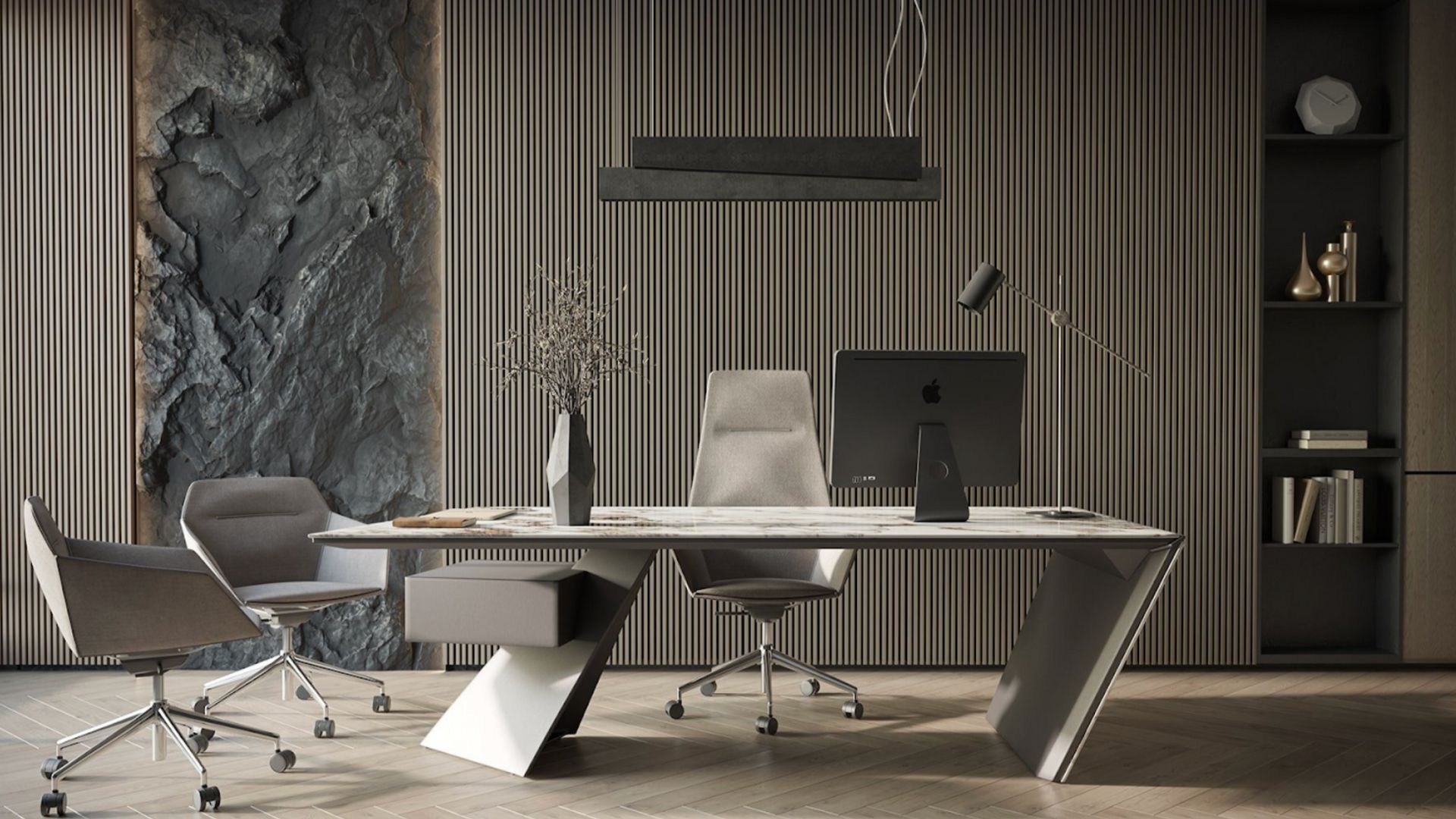
The 3D artists choose appropriate 3D modeling software while creating the product visualization as they understand that it helps them to give full freedom to their creativity and provide the best results possible. There is a wide range of software available for them and there are certain factors that help them choose the best one according to their needs. Let’s discuss how to model a product using the best 3D modeling software.
Assessing the Client’s Needs and Skill Level
Before diving into the vast selection of software, our artists take the time to assess the client’s needs and skill level. They consider factors such as the complexity of the project, desired features, and the client’s expertise in 3D modeling. This evaluation helps them identify the software that best aligns with the client’s objectives and capabilities, ensuring a smooth and efficient modeling process.
Exploring Established 3D Modeling Software
The artists are experts in some of the best 3D modeling software like Blender, Autodesk 3ds Max, and SketchUp. Our artists will research about the industry giants, knowing their strengths and features. By gaining expertise with these interfaces and learning about their working style, our artists will be able to use the software that is best for their project and show the product in all its splendor.
Equipped with the right knowledge and inspiration from the 3D modeling community, our artists make informed decisions about which software to use. By selecting the ideal software, they unlock their artistic potential and create stunning 3D models that effectively showcase the product for our valuable customers, the product manufacturers. With the perfect software at their disposal, our artists can push the boundaries of creativity and bring their clients’ visions to life.
4. Start with Basic Shapes
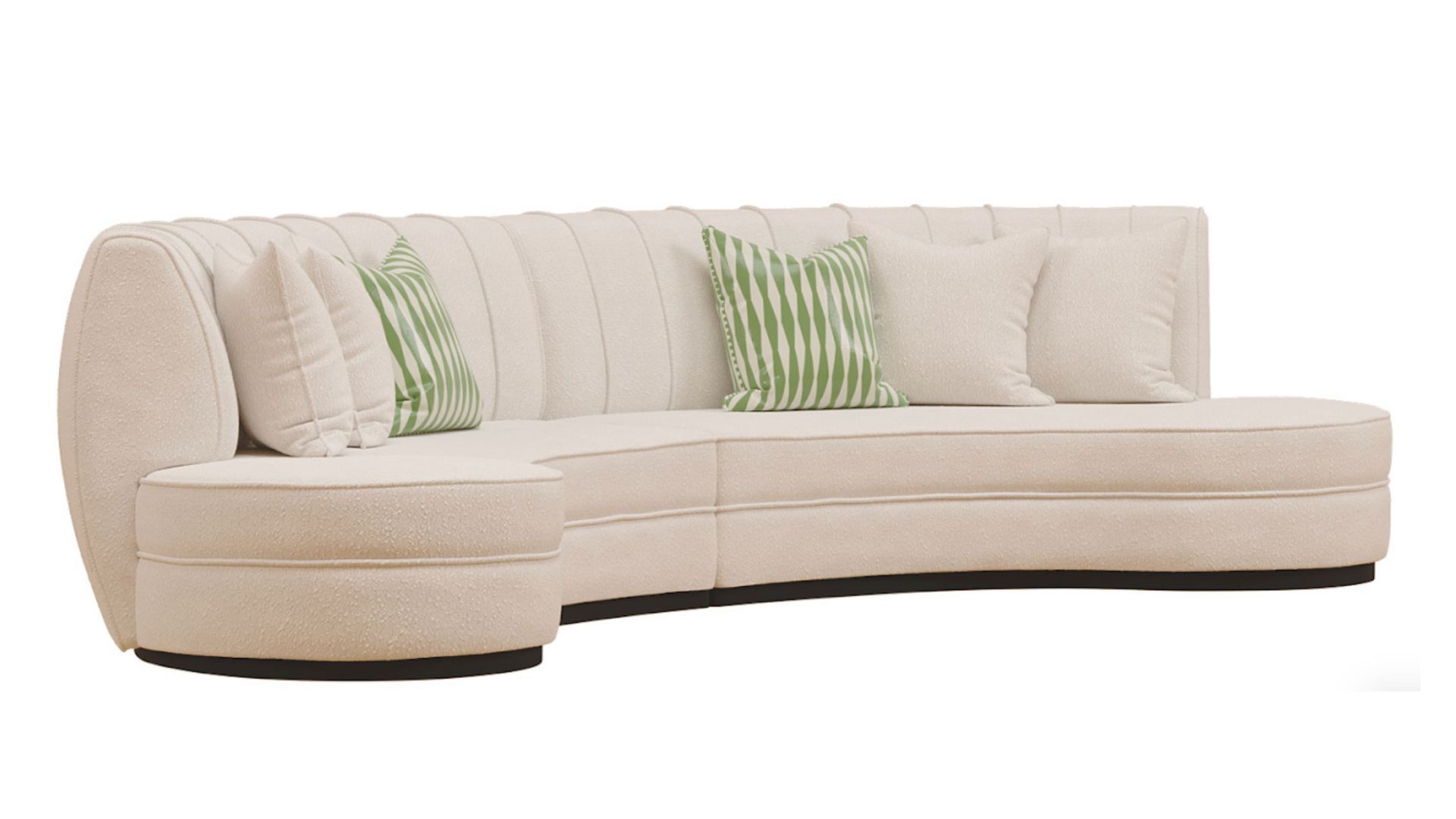
The procedure involved in modeling 3D images for the producers and marketers of any product starts with the basics of shapes, turning pixels into eye-catching images that are three-dimensional. It is through imagination that 3D artists begin their journey from the basics into endless possibilities of creation.
Embracing Simplicity to Unleash Creativity
The 3D artists understand that simplicity is the key to unlocking their creative potential. They start the 3D sculpting workflow by shaping primitive forms like cubes, spheres, or cylinders to lay the groundwork for the product model. These foundational shapes provide a solid base on how to model a product . By starting with these basic shapes, the artists can focus on the core elements of the design and allow their creativity to flourish.
Shape and Proportion: The Dance of Aesthetics
As the artists are developing their basic shapes, they make sure that shape and proportion get a lot of focus and care from their side. Every curve, every contour, and every angle works together in such a way that it produces a very visually attractive model. Using their artistic sense, they make sure that the model is one that appeals to the viewer’s eye and makes them emotional.
Using the elements of simplicity, refinement, shape, and proportion, 3D artists come up with amazing models that fulfill the needs of their clients – the producers and marketers of products. These models become powerful visual marketing materials that showcase the product’s design in all its glory and effectively communicate its features and appeal to the target audience.
5. Pay Attention to Detail

In the world of 3D modeling for product manufacturers and marketers, achieving perfection is not just a destination, but a continuous journey of refinement. For a professional 3d rendering firm, every intricate detail and subtle nuance holds the power to enhance the quality of the final product and elevate it to a new level of realism. Every intricate detail and subtle nuance holds the power to enhance the quality of the final product and elevate it to a new level of realism.
Material Samples: Tactile Insights
Materials and textures are essential on how to model a produc t that delivers a touchable reality. Aspects like color, reflectiveness, translucence, and texture are considered as well. All the materials that are chosen fit the brand and design of the product to make it more attractive and authentic. Through physical interaction with these samples, they get some valuable knowledge to create an authentic visual presentation. Through the process of touch and analysis, our artists make sure that their modeling reflects the elegance, sophistication, or ruggedness of the product.
The Importance of Accurate Representation
The success of product modeling depends on how well the modelers are able to illustrate the most minute details with total accuracy. Product modelers pay keen attention to illustrating the smallest details of the product in relation to the original one, knowing very well that the realism and the whole appearance of the model will be determined by such an approach.
With their skills and attention to the smallest details, 3D modelers serve the requirements of their clients, who are the manufacturers of the products. The products modeled in this way are effective tools for promotion since they look extremely real and accurate.
6. Refine the Geometry

In the realm of 3D modeling for product manufacturers and marketers, the skillful refinement of geometry is crucial in creating visually captivating and realistic representations of products. One of the key aspects on how to model a product is to remain accurate in replicating the original product’s curves, edges, and surface finishes. 3D modelers expertly manipulate the geometry of their creations to breathe life into their designs, crafting mesmerizing curves and contours that leave viewers spellbound.
Creating Realistic Curves
Apart from the creative skills of the 3D modelers, another thing that makes them competent is the skill to produce seamless curves. Employing different types of methods and tools, they skillfully manipulate the geometry so as to make everything look elegant and harmonious. It is through careful narrowing or widening of the curves that they create an enthralling interplay of light and shadows.
Honoring the Original Design
Accuracy should come first when it comes to creating a product model, and 3D modelers know that the right way to make the most of this process is to pay tribute to the actual product by incorporating all of its specific curves, lines, and surfaces. This means that they have to dive deep into the intricacies of the subject in order to render all of these aspects properly.
The more geometry is added to the 3D models, the more realistic they become thanks to 3D modelers. Every detail plays its role in this.
7. Apply Materials and Textures
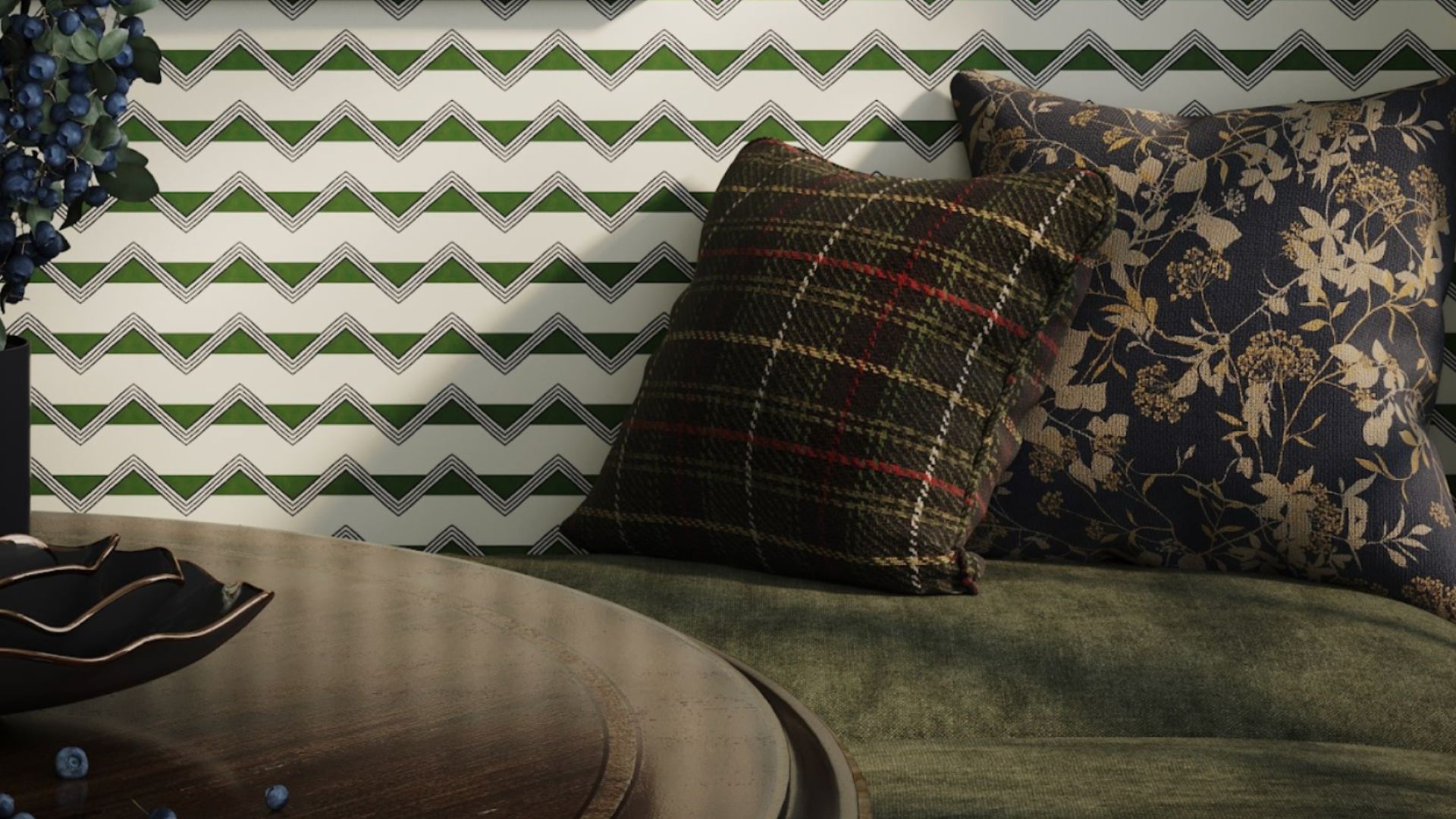
In terms of how to model a product , applying materials and textures is a crucial step in creating visually captivating and realistic representations of products for customers, including product manufacturers and marketers. Partnering with skilled providers of 3d texturing services ensures that every surface is crafted with precision, enhancing realism and reinforcing the product’s appeal. This process allows 3D artists to transform a digital model into a visually immersive masterpiece that evokes emotions and leaves a lasting impression.
Adding Depth
Texture mapping is important for giving life to the 3D model. Texture mapping provides additional depth and character to the model, and gives a feeling that you can touch the object. Whatever the texture may be – whether the polished appearance of the metal or the natural grain of wood, it helps in representing the character of the product through its surface. With the help of UV mapping, the 3D artist makes sure that the textures are applied accurately in accordance with the dimensions of the model.
Embodying the Brand
Materials and textures do not only work as a decorative feature but are used to connect the 3D model with the brand it represents in the real world. The 3D artist pays respect to the brand by using the appropriate materials and textures. They help in representing the luxury material of the fashionable accessories or the rough texture of the industrial tools, which add value to the model and makes it relate to the brand.
It is the 3D artists who can unleash the true value of the model using materials and textures. By using the correct materials and adding textures to give them the essence of the brand, 3D artists create 3D models of products.
8. Optimize the Model
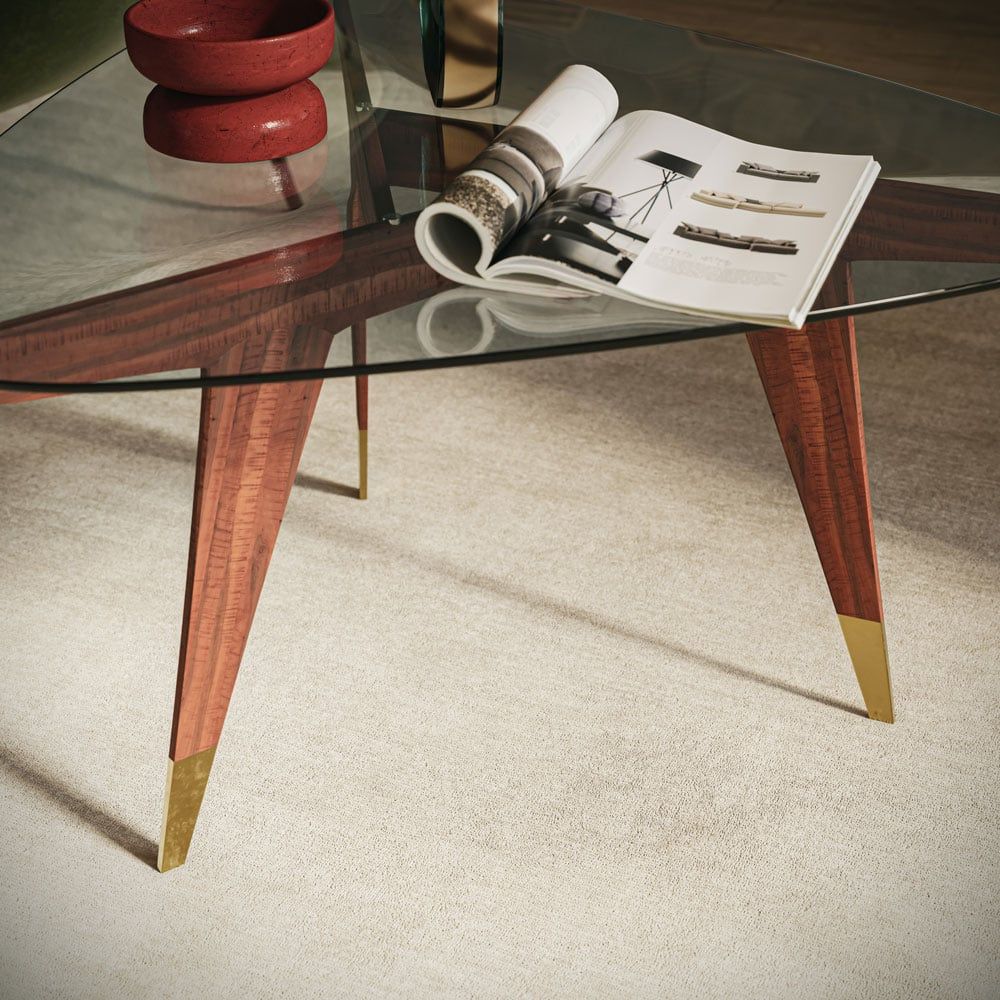
By optimizing your model, you can unleash its full potential, ensuring seamless performance and breathtaking visual quality. Let our 3D artist embark on a journey on how to model a product and how to optimize every byte of data and every polygon, ensuring it is scrutinized, analyzed, and refined to perfection.
Tailoring for Purpose
Customizing the optimization strategy of the model is essential and should be guided by its intended application. Whether the purpose is real-time applications, virtual reality experiences, or high-fidelity product renders, 3D artists must understand the technical requirements and limitations of the chosen platform or software. This ensures that the model’s optimization is aligned with the desired results, delivering breathtaking visuals within the specified constraints.
Simplify without Sacrificing Quality
For 3D artists, optimization is a continuous pursuit of perfection. They fine-tune every vertex and polygon to create a model that is streamlined, tailored, and simplified with purpose. The focus is on efficiency, while still retaining the essence of the design. By achieving the fine balance between performance and quality, they allow their creation to transcend from ordinary to extraordinary.
By optimizing 3D models, 3D artists provide product manufacturers and marketers with exceptional visual representations that perform flawlessly. They apply their expertise to streamline, tailor, and simplify the models, ensuring efficiency while retaining the core design elements. Optimization becomes the catalyst that elevates the creation, allowing it to excel in its intended application and leave a lasting impact.
9. Test and Iterate The Result

During the creation of 3D models for product marketing, 3D modelers need to subject their models to rigorous testing and iterative refinement. This process elevates the model’s quality and ensures that it surpasses expectations, delivering captivating 3D visuals.
Testing in Different Lighting Conditions
To achieve realism, 3D artists test their models under various lighting conditions, observing how light interacts with different surfaces, materials, and textures. They focus on the interplay of light and shadow, ensuring that the model looks stunning from every angle. The purpose is to find the perfect balance that enhances the form while revealing intricate details and evoking emotions in the viewer.
Viewing from Different Angles
To achieve a masterpiece that captivates the senses, the model must be admired from multiple perspectives. 3D artists view their models from different angles, analyzing each curve, each line, and each contour to uncover any inconsistencies, imperfections, or disproportions. They seek out the flaws that lie hidden and iterate until every viewpoint tells a story of perfection.
Testing and iteration are critical in delivering quality 3D models to product manufacturers and marketers. By testing under different lighting conditions and exploring multiple perspectives, 3D artists elevate their creations to the realm of realism. They engage in a continuous dialogue with their creations, responding with meticulous attention to detail until the model evolves into a mesmerizing work of art that captivates the senses.
10. Integrate 3D Models into Captivating Marketing Materials

The integration of 3D models into captivating marketing materials for product manufacturers and marketers requires 3D artists to carefully blend their creations into the visual tapestry of the brand. By infusing the models with captivating lighting, complementary backgrounds, and harmonious design elements, 3D artists can create mesmerizing visual narratives that effectively showcase the product’s features and benefits.
Selecting the Right Backgrounds and Lighting
When integrating 3D models into marketing materials, 3D artists need to select backgrounds that enhance the aesthetics of the product, aligning them with the brand’s visual language and messaging. Thoughtfully crafted lighting is essential to emphasize the product’s unique features and entice potential customers. 3D artists strike a balance between captivating backgrounds and purposeful lighting, creating a visual symphony that resonates deeply with the target audience.
Practical Integration for Effective Communication
To effectively showcase a product’s features and benefits, 3D artists seamlessly integrate the 3D model into its intended context. This may involve placing the creation within realistic environments, demonstrating functionality, or curating a visual story that engages the viewer’s imagination. By providing a glimpse of how the product fits into the lives of customers, 3D artists awaken desire and inspire action.
In marketing materials, every element must work in harmony to amplify the product’s visual impact. 3D artists consider overall design aesthetics, typography, colors, and visual hierarchy. They align these design elements with the essence of the brand, creating a cohesive and captivating visual experience. The 3D model is seamlessly fused into this visual composition, allowing it to shine as the star of the show while supporting the overall message and purpose of the marketing materials.
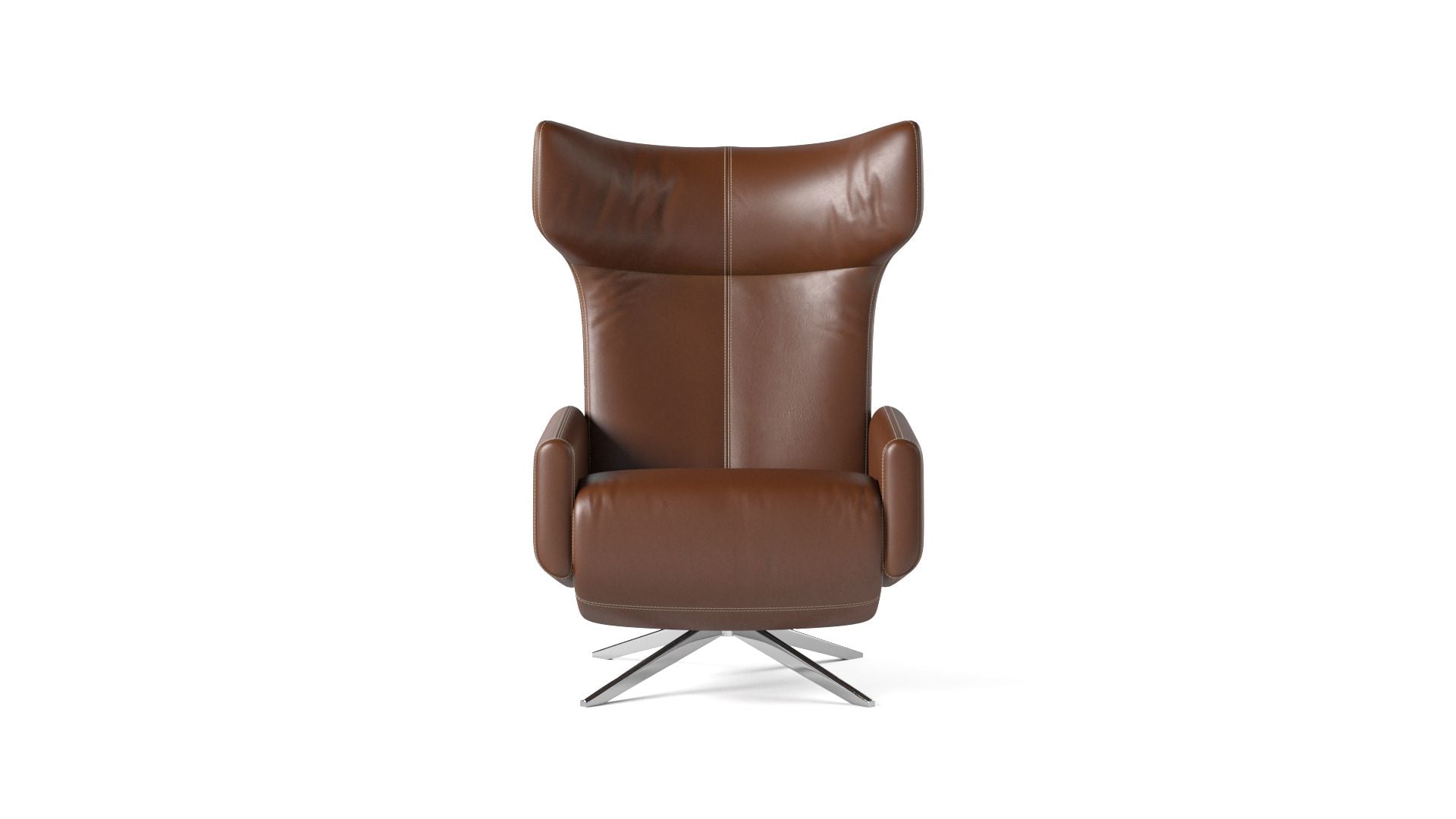 ↔ drag to rotate
Explore types and features of 3D modeling service to enhance your visual marketing like never before.
See moreAt CGIFurniture, we specialize in 3D modeling, rendering, and animation services to elevate your product’s visual presence. Our photorealistic 3D solutions give manufacturers and marketers the ability to showcase their offerings in stunning detail, creating immersive experiences for customers.
Experience the CGIFurniture difference today by visiting our website and exploring our comprehensive range of 3D modeling services for creating outstanding visual marketing materials!