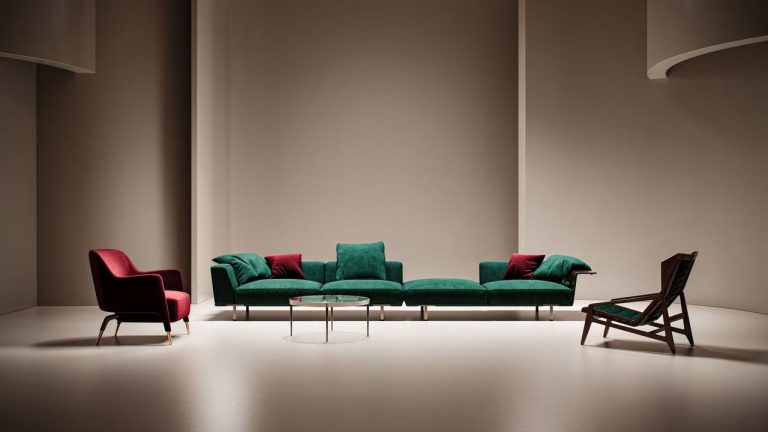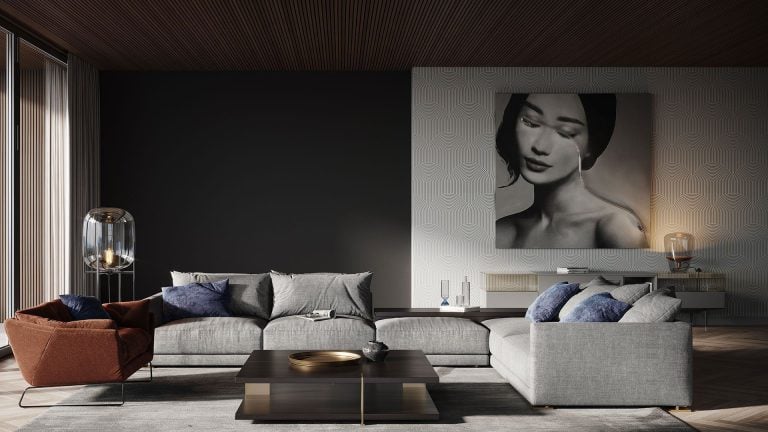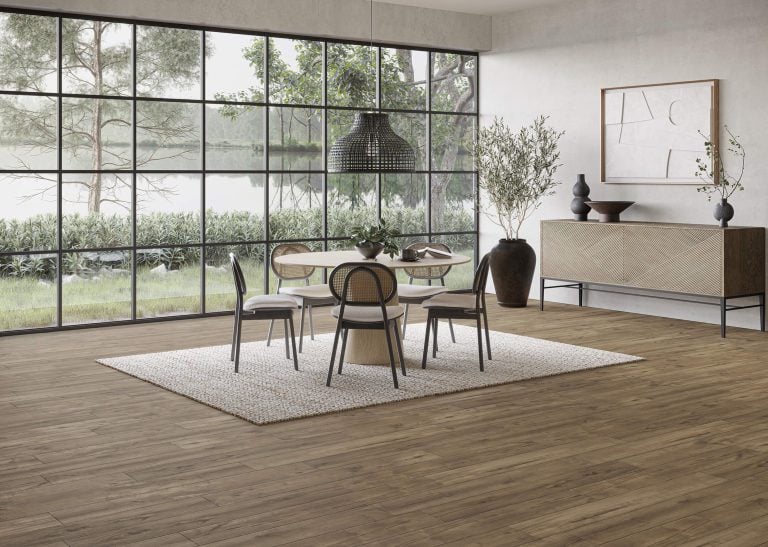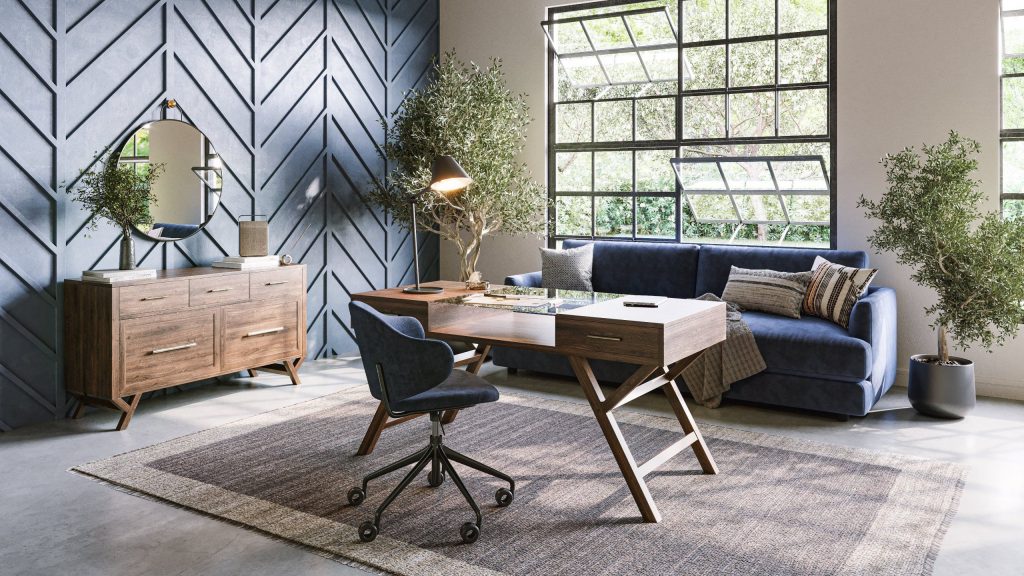
A striking image grabs your attention, but a good story is what makes it stick. That’s what makes lifestyle CG images so valuable for marketing. They don’t just show off a product but put it into a real-life setting, helping people picture how it fits into their world.
The best lifestyle renders go beyond just displaying furniture or architecture. They create a mood, spark emotions, and deliver a brand’s personality without needing a single word.
So, what makes one image just nice to look at, and another one truly hit home?
To help brands craft more impactful visuals, our 3D rendering company company compiled 7 key tips to elevate lifestyle CG Images’ effectiveness. By mastering the following techniques, brands can create compelling, memorable visuals that capture attention, inspire action, and forge stronger connections with their audience.
1. Nail Your Brand Story and Identity
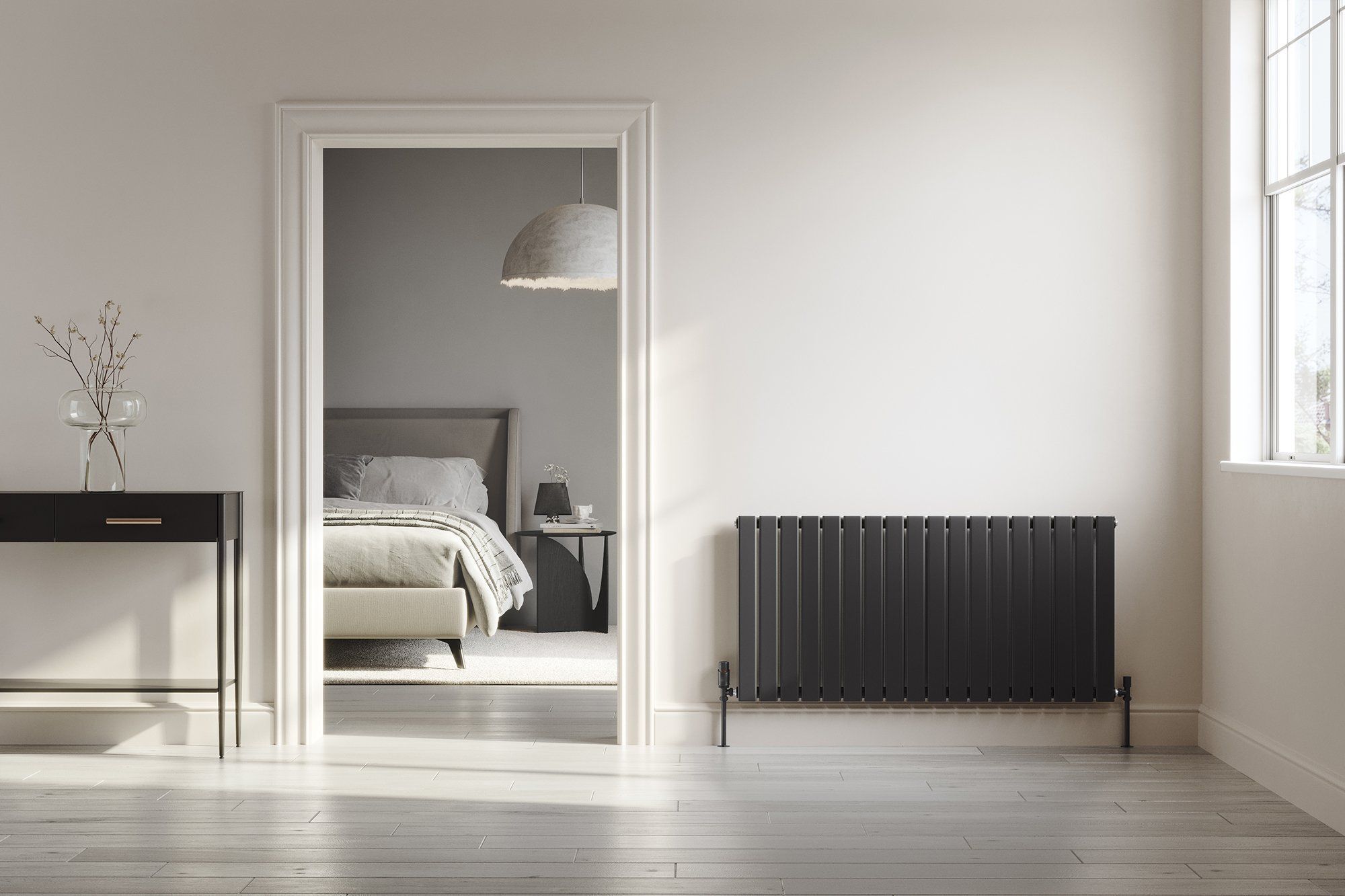
Every story needs to know who its main character is.
In this case, your brand’s the star.
Before you dive into designing a scene, ask yourself: What does the brand stand for? What feelings do you want to provoke? What kind of life are you selling?
A luxury furniture maker and an eco-friendly décor company might use similar products, but their visuals should feel worlds apart. One should ooze exclusivity and elegance, the other should radiate simplicity and mindfulness.
These differences have to show in every render.
Color, materials, lighting, styling, even camera angles — they all tell your story. If everything lines up with your brand’s identity, your images stick with people. If not, even the most stunning visuals feel generic.
2. Make It Relatable
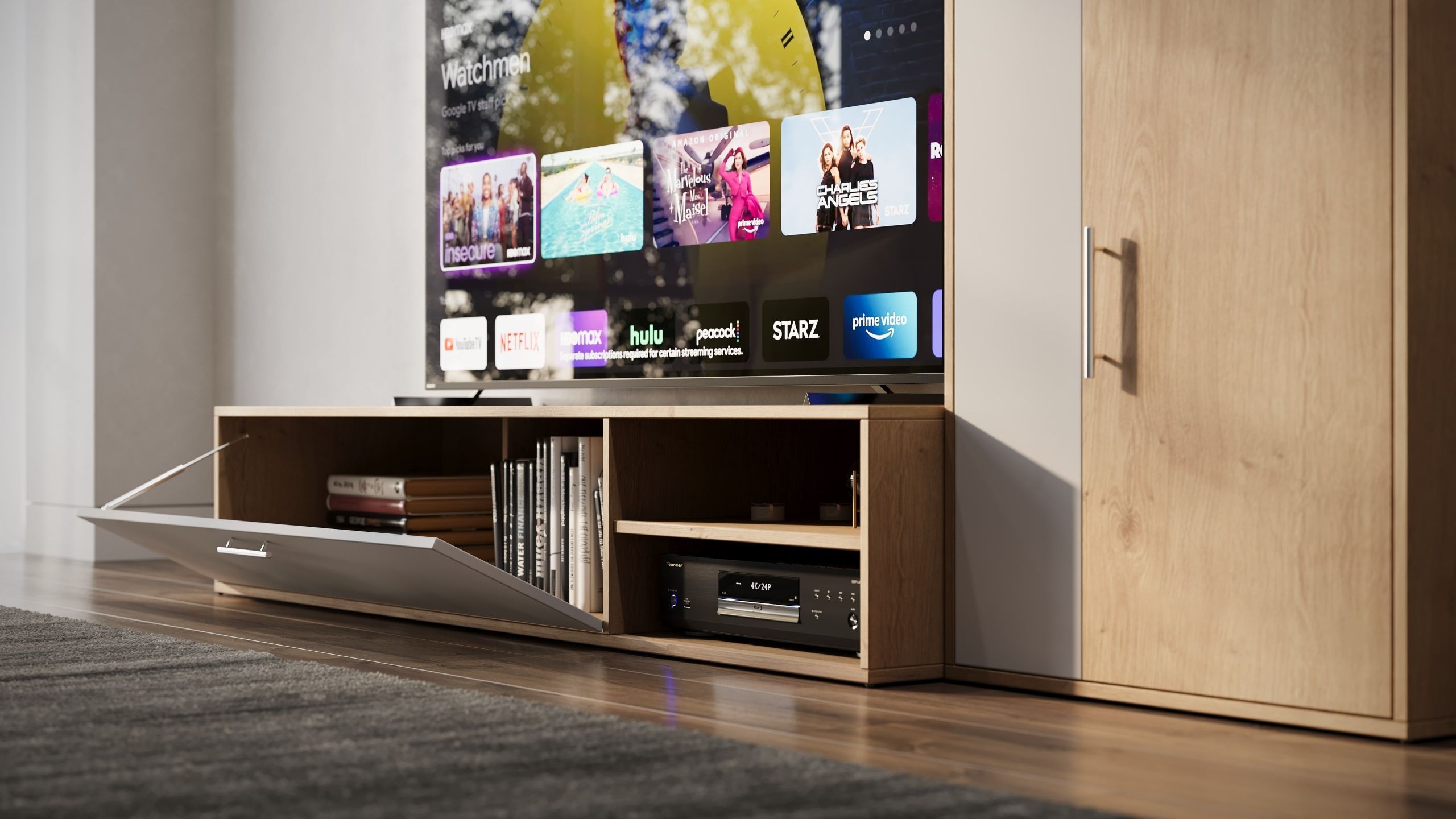
To create a deeper connection with your audience, it’s essential to use lifestyle CG Images that depict relatable, lifelike situations. Such 3D virtual photography helps consumers see themselves using your product or service daily, making your brand feel more authentic and trustworthy. After all, people connect with what feels real.
The strongest lifestyle images focus on everyday moments. Not showroom perfection, but scenes people recognize.
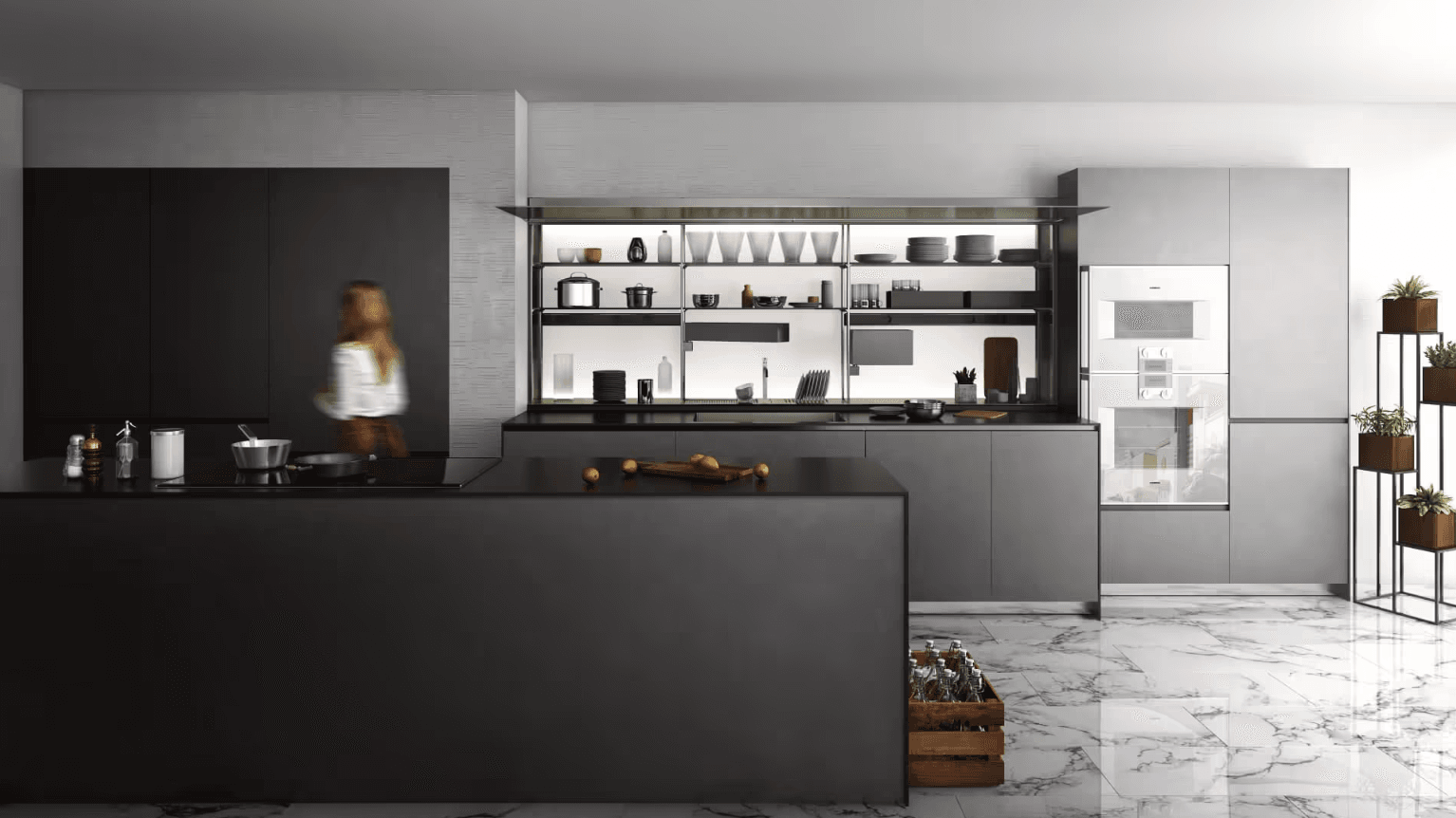
A living room isn’t just furniture on display — it’s family movie nights, friends hanging out, or someone relaxing solo after work. Kitchens aren’t just appliances and cupboards but a starting point for mornings and conversations.
When your rendering hints at these kinds of moments, viewers start putting themselves in the picture.
Go ahead and make it aspirational, but keep it inviting. Let people think, “Yeah, I could live like this.”
Once you hit that emotional button, your product becomes way more attractive.
3. Use Smart Composition
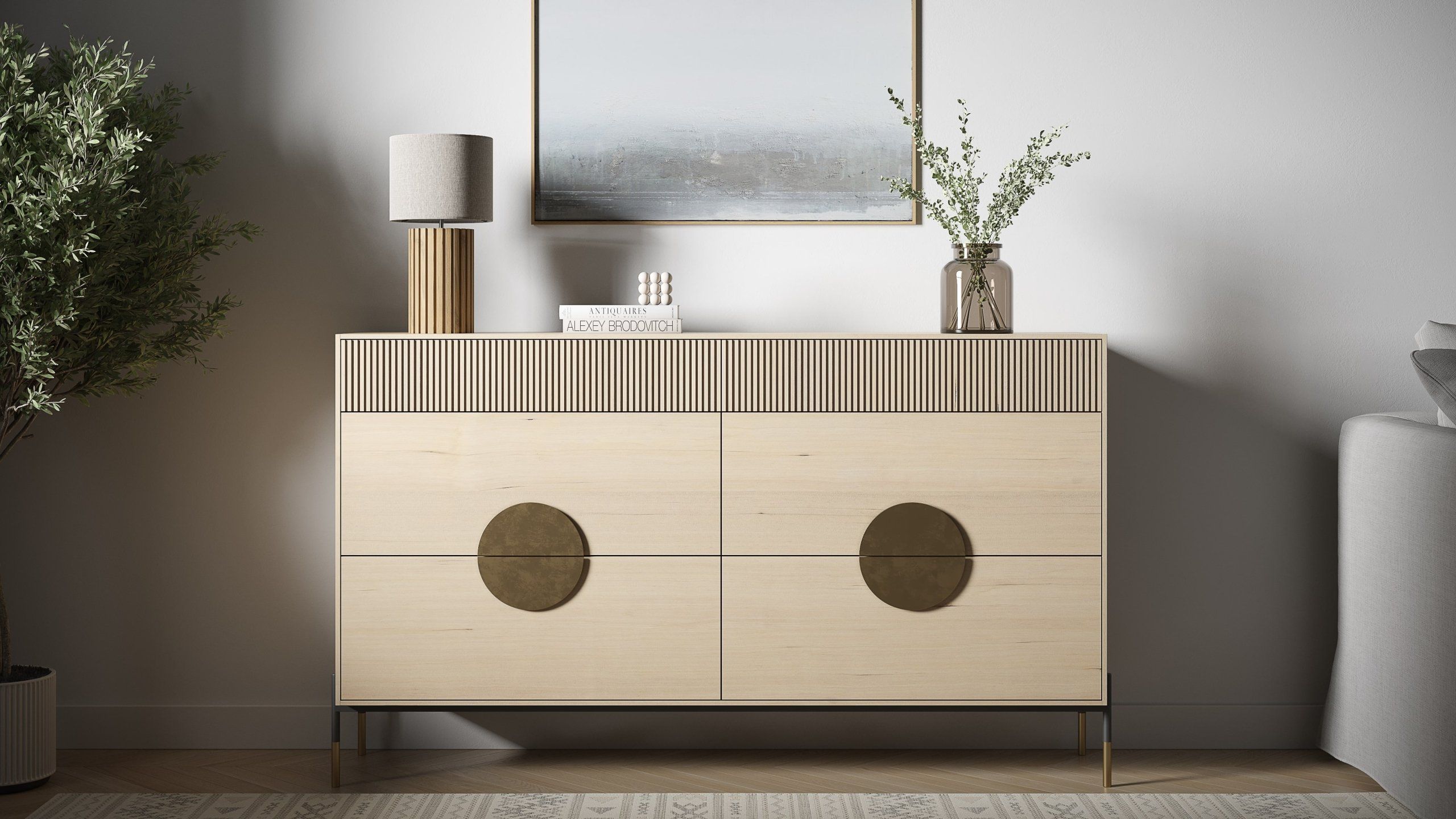
Every story needs direction, and in visuals, composition leads the way.
Without it, your eye just wanders. With it, attention naturally lands where it should.
Simple tricks like leading lines, balanced layouts, and clear focal points, make a huge difference. They spotlight your product without drowning out the bigger story.
Composition is really the backbone of the image. If you frame things just right, you can create a vibe, such as cozy, elegant, open, intimate, before anyone even notices the specifics. Honestly, the best compositions feel easy, but they’re carefully crafted.
4. Set the Mood with Lighting and Shadows
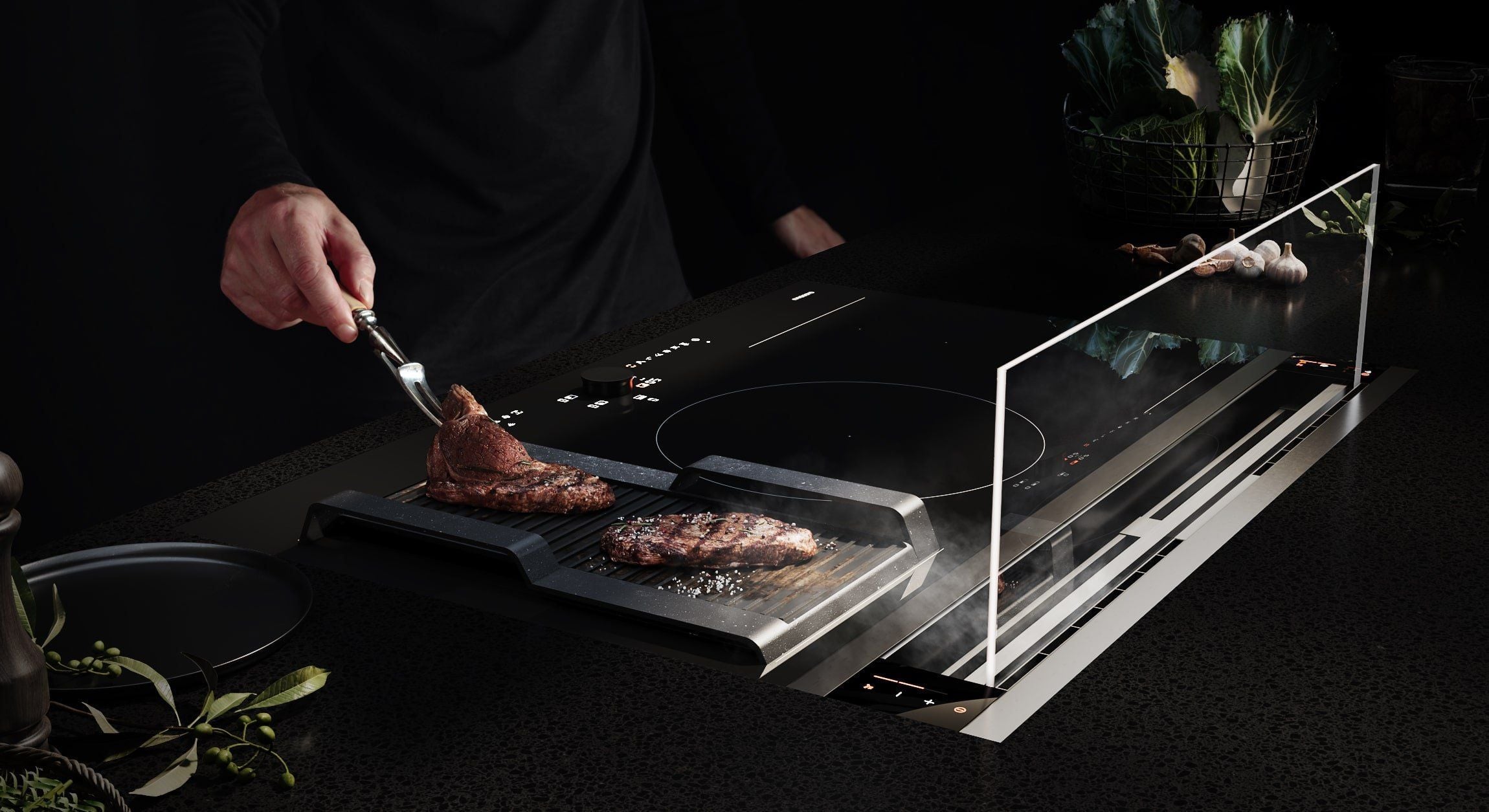
If composition gives the story structure, lighting in lifestyle CGI is what makes you feel it. The same room can look completely different depending on the light. Soft morning sunlight says “fresh start.” Warm evening light feels cozy and welcoming. Strong shadows add drama or mystery.
People react to lighting before they pick up on details, which is why CG artists obsess over getting it right.
Shadows matter just as much. They ground objects, add realism, and create depth. Without them, even top-notch renders feel weirdly flat.
Great lighting isn’t just about showing the space. It’s about giving people a feeling.
By mastering 3D lighting techniques, lifestyle CG image artists can transform flat visuals into dynamic and emotionally compelling imagery, guiding the viewer’s eye and reinforcing the story being told.
5. Add Props That Mean Something

Here’s where the storytelling really kicks in. What’s around a product matters as much as the product itself. A book left open on a coffee table. A mug next to a comfy chair. Fresh flowers in the kitchen. Kids’ artwork pinned up. These little touches hint at who lives in the space.
Don’t just throw in random decorative stuff as too many props make the image messy and distract from the message. Make every prop count. Each piece should help answer: Who lives here? What’s their vibe? When props feel authentic and create a more immersive 3D visualization, viewers start inventing their own stories within the scene.
A concept lifestyle image pulls in everything you expect from classic photography and adds storytelling to the mix. It’s all about catching real moments and genuine emotions. Most people can’t even tell the difference between these images and actual photos.
6. Pay Attention to Detail
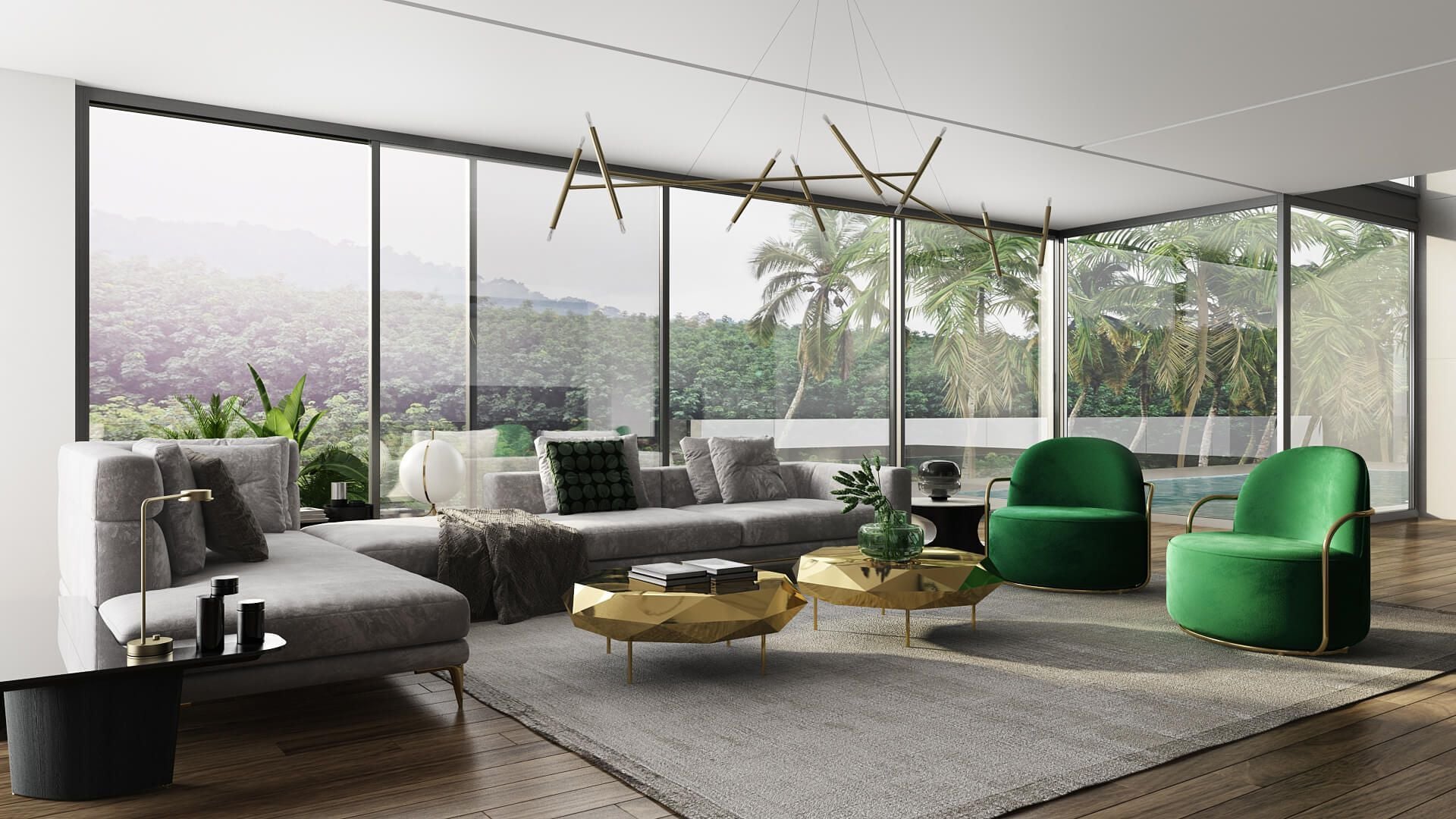
The small stuff makes your story believable. A flawless, spotless environment can look great, but sometimes it feels fake. Real spaces have quirks. Fabric bunches. Wood shows streaks and gradients. Reflections shift as you move. Different materials catch the light in their own way.
These subtle details build authenticity. They turn a digital image into a place that feels lived in. Sure, people might not spot every single texture or shadow, but together, those bits make your render feel immersive. Often, what separates a good lifestyle render from a great one are details most folks barely notice.
7. Keep Your Style Consisten

One image tells a story. A whole collection builds your brand. Consistency is key.
If all your visuals follow the same style, such as lighting, colors, composition, overall mood, people recognize your brand instantly. It builds trust over time. Whether viewers see your stuff on Instagram, your website, a catalog, or an ad, the experience should feel connected.
That doesn’t mean every render needs to match perfectly. The story shifts. Settings change. New products take the spotlight. But your core visual identity should always be clear.
Great brands don’t just tell cool stories once. They do it over and over.
See how much CGI production costs and what influences pricing. Access the full price list for detailed estimates.
See moreLifestyle CG images do more than look pretty. They create experiences. Every element works together to evoke emotions, reinforce identity, and create a connection with the audience. A consistent visual style strengthens brand recognition, while thoughtful details bring authenticity and depth to each scene. By embracing these principles, brands can craft compelling, engaging visuals that showcase their products and immerse viewers in the lifestyle they represent.
As you plan your next project, consider how these techniques can enhance your storytelling. How will you use lighting, composition, and detail to create a visual narrative that genuinely resonates with your audience? Experience the power of our 3D modeling services to achieve stunning, high-quality results!