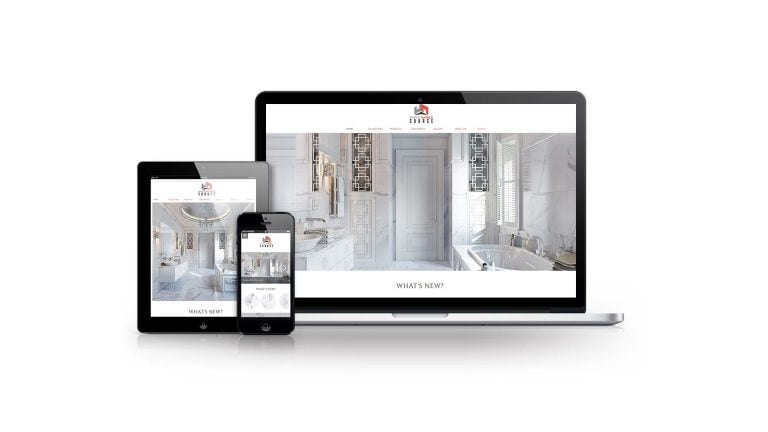
A digital twin is a virtual copy of a physical product, process or system. It pulls data from sensors, simulations and other sources, so the digital model behaves and performs like the real thing, and you can monitor, analyze and improve it in real time.
For product development, that’s a big deal. You understand how the product behaves, you can predict problems, and you decide with better information. Design and production get easier to tune, costs and risks drop, and the team can react faster.
In this guide, we at CGIFurniture look at the benefits, applications, examples and best practices of digital twins in product development, plus where the technology is heading.
What is a Digital Twins Concept?

A digital twin is a virtual version of a physical product or system, usually built in computer-aided design (CAD) software. More and more product teams use them.
So where does CGI come in? 3D modeling builds the virtual product itself, and 3D rendering turns it into realistic images and animations. Many companies also use 3D animation video services to show how a product works, simulate real-world use and make visuals for presentations and marketing. Our guide to 3D product modeling explains how such models are built.
With product 3D technology, manufacturers and designers can test new designs and features before building anything. It can also point to bottlenecks in manufacturing and help with packaging design, which customers notice.
Benefits of Digital Twins in Product Development
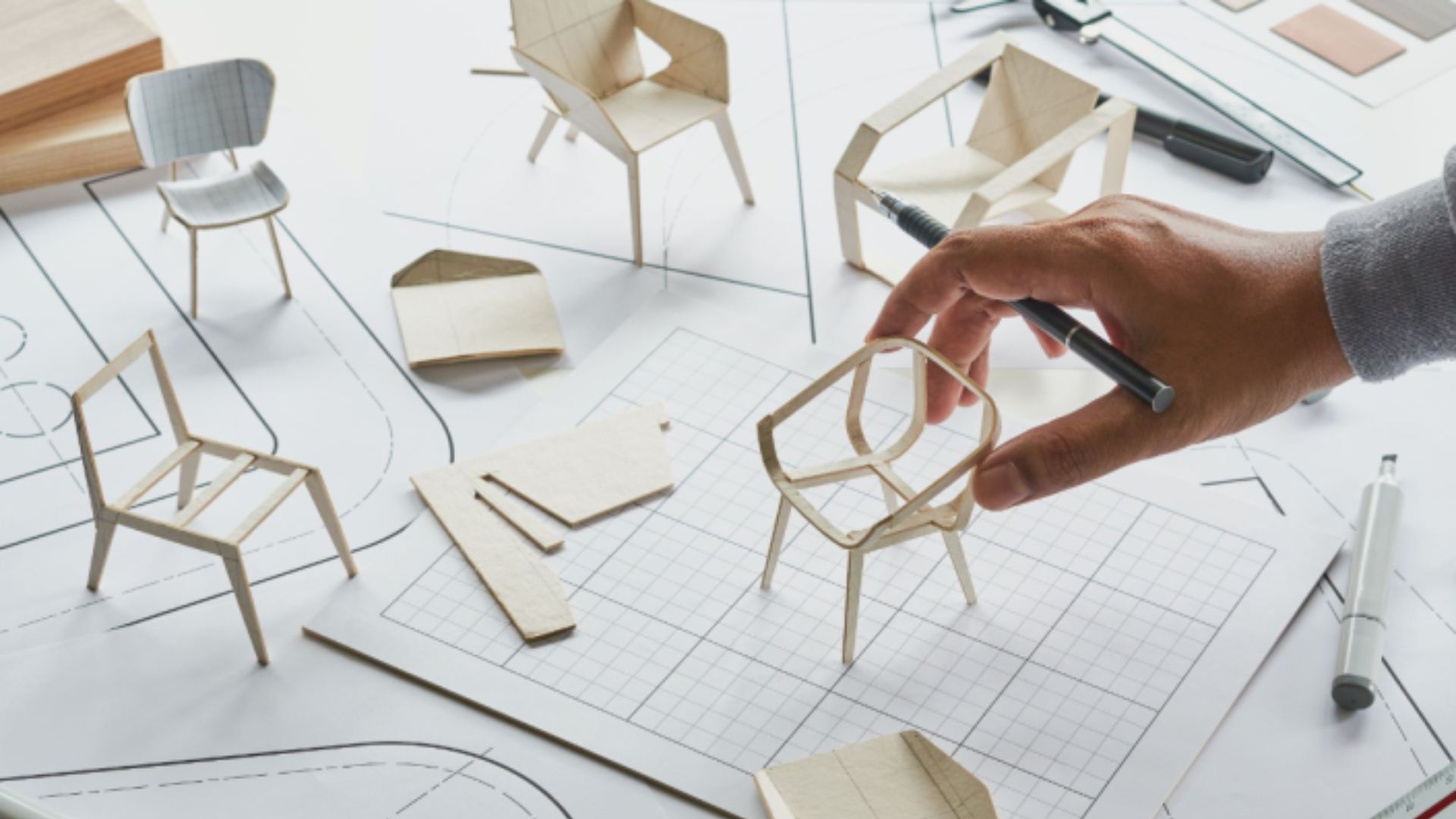
Why are digital twins so useful? You get a virtual version of your product or service and can simulate how the real world would react to a change before you make it. Companies can test many scenarios and tune products and processes, and nobody outside the screen is affected.
Here’s what digital twins can give you:
- Improved understanding of product behavior and performance.
- Enhanced predictive capabilities to anticipate and prevent issues.
- Better decision-making based on real-time data and insights.
- Optimization of product design, production, and maintenance.
- Reduced costs and risks associated with physical testing and prototyping.
- Increased agility and responsiveness to changing market and customer needs.
- Improved real-time monitoring and control of products and processes.
- Enhanced predictive capabilities to anticipate and prevent issues.
- A better understanding of physical issues and their impact on product performance.
- Creation of digital footprints that can be used for analysis and optimization.
- Compliance with regulatory environments and standards.
- Exploration of alternative technologies and approaches.
Digital twins won’t fix everything. For companies that want technology to improve how they design, produce and check products, they’re still a clear path forward.
Applications of Digital Twins in E-Commerce Businesses
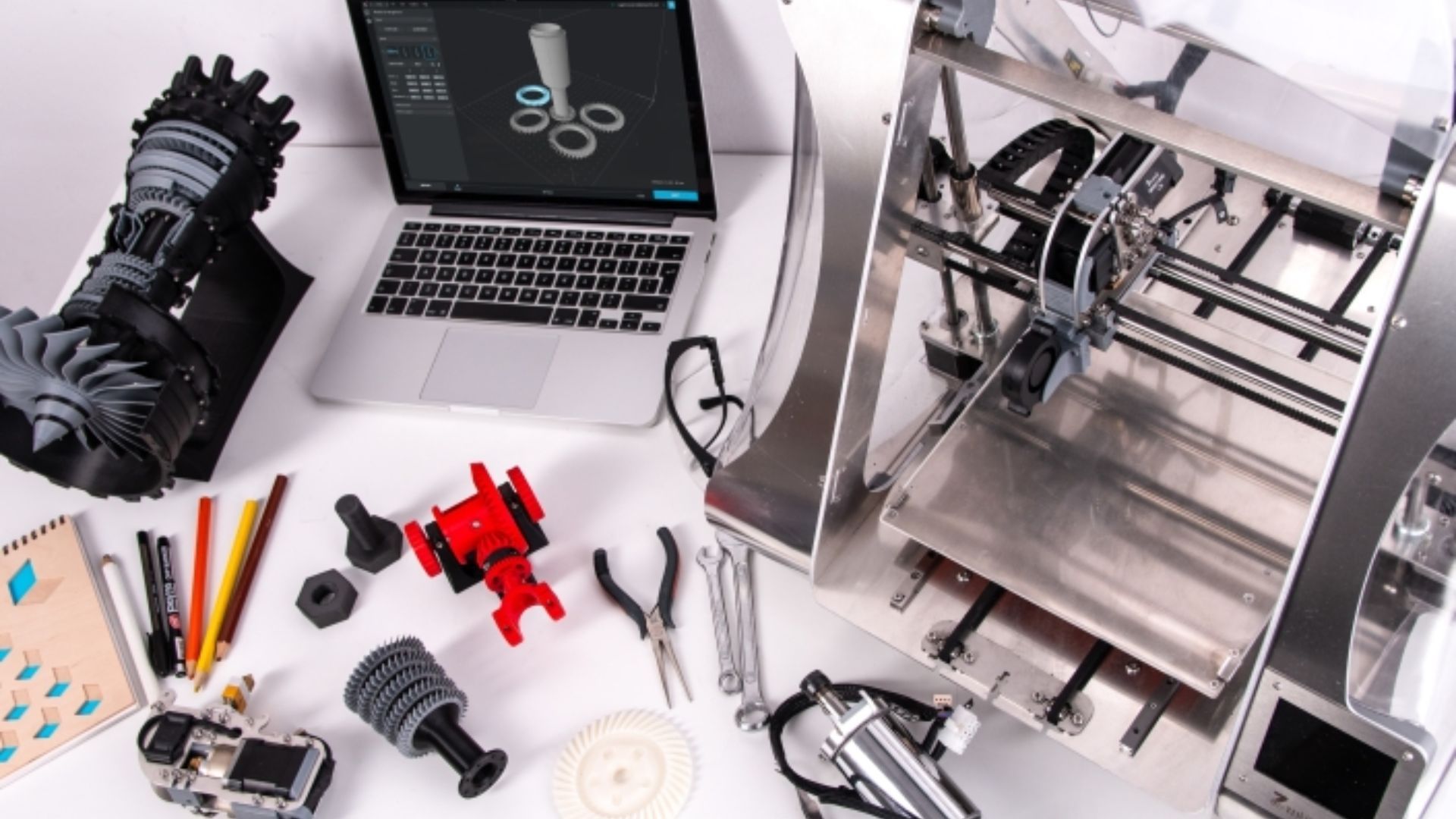
So where can you use them?
- Market requirements and customer demands: Digital twins help you see what customers need and build products around it. Simulate different scenarios and test designs virtually, and your product has a better chance in the market.
- Development speed and product success rates: Designers and engineers can test and change designs faster, so development speeds up. Problems show up early, while they’re still cheap to fix, and more products succeed. Our article on 3D modeling in product design shows how this works for designers.
- Complexity and business risk: With a virtual version of the product, you can test and tune designs before production. That cuts down on expensive errors and failures.
- Sustainable supply chains and circular economy initiatives: Digital replicas can make supply chains run better and cut production waste. Run the scenarios virtually and you’ll see where to save material and work more sustainably.
- Heterogeneous product data and its integration with ERP and PLM systems: Product data often sits in different places, like enterprise resource planning (ERP) and product life cycle management (PLM) systems. A digital twin can pull it together, so you see the whole product and its development and decide with better information.
In online retail, a product digital twin drives images, configurators and AR from one model. Across the business, the same approach helps you understand customers, develop faster and lower risk, partly through data analytics on supply chains and product lines.
Key Considerations for Implementing Digital Twins
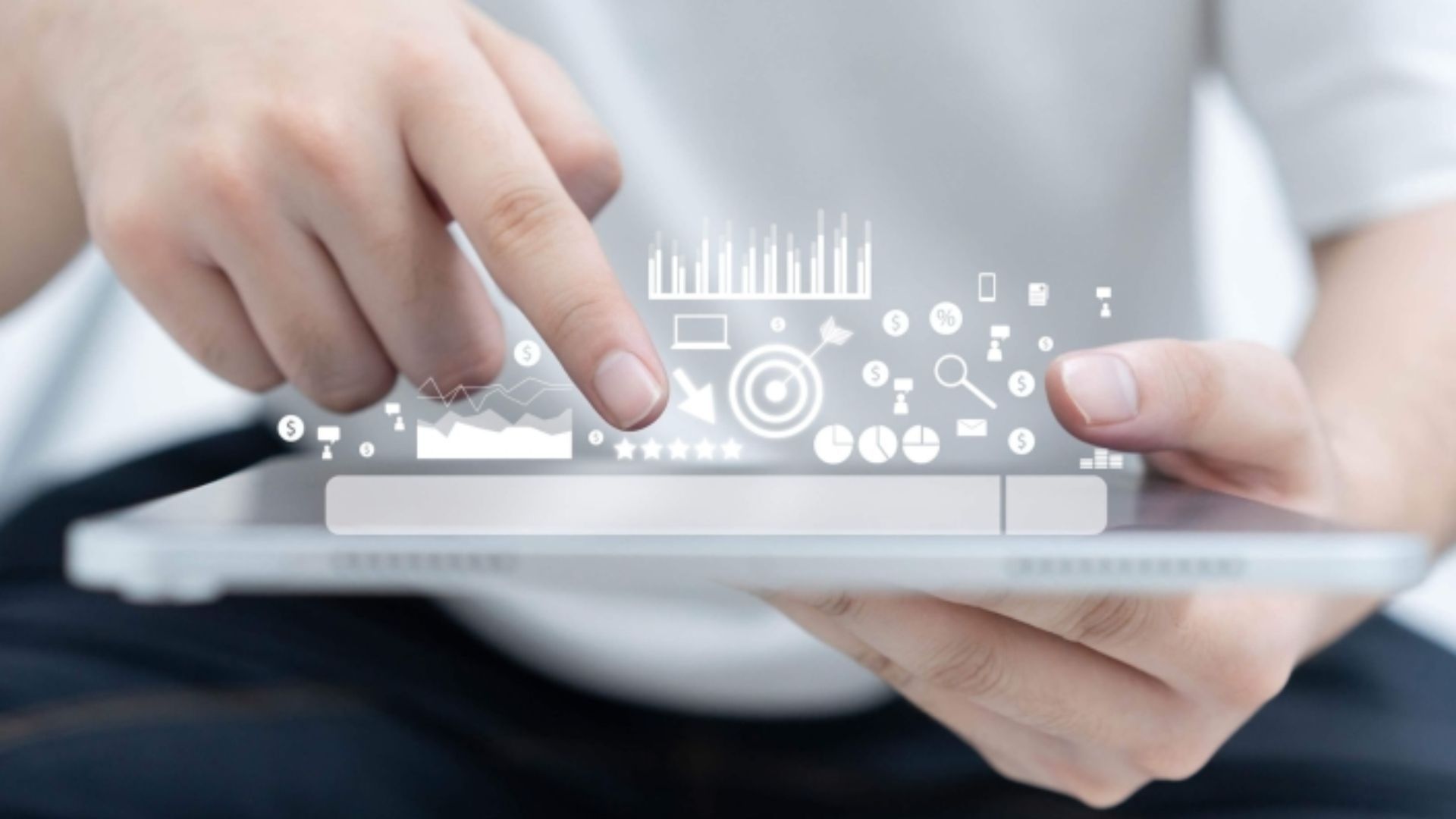
Setting up digital twins takes planning. Here’s what to think about:
- Data management: Digital twins need a lot of data. Decide early how you’ll collect it, store it and analyze it.
- Technology infrastructure: You’ll need hardware, software and networking that can handle the load. Check that your infrastructure is up to it.
- Expertise and skills: Building and running digital twins takes specialists who know CAD software, simulation tools and data analytics. You can hire them, partner or outsource. For the modeling side, studios that offer product 3D modeling services can supply this expertise.
- Integration with existing systems: A digital twin has to connect to the systems you already run, such as ERP and PLM. Plan that integration from the start.
- Cost and ROI: Digital twins can be expensive, so weigh the costs against the likely return on investment (ROI). Count shorter development time, better product quality and more market success.
Get these right and the rollout has a much better chance of paying off.
Usages of Digital Twins for Product Development in Different Industries
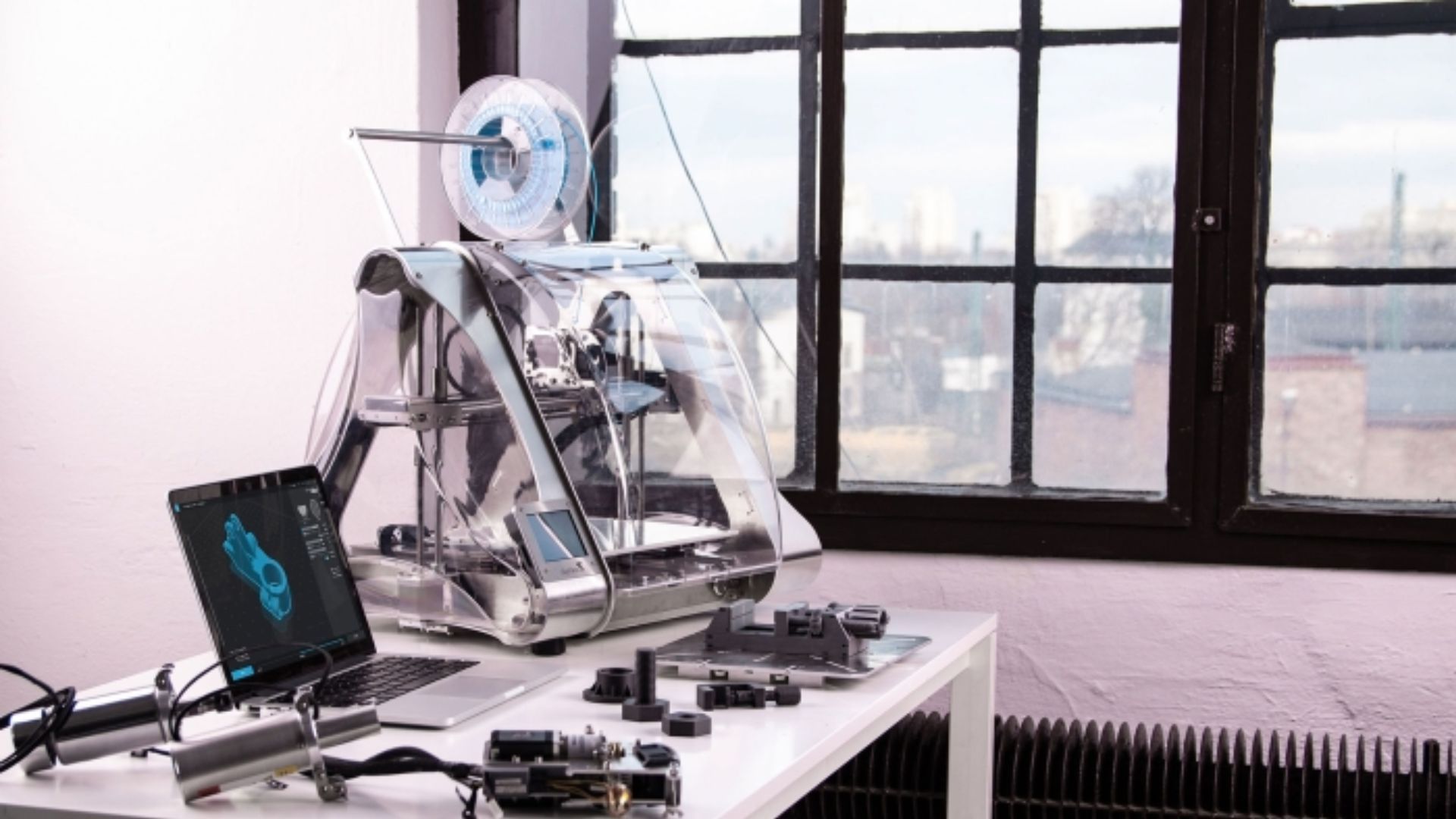
Here’s how different industries use them:
- Consumer Electronics: One consumer electronics company uses digital twins to improve quality and make its supply chain more resilient. It keeps detailed records of what goes into each product, down to the exact materials, and uses them to tune production and cut waste.
- Automotive: Car makers use digital twins in 3D design and product development, so teams around the world can work together without the delays common with traditional 3D automotive rendering software. They also build interactive 2D and 3D interfaces for in-vehicle infotainment (IVI) systems and digital clusters with them.
- Industrial Manufacturing: An industrial manufacturer uses a full-life-cycle twin that follows the product from idea to everyday use. Quality issues show up early, so fewer expensive failures happen in the field, and costs go down.
- Aerospace: In aerospace, digital twins simulate aircraft components and systems to improve their performance. They also cut the time and cost of testing and certification.
- Energy and Utilities: Power plants and other infrastructure use digital twins to run better. Operators simulate different scenarios to find where they can improve and save money.
Different industries, same idea: test it virtually first.
Best Practices for Using Digital Twins in Product Development

Digital twins help teams decide how to design and build products. People across teams talk more easily, development costs less and new products reach the market sooner.
A few habits help:
- Start with a clear use case: Pick one use case that fits your business goals before you build anything.
- Collect and manage data effectively: Plan how you’ll collect, store and manage the data, and keep it accurate, current and available to the people who need it.
- Ensure cross-functional collaboration: Design, engineering and manufacturing all have to work on the twin together, so make sure they actually talk.
- Use simulation tools effectively: The twin is only as good as the simulations behind it, so learn the tools well.
- Continuously iterate and improve: Keep improving the twin, and plan how you’ll refine it over time.
Where is the technology heading? Watch these areas:
- Increased use of AI and machine learning: AI and machine learning can make twins more accurate and more useful.
- Integration with IoT and other technologies: Connect a twin to the Internet of Things (IoT) and it shows the product more completely and accurately.
- Expansion into new industries and sectors: Healthcare and education could be next, beyond the industries already using them.
- Increased focus on sustainability: Expect more twins built to make products more sustainable.
Digital twins keep changing fast. Follow good practice, keep an eye on new developments, and you’ll be ready to use them.
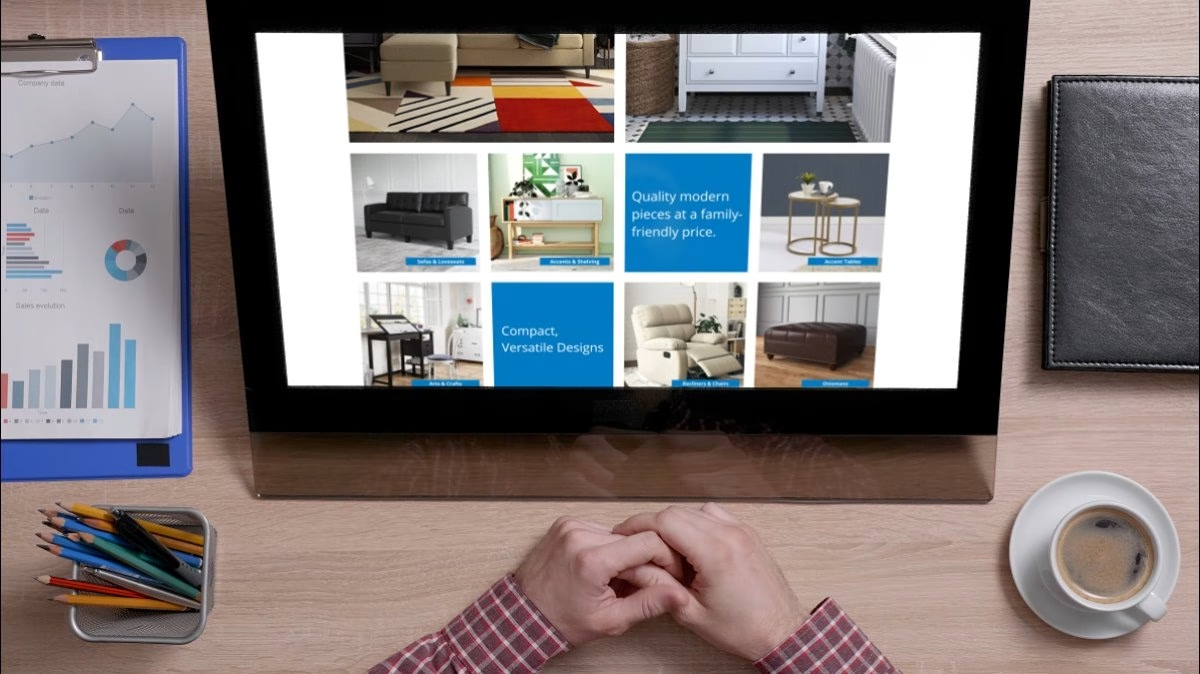
Learn more about CGI services for E-commerce and take your online business to the next level.
View our portfolioProduct CGI is how a digital twin gets its look: a virtual version of a physical object, built in computer software.
Photorealistic 3D modeling, rendering, and animation provide numerous benefits for product manufacturers and marketers. If you are interested in exploring digital twins for product development with 3D modeling services , you can outsource it to CGIFurniture. Book a free demo consultation to get more information on how we can assist you!