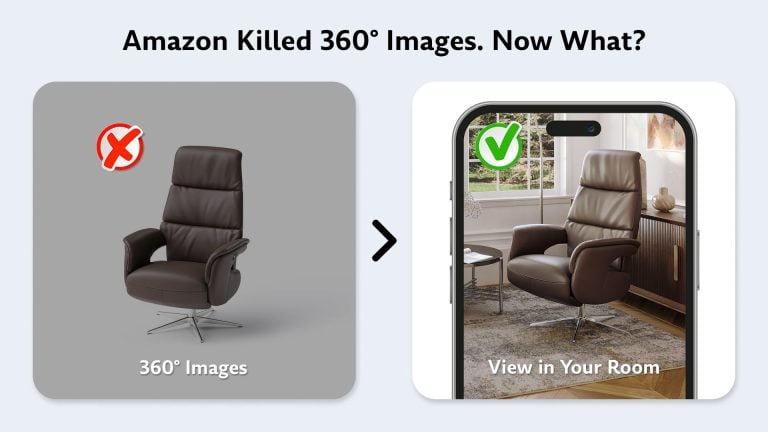
Experiential selling is about making shopping enjoyable by letting customers interact with products in real life. According to Fashion Network, 81% of consumers worldwide are willing to spend more for special and memorable shopping experiences.
Shopping online used to be all about speed and convenience — just scroll, click, buy, done. But experiential selling takes things up a notch. It’s about building a real connection with shoppers. Imagine trying out a sofa in your living room before buying, all thanks to your phone. IKEA does this well. They let you visualize their furniture in your own space, spark decorating ideas, and check if things fit, not just with pictures and measurements, but through actual interactive tools.
Shoppers expect more now. They want something personal, not just another product page. That’s why experiential selling is quickly becoming a must-have for online retailers. When brands offer interactive, tailored experiences, people feel more connected and happy. Happy customers stick around, tell friends, and buy more.
This guide by our 3D rendering company explains how to increase revenue in e-commerce with experiential selling. It covers simple strategies and tips for creating enjoyable, immersive shopping experiences that attract and retain customers.
1. The Evolution of E-Commerce

E-commerce started out simple — basic product listings, standard websites, straightforward shopping carts. But things have changed. Now, the focus is all about making shopping online feel personal and engaging, not just quick and convenient. Brands want their customers to stick around, not just make a single purchase.
Traditional E-Commerce
You add what you want to your cart, pay safely, and wait for the package to arrive. Customer reviews help you figure out if it’s worth buying. On the business side, companies keep track of inventory and handle shipping to make sure everything arrives on time. The goal here? Keep things easy, smooth, and reliable.
Rise of Experiential Selling
People used to pick brands mostly for quality, price, or how convenient they were. Lately, that’s changed. Now, they look for something more — a sense of purpose.
Research shows that 77% of people feel better about brands that support society. For generations like Gen Z and Millennials, who value community, it’s essential. Many of them want brands to make a positive social impact. Experiential selling can also increase foot traffic, such as IKEA’s store layouts that inspire home decoration and draw visitors for a fun family outing.
According to Statista, retailers in some countries see its benefits sooner than others, with 78% of department stores in China already incorporating experiential elements into their stores.
Experiential selling is changing E-Commerce by focusing on immersive and personalized shopping experiences. Consumers now seek more than just products; they want engaging interactions that make their shopping feel unique and tailored. This trend is driving online retailers to develop dynamic features like virtual try-ons and personalized recommendations, transforming how people shop online. Consequently, e-commerce is evolving to provide more prosperous and engaging connections between consumers and brands.
Consumer Behavior Shifts
Consumer habits are shifting, too. Retail isn’t static, and the latest trend has people valuing experiences over stuff. Honestly, a lot of shoppers would rather pay for a good time than another item to toss in the closet — about three-quarters of folks lean this way. Imagine walking into a haircare shop with an actual barber on-site. It turns the store into an interactive hangout spot, especially for younger customers. You get a cool experience and still go home with great products.
2. Core Elements of Experiential Selling

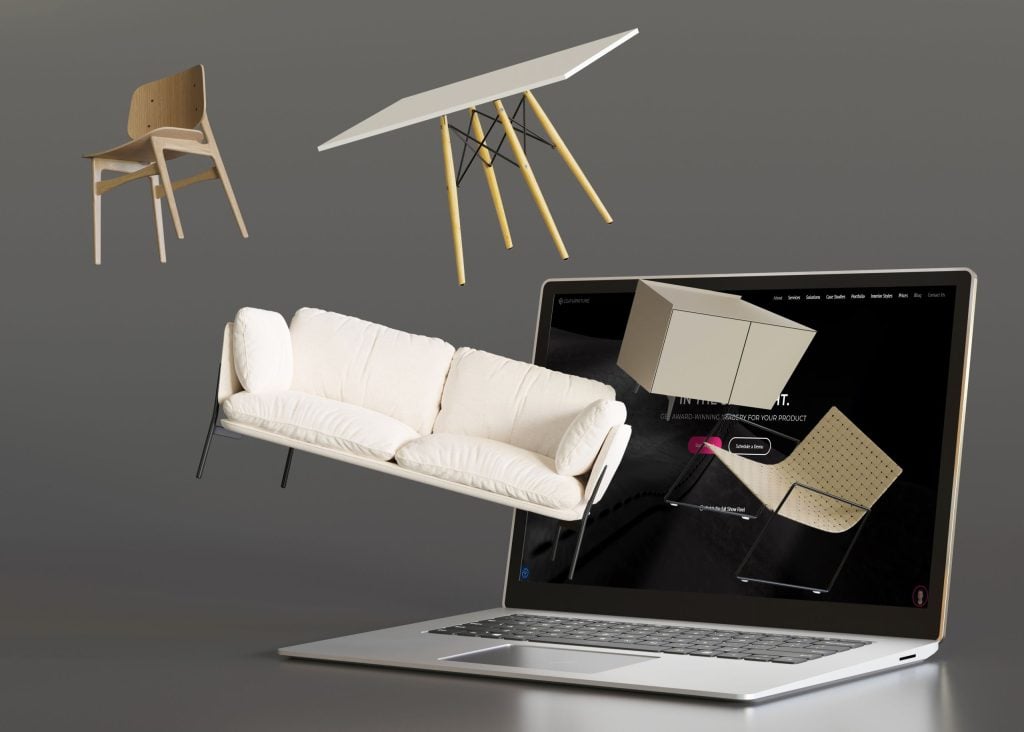
With advanced digital transformation, companies can recreate the online physical shopping experience. 3D Commerce enables interactive and immersive product demonstrations using 3D models, AR, and VR.
- Immersive Product Presentations. Enhance customer engagement with interactive tools like 3D models, augmented reality (AR), virtual reality (VR), and live demos that allow customers to explore products engagingly.
- Personalization. Artificial intelligence (AI) and data analytics tailor the shopping experience to each customer’s unique preferences and needs, making their experience more relevant and enjoyable.
- Storytelling. Develop compelling narratives about your brand and products that resonate with customers, creating memorable and meaningful experiences.
- Community Building. Strengthen customer relationships by encouraging interactions and creating a sense of community through social media integration and user-generated content, fostering loyalty and engagement.
- Emotional Engagement. Implement strategies to evoke emotions and forge deeper connections with customers, enhancing their overall experience and attachment to your brand.
These approaches help bridge the digital and in-store shopping gap, enhancing the online retail experience.
3. Implementing Experiential Selling in E-Commerce

Experiential selling revolutionizes e-commerce by merging technological and personal factors into an interactive and immersive shopping experience. In order to effectively integrate the concept of experiential selling in e-commerce, companies need to take care of the following aspects:
- Technology Integration: Leverage AR (Augmented Reality), VR (Virtual Reality), and 3D visualization to create engaging and interactive shopping environments. These tools can help digitally simulate physical experiences, allowing customers to interact with products innovatively.
- User Experience (UX) Design: Design a user-friendly interface that enhances the site’s experiential aspect. Ensure that navigation is intuitive and that interactive elements like virtual product demos and immersive content are seamlessly integrated to provide a smooth and enjoyable experience.
- Content Strategy: Develop compelling and interactive content to engage customers. This includes creating interactive videos, virtual try-ons, and 360-degree views of products that allow users to explore and experience items as if they were in a physical store.
- Personalization Techniques: Use AI and data analytics to tailor the shopping experience to individual preferences. Offer personalized product recommendations, dynamic pricing, and targeted content to make customers feel valued and improve their shopping experience.
- Logistics and Operations: Address the operational aspects of experiential selling, such as managing inventory, handling shipping logistics, and streamlining the returns process. Ensure these elements are efficiently managed to support the immersive experiences and maintain customer satisfaction.
By focusing on these areas, businesses can create a more engaging, personalized, and efficient shopping experience that meets the growing needs of today’s consumers.
4. Benefits of Experiential Selling

Experiential selling offers significant benefits to e-commerce by increasing customer engagement and loyalty. This creates a memorable, personalized experience that sets brands apart in a competitive marketplace.
Benefits of Experiential Selling
The use of experiential selling provides many advantages for e-commerce since it increases customer engagement and loyalty, thus creating a memorable and personalized experience.
Increased Customer Engagement. Immersive experience attracts customers’ attention; hence they spend more time on the website and engage more in products. The more interactive experience customers have while interacting with the products, the more time they will spend on the website exploring it and improving their shopping experience.
Higher Conversion Rates. Experiential selling has a positive effect on conversions because a personalized and engaging experience encourages customers to buy the products.
Improved Customer Loyalty. Memorable and personalized experiences foster customer relationships. Customers who get satisfied with their experience are likely to come back.
Improvement in Brand Perception. The practice of experiential selling will help create a brand that has a different perception than that of its competitors. Through the provision of an exclusive shopping experience, the brand becomes distinct and appealing to customers who appreciate innovation and high quality. Improved Data Insights. The companies have access to information about their customers as a result of interacting with their experiential content.
5. Challenges and Considerations

Despite many advantages that experiential selling can provide, there are also a number of difficulties associated with this approach to marketing that companies have to take into account.
Technical and Financial Challenges. Introduction of high-tech solutions like augmented and virtual reality and artificial intelligence might prove to be costly and technologically demanding. Such barriers might prevent the development and use of experiential selling approaches.
Scalability Issues. Scaling experiential selling can be challenging, especially for small businesses. What works well in a small pilot or local environment may not transfer easily to a larger scale. Companies need to consider how to maintain pilot initiatives’ quality and effectiveness as they grow, which can be a significant hurdle.
Customer Adoption. Even with the best practices in place, success depends on the customer’s willingness to engage. There is a risk that customers may not accept this new experience or find it overwhelming. To ensure a positive customer experience, companies must balance innovation and ease of use.
Privacy issues. Because experiential selling is dependent on personalized experiences, responsible handling of customer data becomes extremely important. It is necessary to comply with privacy laws and create a positive image with consumers by ensuring that their data is managed properly and that its usage is transparent.
Measuring ROI. Measuring the effect of immersive experiences on sales, brand image, and customer loyalty is not always an easy task since it is different from measuring traditional sales performance. Companies have to find new ways to measure the effectiveness of their experiential approach.
Though experiential selling offers tremendous opportunities for transforming the customer journey, it requires careful attention to these issues.
6. Case Studies

There are several e-commerce companies that have managed to incorporate experiential selling into their approach and achieved success. In fact, the brand called Sephora implemented a virtual try-on experience with the use of augmented reality that allows the client to see what particular make-up will look like on the client’s face prior to purchase. In turn, it made the shopping process more engaging and resulted in better conversion rates. The brand called IKEA uses 3D visualization software to let customers customize the room with IKEA furniture. It leads to the higher satisfaction of customers and, therefore, increase in the sales volume.
There are even already successful companies that require assistance with the experiential selling. Thus, the company called Nike had the problem of scalability of its in-store customization experience in online mode. The takeaway from this is that the experience may become highly innovative and engaging but, at the same time, scalability should not be neglected.
There are some companies that use unique and creative ways to create experiences in their sales process, thus making them different from other competitors. For instance, Burberry uses the integration of the digital and physical experience by establishing a social retail store in China, where the customers will have access to exclusive experiences and content via an application on their smartphones as they shop.
The above examples illustrate how successful the experiential selling approach can be but only if it is done with caution and creativity.
7. Future Trends in Experiential Selling

The future of experiential selling will be heavily influenced by emerging technologies. Let’s see what will change.
- Advancements in Technology. New technologies such as artificial intelligence, blockchain, and advanced AR/VR will make online shopping more interactive and personalized. AI will offer more intelligent recommendations, and augmented and virtual reality will allow shoppers to explore products in realistic environments.
- Integration with Other Channels. Experiential sales will expand beyond online platforms to include in-store experiences. Retailers will integrate their online and brick-and-mortar stores, providing customers with a consistent and engaging experience wherever they shop.
- Sustainability and Ethical Considerations. As customers become increasingly concerned about ethical shopping, brands must demonstrate their commitment to sustainability. This may include virtual tours of eco-friendly practices or proving the ethical origin of products using technologies such as blockchain.
- Next-Generation Customer Experience. The future of e-commerce will focus on making shopping more personal, interactive, and seamless across platforms. Customers expect brands to know what they want and provide engaging experiences combining shopping with entertainment.
As technology evolves and consumer expectations change, companies that embrace these trends improve the shopping experience and build stronger relationships with their customers. To remain competitive, brands must integrate new technologies, focus on personalization, and consider ethical practices as they shape the future of online retail.
8. Strategic recommendations

The strategic recommendations for them are to utilize AR, VR, and 3D models with functions of virtual try-on and interactive demos. Marketers need to create campaigns which highlight the advantages of experiential selling, while providers of technology have to concentrate on developing user-friendly technologies.
E-Commerce Retailers. To incorporate experiential selling into your platform, it is important to use AR, VR, and 3D models gradually in your operations. Make some minor but useful changes, such as virtual try-ons and interactive demos, and then see how well it works.
Marketers. It is vital to develop campaigns that will highlight unique advantages of experiential selling. Educate your customers about it by using demos, tutorials, and testimonials.
Technology Providers. You have to develop technologies that would be user-friendly and easy to integrate for e-commerce retail business.
With the development of E-Commerce, experiential selling may change customer interaction with companies and make shopping more exciting and interesting. In order to remain competitive and satisfy customer needs, e-commerce businesses have to try new approaches to selling such as experiential selling.
Transform your business with our 3D modeling studio, delivering exceptional CG tools to attract more clients!