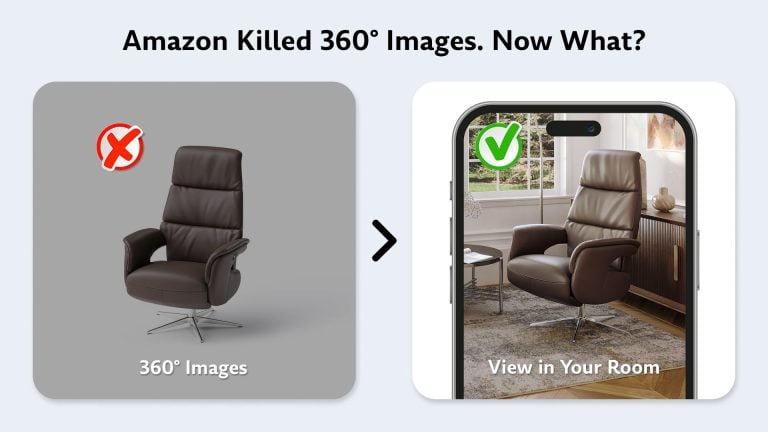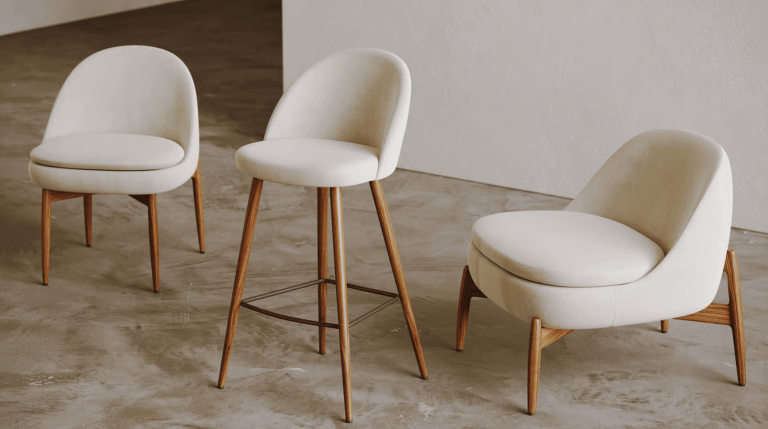
Furniture is hard to sell from a flat photo. People want scale, finish, the way a piece actually sits in a room — and a digital catalog gives them that. Not a PDF you download and forget. An interactive one: zoom in, spin it around, swap the fabric, picture it in your own living room.
That shift matters more every year. Shoppers expect to explore before they commit, and high-quality renders, 3D animation, AR, and configurators let them do exactly that. For furniture brands the payoff is concrete: more time on page, higher conversions, and a catalog that keeps moving while print sits frozen.
In this article, our 3D rendering company breaks down how digital catalogs actually move product.
1. What is a Digital Catalog?
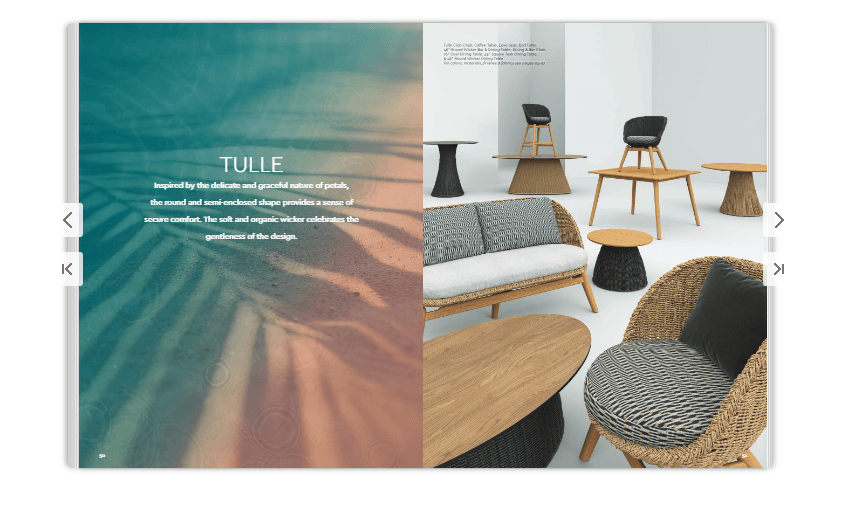
Strip it down and a digital catalog is just your product catalog, online. But the online part changes everything. Instead of static pages you get high-res images, full descriptions, pricing, and interactive pieces — 3D views, video, links that drop a shopper straight at checkout.
For furniture, the real unlock is lifestyle rendering. A sofa floating on a white background tells you almost nothing. The same sofa in a sunlit room, next to the right rug and lamp, tells you whether you want it. Showrooms have always known this. Online it matters even more, because the screen is doing all the persuading.
Print can’t keep up on a few fronts. A digital catalog in Ecommerce lets people:
- Interactivity: Zoom, rotate, handle a product without touching it.
- Real-time Updates: Change a price or a photo, no reprint, no waiting.
- Wider Reach: Open it on any device, anywhere, at 2 a.m. if that’s when the urge to redecorate hits.
Formats vary, and so does what each is good for:
- PDFs: Easy to send, light on interactivity.
- Flipbooks: That page-turn feel, if the tactile illusion helps.
- Interactive Online Catalogs: Video, 3D, buy-now links, the full experience.
Ecommerce digital catalogs can aid furniture companies in boosting consumer engagement and driving more sales by offering an immersive and simple browsing experience.
2. Benefits of Digital Catalogs for Ecommerce Sales

So what does this buy you in sales terms? A few things, and they stack.
Enhanced Product Presentation
Good visuals do the heavy lifting. 3D renderings, zoom, configurable options — a customer can inspect a piece from every angle, the way they would in a store. Fewer guesses, fewer returns, more confident buyers.
Lifestyle CG images carry the emotional half: a render that sets furniture in a real-feeling room tells a small story, and that story, not a spec sheet, is usually what closes the sale.
Improved Customer Engagement and Experience
Clean navigation, filters that work, recommendations that actually fit — these keep people moving instead of bouncing. Add clickable hotspots and embedded video, and browsing starts to feel like exploring rather than scrolling past.
Seamless Shopping Integration
Direct links, Buy Now buttons, a catalog wired into Shopify or whatever you run — the gap between “I like this” and “I bought this” shrinks to a click. Less hesitation. Fewer abandoned carts.
Cost Efficiency and Sustainability
No printing. No pallets of glossy paper that’s outdated before it lands. A digital catalog updates for free, reaches a global audience overnight, and trims your environmental footprint while it’s at it.
Real-time Updates and Analytics
Prices change, stock runs out, a line gets discontinued — you fix it in seconds, and nobody sees stale info. Better still, you can watch what people clicked, lingered on, or skipped, and let that shape the next campaign.
3. How to Create an Effective Digital Catalog

Building one well comes down to a few decisions. Here’s where the quality actually lives.
Choosing the Right Software and Platform
Options run from a basic PDF builder to a full interactive platform with e-commerce baked in. What to weigh:
- Does it play nice with your store — Shopify, WooCommerce, Magento, whatever you’re on?
- Can it handle 3D models, animation, and AR?
- Does it work on a phone, and offline when it has to?
Selecting the right digital catalog software is crucial for seamless integration and functionality.
Designing a Visually Compelling and User-Friendly Layout
Looks matter, but so does finding things. A strong layout does both:
- High-quality 3D renderings: Furniture shot in realistic, well-lit rooms, plus clean silo 3D visualization service shots where you need them.
- Intuitive navigation: Clickable categories, filters, a search bar that works.
- Engaging content: Short descriptions, styling ideas, 360° views, AR.
- Consistent branding: One visual language, start to finish.
A good Ecommerce digital catalog should be attractive and user-friendly. Best practices to enhance client experience and increase sales are high quality photos, interactive features, straightforward navigation, and seamless shopping integration.
Implementing SEO Strategies for Better Discoverability
A beautiful catalog nobody finds is wasted work. To pull in organic traffic:
- Keyword optimization: Use the terms people actually search — “modern living room furniture,” “wooden dining tables,” not vague labels.
- Optimized file names & alt text: Name your files and write alt text for every image and PDF.
- Metadata & structured data: Add metadata and structured data — descriptions, pricing, availability — so search engines can read it.
- Internal linking: Link catalog pages to the product pages they belong with.
The correct tools, engaging design, and SEO tactics can help create well-crafted digital catalogs in Ecommerce to boost customer experience and revenues.
4. Real-World Examples of Successful Digital Catalogs
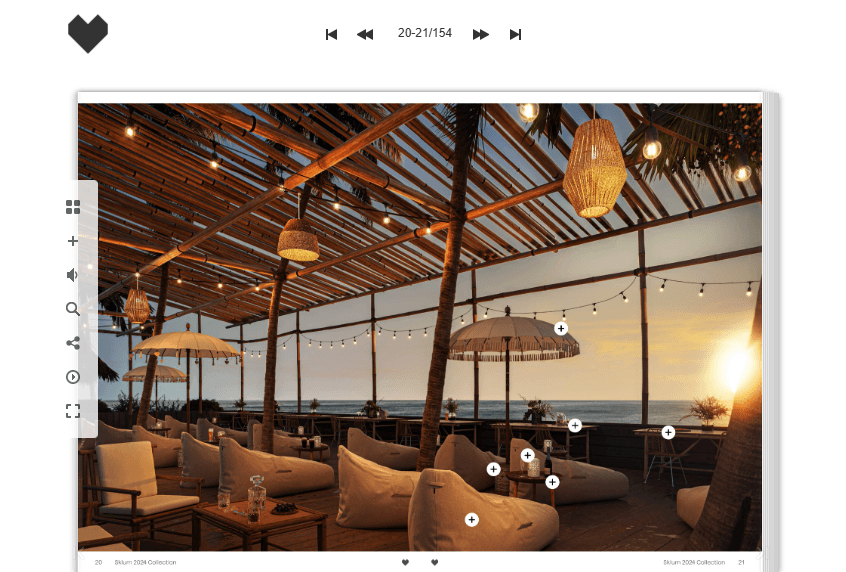
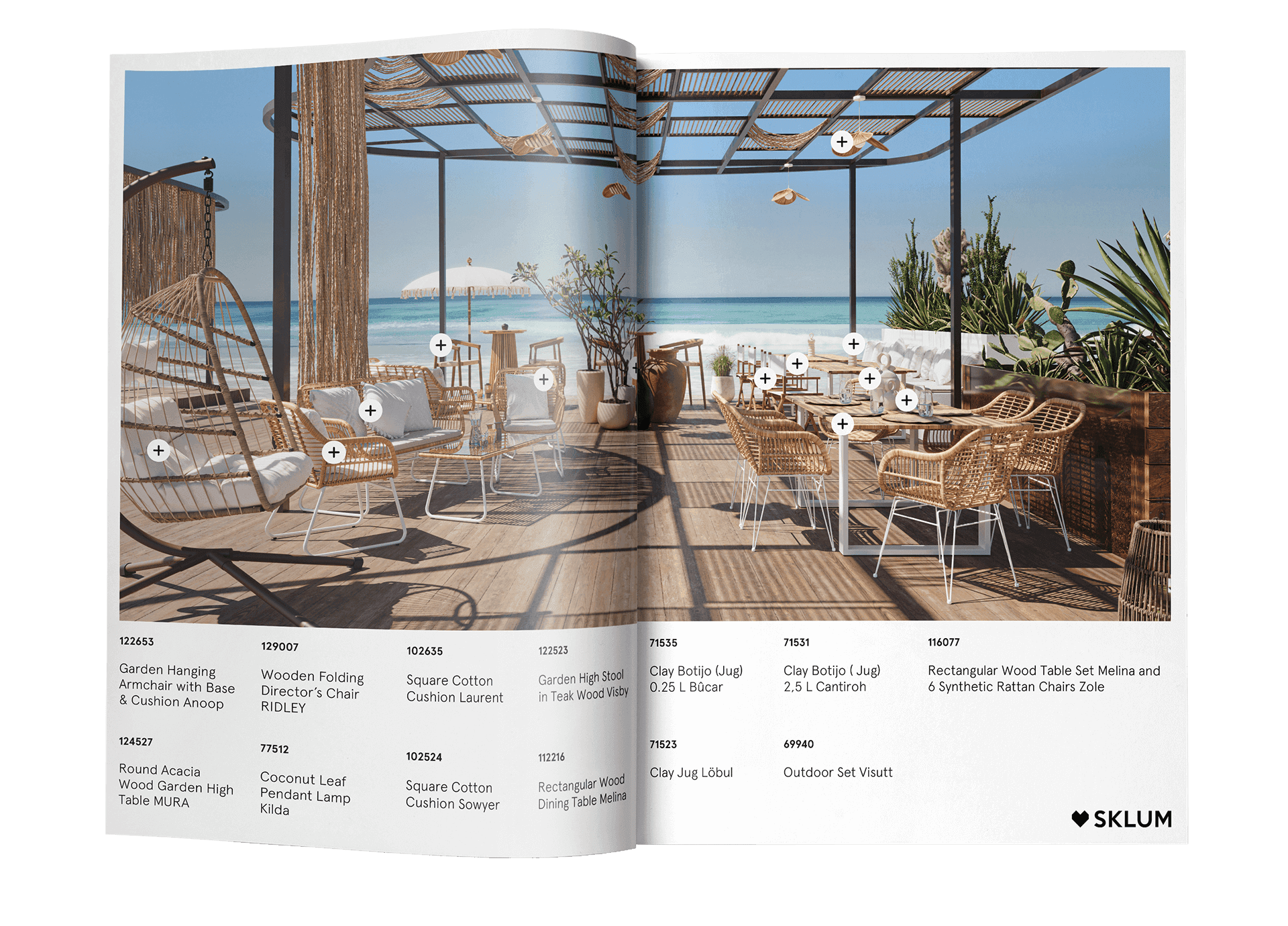
Sklum, came to us with a tricky brief: build a full digital catalog for their indoor and outdoor furniture, starting from nothing but individual product photos. No 3D files. No scenes. Just flat shots and a deadline.
So our artists rebuilt each piece as a 3D model and dropped it into rooms designed around it — interiors with the right light, outdoor settings with the right mood. What came out was a catalog you could actually explore, with Sklum’s furniture shown the way customers would really live with it. Engagement climbed. So did sales.
That’s the whole point. A digital catalog turns a list of products into something people want to spend time inside. Want proof? Examine case-studies of CGI projects to see how brands put 3D to work in marketing.
Examine case-studies of CGI projects to see real examples of using 3D technology for marketing purposes.
See our case studiesShort version: a digital catalog sells because it shows instead of tells — sharp visuals, interactive parts, checkout built in. It lifts engagement, cuts cost, and stays current, which is why most serious online furniture brands now treat it as table stakes rather than a nice-to-have.
Strong 3D renderings change how your products land, and how many of them sell. Curious what that looks like for your range? We provide 3D rendering services and build immersive, sales-driven digital catalogs.