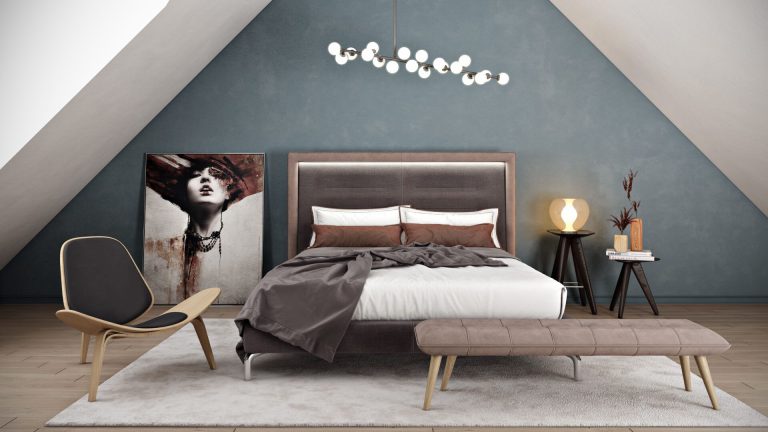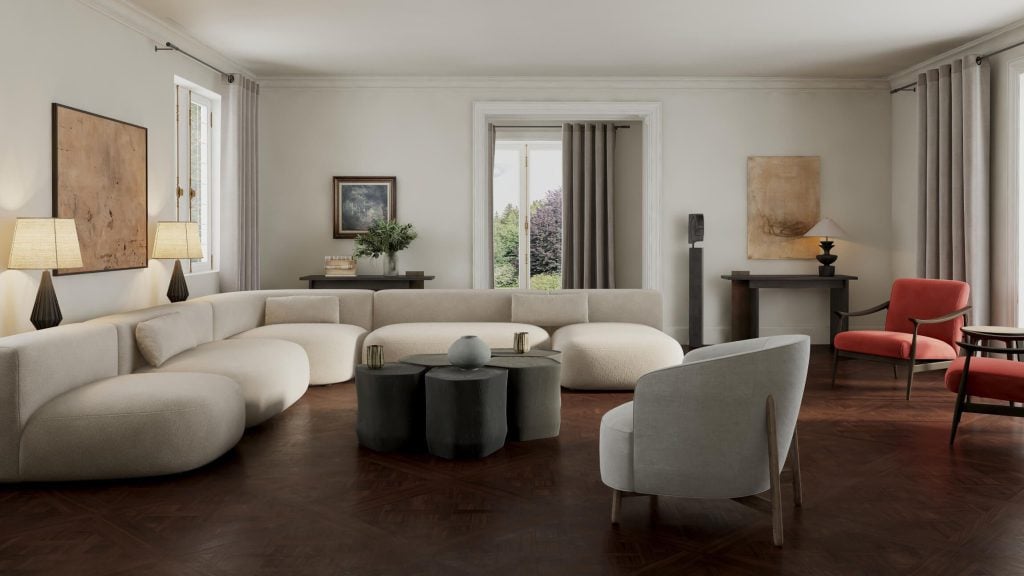
Furniture is one of the most visual product categories there is, which should make social media a natural fit. In practice, many furniture brands post the same thing: a product photo, a caption about the sale, repeat. It fills the feed, but it doesn’t give anyone a reason to stop, interact, or remember the brand.
The brands that build real engagement on social media are the ones that treat their content as an experience rather than a product listing. 3D rendering and animation give furniture companies the tools to create that experience – interactive visuals, styled environments, animated reveals – without the cost and coordination of traditional content production.
Here are five content formats that our 3D rendering studio has seen perform well for furniture brands on social media, and what makes each one work.
1. Hunting: Texture and Product Hunts
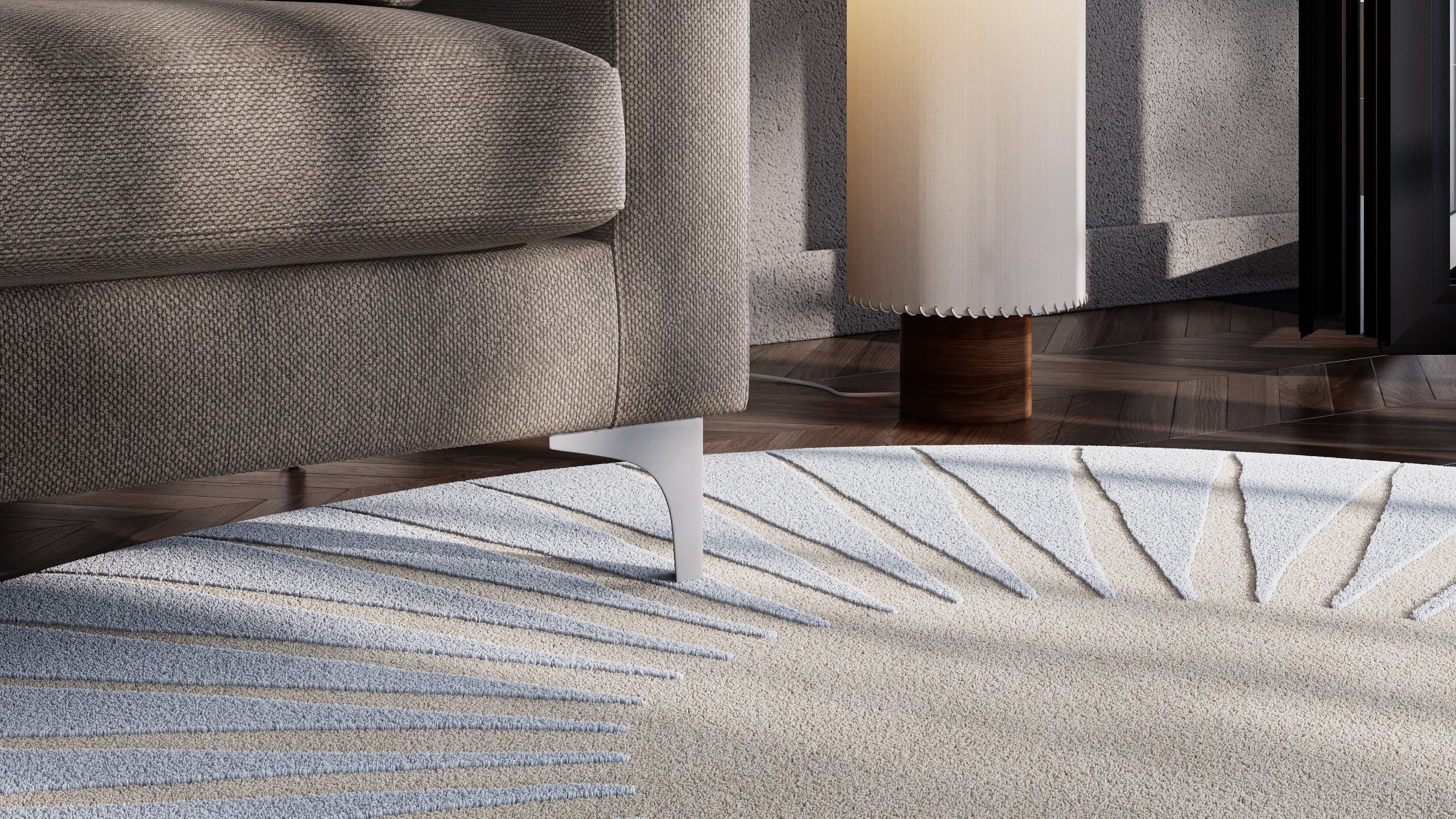
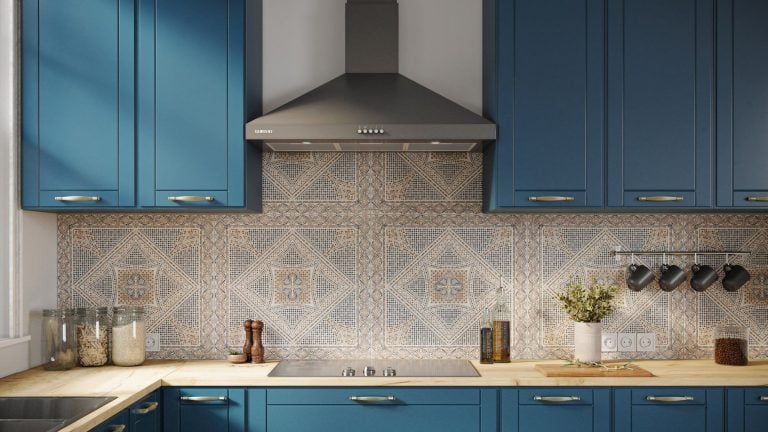
Close-up renders of materials and textures make surprisingly effective interactive content. The format is simple: post a high-resolution detail shot – the grain pattern of a wood finish, the weave of an upholstery fabric, the sheen of a polished metal leg – and ask followers to guess the material or identify which product it belongs to.
What makes this work isn’t the guessing game itself. It’s that a product 3D render sharp enough to show individual fibers in a fabric or the subtle variation in a wood stain communicates quality in a way that a standard product photo doesn’t. The viewer pauses to look closely, which is already more engagement than most posts get. Add a question to the caption and that pause turns into interaction – comments, guesses, debates about materials. The algorithm rewards all of it.
This format also works as a series. A weekly “guess the texture” post builds a recurring appointment with your audience. Followers start anticipating the next one, which is the kind of habit-forming engagement that isolated product posts can’t create. Over time, it positions your brand as one that takes craftsmanship and materials seriously – without ever explicitly saying so.
2. Styling: Interior Design Tips
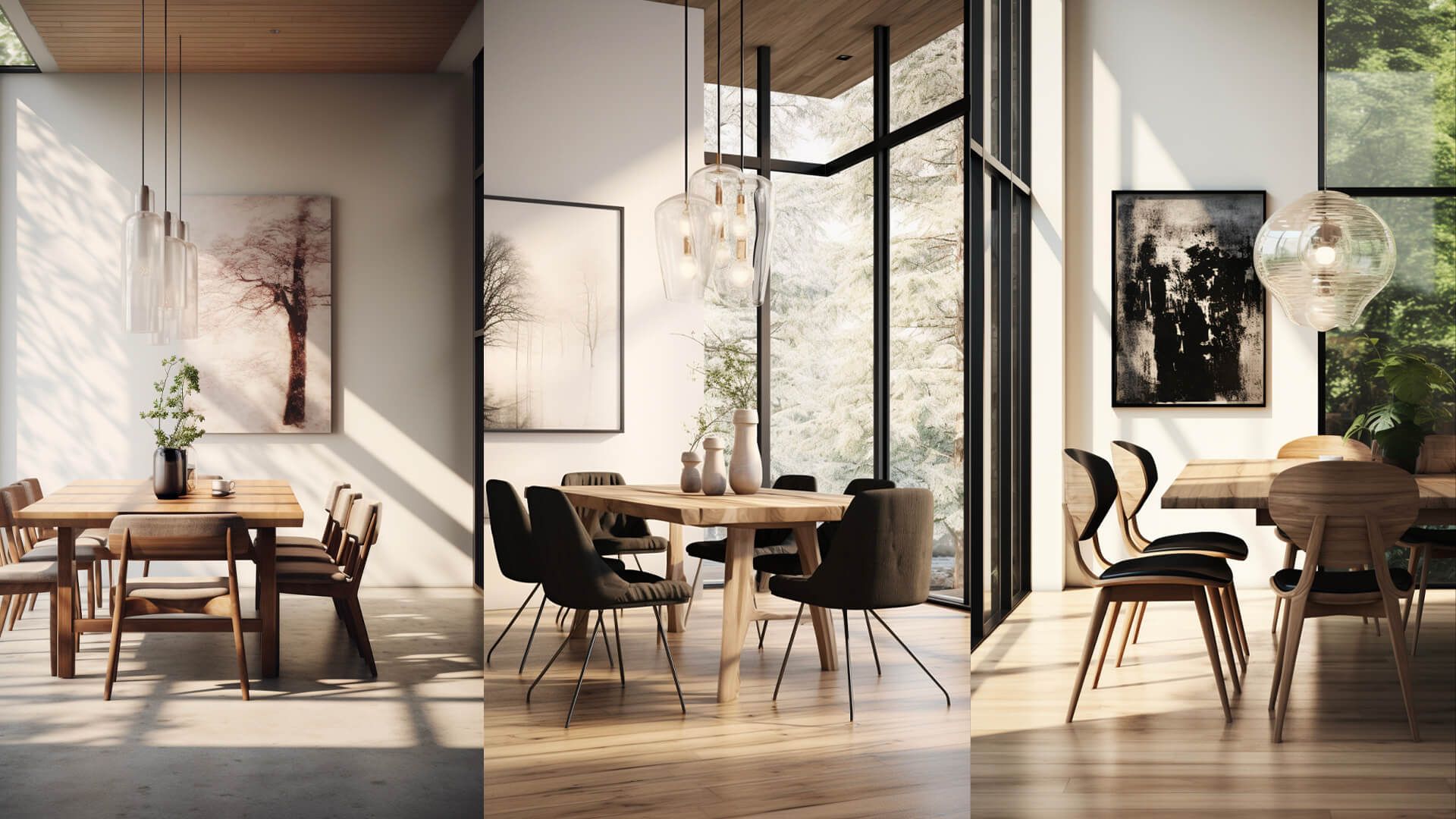
Furniture brands that only post product shots are leaving their biggest advantage unused: they know how to make rooms look good. Turning that knowledge into social content – styling advice, design principles, room transformation ideas – positions the brand as an authority and gives followers a reason to engage beyond just browsing products. Styling advice like this is one of the most useful forms of educational content a furniture brand can post.
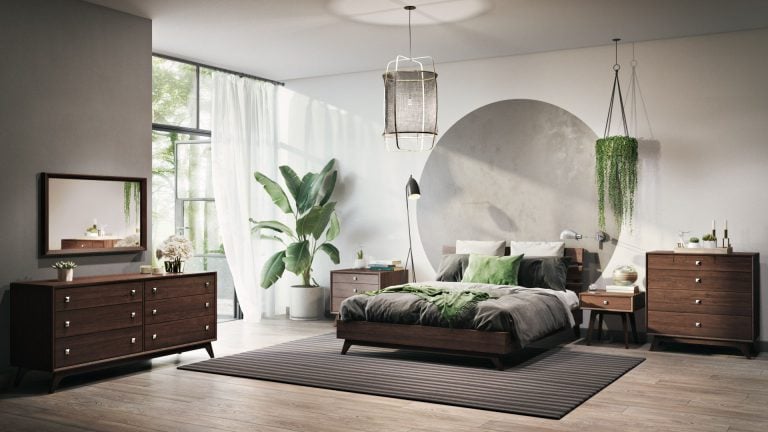
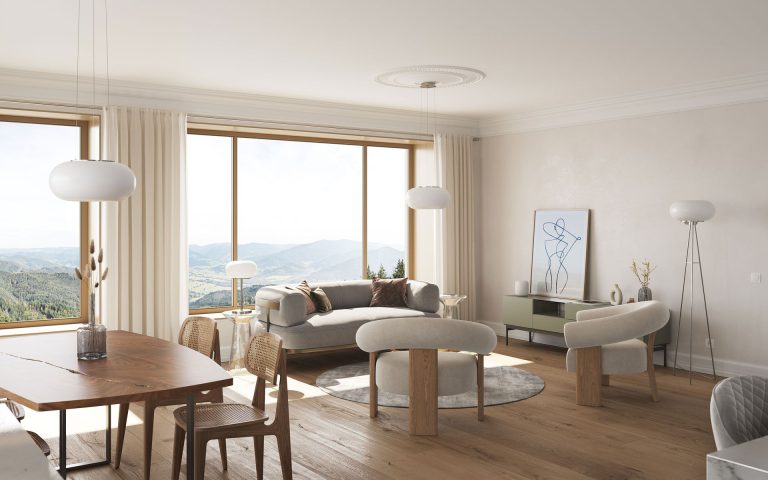
The practical format: create a 3D-rendered room scene featuring your products, then build the post around a specific styling tip. How to balance warm and cool tones in a living room. Why mixing material textures makes a space feel more layered. How natural light affects color perception and why it matters when choosing upholstery. The render is the visual proof, and the tip is the value the follower takes away.
Another angle is a style series: one post each on minimalist, mid-century, vintage, or bohemian interiors, explaining what defines the style and showing which of your pieces fit it. Many shoppers like a look without knowing its name or its rules, so this teaches them something and places your products in context without a hard sell. It also lets you aim each style at the audience segment most likely to want it.
Animated social media video production takes this further. A short animation showing a room transitioning between two styling approaches – minimalist vs. layered, warm palette vs. cool – demonstrates the principle visually in a way that a static image and caption can’t match. Pair it with practical, specific advice and you’ve got content that people save and share, which extends reach far beyond your existing followers.
For more on this approach, our guide to inspirational design content for social media covers four content types that consistently perform well.
3. Surveys: Mood and Preference Polls
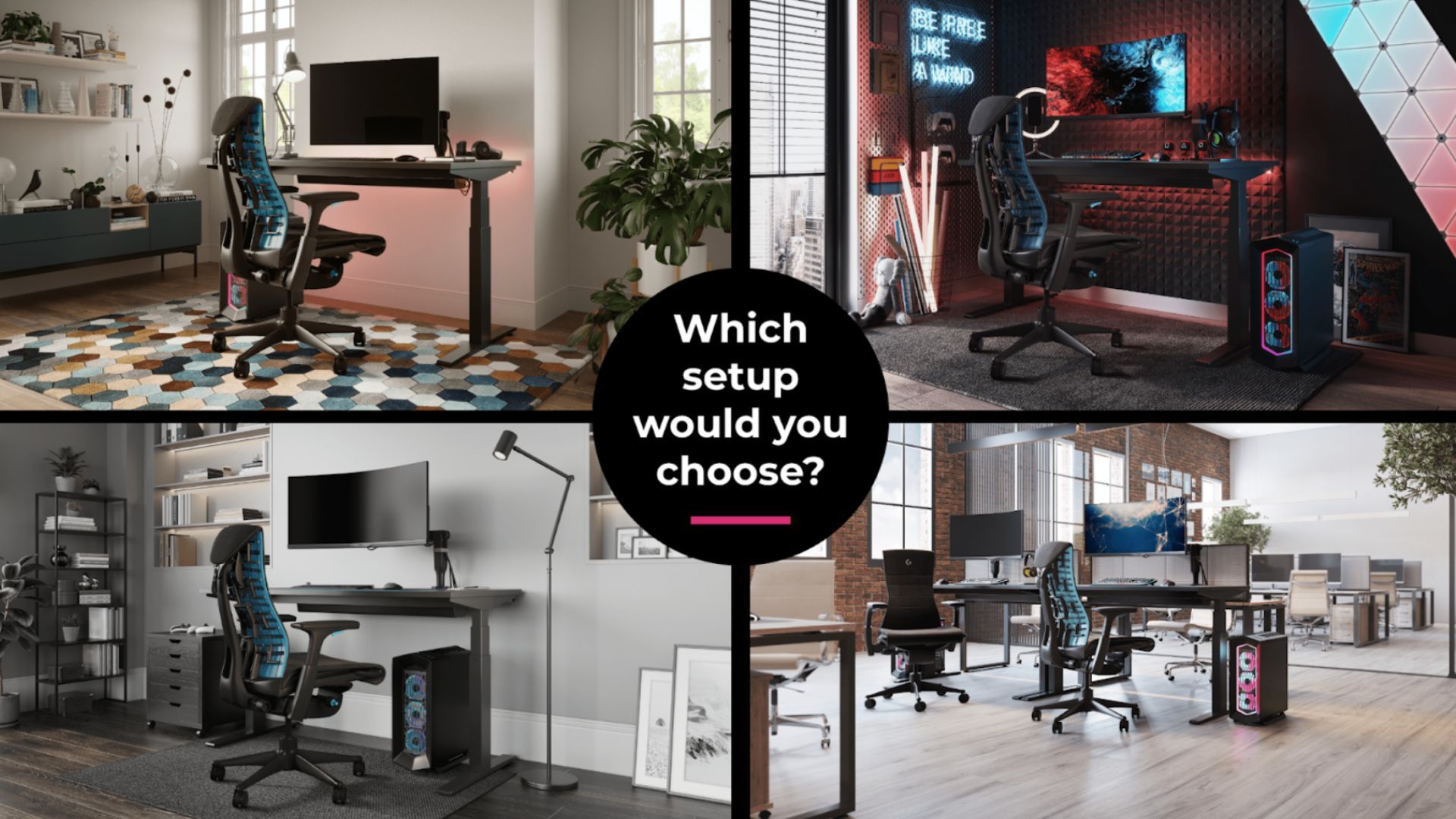
Polls and surveys are the lowest-friction form of engagement on social media. A follower can participate with a single tap, which means participation rates are dramatically higher than formats that require typing a comment or sharing a post.
For furniture brands, the trick is making the polls visually driven. Instead of a text-based “Which color do you prefer?”, post two side-by-side 3D renders of the same room styled in different palettes and let followers vote. “Which living room would you rather come home to?” or “Modern or mid-century for this space?” The visual comparison makes the choice feel personal rather than abstract, and the results tell you something real about your audience’s preferences.
That data has value beyond the engagement metric. When 70% of your followers vote for the warm-toned living room over the cool one, that’s market research delivered through a social post. It informs future product development, marketing visual direction, and even which lifestyle renders to prioritize for your website. You’re gathering audience insight while simultaneously giving them content they enjoy interacting with.
Running polls regularly also creates a sense of ownership among your followers. When people vote on design directions and later see the brand release products or content that reflects their preferences, the connection feels collaborative rather than transactional.
4. Challenges: Makeover Contests
User-generated content is one of the most effective forms of social proof, and a makeover contest is one of the best ways to generate it at scale. The concept: challenge your followers to share before-and-after photos of their own spaces, with your products featured in the transformation.
A campaign-specific hashtag (something like #MyFurnitureMakeover) makes the entries discoverable and creates a content stream the brand can monitor, engage with, and reshare. Each entry is essentially a customer testimonial in visual form – real people, real rooms, real products. That kind of authenticity is difficult to produce through branded content alone, no matter how good your renders are.
The competitive element adds energy. Offering a prize – a product credit, a featured spot on your brand’s feed, a styling consultation – motivates participation beyond what a simple “share your space” request would generate. And every shared entry extends your brand’s reach into the participant’s own network, creating organic visibility that paid advertising can’t replicate at the same cost.
The content generated by these contests also has a long shelf life. The best submissions can be repurposed across your marketing channels – website testimonials, email campaigns, future social posts – with the creator’s permission. One contest generates months of authentic content.
5. Story: Brand Narratives
Product-focused content shows what you sell. Brand narrative content shows who you are – and that distinction matters more than most furniture companies realize. A follower might scroll past a product shot, but a short video of a craftsperson hand-finishing a table top, or an animation showing how a design evolved from initial sketch to final product, earns a different kind of attention.
The production side of the brand story is particularly strong material for social media. Time-lapse videos of a piece being built. Interviews with designers explaining the thinking behind a collection. Animated walkthroughs showing how a product was engineered to solve a specific problem. This kind of content humanizes the brand and gives customers a reason to care about the company behind the product, not just the product itself. Short clips like these are a natural fit for 3D animation for social media, from design evolution to engineering details.
Customer stories add another dimension. A video or photo series showing how a real customer transformed their space with your products – narrated in their words – combines social proof with storytelling. It’s relatable, shareable, and it demonstrates real-world applications that styled lifestyle renders alone can’t provide.
For more perspective on social media strategy for furniture brands, check out our interview with social media marketing expert Matt MacBradaigh.
Matching Render Types to Post Formats
The five formats above need a steady supply of visuals, and most of them can come from the same 3D model rendered in different ways. Here is how common render types map to posts: The same approach works beyond furniture, and our list of product content ideas covers more formats.
- Silo renders on a plain background: carousel covers, collages, and offer announcements where the product has to read at a glance.
- Color and finish variants of one item: carousels that let followers swipe through options, and the side-by-side images for preference polls.
- Lifestyle scenes in different settings: the same piece in a living room, on a terrace, or in an office, so each audience sees it in a space like theirs.
- Collection shots: a full set in one scene for launch posts, showing how the sofa, chairs, and tables work together.
- 360° spins and feature animations: Reels that show a mechanism, a hidden storage unit, or every side of a piece.
- Assembly animations: short clips of the key steps for products that are hard to explain with images and text.
- Cutaway and exploded views: the layers of a mattress or the joinery of a frame, which backs up a durability or craftsmanship message.
- AR models: one 3D model shared through a QR code or link, so followers can place the piece in their own room.
Seasonal Versions of the Same Scene
A rendered room can be restyled for each season without a new shoot: amber tones and soft textiles for fall, warm light and holiday decor for winter, pastels and florals for spring, patio and outdoor settings for summer. Swapping props and lighting in an existing scene keeps the feed current all year and gives polls and contests a timely hook.
These five formats – interactive hunts, styling tips, preference polls, makeover contests, and brand narratives – cover the range of what makes social media work for furniture brands. Discovery, education, interaction, community, and storytelling. Each one serves a different purpose in the engagement cycle, and together they give a brand a content mix that goes well beyond product photography.
Need the visuals to power this kind of content? Our custom 3D modeling services produce photorealistic renders, animations, and interactive content built specifically for social media performance.