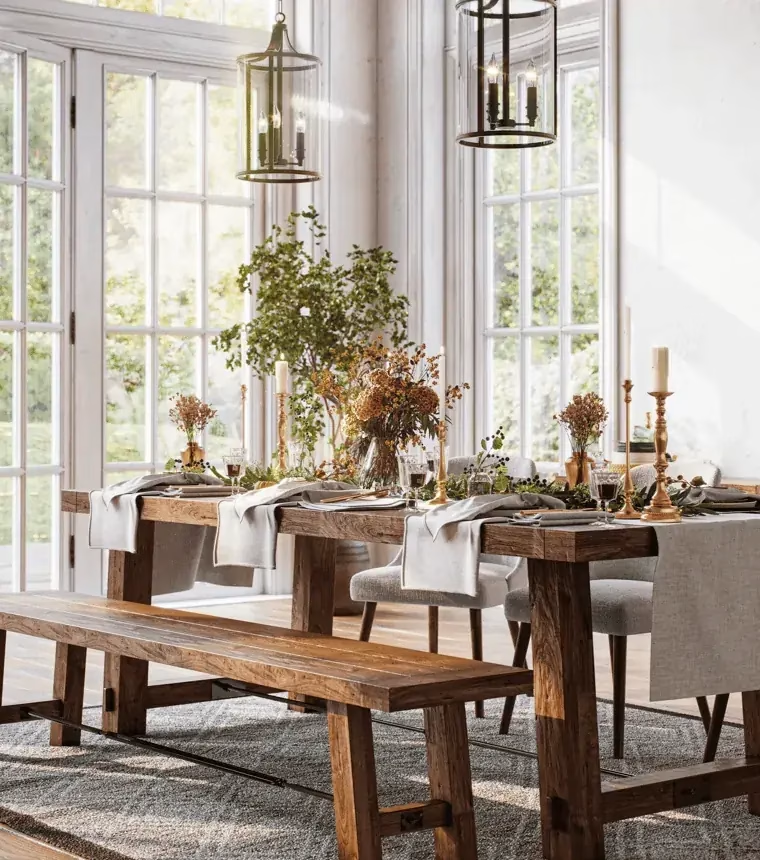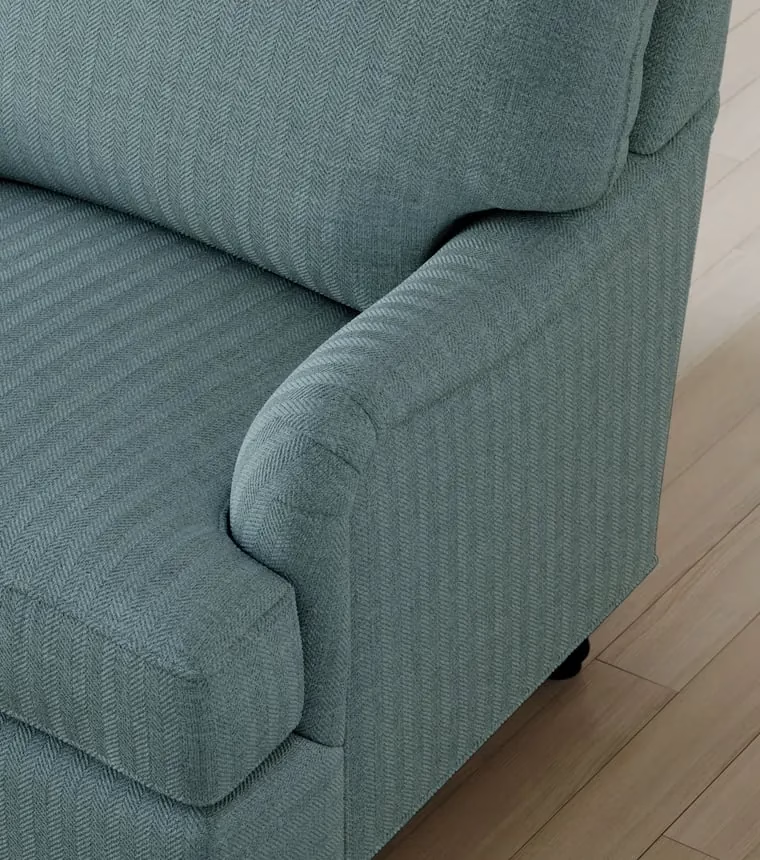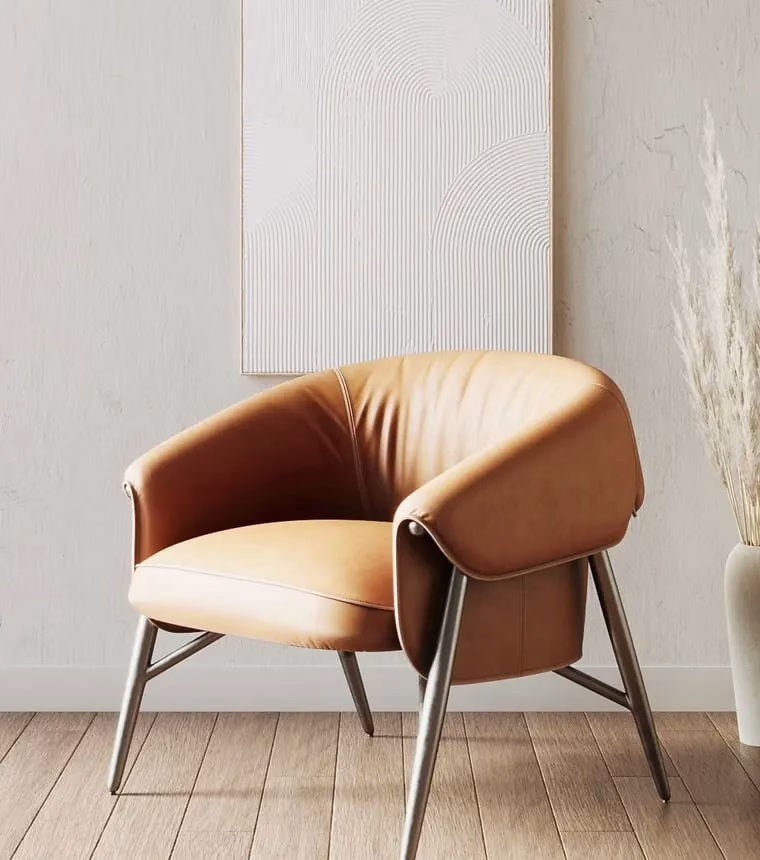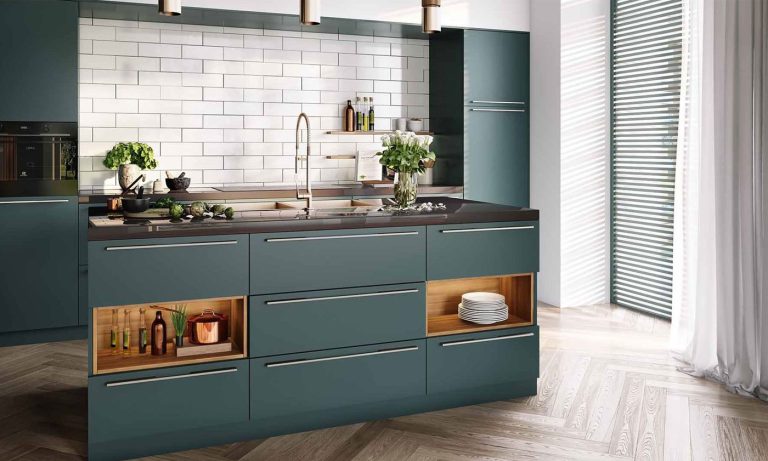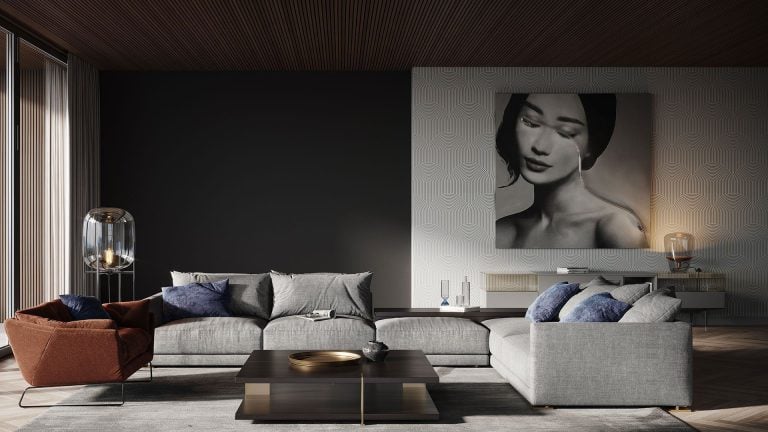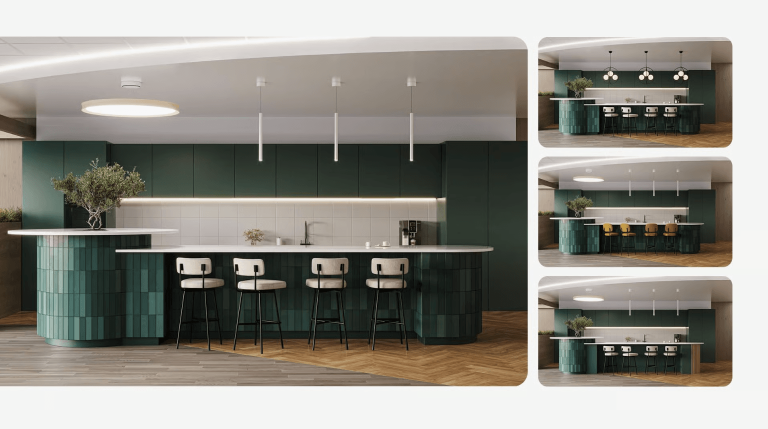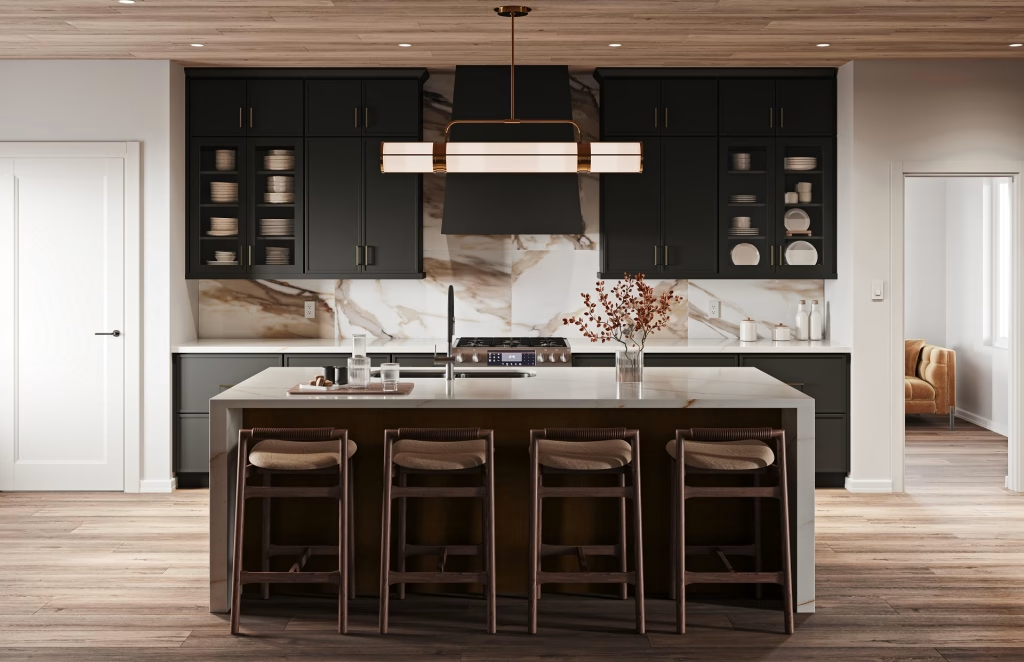
In the cabinet industry, one manufacturer often serves multiple brands. The underlying construction is broadly similar. What changes from brand to brand is the door style, the finish, the countertop pairing, the price point. One brand goes to Home Depot, another to Lowe’s, a third to a regional chain, a fourth to independent dealers. Each has its own catalog, its own launch calendar, and behind every door front, the same factory is cutting the same plywood. Producing separate imagery for each brand through traditional photography is possible, but expensive. Building a kitchen set for one shoot and tearing it down to rebuild for another brand is exactly the waste that 3D rendering for furniture manufacturers eliminates.
Cabinetworks Group is the largest privately held cabinetmaker in the United States, with nearly 6,000 employees across 19 locations, including 15 manufacturing facilities, headquartered in Livonia, Michigan. Its portfolio of 15 brands includes KraftMaid, Merillat, Medallion, Quality Cabinets, Cardell, Schuler, Yorktowne, and others, reaching homeowners through independent dealers, big-box retail channels, and direct-to-builder programs. The company also manufactures cabinetry for retailer-owned labels.
This case study shows how CGIFurniture became the CGI pipeline behind Cabinetworks Group’s annual product line launches, delivering cabinet 3D rendering across 40+ projects (silo sets, room scenes, and animation) so the manufacturer gets a complete image package for every brand, every year, without a single photograph.
The Client: One Manufacturer, Many Brands
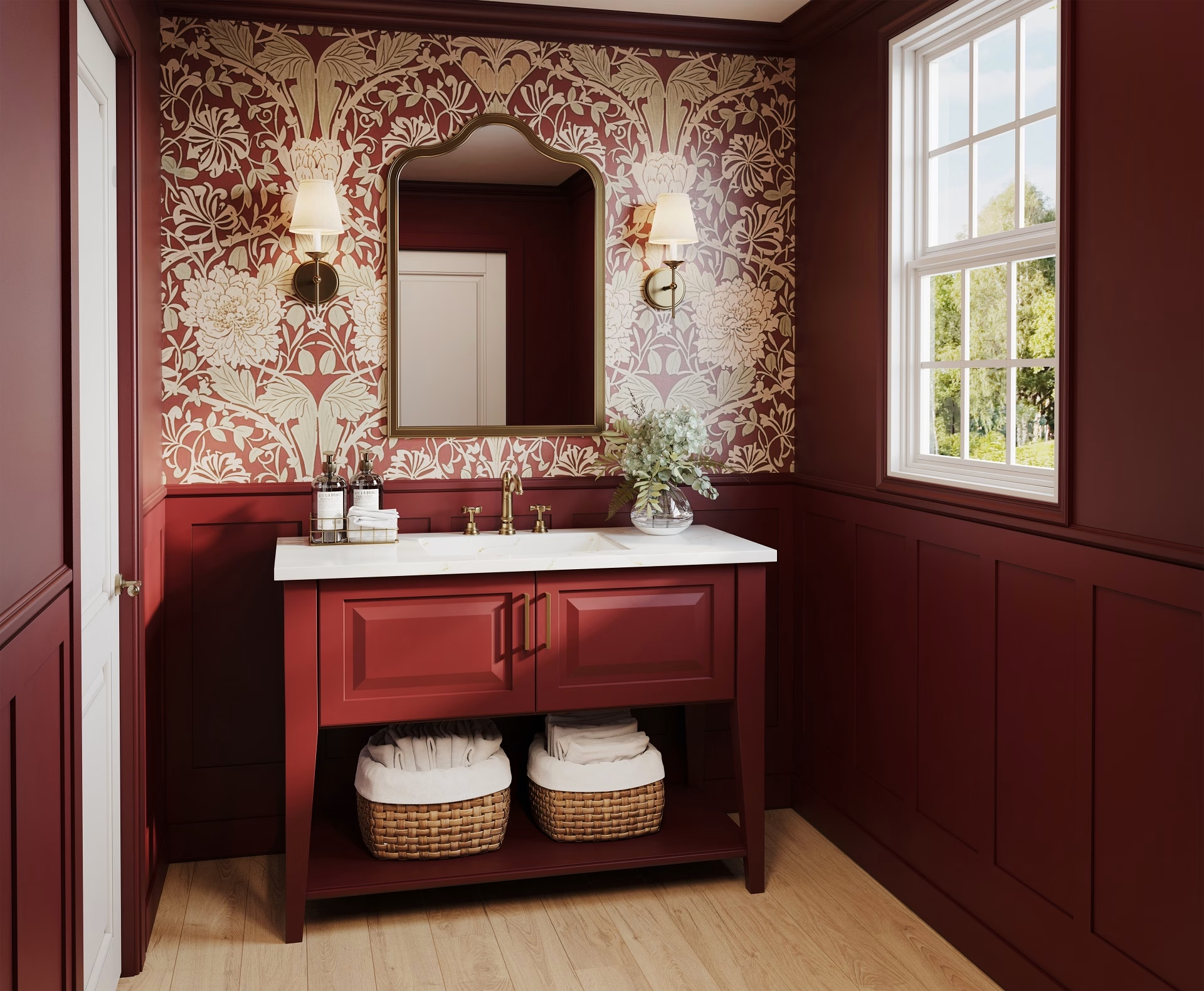
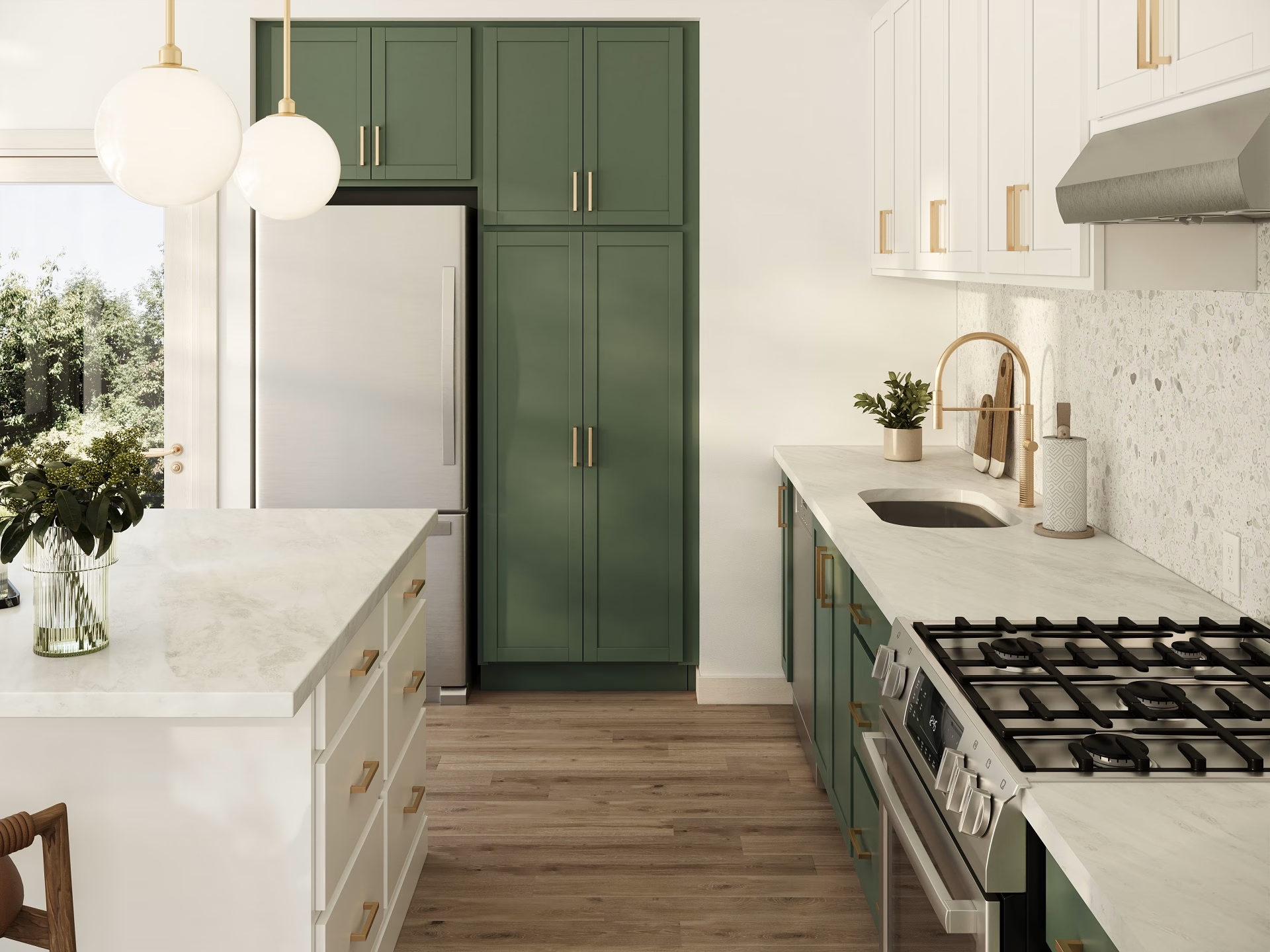
Cabinetworks Group operates a multi-brand, multi-channel model that most people outside the cabinetry trade never see. KraftMaid sells through a network of independent kitchen and bath dealers; its Reserve and Full Access lines are Home Depot exclusives. Merillat reaches homeowners through dealers, builders, and distributors. Medallion at Menards and Cardell are Menards exclusives. Schuler and Modico are available at Lowe’s. One manufacturer, different shelves, different catalogs, different visual requirements.
What this means in practice: every brand launches new product lines on its own schedule. A single year can include launches for Merillat, Quality Cabinets, Medallion at Menards, and KraftMaid, each running on its own timeline. Each launch needs a full complement of imagery: silo shots on white backgrounds, lifestyle room scenes, and interior accessory close-ups, tailored to the brand’s visual identity and channel requirements.
The Challenge: Multi-Brand Product Imagery on an Annual Clock
Three challenges sit at the center of every Cabinetworks launch, and they compound each other.
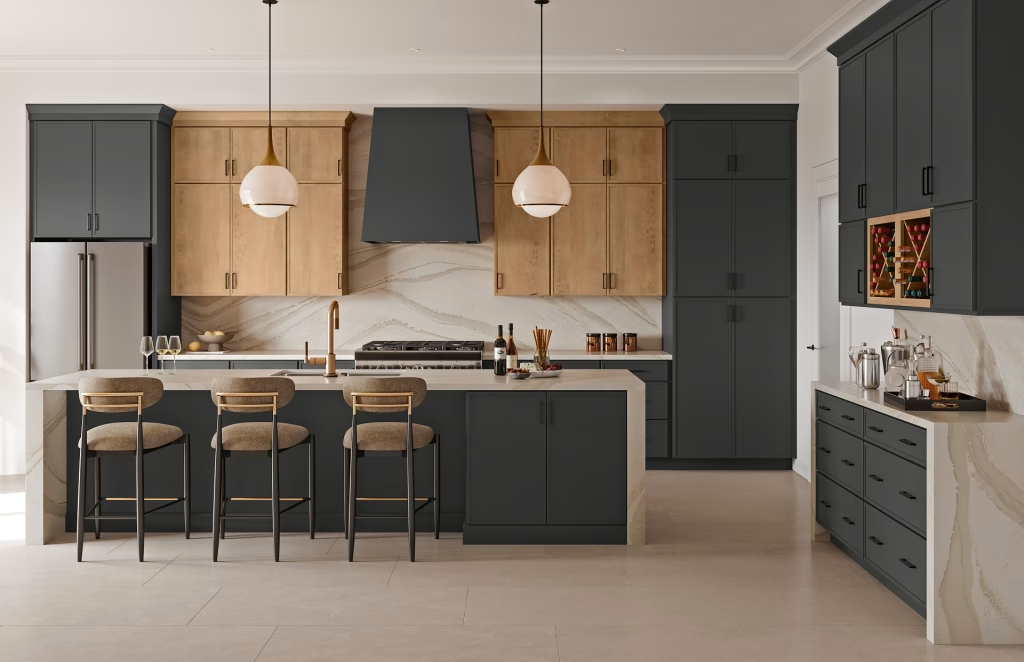
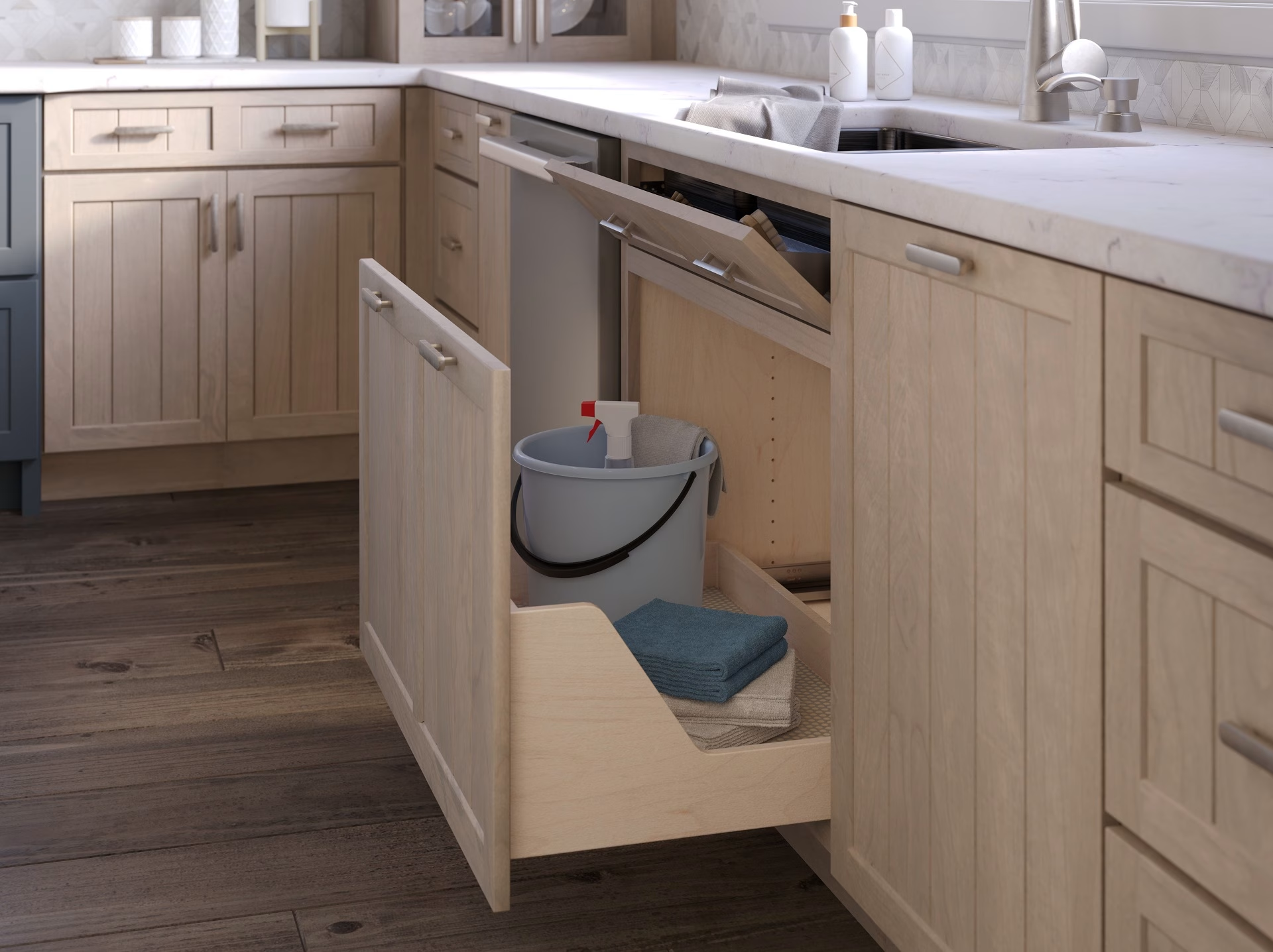
The first is sheer volume. A single launch is not five pictures. A typical brief calls for 4 images per kitchen, 2 per bathroom, and 7 interior accessory images. The Medallion at Menards 2026 launch, for instance, covered 7 rooms: 4 kitchens, a mudroom, a home office, and a butler’s pantry, with at least 4 camera angles per room and roughly 10 close-up shots of open cabinets showing interior accessories. Multiply that across multiple brands launching in the same year, and the total image count runs into the hundreds.
The second is repetition. Next year brings a new line, the same room types, different door fronts. In a photo-studio model, that means rebuilding the set from scratch every cycle: same layout, new surfaces, full crew, full cost.
The third is color accuracy. The cabinet door is what the customer is buying. If the rendered finish drifts in shadow or blows out under direct light, a dealer orders based on the catalog image, the delivered door doesn’t match, and the complaint lands on the manufacturer’s desk. Cabinet finish visualization is a technical requirement with direct commercial consequences.
Why CGI Replaces Catalog Photography Here
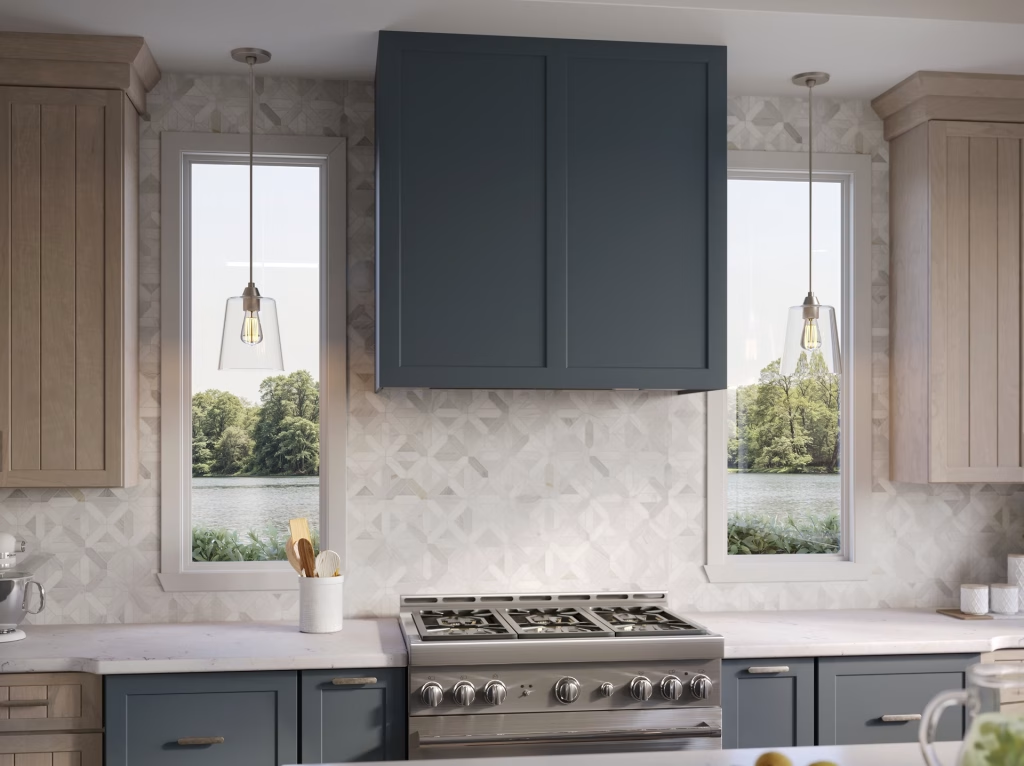
This is where furniture photography hits a structural limit. The problem is not quality – a good product photographer can make a kitchen look beautiful. The problem is that a photo studio cannot economically serve a manufacturer whose catalog regenerates every twelve months across multiple brands. At that scale, CGI functions as virtual photography: the same output, without the physical constraints.
3D rendering vs photography: what a photo shoot cannot scale
To photograph a kitchen, you first need to build one. For a launch, that means manufacturing prototypes that may not yet be in production, fitting them into a staged set, and then doing it again for the next brand. Every finish variant means a new physical setup.
In CGI, a finish variant is a material swap in an already-approved scene. The geometry stays, the lighting stays, the camera positions stay. What changes is the texture on the door fronts, the countertop, and the props. A second brand version of the same kitchen is a fraction of the cost of the first.
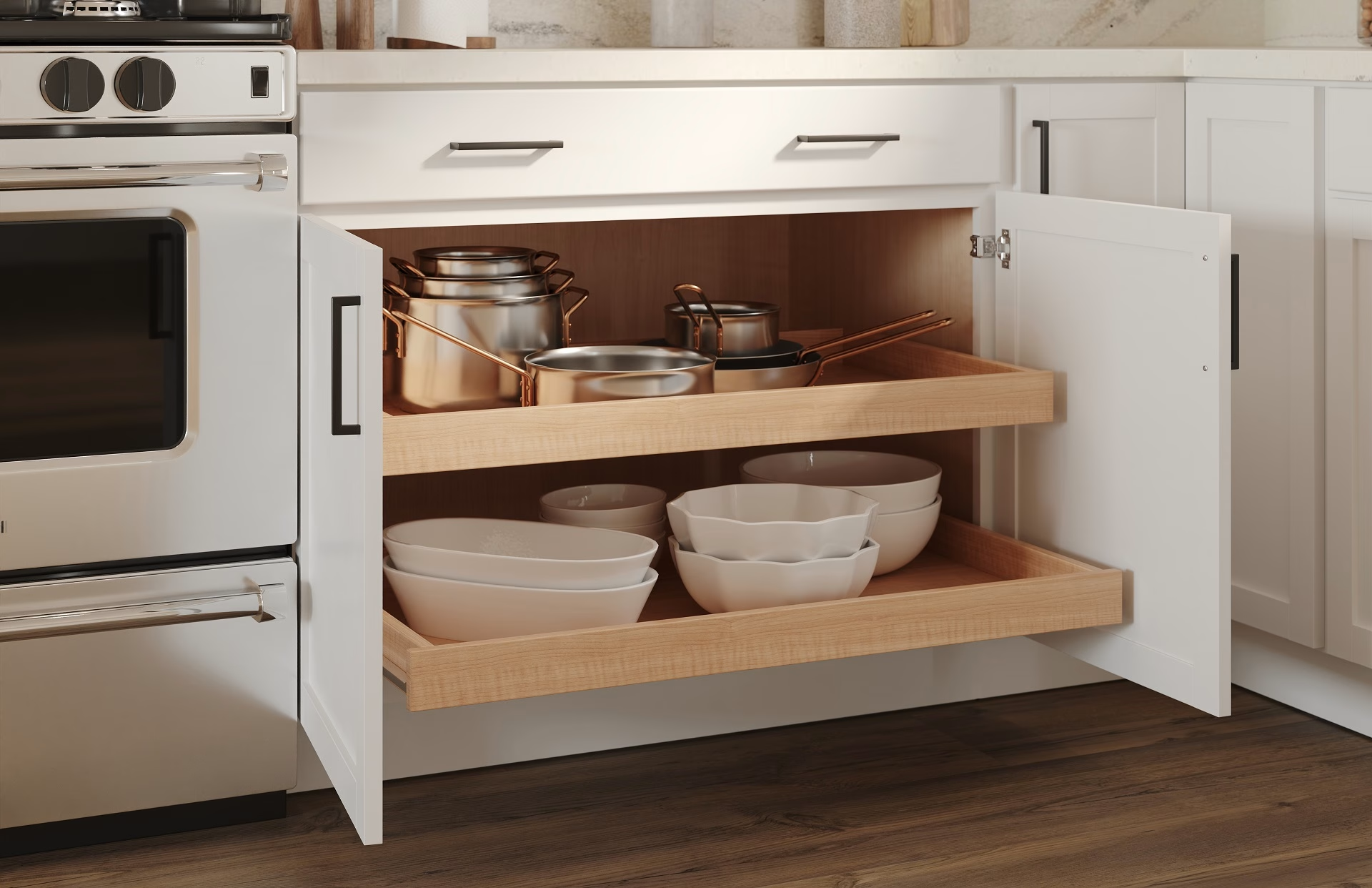
Then there are the shots a camera struggles with. Fully open drawer boxes, lazy Susans pulled out to show capacity, roll-out trays extended – these interior-accessory images are difficult to light and shoot. In 3D, they are additional camera angles within the same scene file, turning the weakest part of a traditional shoot into a routine deliverable.
What We Deliver
Every Cabinetworks launch produces three types of deliverables: isolated product shots on white, room scenes for catalogs and dealer materials, and, for select lines, animation.
Silo renders for cabinets
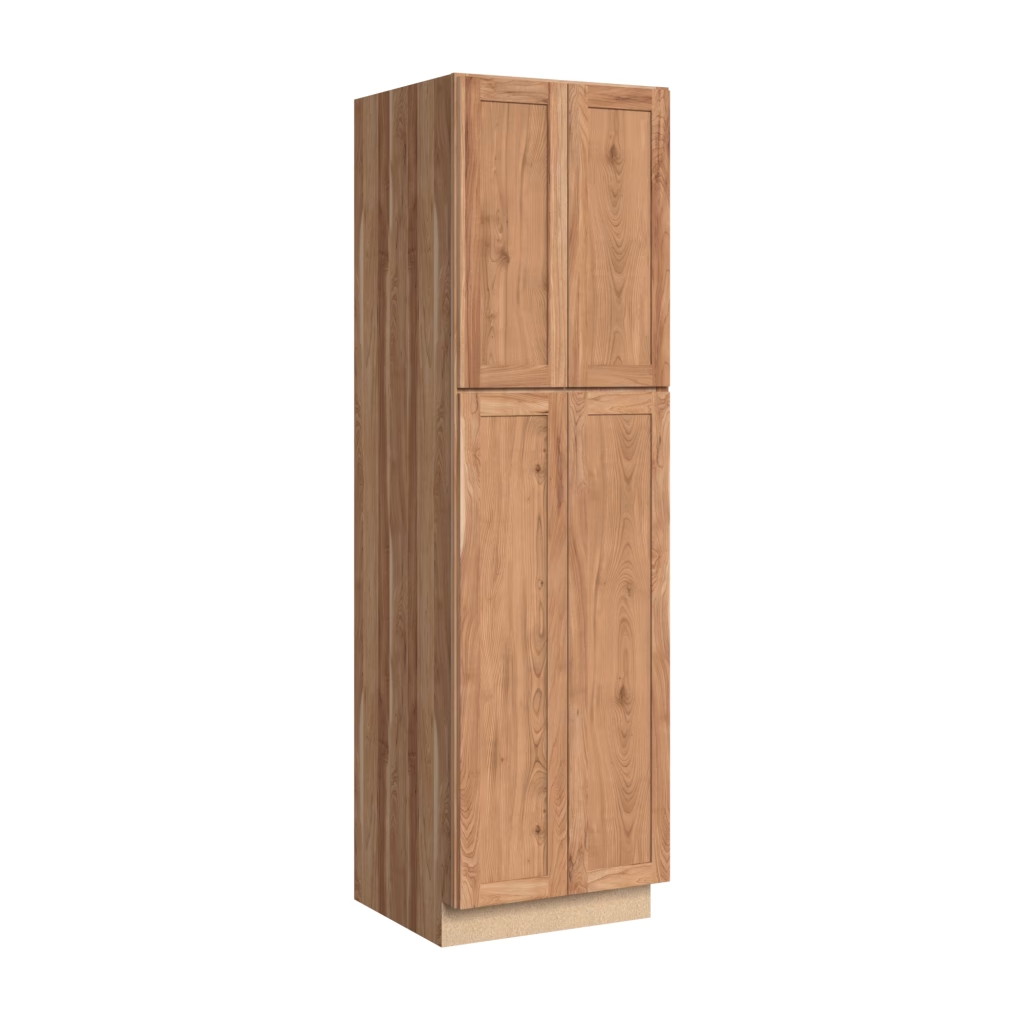
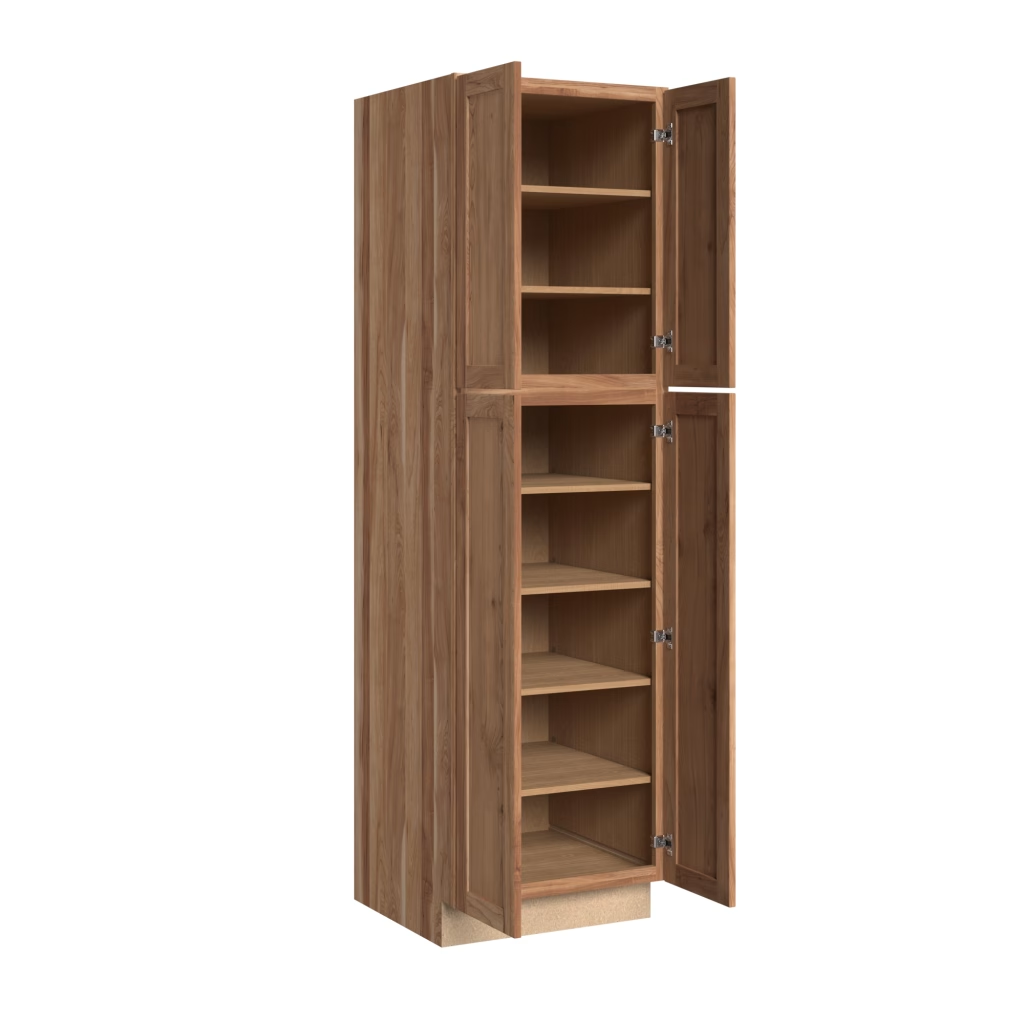
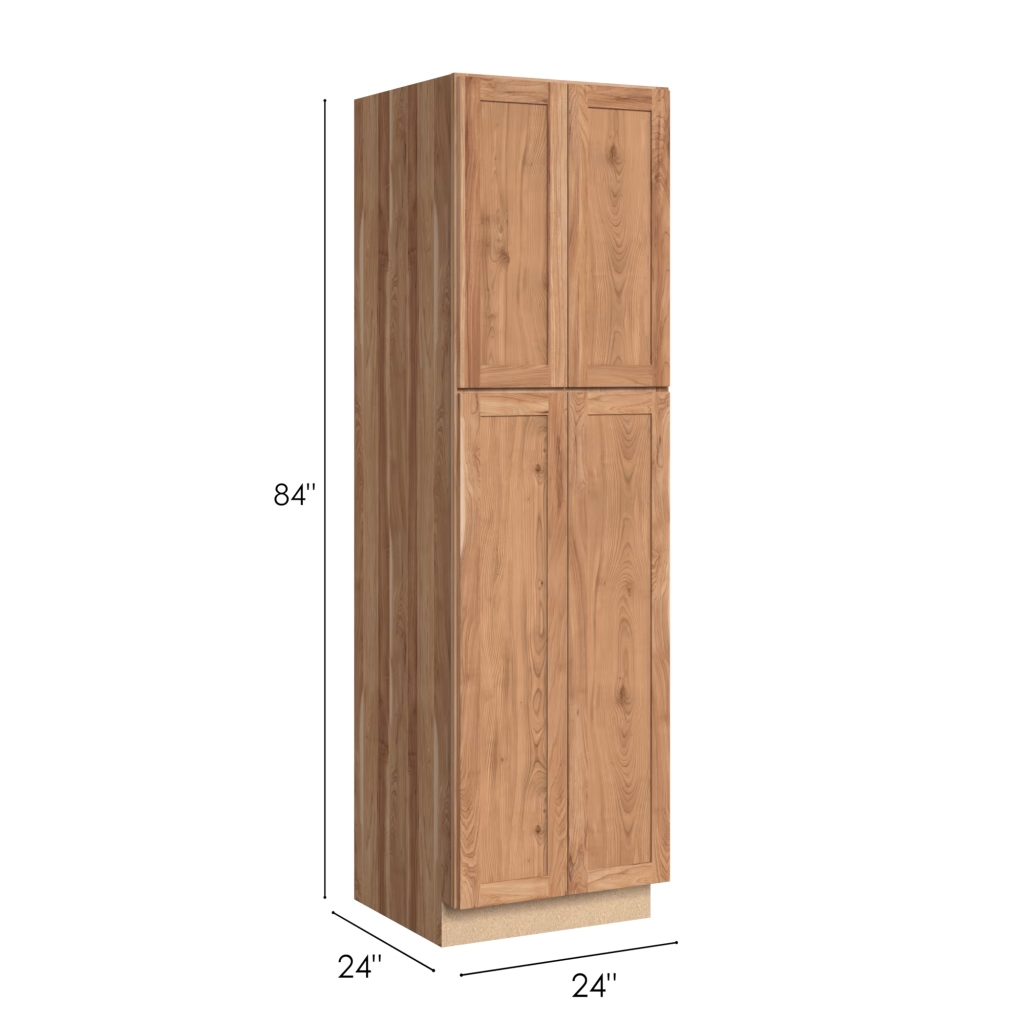
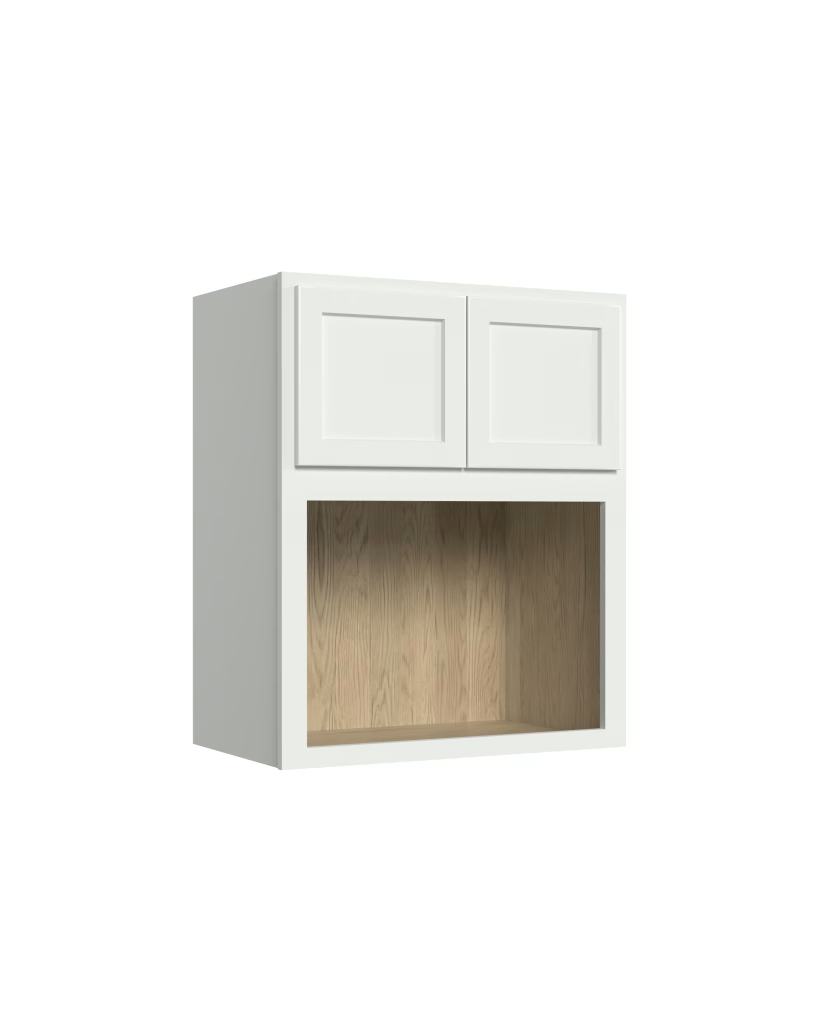
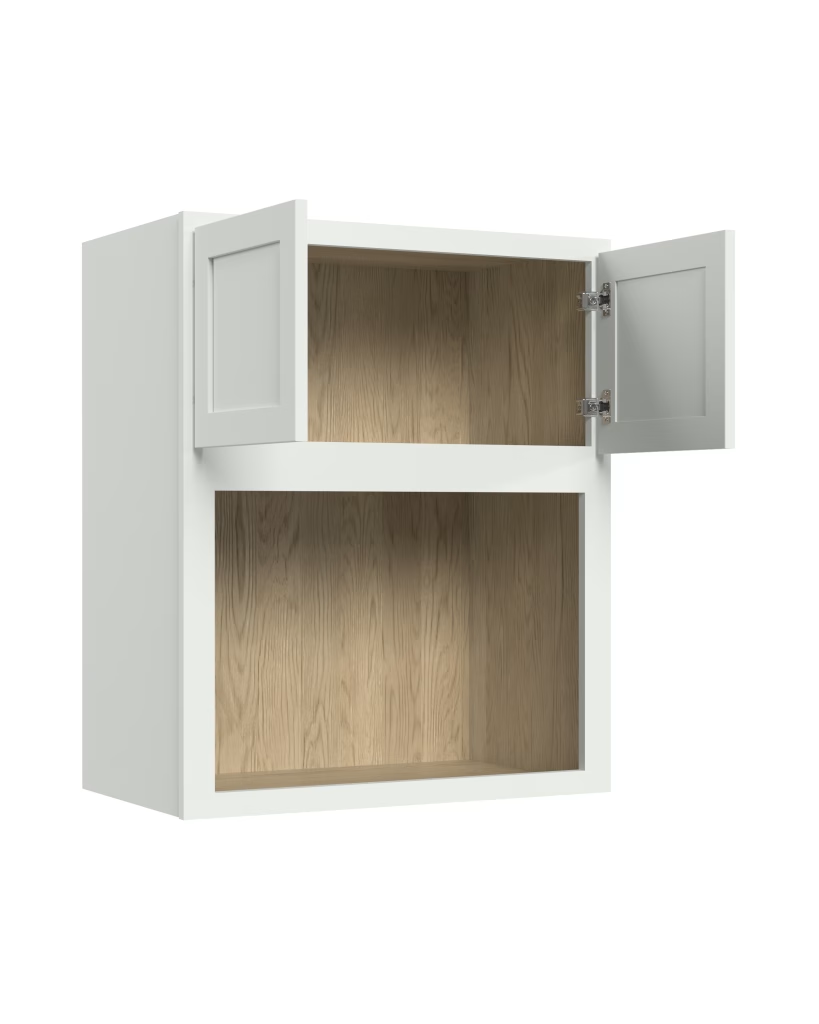
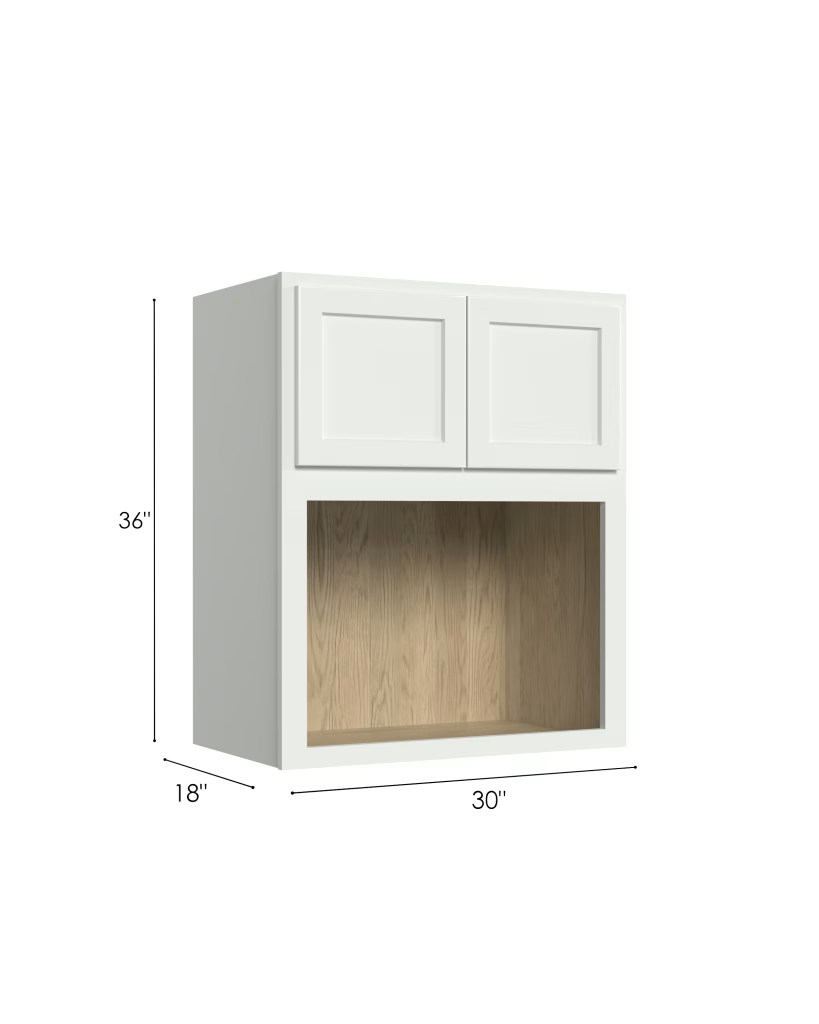
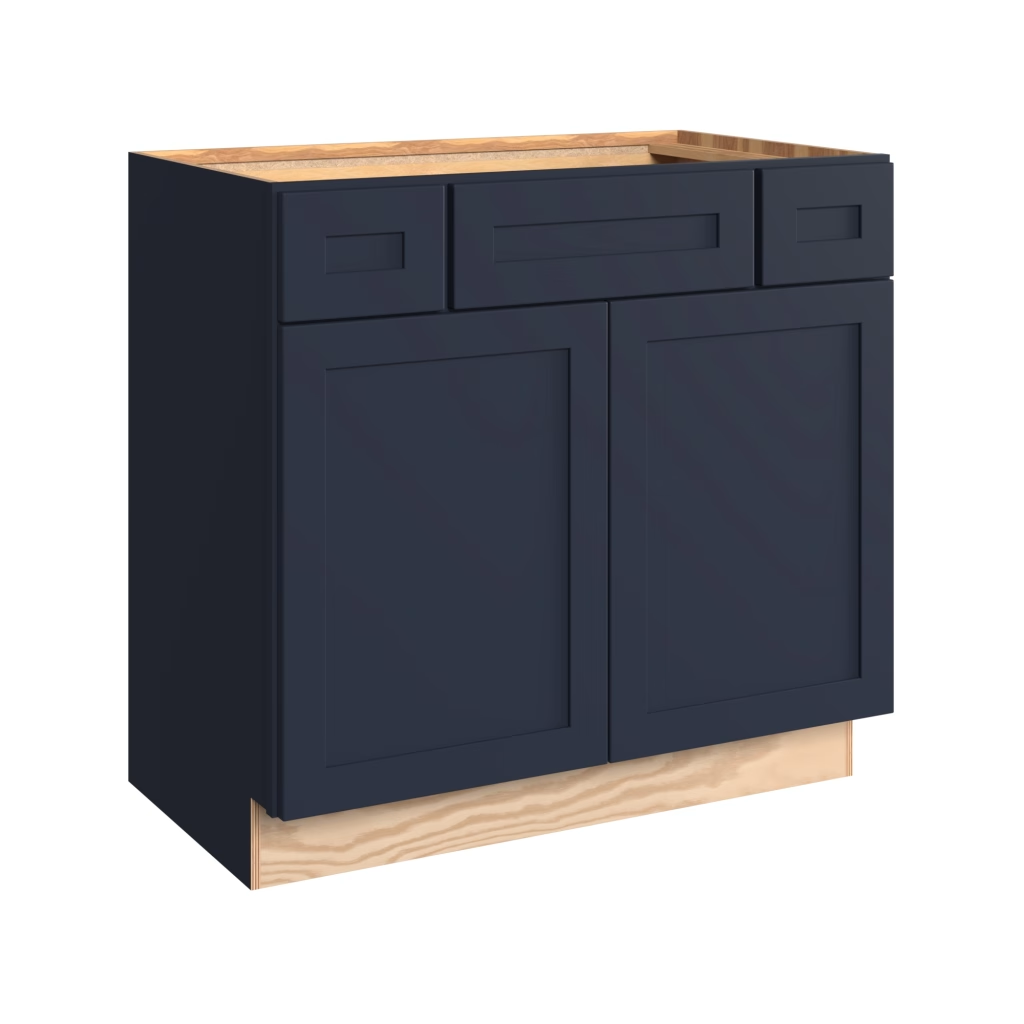
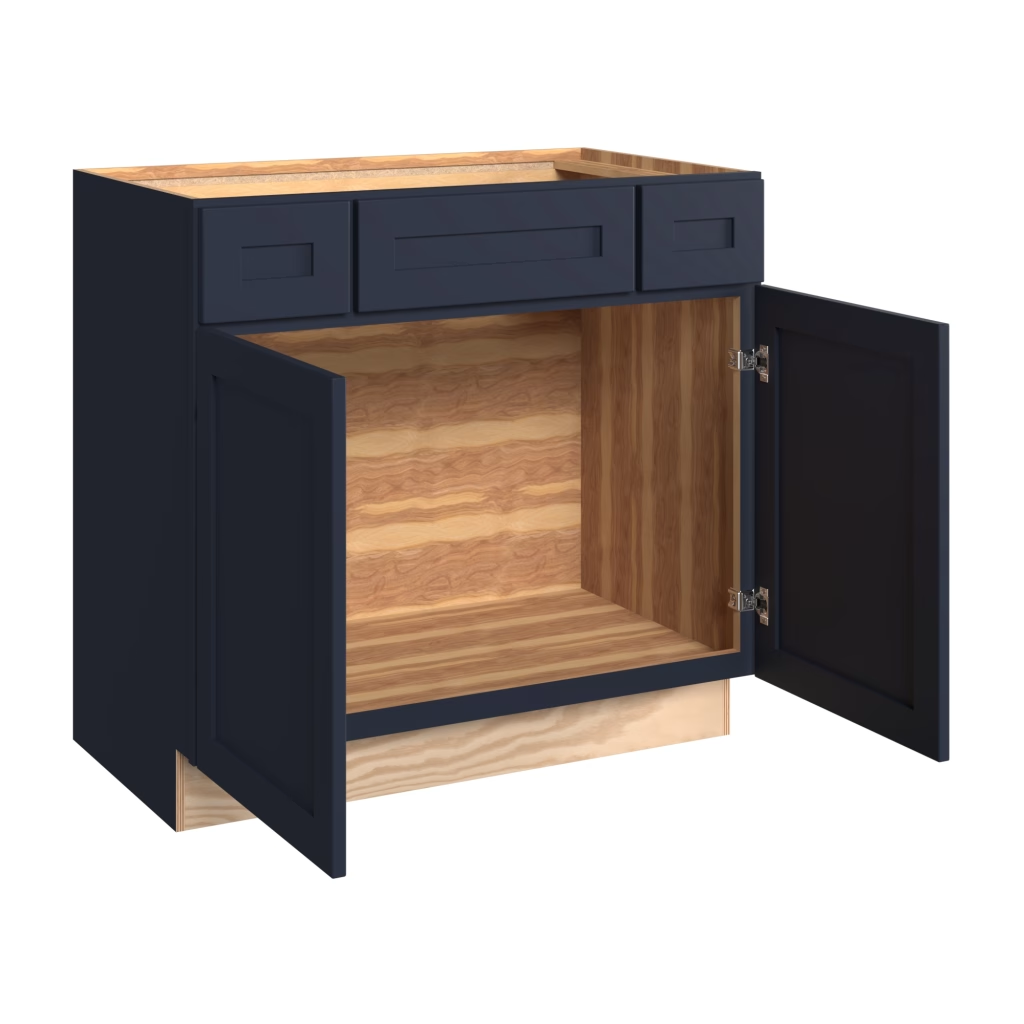
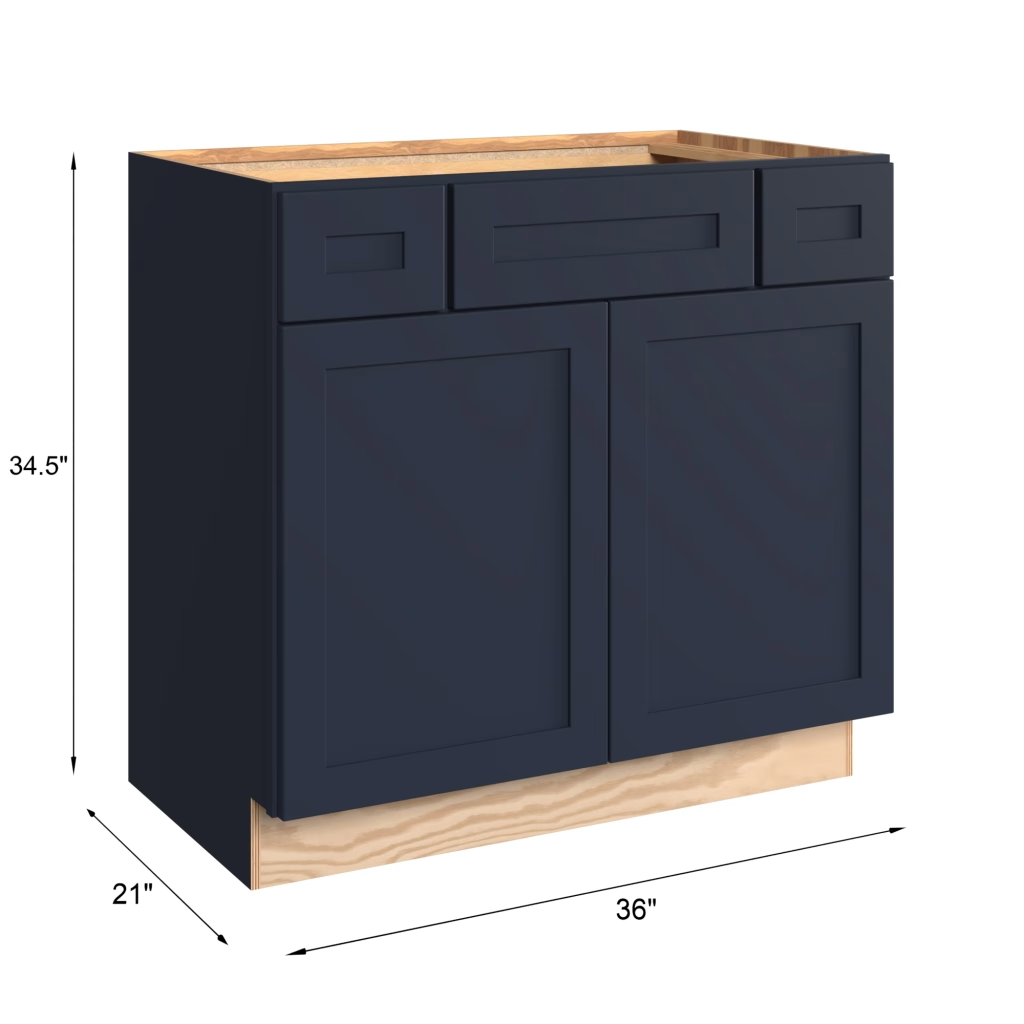
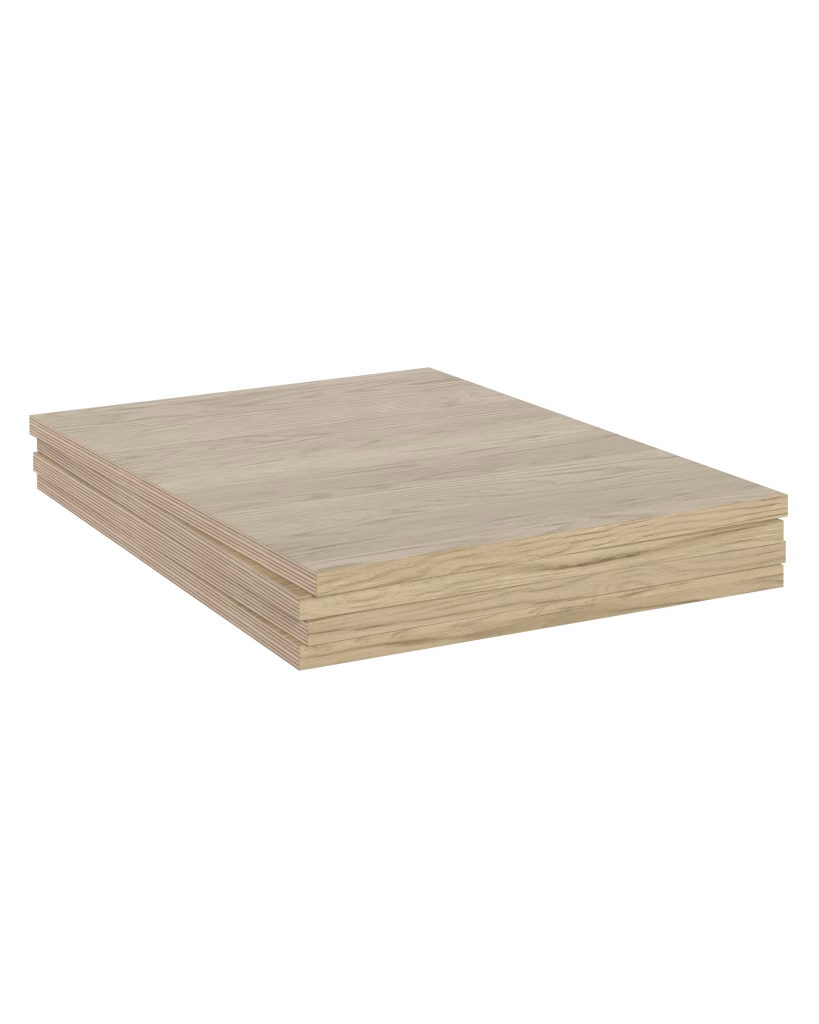
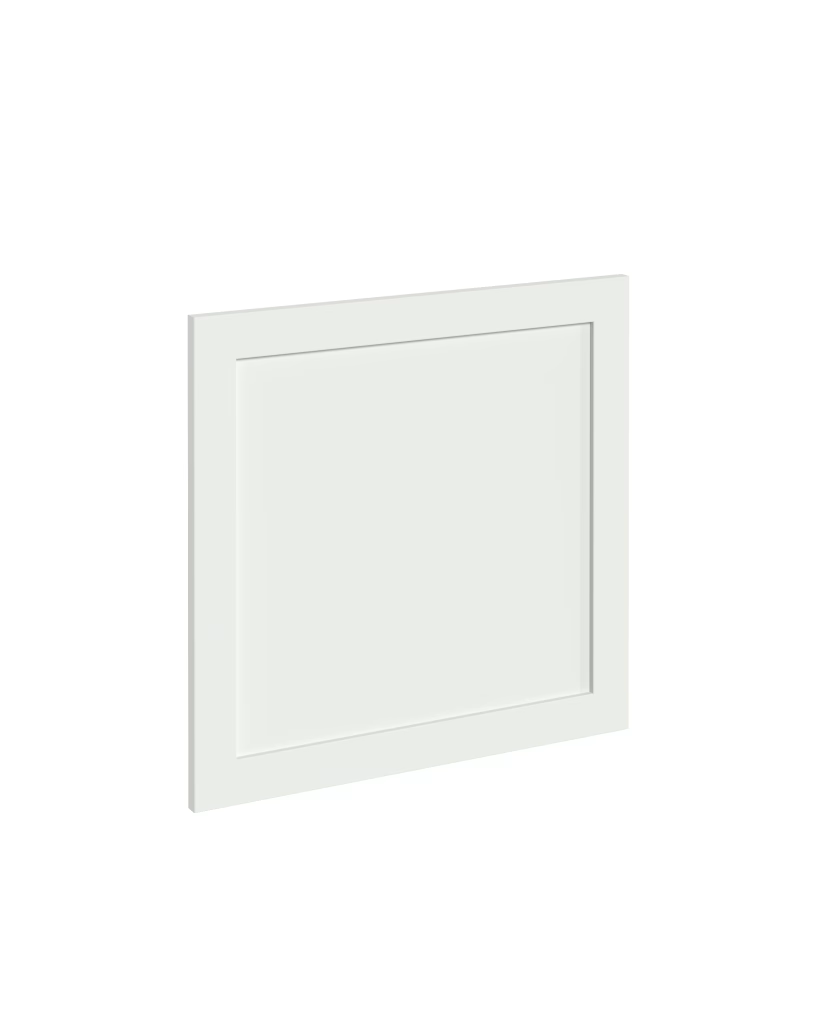
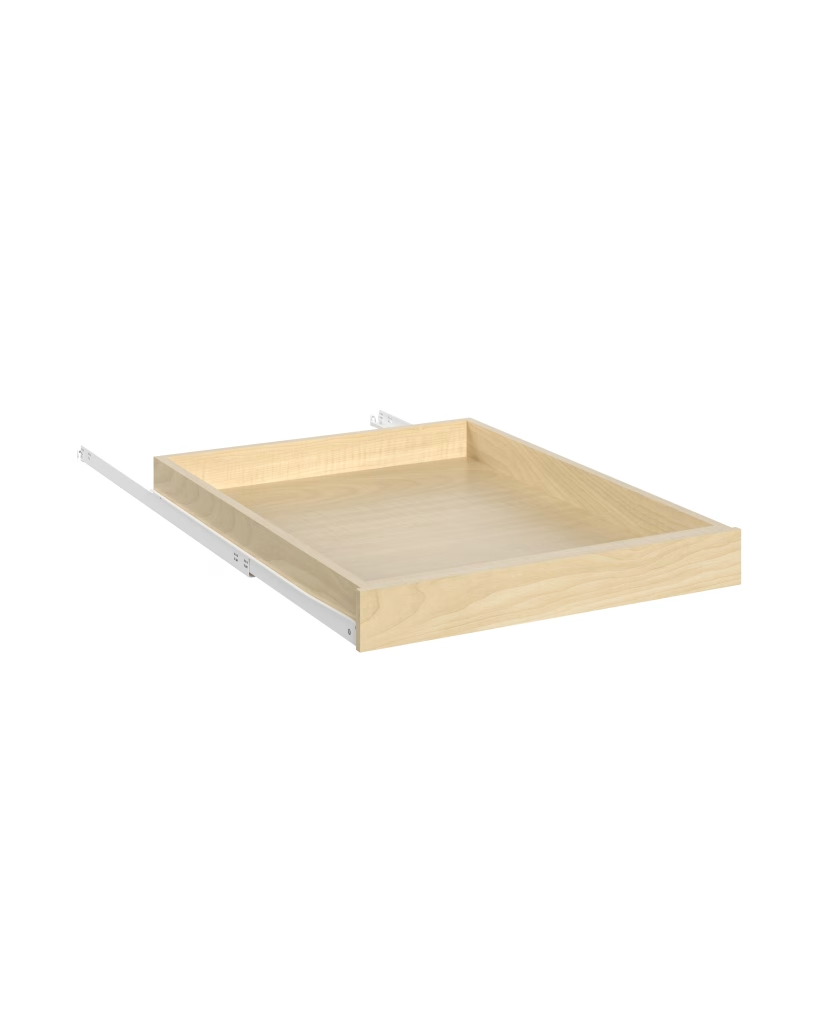
A silo set for Cabinetworks typically includes: a 3/4-angle view, a 3/4 view with doors and drawers open, a version with dimension callouts, and separate renders of interior accessories (spice racks, roll-out trays, lazy Susans, drawer box configurations). If you are unfamiliar with the format, here is a guide to what a silo image is and why it matters for product catalogs.
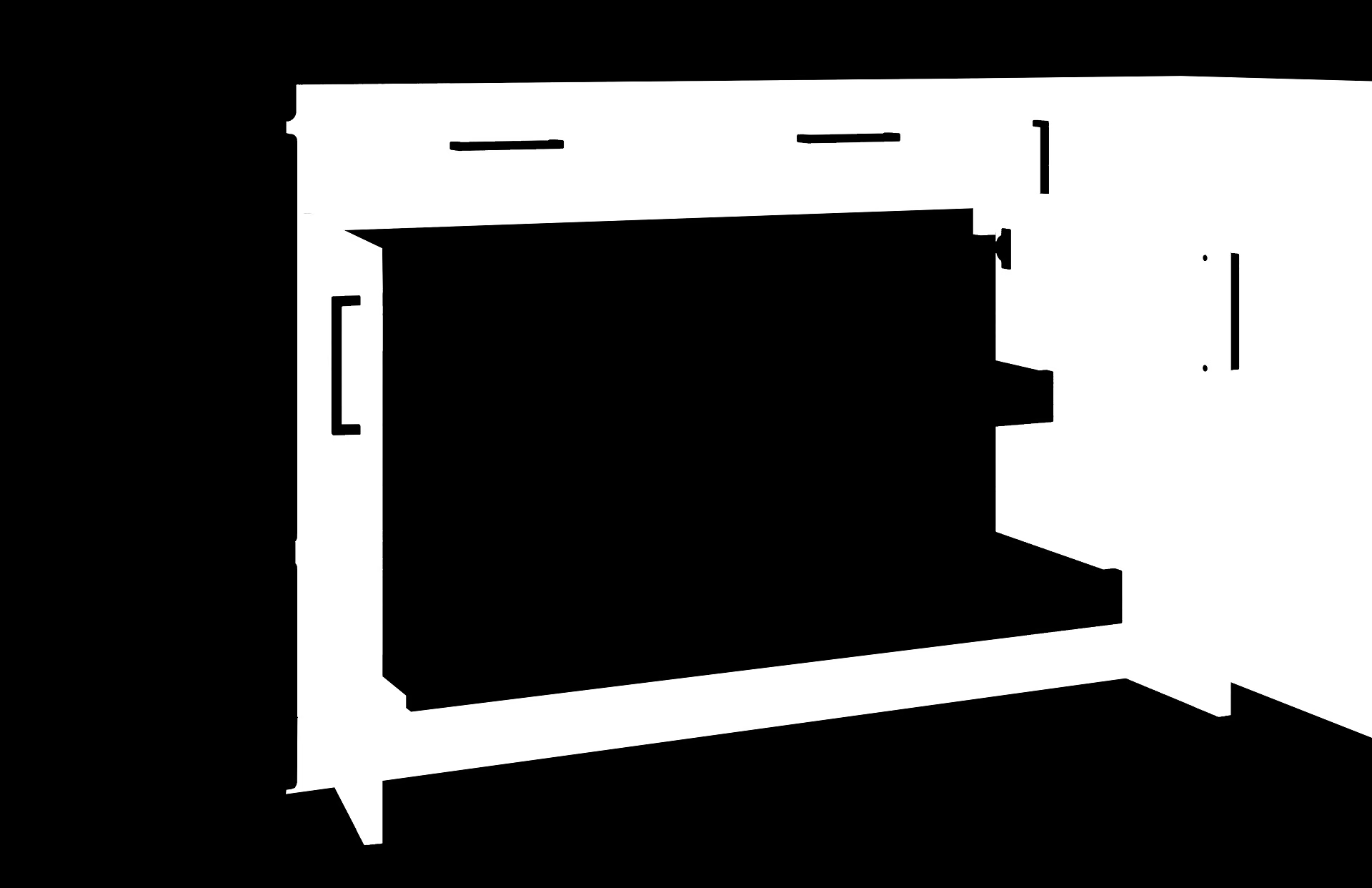
Technical output is TIFF at 5,100 × 3,300 pixels, 300 DPI, scalable up to 7K on request. Every silo render ships with a black-and-white mask isolating the door fronts. The mask means that if a finish needs a color correction (say, the client compares the render against a physical sample and wants the tone warmer), the adjustment happens in post-production, on the doors only, without re-rendering the entire scene. This is a standard part of our silo 3D rendering service.
Room scene rendering for catalogs
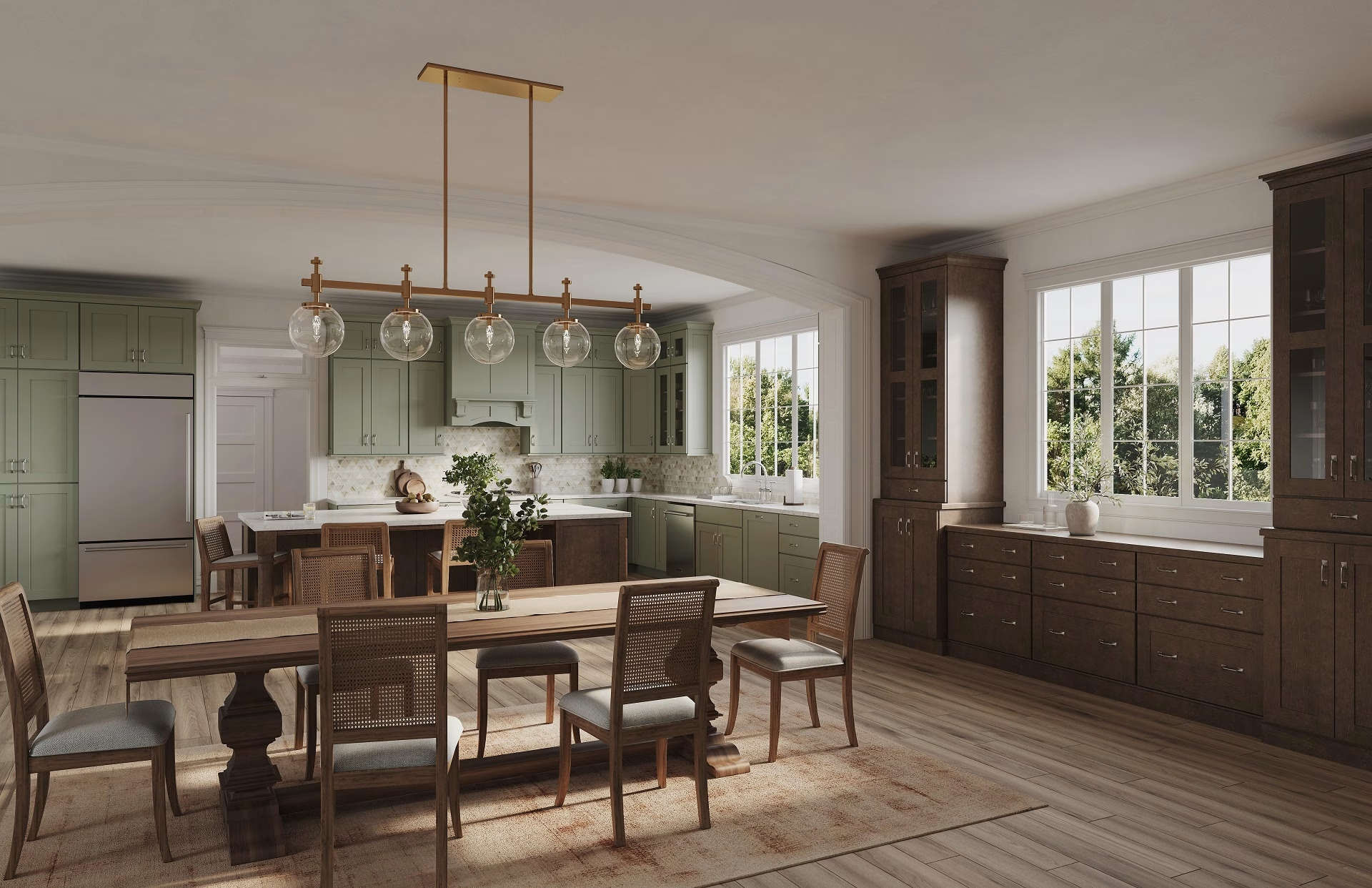
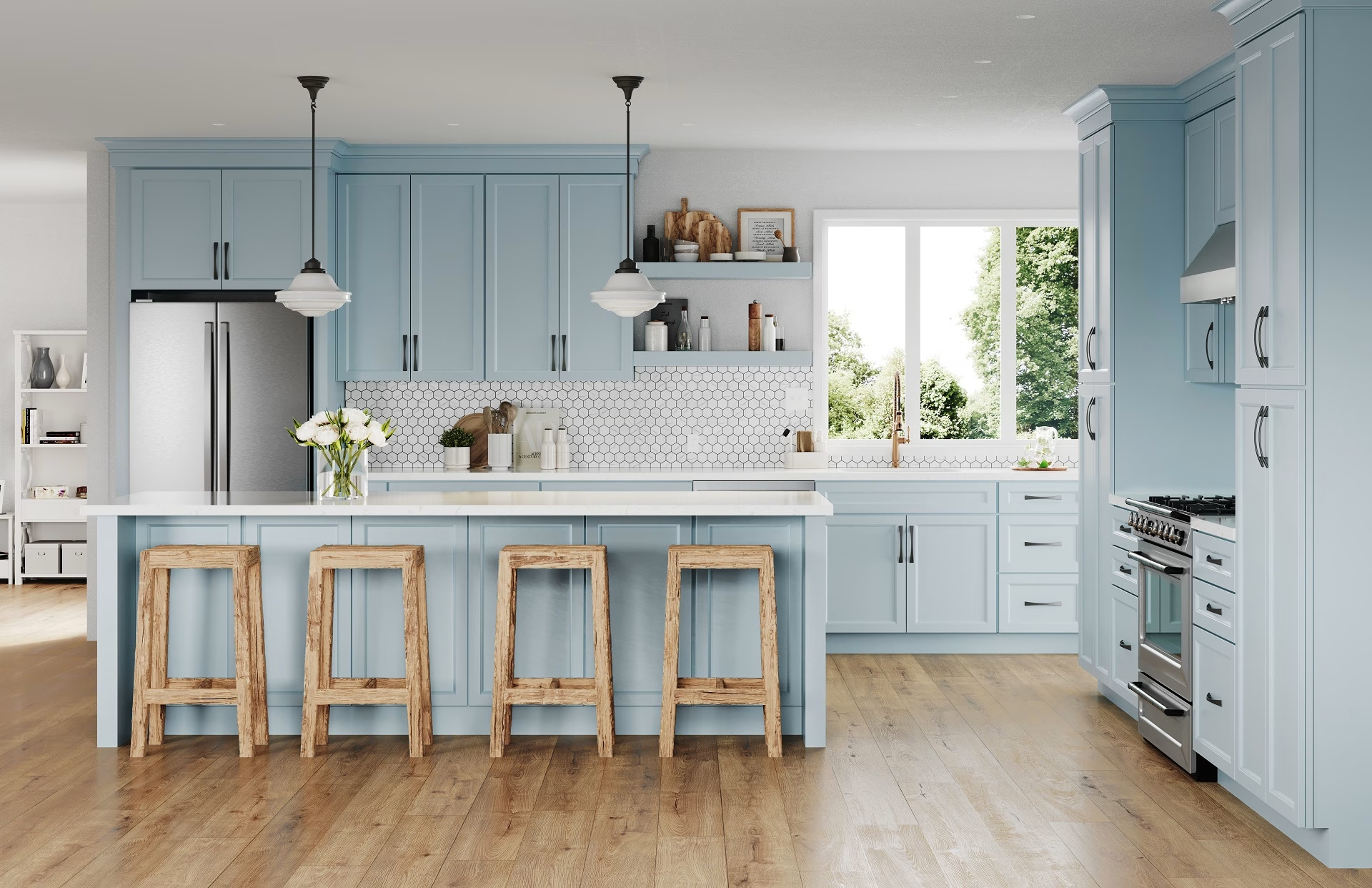
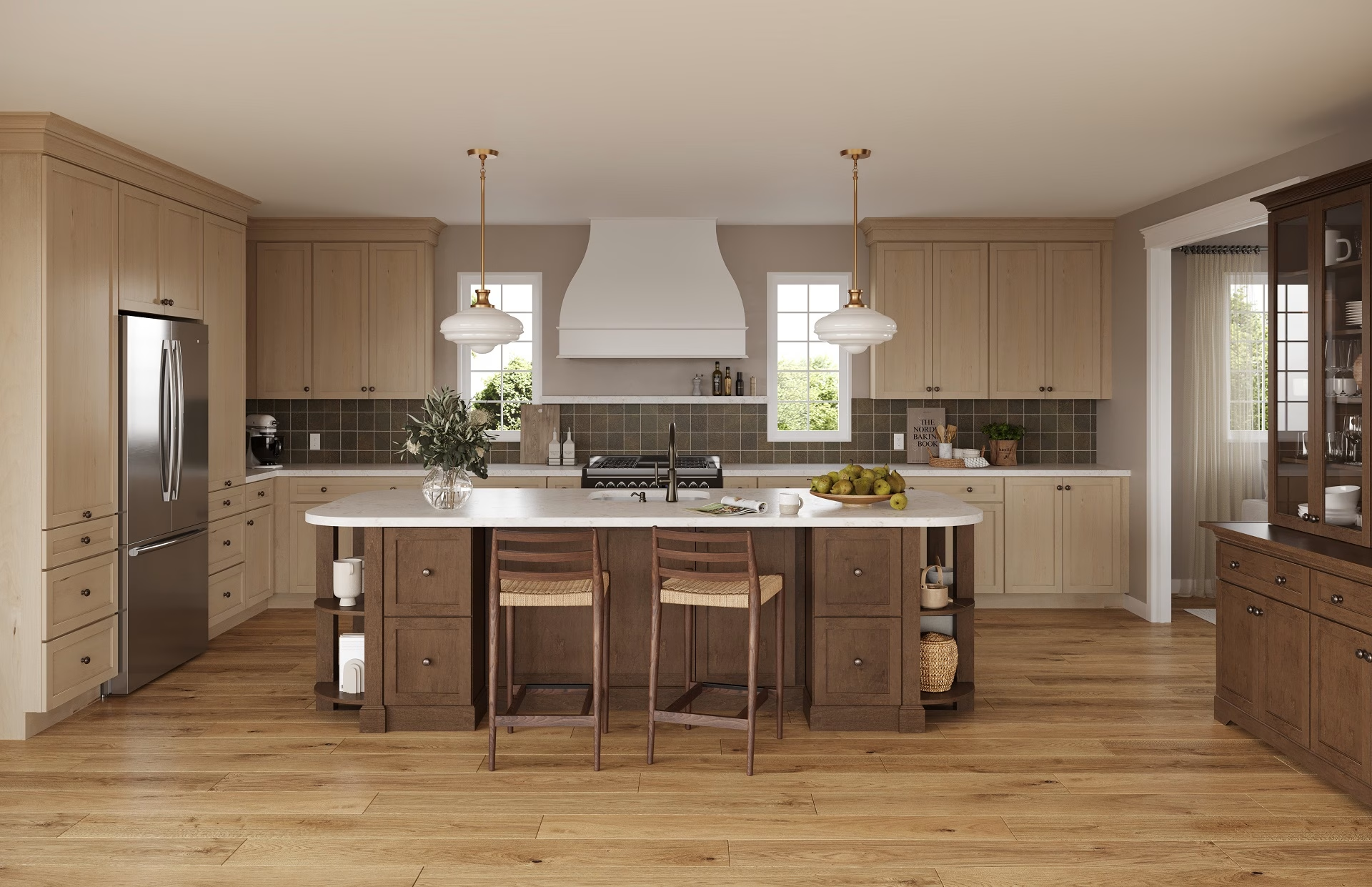
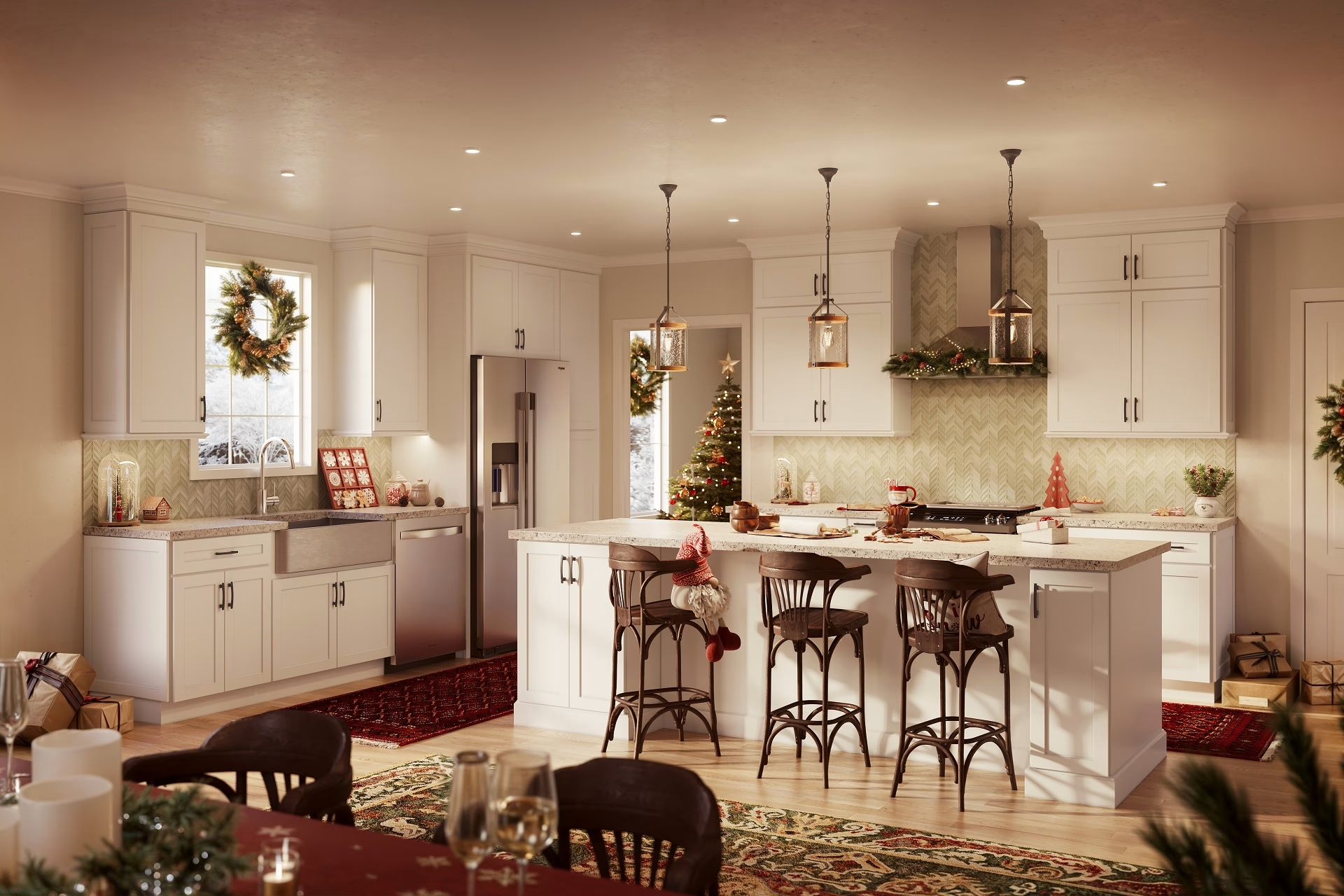
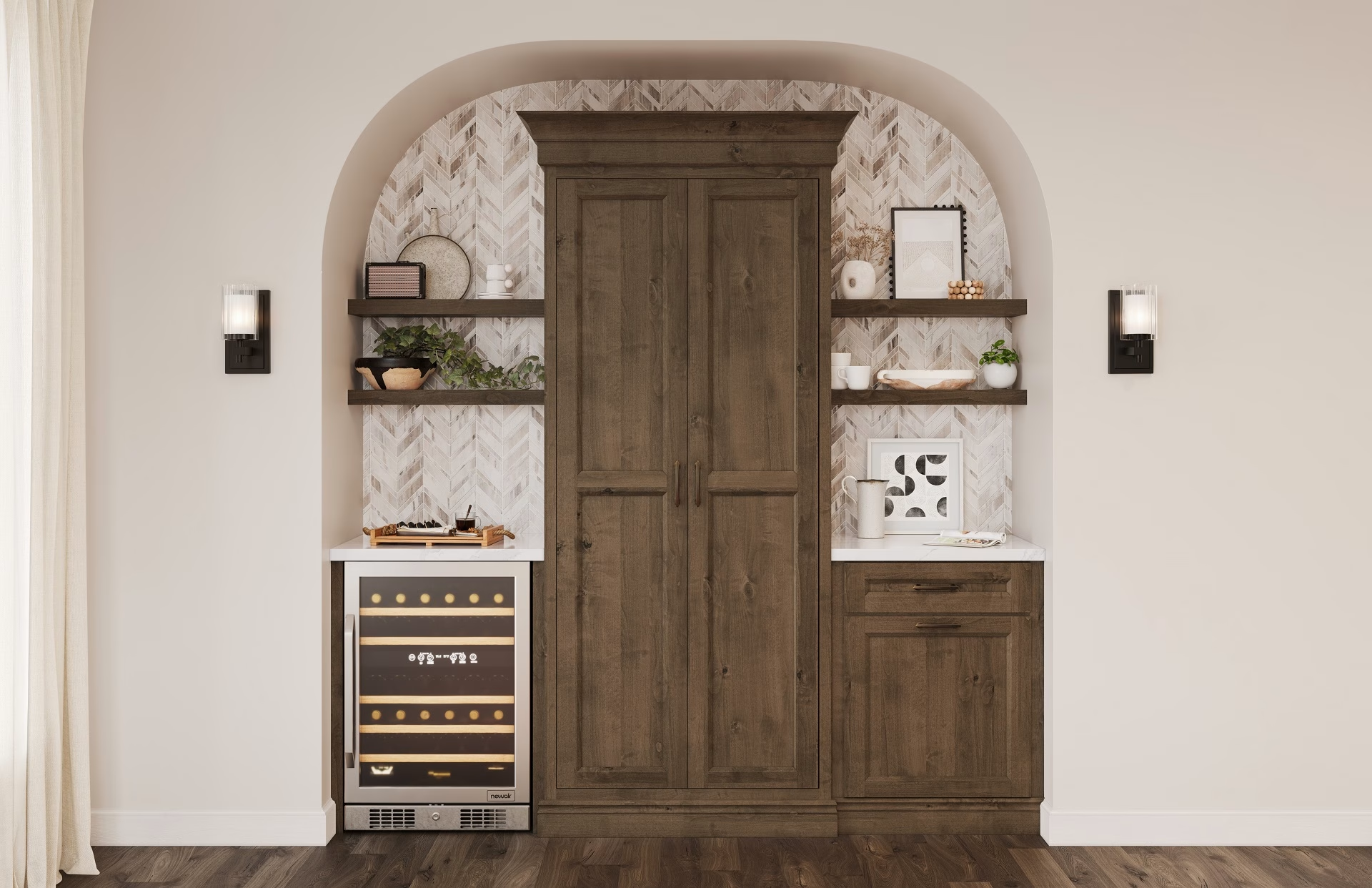
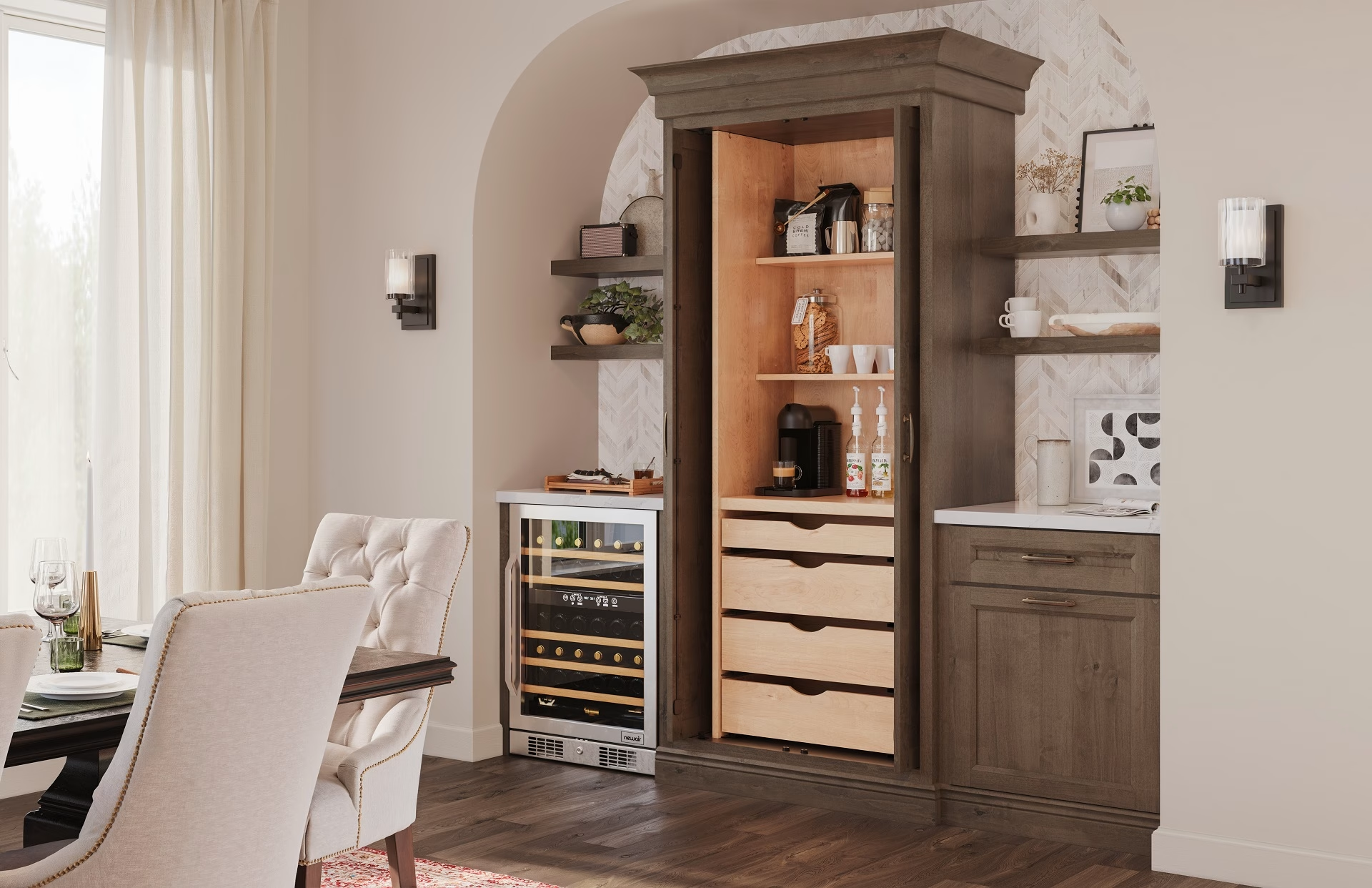
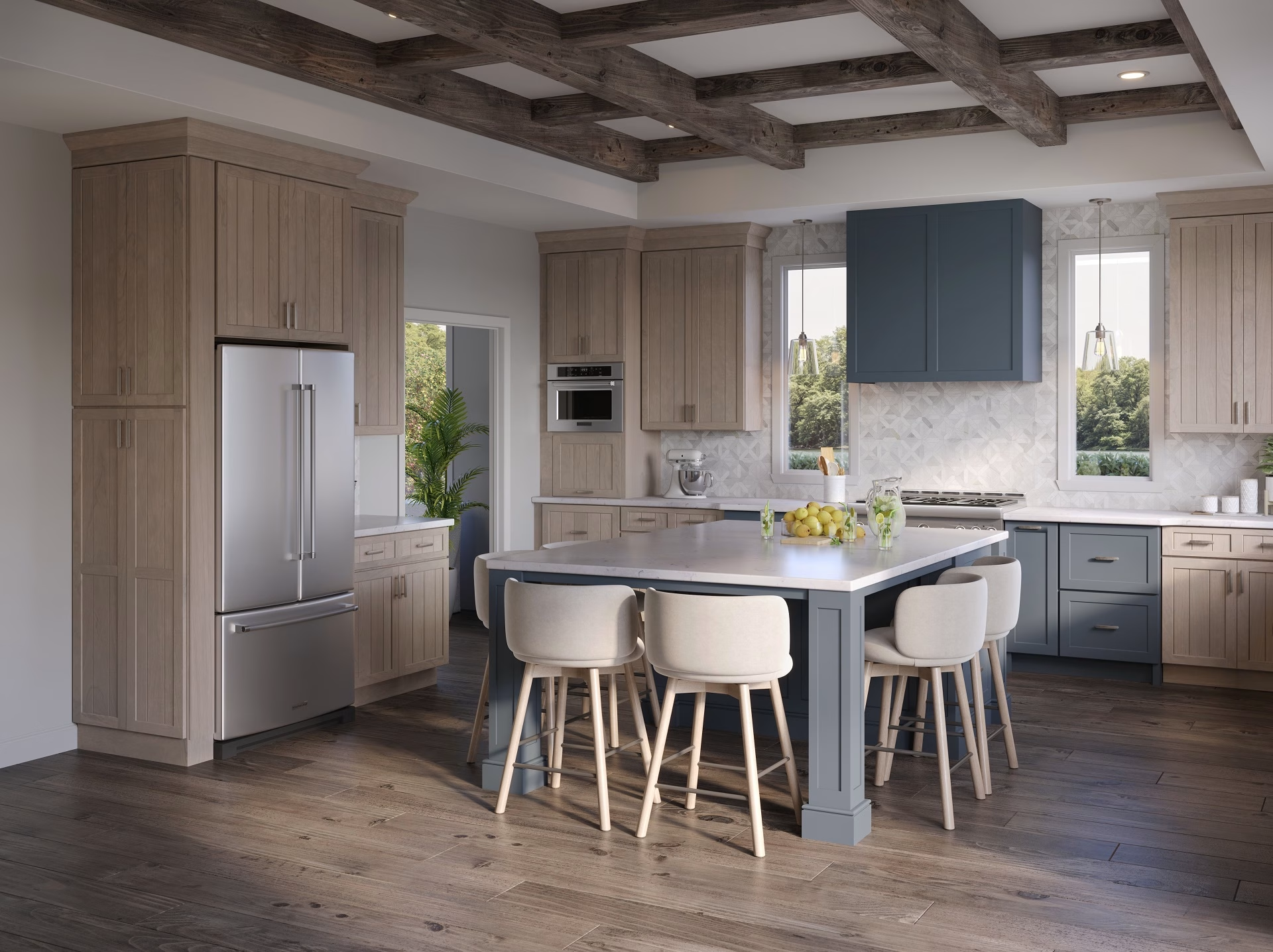
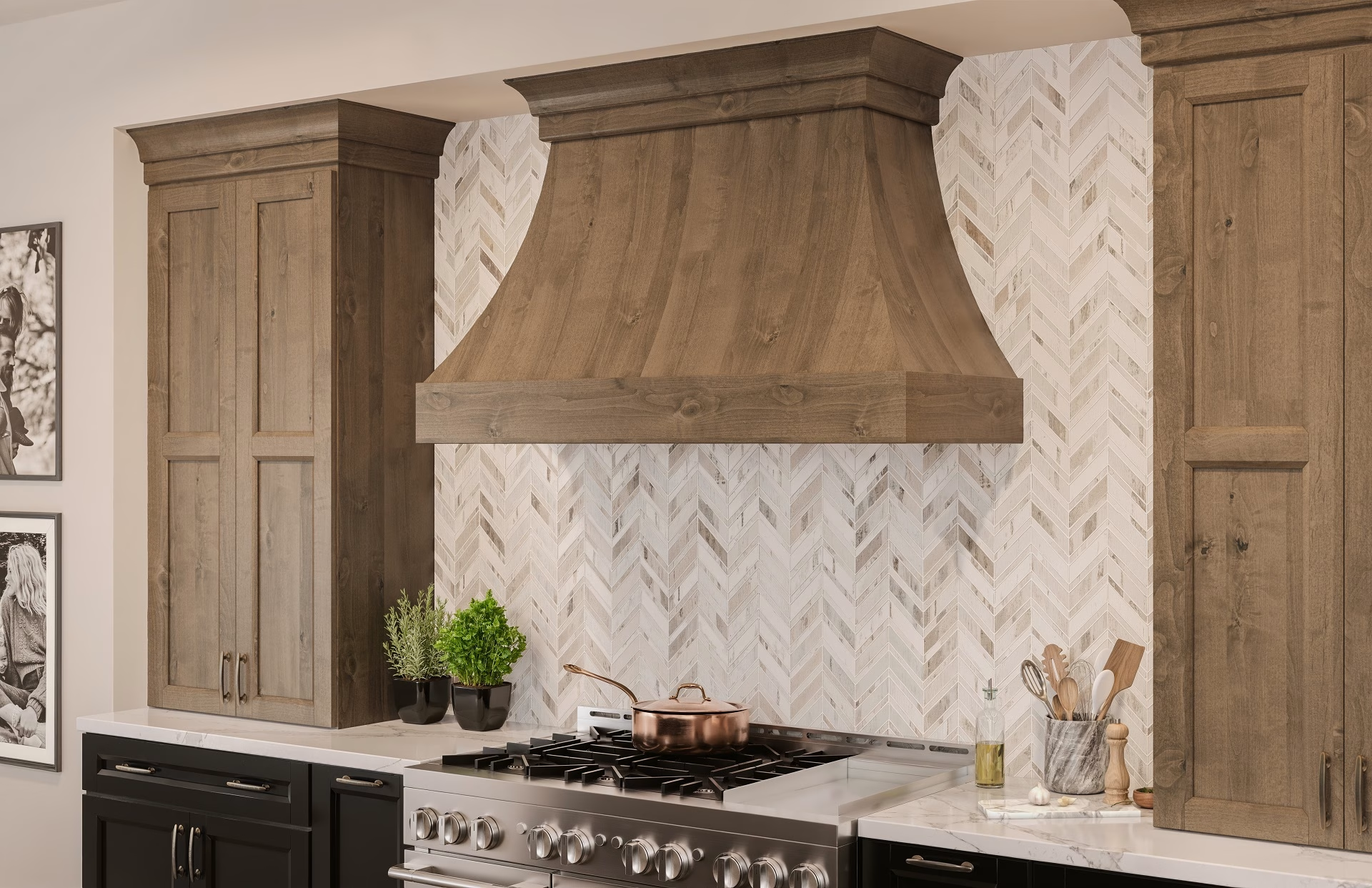
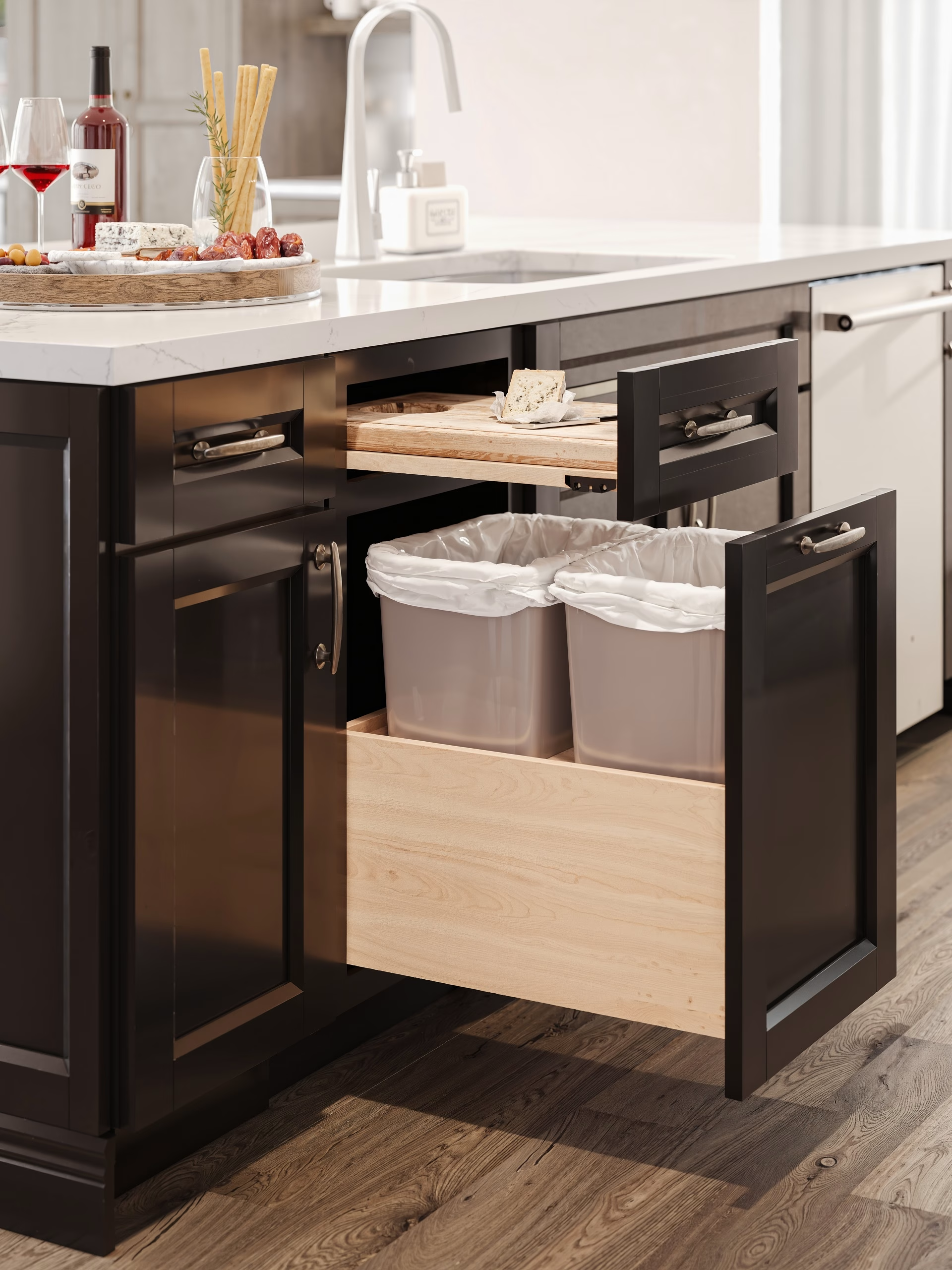
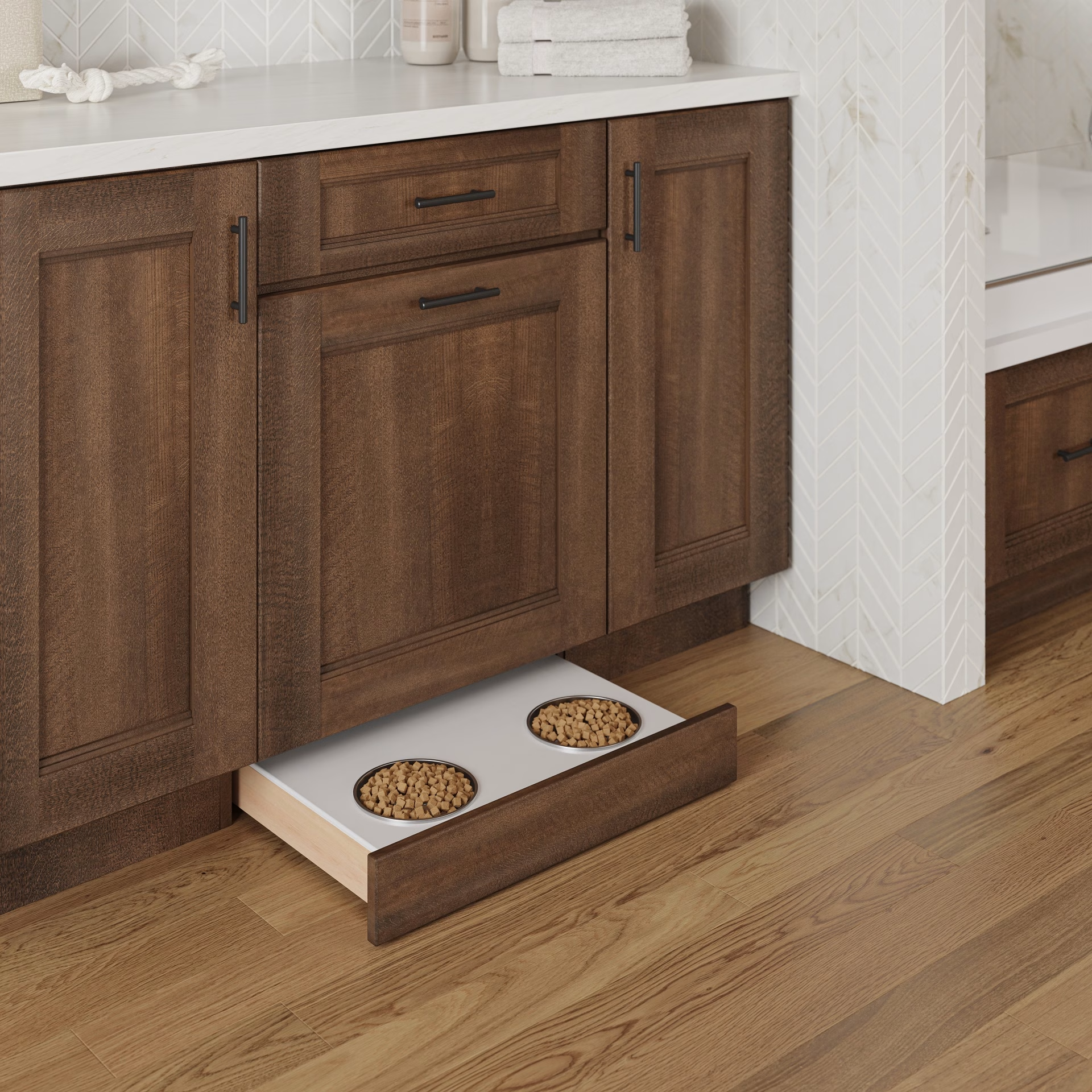
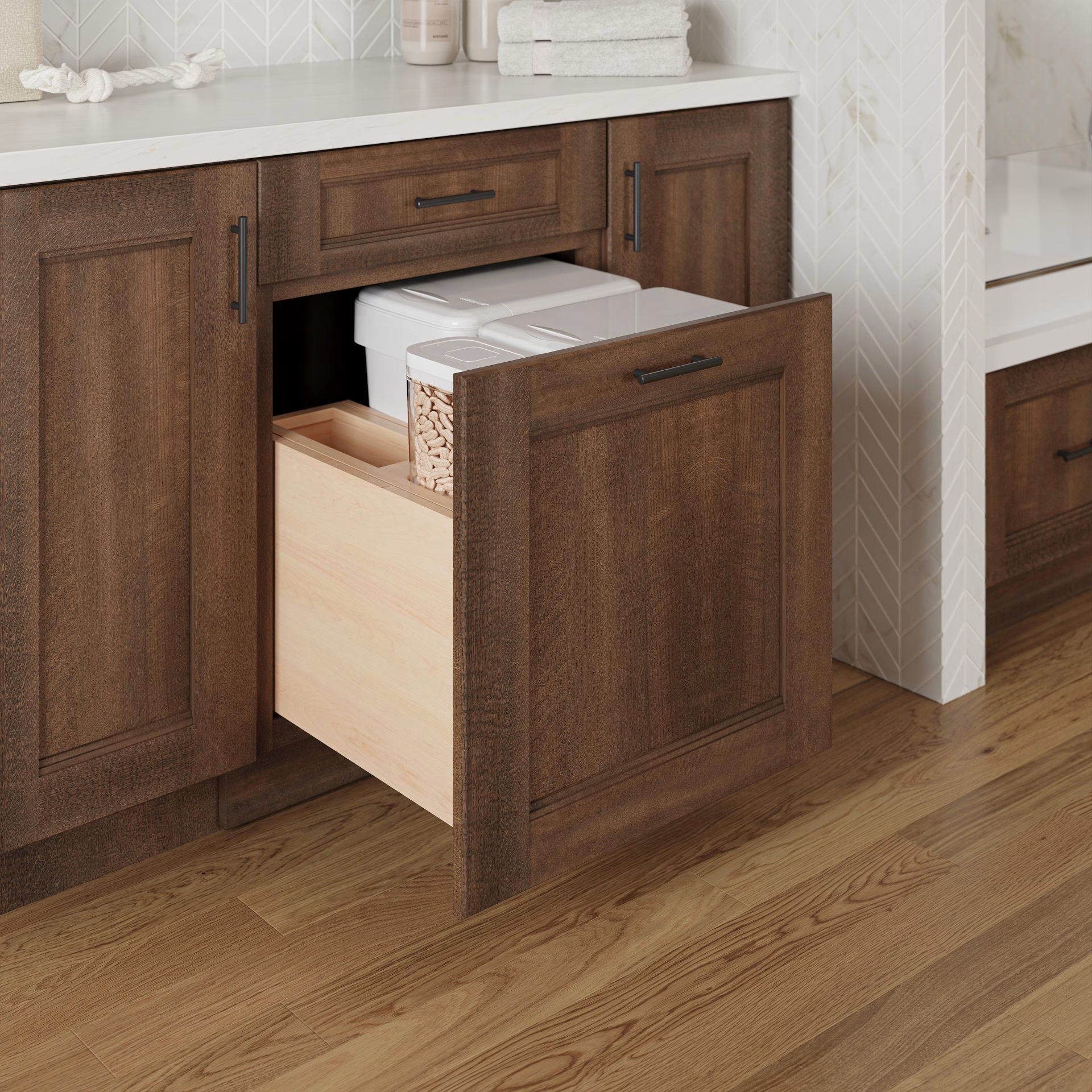
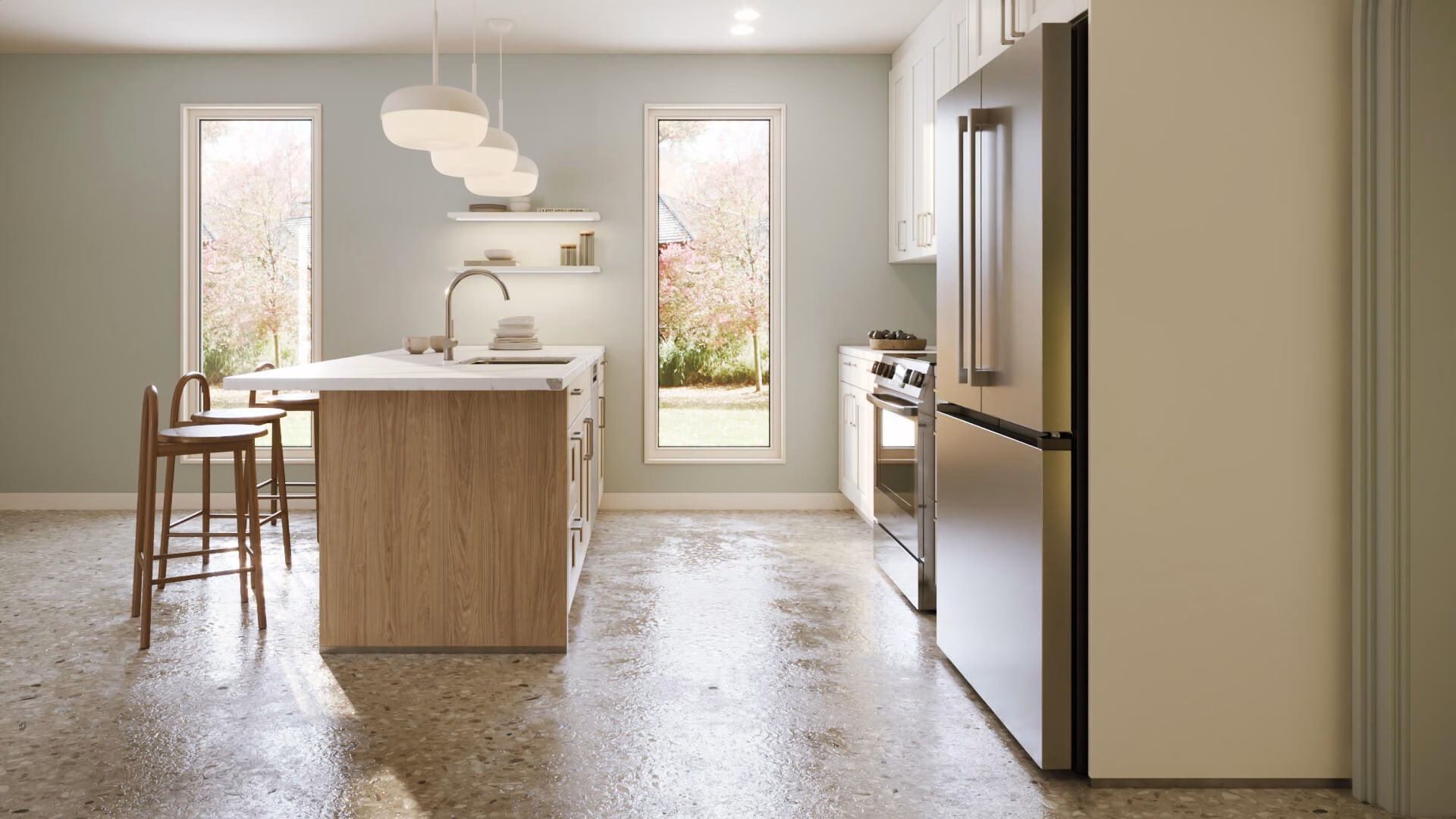
Cabinetworks room scenes go well beyond kitchens: bathrooms, mudrooms, home offices, butler’s pantries, entertainment spaces, laundry rooms. Each scene is built around an audience and a style direction: a scene called Crafted Bungalow targets a different buyer than one called Suburban Midwest Vibes. A typical kitchen scene runs to 4 overall angles and a set of accessory close-ups; a bathroom might call for 2 room views plus several images of open drawers and cabinet interiors. We also produce seasonal marketing visuals – the same kitchen scene re-styled with holiday decor, props, and lighting for campaigns tied to specific times of year.
One framing rule governs every room scene: door fronts are always fully visible in the frame, with clearance to the edge. The buyer and the dealer need to see the complete facade panel without cropping. This is a catalog standard. Our lifestyle 3D rendering services accommodate this constraint as part of the brief.
Animation
For select launches, we produce short animations that walk through a room scene or highlight a new finish. They are used in digital catalogs and dealer presentations.
Keeping the Finish Honest
Cabinet finish visualization is the most technically demanding part of the work. A door finish has grain direction, sheen variation, and edge treatment, and it must read consistently across every lighting condition in the scene.
The facade texture is calibrated to hold even across directly lit and shadowed surfaces: the finish does not wash out in sunlight or go muddy in shade. Before any animation render begins, the door color is verified in a separate review pass, because motion amplifies color drift that a static frame might forgive.
Every color render ships alongside a black-and-white mask isolating the door fronts. This mask allows post-production adjustment of the finish tone without re-launching the full scene render, which is critical when comparing a rendered finish against a physical sample under controlled lighting.
How the Work Runs
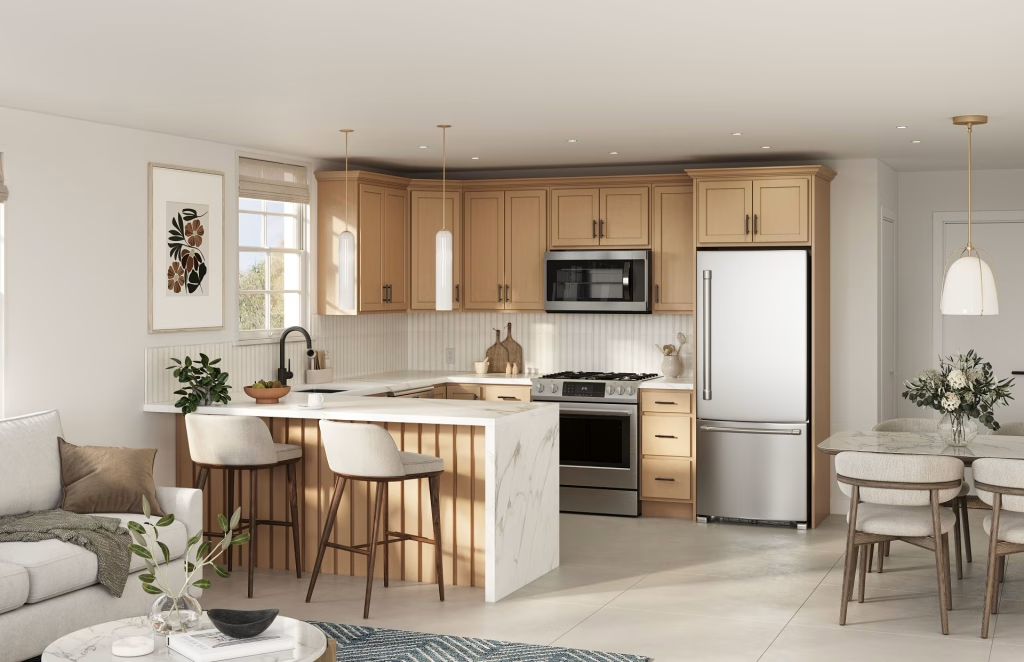
A typical brief includes DWG and STEP models of every cabinet configuration, facade drawings for each door style and finish, material textures, mood boards, reference images, and a shot list that specifies every deliverable down to the camera angle.
First results arrive within 3 to 5 business days. Revisions turn around in 1 to 2 days. Three rounds of revisions are built into every task as standard, though most projects close within two.
A standing weekly call with the Cabinetworks team synchronizes all active launches. In any given week, multiple brand launches may be in flight simultaneously: one in final approval, another in scene setup, a third in revision. The weekly cadence keeps them moving without email chains crossing.
File naming follows a strict convention: every deliverable carries the task name and material finish in the filename, making imagery searchable by finish rather than by date or arbitrary numbering. This detail matters when a manufacturer’s asset library holds thousands of images across dozens of finishes.
The structural advantage accumulates over time. Every approved scene is archived into the client’s library, tagged with the door styles and finishes it contains. When the next launch cycle begins, the starting point is a library of proven scenes that can be reskinned with new materials. A kitchen built for one brand can be re-rendered with different door fronts, a different countertop, and different props to serve a second brand with the same geometry, same camera angles, a fraction of the original effort. Over multiple launch cycles, this reuse model is what makes CGI for cabinet brands fundamentally more efficient than repeated photography.
The Result
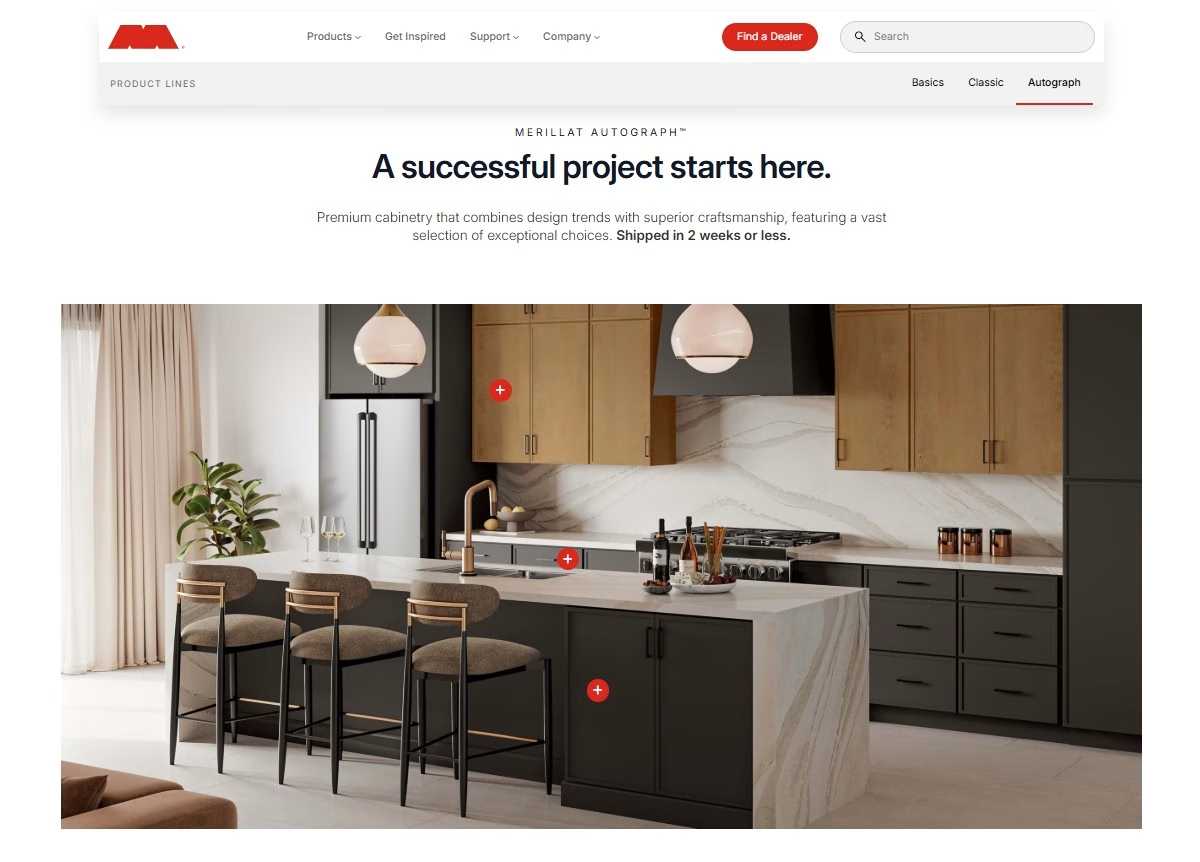
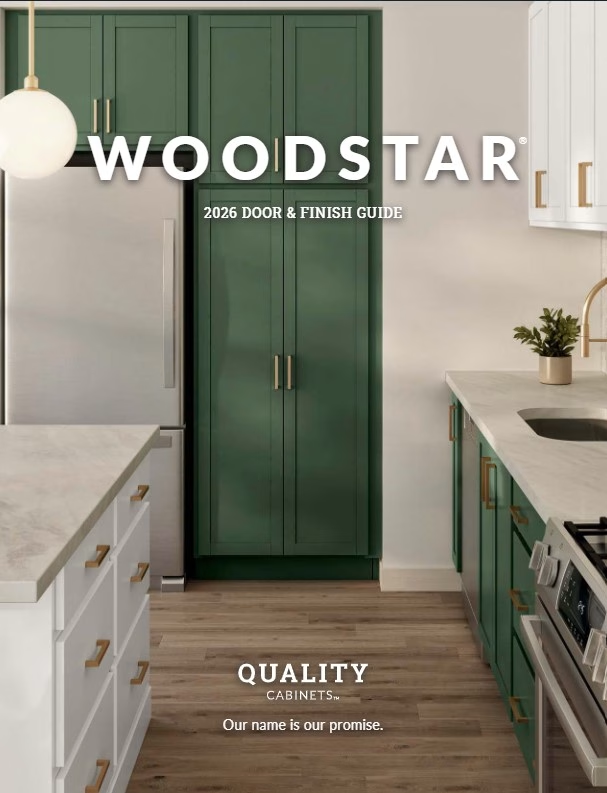
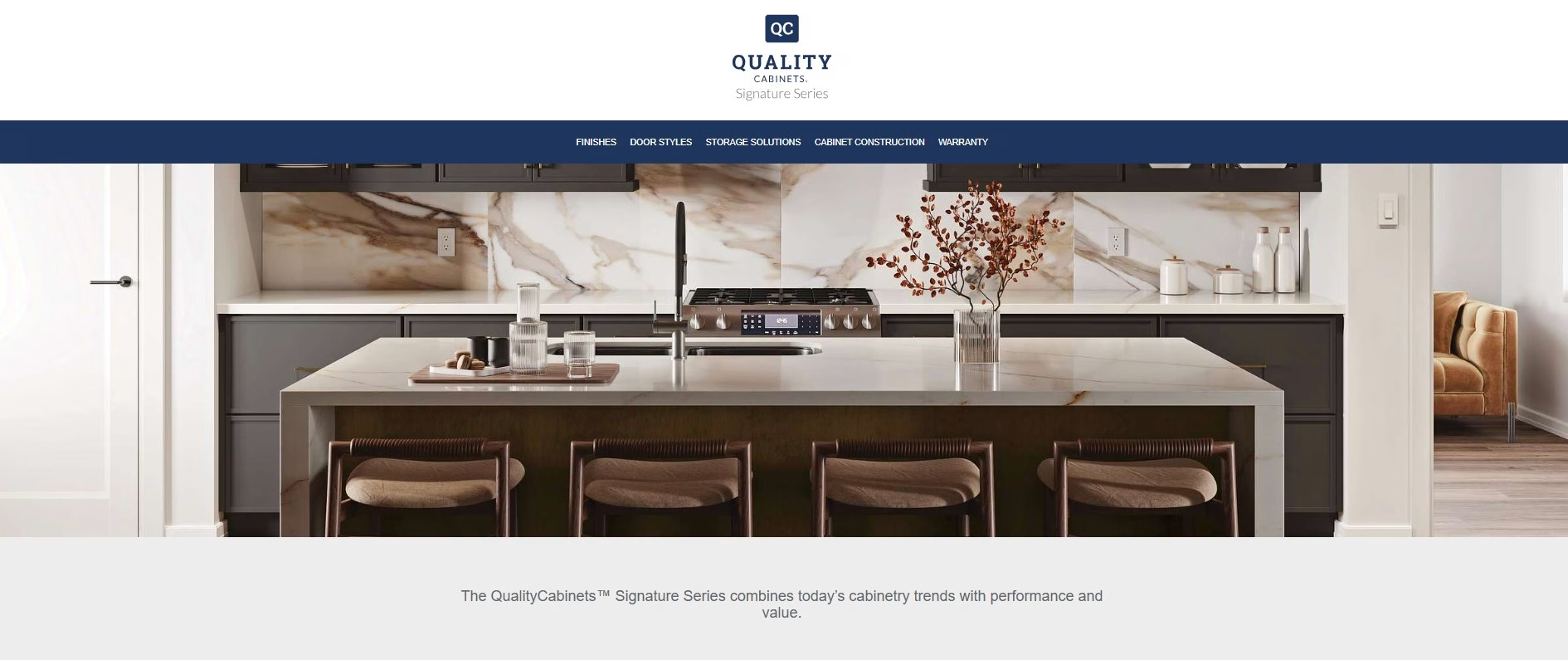
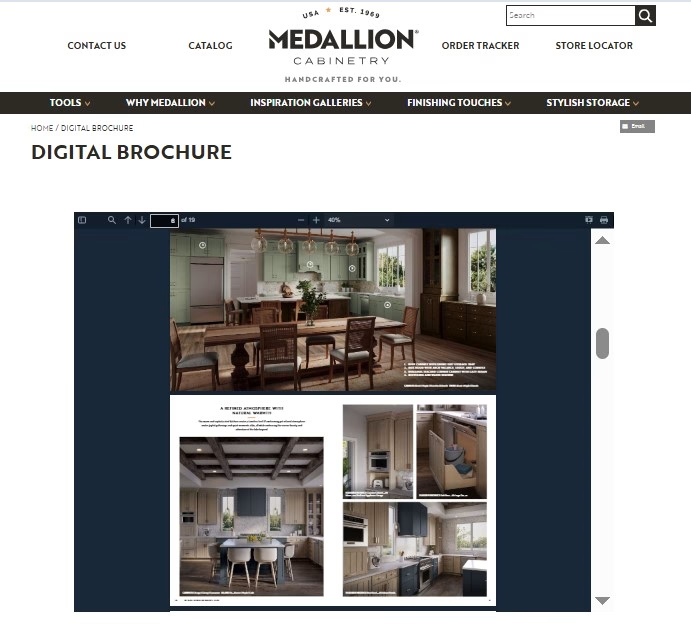
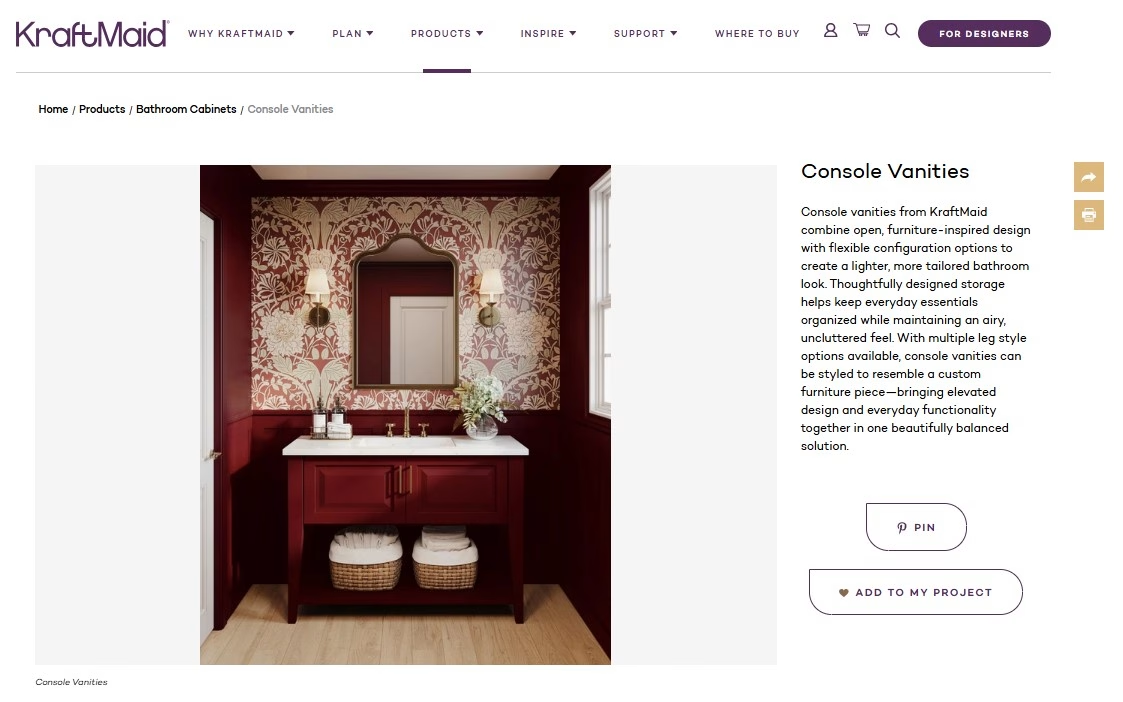
The renders we deliver become the visual backbone of each brand’s go-to-market materials. Medallion uses them in its digital brochure, a flipbook catalog that dealers and homeowners browse online. KraftMaid places them on product category pages, where a single room scene sells an entire cabinet line. Merillat features them as hero images on its Autograph landing page. Quality Cabinets runs them across its Signature Series site and in the Woodstar 2026 Door & Finish Guide (a print-and-digital piece where the cover image, every interior spread, and every finish swatch is a render).
What Cabinetworks Group gets from this pipeline: a complete set of catalog-ready images delivered before the product line reaches manufacturing. No prototypes built for a shoot. No sets torn down and rebuilt next year. A scene library that becomes more cost-effective with each cycle, because each launch reuses and extends what came before. And a consistent visual standard across every brand and channel, from the dealer showroom to the big-box retail listing.
If you’d like to see how a similar CGI approach works for a single product line launch (silo sets and lifestyle scenes for one collection), take a look at our Nobilia North America case study.
Explore our 3D product rendering services or learn more about our 3D modeling services for cabinet and furniture manufacturers.
Schedule a demo with us
Discover how product 3D rendering can work for your business – with real results, process breakdown, and pricing.
Schedule now