Amazon is the biggest e-commerce marketplace in the world, and anyone selling on it knows the competition is relentless. Your product might be excellent, but if the listing doesn’t stop someone mid-scroll, they’ll never find out. And what stops the scroll? The images. Before a shopper reads a single word of your product description, they’ve already made a judgment based on what they see.
3D renders have become the standard for high-quality Amazon product visuals because they deliver what photography often can’t: perfect consistency, unlimited angles, and the ability to show products in lifestyle settings without a physical shoot. Amazon recognizes this, and they certify the CGI studios that meet their standards for producing this kind of content. CGIFurniture is one of those certified studios.
This article by our 3D rendering company explains what Amazon Content Service Provider certification actually means, what it involves, and why it matters if you’re selling on Amazon and looking for a CGI partner.
1. What Does Amazon Content Service Provider Status Offer?

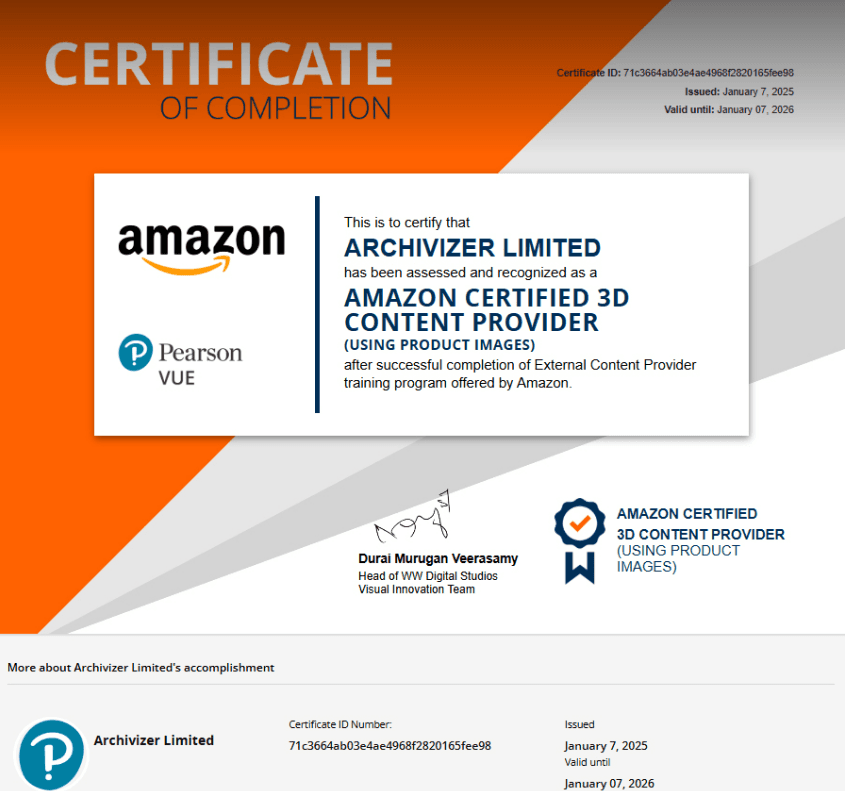
The certification is Amazon’s way of saying: this studio knows our standards, meets them consistently, and produces content that performs on our platform. For sellers looking for a CGI partner, that verification removes a layer of guesswork.
- On the quality side, it means every visual we produce has been built to Amazon’s specifications from the start. Resolution, rendering accuracy, technical compliance – these aren’t afterthoughts or last-minute adjustments. They’re built into the process. Sellers who work with a certified provider don’t need to worry about listings getting rejected for image quality issues or technical non-compliance.
- There’s also a strategic dimension. We don’t just deliver files and move on. Our team works with sellers on visual strategy – which types of images perform best for their product category, how to structure the image stack on a listing for maximum impact, what kind of lifestyle context resonates with their target buyer. That advisory layer comes from years of producing Amazon-specific content and seeing what actually drives conversions.
- The practical benefit for sellers is efficiency. Building a visual content pipeline from scratch requires equipment, software, skilled personnel, and a lot of trial and error learning Amazon’s requirements. Working with a certified provider compresses all of that into a single partnership. Faster launches, consistent quality across SKUs, and no need to manage multiple vendors for different content types.
2. The Range of CGI Services for Sellers on Amazon

Certification means we can produce every visual content type Amazon supports, all optimized for their platform requirements.
- Silo 3D rendering is the foundation – a clean, high-resolution image of the product on a white background with nothing else in frame. It’s what Amazon requires for the main listing image, and the quality of this single shot has an outsized impact on click-through rates. Every design detail needs to read clearly because this is often the only image a shopper sees before deciding whether to click.
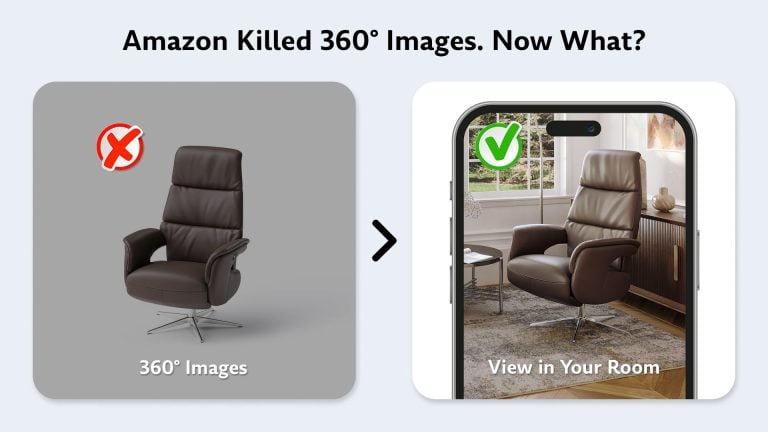
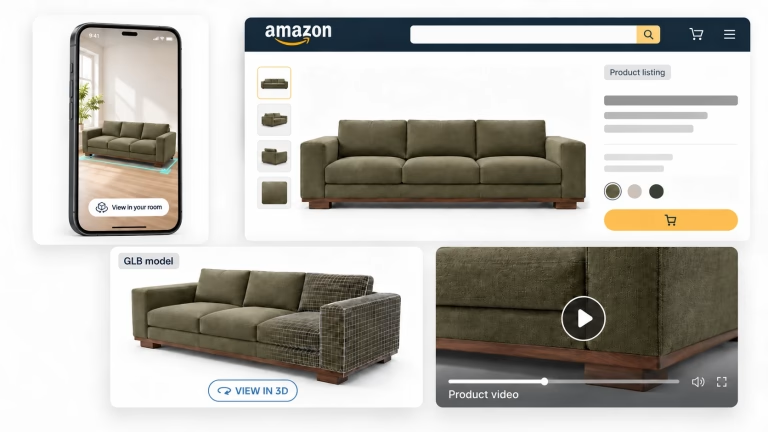
- Interactive 3D viewers are the current standard for immersive product exploration on Amazon, replacing the 360-degree image format that was discontinued in January 2025. Sellers now upload GLB-format 3D models that power Amazon’s “View in 3D” experience, letting shoppers rotate and examine the product from any angle directly on the listing page. For furniture, electronics, and anything where proportions and details matter from multiple angles, this format consistently increases time on listing and reduces the “it looked different than expected” return problem. Our guide to GLB files for Amazon covers the upload path and file rules.
- Detailed macro shots focus on craftsmanship, textures, and material quality. A close-up of wood grain on a table edge or the stitching pattern on upholstery communicates quality in a way that a full product shot can’t. These work particularly well as supplementary images in the Amazon listing stack.
- Lifestyle 3D rendering places the product in a realistic environment – a kitchen, a living room, an outdoor setting – so the shopper can picture it in their own space. The best Amazon product images combine silo shots for clarity with lifestyle renders for emotional connection.
- AR-ready 3D models let shoppers place a product in their own room through their phone camera. Amazon supports this feature in several categories (home, furniture, electronics, eyewear), and the engagement data consistently shows higher conversion rates for listings that include it. GLB is the format behind this, and our guide to GLB models for ecommerce explains how it works beyond Amazon.
Working with one CGI studio for all of these content types keeps the visual style consistent across your entire catalog. Every ASIN (Amazon Standard Identification Number – the unique code Amazon assigns to each product) needs its own compliant image set (and every image file has to follow Amazon’s naming convention using the ASIN as an identifier), so for sellers with a catalog of hundreds of products, the volume of visual content adds up fast. When every listing shares the same lighting approach, color accuracy, and styling quality, the brand reads as professional and trustworthy. Split the work across multiple vendors and that consistency is almost impossible to maintain.
3. What High-Quality 3D Content Does for Your Amazon Business
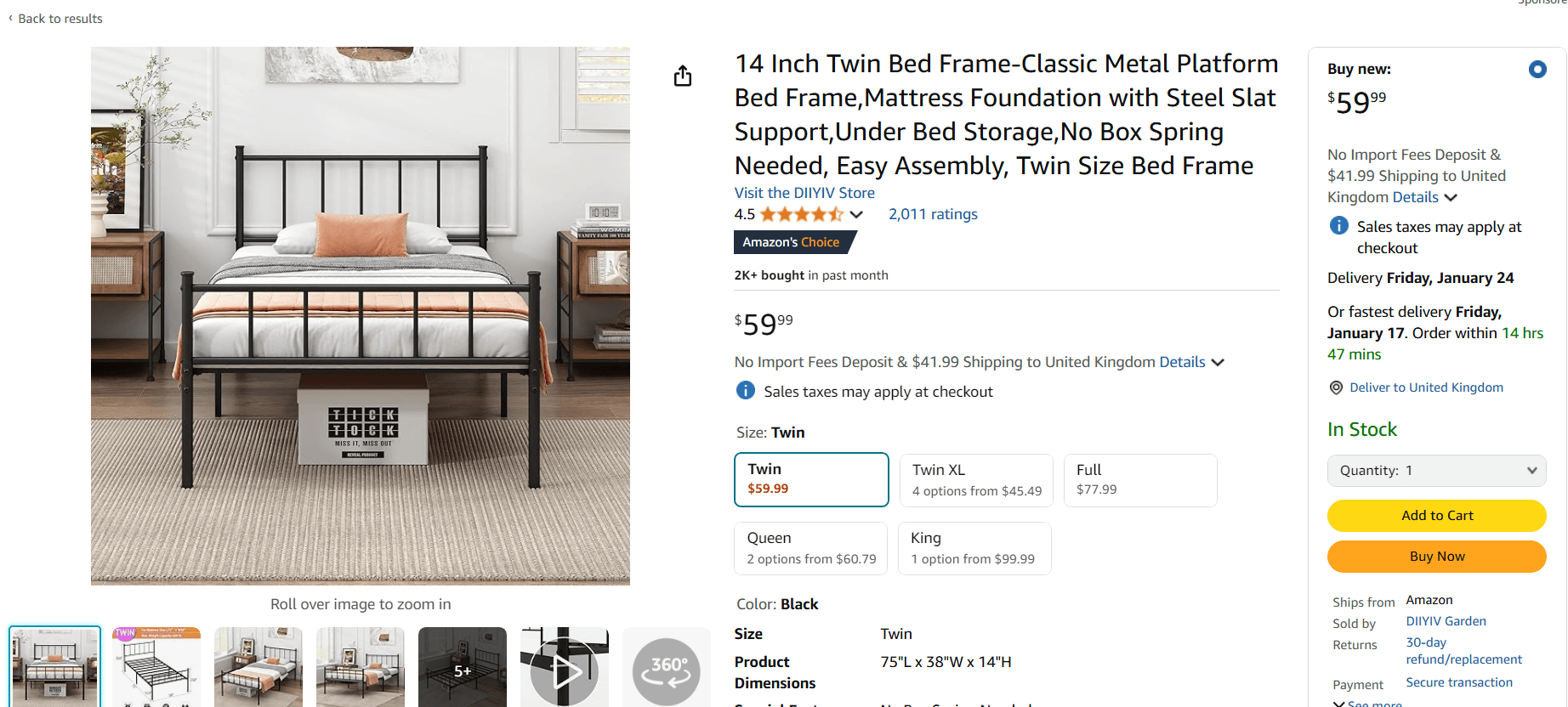
The certification matters because it connects directly to business outcomes. Here’s how the content itself performs once it’s live on the platform.
- Compliance comes first. Amazon’s listing requirements are specific and they enforce them. Certified providers know those requirements inside out, which means your visuals go live without rejection delays or back-and-forth fixes. That alone saves time on every single SKU launch.
- Conversion impact is where the investment pays back. Listings with high-quality 3D renders, multiple angles, and interactive features consistently outperform listings with basic photography. Shoppers feel more confident about what they’re buying when they can examine the product thoroughly, and that confidence translates directly into higher conversion rates.
- AR features powered by Amazon 3D product view technology add another conversion layer. When a customer can preview a bookshelf in their actual living room at accurate scale, the purchase hesitation drops significantly. Fewer surprises after delivery also means fewer returns, which protects your margins.
- Visual consistency across your catalog matters more than most sellers realize. When a shopper browses from one listing to another in your brand’s catalog and the image quality, lighting, and styling stay uniform, it builds a perception of professionalism that influences the purchase decision. Inconsistent visuals – different lighting temperatures, mixed styling approaches, varying image quality – create subconscious doubt about the brand.
- The certification badge itself also carries weight. Shoppers may not consciously register it, but the trust signals embedded in a polished, professional listing compound over time. A catalog of consistently excellent visuals, backed by Amazon’s own certification, positions a brand differently than one relying on smartphone photos and inconsistent vendor work.
4. Our Journey to the Amazon Content Service Provider Certification

Getting certified isn’t a formality. Amazon’s evaluation process is rigorous, and the bar is deliberately high.
- The first step was understanding exactly what Amazon requires. Their standards cover image resolution, rendering realism, technical formatting, and consistency across deliverables. We mapped every requirement against our existing workflow and identified where our processes needed to tighten up.
- Training came next. Amazon’s certification requirements cover precise 3D modeling techniques, photorealistic rendering standards, and the technical specifications for interactive formats like 3D model viewers and AR-ready assets. Our team aligned internal workflows to meet every requirement, ensuring that Amazon’s standards – not just our own – defined the quality floor for every deliverable.
- The assessment covers the areas you’d expect: rendering quality, technical compliance, delivery reliability, consistency across multiple outputs. It’s designed to confirm that a studio can perform at Amazon’s level repeatedly, not just on a cherry-picked portfolio piece. Passing it validated what we already believed about our work, but the external confirmation matters – it gives sellers a third-party benchmark when evaluating CGI partners.
Earning the certification opened access to a wider network of Amazon sellers and brands looking specifically for certified visual content partners. For our team, it also established a quality floor that every project has to meet regardless of scope or timeline.
5. How 3D Models Help Drive Conversions on Amazon
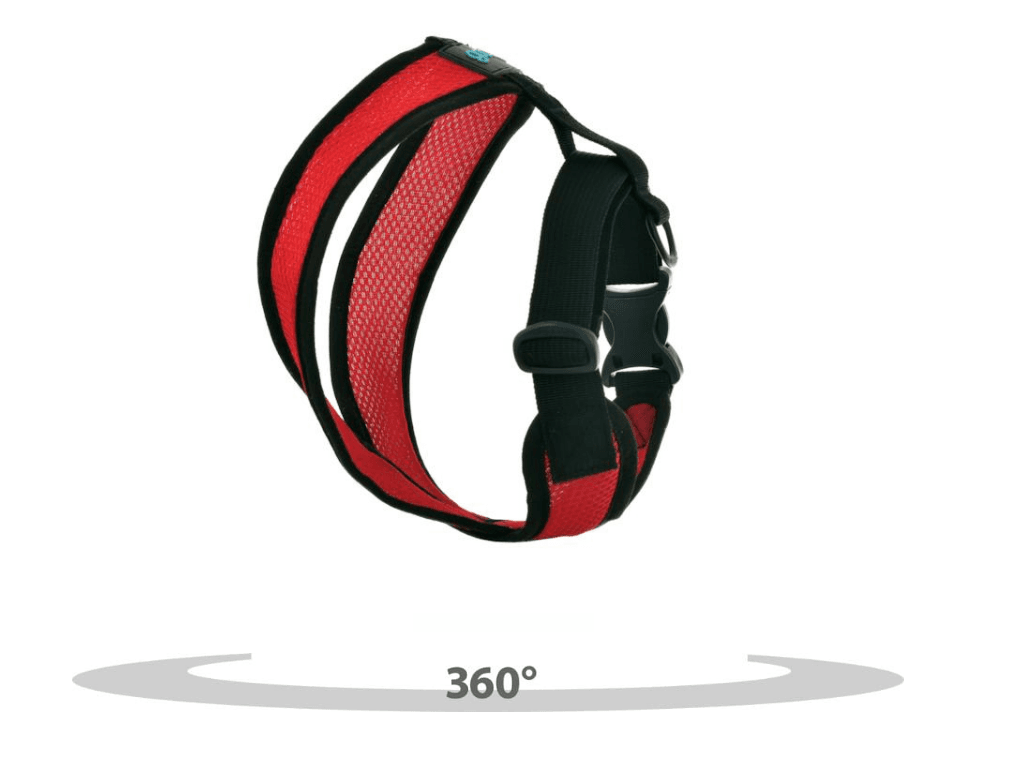
3D models enhance product listings by giving shoppers something flat images can’t: the ability to examine a product from every angle, interact with it, and (with AR) preview it in their own space. The engagement metrics on listings with 3D content consistently show longer session times and higher add-to-cart rates. Outside Amazon, the same models can drive a 3D furniture configurator on your own website.
Brand-registered sellers can upload 3D models directly to their product listings. Amazon currently supports 3D content in categories including home, furniture, electronics, shoes, and eyewear.
How to upload a 3D model:
- Go to Catalog > Upload images.
- Open the Image Manager tab and search for your product.
- Select your product and check for the Registered Brand Owner icon.
- Under 3D models, click Upload 3D model and follow the instructions.
- Check the Submission Status tab to track approval (typically reviewed within two weeks).
If you don’t have a 3D model yet, that’s where a certified studio comes in. We build models specifically optimized for Amazon’s technical requirements, so the upload and approval process runs smoothly from the start. See our GLB model services for how these Amazon-ready files are built.
 ↔ drag to rotate
Explore types and features of 3D services to enhance your visual marketing like never before.
See moreAmazon Content Service Provider certification means a CGI studio has been independently verified to meet the platform’s standards for visual content quality, technical compliance, and delivery consistency. For sellers, partnering with a certified provider removes risk from the visual production process and gives your listings the best possible chance of converting.
Looking to upgrade your Amazon listings? Explore our 3D rendering services or learn more about furniture brand building on Amazon to see how certified CGI content can work for your brand.