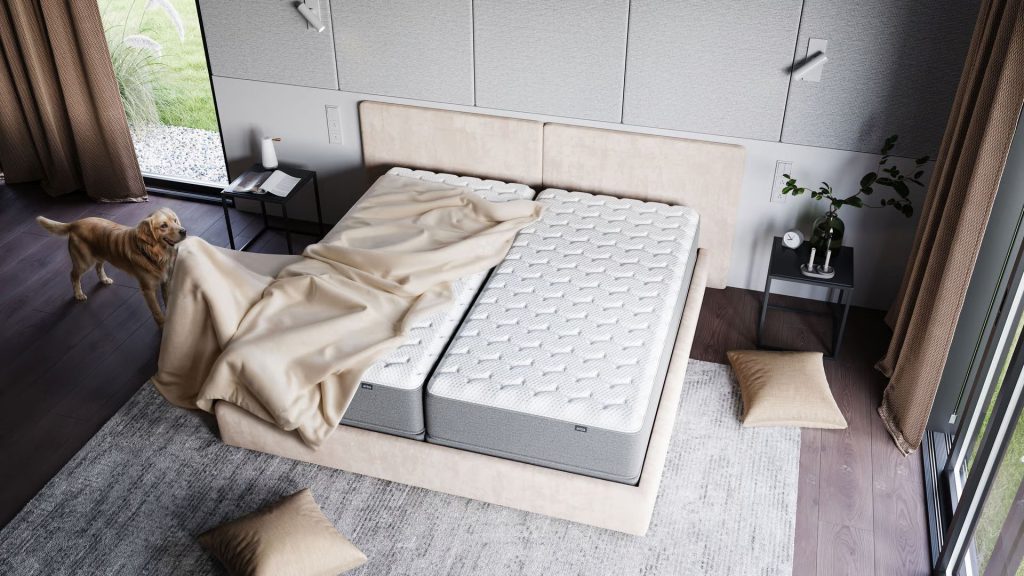
Visual effects in animation are techniques that add movement, atmosphere, physical phenomena, or explanatory layers to a product video. In product marketing, their job is to make materials, functions, build quality, and use scenarios easier to read on screen and more engaging to watch. The strongest ones carry a piece of the message: water reveals a waterproof housing, dust makes airflow visible, a time-lapse compresses assembly into seconds. An effect earns its place when it answers a question the buyer would otherwise ask. This article covers ten types of VFX used in 3D product animation:
- Physical phenomena: moving water, dust and particles, destruction and explosions, flames, fog and smoke, fabric movement
- Structure and editing: time-lapse, compositing, split screen, exploded view
Professional CGI production through a 3D render service gives marketers control over effects that would be difficult, expensive, or unsafe to film physically. For each type, you will find what it communicates, which products it suits, and where it fits into a campaign.
1. Moving Water Effects
Moving water effects in product animation cover splashes, droplets, streams, and underwater scenes built around an item. They turn a line on a spec sheet into something the viewer watches happen. A waterproof product demonstration shows the moment a jet hits the housing. Slow beading droplets make water-resistant qualities readable within seconds, a direct way to visualize product features that shoppers otherwise take on trust. The substance is familiar enough that the audience reads the message instantly, which makes it strong material for product feature visualization.
The effect suits:
- electric shavers and grooming devices rinsed under a tap
- faucets, shower systems, and bathroom fittings
- outdoor furniture left out in the rain
- sports gear used in wet conditions
- washing machines and dishwashers
Water also carries mood: freshness, cleanliness, relaxation, and the polish that supports premium positioning. Thanks to that range, one 3D product animation can serve a launch campaign, a store page, paid digital ads, and short social clips cut from the same CGI product video. Every splash should match tested performance, keeping the footage aligned with certified claims such as an IPX rating.
2. Dust and Particle Effects
Particle effects in product animation are dust, powder, sparks, or debris moving around the item in a controlled way. Marketers use them to visualize invisible product functions – airflow, filtration, suction, or fragrance distribution – so a line from the spec sheet becomes something a viewer can follow on screen. Motion, speed, energy, and surrounding conditions read the same way.
Common applications by category:
- Fans and air purifiers: streams of fine specks trace intake, circulation, and purified air leaving the unit.
- Vacuum cleaners: dust lifting off a carpet shows suction strength at work.
- Speakers and headphones: reactive particles give sound output a physical shape.
- Power tools: sparks and chips convey force during cutting or drilling.
- Automotive products: road dust and spray around the wheels signal speed and terrain.
Decorative particles have a separate job. Slow motes drifting through a light beam add depth and atmosphere, while functional ones stay tied to the mechanism they explain. Both layers can share one shot as long as the functional motion leads the eye.
Short-form product videos gain the most from this effect. When a single benefit has a few seconds to land on a social feed, a visible stream of particles carries the message on its own.
3. Destruction and Explosion Effects
Destruction effects in product animation turn durability into something viewers can watch. The item stays whole while everything around it cracks, collapses, or bursts, and the point registers within a second. The approach suits products whose value rests on resistance:
- protective cases and phone accessories
- hand and power tools
- industrial equipment
- consumer electronics
- outdoor and travel gear
- heavy-duty furniture
Impact-resistant product visualization works because the audience sees the force applied and the outcome in a single shot. Stylized blasts serve a second purpose. A slow-motion burst of light and fragments revealing a new model gives product launch campaigns high energy and a bold tone, which fits 3D product animation for marketing across social feeds and event screens. The two uses call for different rules. A product durability demonstration should mirror conditions your engineers have tested. The symbolic version stays pure spectacle, since viewers read a CGI product launch video as showmanship. Publish test data alongside the footage whenever a scene carries a performance claim.
4. Moving Flame Effects
Fire animation places a live flame inside the frame, either as the working part of the item on screen or as a detail of the space around it. It fits a clear set of categories:
- fireplaces, stoves, and inserts
- fire pits and patio heaters
- grills and cooktops
- candles and decorative burners
- heat-resistant cookware, surfaces, and finishes
For heat-resistant goods, direct contact with a flame is the demonstration itself. Beyond that functional role, a burning element does emotional work: warmth, comfort, hospitality, relaxation, and outdoor entertainment all read instantly from a lit hearth or a patio at dusk. That makes the effect a strong fit for autumn and winter promos, Christmas marketing campaigns, and evening lifestyle stories. Flames also steer the eye: a flickering source stays the brightest moving point in an otherwise calm composition, so the camera can hold still while viewers settle exactly where the brand wants them. One fire animation adapts across the funnel, from a full product video to a 3D cinemagraph production for the homepage and website banners. The same loop feeds 3D animation for social media and paid digital placements, where animated flame effects hold attention through the first seconds of a scroll.
5. Fog and Smoke Effects
Fog and smoke effects in product animation give visible shape to what a device releases into the air. Mist above a humidifier or smoke around a grill tells viewers what the appliance delivers, and it lets a brand visualize processes that would otherwise be difficult to see. These effects do clear work in several categories:
- Aroma diffusers and scent dispensers – mist marks coverage and intensity
- Kettles, coffee machines and garment steamers – vapour signals heat and readiness
- Fireplaces, grills and patio heaters – smoke carries warmth and atmosphere
- Extractor hoods and ventilation units – a moving haze traces the airflow
Density, direction and speed each carry meaning, so steam and vapor animation should match the performance the brand claims. Combined with lighting and camera work, these visual effects also set the tone of a scene: calm and quiet in a bedroom, sociable around a fire pit at dusk.
6. Moving Fabric and Cloth Simulation
Fabric animation shows a textile surface in motion: folding, stretching, settling into a drape. Marketers use it to answer what a buyer would otherwise resolve by touch – whether upholstery is soft, whether the textile feels dense or lightweight, how far a stretch material gives before it springs back. Where it pays off:
- upholstered furniture and mattress covers
- bedding, throws and curtains
- clothing, bags, small textile accessories
Online, the screen is the only contact a customer has with that seat cushion. Close-up movement stands in for the hand: a cover creasing along its seams as weight lands, a sheet stretching over the corner of a bed, a strap flexing when the bag fills up. Add wind or a moving figure and the material behaves as it would in the room. Animated fabric movement suits premium campaigns sold on material quality, e-commerce product videos on catalogue pages, and short social ads. In those formats one detail often carries the whole clip.
7. Time-Lapse Product Animation
Time-lapse product animation compresses a long process into a short, easy-to-follow sequence. Marketers use it to show assembly, installation, unfolding, transformation, customization, or first setup. In installation videos, the format condenses lengthy stages while keeping the steps customers need to understand, which turns a demanding procedure into a product story worth watching to the end. Typical subjects include:
- Modular furniture building up into a finished configuration
- Machinery coming together from separate components into a working unit
- Lighting systems mounted across a ceiling grid or facade
- Packaged goods unboxed, prepared, and ready for use
- Configurable designs cycling through finishes, sizes, and layouts
A time-lapse animation earns its place in launch campaigns, sales presentations, landing pages, and customer onboarding. The sequence works best when it dwells on the stages that shape a purchase decision and keeps a brisk pace through the rest. Studios that offer 3D product animation services can build these sequences straight from the product’s 3D model.
8. Compositing in Product Animation
Compositing in product animation places a CGI asset into live-action footage, photographed environments, graphic elements, or other visual effects, so every layer reads as one frame. The item is animated on its own, then integrated with the chosen plate during product animation post-production. This lets marketing teams put a launch model into a campaign scene using material that already exists. A kitchen filmed for last season’s commercial can host a new appliance; a lifestyle clip shot in Lisbon can feature a product variant that is still in development. CGI compositing covers the same ground when a location is hard to book. Typical applications include:
- Commercials built around existing brand footage
- Social media ads that need frequent creative refreshes
- Launches featuring products that exist only as 3D data
- Retailer content aligned with a partner’s visual guidelines
- International campaigns running from one master edit
Localization works on the same principle: backgrounds, on-screen text, packaging artwork, and contextual details change per market while the core animation stays intact. Results depend on the match between layers. Lighting direction, camera perspective, scale, and brand style should align so the product sits naturally in the scene. Live-action and CGI compositing held to that standard keeps the frame convincing on any screen. Lighting, camera, and scale are matched layer by layer in CGI animation software during post-production.
9. Split-Screen Product Animation
Split-screen animation presents two or more visuals inside a single frame, so the audience follows both at once. Marketers apply it to set colors, sizes, configurations, functions, or complete product models against each other. Typical uses of a product comparison animation include:
- Before-and-after demonstrations that show one item in two states
- Alternative scenarios, such as the same piece used in a home office and a lounge area
- Stages of installation or transformation, from the first step to the assembled result
- Product variations in colors, materials, and finishes
Seeing the options together speeds up decision-making: the difference registers in seconds, and the viewer moves on to the next question. The format performs well on e-commerce pages, in sales presentations, paid ads, dedicated comparison videos, and social media feeds. Each split works best around a single decision point. A pair of finishes, sizes, or operating modes gives the eye one clear task and keeps the message intact.
10. Exploded-View Animation
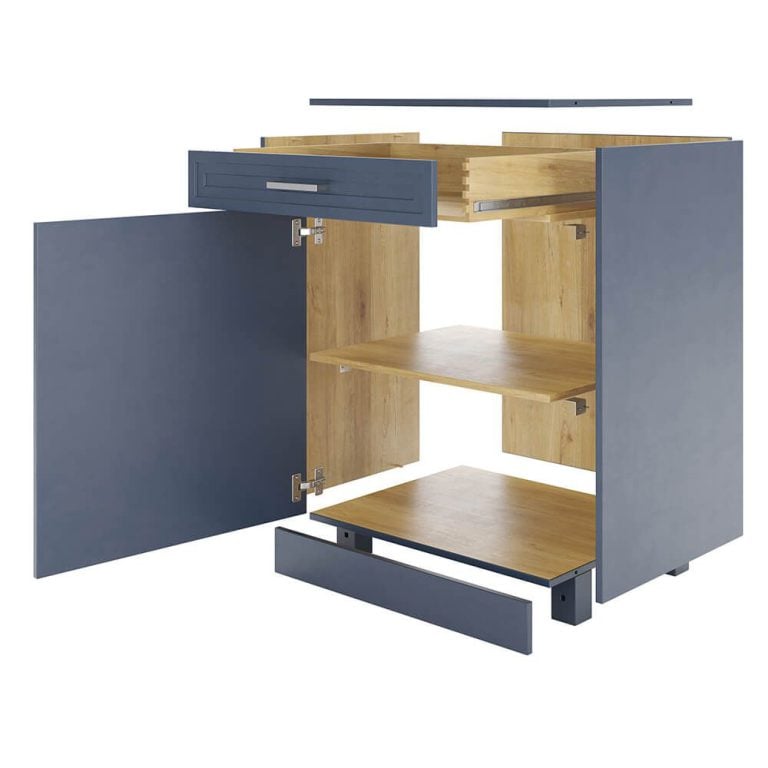
An exploded view animation separates a product into its parts and holds each one in the position it occupies inside the assembled design. The sequence opens up the internal product structure, revealing frames, joints, layered materials, and the mechanisms behind every function. For marketing teams, that view turns engineering quality into something a buyer can see and judge. Furniture, appliances, electronics, lighting, machinery, watches, and technical equipment all suit this treatment, because their value sits in product components that stay out of sight once the housing closes. Among the types of product 3D animation, the exploded format earns its place in:
- premium positioning, where material and build quality justify the price;
- feature explanations that would take several paragraphs in writing;
- assembly guidance for modular and configurable items;
- sales presentations and dealer training;
- launches built around a new mechanism or patent.
An exploded view 3D animation usually closes with the parts sliding back together, each one landing exactly where it belongs. That final motion leaves the audience with a clear impression of precision, completeness, and design logic.
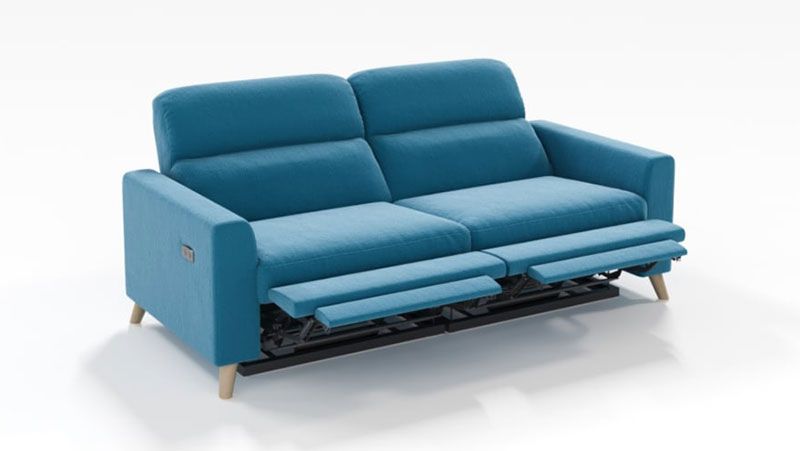
Get to know more about product 3D animation and boost your conversion rate with the speed of light.
See moreChoosing the Right Effect for Your Product
Each effect covered here answers a different marketing question. Moving water, destruction and fabric motion show how a product performs and what its materials feel like. Flames, fog and particles build the atmosphere and make invisible functions visible. Split screen sets two options in one frame, time-lapse compresses long processes, exploded view opens the internal structure, and compositing merges CGI with filmed or branded surroundings. The strongest choice follows from the feature you want to highlight and the question your customer asks before buying. Decide on one communication goal, then select the effect that carries it. The result fits product launches, e-commerce pages, paid advertising, social media, sales presentations and instructional content.
| VFX type | Best used for |
|---|---|
| Moving water | Waterproofing and water-resistance demonstrations |
| Dust and particles | Airflow, filtration, motion, and atmosphere |
| Destruction | Durability demonstrations with verified claims |
| Moving flames | Product use and atmosphere |
| Fog and smoke | Atmosphere, product function, airflow or vapor, and reveal effects |
| Fabric | Physical qualities such as softness, weight, flexibility, and drape |
| Time-lapse | Processes and sequence compression |
| Compositing | Combining CGI with live footage or branded environments |
| Split screen | Product comparison and decision-making |
| Exploded view | Construction, engineering, assembly, and internal components |
CGI production gives full control over timing, scale and physical detail, so each effect reaches the screen at campaign quality.
Planning a product video for your next campaign? Contact CGIFurniture and order professional 3D animation services built around your marketing goals.