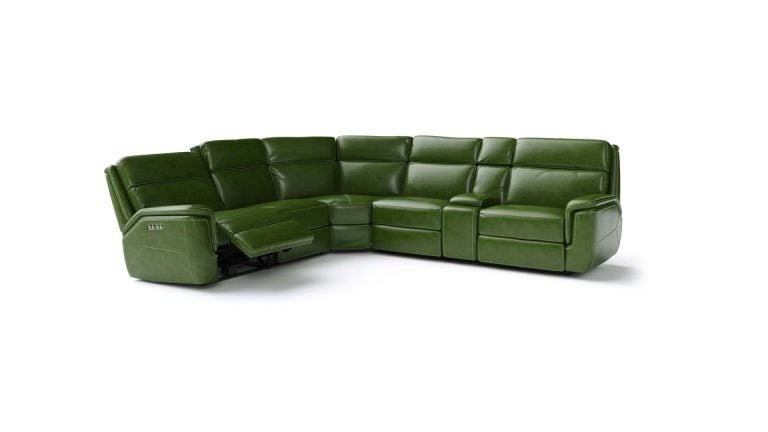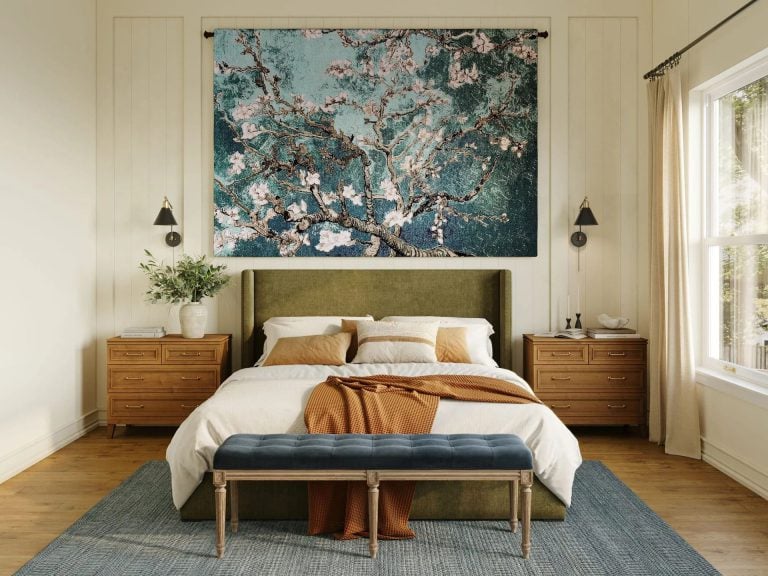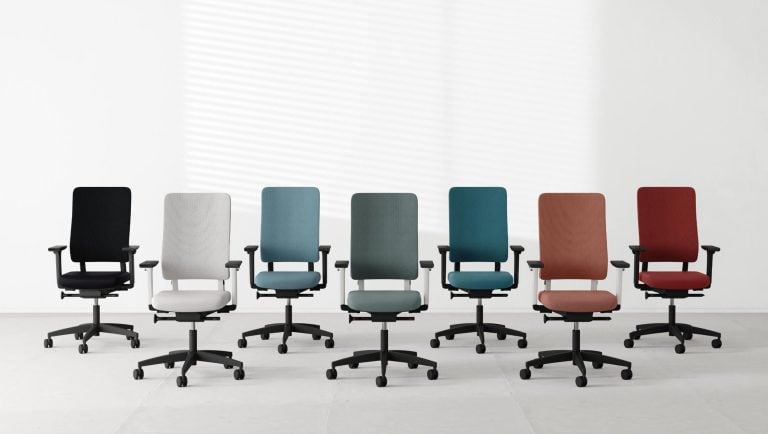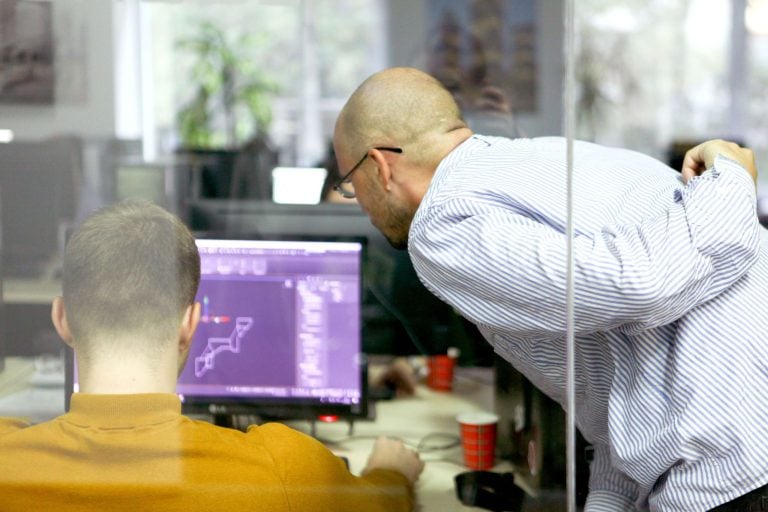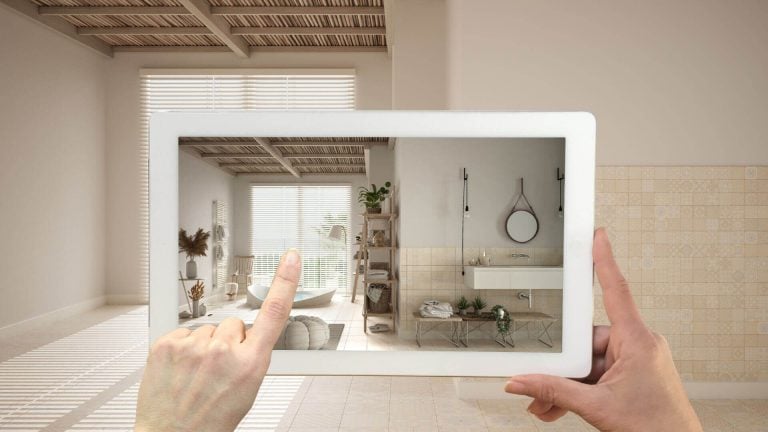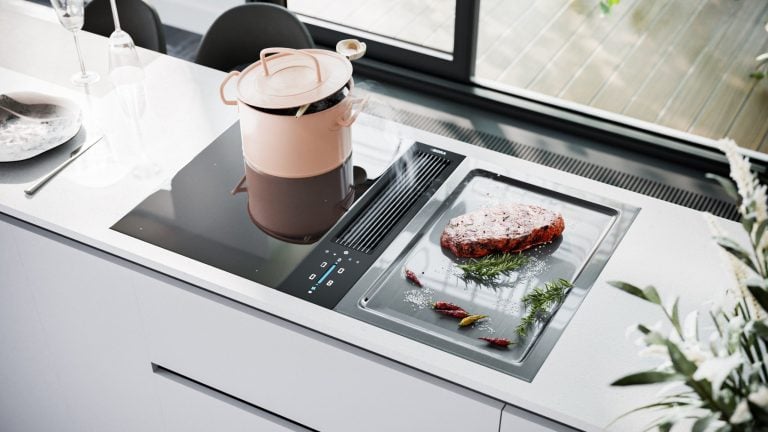
Professional 3D modeling is bringing about change in the world of e-commerce, particularly for innovative marketing firms, furniture brands, and others that deal directly with products. This revolutionary technique has taken products out of the ordinary, giving customers a near-life-like experience on a virtual platform.
Professional modeling helps business organizations create a story through visuals. Not only does it help keep the audience engaged but it also helps them have an idea of what the product is all about. Professional 3D modeling is, therefore, a valuable tool for businesses that would like to stand out in a crowded online space.
At our 3D modeling company , we understand the crucial difference professional 3D modeling makes in bringing brands’ visions to life. This guide breaks down the essentials of 3D modeling, contrasting professional techniques with standard methods.
Discover how our expert approach elevates every project, ensuring your ideas are brought to life with precision, creativity, and unparalleled quality. Perfect for industry veterans and newcomers, we’re here to show you what is 3D modeling for furniture business and how it can upraise your designs, enchase marketing, and boost profits.
Keep reading to learn more!
1. The Essence of 3D Modeling: Shaping the Future of Product Visualization
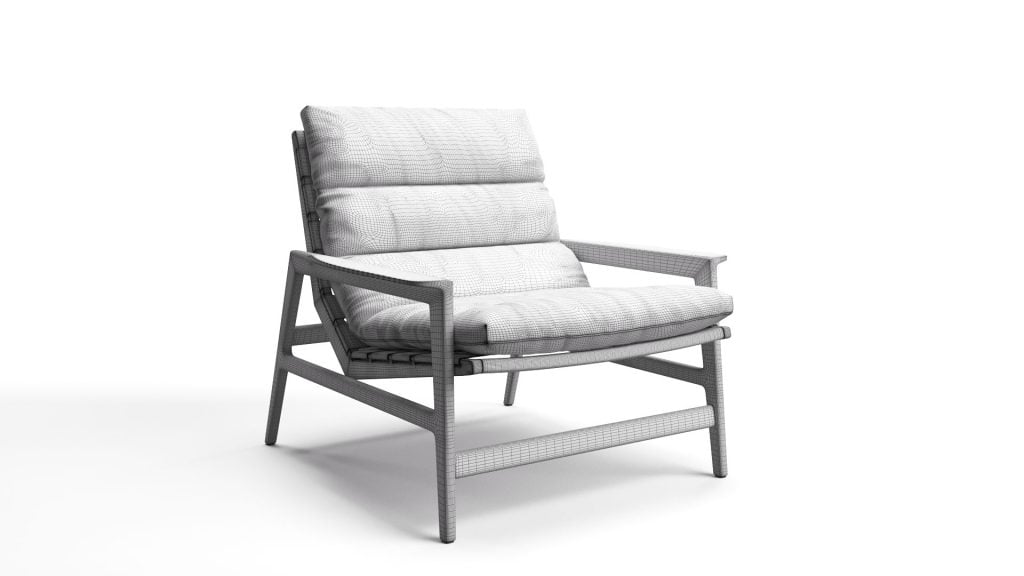
Professional 3D modeling is an important digital process that creates depth and enables the creation of objects in a three-dimensional form. This is a process in which the artist or engineer creates the mathematical representation of any surface of an object in three-dimensional space using special software.
The applications of 3D modeling are vast and varied, encompassing everything from architectural visualization, animated films, and video games to engineering and manufacturing.
By utilizing professional 3D modeling, creators can simulate the look, feel, and functionality of objects in a virtual environment, creating an immersive experience long before they are built or manufactured in the real world. Thanks to this, 3D modeling technology transforms simple images into interactive experiences. Customers no longer just look at a product but explore it extensively. They see textures, details, and features up close. This immersive interaction offers a depth of understanding and an appreciation of the product’s value, setting a new standard in consumer experience.
2. Types of 3D Modeling
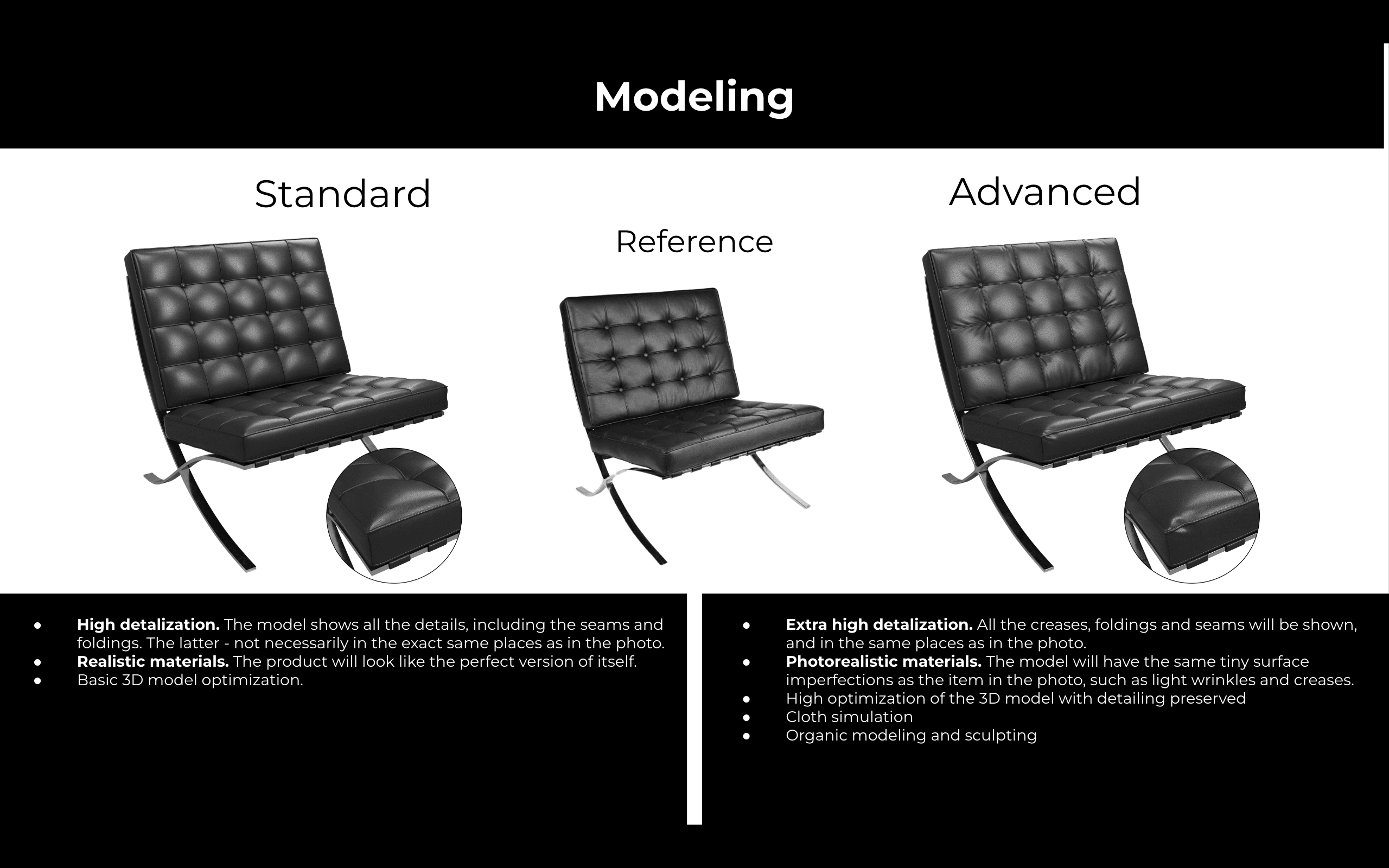
Various forms of 3D modeling such as standard and professional 3D modeling provide different degrees of realism for their respective models. This is made very clear by the differences in their particular characteristics. These include materials, lighting, and decorations among other factors. The aforementioned factors determine how realistic a 3D model of an environment will be.
Here, we delve into the two primary categories that distinguish the field.
Standard 3D Modeling
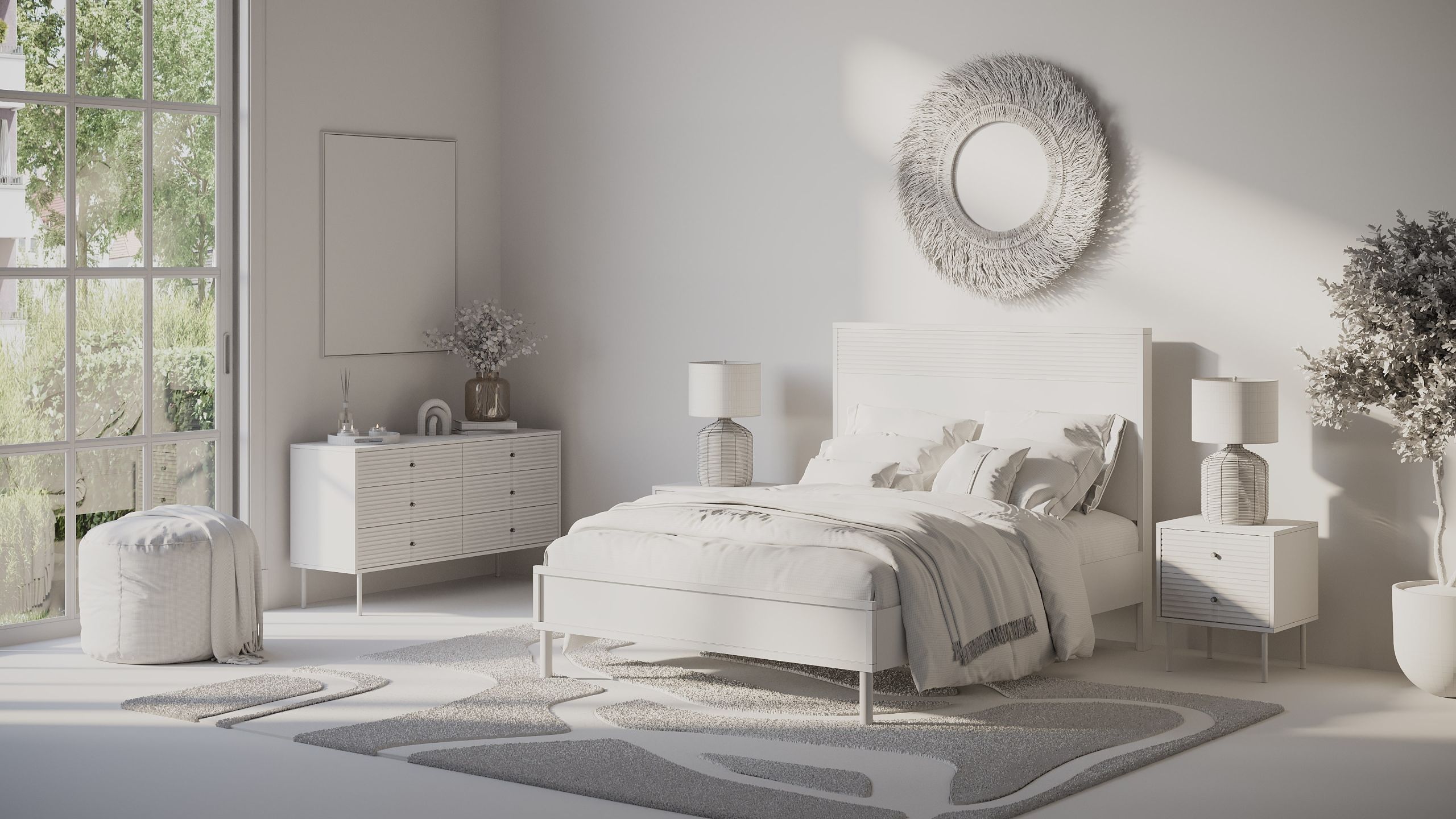
A standard 3D model can be described as being based on the basic components of the object in question and excluding too much detail from it.
In a standard model, you will usually find:
- Realistic Material: Basic material choices for a realistic texture of objects.
- Realistic Lighting: The standard lighting options that help see everything clearly.
- Basic Furniture and Decor Options: A limited selection of furniture and decorative items to choose from.
- Similar Decor Objects: Objects like bottles or books can be cloned, leading to the lack of variation.
This type of model shows the general picture of the idea and does not have too many specific features in the model.
Professional 3D Modeling
Conversely, professional 3D modeling delves into a much higher level of detail and accuracy, striving to match the real-world counterpart as closely as possible.
- Photorealistic Materials: The creation of textures and materials in such a way that they resemble those of real objects.
- Sophisticated Layering of Lighting: Lighting techniques, which not only light up the material but also add to its atmosphere and require the further modification of the material itself.
- Diverse Decor Choice: Selection of various decor objects, different in their form, size, and color.
- Improvement of Atmosphere Using Post-Production Effects: Modification of the colors and contrast using such post-production effects as changing of the brightness and inclusion of weather effects.
- Introduction of Imperfections: Addition of certain imperfections in the material such as creases, folds, cracks, etc., in order not to have too perfect materials.
- Camera Effects: Adding certain effects like bloom, glare, glow, and motion blur, imitating the work of a camera lens.
Such digital model production involves advanced techniques to replicate textures, light interactions, and subtle nuances like creases and folds, aspiring toward photorealism. This type of modeling is especially pertinent in high-end visualizations, virtual reality, and detailed product mockups where visual precision is paramount. It requires a deep understanding of the artistic and technical sides of 3D modeling software and often involves more time and experience to achieve the desired goal.
3. Technical Differences Software and Tools
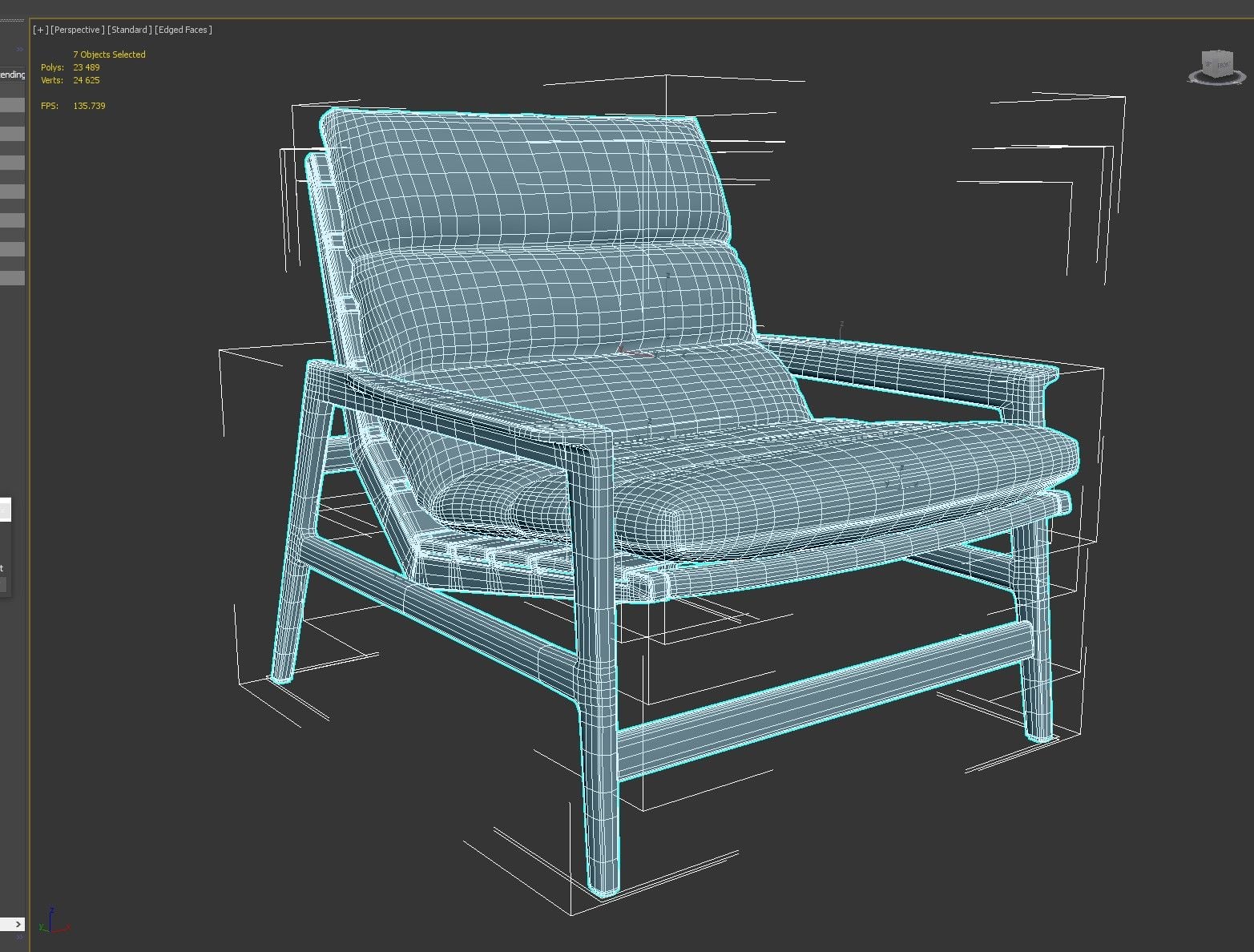
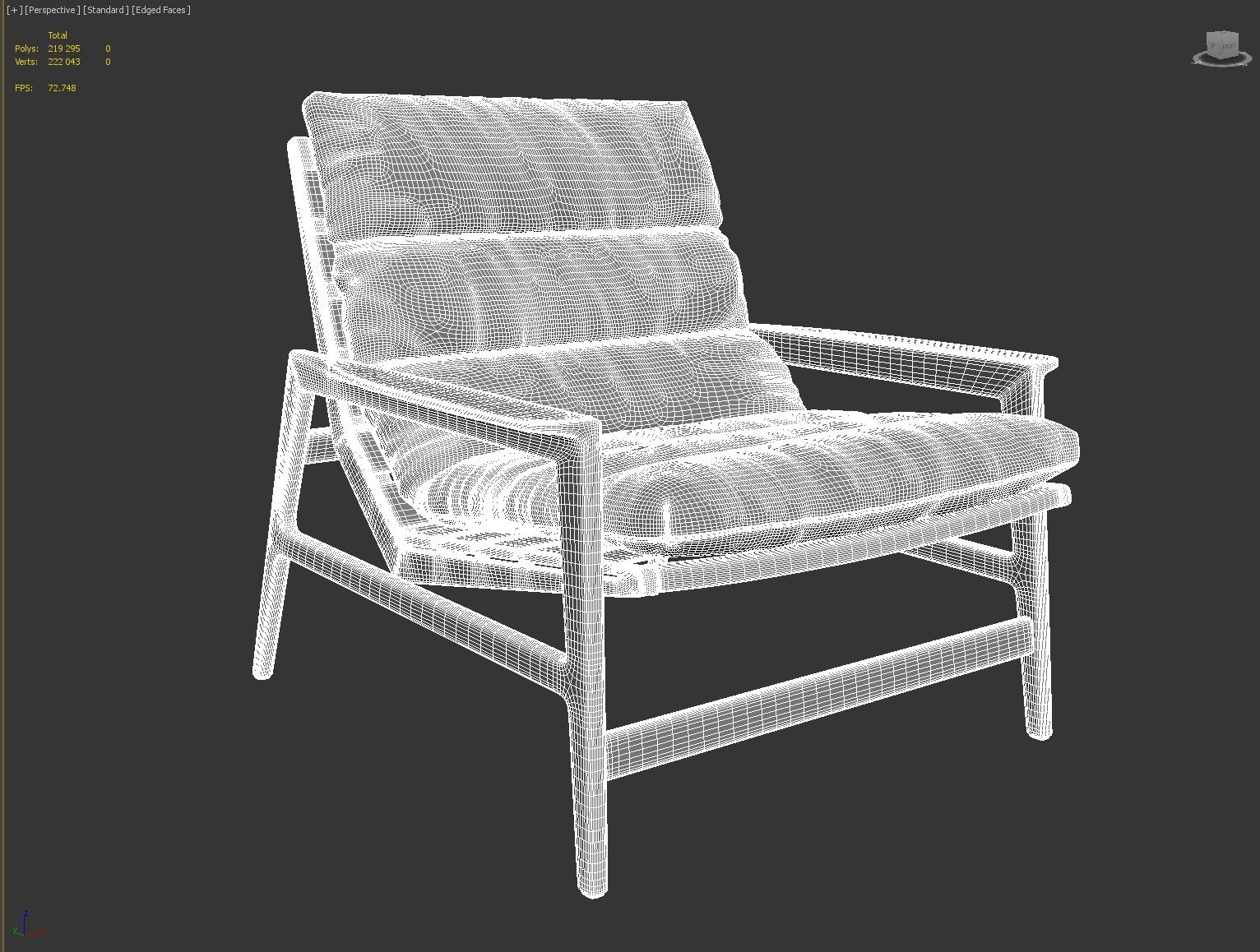
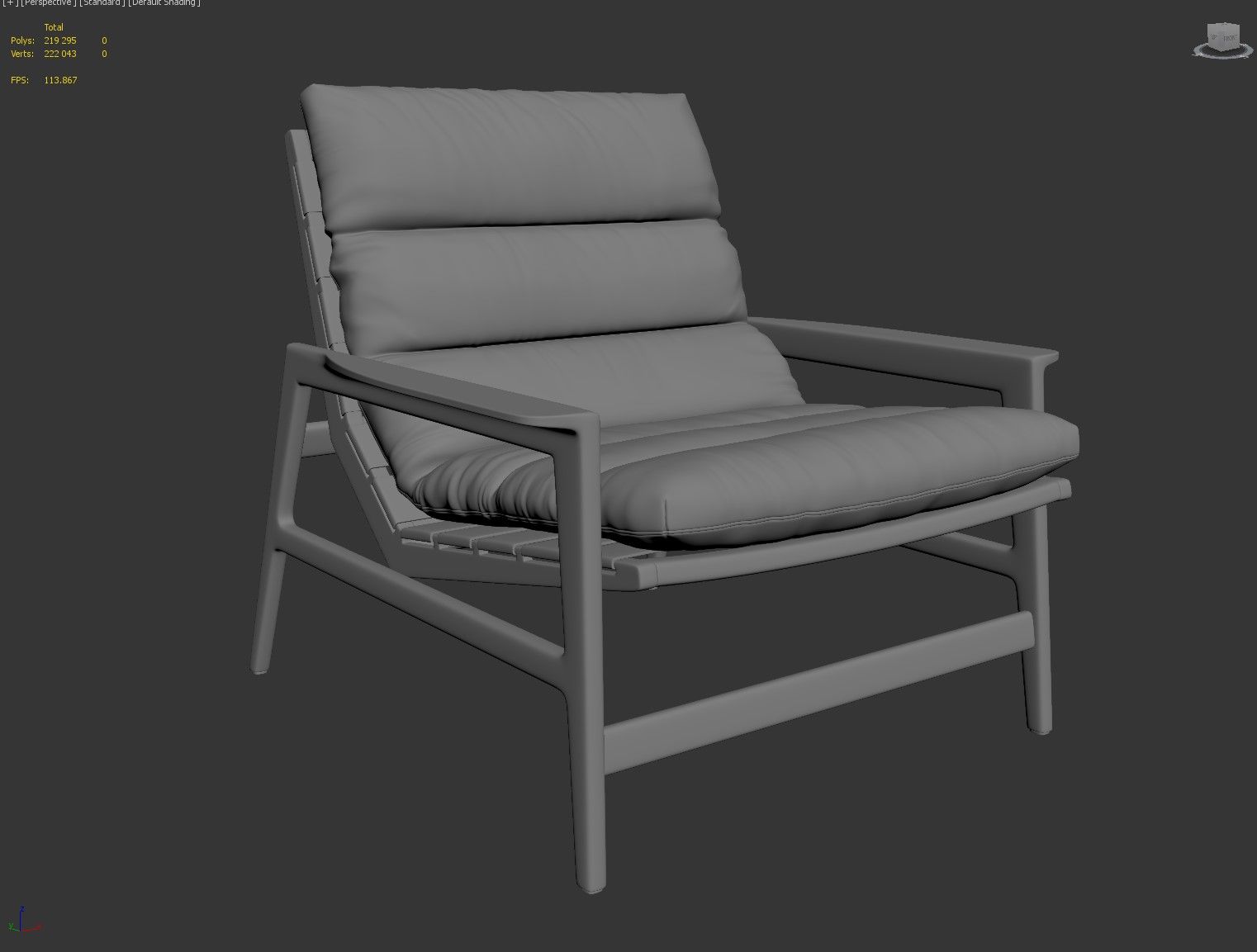
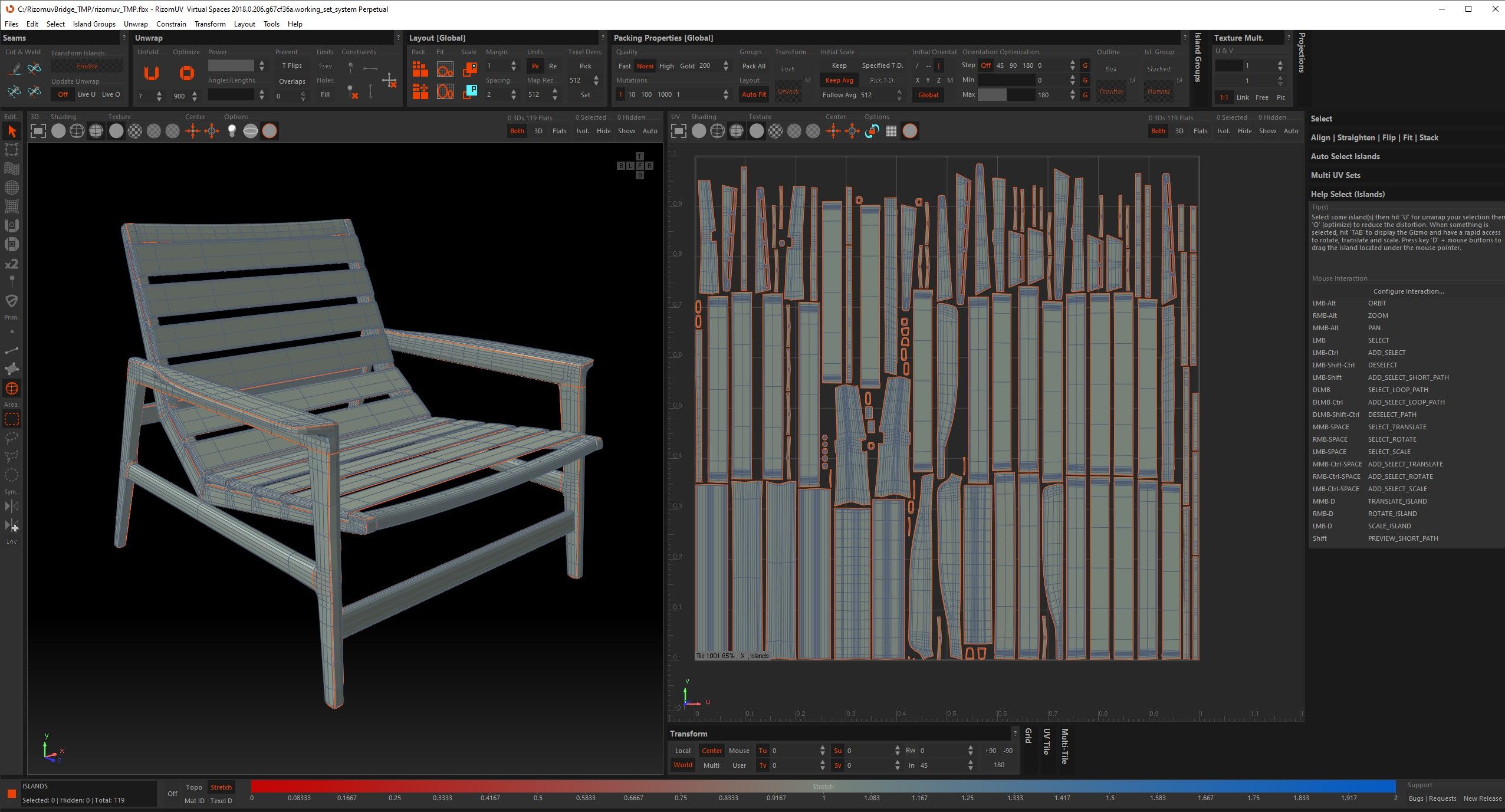
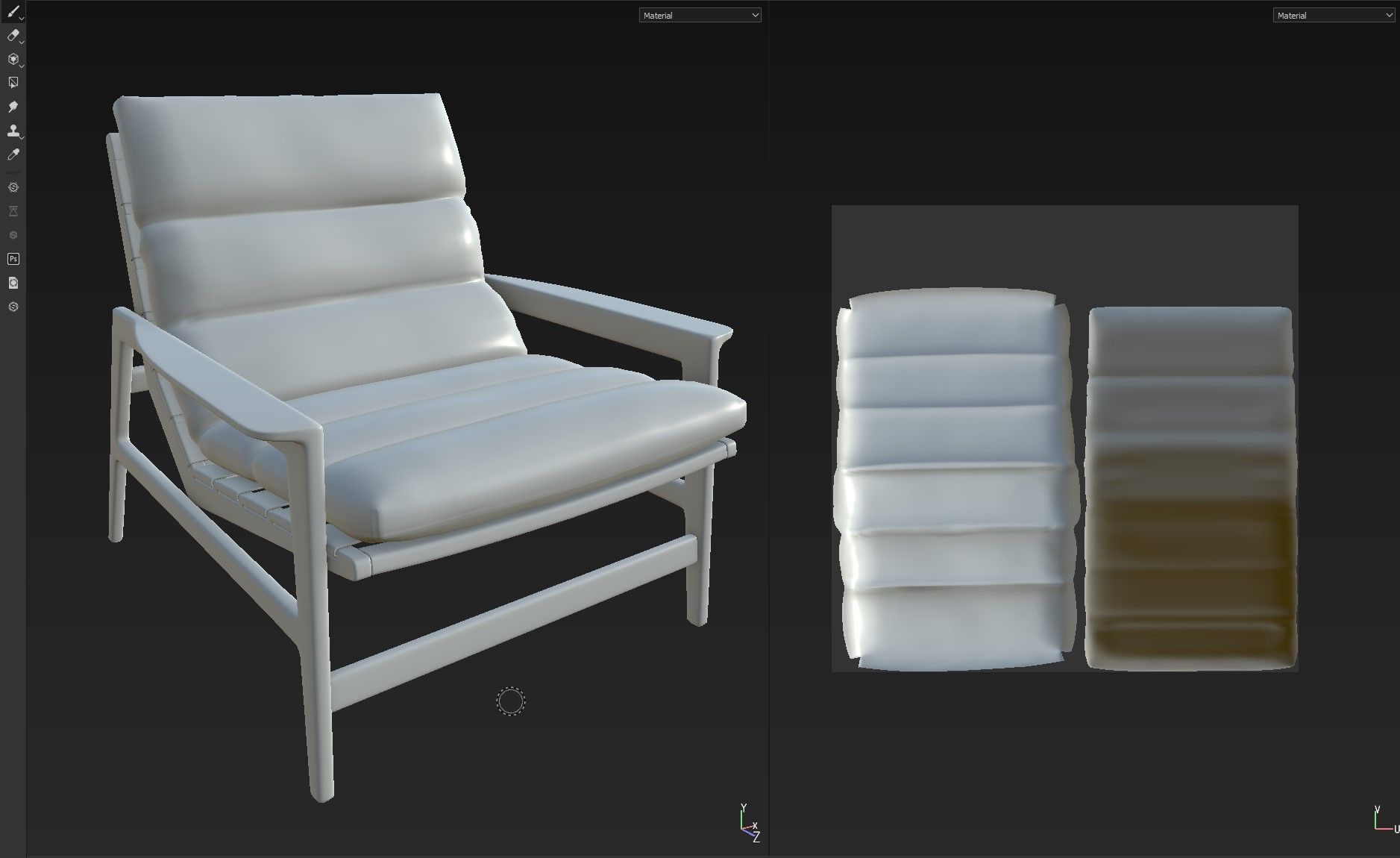
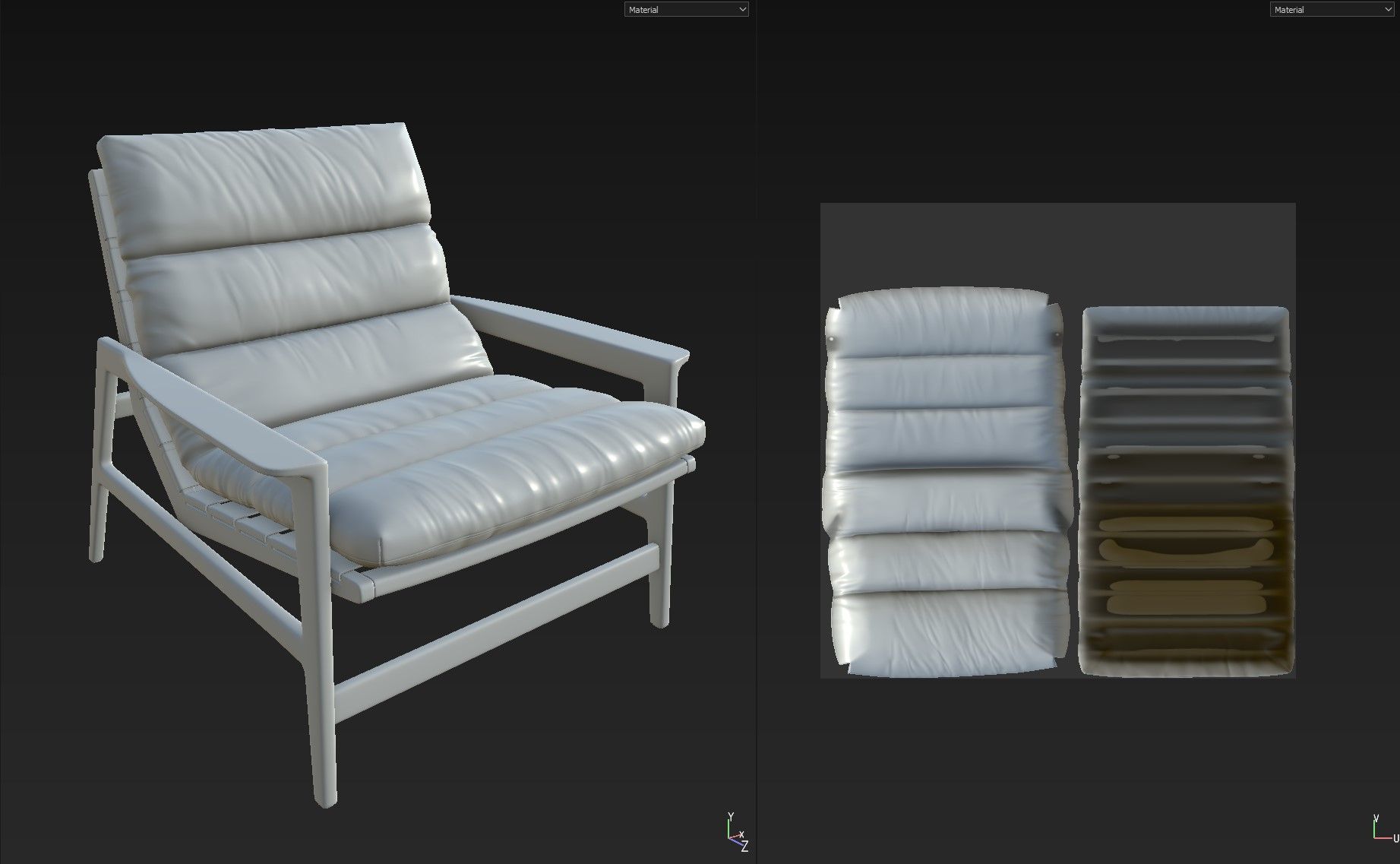
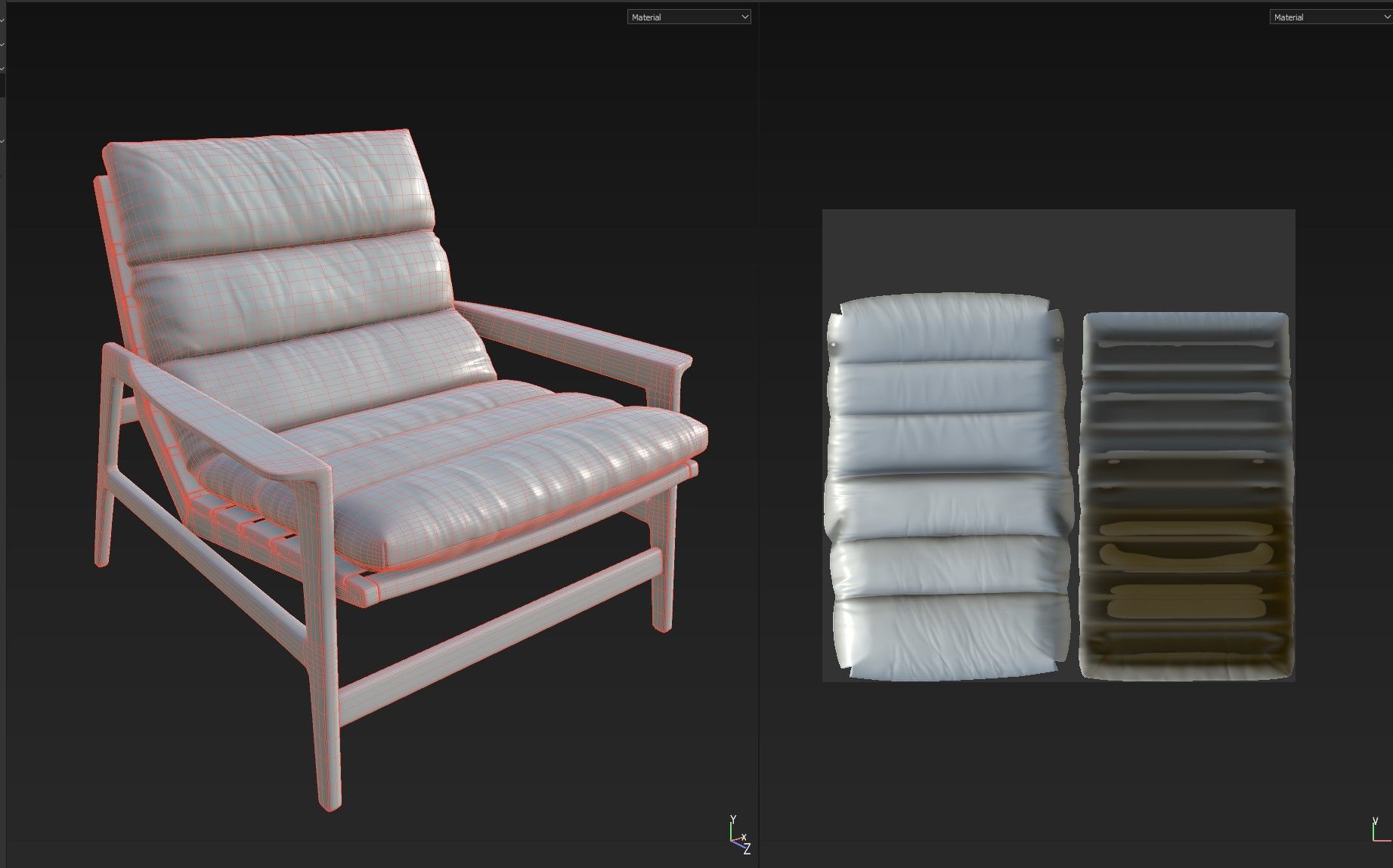
Technical Distinctions Between Professional and Standard 3D Modeling
The world between the simplicity of beginner software packages and professional, sophisticated packages offers a wide range of software options. Beginner modeling requires the use of software solutions such as Tinkercad and Vectary, which can be considered as simpler software options. These tools help in making the concept of 3D modeling easier, although the results achieved remain impressive.
Professionally produced software plays an essential role in the process of creating immersive digital models and experiences. Some standard software used by professionals in this field include Blender and SketchUp, which provide simple to use interface and tools required at the initial levels of modeling. These tools allow many digital models to come into existence.
Examples of professional software for 3D modeling include Autodesk Maya, 3DsMax, and Cinema 4D. The advantages of using these software include a wide range of features and tools for professional designers and artists, ranging from advanced texturing to complex animation.
4. Complexity and Detailing
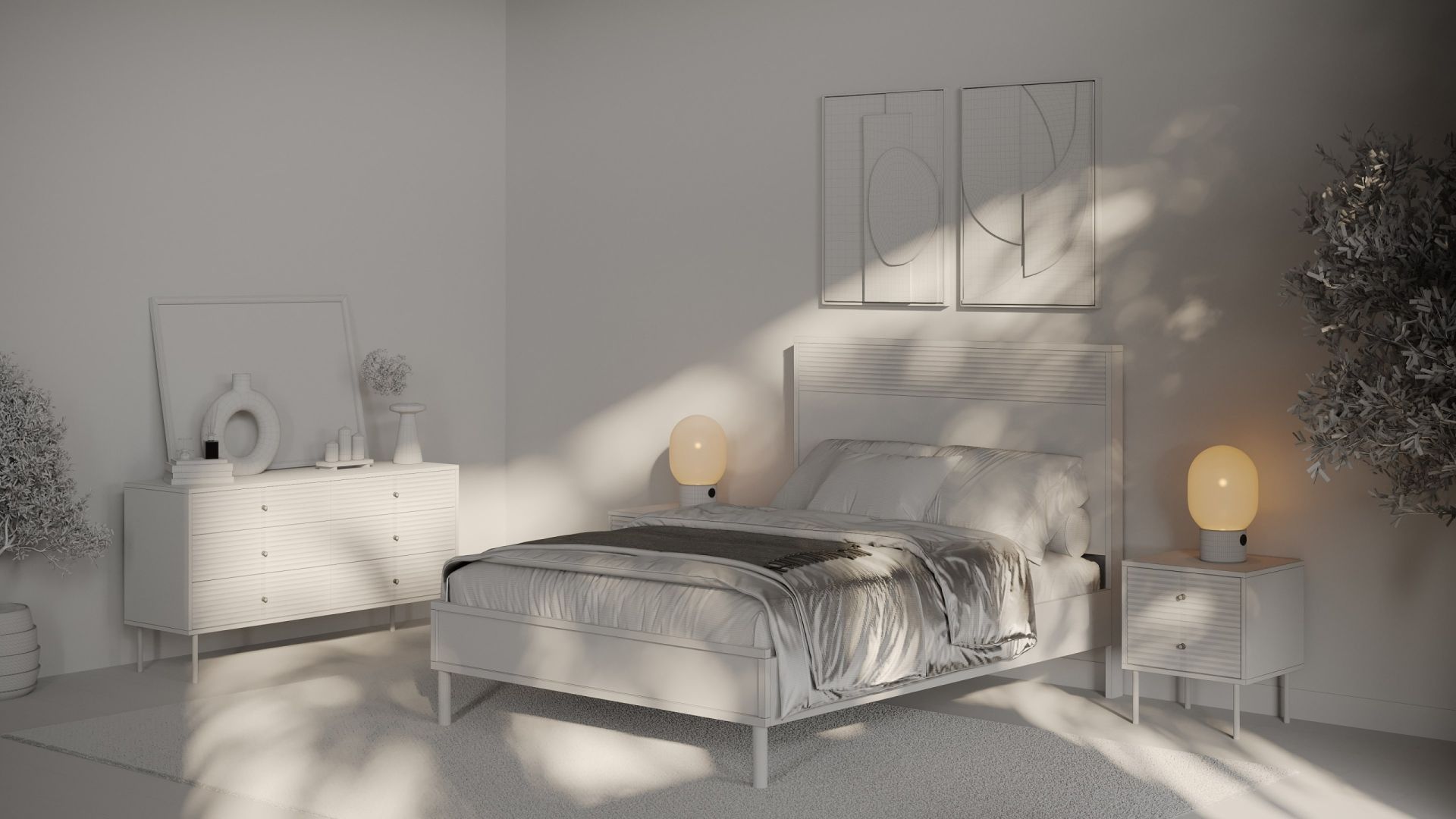
Professional 3D modeling elevates the complexity and detailing that standard modeling cannot match. In standard modeling, the details are often sufficient for basic visualization needs, presenting a model that outlines form and structure with a modest level of depth.
However, with professional 3D modeling, the canvas of creativity expands exponentially. Every stitch in a fabric, the subtle play of light on surfaces, and the delicate textures that give materials their character are captured with meticulous precision. This approach allows for an unparalleled level of realism, making each creation not just a model but a near-perfect reflection of the designer’s intent.
This caliber of detailing is the hallmark of high-end visualizations, interactive media, and virtual prototypes that demand more than just a likeness—they require a mirror to reality. For those seeking the highest level of intricacy in their visuals, professional 3D modeling services are the gateway to exceptional concepts and quality.
To see an example of professional modeling done by our studio, check out our case study about a solid wood bed frame 3D rendering project for Revival Beds.
5. Quality of Textures and Materials
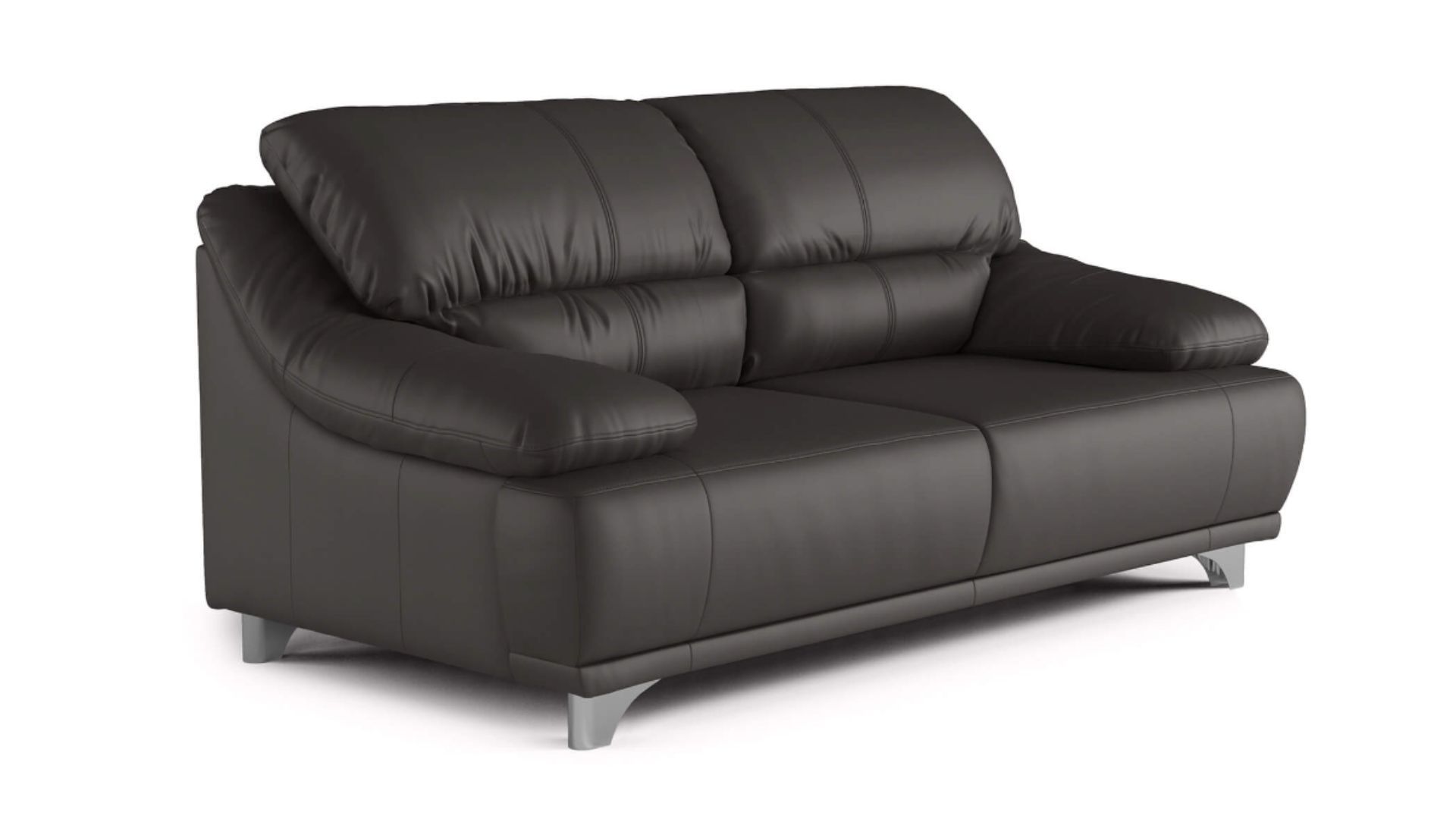
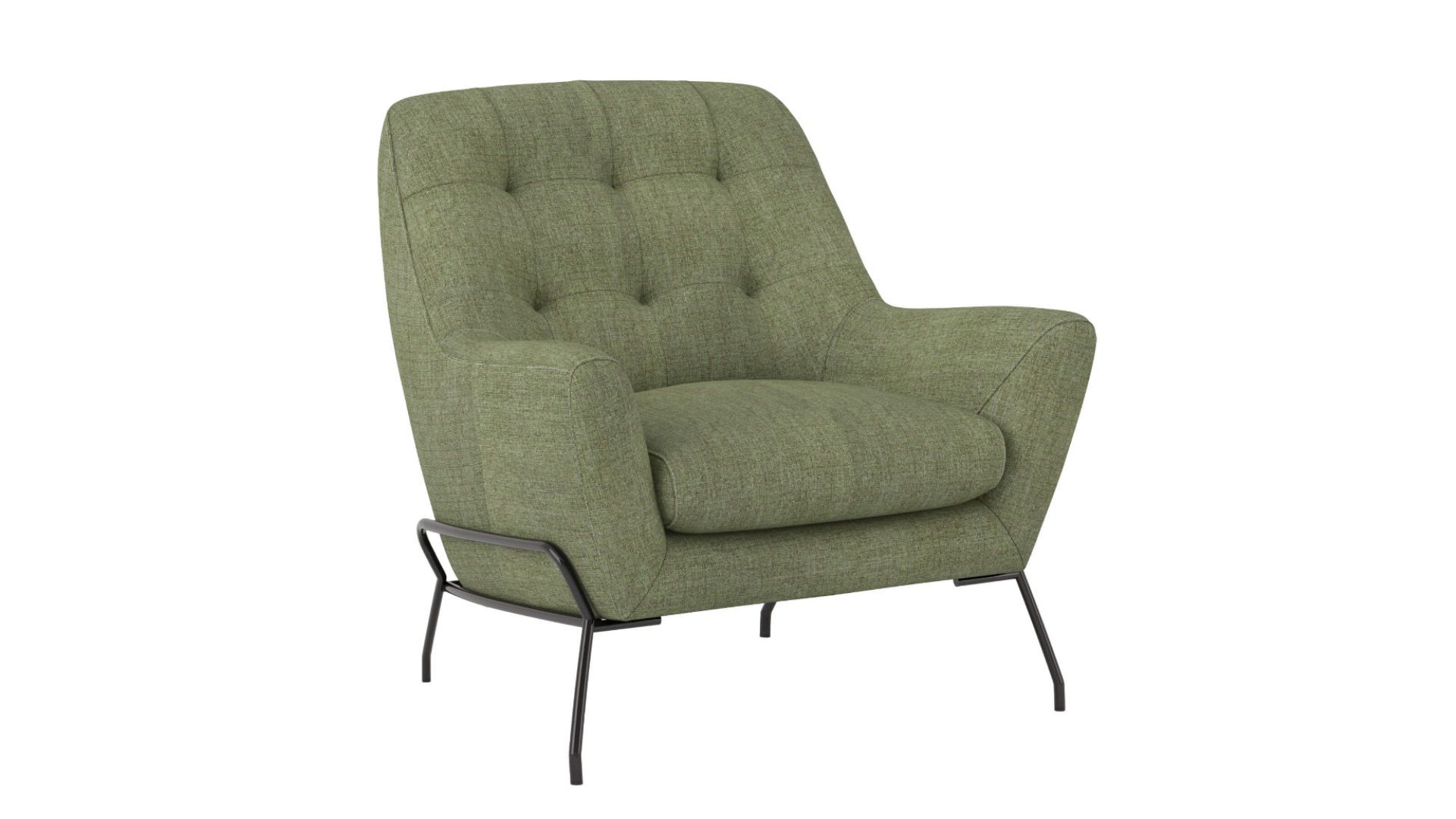
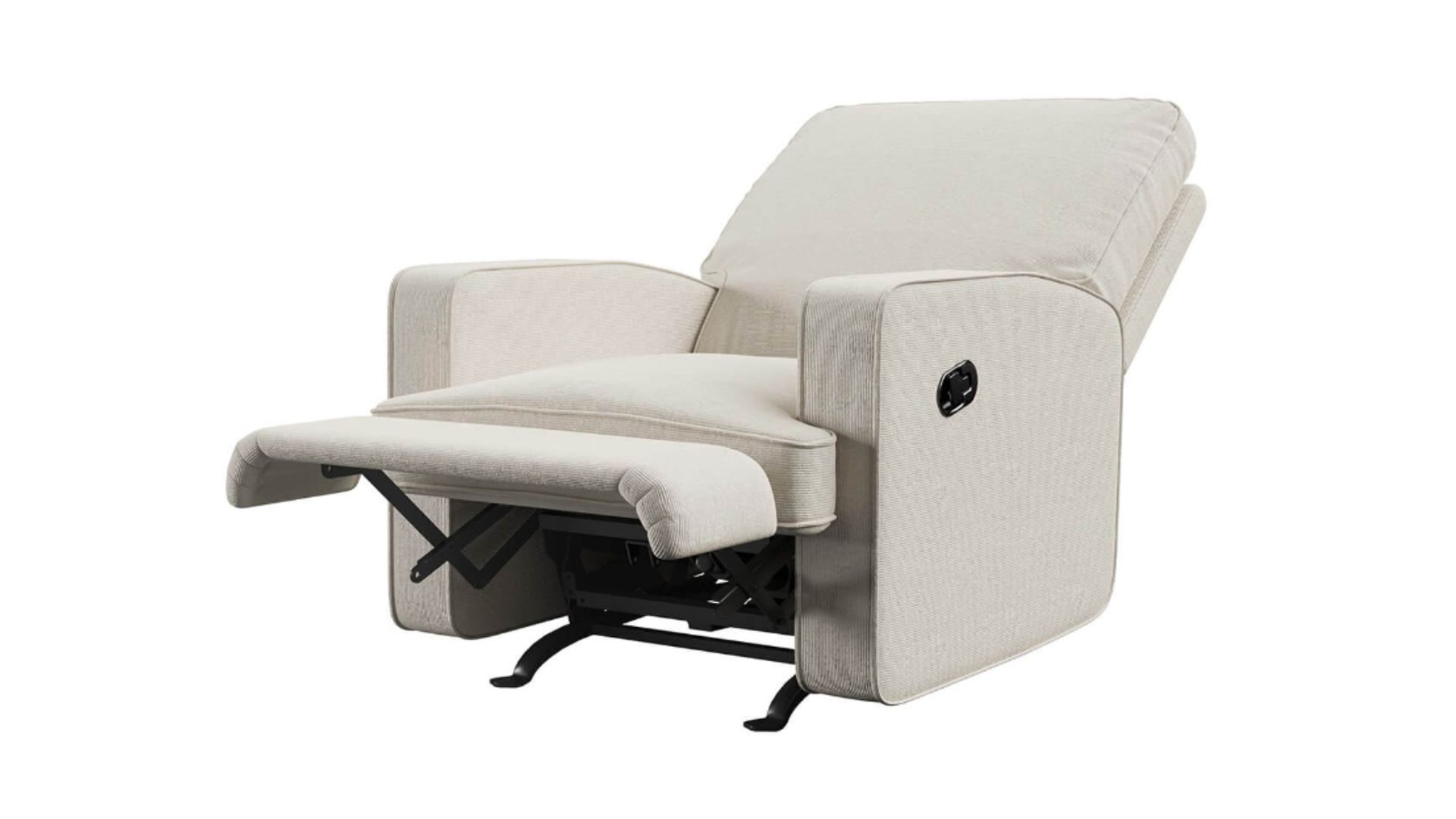
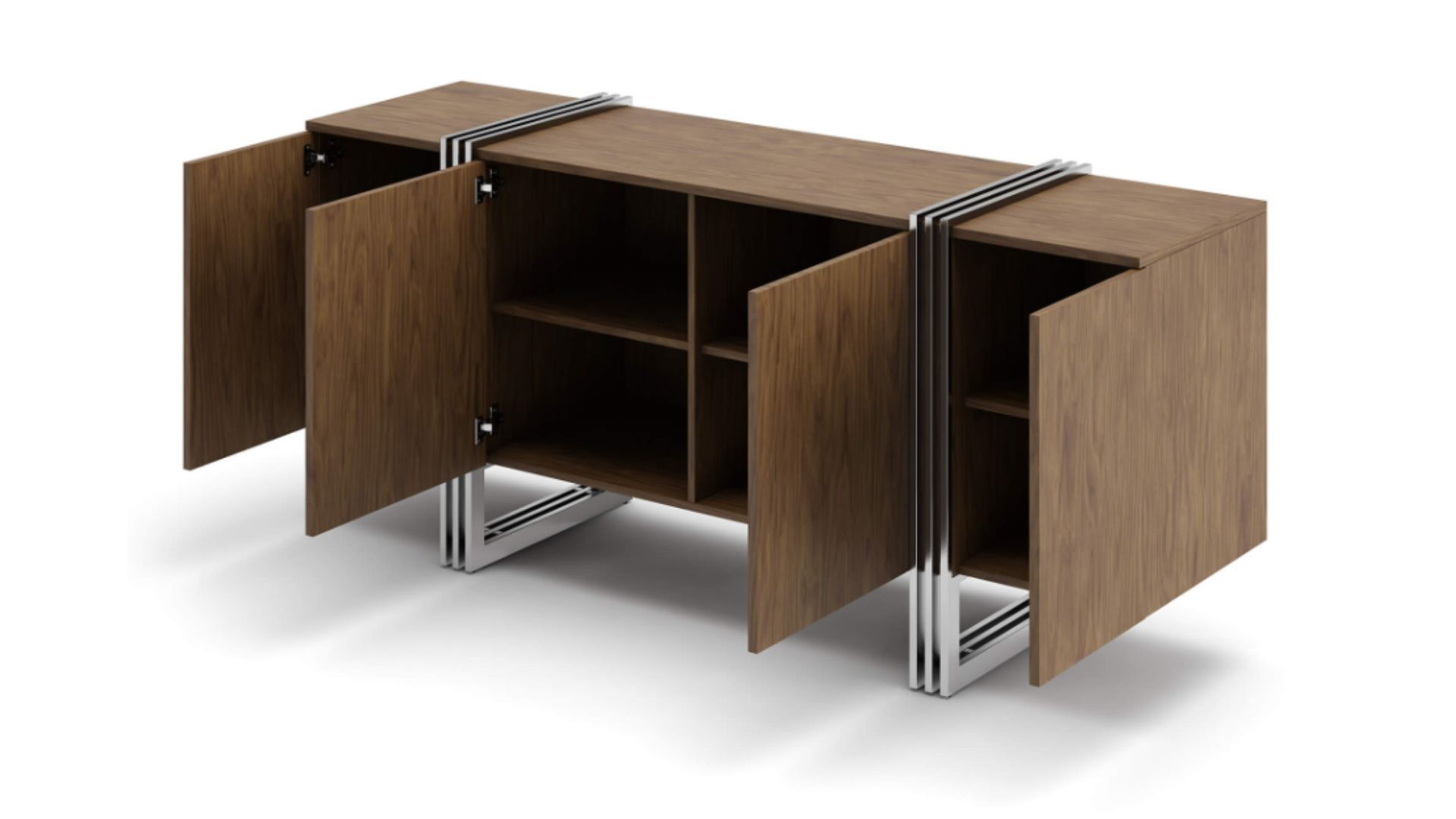
Professional 3D modeling is synonymous with unparalleled quality, textures, and materials, elevating standard modeling to realms of striking realism. Standard modeling sets the stage with basic textures that give a sense of materiality, adequate for conceptual purposes. Yet, it is the domain of professional 3D modeling where the true texture quality shines, with high-resolution maps and advanced rendering techniques that mimic the real world with astonishing accuracy.
The mastery of professional 3D modeling lies in its ability to replicate the nuanced interplay of light and shadow, the subtle imperfections of surfaces, and the authentic look and feel of diverse materials. From the sheen of silk to the ruggedness of brick, every material is rendered with an eye for detail so precise that the virtual and physical become indistinguishable.
6. Lighting and Rendering Settings
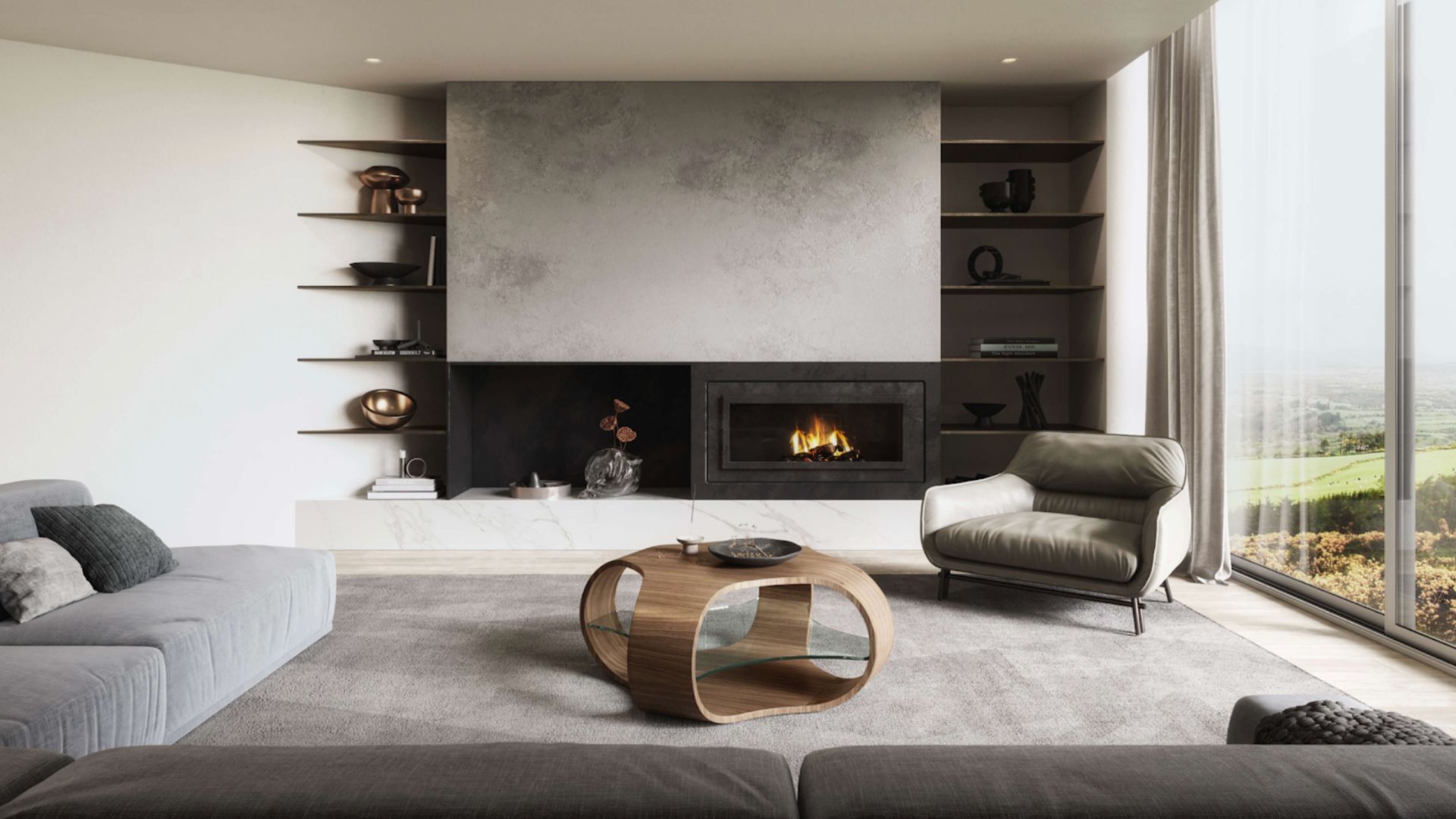
Professional 3D modeling illuminates the intersection of art and technology, casting shadows and highlights that transform the flat to the photorealistic. Standard lighting and rendering may produce satisfactory results for simple visuals, but they pale when compared to the capabilities of professional-grade rendering engines.
In professional 3D modeling, lighting is not just a feature; it’s a rich, dynamic element that shapes mood, texture, and depth, critically contributing to the lifelike quality of the scene. Advanced rendering technologies such as ray tracing and global illumination emulate how light interacts with objects, bounces in an environment, and brings materials to life with stunning realism.
The right lighting can turn a model into an experience, encapsulating the subtle warmth of a sunrise or the starkness of urban neon. Professional 3D modeling harnesses this power, turning virtual spaces into emotive landscapes that resonate with viewers on a visceral level. It’s this attention to the luminary details that sets professional services apart, spotlighting their role as pivotal to crafting realities from the realms of imagination.
7. Skill and Expertise
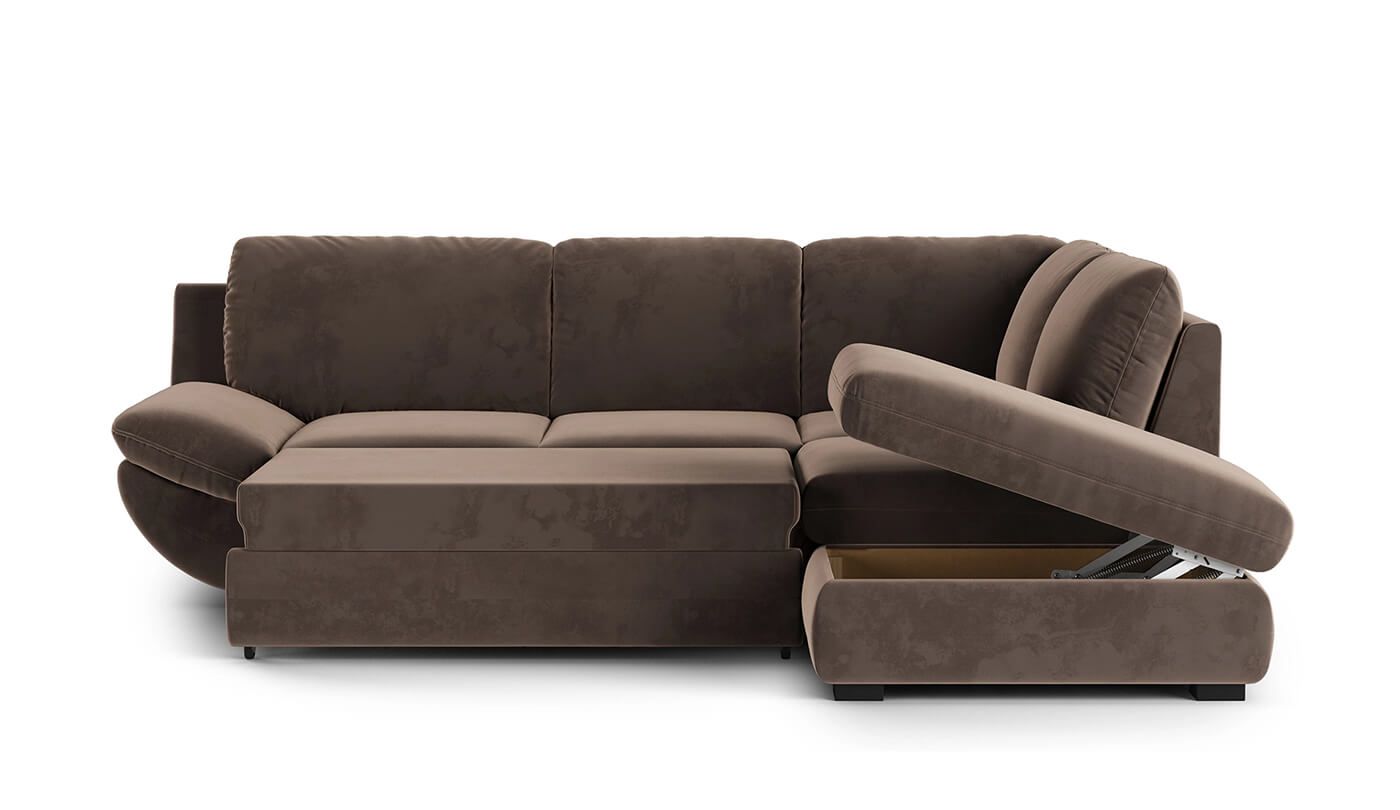
Professional 3D modeling is a craft honed by the skilled hands of artists and technicians whose expertise breathes life into every project. For standard modeling, common skills like basic geometry creation, texturing, and lighting are accessible to beginners, forming the bedrock of 3D artistry.
Yet, it is within the realm of professional 3D modeling that the depth of skill and expertise truly unfolds. Here, specialized knowledge in advanced texturing, complex rigging, and physics-based rendering is paramount. It’s a world where experience counts, not just in years but in the breadth of challenges conquered, ensuring that high-quality results are not a mere chance but a consistent outcome.
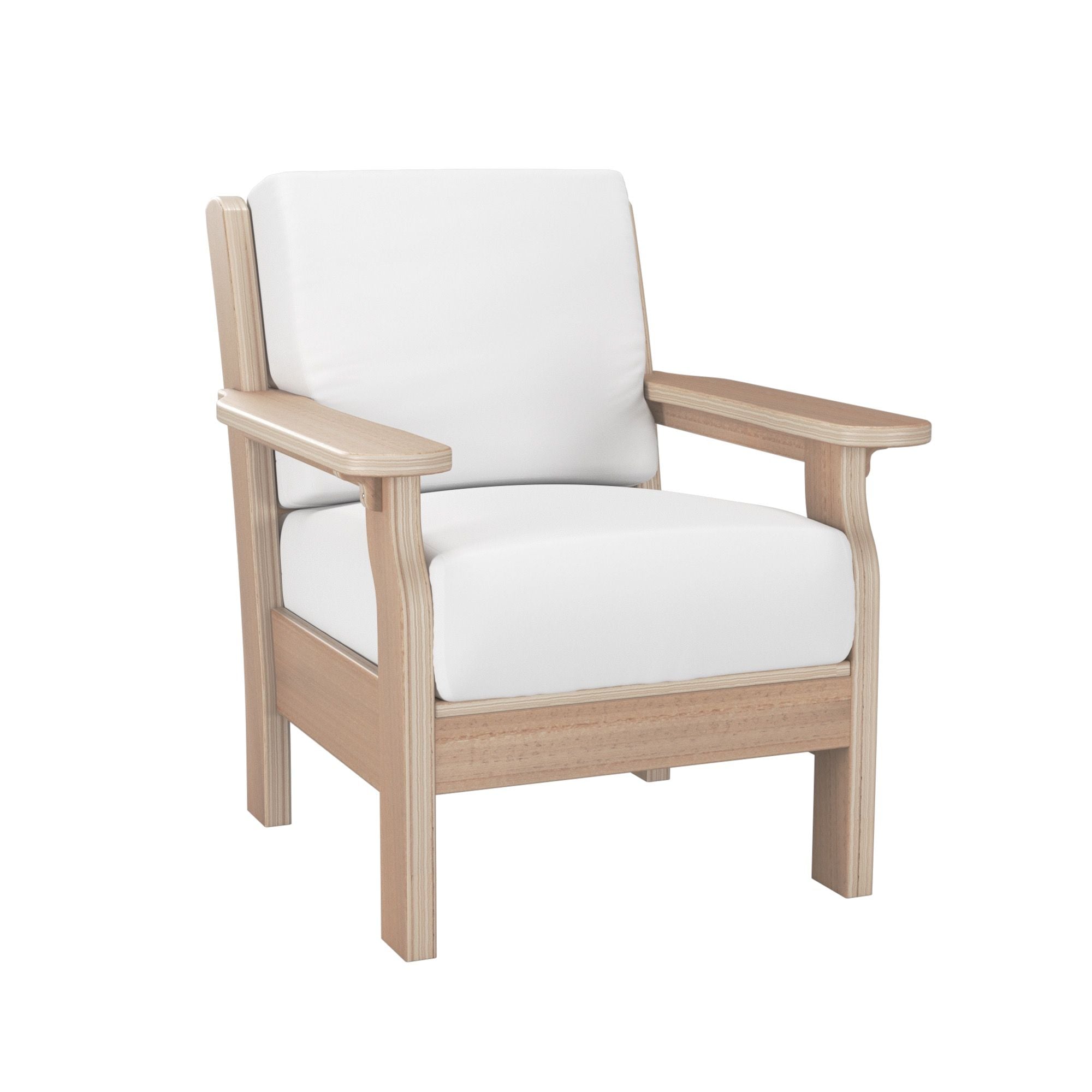 ↔ drag to rotate
Explore types and features of 3D modeling service to enhance your visual marketing like never before.
See moreIn the conclusion of our exploration, the chasm between standard and professional 3D modeling is clear. Each serves a purpose, each a different call. For projects where detail, realism, and technical precision are paramount, professional 3D modeling is the beacon. Our 3D modeling services ensure your product looks great from every angle with crystal-clear visuals.