It is important for any business that operates in today’s competitive world, which is full of consumers who are exposed to too much information; a good brand story can make the difference. Interactive experiences using digital 3D technology can help strengthen the connection of your target market to your brand, thus engaging and retaining them as much as possible.
This article by our 3D modeling company outlines a comprehensive plan for utilizing interactive products as a powerful tool for brand storytelling.
Want to know how? Keep reading!
What is a 3D Interactive Product?

A 3D interactive product is a digital experience that allows users to engage with your product in a three-dimensional space. This means that users can interact with your product in a unique way, seeing all angles and components of the product in action. With 3D interactivity, users can engage with your product in an immersive environment, which helps them better understand and appreciate its features and value proposition.
Besides creating an enhanced presentation of your product line, the interactive 3D experience can also make sure your brand story comes to life. The idea is to give your audience a journey through what makes your brand unique and stands out compared to its competitors. This can be done by showing off your product or services advantages and giving unique insight about how they fit into the lives of your clients.
Through the interactive 3D experience, you can provide information that is not just informative for your audience but entertaining as well. Engaging experiences always have an effect of making people remember you longer. Here are 8 steps to integrate 3D interactive product models into marketing materials and channels to enhance your brand storytelling:
1. Define Your Brand Story
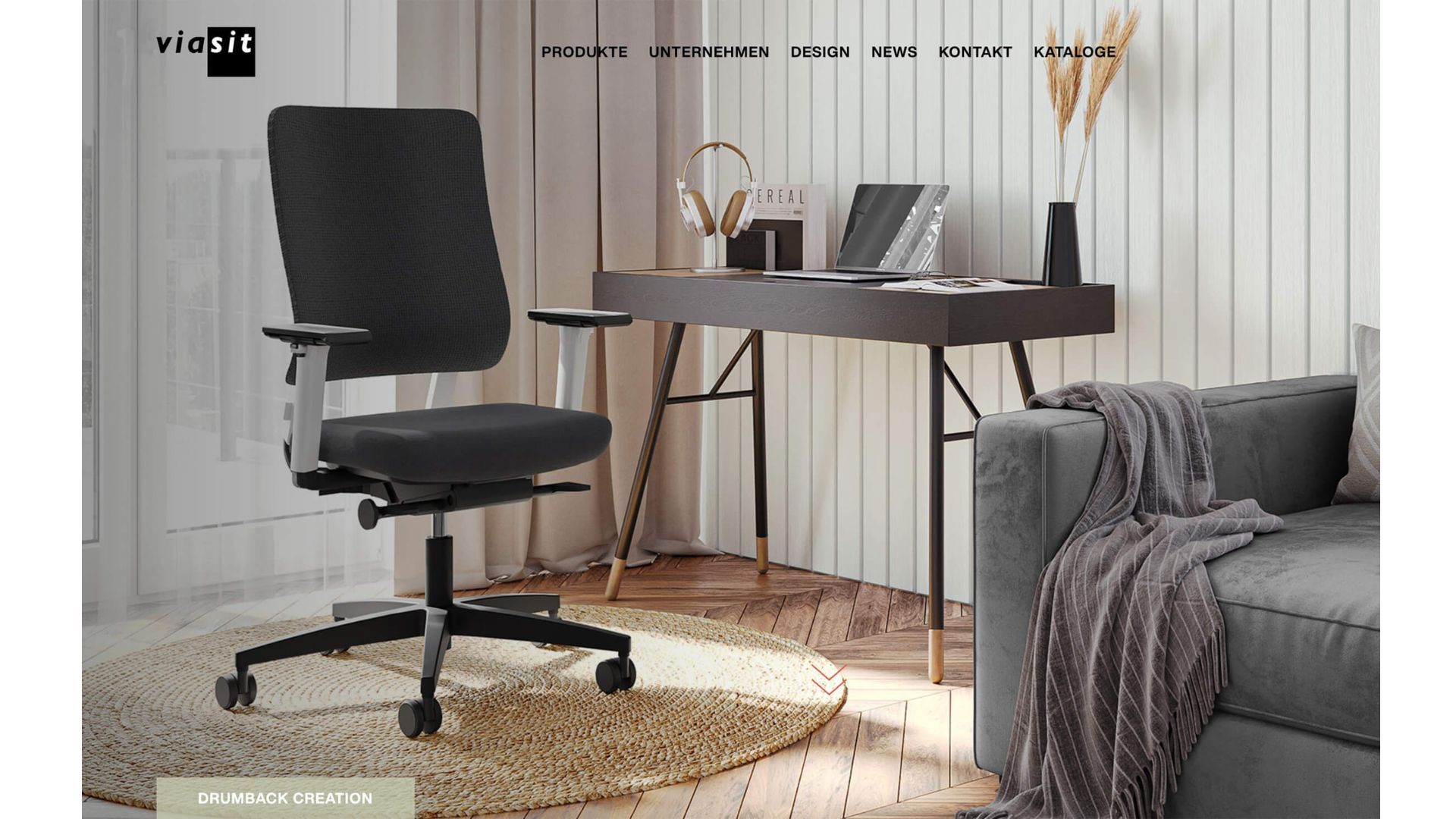
Defining your brand story is a crucial step toward creating efficient brand storytelling through 3D interactive products. A deep understanding of your brand’s vision, mission, core values, and unique selling proposition (USP) is essential to achieve this. Here are some tips that can help you define your brand story:
- Live your brand values: Brand values represent the core of your business and define your identity. Discovering your values – whether it be customer-centricity, sustainability or innovation – will help you integrate them into your brand story.
- Discover your brand mission: Contrary to the popular opinion, the mission of a brand is not only about sales of products or services. It is more about the purpose of your brand and the way in which you would like to positively influence the world around you. Answer the question why does your brand exist and what good can it do for its customers?
- Discover your unique features: Discovering the unique features of your brand will help you distinguish yourself from your competitors and find your unique selling points that will become the part of your brand story.
- Find out about your target audience: Building a strong connection with your audience on the personal level is vital to create an engaging brand story. Tailor your story to their needs and desires in order to build the experiences they want.
After gaining insight into the brand’s story, the next step involves making sure that the 3D interactive product fits within that story. Take into account all aspects of the product to ensure alignment with the values, mission, and unique selling propositions of the brand. In such a way, you will be able to develop a powerful and consistent brand story.
It is necessary to keep in mind that providing an immersive and significant experience to your audience via 3D visualization services is essential when it comes to storytelling. Make sure that your brand story is communicated through the interactive features and is consistent with the brand’s essence.
2. Choose the Right 3D Interactive Product
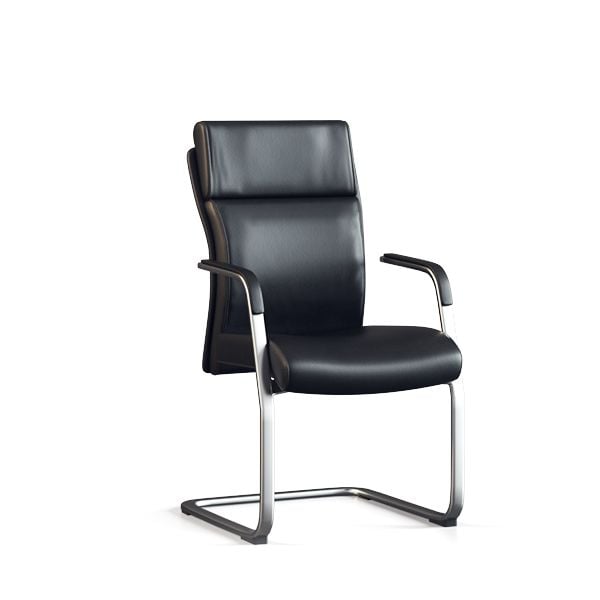 ↔ drag to rotate
If you are wondering how to find the right 3D interactive product for yourself, just remember that there is a set of factors to be considered. You can see on the website provided that a 360-view 3D product rendering serves as a good sample of an interactive 3D model. Here are some recommendations for you:
- Interact with your target audience: Think about what your target audience is like and what kind of interactive experience will be right for them. For instance, if your audience consists of tech-savvy people who like trying new things, then the use of virtual reality (VR) will suit your audience. Otherwise, you may need an AR app or just an interactive 3D model.
- Specify your marketing goals: Find out which goals you want to reach with the help of a 3D interactive product. Whatever it may be, whether it is product demonstration, experience immersion, or promotion and selling, there are pros and cons for each format.
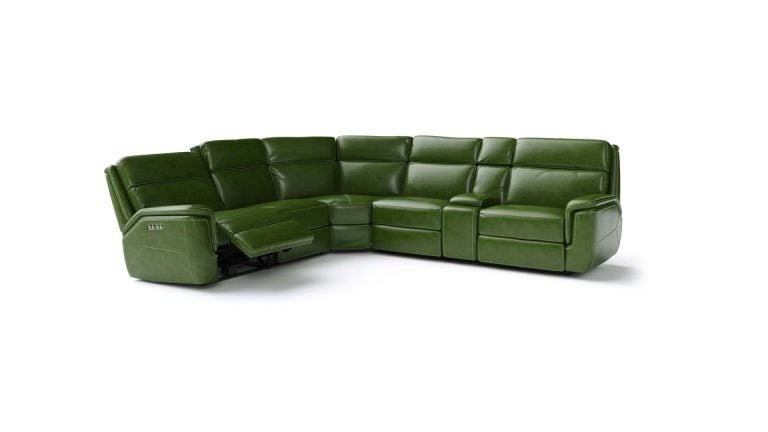
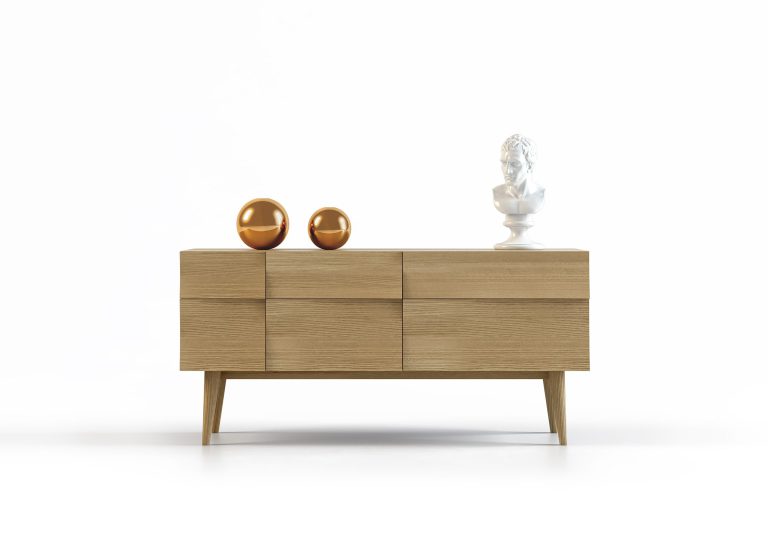
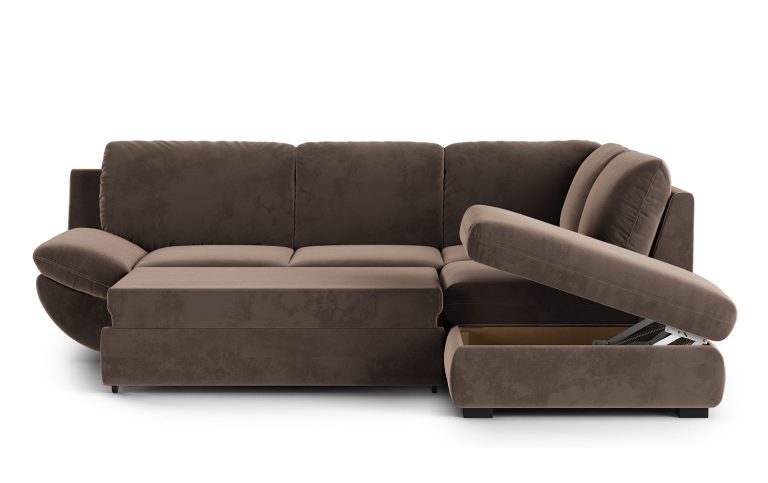
- Think about the nature of your products: Sometimes the type of your products may play an important role. So, if you sell furniture or decorative items, you can use a 360° product video or interactive 3D models that let you see products from all sides and try different variants of them. But if you sell machinery or equipment, it is better to use VR.
Our blog has a post detailing how each of the tools used in 3D interactive product technology works starting from creation of realistic static visuals for 360° product view through the use of low-poly 3D models for the 3D configurator to the creation of photorealistic high-poly 3D models for 3D animation. If you want to learn more about product modeling technologies and how you can use them to your advantage, then you should read the “ 3D Modeling Technology: 3 Innovative CG Solutions for Product Promo ”.
3. Create an Immersive Product Experience
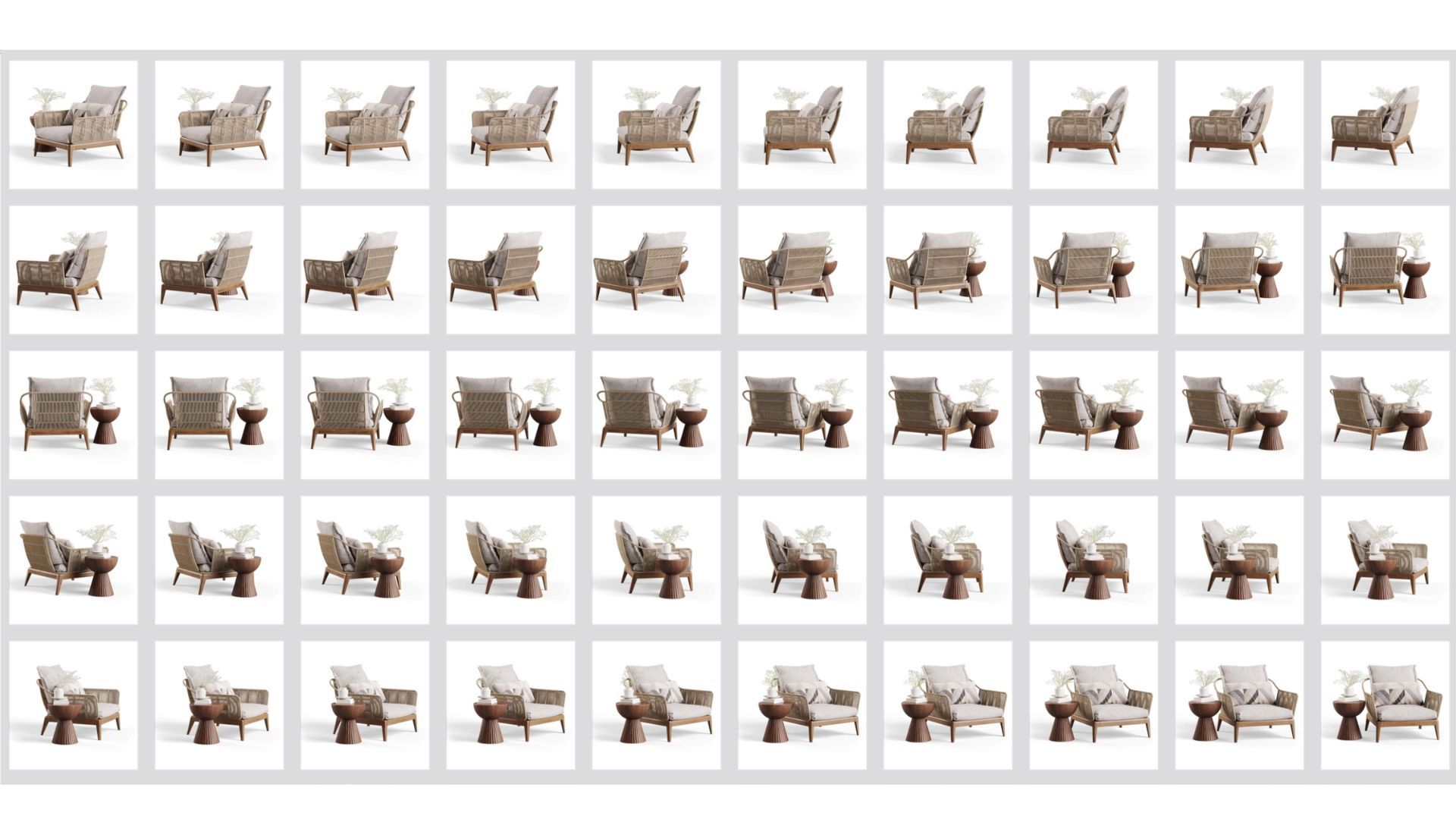
Creating an engaging product experience is vital for capturing your audience’s attention and interest. Below are some other recommendations to consider while working on your 3D interactive product experience design:
- Storytelling through interactivity: The use of interactive features should be used to tell a story and to lead the user through your product experience. Interactive hotspots can be included to provide more information about your product. With such an approach, you will let your customers engage in the product in a deep way.
- Gamify the experience: You need to consider gamification of the product experience by adding various gaming features to the product experience. In doing so, you will entertain the customer with the product and, at the same time, increase user interaction.
- Virtual reality (VR) and augmented reality (AR): The use of virtual reality or augmented reality can help you to take the product experience to another level by providing the users with immersive experience. Virtual reality technology provides the possibility to get into the virtual environment and interact with the product there, whereas augmented reality technology helps the users to see the product in its real-life environment.
- Seamless integration throughout marketing channels: Your interactive product should be integrated seamlessly into the website, social media platform and other marketing channels that you are using.
Keep in mind that the main objective is creating a product experience that will not only showcase your products but also touch the emotions of your customers. In order to do this, you need to include interactive features, personalization possibilities, gamification, VR, or 3D modeling for AR into your product experience design.
4. Integrate Brand Storytelling Elements
In order to make sure that you deliver an outstanding interactive 3D product experience that would be both engaging and memorable, you should use storytelling elements that will be aligned with the story of your brand. In this way, you will be able to get your viewers’ attention and build connections with them.
Employ visual cues and design elements that are associated with the aesthetics and messages of your brand. It is possible to include the colors, fonts, and general look of your brand into the interactive 3D product to have consistency of the brand story.
Give life to your creations by using product animations. With the help of 3D animations, you will be able to highlight certain aspects of your product, demonstrate its functions, or show how the product works or has been created.
5. Personalize the Experience
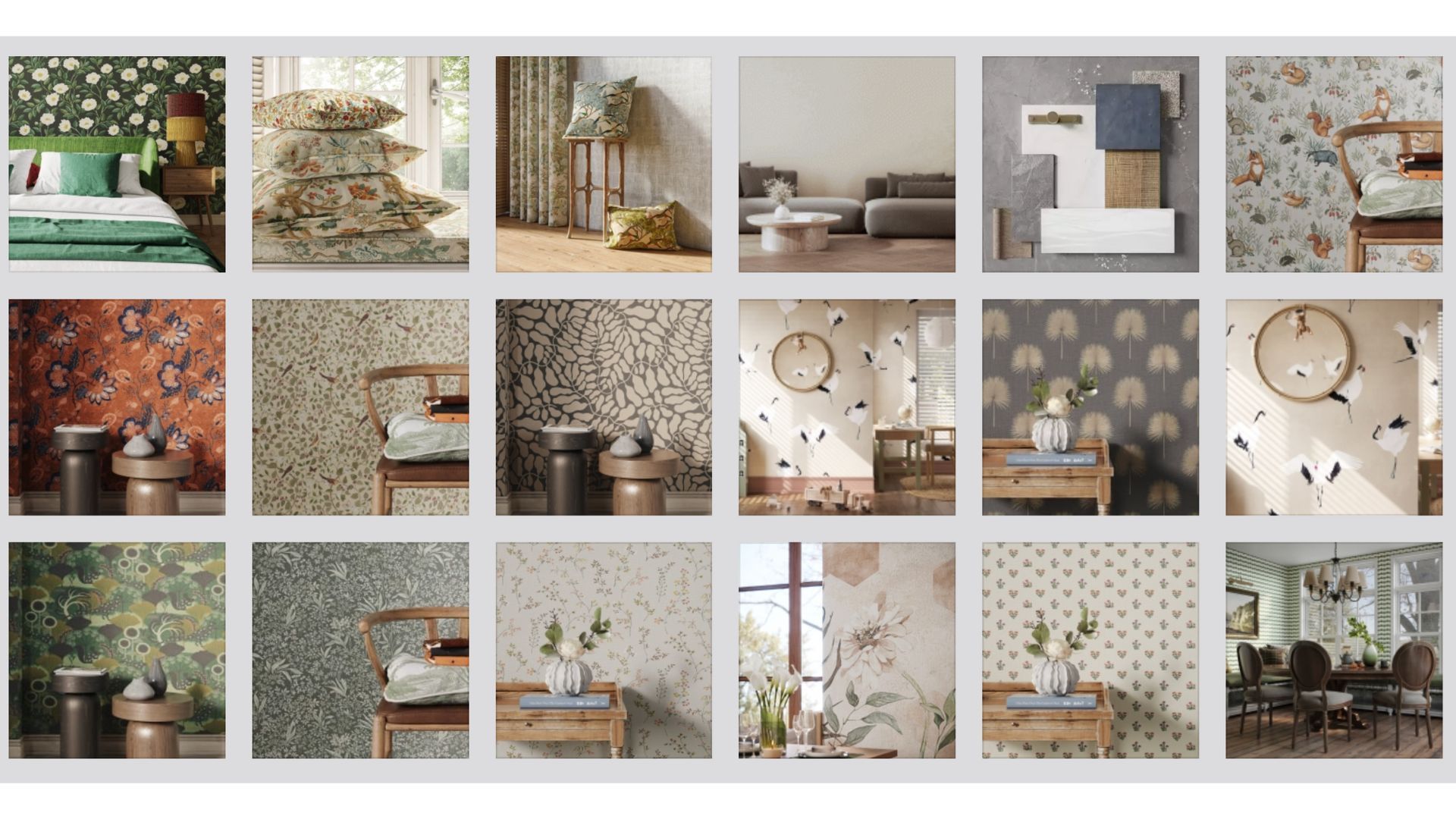
To create a truly exceptional 3D interactive product experience, personalization is key. By tailoring the experience to each individual user, you can make them feel connected, engaged, and valued. Here are some strategies to help you personalize the 3D interactive product experience:
- Leverage user data: You can collect information about your users via various touchpoints like website usage, past purchases or even questionnaires. In this way, you will be able to know more about your customers and design an experience that would correspond to their needs and wishes. For example, if a customer expressed any interest in a certain product category before, you could emphasize the relevant items in your 3D interactive product.
- Personalization options: Allow your users to personalize their experience according to their desires and requirements. It may vary from adjusting the visual settings of the product, changing the language to even changing the interface of the 3D interactive product. Such an option gives your customers control over their experience, making it more personalized for them.
- Dynamic content: Incorporate dynamic content into your experience so that it changes based on user requests. For example, if the user is fond of some color or texture or style, you may include such elements in the design of the 3D interactive product. In this way, you make the customer think that the product was created specifically for him.
- Contextual recommendations: Give context-based recommendations on the basis of user behavior or preferences in connection with the 3D interactive product. For example, when the customer looks at some particular product, recommend to him other similar products. It not only increases customer involvement but also helps in selling additional products.
- Feedback and survey forms: Include feedback and survey forms in the 3D interactive product in order to collect preferences of users about something. In this way, you can use this information for further personalization of the experience.
- Keep in mind that the personalization process involves developing a unique experience for users through which they feel appreciated and become attached to the narrative of your brand. Through the use of user data, customization, dynamic content, recommendations and interactive feedback, you can take the 3D interactive product experience to an entirely new level of personalization.
6. Leverage Story-Driven Interactions
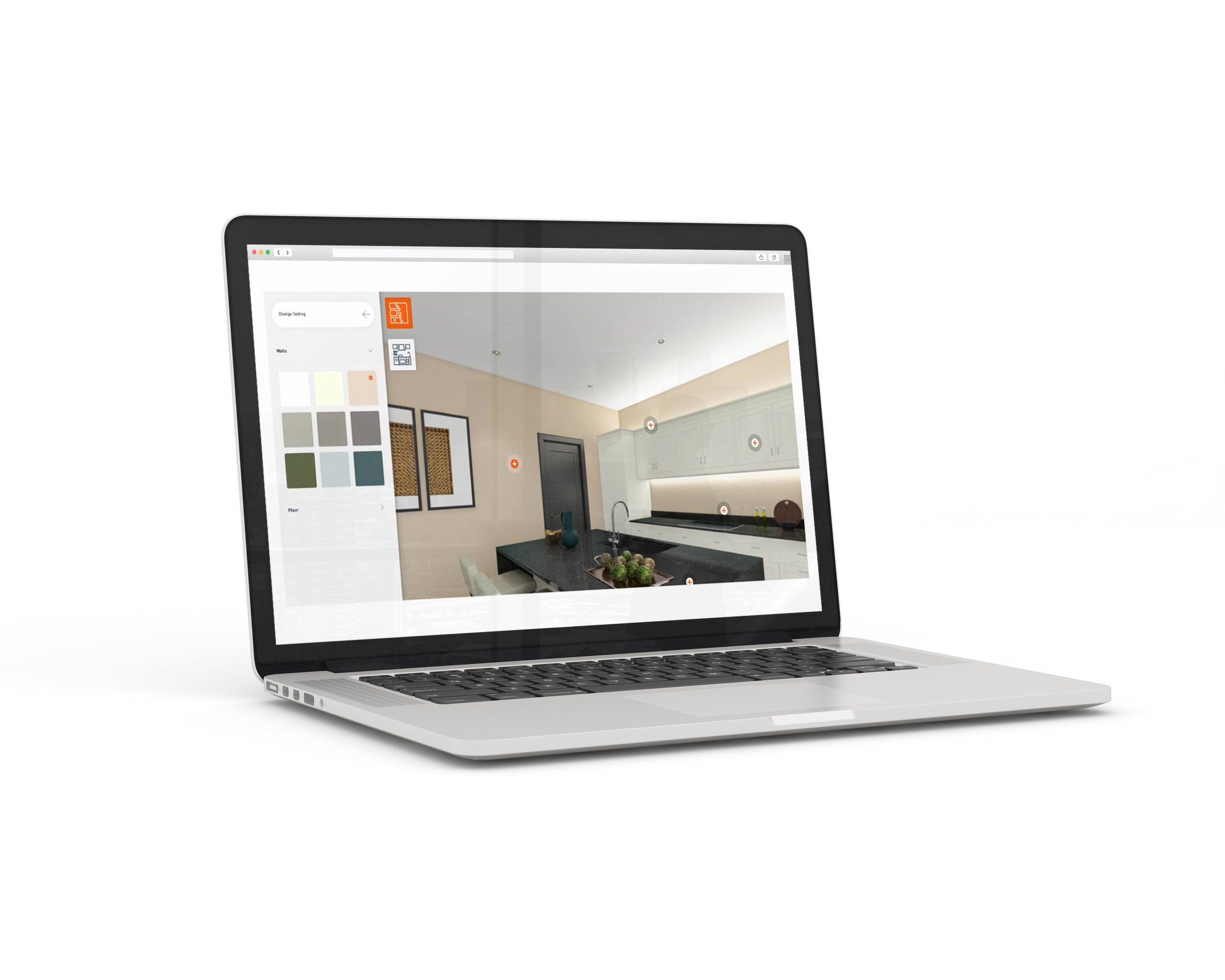
To truly captivate your audience and create an engaging 3D interactive product experience, it’s important to leverage story-driven interactions. By incorporating interactive scenarios within the product that allow users to directly engage with your brand story, you can create a memorable and immersive experience that resonates with them. Here are advices to help you leverage story-driven interactions in your 3D interactive product:
- Interactive Scenarios: Identify certain points and elements in the story of the brand that can be converted into interactive scenarios. In case the brand story is related to an adventurous theme, one could incorporate adventure-based challenges in the virtual world for the users to complete. This would enable the users to have a greater experience and involvement with the brand story and its content.
- Objectives and Goals: One needs to set the goals and objectives of the interactive scenarios. By doing so, it would help the users understand the direction of the game and what they need to achieve while playing. The users would be able to have an aim and objective which in turn would enhance their interest in the process.
- Choices: One of the most important elements of interactive marketing includes allowing the users to have choices which would impact the outcome of the interactive scenarios. This not only enhances the user experience by providing them with personalized options but would also involve them in developing the brand story and experience.
- Feedback and rewards: Use instant feedback and rewards in relation to the user’s interaction and progress in the interactive scenarios. Positive reinforcement, including access to additional content, achievement of badges or getting some virtual rewards, can be used to increase user engagement and keep them motivated enough to continue playing and engaging in the interactive scenario.
- Continuity and relevancy: Make sure that the interactive scenarios are a seamless part of the overall 3D interactive product experience and fit into the general brand story and help to continue the narrative process. Do not include any random and irrelevant interactions which may interrupt the continuity and relevancy of the 3D interactive product experience.
With story-driven interactions, you have all chances to create a memorable 3D interactive product experience, which will help to tell the brand story and allow the user to take an active part in the process.
7. Integrate Social Sharing and User-Generated Content
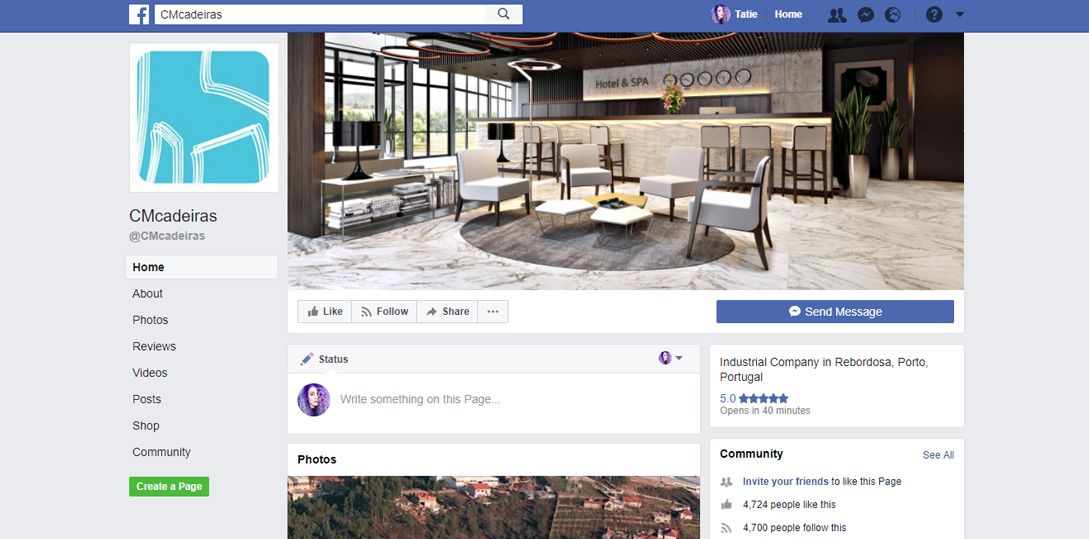
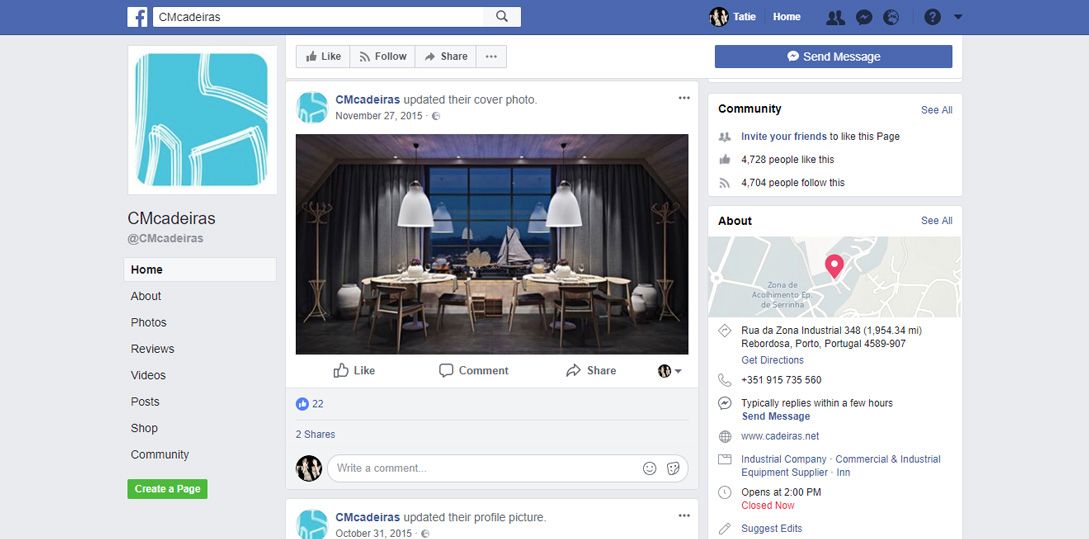
It is crucial for crafting amazing stories of your brands in case of using 3D interactive product experience to include such elements as social sharing and user-generated content. By enabling your users to share their stories about your product through social media and to generate their own personalized product versions, you will manage not only to increase your brand reach but also to create a sense of community. Some approaches that may be used are outlined below:
- Social sharing buttons: You should include social sharing buttons or features into the interactive product experience that will make it easier for users to share their stories and interaction with your product via popular social media sites like Facebook, Instagram, Twitter, or Pinterest. With the help of such buttons, users will easily be able to share the screenshots of the 3D interactive product experience or even its video.
- Incentives for sharing: To promote user-generated content and sharing on social media, you may use certain incentives that will motivate people to spread information about the product. They can take different forms such as special discounts or chances to win prizes in the contest or get additional bonuses.
- User-generated content: Offer users the ability to create and post their own personalized versions of your products through the 3D interactive experience. Give your users tools and features that will enable them to customize color, texture, or anything else related to the product. Users can then promote their creation through social media, highlighting their style and preferences and your brand. This strategy not only promotes interaction from the customers but is also an example of social proof, encouraging others to become engaged with the 3D interactive product.
- Community engagement: Build a community atmosphere by responding to users who share their experience or create user-generated content. It can be through responding to their posts, featuring their content on social media pages or even including their creation into the 3D interactive product itself. Such strategy will not only build a strong relationship with your audience but also promote further interaction and support from them.
- Collaborations and contests: Try creating partnerships with influencers or hosting some sort of contests for users where they can create and post their own content related to the 3D interactive product.
Through the use of social media buttons, sharing rewards, encouraging user-generated content, encouraging community engagement, and through collaborations/competitions, you are able to utilize social media to your advantage to increase the effectiveness of your 3D interactive product. The use of social media enables customers to share their experiences and creations, which not only increases the reach of your brand but also the excitement associated with it.
8. Analyze and Iterate

In order to have an engaging and successful 3D interactive product, you should track and analyze user experience and feedback in order to make necessary iterations that will improve the user’s experience. With the help of data collected and analyzed by users, you can find out their needs, which will help to develop the experience further. Below, you will find some recommendations for analysis and iterations of the 3D interactive product:
- Define the goals: You should define the goals of the 3D interactive product prior to its implementation. The goals can be expressed in terms of metrics and performance. Define the specific metrics, such as user engagement, time in experience, conversion rate, etc.
- Collect and analyze data: There are many tools that can be used for collection and analysis of user data. These tools can be of different types, from user surveys and heat maps to click-through rates. You should use this data to make further iterations.
- Identify pain points: Identify the pain points or frictions within the user journey process. It may be technical issues, confusing navigation, or confusion over the brand story. Try solving such problems by improving your product or guiding the users appropriately through instructions. This will definitely improve their experience and engagement with your 3D product.
- Experimentation: Experiment with new features or new interactions of the product to determine the reactions from the users. Use A/B testing to find out user preferences and improve the user experience with optimization. Test different variants of the product in order to establish which features or interactions work best in engaging and converting the users.
- Iteration and improvement: Iteratively improve your 3D interactive product based on the user insights and preferences. Make improvements and iterations to keep the product up-to-date and relevant.
With continuous monitoring of user interactions, analysis of feedback and metrics, and improvement of the experience through iteration, you can end up with a 3D interactive product that grows along with your audience and maintains relevance. For further help on how to analyze and improve your 3D interactive product, contact me for any questions you may have.
By adding 3D interactive content to your brand story, you will be able to engage your clients in a whole new way. With this step-by-step guide, you can create engaging experiences for your audience and build a stronger connection with them. Go ahead and take advantage of the possibilities provided by 3D interactive products.
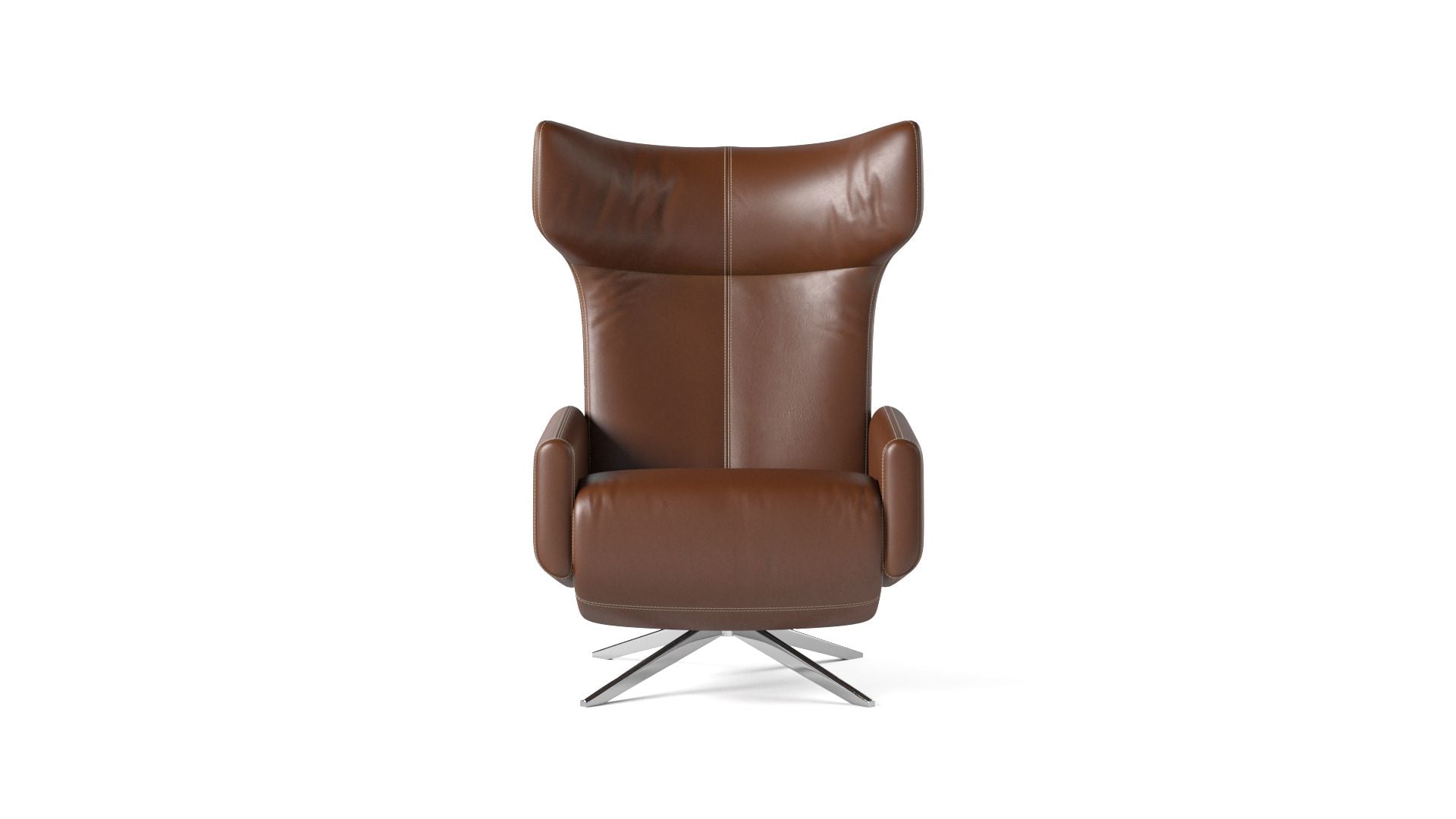 ↔ drag to rotate
Explore types and features of 3D modeling service to enhance your visual marketing like never before.
See moreAt CGIFurniture, we are proud to provide outstanding 3D modeling and rendering services that can revolutionize your products. Using our state-of-the-art photorealistic rendering and animation technologies, we can help you demonstrate your products within stunning visual environments without going through costly and cumbersome photo shoots. No matter whether your products are luxury ones or casual ones, our unique 3D services are customized to emphasize their specific characteristics.
Opting for CGIFurniture, you will be able to take your storytelling to the next level, to impress your customers and to make an impression using 3D interactive product technology. If you want to learn more about our services, get in touch with us now!