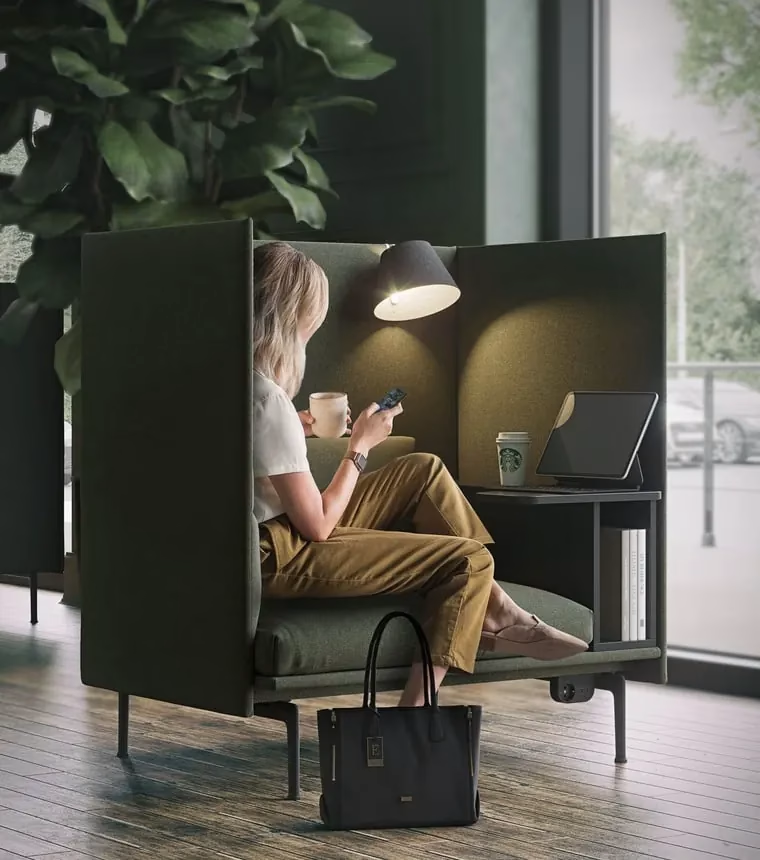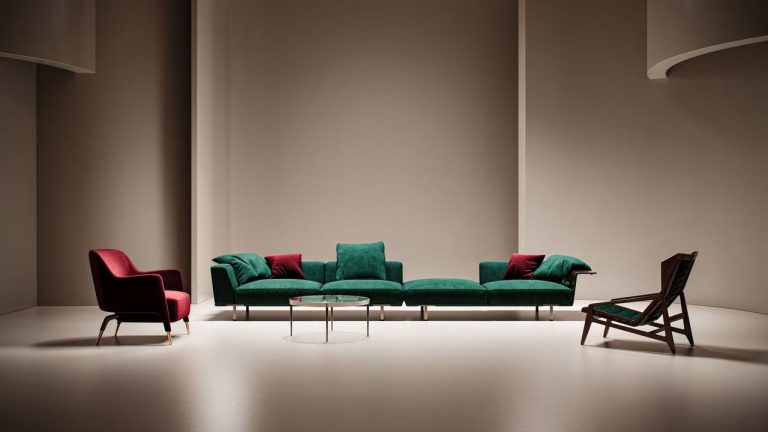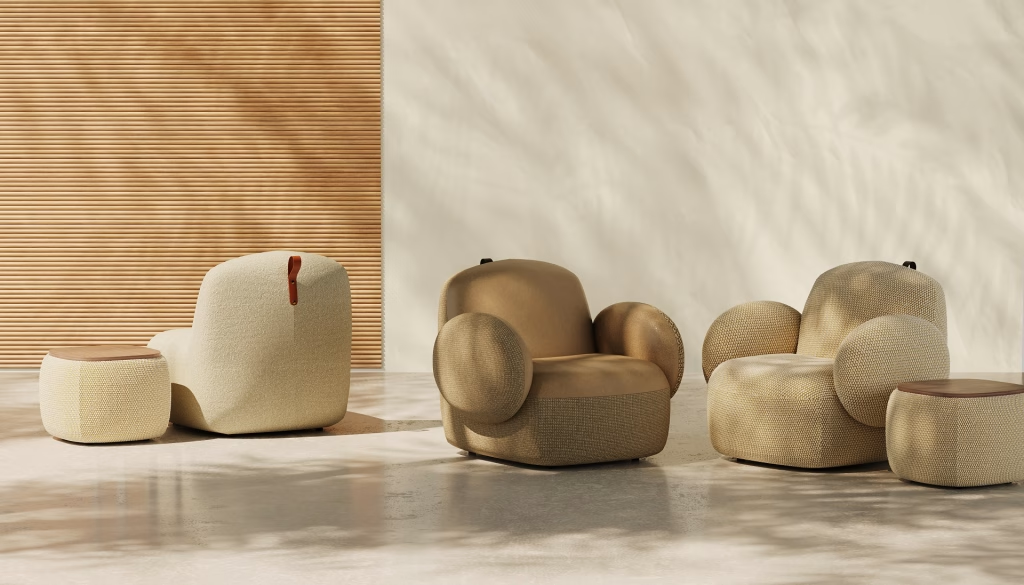
How do you show the same lounge chair in a hospital reception, a school library, a university commons, an airport terminal, and a hotel lobby without booking a single location? Traditional furniture product photography would require five real spaces, five crew setups, five separate shoots. For a manufacturer that launches new collections every year, the math never works.
ERG International, a contract furniture maker based in Oxnard, California, solved that problem with 3D furniture visualization. Since 2021, CGIFurniture has been building the full library of room scenes that ERG uses across its site, catalogs, and trade show materials: dozens of environment images and counting, each one created from a single product model. Alongside the lifestyle scenes, we also produce silo renders for ERG’s product pages, giving the brand a complete visual pipeline from one studio.
One Collection, Five Markets: Why Photography Alone Falls Short
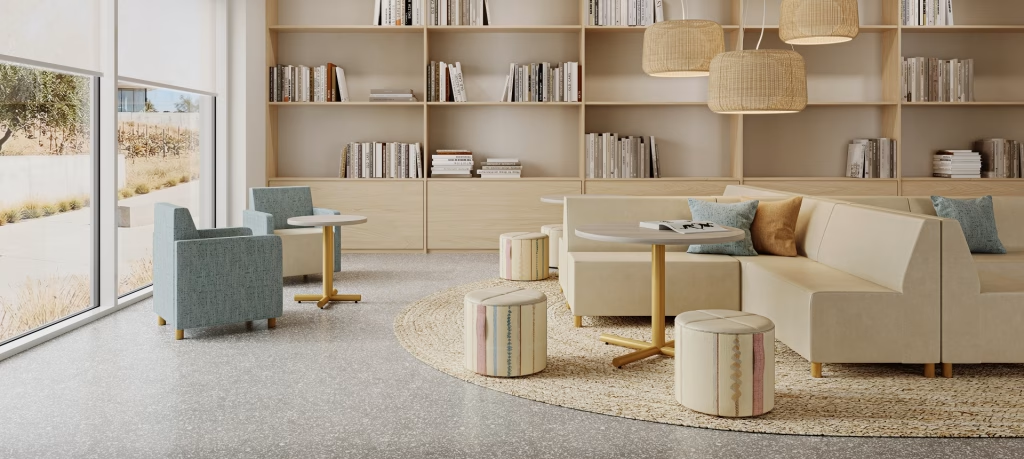
ERG International has manufactured contract furniture since 1981. The company sells through dealers, trade representatives, and specifiers at architecture and design firms, not directly to consumers. Its buyers furnish corporate offices, healthcare facilities, K-12 and higher education campuses, government buildings, hotels, and restaurants. Every year, ERG exhibits at NeoCon and releases a new Lookbook alongside a New Products Booklet for the show.
The challenge is structural: a single ERG collection like Malibu (which includes lounges, ottomans, benches, and inline tables) ships into all five of those markets. To photograph it properly, the brand would need access to a real hospital lobby, a real university study area, a real boutique hotel, and so on, then coordinate a shoot crew at every location. That kind of logistics is impractical for one collection, let alone an entire catalog updated annually.
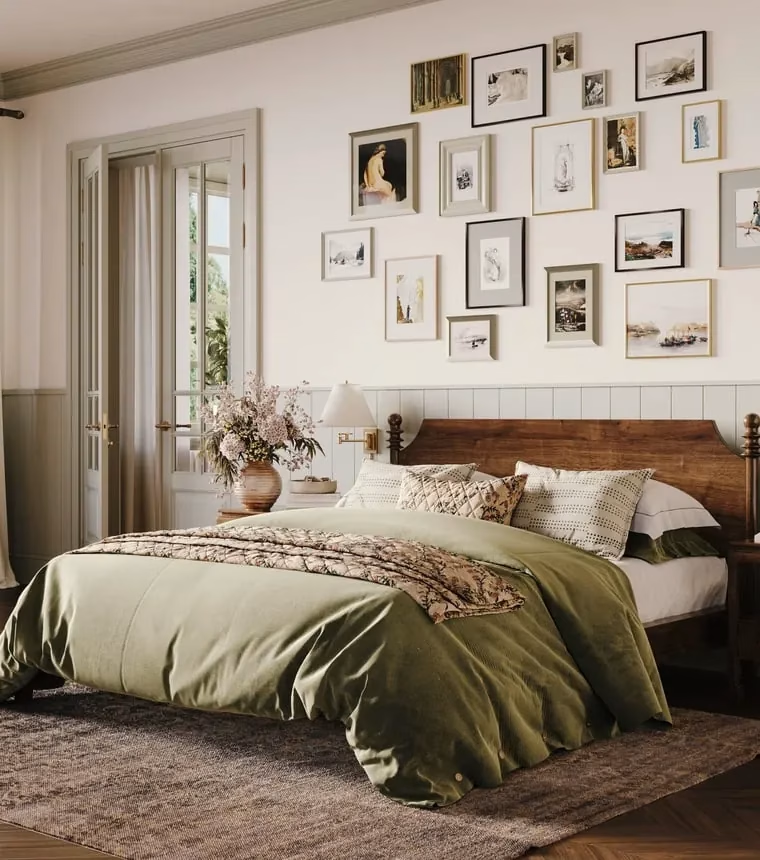
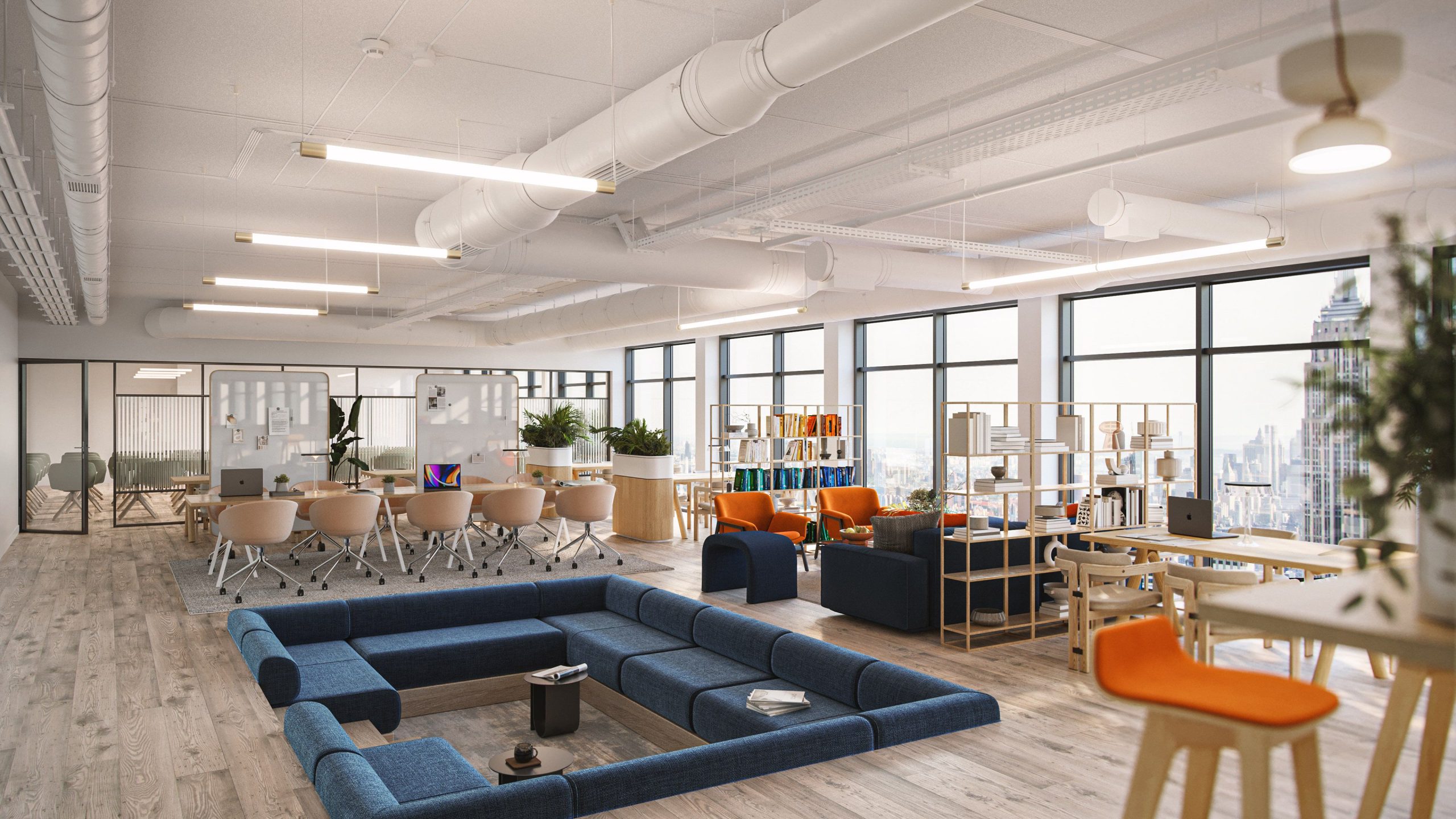
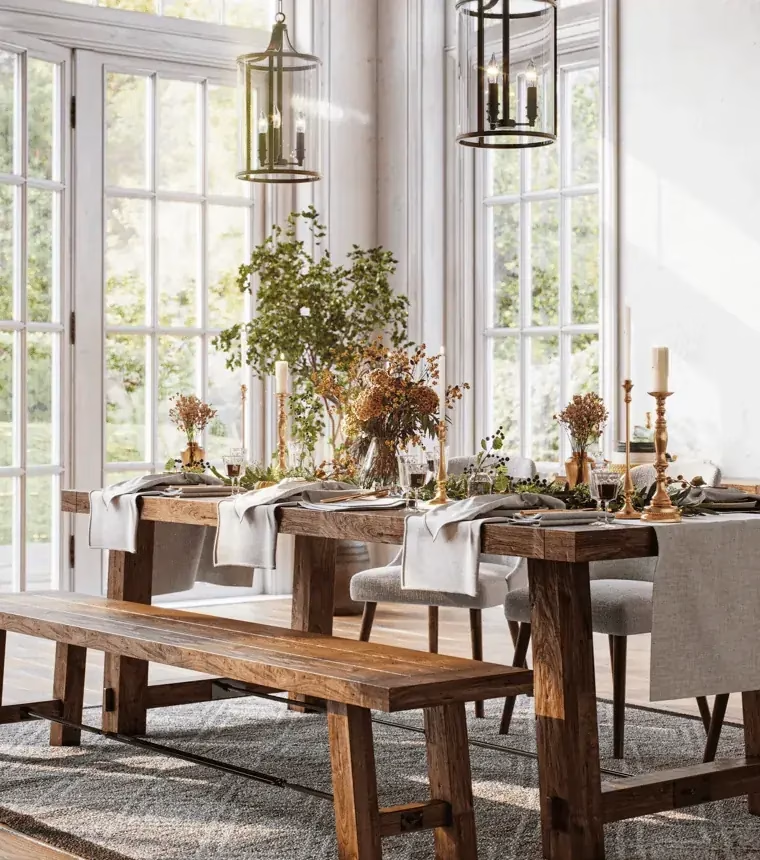
With 3D product photography, none of those rooms need to exist. The typical task is lifestyle rendering: the client provides their furniture models and a room reference with comments, and CGIFurniture builds a scene that closely matches that reference. When you compare 3D rendering vs photography in a case like this, the question is not which looks better: it is which is physically possible at scale.
3D Furniture Visualization for Healthcare, Education and Hospitality Spaces
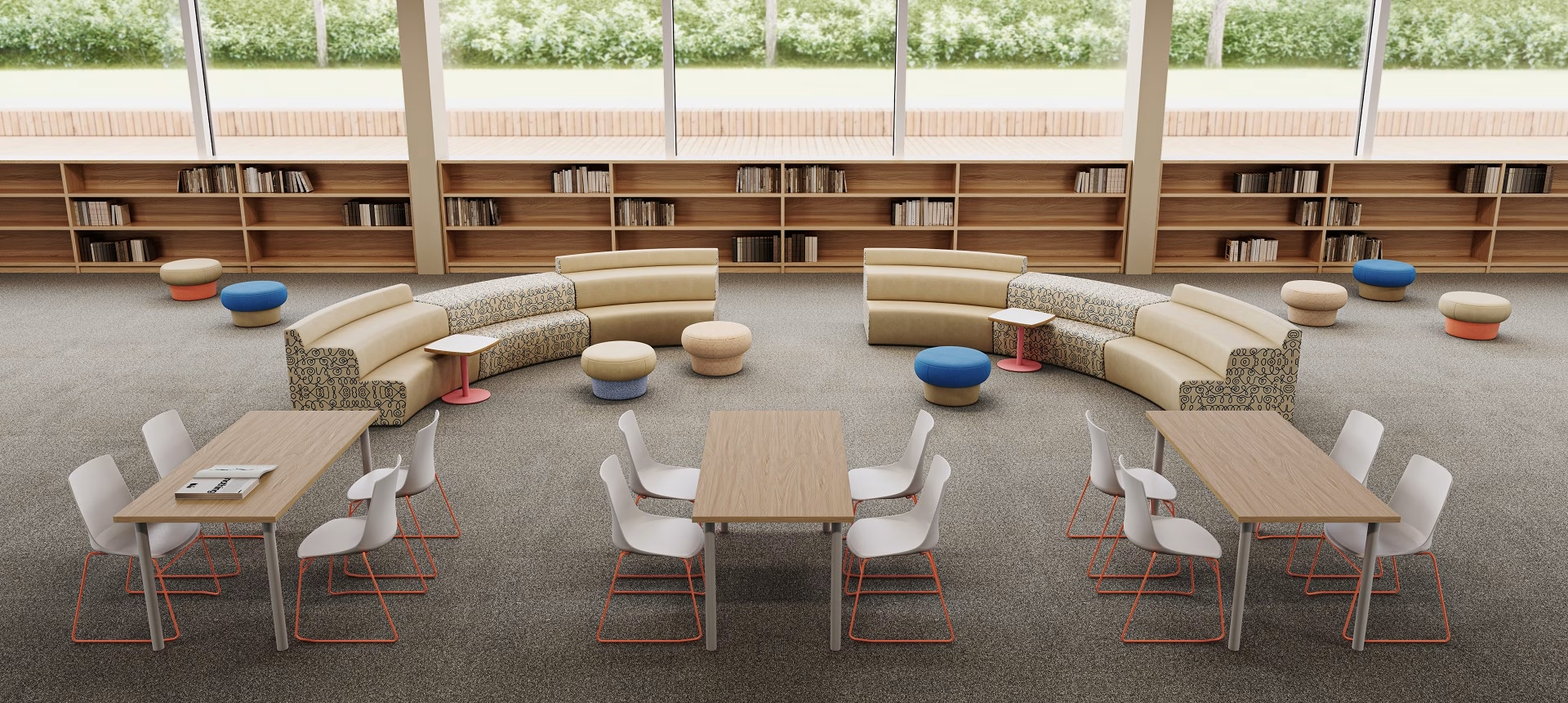
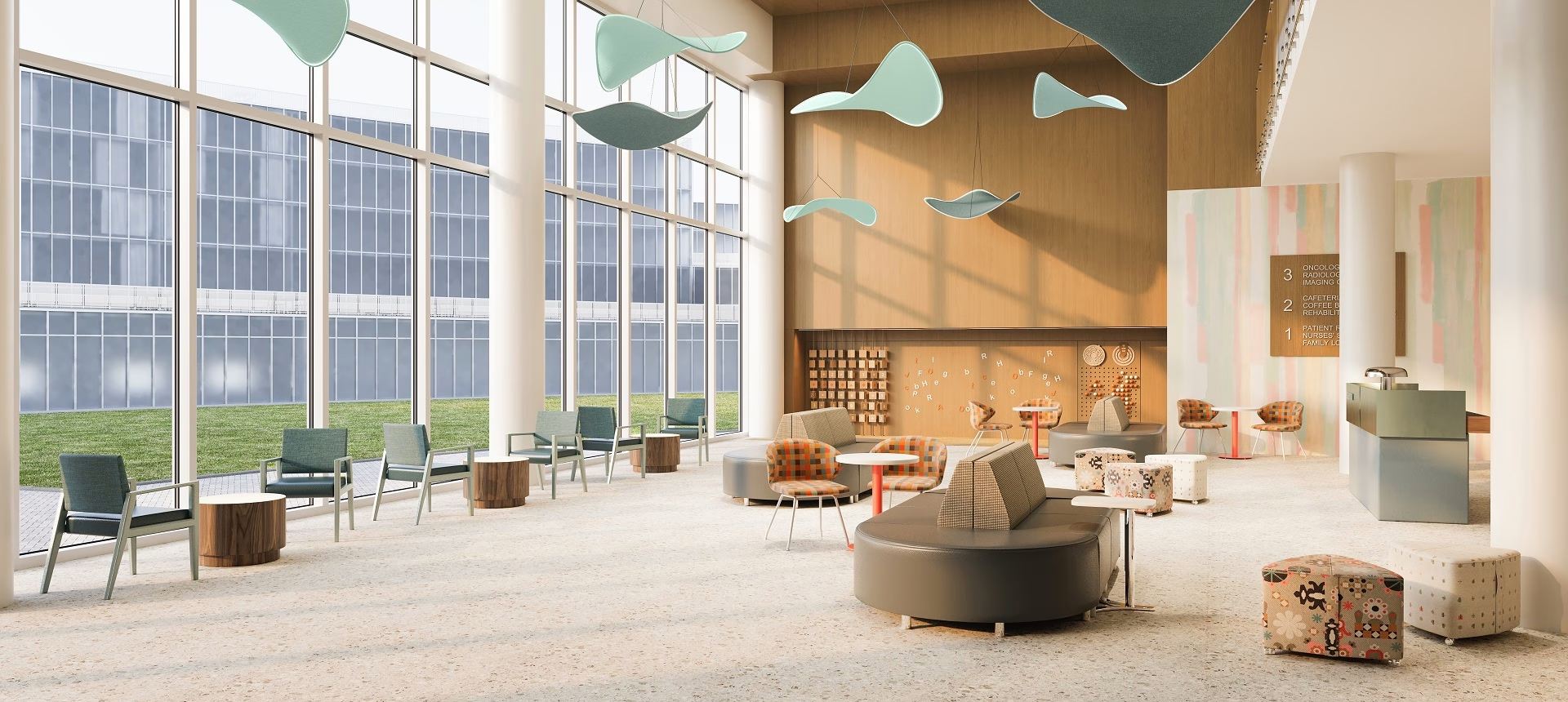
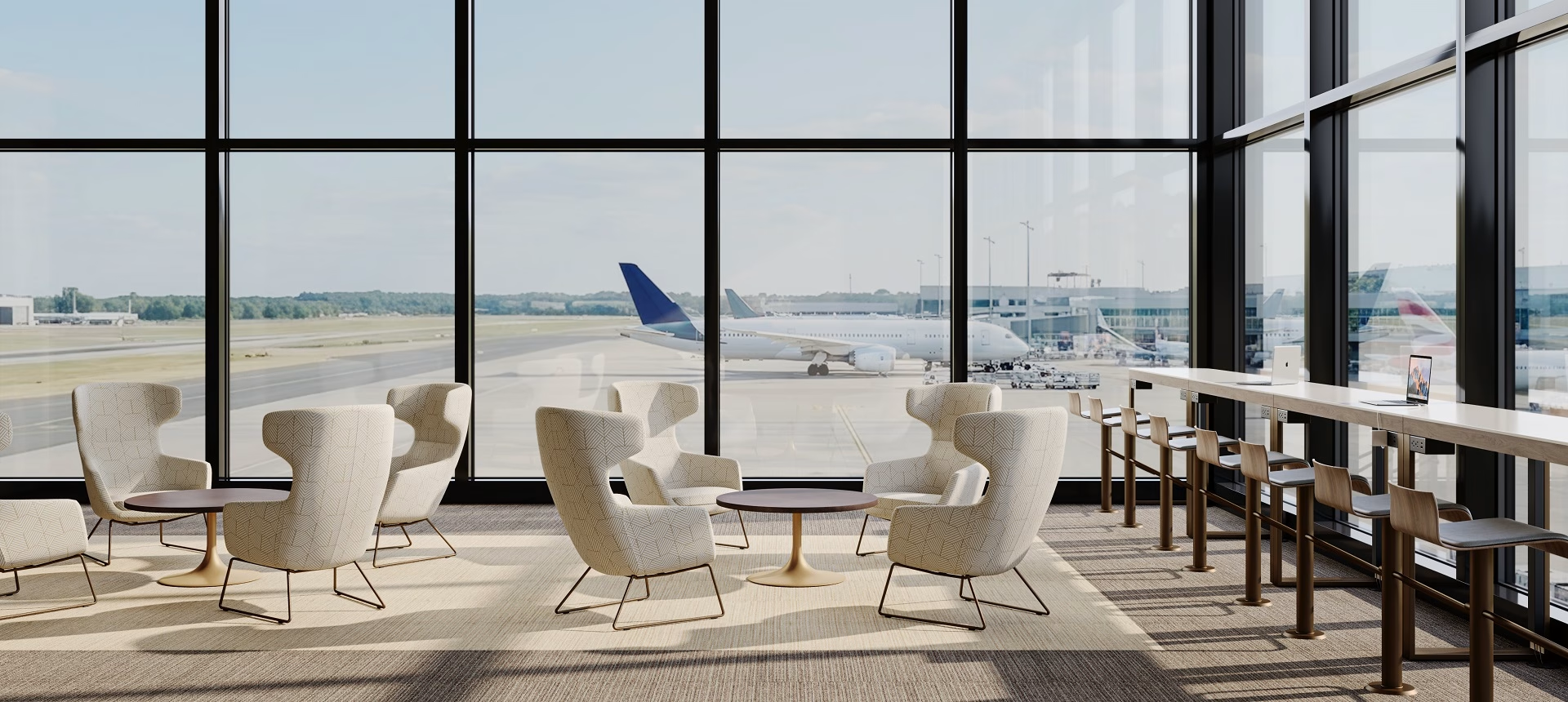
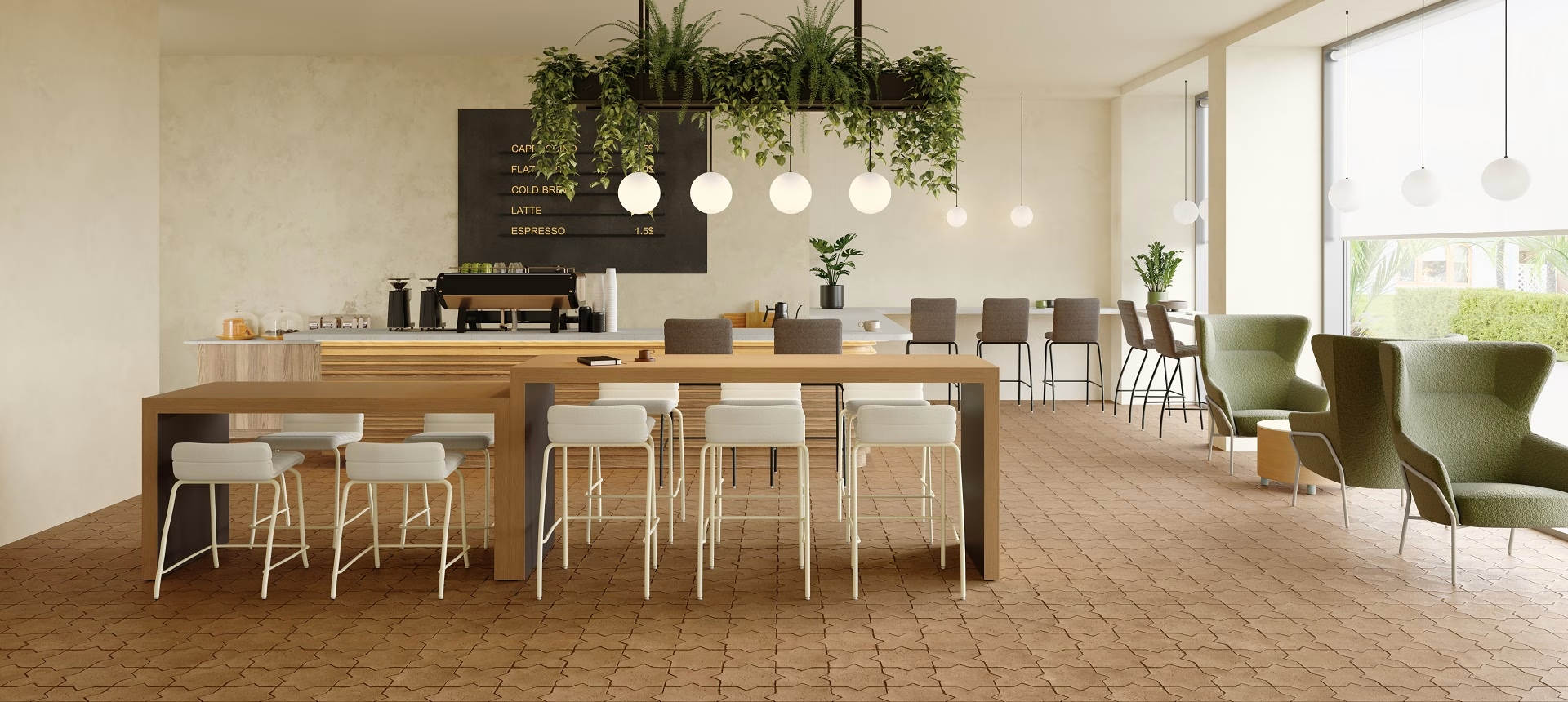
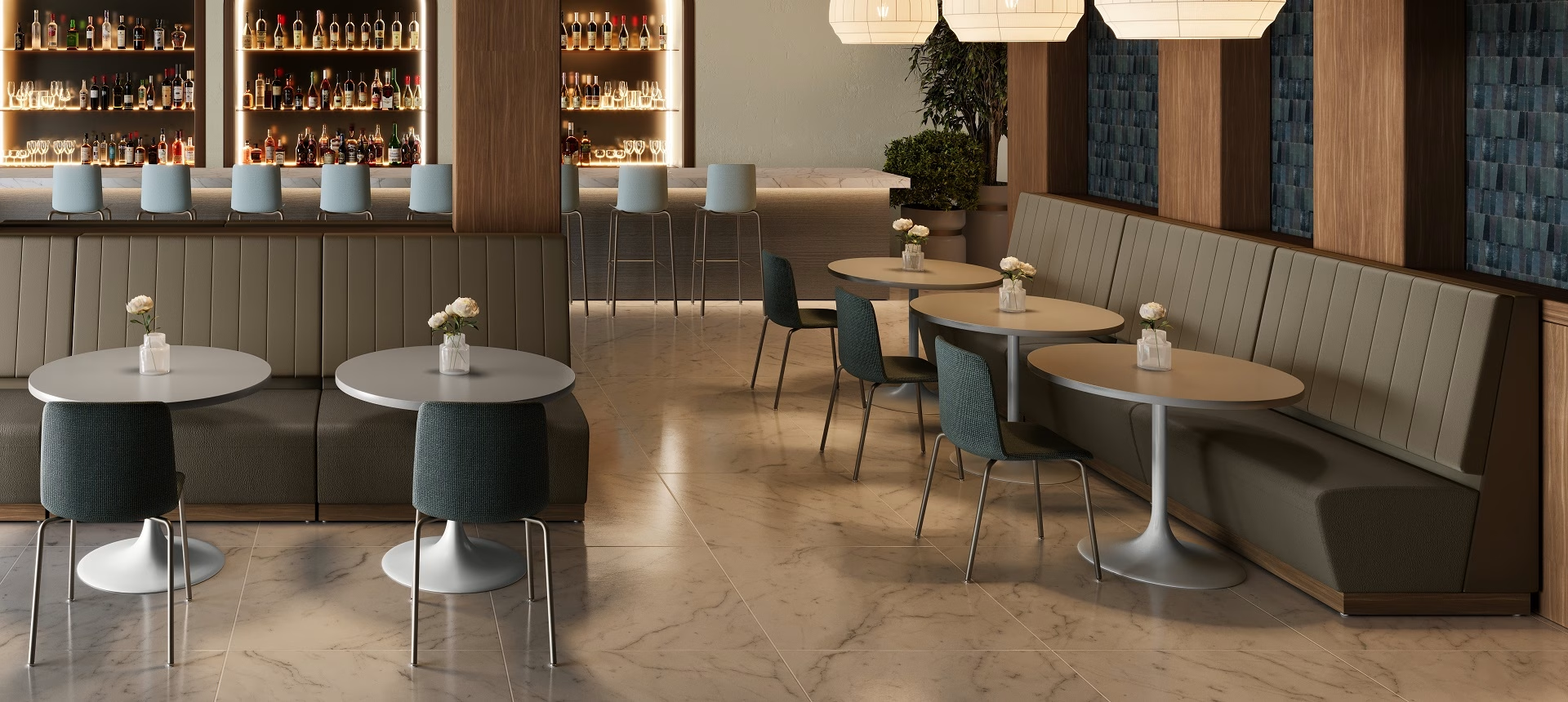
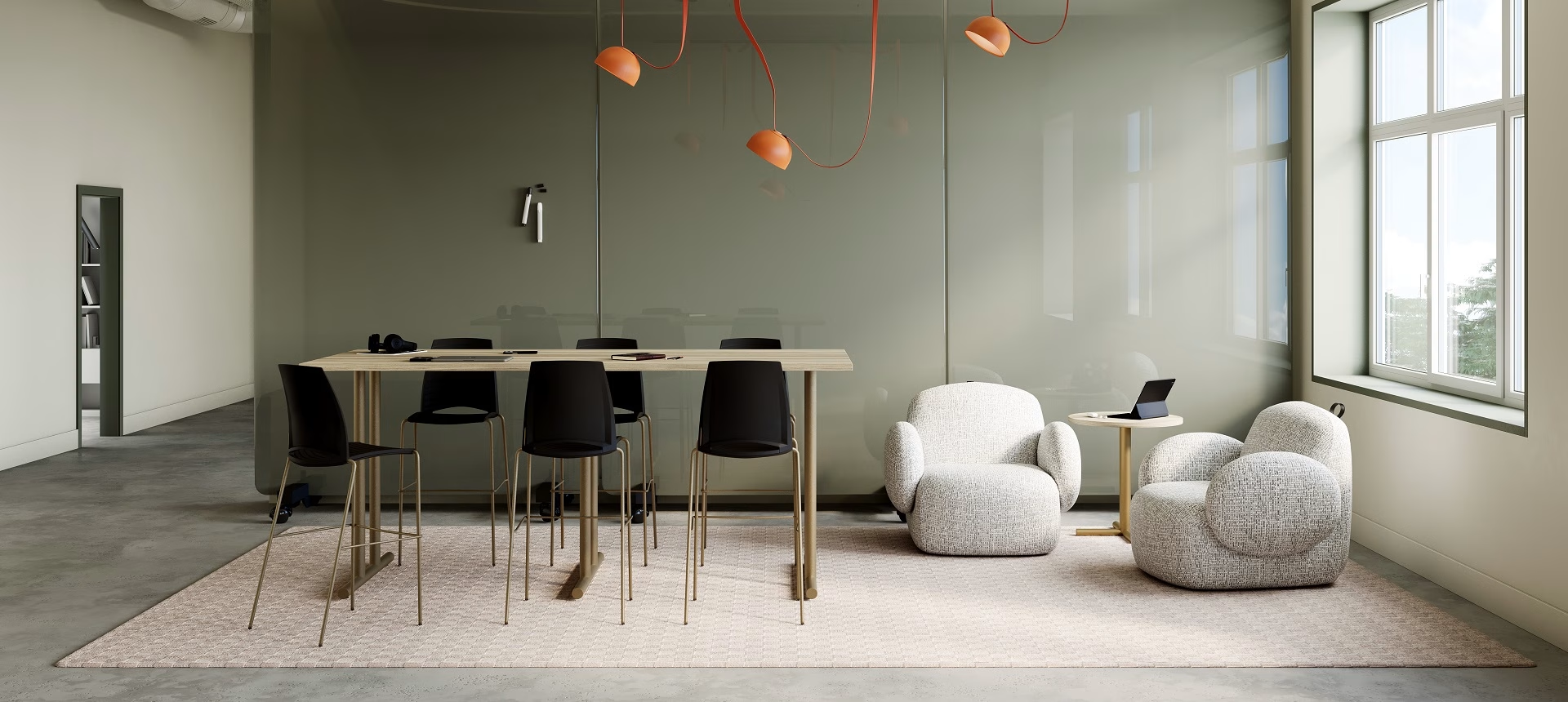
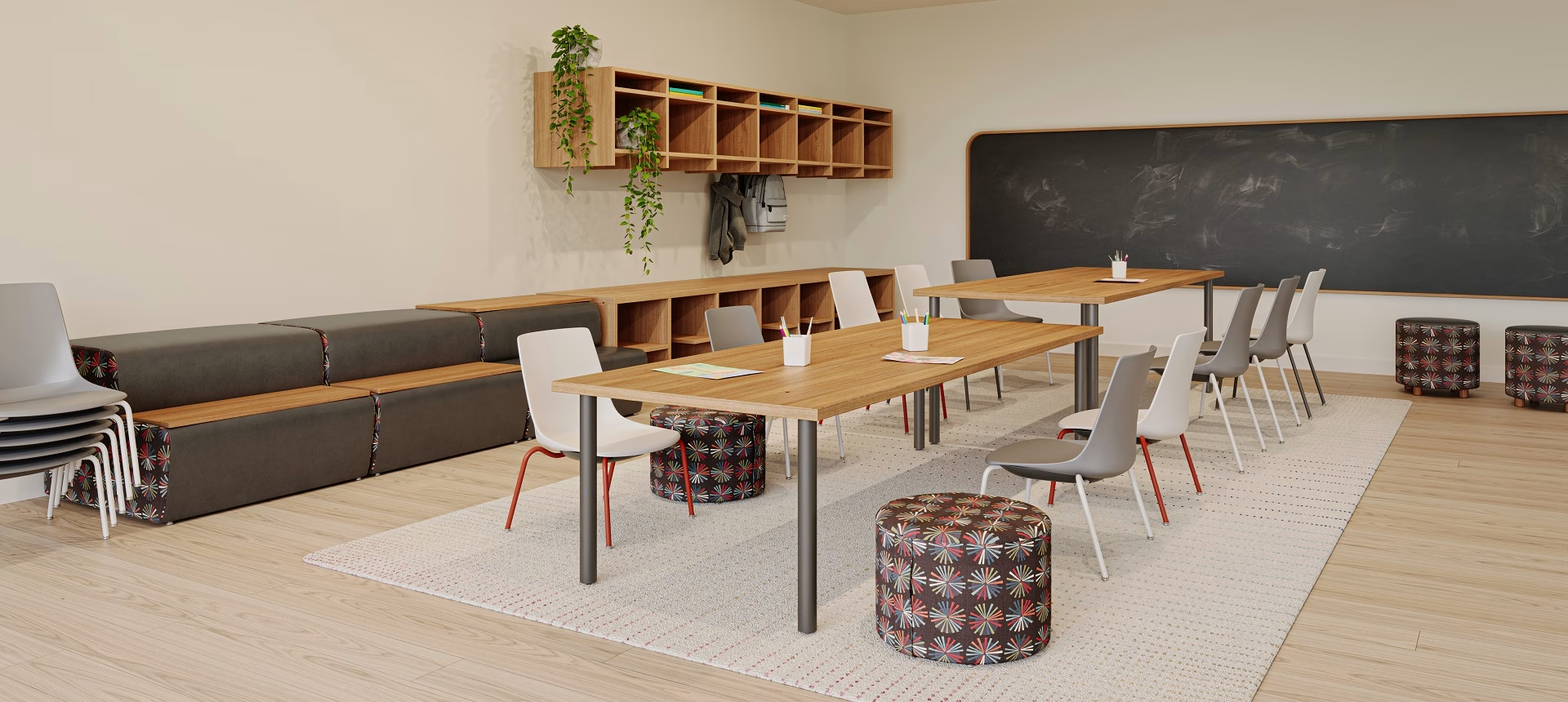
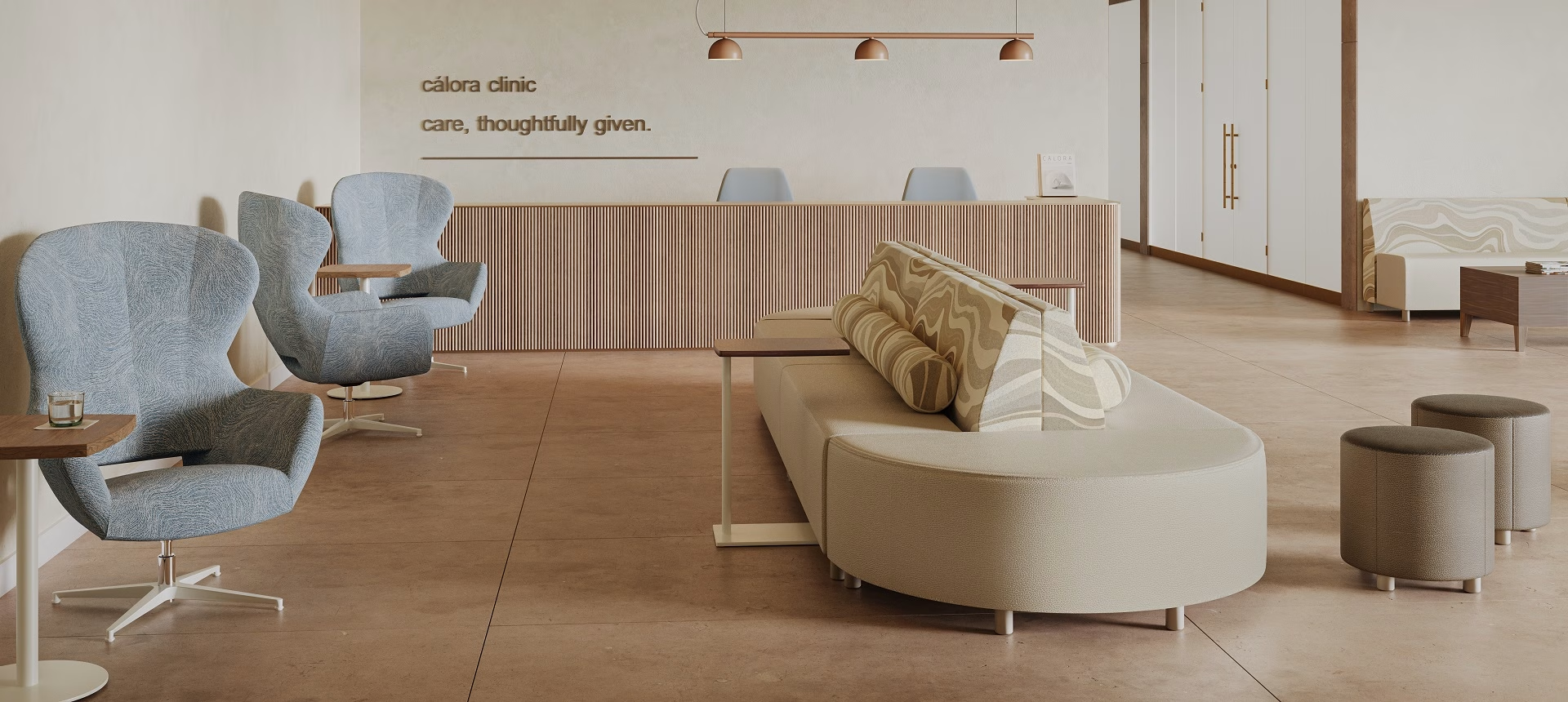
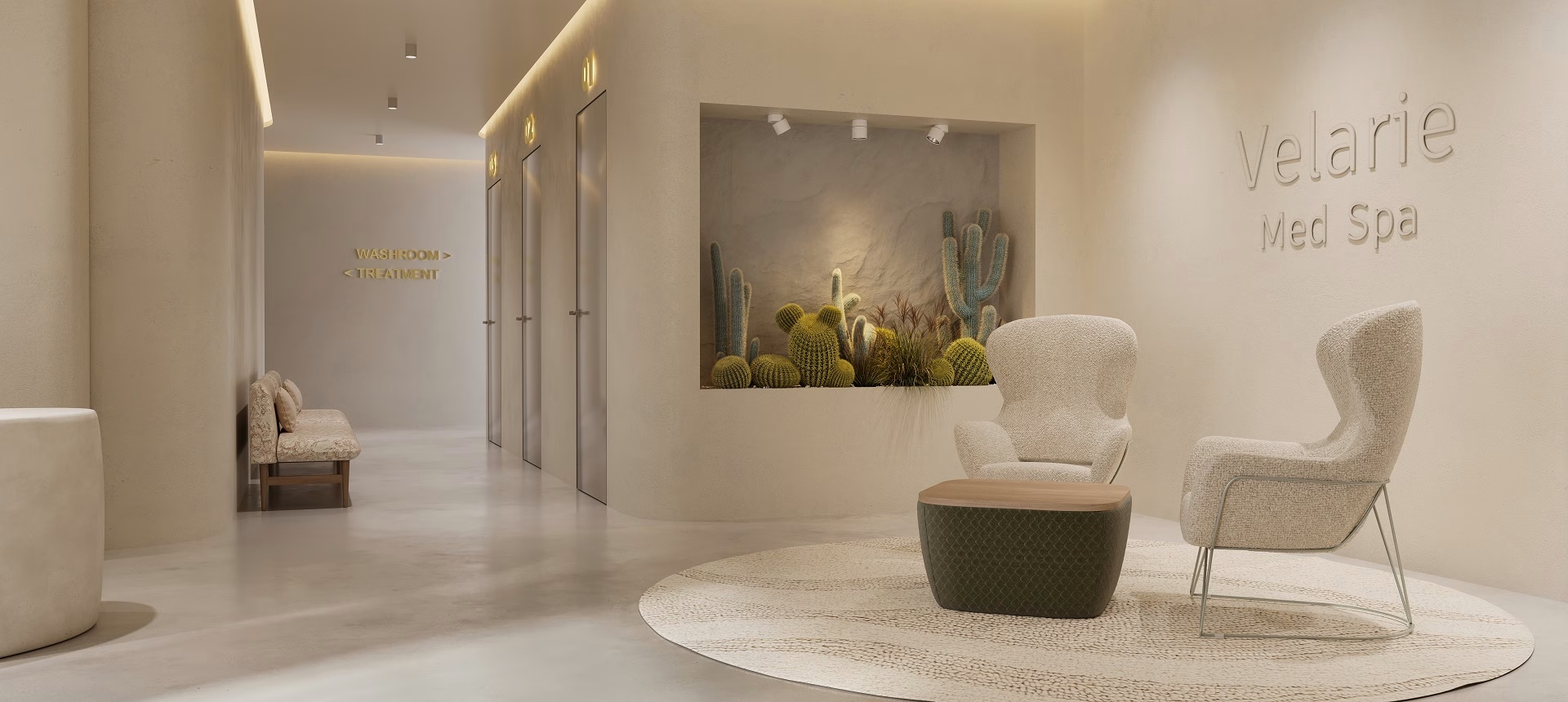
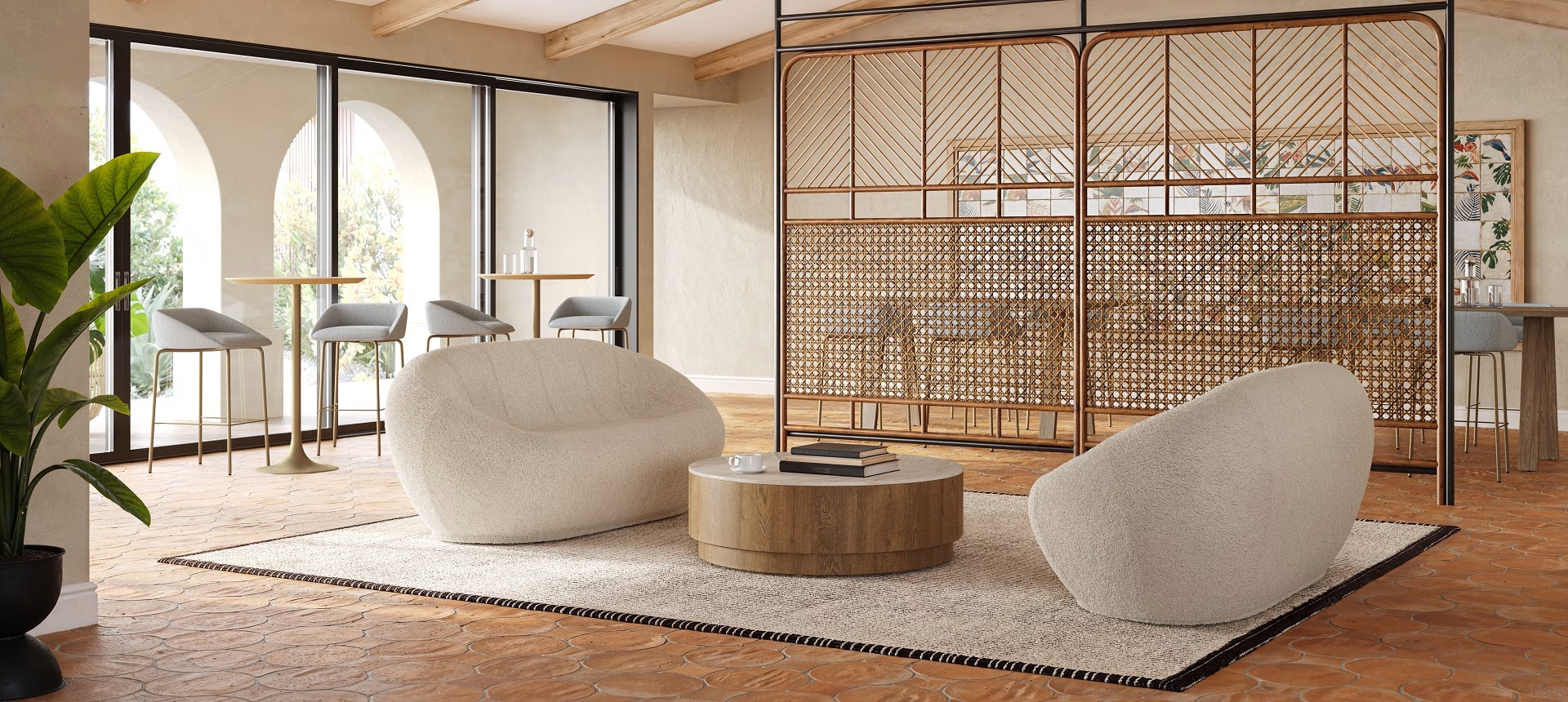
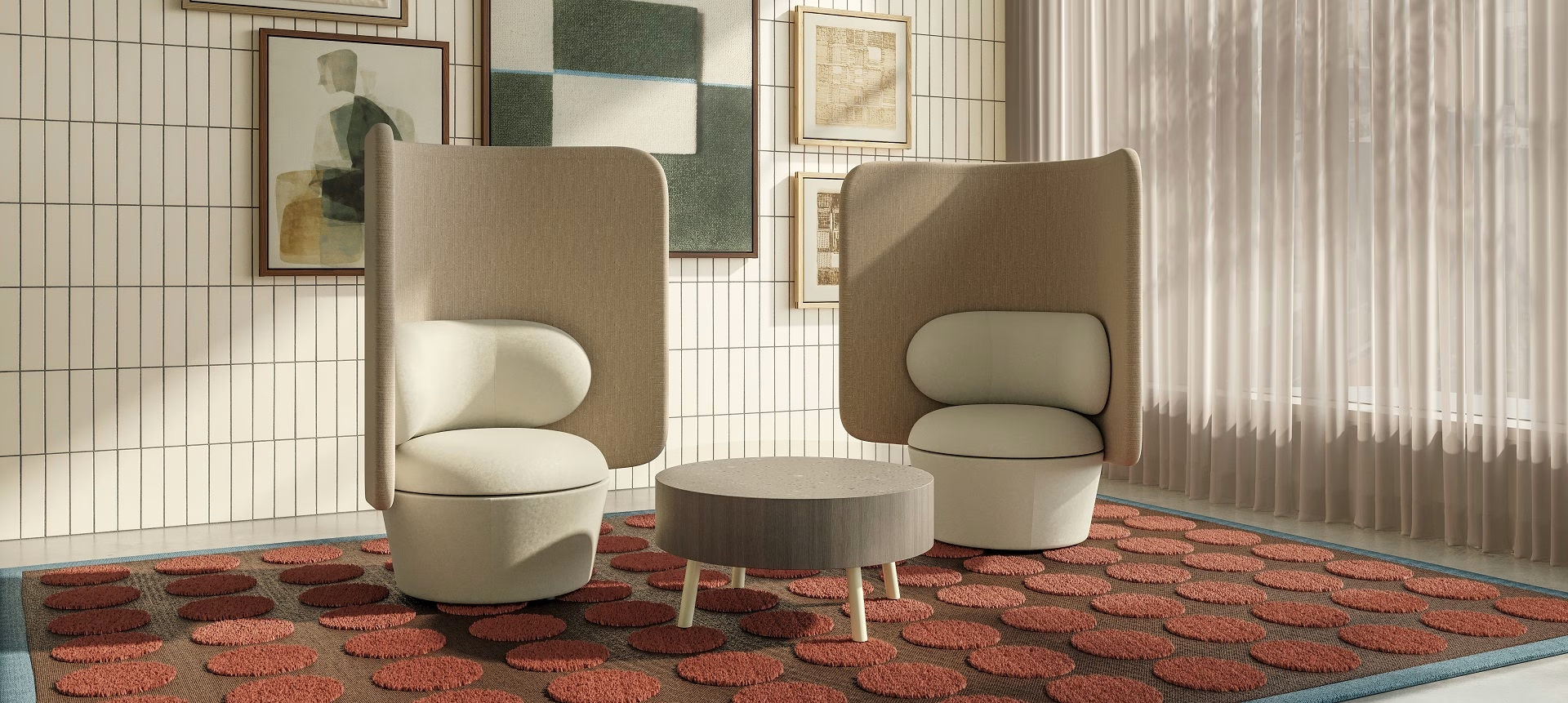
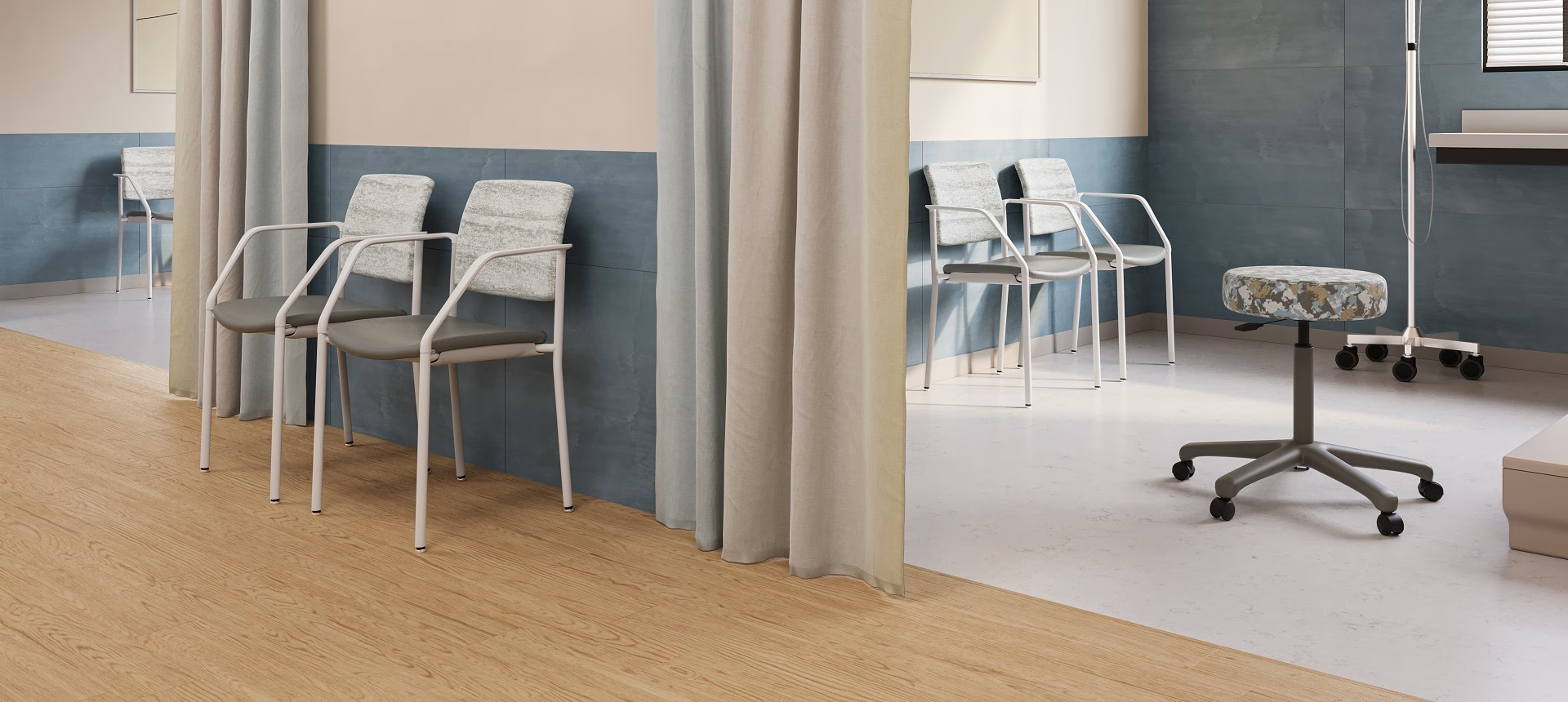
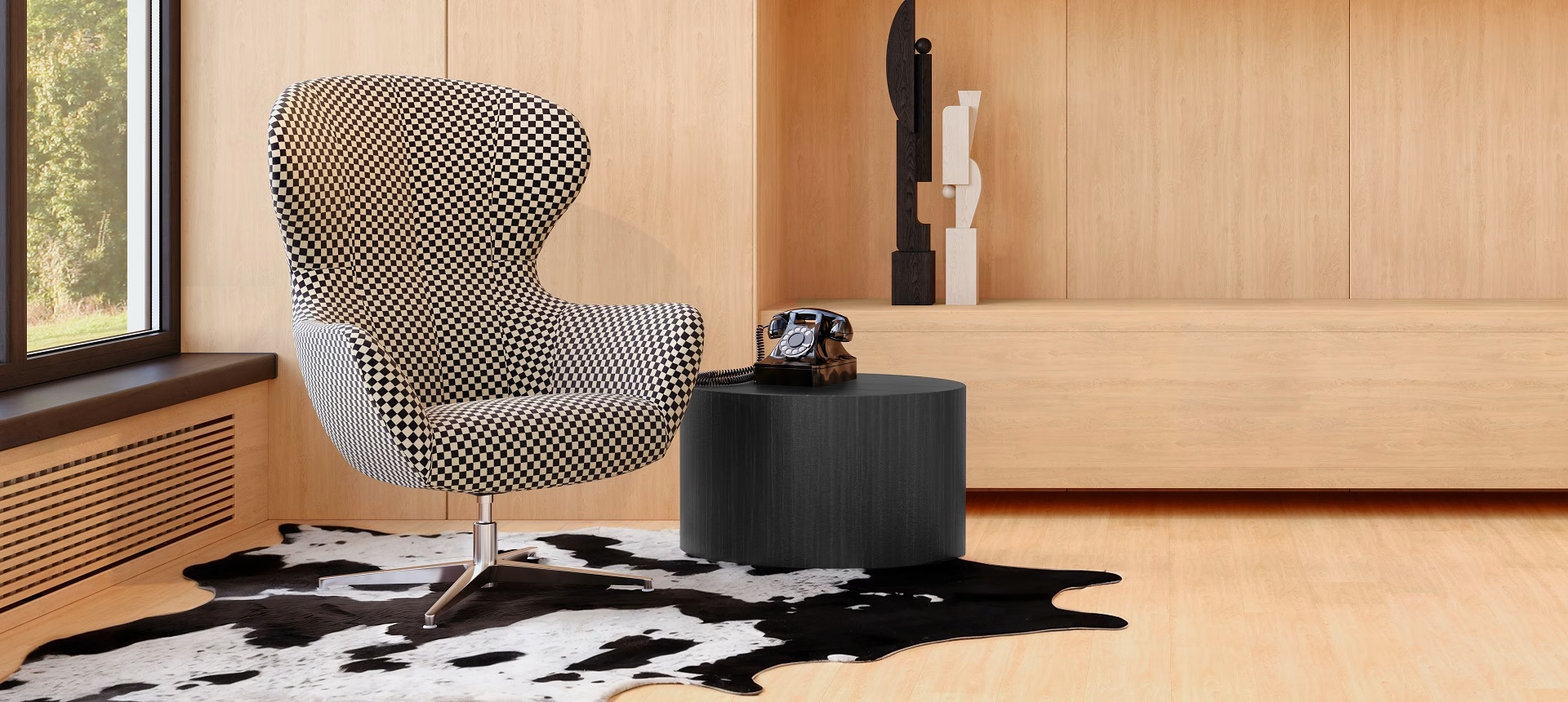
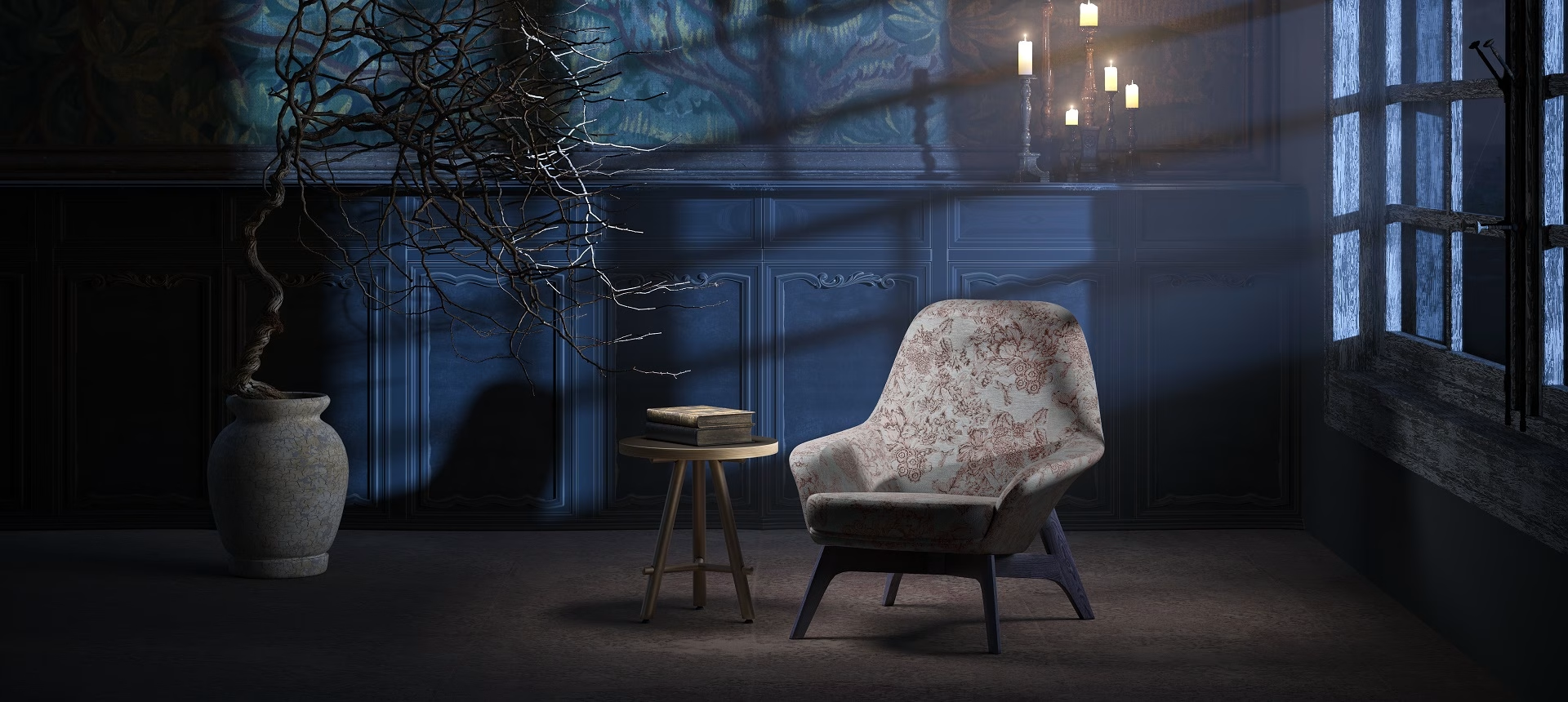
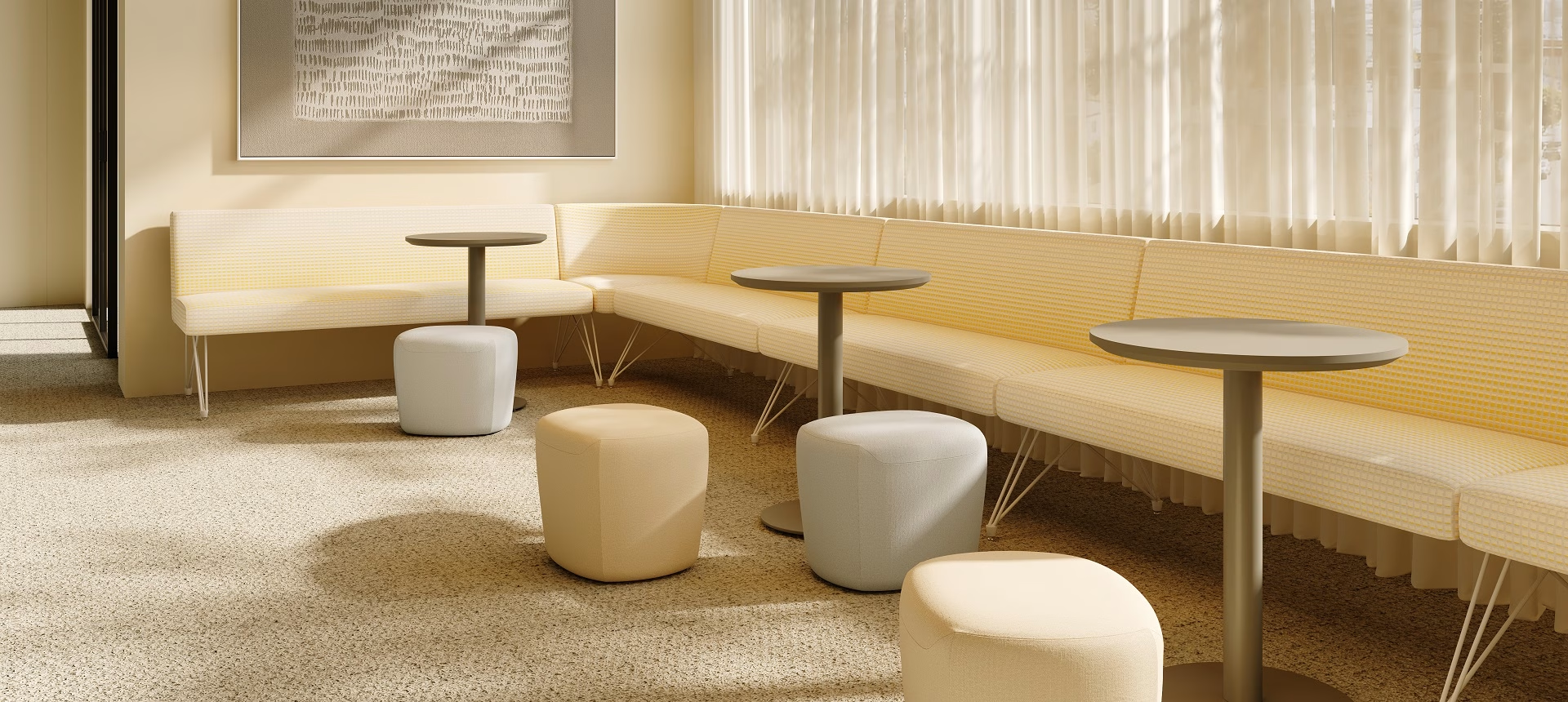
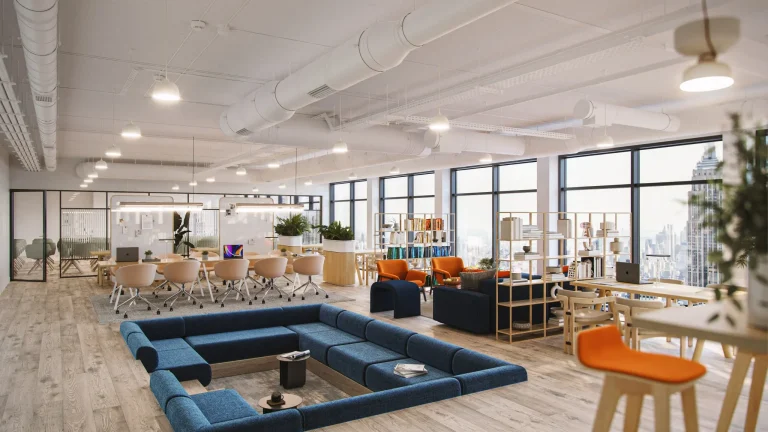
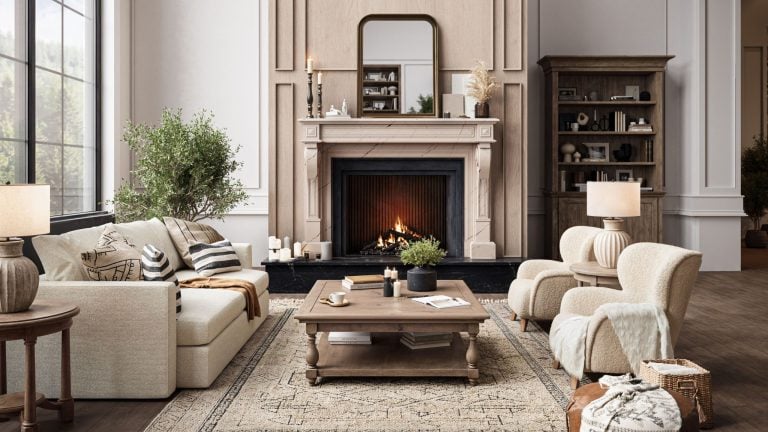
The core of the project is furniture room scenes: complete interiors where the product sits in context. CGIFurniture builds each scene to match a specific market. A healthcare furniture rendering places the chair in a clinic waiting area with vinyl flooring and muted tones. An education furniture rendering puts the same model in a campus lounge with power outlets and collaborative tables. A hospitality furniture rendering sets it against walnut paneling and brass fixtures. The geometry of the product stays identical; the environment tells the buyer exactly how it fits their project.
These environments are not disposable. ERG treats them as a shared library. When the team briefs a new hotel lobby scene, they might reference the polished concrete floor from an earlier airport rendering, or the warm oak panels from a corporate lounge built two collections back. Materials, lighting setups, and architectural details carry over from project to project, which keeps the visual language tight without starting from zero each time.
A single model feeds every version of the scene. Where traditional product photography would produce one image per location, contract furniture rendering produces as many as the client needs: the same armchair in a pediatric clinic, a senior living common room, and a university library, all from one 3D file.
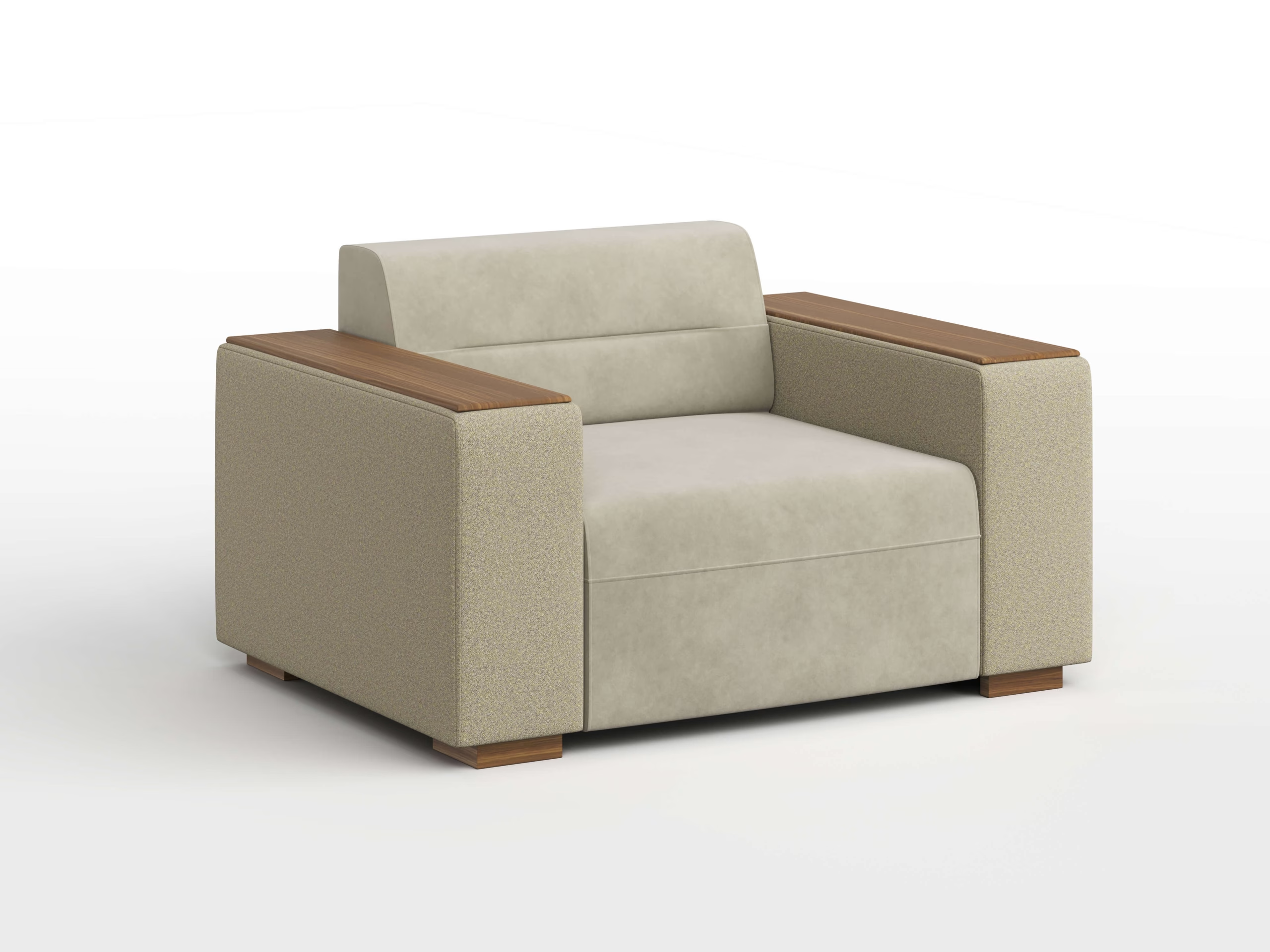
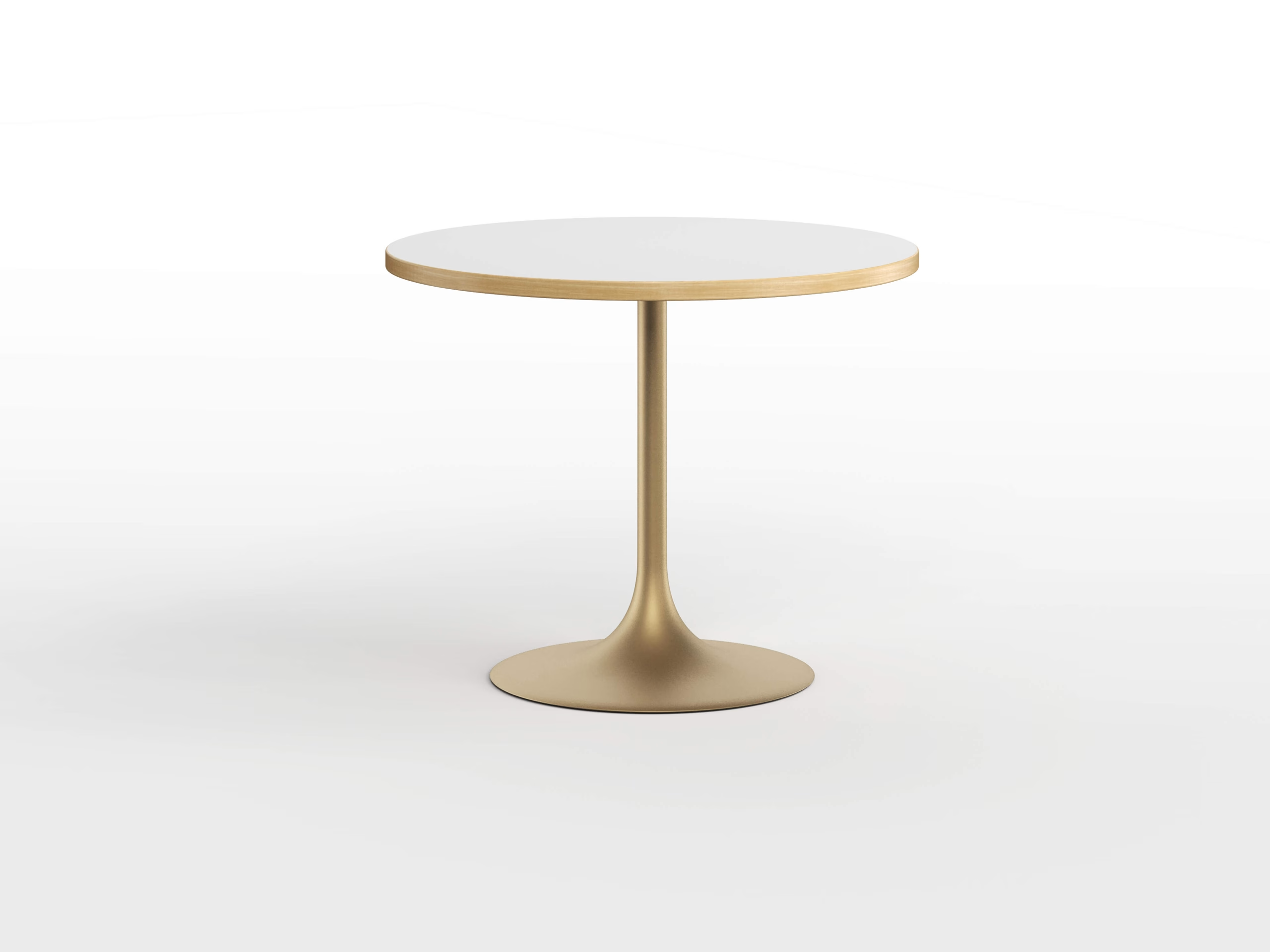
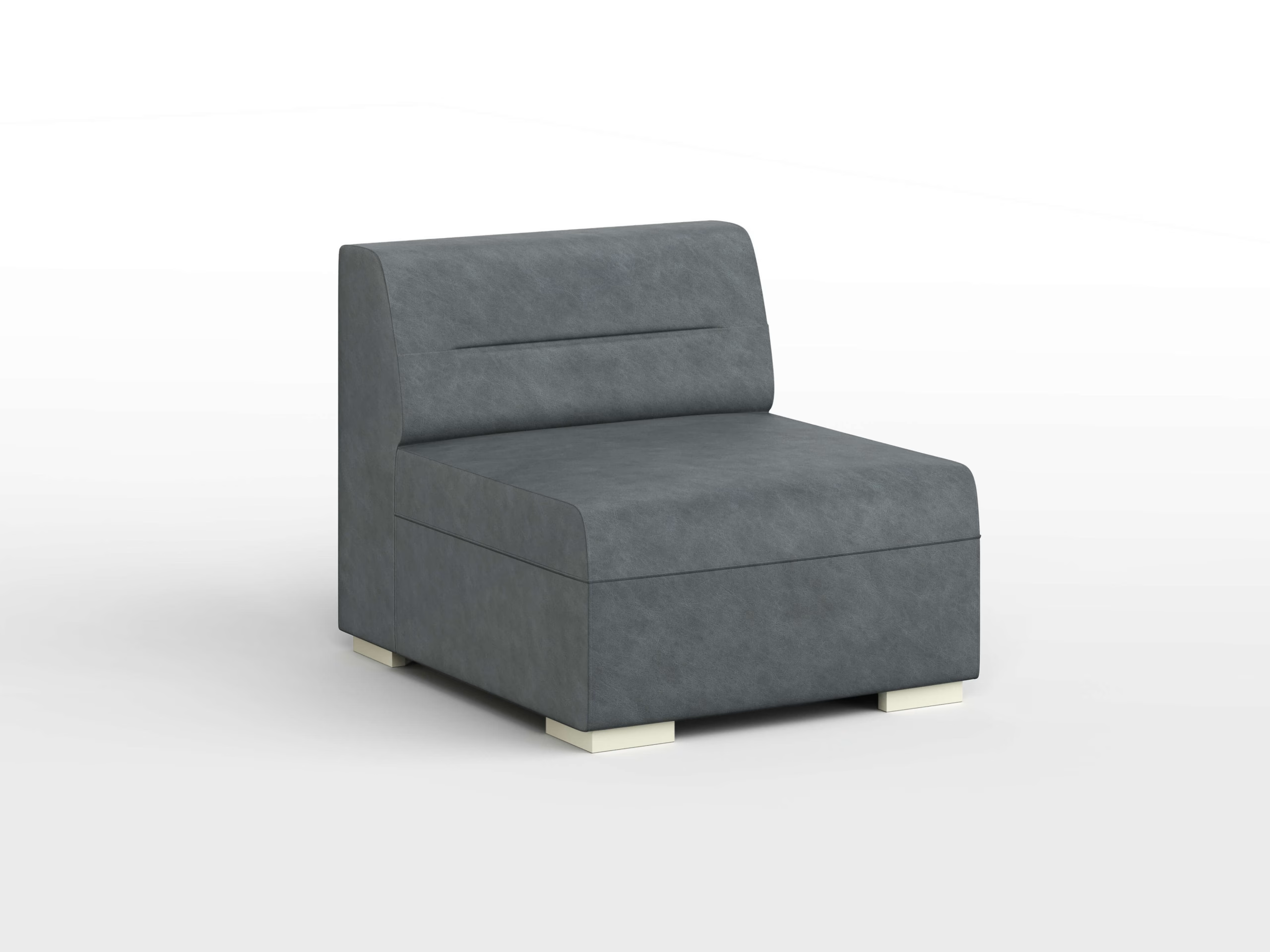
Alongside the lifestyle scenes, CGIFurniture produces silo renders for ERG’s product pages: clean, white-background shots built from the same 3D model. This gives the brand a complete visual pipeline from one studio, with catalog shots and room scenes staying perfectly consistent in materials and proportions.
One Render, Three Formats: Print Vignettes for the Lookbook and the Web
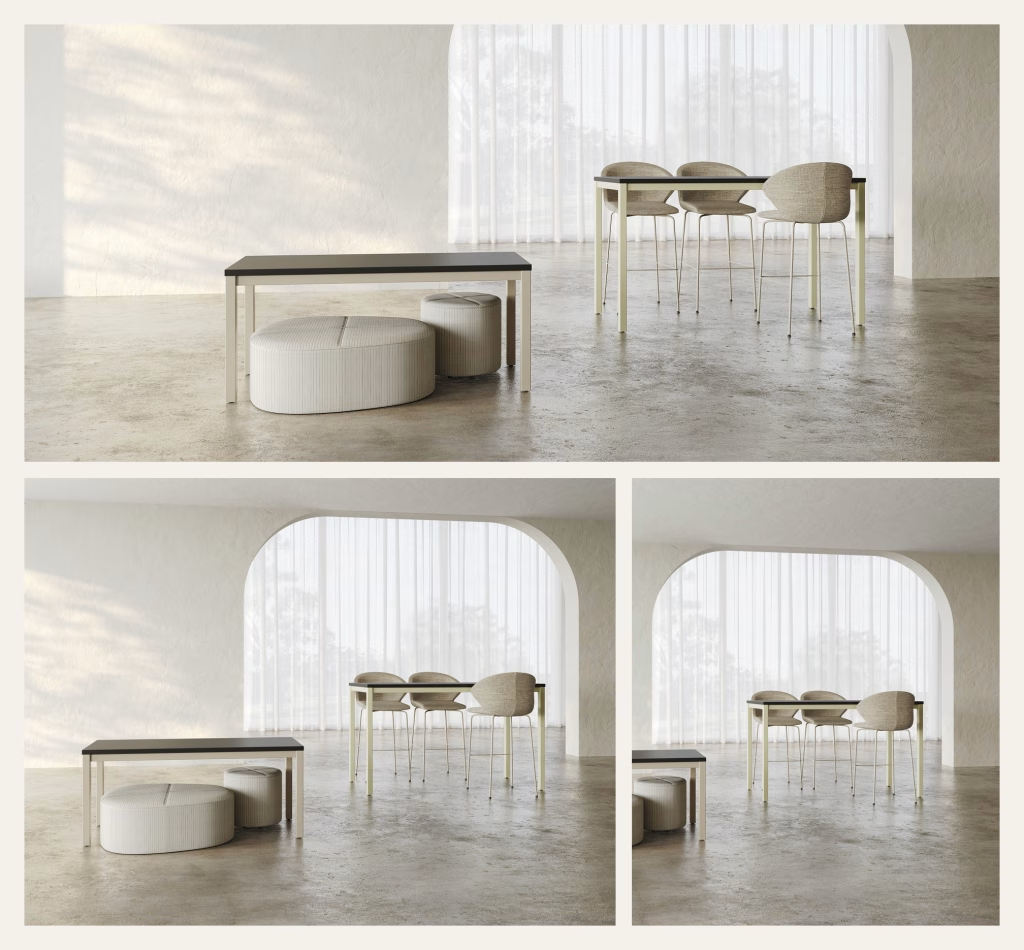
Each scene CGIFurniture delivers to ERG is not a single file: it is a set. Every environment ships in three fixed dimensions. The 3700 × 2800 px horizontal crop is sized for a full-spread catalog layout. The 5250 × 2354 px wide banner is built for the website hero and product pages. The 2775 × 3375 px vertical is cut for print ads and social media. All three come in both TIF (for print catalog) and JPG (for web).
This is one of the less obvious advantages of a commercial furniture rendering workflow over photography. A traditional furniture brochure built from photos requires the photographer to compose each shot for one specific crop. Reframing for a different aspect ratio means either losing resolution or reshooting. With CGI, the camera is virtual: the studio renders the scene at whatever output size the office furniture catalog or the furniture lookbook requires, with no loss. ERG gets every format from every scene, every year.
Close-ups That Match the Spec: Material Options for Specifiers
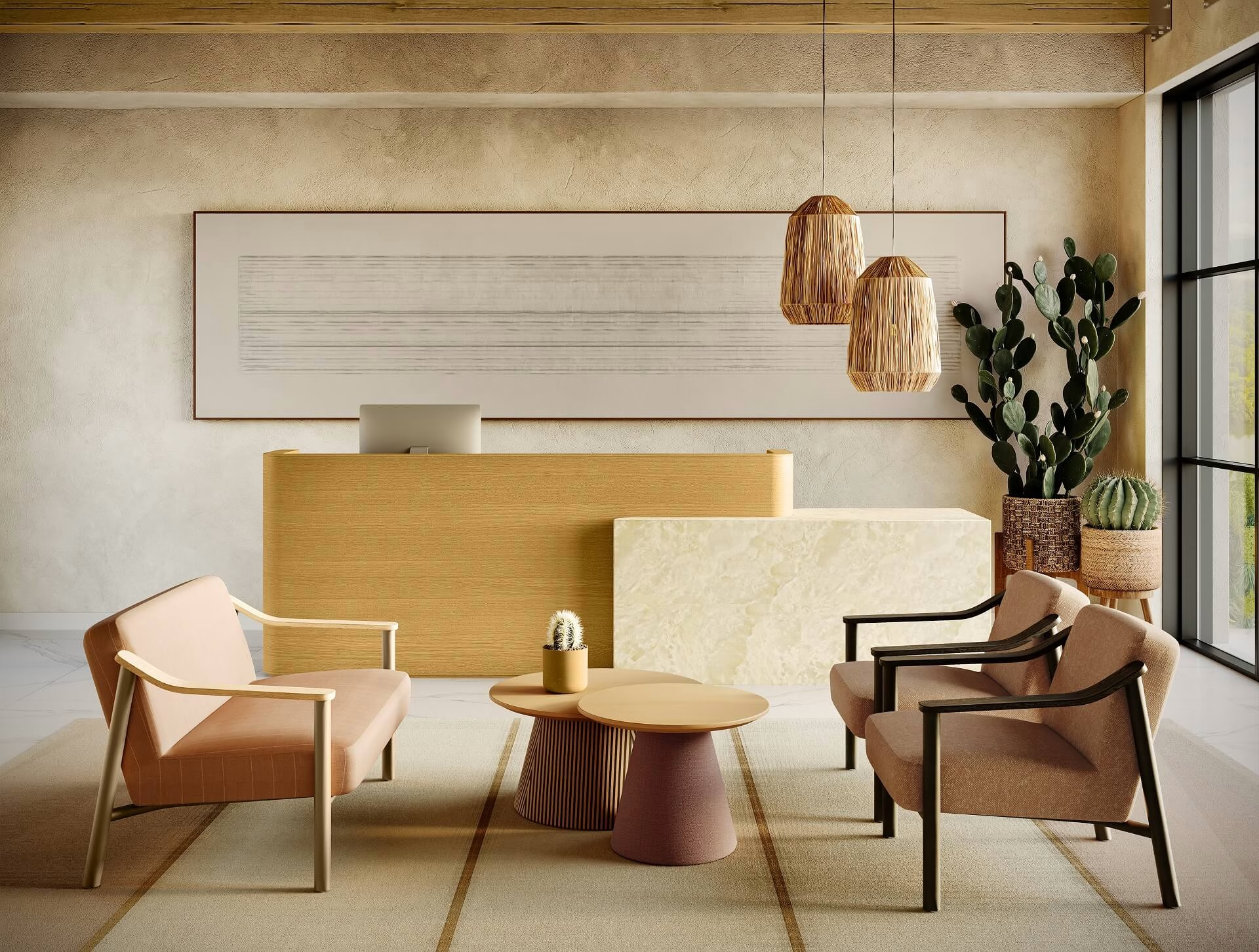
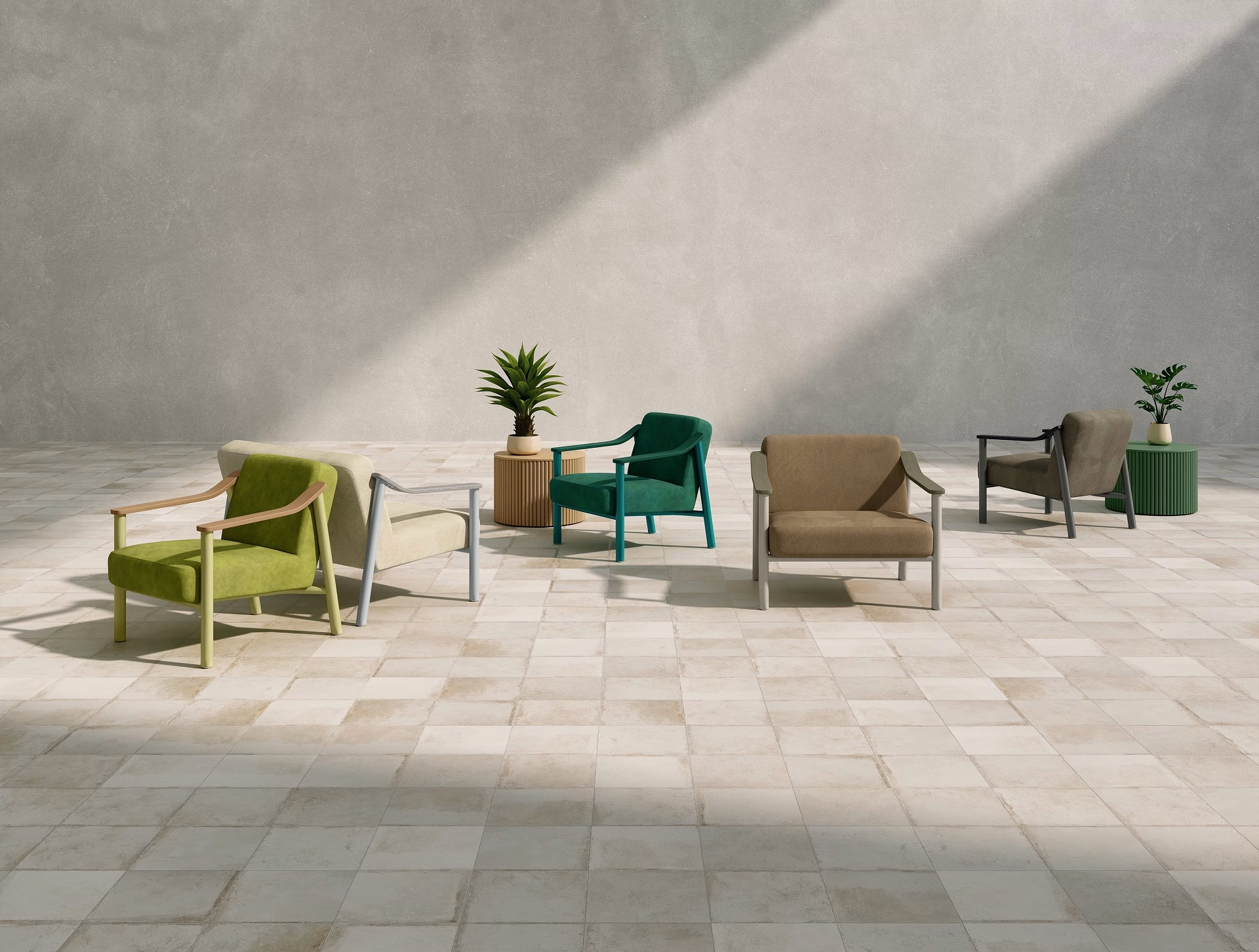
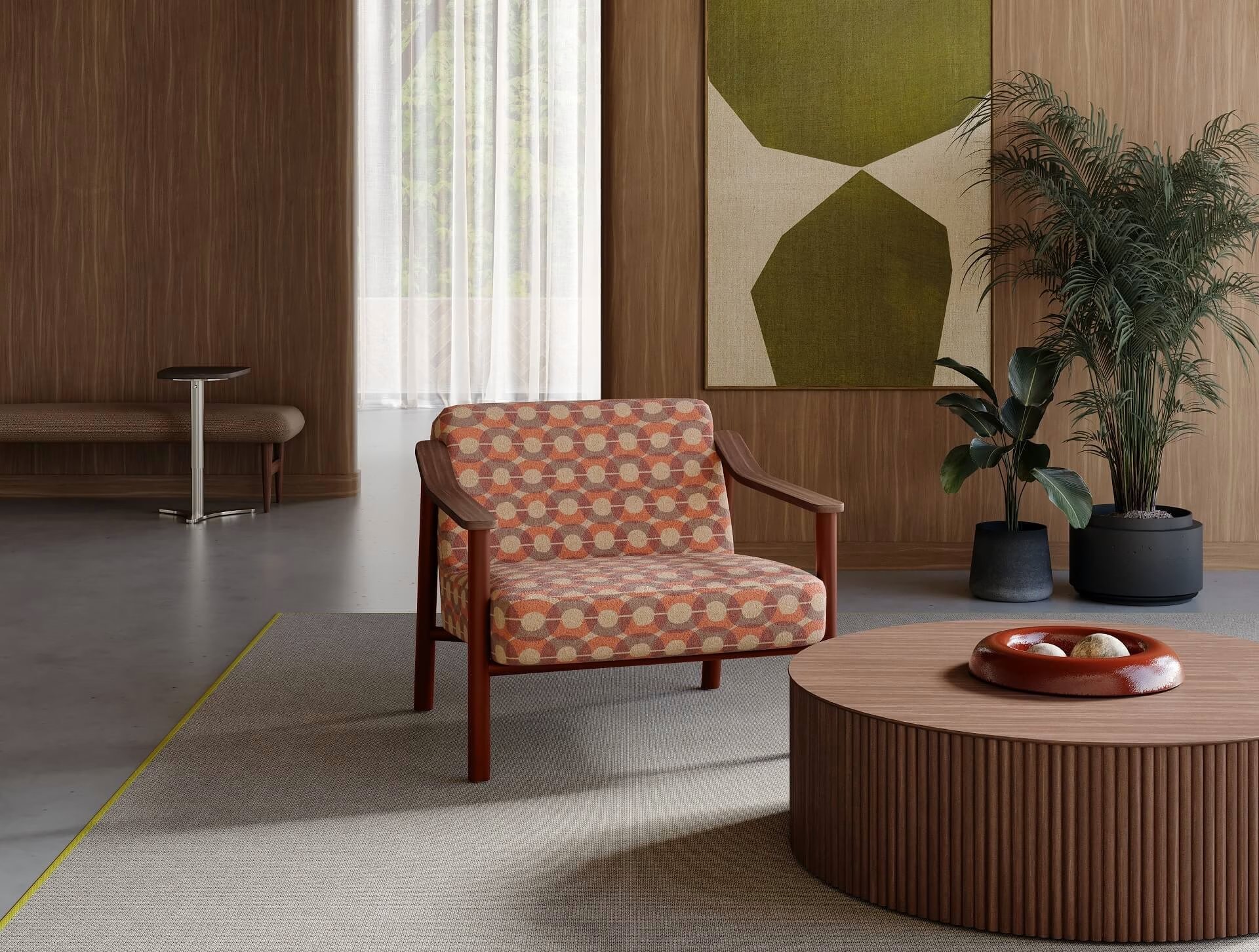
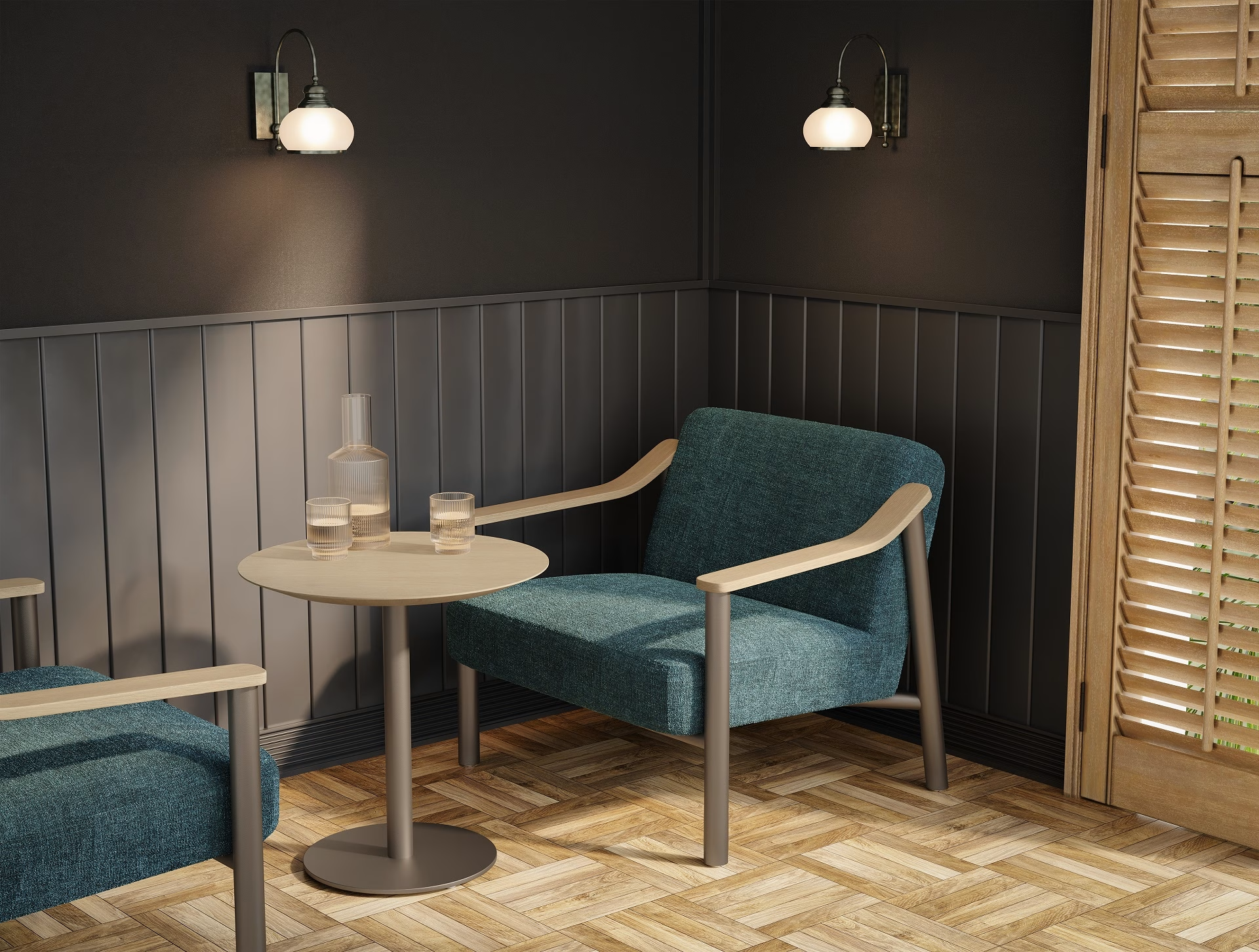
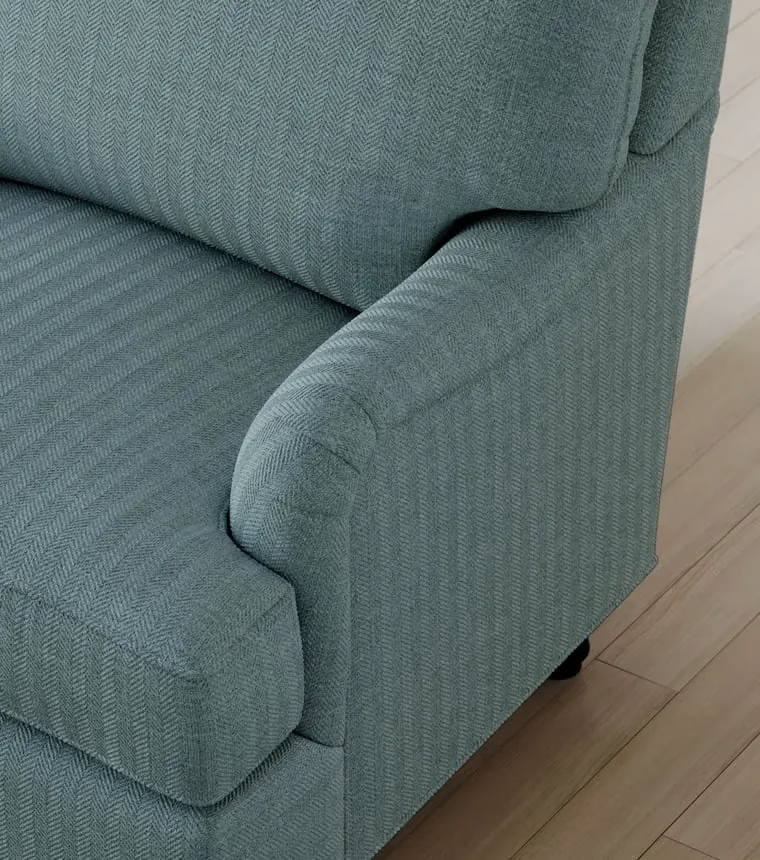
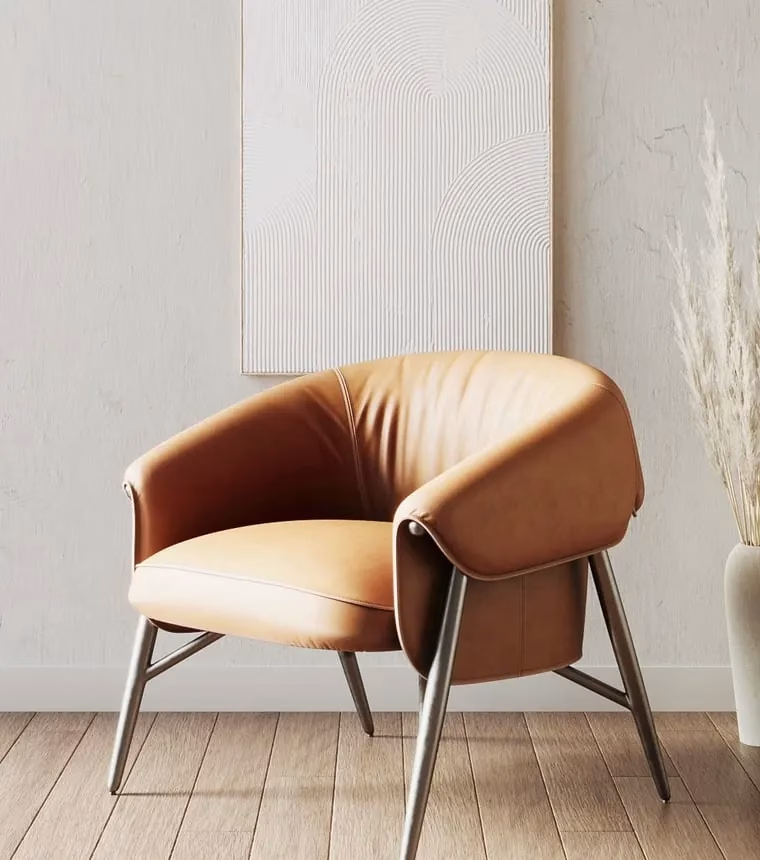
ERG’s buyers are not browsing casually. Specifiers at architecture and design firms choose furniture by matching materials to a project palette. The brief for each rendering includes real fabric article numbers and surface finishes, and the 3D model reflects those materials exactly. The same lounge chair frame appears in blush leather for a desert-toned reception desk, a retro circle-pattern weave for a walnut-paneled lobby, teal linen for a moody bistro corner, and four more colorways lined up on a single tile floor for the catalog. Each upholstery is modeled to spec, not approximated: the repeat of the pattern, the nap of the fabric, the sheen under different lighting conditions.
These material variations are where commercial furniture rendering earns its precision. A specifier flipping through options needs to see exactly how a fabric reads at full scale, in a real lighting scenario, before writing it into a project. CGIFurniture renders each option in its own environment so the client and the specifier can compare side by side and decide without ordering physical samples first.
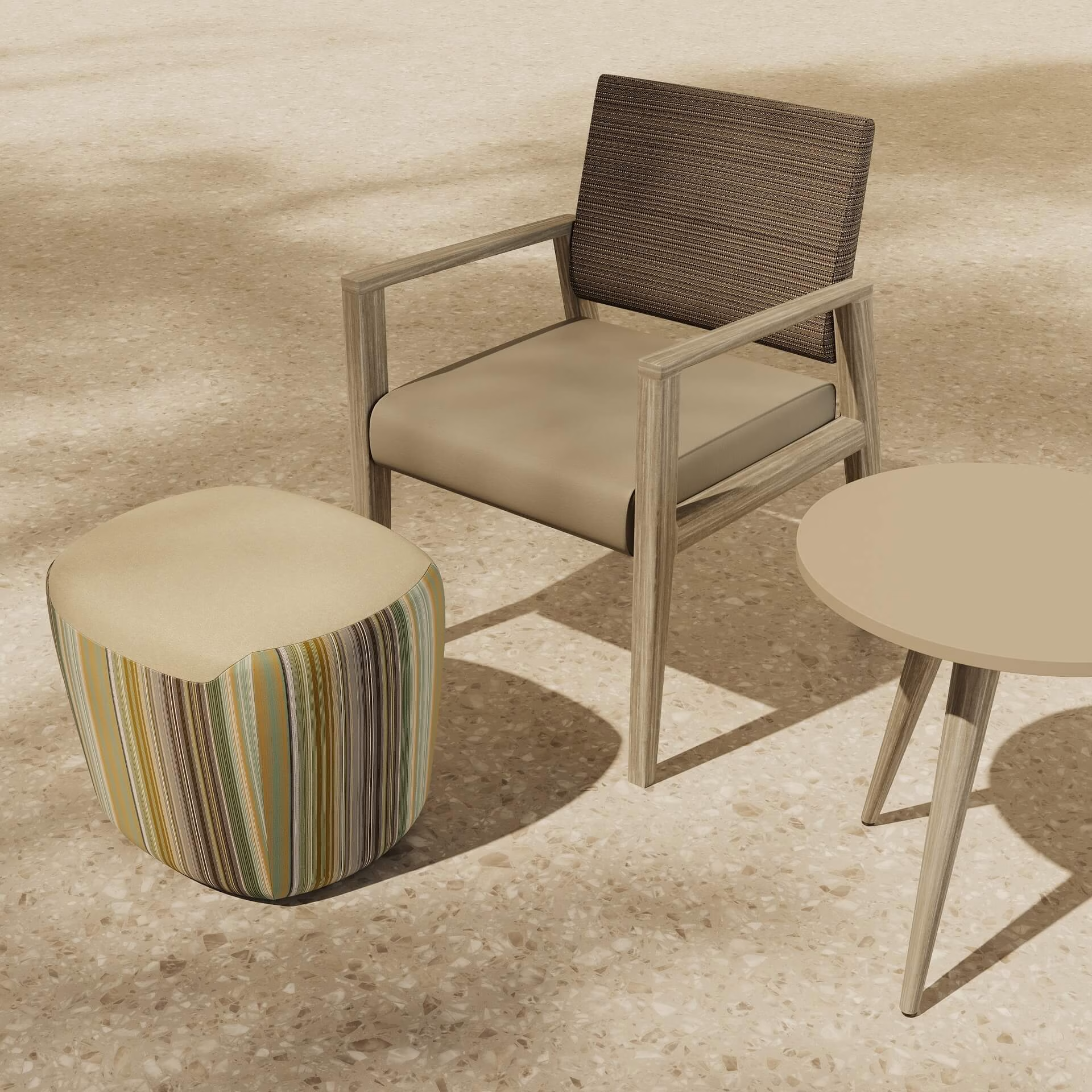
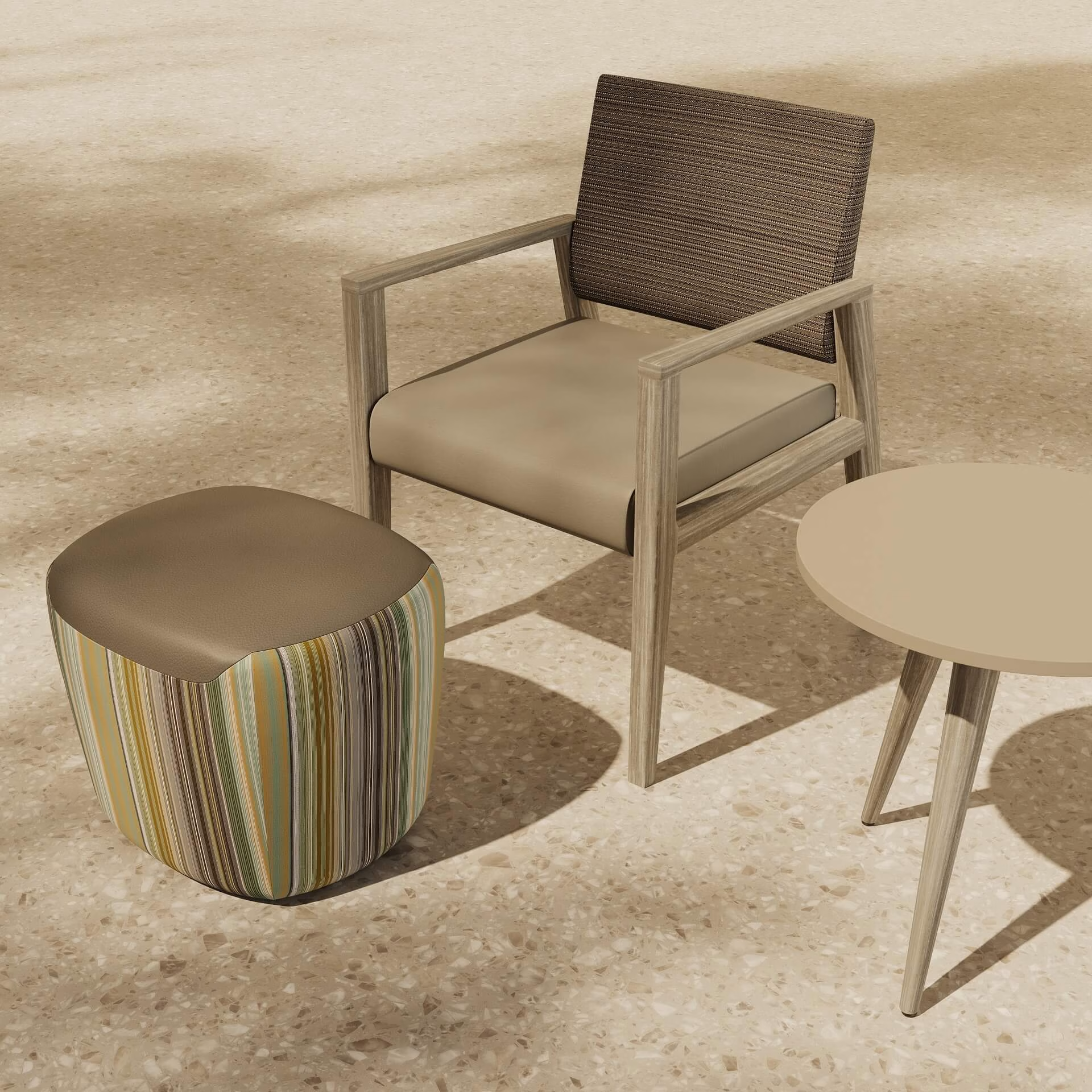
For quick A/B comparisons, the studio also delivers close-up vignettes: the same furniture group shot from the same angle with only the fabric swapped between two colorways, so the difference is immediately clear.
Five Years, One Visual Language
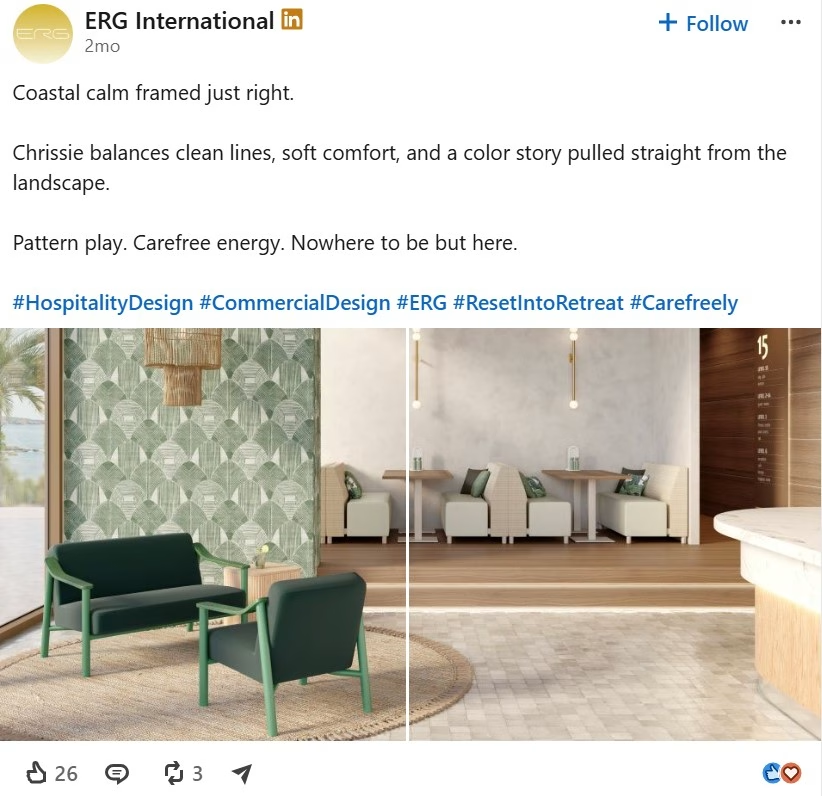
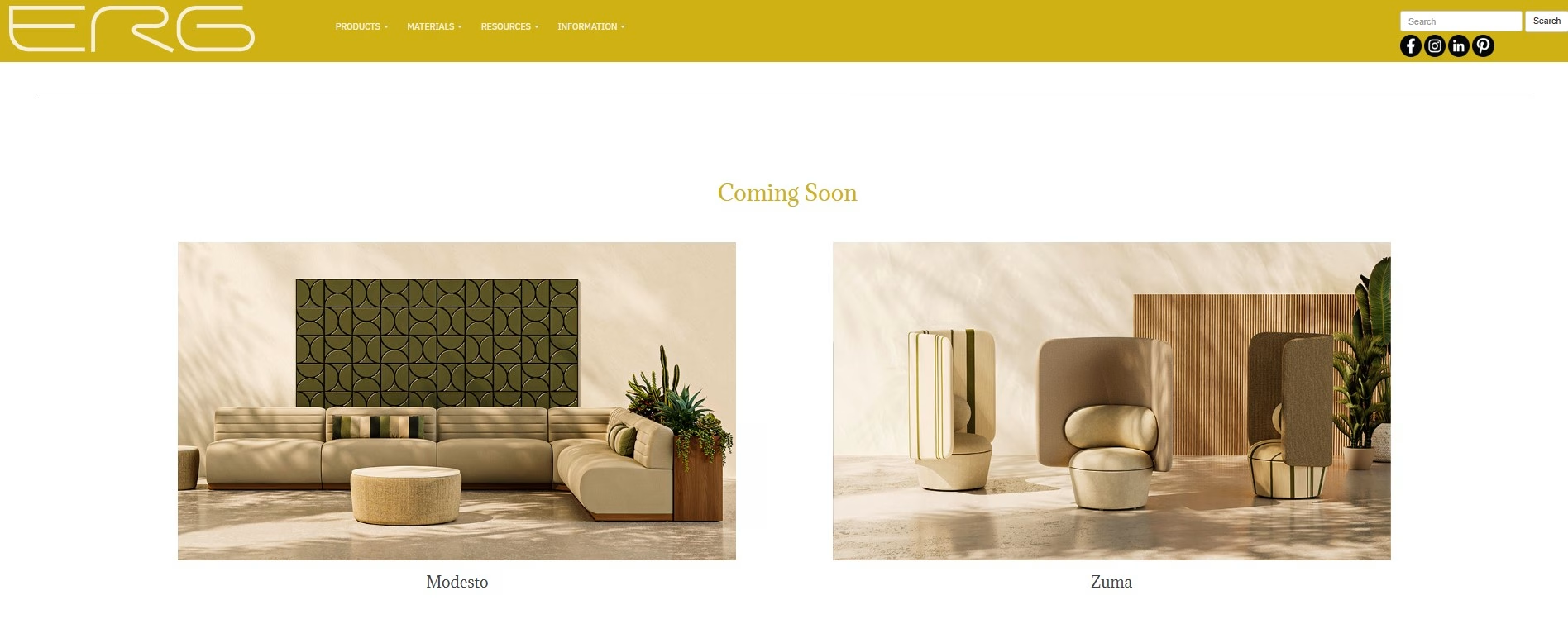
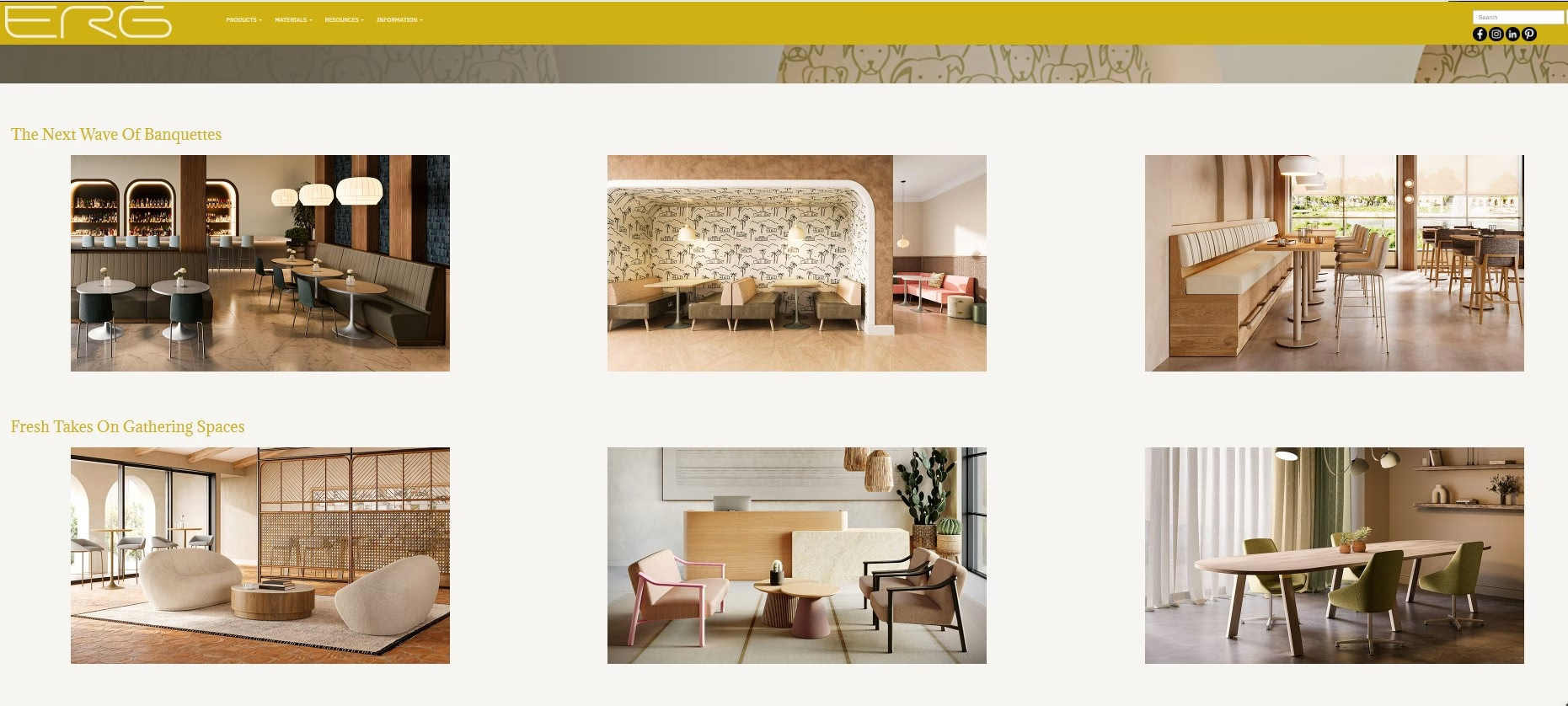
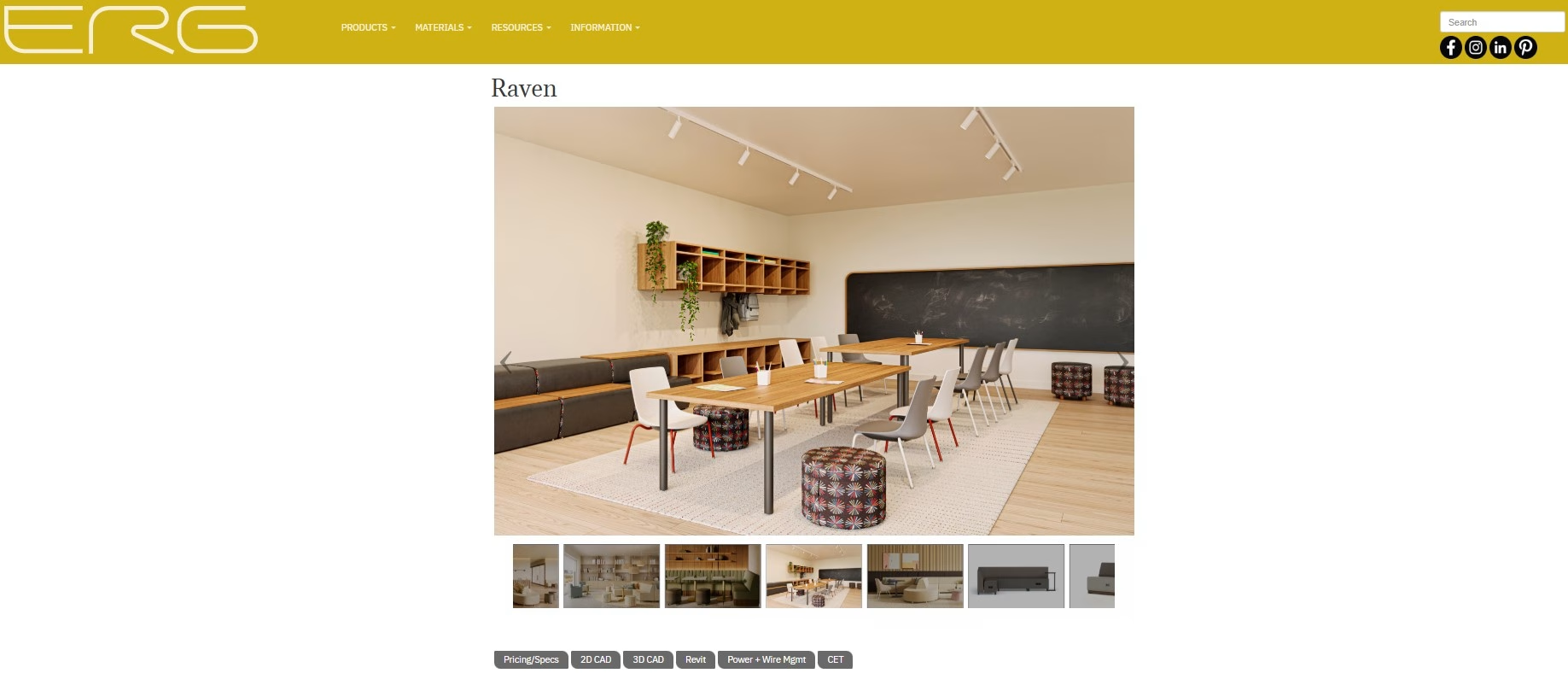
ERG International started working with CGIFurniture in 2021. Five years later, scenes from the first project and the new ones from 2026 look like they belong to the same brand, because they were built by the same team, using the same lighting principles, the same material pipeline, the same rendering engine, and the same eye for how a room should feel.
That consistency is hard to replicate with photography, where studios change, crews rotate, and post-production styles drift from year to year. It is nearly impossible to replicate across multiple photography vendors. With a single 3D visualization partner over five years, ERG’s visual catalog reads as one continuous statement rather than a patchwork of styles.
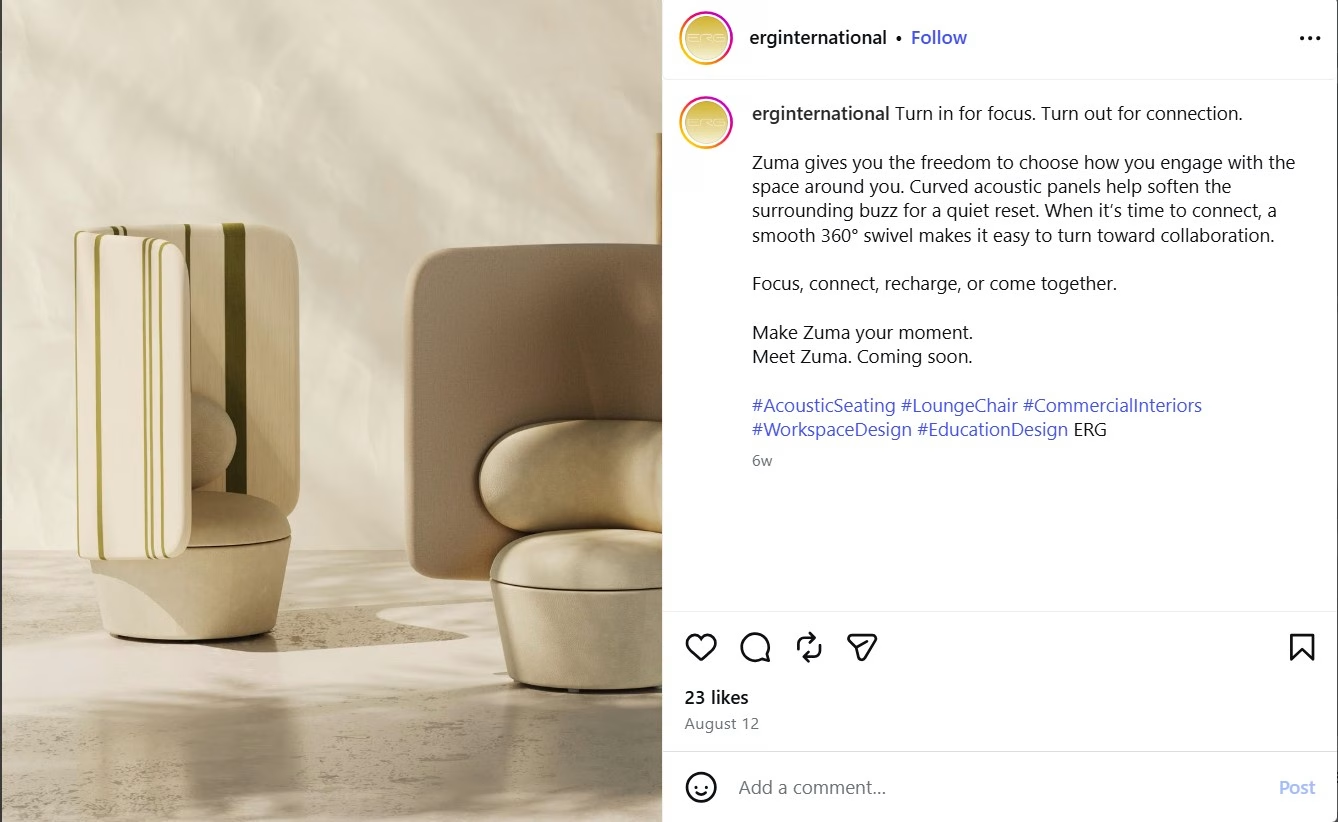
The renders go well beyond the internal catalog. ERG uses CGIFurniture’s imagery across its own website (product pages, Environments gallery, Coming Soon teasers), its social channels (Instagram and LinkedIn posts), and its printed Lookbook. Every touchpoint, from a scrollable product page to a NeoCon handout, draws from the same 3D library, which means the brand reads the same wherever a specifier encounters it.
Need the Same Visual System for Your Collections?
CGIFurniture builds room scenes, product renders, and catalog-ready imagery for contract furniture manufacturers. See the full range of our services or get a free demo.
Schedule a demo with us
Discover how product 3D rendering can work for your business – with real results, process breakdown, and pricing.
Schedule now