Email is the one marketing channel where you’re not competing with an algorithm. Social media decides who sees your post. Search engines decide who finds your page. But when someone gives you their email address, you have a direct line to them — no middleman, no feed ranking, no pay-to-play. For furniture brands selling online, that direct access is worth more than most companies realize.
The catch is that everyone else with their email address is also trying to reach them. The average person’s inbox is a warzone of promotions, newsletters, and abandoned cart reminders. Standing out requires more than a nice template and a discount code. It requires understanding what makes someone open an email from a furniture brand, read it, and actually click through.
This article by our 3D rendering company covers seven practical approaches to ecommerce email marketing that work specifically for furniture brands. For more ecommerce ideas for furniture, we’ve written about that separately.
What is Ecommerce Email Marketing for Furniture Brands?
At its core, ecommerce email marketing for furniture brands is using email to drive traffic to your online store, recover abandoned purchases, build repeat buying behavior, and keep your brand visible between purchases. That last part matters more for furniture than for most product categories. Someone who buys a sofa won’t need another one for years. But they might need a dining table, a bookshelf, or a bedroom set — and if your emails kept the relationship warm, your brand is the one they think of first.
The tactical toolkit includes welcome sequences for new subscribers, abandoned cart recovery emails, post-purchase follow-ups, product launch announcements, seasonal promotions, and content emails that provide value beyond selling. The goal is to build a relationship that extends beyond any single transaction.
1. Segment Your Email List

Sending the same email to your entire list is the email marketing equivalent of shouting into a crowd. Some people might hear you, but most won’t care because the message isn’t relevant to them.
Segmentation fixes this by dividing your subscribers into groups that share common characteristics. New subscribers get a different sequence than repeat buyers. Someone who browsed bedroom furniture should receive different recommendations than someone who spent time on your outdoor collection. Geographic segments can matter too — a customer in Arizona doesn’t need the same seasonal content as someone in Minnesota.
The data for segmentation comes from places you probably already have access to: purchase history, browsing behavior on your site, email engagement patterns, and whatever demographic information subscribers shared when they signed up. Most email marketing platforms handle the mechanics automatically — you define the rules, and subscribers get sorted into the right segments based on their actions.
Where furniture brands specifically benefit from segmentation is the long purchase cycle. Someone who bought a dining table three months ago isn’t in the market for another one. But they might respond well to an email about matching chairs or a care guide for the table they already own. Without segmentation, that customer gets the same promotional blast as everyone else, and the email goes straight to the archive.
2. Personalize Your Emails
Personalization starts with using the subscriber’s name, but if that’s where it ends, you’re barely scratching the surface. Real personalization means using what you know about a subscriber to make the email feel like it was written for them specifically.
Behavioral data is the richest source for this. If someone added a sectional sofa to their cart and left without buying, the follow-up email should feature that exact sofa — not a generic “come back to our store” message. If a customer’s purchase history shows they gravitate toward mid-century modern designs, your product recommendations should reflect that preference rather than showing them farmhouse furniture.
Timing is another personalization lever that gets overlooked. Triggered emails — sent in response to specific actions like cart abandonment, a first purchase, or a browsing session that didn’t convert — consistently outperform scheduled batch emails. The reason is simple: they arrive when the subscriber’s intent is still fresh. A cart reminder sent two hours after abandonment catches someone who got distracted. The same reminder sent three days later catches someone who’s already moved on.
For furniture specifically, where ecommerce purchases are high-consideration and infrequent, personalization also means respecting the buying cycle. Bombarding someone with promotional emails for products they just bought doesn’t build loyalty. It builds unsubscribes.
3. Showcase High-Quality Visuals
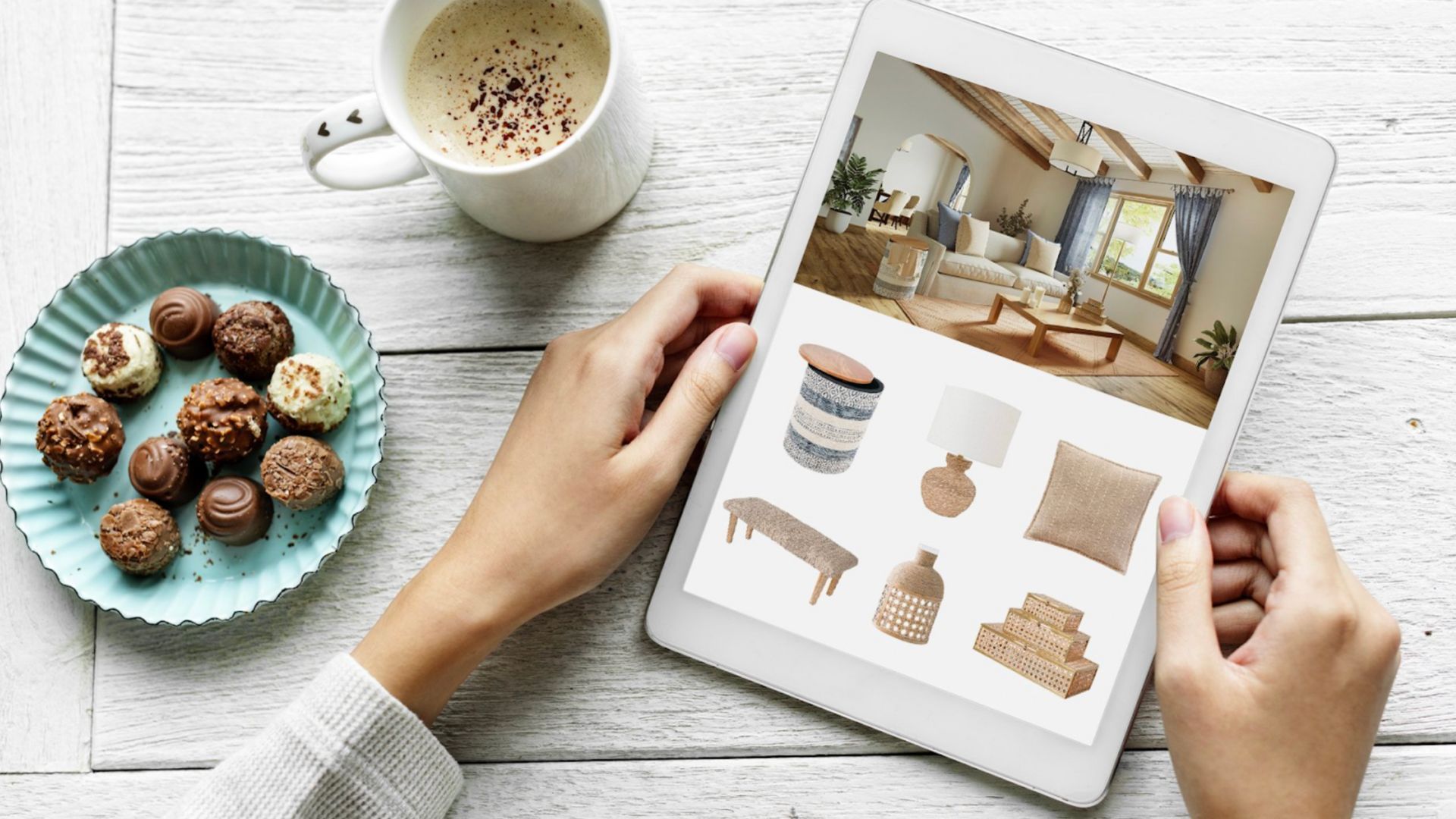
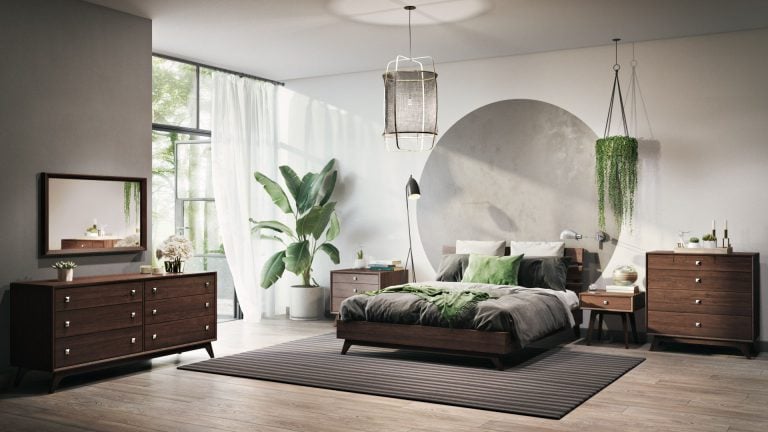
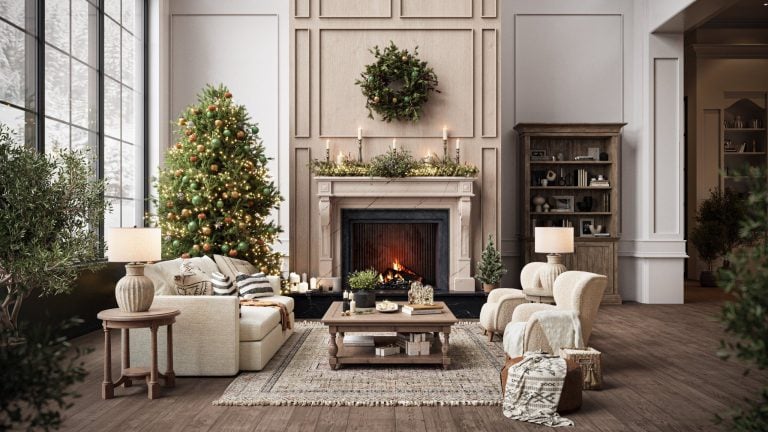
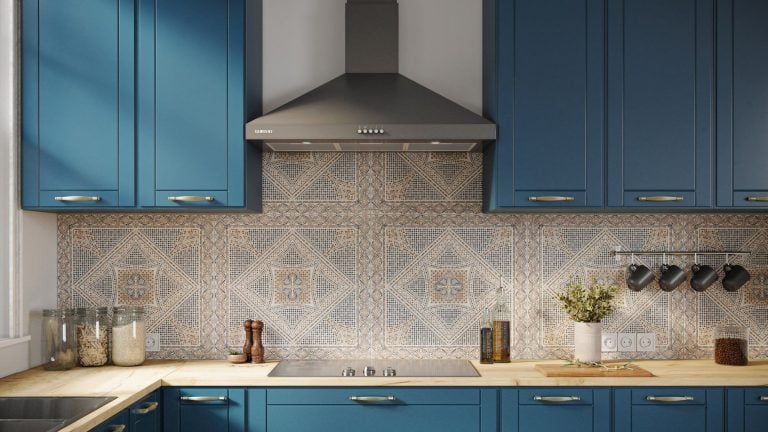
Furniture is a visual product. Nobody buys a sofa based on a text description. The images in your emails do most of the persuasion work, and the quality gap between professional visuals and amateur ones is immediately obvious in someone’s inbox.
Investing in product 3D rendering pays for itself across every email you send. A photorealistic render captures material textures, color accuracy, and proportions at a level that phone photography rarely matches. For furniture brands with large catalogs, CGI also solves the practical problem of producing enough visual variety — different angles, different settings, different configurations — without running a new photoshoot for every email campaign.
Consistency across touchpoints is the other half of the equation. If your emails use one set of fonts and colors while your website uses another, the subscriber’s brain registers “something’s off” even if they can’t pinpoint what. Every email should feel like it came from the same brand that runs your website, your Instagram, and your packaging. That visual recognition builds over time — eventually your subscribers identify your emails before reading the subject line, just from the layout and color palette in the preview.
Motion content is worth experimenting with. A GIF of a recliner mechanism in action, or a short clip of a styled room rotating to show different angles, communicates things a static image can’t. People process motion instinctively — it pulls attention in a crowded inbox. These work well as supplementary elements — the hero image should still be a high-quality static render or photo, with motion content adding depth rather than replacing it.
4. Focus on Mobile Optimization
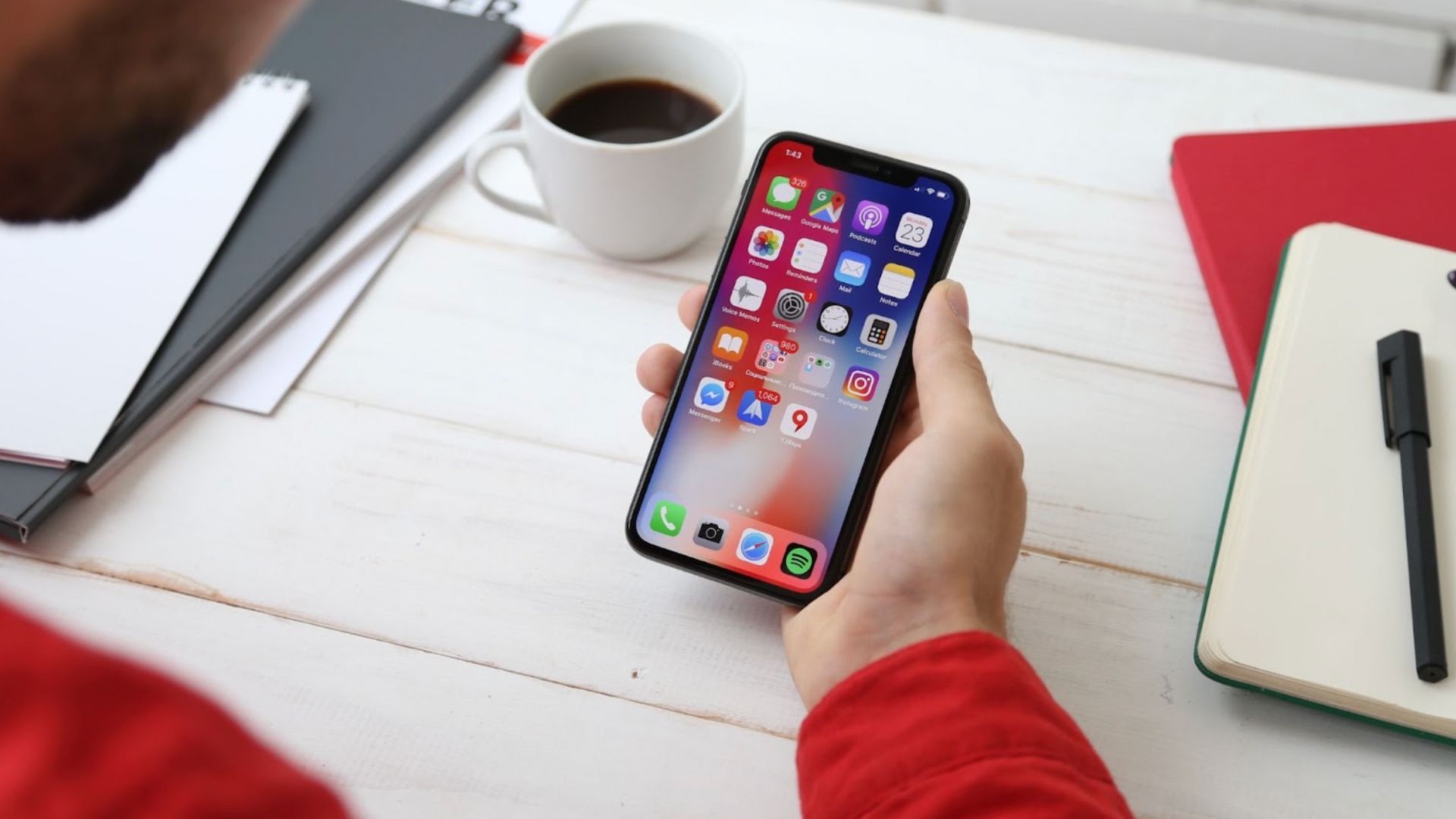
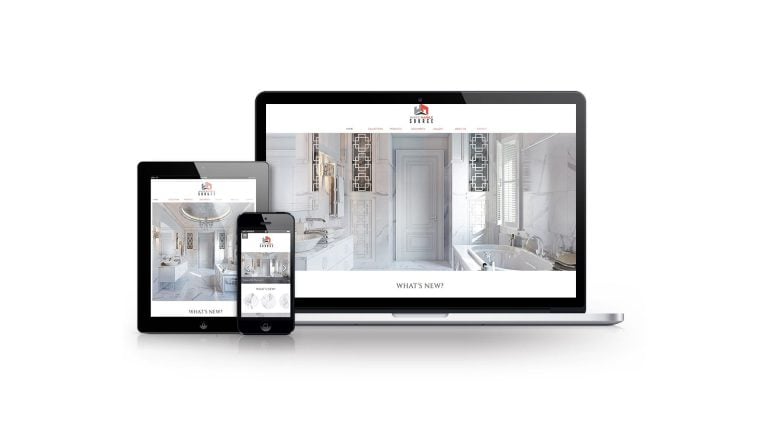
More than half of all emails are opened on mobile devices. If your email looks broken, cluttered, or unreadable on a phone screen, nothing else you’ve done matters — the subscriber closes it and moves on.
Mobile-responsive templates handle the basics: layout, image sizing, and text formatting adjust automatically depending on the screen. At this point calling responsive design a “best practice” feels generous. It’s the floor.
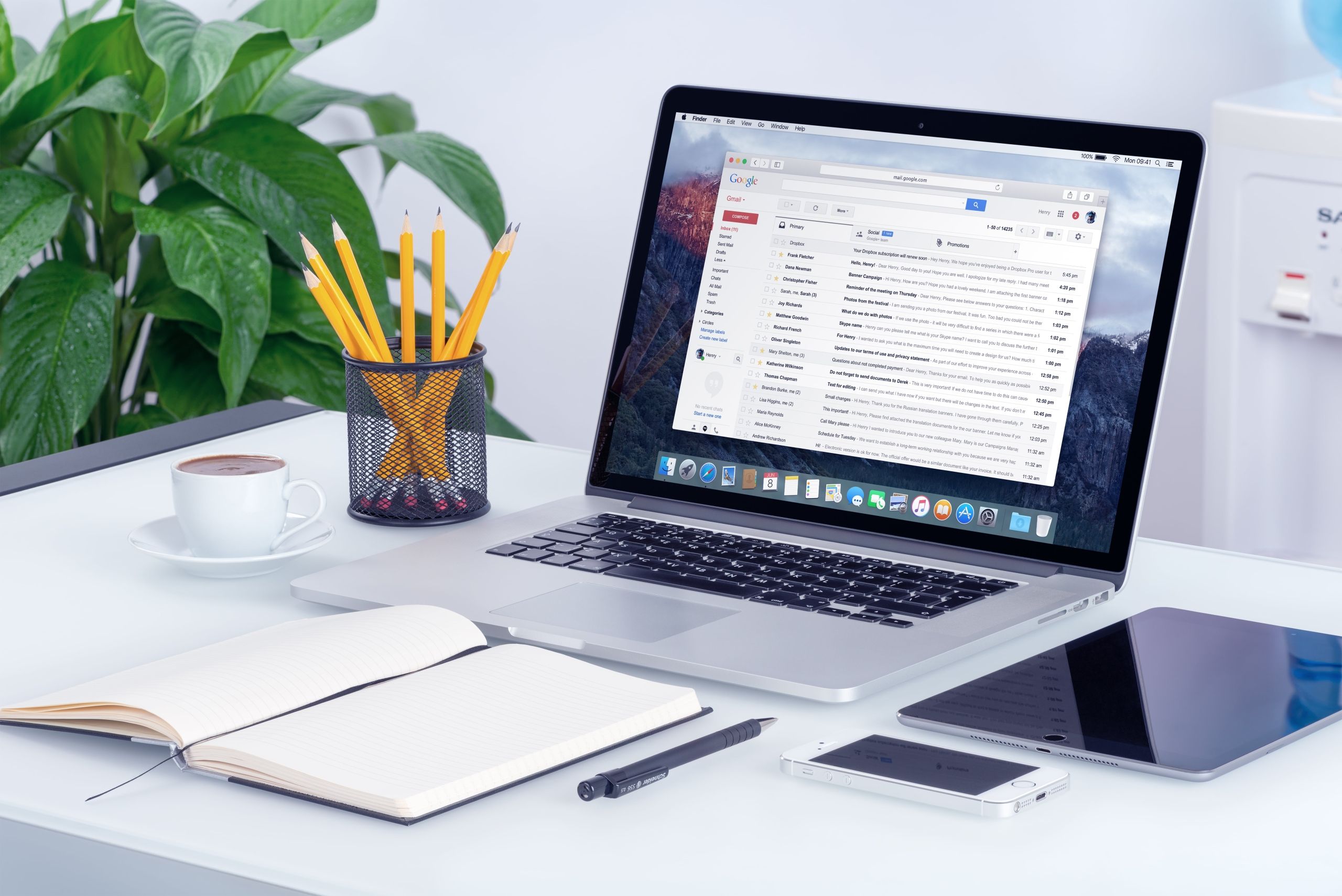
Where things still go wrong is cross-device rendering. An email that looks clean in Apple Mail can fall apart in Gmail on Android. Buttons that are easy to tap on a newer iPhone might be tiny on a budget Android device from three years ago. Preview your emails across devices and clients before sending. Otherwise you’re rolling the dice on whether half your audience sees a usable email or a broken one.
Design simplicity helps on mobile more than anywhere else. Clear hierarchy, legible fonts, adequate spacing between tappable elements, and images that load quickly over cellular connections. If a subscriber has to pinch-zoom or scroll horizontally, the email has failed its mobile audience. Keep the layout single-column, the copy concise, and the call-to-action buttons large enough to hit with a thumb.
5. Create Compelling Content
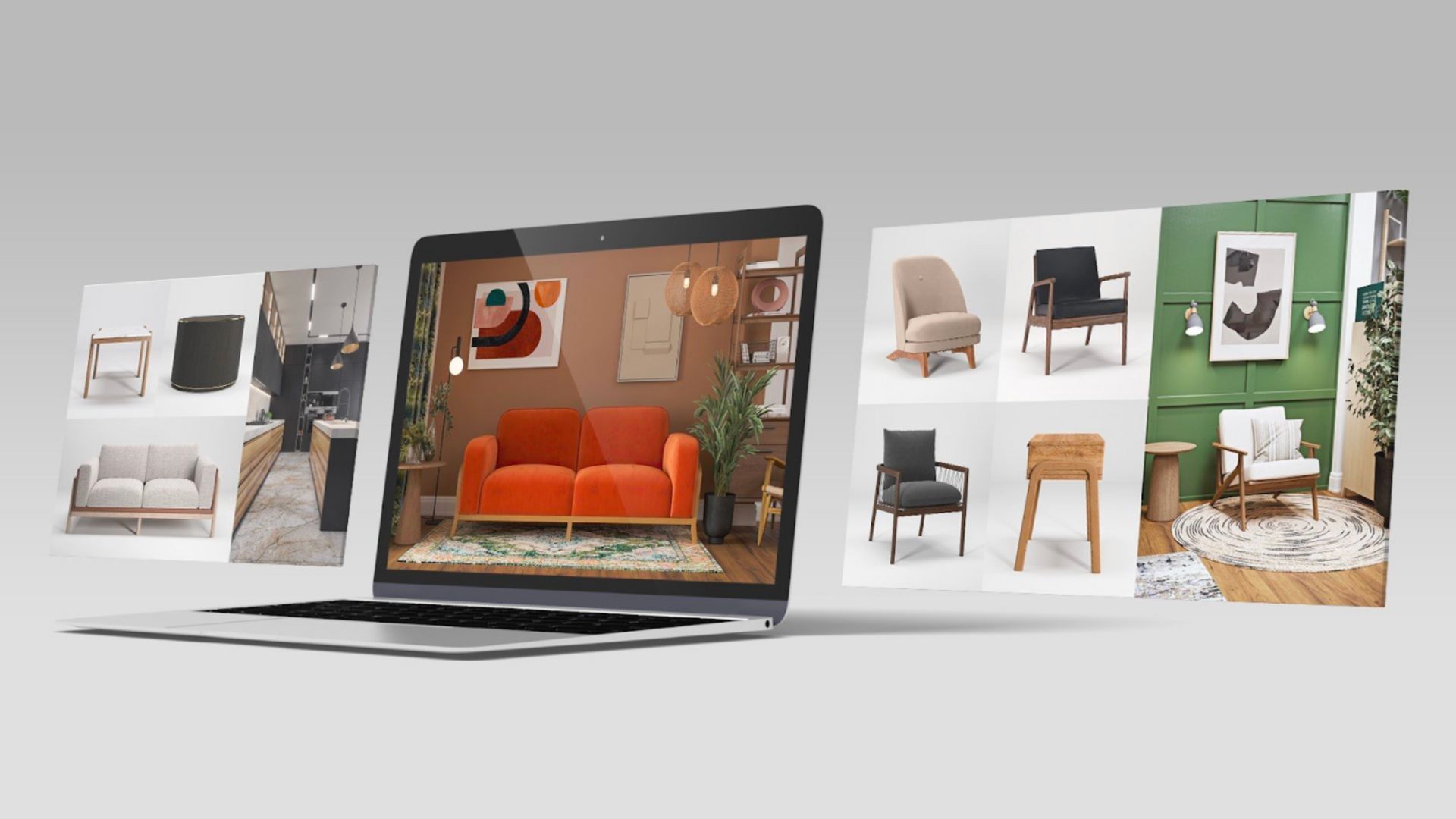
Promotional emails have their place, but if every email you send is “buy this thing,” subscribers will start ignoring you. The furniture brands that build genuine email engagement are the ones that provide value between the sales pitches.
Design inspiration content works particularly well for furniture. A well-styled room featuring your products — with tips on how to recreate the look — gives the subscriber something useful while also showcasing your catalog in context. Seasonal styling guides, space-planning advice, and trend roundups all fall into this category. The subscriber gets practical ideas. Your products appear naturally within that helpful content rather than being pushed with a “Shop Now” button.
Expert advice builds authority. Guides on choosing the right sofa size for a specific room, understanding upholstery fabrics, or maintaining wood furniture establish your brand as a knowledgeable resource. When that subscriber is ready to buy, they’re more likely to purchase from the brand that helped them make an informed decision than from one that only ever asked for their money.
Educational content addresses the practical questions that come up before and after a purchase. Assembly tips, care instructions, organization ideas for storage furniture. This kind of content is especially useful in post-purchase email sequences — it helps the customer get more value from what they already bought, which builds satisfaction and makes them more likely to return.
6. Implement A/B Testing

Assumptions about what works in email marketing are wrong often enough that testing should be a default practice rather than an occasional experiment.
Subject lines are the most impactful element to test because they determine whether the email gets opened at all. Try different lengths, different tones (direct vs. curious vs. urgent), and different levels of personalization. A subject line that names a specific product category (“New arrivals in dining tables”) may outperform a generic one (“Check out what’s new”) — or it may not. The only way to know is to test.
Visual content is worth testing too. Does a lifestyle render of a sofa in a styled living room generate more clicks than a clean silo shot on white? Does adding a GIF to the hero section improve engagement or slow down load times enough to hurt it? These questions have different answers for different audiences, which is why testing matters more than best practices.
Call-to-action buttons are where opinions are loudest and data is thinnest. Everyone on the marketing team has a theory about whether “Shop the collection” works better than “Browse now,” or whether the button should sit above the fold or after two paragraphs of context. The only honest answer is: test it. Run one variable at a time so the results actually mean something. Change the button text and the placement simultaneously and you’ll learn nothing except that something changed.
Send timing is the last major variable. Day of week and time of day both affect open rates, and the optimal schedule varies by audience. Test systematically and let the data settle before drawing conclusions — a single send isn’t a large enough sample.
7. Incorporate User-Generated Content (UGC)
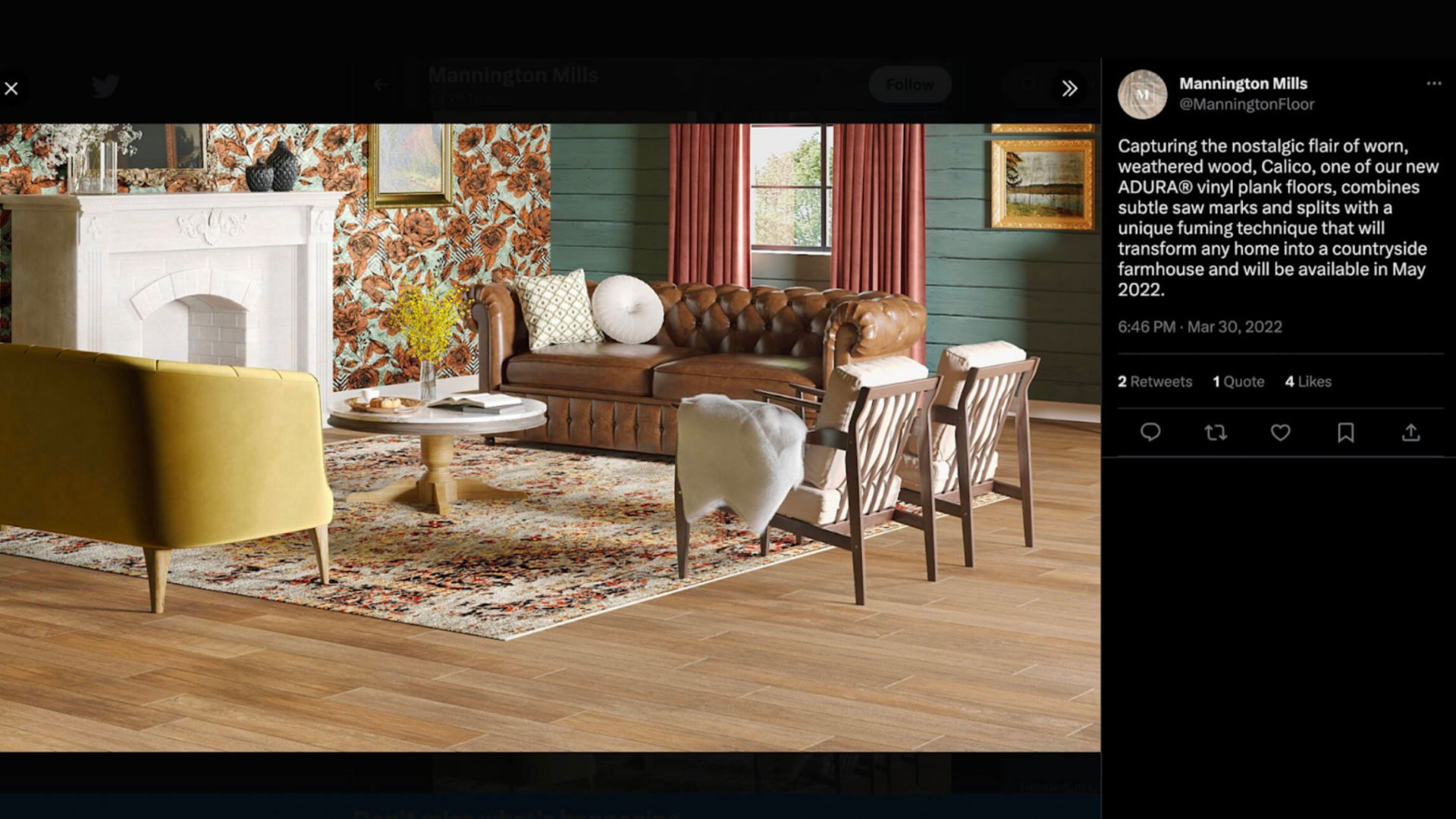
A customer photo of your coffee table in their actual apartment does something your marketing visuals can’t: it proves the product looks good in a real, imperfect space. That kind of social proof is powerful in email because it feels authentic rather than produced.
Feature positive customer reviews in your emails — not as an afterthought in the footer, but as a prominent element. A brief testimonial paired with the product image and a direct link to purchase creates a persuasive combination. The review adds credibility that your own copywriting can’t match, no matter how good it is.
Social media content from customers can be repurposed in emails with permission. A well-styled Instagram photo of your bookshelf in someone’s home office, credited to the customer who posted it, adds authenticity and encourages other customers to share their own photos. This creates a cycle: customers share content, you feature it, other customers see it and want to participate.
Running a UGC campaign — asking customers to submit photos of their spaces featuring your furniture, with a prize or discount for the best entries — generates a library of authentic content you can use across email, social media, and your website. The participation itself builds community around your brand, and the resulting content performs better than stock lifestyle imagery because it’s real.

Check out 3D rendering services for office furniture to increase your sales in no time.
See moreEffective ecommerce email marketing for furniture brands comes down to relevance, visual quality, and respecting your subscriber’s inbox. Segment so your messages are targeted. Personalize so they feel individual. Invest in visuals that match the quality of your products. Test what works and stop guessing. And use real customer voices to build trust that your marketing team can’t manufacture on its own.
For more on building strong customer touchpoints for furniture businesses, check out our guide. And if you need high-quality product visuals for your email campaigns, explore our 3D rendering services.