The holiday season compresses a huge share of annual furniture sales into a few weeks. Customers are actively looking to buy, budgets are looser than usual, and the emotional pull of “make your home feel like the holidays” is at its peak. That’s a window most furniture brands can’t afford to underuse.
The challenge is standing out when every competitor is also running holiday campaigns. Generic product photos on a white background don’t create any seasonal connection. But a 3D render of your sofa in a living room glowing with string lights, a decorated tree in the corner, snow visible through the window? That tells a story a customer can step into. This article by our 3D rendering company walks through seven ways 3D CGI can strengthen your Christmas marketing strategy and turn festive visuals into actual revenue.
1. Showcase Furniture in Festive Settings

During the holidays, context matters even more than usual. A customer browsing dining tables in November isn’t evaluating dimensions and materials the way they would in March. They’re picturing Christmas Eve dinner. Where will everyone sit? Will it look right with the rest of the room? 3D renders let you build that exact mental image for them.
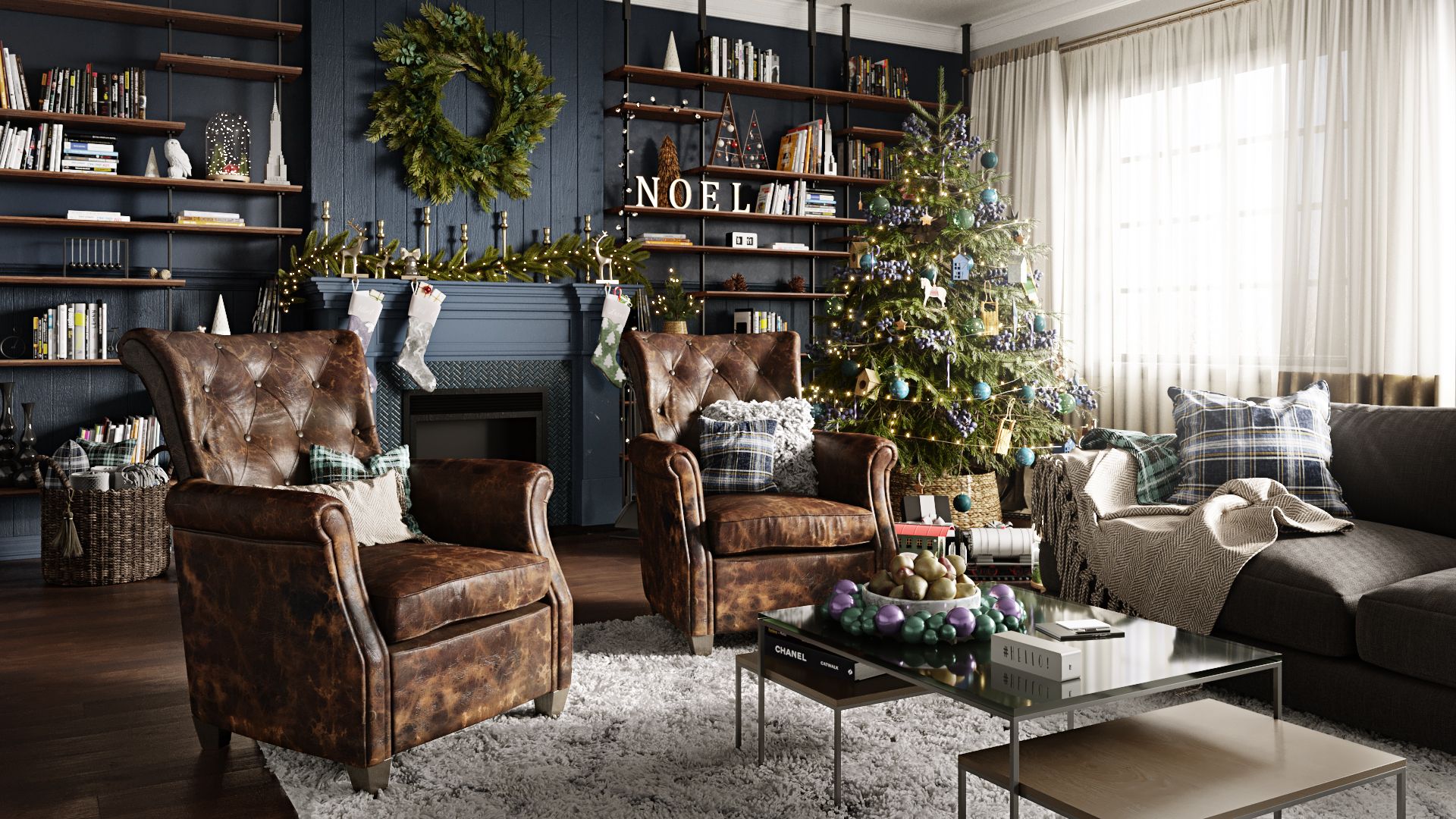
What makes a holiday interior feel real in a render? It’s the specific details. String lights catching on a polished tabletop. A fireplace throwing warm light across a sofa’s upholstery. Gifts stacked beside an armchair with a blanket tossed over the back. Staging all of that for a traditional photoshoot takes time and money. In CGI, 3D artist builds the scene and fine-tunes the mood until it’s right. The furniture stays the hero, but the setting is what gives it emotional weight. Without that context, a sofa is just a product. With it, the customer is already imagining it in their living room.
2. Create Dynamic Social Media Content
During the holidays, social feeds are flooded with promotional content, and the bar for stopping someone’s thumb is higher than usual. CGI gives you the tools to clear that bar.
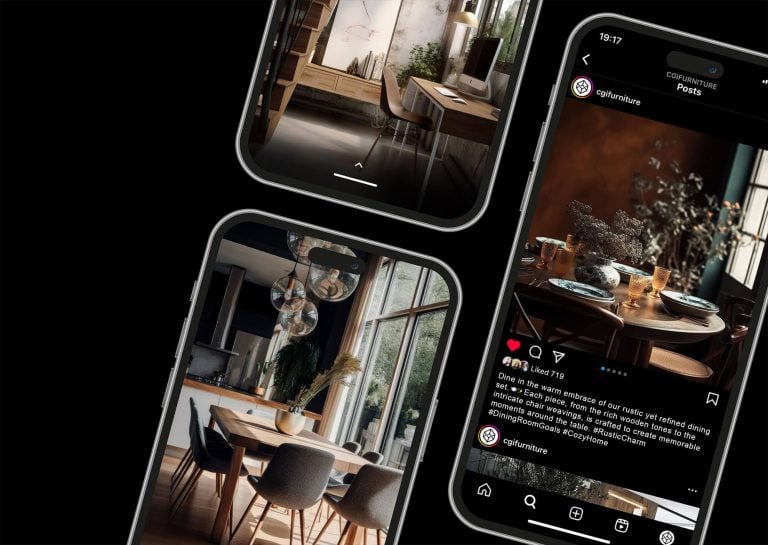
What works well here is variety in format. An animated reel showing a slow camera pan through a holiday-styled living room catches attention differently than a carousel post comparing the same sofa in three seasonal settings (winter cabin, modern minimal, traditional). Short video content — like a dining table that transitions from bare to fully set for a holiday dinner in five seconds — tends to outperform static images on both Instagram and TikTok.
The advantage of CGI-based content is that all of these formats can come from the same 3D scene. One build, multiple outputs. You can also layer in interactive elements: polls asking followers to vote on which room style they prefer, or decorating quizzes that keep people engaged with your brand longer than a single scroll-by.
3. Launch Personalized Holiday Campaigns

3D configurators change the dynamic of Christmas marketing from “here’s what we sell” to “here’s what you can make yours.” Say a customer is looking at an armchair. Instead of seeing one version, they can try it in a deep holiday red, switch to a velvet texture, add a matching throw pillow, and watch the image update as they go. That level of interaction changes the relationship with the product before any money changes hands.
Gift buyers respond to this especially well. When you’re shopping for someone else, the last thing you want is to pick something that feels generic. A configurator gives the buyer a sense of ownership over the choice, even when the product itself is standardized. Virtual styling consultations can extend this further as a seasonal service, walking online shoppers through how a specific piece works within their existing holiday setup. Each of these interactions builds investment. By the time someone has spent five minutes customizing a product, they’re far less likely to close the tab.
4. Highlight Limited-Time Holiday Offers

The holiday season has a built-in deadline that most product categories don’t: December 25th. As that date approaches, buyers move faster and hesitate less. 3D visuals can lean into that psychology. Picture a holiday dining scene rendered with a “last chance to order for Christmas delivery” banner across the top, or a product page where the hero image shifts to a countdown-themed winter setting as the deadline nears. The visual itself creates the time pressure.
Bundling works especially well during this period. A dining table rendered alongside matching chairs in a festive setting tells a more compelling story than listing each piece separately. Our tips for bundling products using product visualization go deeper into this approach. You can also layer in early-bird incentives (free shipping, percentage discounts) for customers who order before the rush. The combination of festive visuals, product bundles, and time-limited offers creates a persuasive push that works across email, social, and your product pages.
5. Enhance Your Website with Immersive Experiences

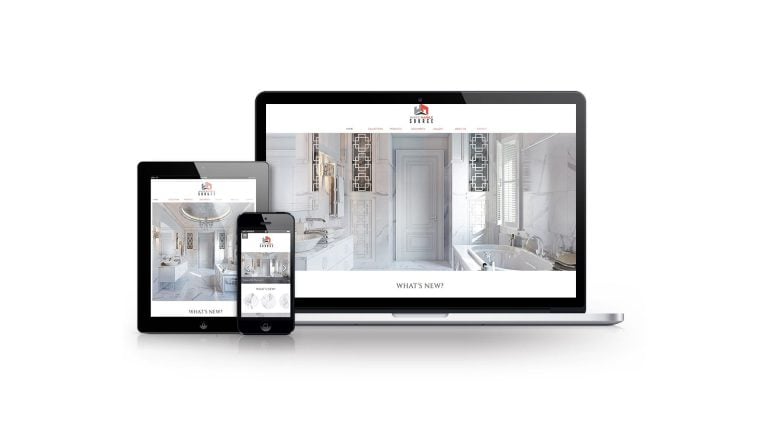
Your homepage should reflect the season. It sounds simple, but the difference between a site that looks the same year-round and one that greets visitors with holiday-styled hero images is measurable in conversion rates. 3D renders make this transition easy: you update the scenes, not the products.
AR and VR tools add another layer. A customer who can point their phone at their living room and see your armchair sitting next to their tree is a customer who’s already mentally bought it. That kind of visualization removes the uncertainty that kills online furniture purchases, and during the holidays (when people are buying faster and more impulsively) the effect is even stronger. 3D animations can also serve as an interactive walkthrough of your holiday collection, guiding visitors through styled rooms rather than a flat product grid. Winter 3D rendering takes this further by placing your products in full seasonal environments where contemporary design meets holiday warmth
6. Boost Engagement with Influencers

Influencer partnerships during the holidays work best when the content feels like a natural extension of what the creator already posts. A home decor influencer who regularly shares room styling content can feature your furniture in their holiday setup without it reading as an ad. That’s the goal: integration, not interruption.
Commission decor CGI projects that give influencers high-quality visuals to work with, showing how your pieces complement holiday-themed spaces. The influencer adds their own styling perspective and audience trust. You get reach into a community that’s already interested in home decor and actively shopping for the season. Giveaways can amplify this further: partner with a creator to offer exclusive holiday discounts or a styled furniture piece as a prize. The engagement spike from a well-run giveaway generates visibility that paid ads alone often can’t match.
7. Build a Multi-Channel Marketing Strategy
Christmas marketing works best when the visual language stays consistent across channels, even though each format needs a different treatment. Email is where you have the most space: full-scene 3D renders of holiday-styled rooms, curated gift guides, subscriber-only offers. Social and PPC are the opposite. You need a single strong image or a five-second animation that earns attention before the scroll continues.
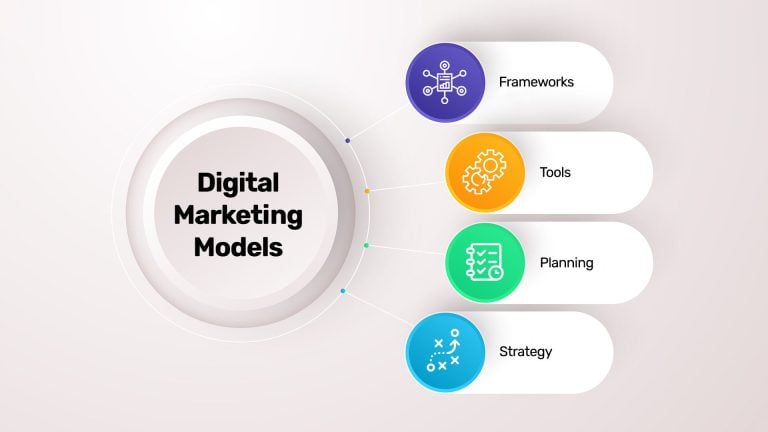
Physical retail adds a third dimension, literally. If you have stores, the same CGI assets can power digital displays or interactive kiosks, putting your products in festive settings that would be impractical to build as physical installations. What ties all of this together is the visual thread. When someone sees your holiday campaign on Instagram, then visits your site, then opens an email, the aesthetic should feel like one continuous experience rather than three separate efforts. That cohesion is what builds brand recognition during a season when every competitor is also fighting for attention. Using different types of marketing channels with a unified look is how a seasonal campaign becomes a seasonal strategy.
Bonus Tip: Extend the Campaign Beyond Christmas
December 25th is the deadline for gift-buying, but the shopping momentum doesn’t stop there. January is when people start thinking about refreshing their spaces for the new year, and the 3D renders you produced for your holiday campaign still have life in them. A few adjustments go a long way: replace the Christmas tree with a clean winter scene, keep the warm lighting, and the same assets carry you into January content without starting from scratch.
A “New Year, New Look” campaign built on adapted holiday visuals keeps your brand visible exactly when most competitors have gone quiet. That post-holiday gap is an underused window, and the brands that fill it with fresh seasonal content tend to carry their holiday momentum well into Q1.
3D renders give a Christmas marketing strategy something that’s hard to achieve any other way: full creative control over seasonal imagery without the cost and logistics of physical photoshoots. Every scene is adjustable, every format is derivable from the same assets, and the visual quality holds up across every channel.
Try our 3D modeling services to build a holiday campaign that looks as good as the season feels. The work you invest in this year’s visuals carries forward — into January, into next holiday season, and into every campaign in between.