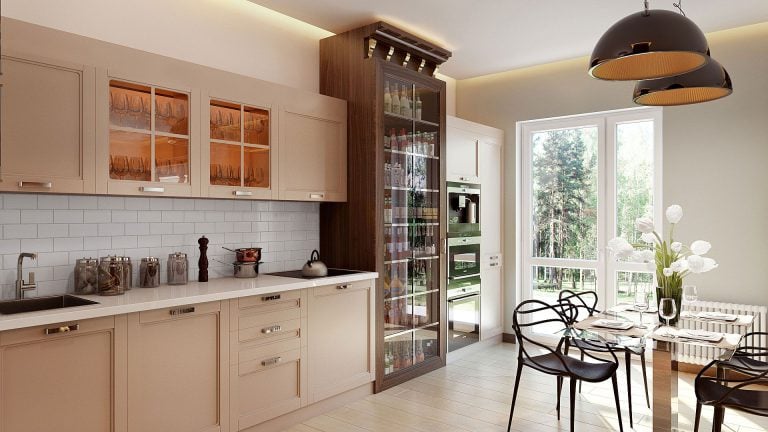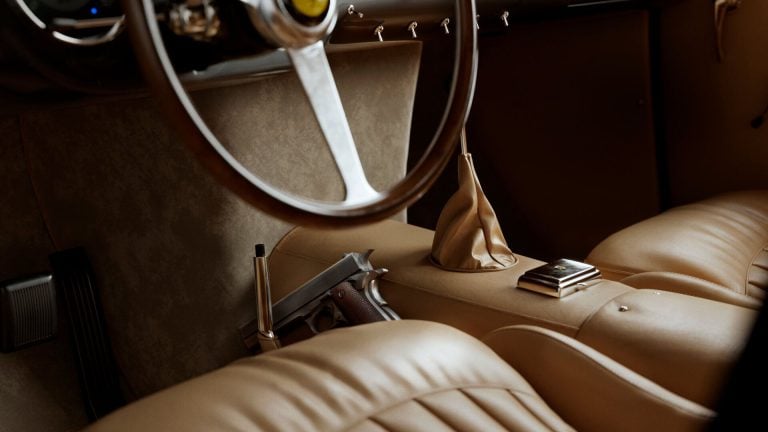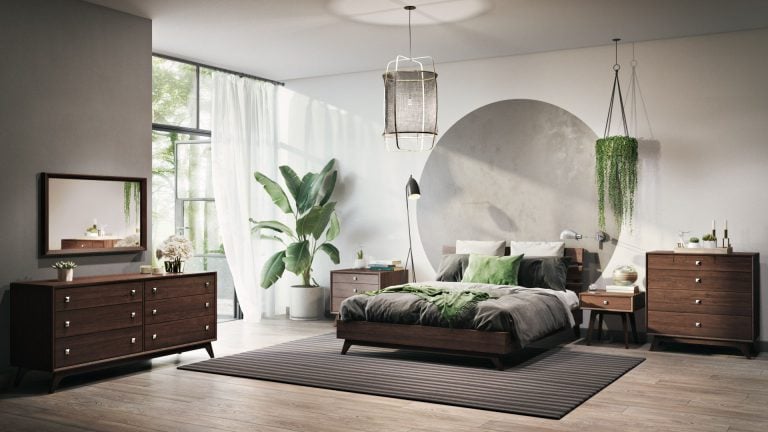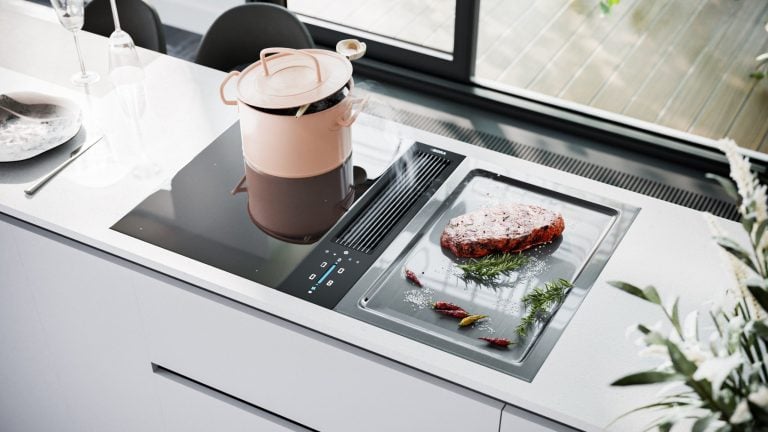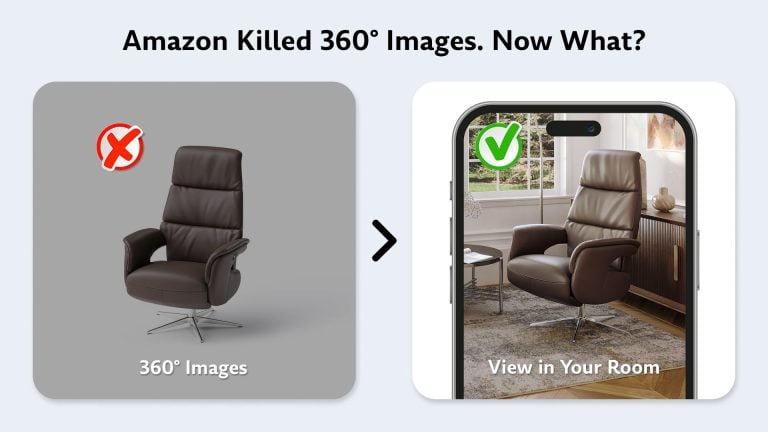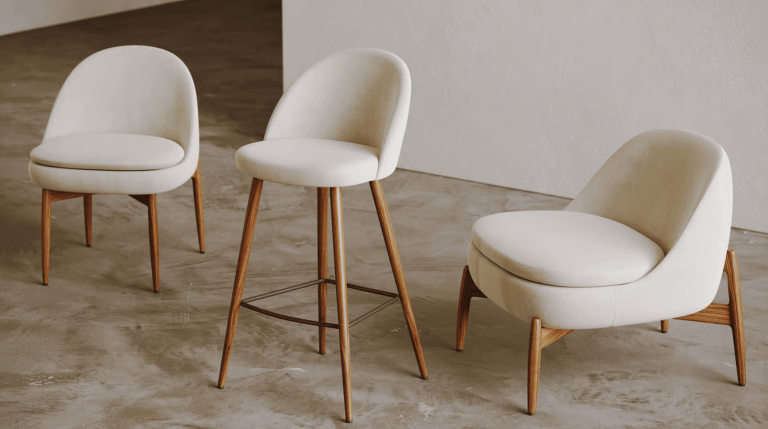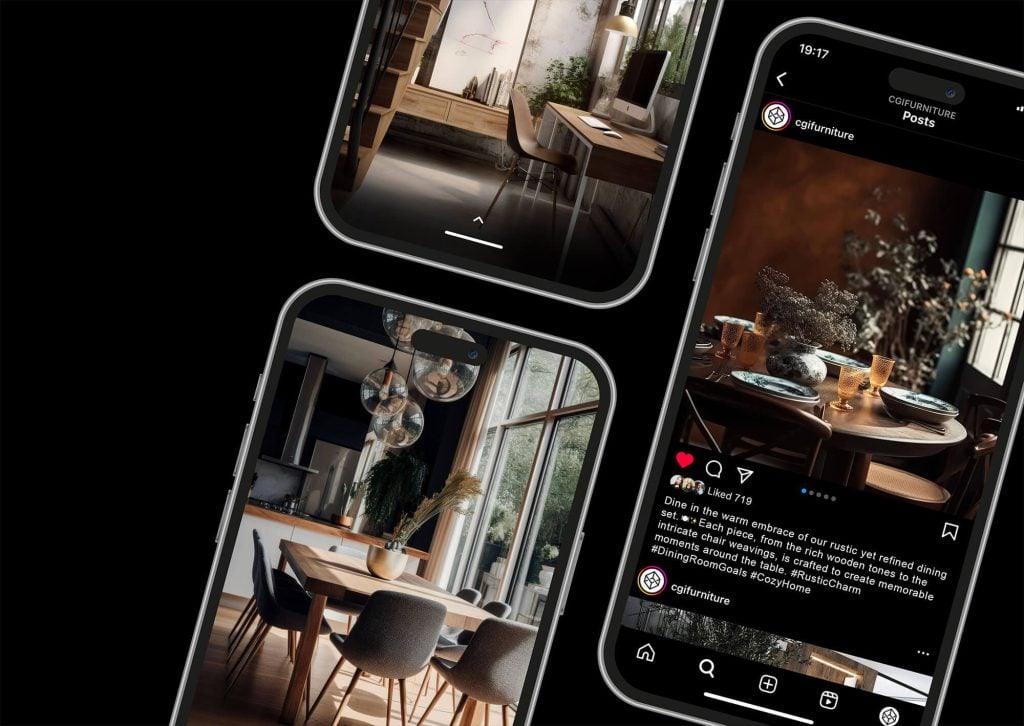
A beautiful product won’t sell on its own. The design might be great, the visuals decent, but without a structured promotion plan, a launch can easily underperform. The collection goes live on the website, there’s a post on Instagram, maybe a newsletter — and then it’s a waiting game. The product isn’t the problem — the process around it is where the opportunity sits.
Online promotion for a product launch isn’t one task. It’s three phases of work — before, during, and after launch day — and each phase has a different job. The pre-launch builds anticipation and captures an audience. Launch day converts that anticipation into sales. Post-launch turns first-time buyers into repeat customers who bring in more buyers through word of mouth. Each phase builds on the one before it, and all three together are what turn a product drop into a successful launch.
This article by our 3D rendering company walks through all three, with a focus on what works specifically for furniture businesses launching new products or collections.
1. Pre-Launch Preparation

The pre-launch phase is where most of the strategic thinking happens. Everything you do in the weeks before launch day determines how much momentum you have when the product goes live.
1.1. Market Research & Audience Targeting
Who is this product actually for? The more specific the answer, the sharper the messaging. A compact modular sofa is a different sell to a young renter in a studio apartment than it is to a family looking for a basement media room setup. The use case changes the language, the imagery, the channels, and the price framing.
Dig into what your target customers are currently frustrated with. Browse forums, read competitor reviews, check what questions people ask about similar products. That research gives you messaging angles that speak to real needs rather than generic lifestyle aspiration.
1.2. Creating a Buzz
Anticipation is a tool. Used well, it means people are actively waiting for your launch instead of discovering it accidentally after the fact. Teaser content works: behind-the-scenes shots of the design process, close-up renders that show a material detail without revealing the full product, social posts with a launch date and nothing else. The goal is to create a small gap between what people know and what they want to know.
Countdown timers on your site and social channels add a time dimension. Interactive content — polls asking followers to guess the product, or vote on colorway preferences — turns passive scrollers into participants. By launch day, you want a segment of your audience already invested in what’s coming.
1.3. Landing Page & Email List Building
A dedicated landing page goes live well before the product does. Its only job is to collect email addresses from people who want to know when the launch happens. Offer something in return: early access, a launch-day discount, first pick on limited colorways. The specific incentive matters less than having one.
What you’re building here is a list of warm leads. These are people who’ve already raised their hand and said “I’m interested.” When launch day arrives, your first email goes to an audience that’s primed to buy, not a cold list that needs convincing.
1.4. Influencer & Partner Collaborations
Starting influencer conversations early gives creators time to genuinely engage with the product before the launch. A home decor blogger who receives a piece weeks ahead of launch and styles it in their own space produces content that feels authentic — and that authenticity comes through because the creator has actually lived with the product.
Look for partners whose aesthetic and audience overlap with your target customer. A designer with 30,000 engaged followers in your niche will drive more qualified traffic than a lifestyle account with ten times the reach but no connection to furniture or interiors.
1.5. SEO & Content Strategy
If someone searches for the type of product you’re launching, your brand should appear in the results before launch day. That means your landing page needs to be optimized for relevant keywords, and supporting content (blog posts, buying guides, comparison articles) should be published early enough to get indexed.
High-quality visuals play a direct role here. Product pages with strong 3D renders get more engagement, longer time-on-page, and better conversion rates — all signals that search engines reward with higher rankings. The SEO work and the visual production work reinforce each other.
2. Launch-Day Marketing Strategies
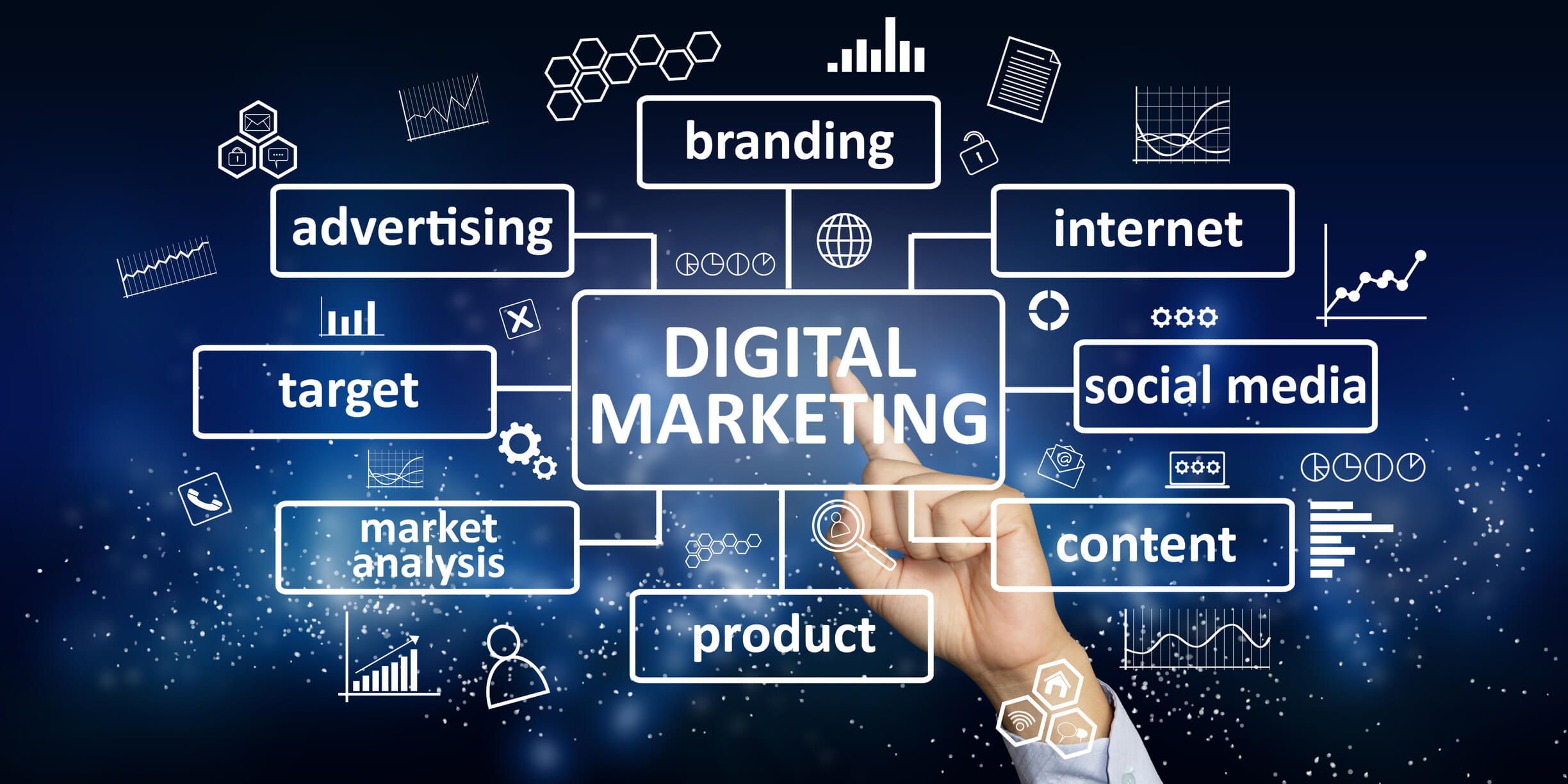
Pre-launch builds the pressure. Launch day releases it. Everything on this day should be coordinated and timed so the launch feels like an event, not a quiet update.
2.1. Social Media Blitz
Launch day is a volume play. Post more than usual, run stories throughout the day, and if your team has the bandwidth, go live. A live stream showing new pieces in real time turns a product drop into something people experience together. Beyond that, vary what you’re putting out. The hero announcement carries the main message. Stories let you show close-ups, material textures, angles the main post doesn’t cover. A poll asking “which piece would you put in your living room?” gets people interacting instead of just watching. As orders come in, share that energy — reactions and milestones make the launch feel alive.
The difference between a launch that performs and one that fizzles is often just pacing. If everything goes up at 9am and then nothing happens until tomorrow, the momentum dies. Space the content through the day so the launch feels like an unfolding event.
2.2. Email Marketing
The email list you built during pre-launch is your strongest asset on launch day. Every person on it actively asked to hear from you — that’s a fundamentally different audience than your social followers or ad targets. The first email should hit inboxes early: here’s the collection, here’s the exclusive offer we promised, here’s the link to shop.
Later in the day, a follow-up works well. Something simple — “still available” or “selling faster than expected” — keeps the launch in their inbox without feeling pushy. Timing matters here. Too soon and it reads as spam. Four to six hours after the first email tends to hit the right window.
Cart abandonment recovery should be live from the moment the store opens. On launch day specifically, someone who adds a product and walks away isn’t disinterested — they got distracted, or they’re thinking it over. A reminder email with the product image and a one-click checkout link, sent within an hour or two, catches them while the purchase intent is still warm.
2.3. Paid Advertising
Organic reach has limits, especially on launch day when social algorithms are flooded with competing content. Paid ads extend your reach to people who haven’t discovered your brand yet. Google Ads capture intent — people actively searching for the type of product you’re launching. Social media ads capture attention — people scrolling who match your target audience profile.
Retargeting is where launch-day ad spend tends to perform best. Someone visited your landing page during pre-launch but didn’t sign up. Someone clicked an Instagram teaser but didn’t follow through. Retargeting puts the launch announcement directly in front of people who’ve already shown interest, and the conversion rates on those ads are significantly higher than cold audience campaigns.
2.4. Giveaways & Limited-Time Offers
Giveaways serve a double purpose on launch day. The obvious one is engagement — comments, shares, and tags all push your content higher in social algorithms. The less obvious one is network effect. Whoever wins will post about it, and everyone who entered has already shared your product with at least one other person through the tagging mechanic. Structure the entry requirements around actions that directly support the launch: follow, share, tag someone who’d love this piece.
Pricing incentives work on a different level. Instead of broadening reach, they compress the decision timeline. Someone who might spend a week deliberating sees a “first 48 hours” discount and the math changes. The amount doesn’t need to be dramatic. A modest percentage off or a free shipping offer with a visible expiration date is often enough to tip the balance for someone who’s already interested but hasn’t committed.
2.5. Press Releases & Media Outreach
Paid ads can put your product in front of people, but a review in a respected design publication carries a kind of credibility you can’t buy directly. Start the media outreach before launch day. Send press releases to furniture and design outlets. Reach out to home decor blogs with a pitch tailored to their editorial angle. If possible, get product samples into the hands of editors and reviewers early enough that they can form a real opinion.
Most media coverage won’t land on launch day. That’s fine. A thoughtful review published a week or two later extends the launch window and brings in traffic from audiences your own channels don’t reach. Think of it as a slower-burning complement to the fast-action tactics.
We’ve also put together a comprehensive Furniture Marketing Guide that goes deeper on online promotion strategy, from channel selection to content planning.
3. Post-Launch Growth & Engagement
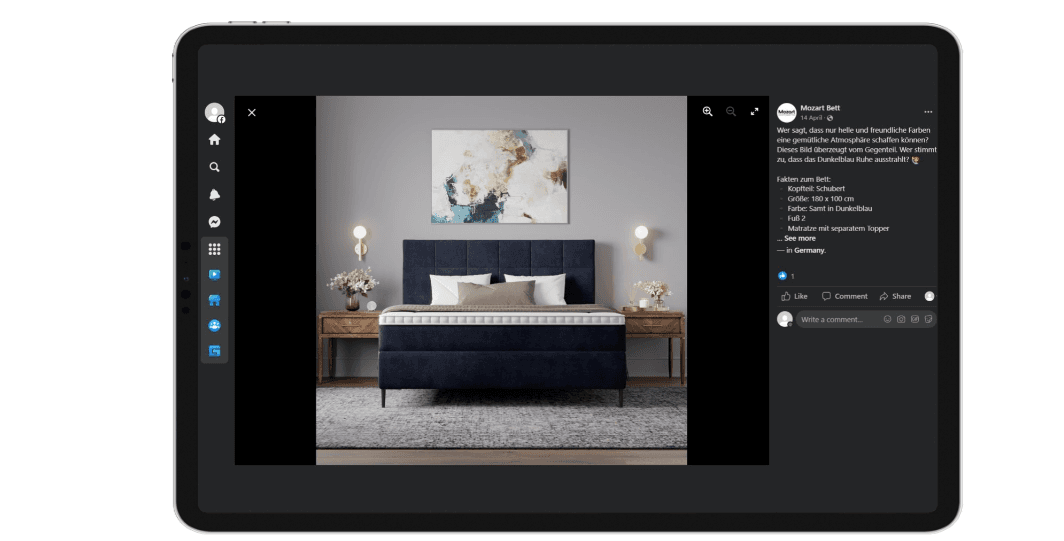
Launch day energy fades. The question is what happens after. Treating post-launch as its own dedicated phase is what separates a one-day spike from sustained growth.
3.1. Encouraging User-Generated Content (UGC)
A customer photo of your sofa in their actual living room does something your marketing visuals can’t: it proves the product looks good in a real, imperfect space. Encourage buyers to share their setups by making it easy and rewarding. A branded hashtag gives them a clear way to participate. Reposting their content on your brand’s page gives them recognition and shows prospective buyers what the product looks like outside a styled render.
Unboxing videos are worth encouraging specifically. They capture the moment of first impression — the packaging, the assembly (or lack of it), the reaction when the product is finally in place. That content is organic, authentic, and often more persuasive than anything your marketing team produces, precisely because it isn’t produced.
3.2. Loyalty & Referral Programs
A first-time buyer is valuable. A first-time buyer who comes back and also sends friends to your site is significantly more valuable. Loyalty programs don’t need to be complex to work. A discount on the next purchase, early access to upcoming collections, or a referral bonus that rewards both the sender and the new customer — these are straightforward mechanics that increase lifetime value.
The referral piece is especially effective for furniture because the purchase is visible. When someone buys a dining table they love, their friends see it at dinner. A referral code turns that organic moment into a trackable acquisition channel.
3.3. Ongoing Content Marketing
The launch may be over, but the content calendar shouldn’t be. Blog posts about styling tips, care instructions, and design trends keep your brand visible between product launches. Video content — how to style a new piece in different room settings, maintenance tutorials, before-and-after room transformations — performs well on social and gives your audience a reason to stay engaged.
Customer case studies work particularly well for furniture. A real customer’s story about how they redesigned their space using your products is more compelling than any product description. It shows the product in context, demonstrates real-world satisfaction, and gives prospective buyers someone to relate to.
3.4. Performance Tracking & Optimization
Launch data tells you what worked and what didn’t, but only if you’re tracking it. Which channels drove the most traffic? Where did conversions actually happen? Which ad creative outperformed? How did the email sequence perform at each stage?
Review this data within the first two weeks while it’s still fresh and actionable. Adjust your ongoing promotion based on what the numbers show, not what you expected them to show. A product launch is also a marketing experiment — every one teaches you something about your audience, your channels, and your content that makes the next launch sharper.

See how leading brands use CGI to accelerate product launches and improve online sales. Browse real case studies.
See moreA furniture product launch has three distinct phases, and each one needs its own plan. Pre-launch captures an audience. Launch day converts them. Post-launch retains them and expands your reach through their networks. The brands that treat online promotion as a continuous process rather than a launch-day event are the ones that build compounding momentum over time.
Need visuals that match the quality of your launch strategy? Our 3D modeling services produce photorealistic product imagery, lifestyle renders, and animated content built to perform across every channel in your promotional plan.