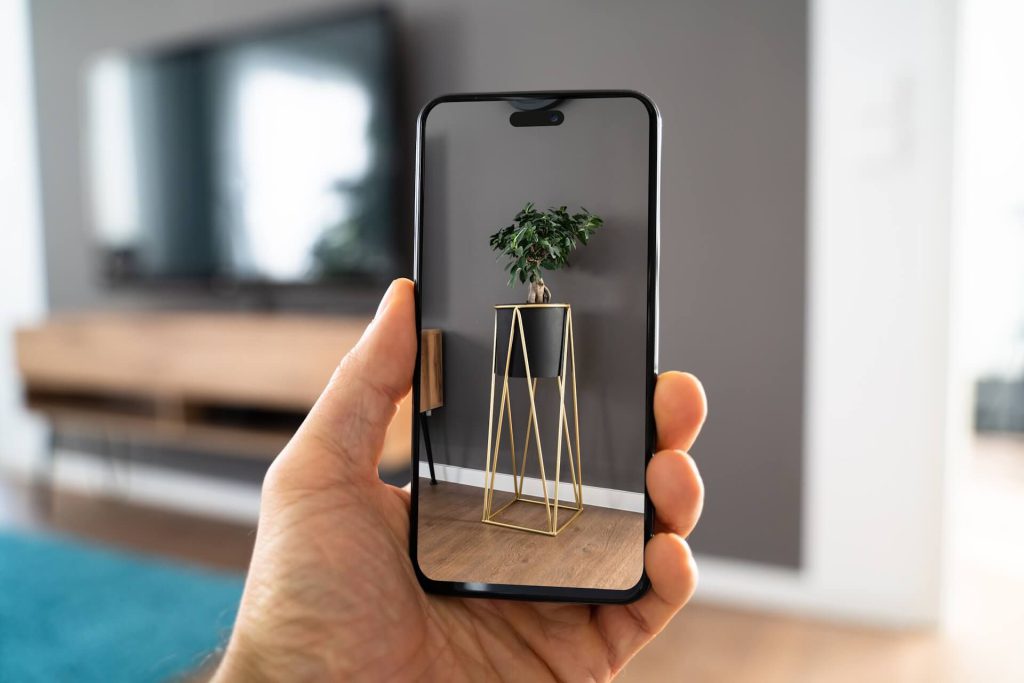
Online shopping has an obvious limitation: you can’t touch, hold, or try anything before you buy it. For small purchases that’s a minor inconvenience. For furniture, where a wrong decision means returning a 50-kilogram sofa, it’s a real barrier. Augmented product models exist to close that gap. Using AR technology and 3D modeling, they let a customer point their phone at their living room and see a digital version of a product sitting in the actual space, at the correct scale, in the finish they’re considering.
This isn’t a gimmick anymore. Major retailers have moved past the pilot phase and integrated AR into their core shopping experience. The reason is straightforward: when customers can preview a product in context before buying, they purchase with more confidence and return less often. Both of those outcomes show up directly on the bottom line.
This article by our 3D rendering company breaks down what augmented product models are, why they work, where they’re being used, and what to consider before investing in them.
1. Definition
An augmented product model is a 3D digital version of a physical product built specifically for interactive use. Unlike a standard product photo or even a rendered lifestyle image, the model is designed to be manipulated: a customer can rotate it, zoom in on material details, and — with AR — place it in their own environment through their phone or tablet camera. The technology behind it combines 3D modeling software, AR development frameworks (like ARKit or ARCore), and real-time graphics processing. What makes it different from a regular 3D render is the interactivity. A render is a static image generated from a 3D model. An augmented product model is the 3D model itself, optimized for real-time display on consumer devices.
For furniture brands specifically, this approach falls under what’s sometimes called experiential selling — giving the online shopper something closer to the in-store experience of walking around a product, examining it from different angles, and judging how it fits a space. The models are also flexible enough to work across different marketing contexts: product pages, social media campaigns, in-store kiosks, or standalone AR apps.
2. Advantages

The case for augmented product models comes down to a few measurable outcomes, and they tend to reinforce each other.
Start with engagement. A static product image gives a shopper maybe two seconds of attention before they scroll. An interactive 3D model that responds to touch — rotate, zoom, place in room — keeps them on the page significantly longer. That extra time isn’t just a vanity metric. The longer someone interacts with a product, the more familiar it becomes, and familiarity drives conversion. This directly improves the overall furniture retail customer experience.
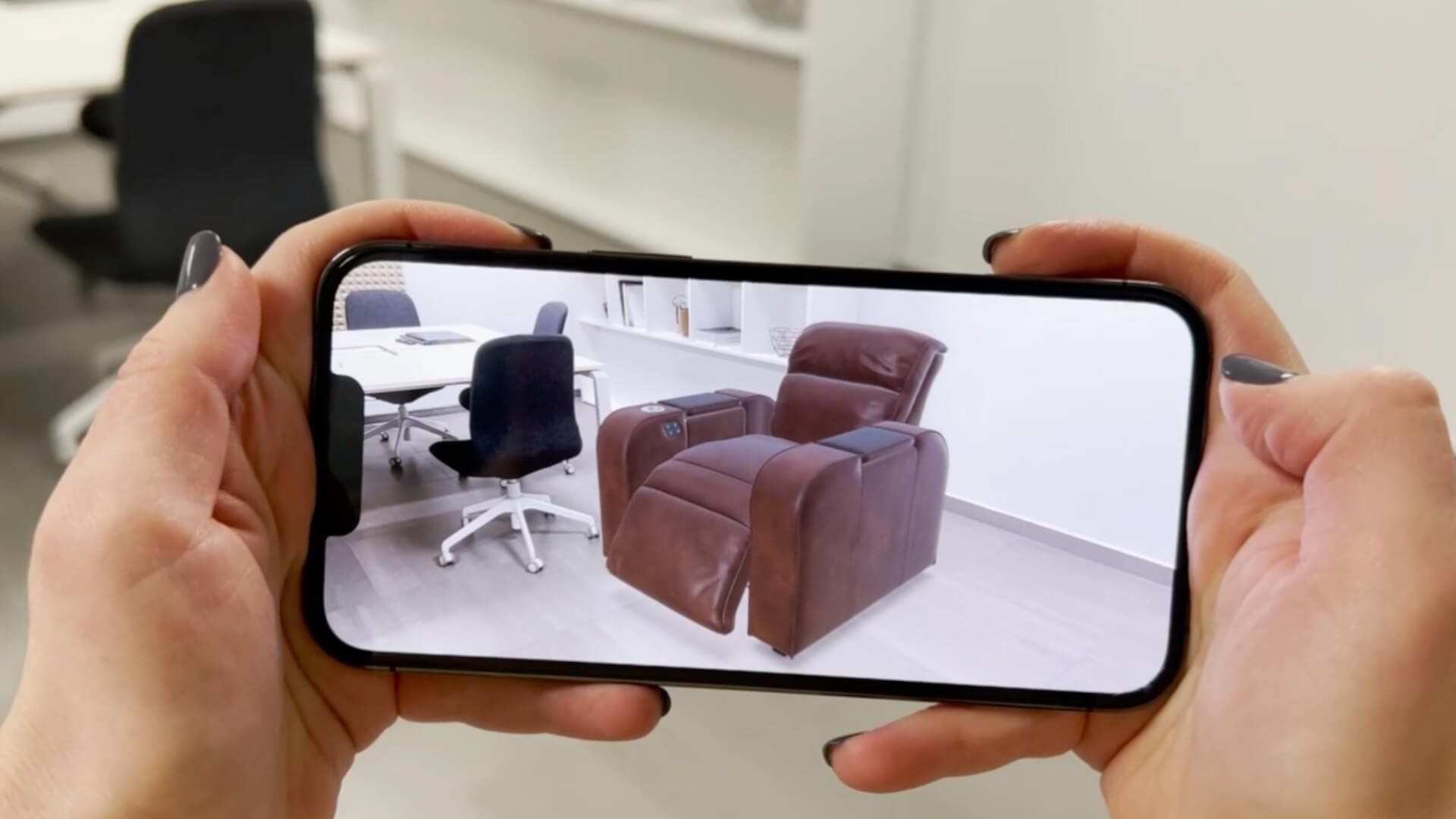
Then there’s the decision-making side. The biggest source of hesitation in online furniture shopping is uncertainty: will this fit? Will the color match my walls? Does the scale look right in my room? AR placement answers those questions with the customer’s own space as the reference, not a styled room in a photo that may look nothing like where they actually live. That shift from guessing to previewing changes the purchase dynamic entirely.
Returns drop as a result. When expectations align with reality — because the customer literally saw the product in their room before ordering — the “it looked different online” problem shrinks. For furniture, where return logistics are expensive and complicated, even a modest reduction in return rates has a meaningful financial impact.
There’s also a positioning benefit. Brands that offer AR and interactive 3D on their product pages signal a level of investment in the customer experience that competitors relying on flat photography can’t match. For younger, tech-comfortable shoppers especially, the presence of AR can be a deciding factor between two otherwise similar products.
3. Use Cases
Furniture is the most natural fit for augmented product models, but the same technology works across any category where size, appearance, or spatial fit matters to the buyer.
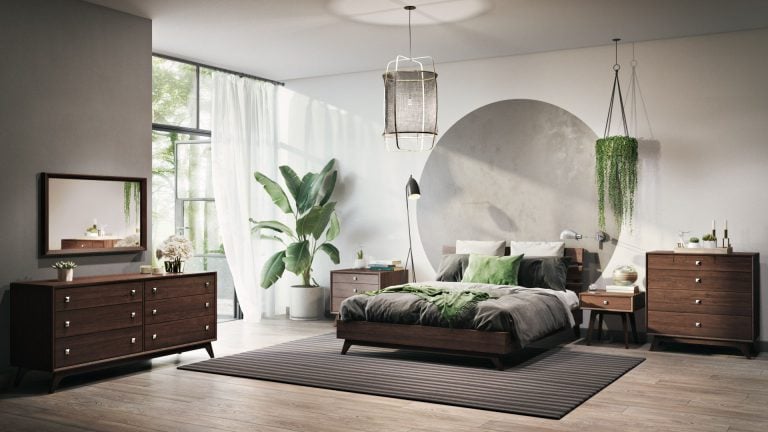
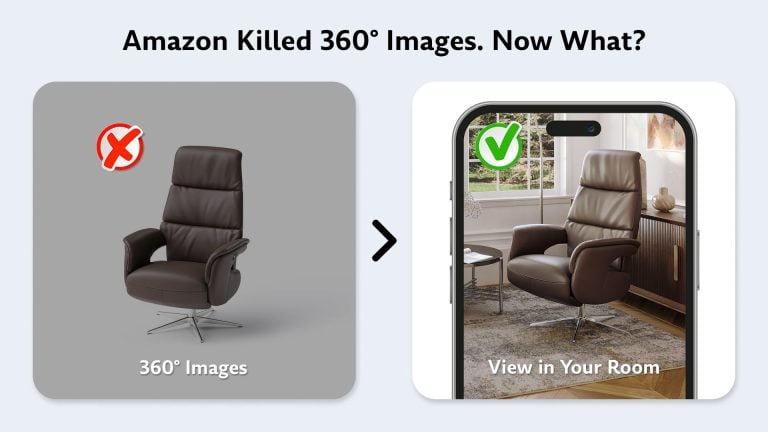
In home furnishing, the application is intuitive. A customer shopping for a sectional sofa opens the AR viewer, points their phone at their living room, and sees the sofa rendered in the space at actual scale. Does it block the window? Does it crowd the coffee table? Is the color too dark against the existing rug? These are questions that product dimensions in a spec table can’t answer nearly as well as a visual preview. 3D furniture product models are the foundation of this experience — the more detailed and accurate the model, the more useful the AR placement becomes.
Fashion works differently. Instead of placing an object in a room, virtual try-on uses the device’s front camera as a mirror. A customer holds up their phone and sees a pair of glasses on their own face, or a watch on their wrist, updated in real time as they move. The interaction is quicker and more casual than furniture AR, but it solves the same core problem: the customer stops wondering “will this look right on me?” and actually sees the answer.
Electronics and automotive lean more toward exploration. Someone researching a laptop can pull up a 3D model and check port placement on the left side, keyboard layout from above, hinge thickness in profile — details that a flat product photo either hides or compresses into an unreadable angle. Car configurators work on a bigger scale: pick a paint color, swap the wheels, change the interior trim, then orbit the whole vehicle to see how the choices work together. In both cases the 3D model is doing what a showroom visit used to do, just without the drive. In both cases, the model replaces a showroom visit for the research phase of the buying process.
For real examples of how this works in practice, take a look at our case study on wine storage 3D visualization.
4. Challenges and Considerations
The upfront cost is the first thing most brands ask about. Building production-quality 3D models with AR optimization is more expensive than standard product photography, especially for a first batch. One way to manage this: start with the highest-traffic products rather than modeling the entire catalog at once. The models that get the most views generate the most data, which helps justify expanding the program to additional products.
Cloud-based AR platforms have also brought the entry cost down compared to building a custom AR solution from scratch. Third-party tools handle device compatibility, rendering performance, and platform integration, which means you don’t need a dedicated AR development team in-house.
Technical complexity is the other consideration. The 3D models need to be detailed enough to look realistic at close range but lightweight enough to load quickly on a mid-range phone. Balancing visual quality with file size and rendering performance is a genuine skill. This is where partnering with a CGI studio that specializes in AR-ready models makes a practical difference — the optimization work is as important as the modeling itself.
Cross-platform compatibility adds another layer. An AR experience that works flawlessly on the latest iPhone but crashes on a two-year-old Android device isn’t serving your full customer base. Testing across devices and offering graceful fallbacks (a 360 spin viewer for devices that can’t handle full AR, for instance) keeps the experience accessible without limiting it to premium hardware.
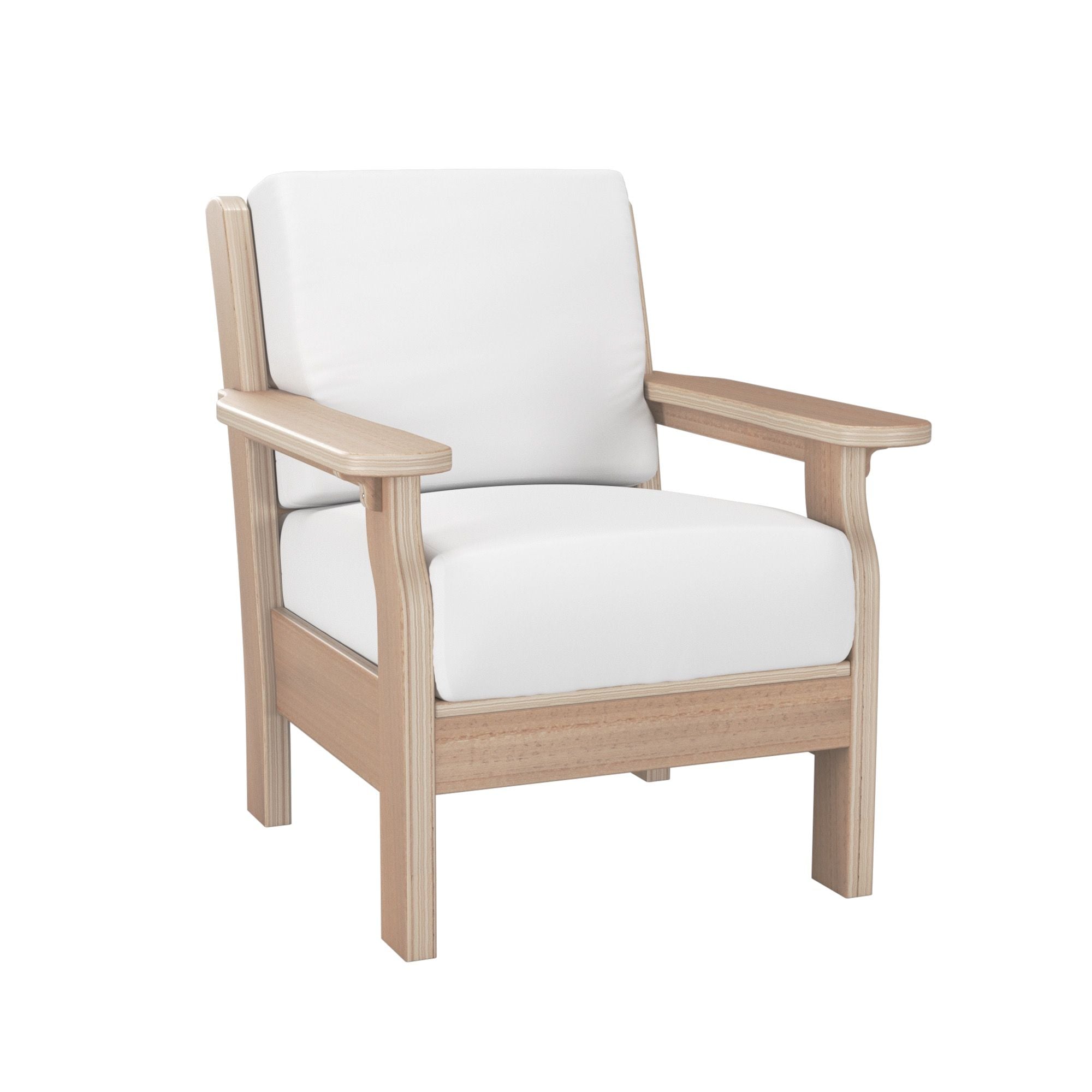 ↔ drag to rotate
Explore types and features of 3D modeling service to enhance your visual marketing like never before.
See moreAugmented product models give online shoppers something that product photos alone can’t: the ability to evaluate a product in their own context before spending money. For furniture brands especially, where the stakes per purchase are high and the return costs are steep, that capability directly affects conversion rates and return volumes.
The technology is accessible, the customer expectation is growing, and the brands that adopt it early build a visual infrastructure they can expand over time. Explore our 3D rendering services and immersive 3D visualization solutions to see how AR-ready models can work for your product line.