Fragrance brands have a visual production problem that’s specific to their product category. Before a perfume bottle can be photographed, the label has to be designed, printed, applied to the bottle, and aligned precisely enough that it looks flawless on camera. Then the bottle gets shipped to a photography studio where lighting, angles, and backgrounds are set up for each individual shot. If the brand offers twelve scents with different label designs, that’s twelve rounds of label printing, application, and photography.
The process works. It’s also slow, expensive, and inflexible. When a brand needs to update a label design, test a new bottle shape, or produce images for a seasonal campaign, the entire cycle starts over.
3D product rendering for CPG cuts through most of that. A photorealistic digital model of the bottle is built once. From that model, every visual the marketing team needs — silo shots, lifestyle scenes, group compositions, detail close-ups — can be generated without printing a single label or booking a studio. This article by our CGI rendering services team walks through how this applies specifically to fragrance manufacturers.
1. The Key Problems in Perfume Production & Marketing
Traditional photography for fragrance products comes with friction at every stage.
- The most tedious part is labeling. Whether applied by machine or by hand (as is common for prototypes and small runs), labels on curved glass surfaces need to be precisely aligned and inspected for bubbles, wrinkles, or misalignment before the bottle is camera-ready. Even with automated application, imperfections happen, and each one needs catching before the product goes in front of a lens.
- Photography itself carries its own costs and timeline pressures. A professional shoot requires a photographer, lighting equipment, set styling, and post-production editing. Every variation — different scent, different bottle color, different label — means additional time on set or an entirely separate session. For a brand launching a seasonal collection or a limited edition, the turnaround from design finalization to publishable product images can stretch into weeks.
- Then there’s the e-commerce and social media side. Product pages need clean silo shots. Instagram needs lifestyle content. Ad campaigns need hero images. Promotional materials need group shots of the full collection. Each of these is a different visual format, and producing all of them through traditional photography means either a very long shoot day or multiple separate sessions.
3D product rendering for CPG addresses all of these by moving the entire visual production process into a digital environment where labels are applied perfectly every time, variations cost almost nothing to produce, and every output format comes from the same source file.
2. How 3D Rendering Transforms Fragrance Product Visualization
The practical impact shows up in three areas: speed, precision, and creative flexibility.
- On the speed side, rendering eliminates the longest steps in the traditional workflow. There’s no label printing, no physical application, no shipping to a studio. A fragrance brand working with a 3D rendering team can have photorealistic product images ready while the physical product is still in production. For brands that operate on tight launch timelines or react to seasonal trends, that compression of the production schedule changes what’s possible.
- Label precision is where the technology really shines for fragrance specifically. In a 3D environment, the label wraps onto the bottle surface digitally, with perfect alignment, no air bubbles, and no edge lifting. Every bottle in every image looks identical. Compare that to manual label application, where even skilled technicians produce slight inconsistencies that require retouching in post-production.
- Creative flexibility is the third piece. Need to see the same bottle with five different label designs? Change a parameter and re-render. Want to test how a new cap style looks with the existing bottle shape? Swap the component in the 3D file. Considering a shift from clear glass to frosted? Adjust the material properties and generate a comparison image in minutes. None of these variations require a physical prototype, a printer, or a photographer.
- The level of visual realism in modern rendering is also worth noting. Fragrance bottles present specific rendering challenges — glass transparency, liquid refraction, metallic cap reflections, embossed label textures — and current rendering engines handle all of these convincingly. The gap between a well-executed 3D render and a professional photograph has effectively closed for products in this category.
3. Types of 3D Renders for Perfume & Fragrance Products
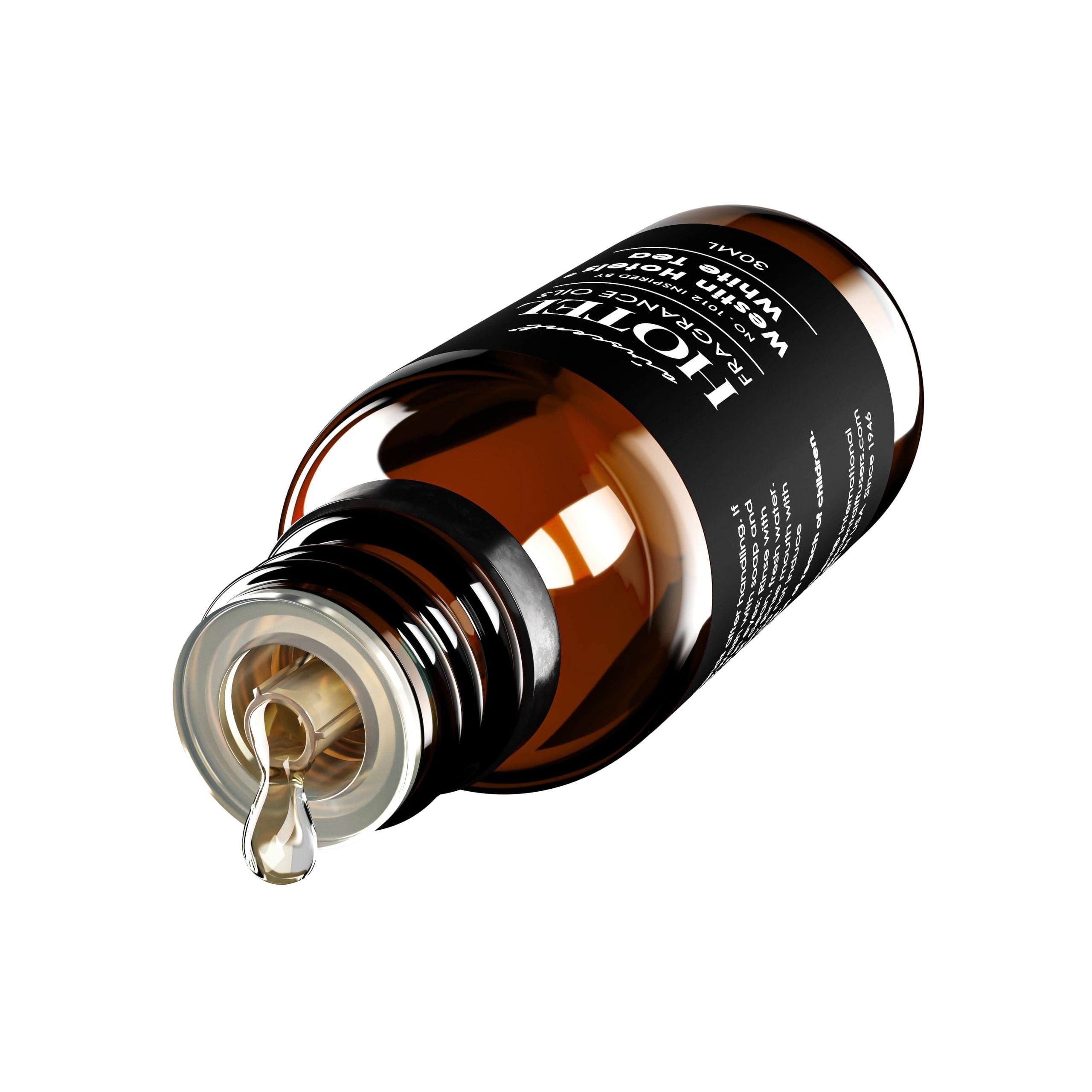
Different marketing channels call for different kinds of images, and a single 3D model of a fragrance bottle can produce all of them.
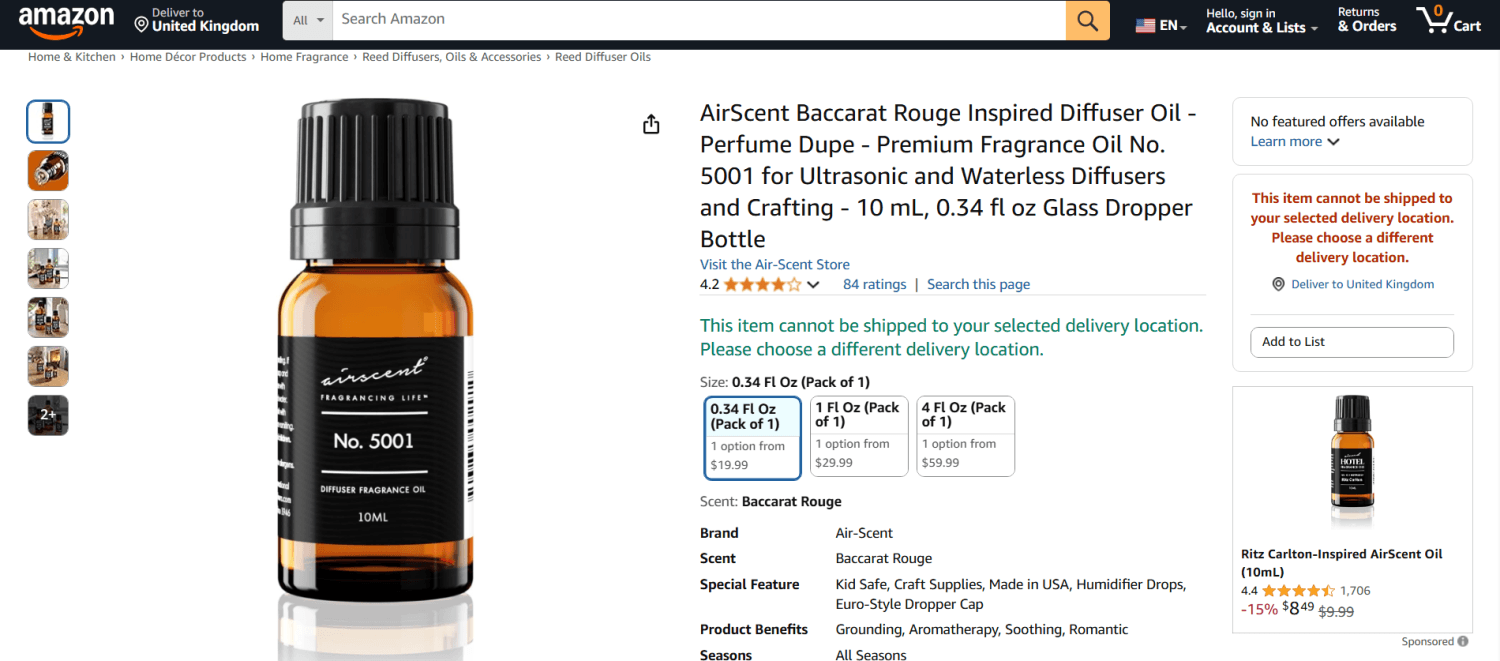
- Silo renders are the foundation. A clean, high-resolution image of the bottle on a white or neutral background, lit to show the shape, materials, and label clearly. These go on product pages, into catalogs, and onto packaging mockups. They’re straightforward to produce and easy to maintain — when the label updates, the silo re-renders in minutes.
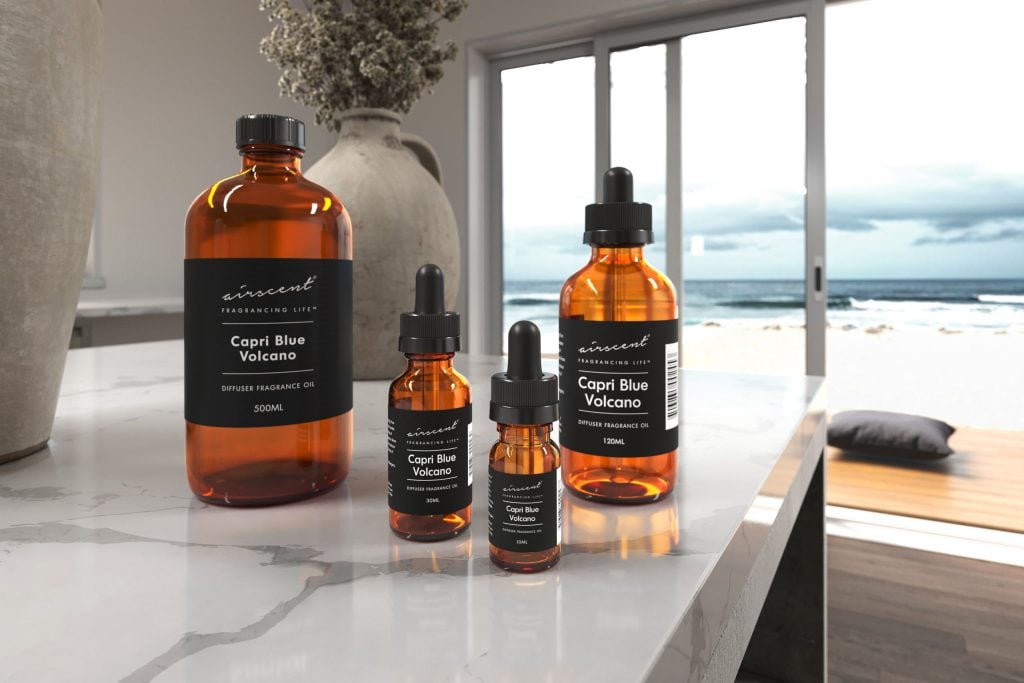
- Lifestyle renders place the fragrance in a styled environment that communicates the brand’s identity. A masculine cologne in a dark, moody setting with leather and wood textures tells a different story than a floral perfume arranged on a marble surface with fresh flowers and soft light. Lifestyle CG images like these build emotional connection in a way that silo shots alone can’t. The setting doesn’t just show the product — it tells the customer who the product is for.
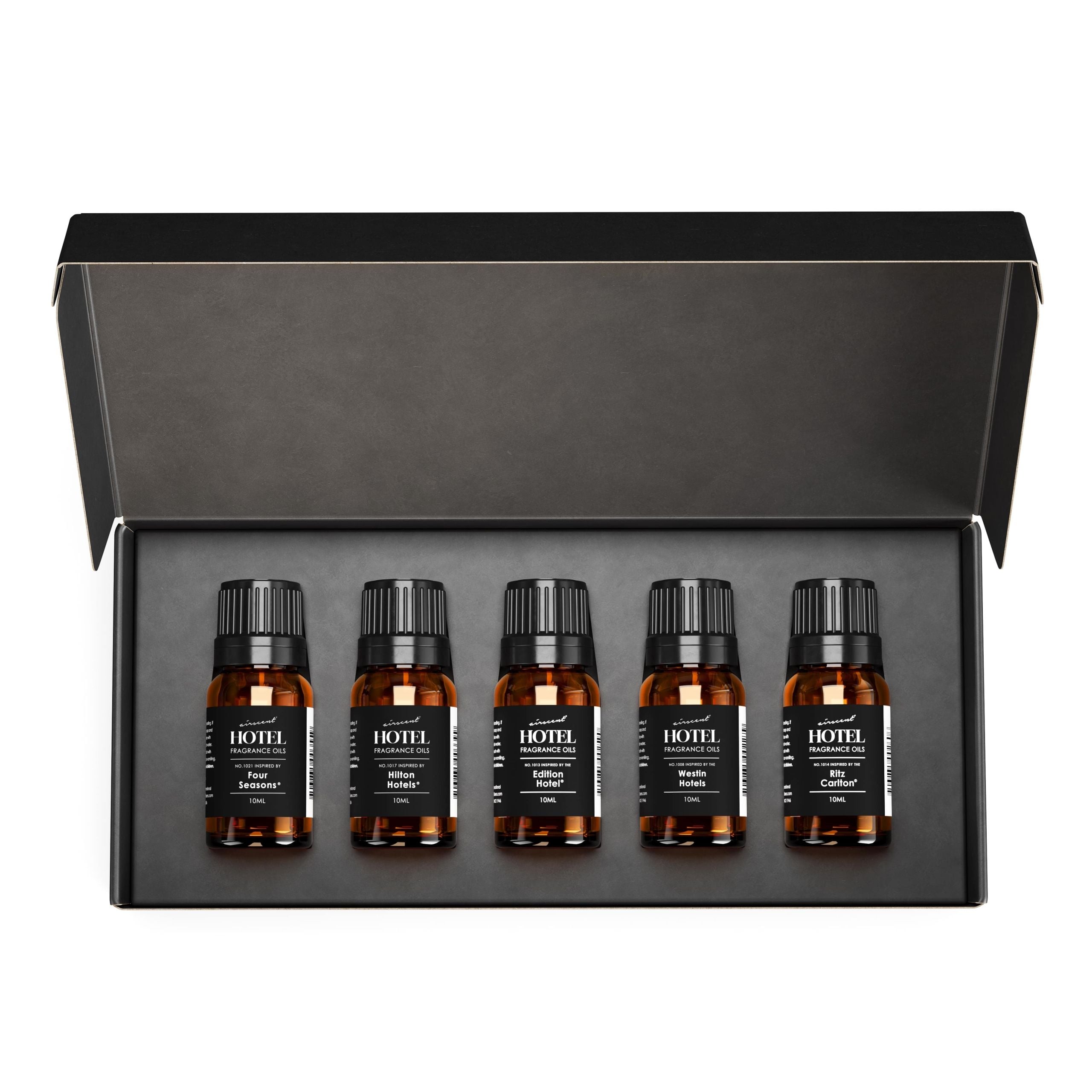
- Group shots display the full collection together: the complete line of scents, a limited edition alongside the core range, or a gift set arrangement. These are particularly useful for promotional campaigns and seasonal marketing where the message is about breadth and variety rather than a single hero product.
- Close-ups and texture detail renders zoom in on the craftsmanship — the embossing on a label, the gradient finish on a cap, the weight and clarity of the glass. For premium fragrance brands, these details communicate quality at a level that a standard product photo often misses. In a 3D environment, the camera can get as close as needed without any loss of sharpness or depth-of-field compromise.
4. Case Study: Faster and More Affordable Perfume Branding with 3D Rendering
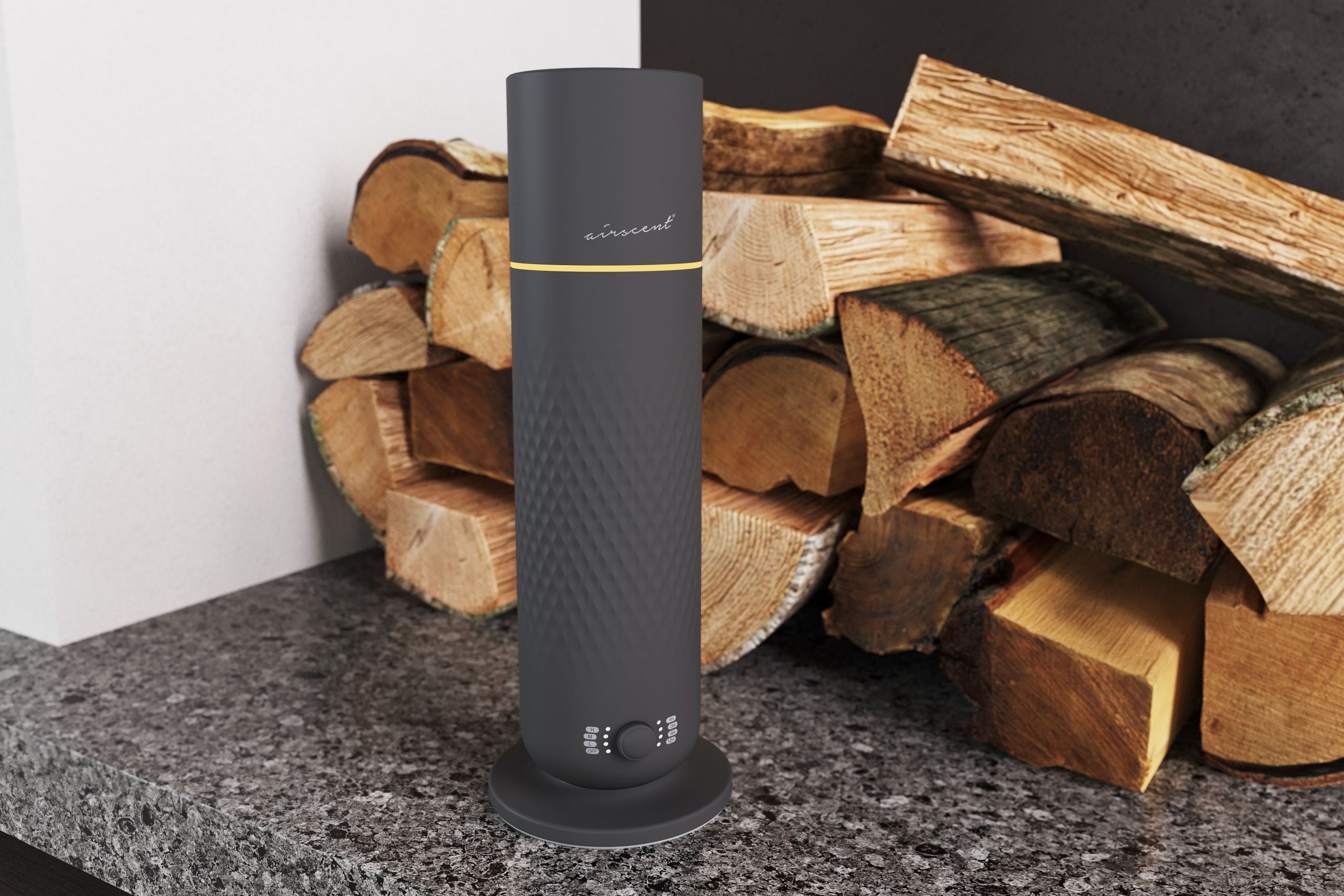
AirScent Diffusers partnered with CGIFurniture to move their product visualization from traditional photography to CGI. Their product range spans perfumes and diffusers, and the goal was to build a visual library that could serve both e-commerce and social media marketing without the recurring cost and coordination of physical photoshoots.
The team produced two types of content. Silo 3D visualization gave them clean, consistent product shots on white backgrounds — each bottle rendered with perfect label placement, identical lighting, and sharp detail. These became the foundation of their product page imagery. Lifestyle rendering placed the products in polished, aspirational environments that elevated the brand’s presence on social media and in advertising materials.
The results were practical. Production timelines shortened because visuals could be generated before physical products were finalized. Costs dropped because new product variations — different labels, different bottle colors, seasonal packaging — could be produced from the existing 3D models without scheduling another shoot. The brand could also generate group shots, close-ups, and texture variations on demand, giving their marketing team the flexibility to react to campaign needs without a production bottleneck.
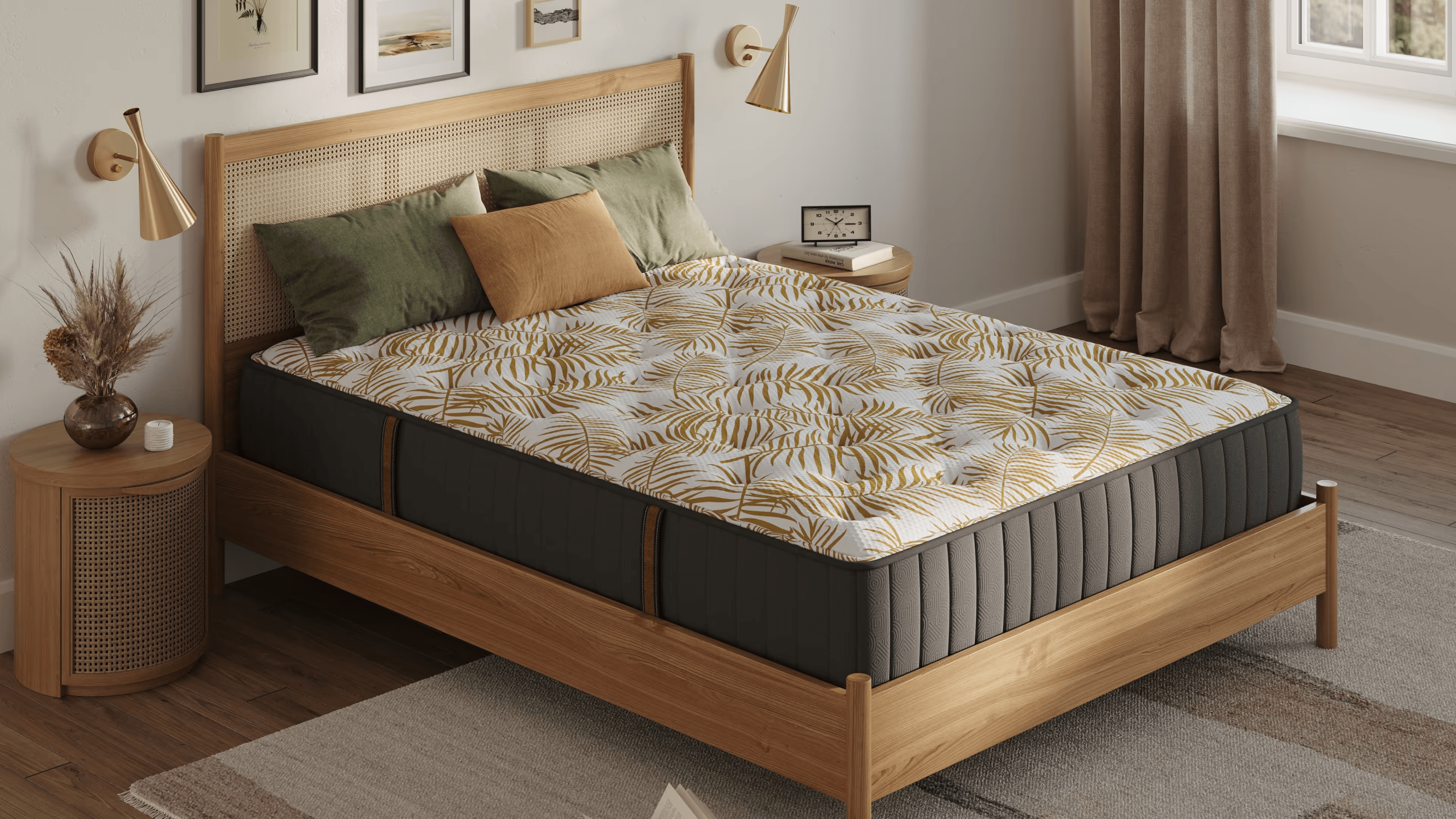
See our case studies
See our case studies3D product rendering for CPG gives fragrance manufacturers a way to produce every visual they need from a single digital asset. Labels are perfect every time. Variations cost a fraction of what photography requires. And the production timeline compresses from weeks to days.
Explore our 3D rendering services to see how photorealistic CGI can work for your fragrance brand.