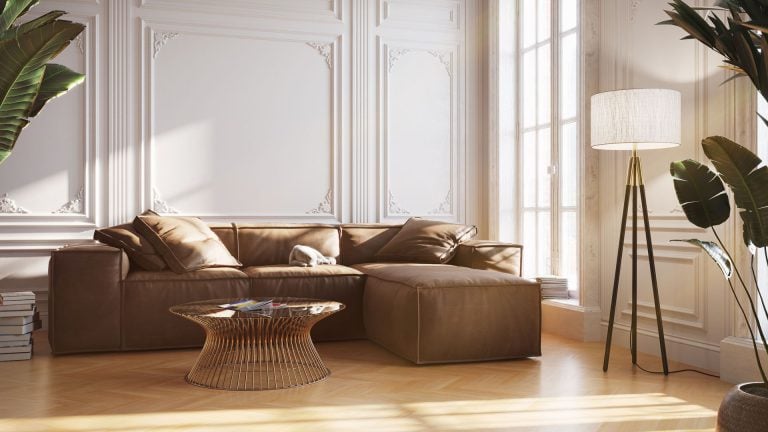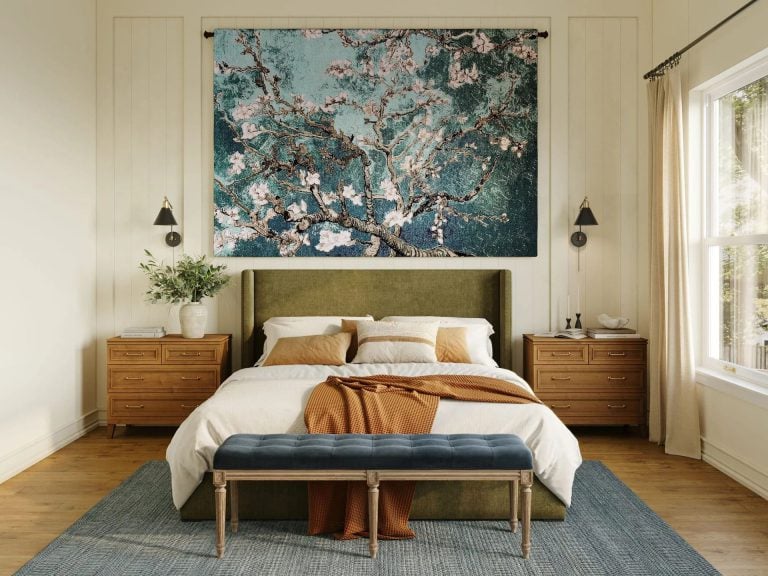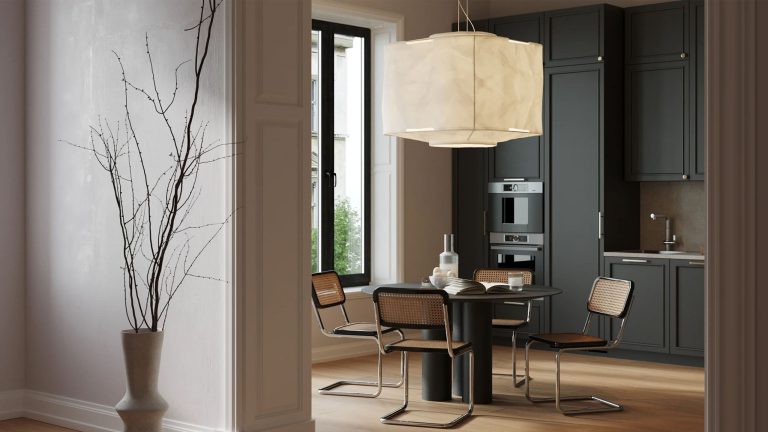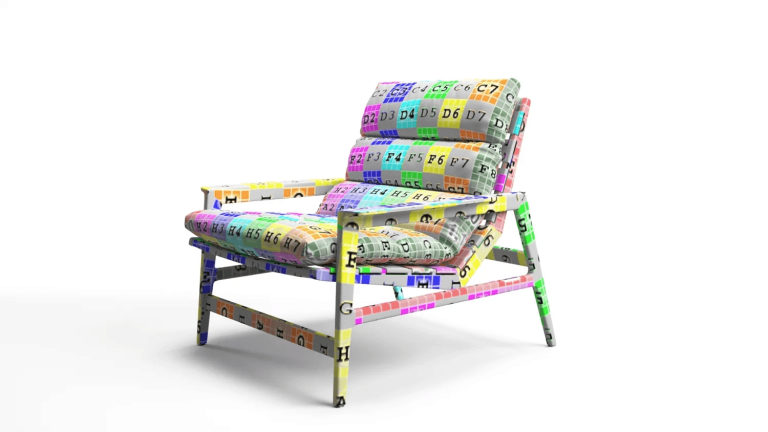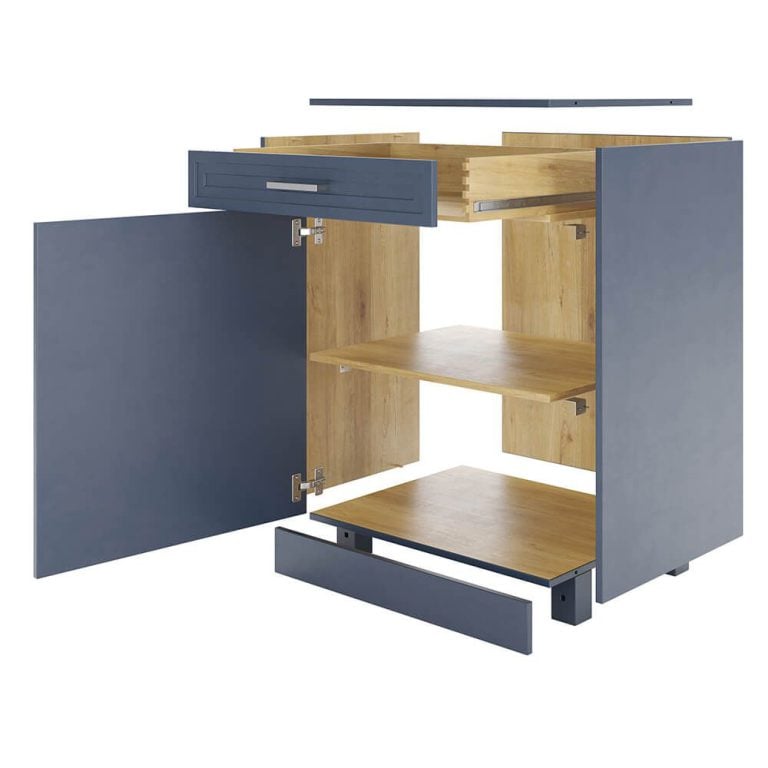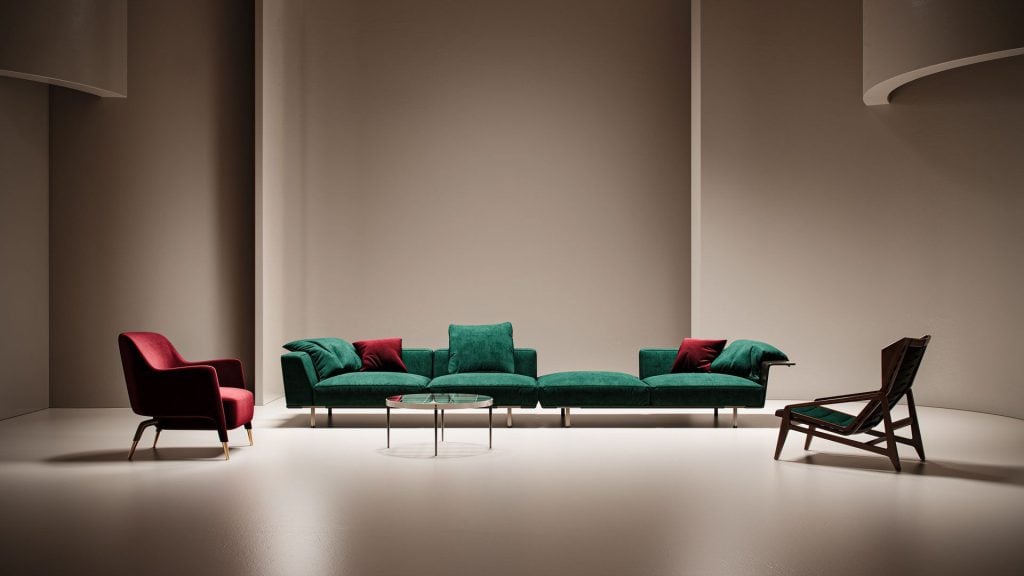
Stop motion has a quality that other animation styles don’t: it looks handmade. Even when it’s produced entirely in CGI – which most commercial stop motion is today – the frame-by-frame movement creates a texture and rhythm that feels crafted rather than generated. In a social media feed full of smooth, predictable motion graphics, that tactile quality stops the scroll.
For product marketing specifically, stop motion is a strong fit. It lets brands showcase products in motion while keeping that handcrafted feel that traditional 3D animation often smooths away. Picture a piece of furniture assembling itself frame by frame, or a room going from empty to fully styled in a series of quick cuts. That kind of content is built for short-form platforms. On Instagram, TikTok, and YouTube, stop motion stands out precisely because it doesn’t look like everything else in the feed.
This article from our 3D animation studio covers how stop motion 3D animation works, what goes into producing it, and why it’s become a go-to format for brands looking to stand out with their product content.
Understanding Stop Motion 3D Animation
Traditional stop motion involves physically moving objects between each captured frame – clay figures, puppets, paper cutouts. CGI stop motion uses the same principle (frame-by-frame movement) but builds everything digitally. 3D models are positioned, rendered, repositioned, rendered again, and the resulting frames are stitched together into a sequence that mimics the look and feel of physical stop motion.
The advantage of doing this digitally is control. Every element in the scene – lighting, camera angle, product position, background – can be adjusted without physically rebuilding anything. Want to change the color of the sofa between takes? Adjust a material parameter. Want a different camera angle on the same sequence? Re-render from the new position. The creative flexibility is what makes CGI stop motion practical for commercial work, where revision cycles are part of the process and deadlines are tight. Digital stop motion like this can be ordered as part of 3D animation services.
From a marketing standpoint, this format offers something specific. Stop motion inherently draws attention because the movement is unexpected. That novelty creates a pause in the viewer’s scroll, and that pause is the first step toward engagement. Beyond the initial hook, the format works well for demonstrating product features, suggesting styling ideas, and showing assembly or transformation sequences that would be difficult to capture in live-action video.
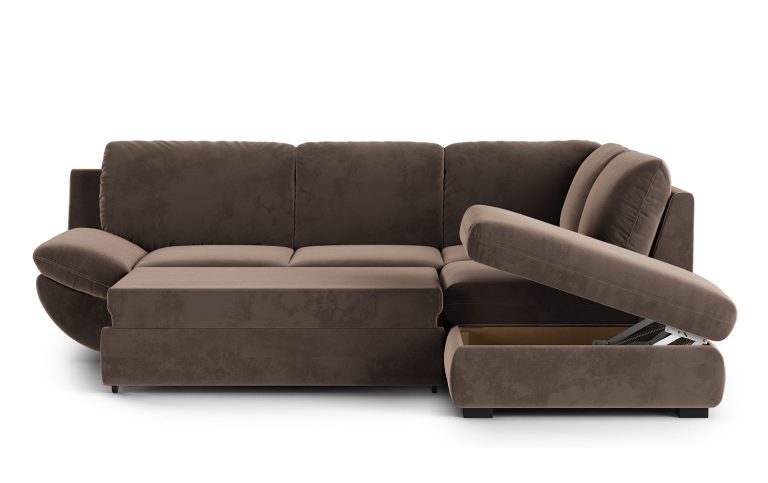
With product feature rendering services, brands can highlight specific design elements – a soft-close mechanism, a hidden storage compartment, a material texture – within the stop motion sequence, giving each feature its own visual moment.
Essential Tools and Equipment for Product 3D Animation
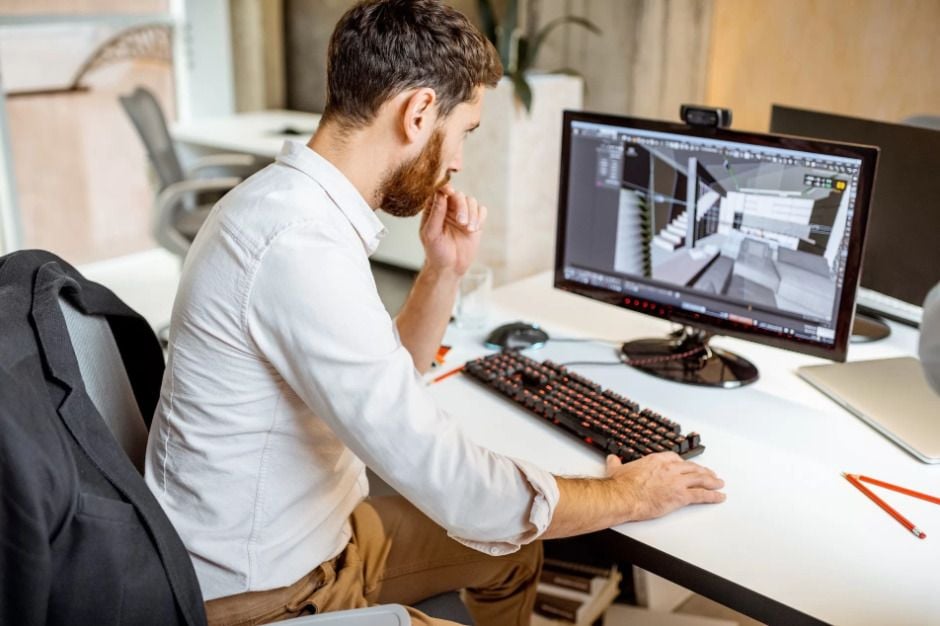
The software choice depends on where you are in the process and how complex the project is.
For the 3D modeling and animation stage, the industry standards are 3ds Max, Maya, and Cinema 4D. Each offers a full suite of tools for building models, applying textures, rigging movement, and rendering individual frames. Maya is often preferred for character animation and complex rigging. Cinema 4D is popular for motion design and has a shorter learning curve. 3ds Max is widely used in architectural and product visualization, which makes it a natural fit for furniture-focused stop motion.
Dragonframe is the go-to for traditional stop motion workflows – camera control, frame capture, onion skinning (seeing the previous frame overlaid on the current one for precise positioning). For CGI-based stop motion, the equivalent functions are handled within the 3D software itself, but Dragonframe is still relevant for hybrid projects that combine physical and digital elements.
Post-production typically happens in Adobe After Effects, where frames are assembled into sequences, timing is adjusted, and effects like color grading, compositing, and sound design are layered in. For a deeper look at the software landscape, our breakdown of the best product animation software covers the options in more detail.
The right tool depends on the project scope and the team’s expertise. For most product-focused stop motion, the combination of a strong 3D package (3ds Max or Cinema 4D) and After Effects for post-production covers everything needed.
Planning a Stop Motion Animation Project
Good stop motion looks spontaneous. Getting there is anything but. The planning phase determines whether the final product feels intentional or haphazard, and for commercial work, the difference between the two is the difference between content that performs and content that gets scrolled past.
Storyboarding comes first. Each shot is sketched out in sequence – what appears in frame, how the camera moves, what changes between cuts. For product stop motion, this is where you decide whether the product assembles itself, rotates through options, gets placed in a styled room, or transforms from one configuration to another. The storyboard is the reference point the entire team works from, and skipping it almost always results in wasted production time.
Scene creation follows. In CGI stop motion, a static 3D environment needs to be built before any animation begins. The scene has to match the concept and the product – a rustic wooden surface for a handcrafted furniture piece, a clean modern interior for a contemporary design. The environment sets the tone, and getting it right at this stage saves significant revision work later.
Product design and visualization are where the 3D model takes center stage. The accuracy of the model – proportions, materials, surface details – determines how convincing the final animation looks. This is also where the animation approach gets finalized: how many frames per movement, what kind of motion style (smooth vs. deliberately choppy), and how the product interacts with props or environmental elements. The same model accuracy matters in every type of 3D product animation, not only stop motion.
A detailed shot list and production schedule keep the project on track. Every lighting setup, camera angle, and frame count is predetermined. For brands working with external studios, having a clear 3D animation brief is what separates a smooth production from one that burns through revision rounds.
Consistency checks happen throughout. Cross-referencing each rendered frame against the storyboard ensures the narrative holds together and the visual style stays uniform from first frame to last.
Mastering Stop Motion Techniques
The techniques that make stop motion look good are the same ones that make it difficult to produce. Getting any of them wrong disrupts the illusion.
Frame rate sets the foundation. Higher frame rates produce smoother movement but require more individual shots for every second of animation. Lower frame rates give a choppier, more stylized feel that’s often associated with classic stop motion. For product marketing content, the choice depends on the mood – smooth works better for premium brands, while a choppier cadence can feel more playful and attention-grabbing on social media.
Camera perspective and composition shape how the viewer reads the scene. Close-ups emphasize texture and detail – the grain of wood, the weave of fabric. Wide shots establish context and show the product in its environment. The way a sequence transitions between these – and knowing which camera shots in animation to use when – gives the animation a cinematic quality that elevates it above typical product content.
Lighting does more for mood than almost any other element. Most setups start with a three-point configuration (key, fill, backlight) and adjust from there depending on the story the scene needs to tell. A cozy interior might use warm, diffused light to soften the textures. A contemporary product showcase could go cooler and more directional to sharpen edges and emphasize materials. The advantage of doing this in CGI is granularity – lighting can shift per-frame, so an animation can transition a room from afternoon warmth to evening shadow as the sequence plays out.
The biggest ongoing challenge is consistency. Even small discrepancies between frames – a light source shifting slightly, a shadow changing shape, a texture rendering differently – break the visual continuity. Timing and synchronization require careful attention too. Every movement has to align with the intended frame rate so the playback looks natural. The goal is incremental adjustments that read as fluid motion: for a door to open, dozens of individually rendered frames each show the door fractionally more open than the last.
Post-Production and Editing
Post-production is where individual frames become a finished animation. The raw material may be technically correct, but the polish that makes it feel professional happens here.
Editing is the first step. Frames are assembled in sequence using compositing software, typically After Effects. Speed adjustments, frame removal, and timing corrections smooth out the motion and establish the pacing of the final piece. This is also where any continuity issues that slipped through production get corrected.
Sound design adds a dimension that visuals alone can’t provide. The subtle click of a mechanism, the soft thud of a cushion settling, ambient room tone – these sounds make the animation feel grounded in physical reality even when every element was built digitally. Getting the sound right is often what separates amateur stop motion from professional work.
Music and voiceover set the emotional context. Background music establishes tone (playful, sophisticated, energetic), and voiceover can narrate the product story or explain features. Synchronizing both with on-screen movement requires precise timing – a beat that lands with a visual transition, a voiceover line that matches a product reveal.
Visual effects in animation handle the elements that weren’t part of the original render. A light flicker reflecting off a metal surface, a subtle shadow cast by a moving object, or digital enhancement of a background. Color grading sets the overall visual tone, and compositing blends separate render layers into a seamless final image. Together, these post-production techniques transform a series of individual frames into something that feels complete, polished, and ready for publication.
Promotion and Distribution
The best stop motion animation in the world doesn’t do much sitting on a hard drive. Distribution strategy determines whether the production investment translates into actual business results.
Instagram, TikTok, and YouTube are the natural platforms for this format. Short-form video content is what these platforms prioritize in their algorithms, and stop motion’s visual distinctiveness gives it an edge in crowded feeds. Teasers, product demos, and behind-the-scenes clips of the animation process itself all work well as standalone social content. The key is formatting: vertical for TikTok and Reels, square or horizontal for feeds, and adapting the pacing to each platform’s typical viewing behavior.
Website integration is equally important. Embedding stop motion content on product pages, landing pages, and portfolio sections serves dual purposes – it elevates the visual experience for visitors and, when properly optimized for SEO, improves organic search performance. An animated product hero section draws more engagement than a static image, and the increased dwell time sends positive signals to search algorithms. On product pages, it works alongside other ecommerce product videos like feature demos and assembly guides.
Audience feedback closes the loop. Monitoring comments, shares, and engagement metrics on published content reveals what resonates and what doesn’t, which directly informs the creative direction of future projects. The brands that improve fastest are the ones that treat each piece of content as a data point, not just a deliverable.

Get to know more about product 3D animation and boost your conversion rate with the speed of light.
See moreStop motion 3D animation combines the visual charm of frame-by-frame movement with the precision and flexibility of CGI production. For product marketing, it creates content that stands out in social feeds, communicates features dynamically, and builds brand recognition through a distinctive visual style.
Explore our 3D animation services to see how stop motion can work for your product content. Our team handles every stage – from storyboarding and 3D modeling through animation, post-production, and delivery in formats optimized for every platform.