
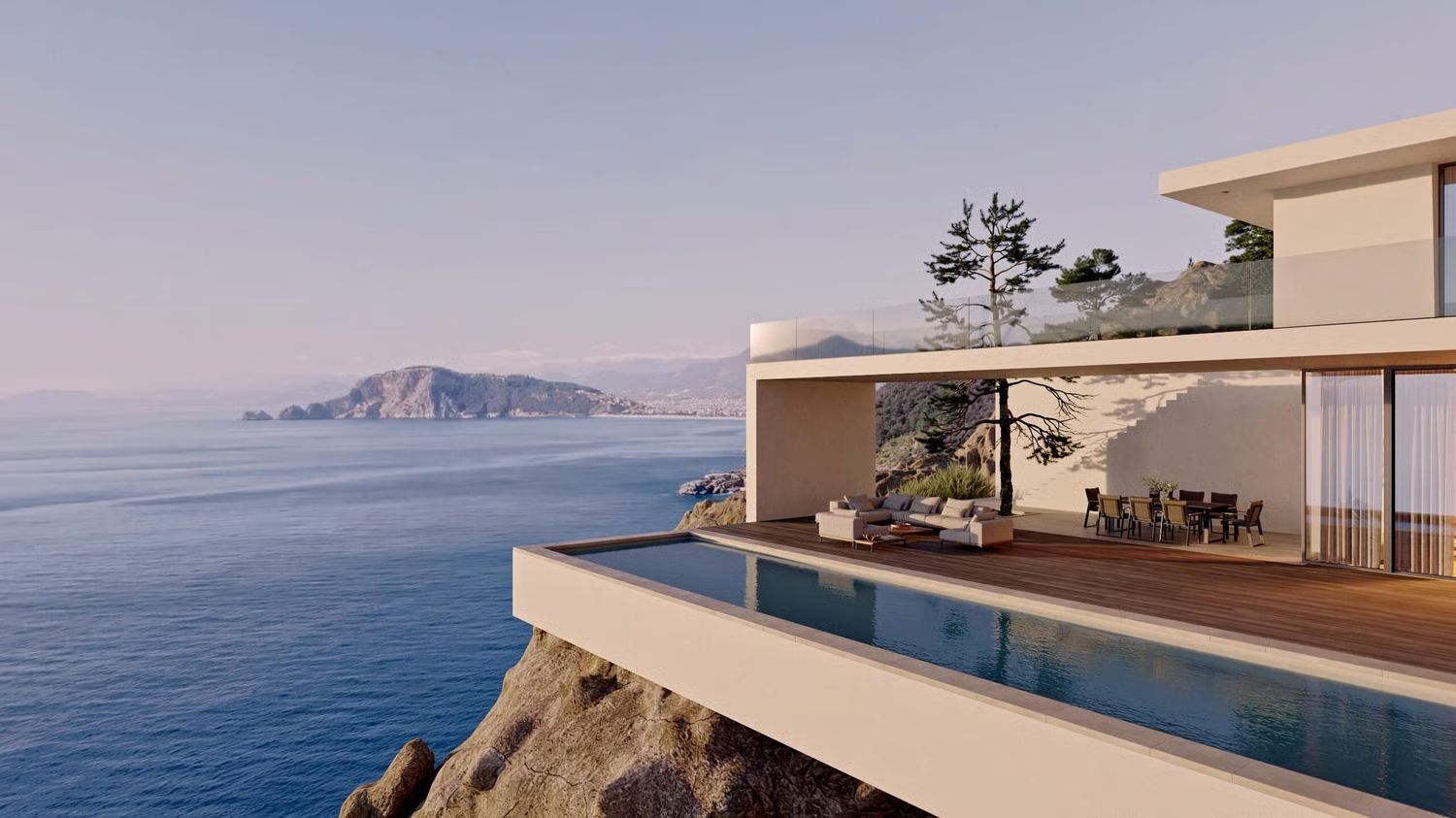
Product ranges expand faster than shooting schedules allow. One collection can call for silo images on marketplaces, atmospheric visuals for campaigns, and detail views of every finish and configuration, all matched in light, angle, and quality. Each asset depends on a physical sample, a studio slot, and a set built for one purpose. High-quality 3D product rendering covers the whole promotional set from one digital model:
- silo shots for retail listings
- lifestyle scenes for campaigns and social feeds
- macro views of materials, joints, and finishes
- 3D animations that show mechanisms in motion
- 360-degree spins for product pages
- AR models for mobile shoppers
Colors, proportions, and light stay identical across all of them, and a new variant only calls for a texture swap.
Brands that work with a 3D visualization company can build a reusable asset library covering silos, lifestyle scenes, animation, and AR, then adapt the same approved models for new launches, seasons, markets, and product variants.
The ten cases below come from different industries. Each covers the promotional task the brand faced, the CGI assets its team received, and where those visuals went: e-commerce listings, paid advertising, social media, printed catalogs, product launches, and B2B sales materials.
1. Prulite: 3D Product Promotion for a Lighting Brand
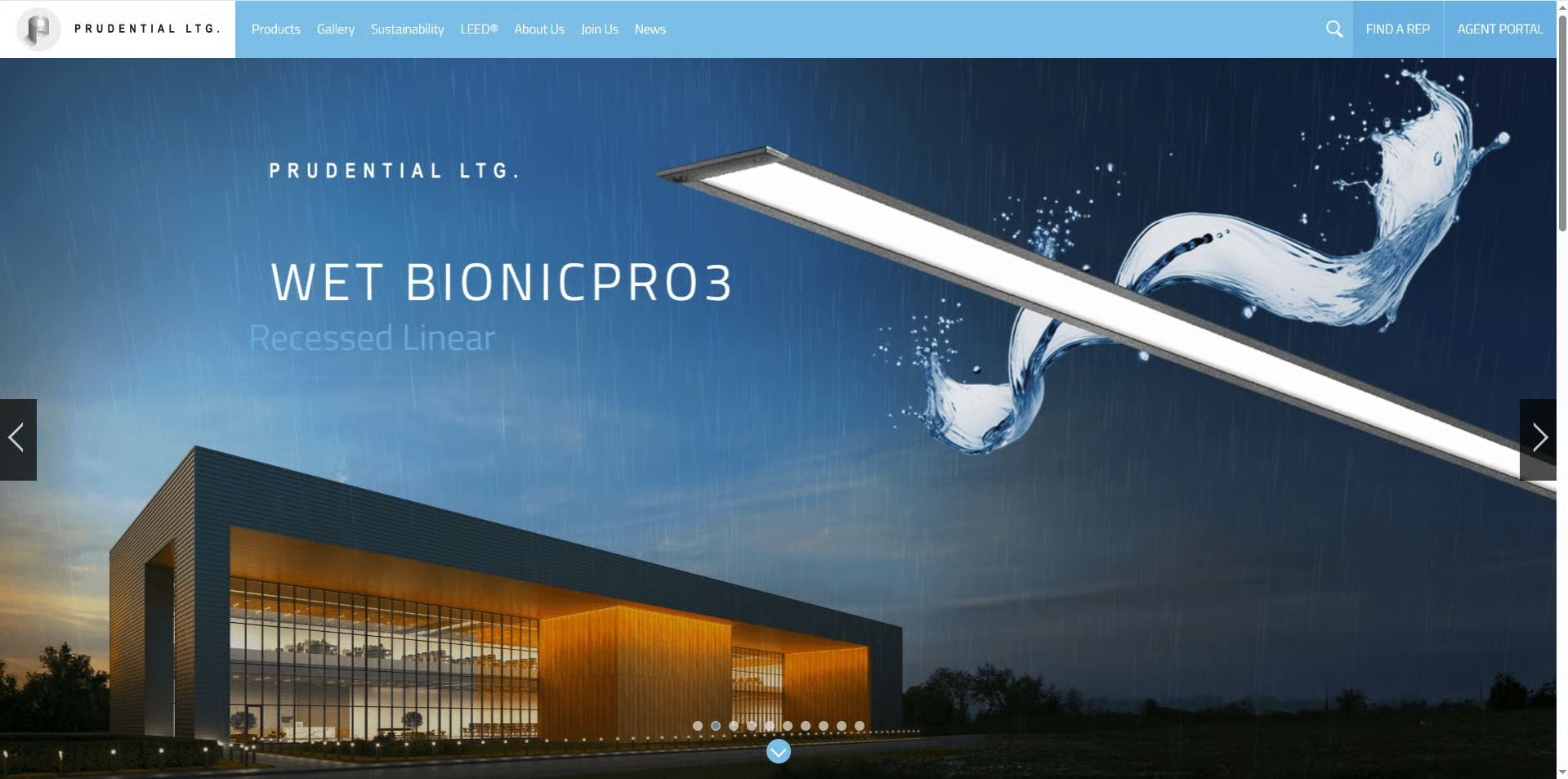
Prudential Lighting, better known as Prulite, is a family-run manufacturer working in Los Angeles since 1955. It supplies fixtures to schools, offices, and public buildings across the US, and its catalog spans several collections that needed one visual standard for every marketing channel.
Luminaires are demanding subjects for a camera: glare and reflections distort glow, intensity, and beam spread. Installations sit in finished buildings that require site access, while promotion usually starts when units are still in production. 3D visualization for product promotion gave the brand control over all of these factors.
The deliverables included:
- 3D models, including AR-ready and BIM-ready geometry;
- silo renders on white backgrounds;
- finish and design variants;
- interior and exterior lifestyle scenes;
- close-ups of optics, joints, and coatings;
- an animation showing light spread.
Every asset carried a separate promotional job. Silos serve catalogs and e-commerce listings, lifestyle 3D renders drive campaigns and social posts, close-ups support feature sections, the animation anchors the brand's product presentation video, and AR models go into architects' specification workflows. Prulite published the results on its website, social media, product-launch press releases, industry publications, and the BIMsmith marketplace. One reusable 3D asset library keeps technical, commercial, and inspirational content consistent, while the Prulite lighting visualization case study shows how the same files support several collections and channels.
2. Artelia: 3D Product Animation for an Outdoor Furniture Launch
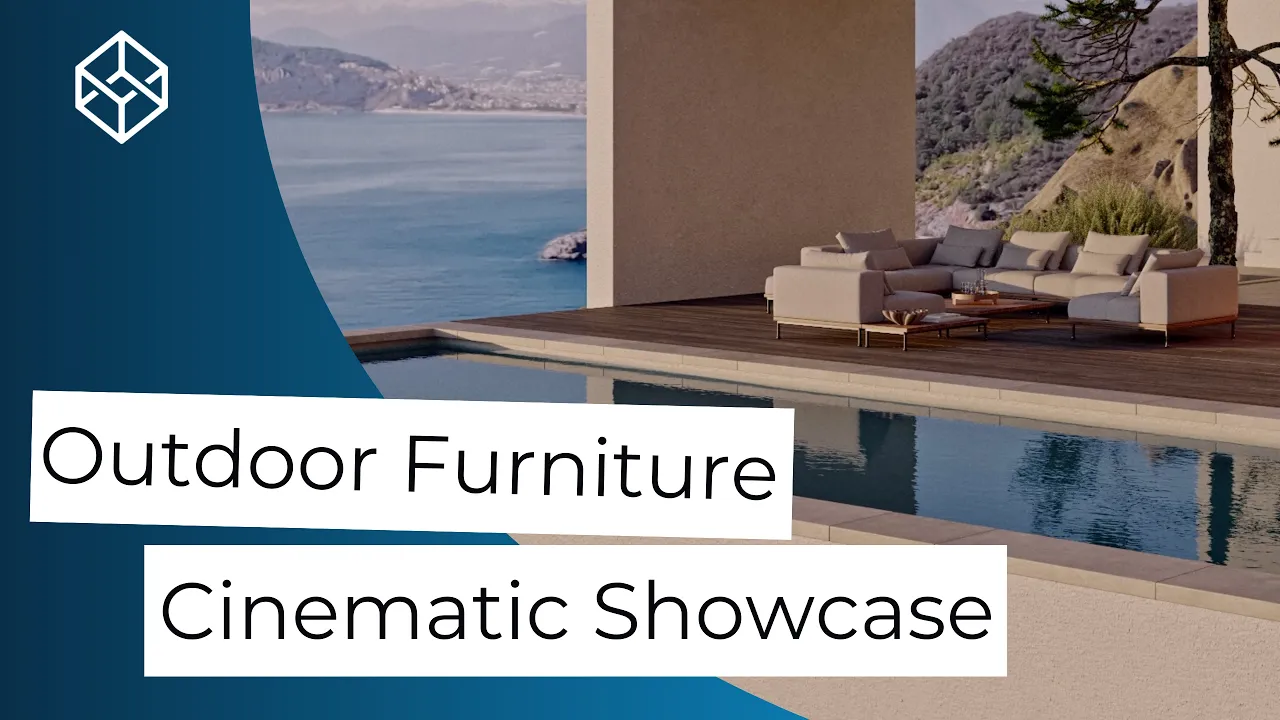
Artelia GmbH, a Berlin-based company that develops furniture brands and runs international online stores, was preparing new outdoor collections. The team needed visuals for its catalog pages and, alongside them, premium content strong enough to carry the brand beyond the listings. One CGI production covered both needs:
- 100+ lifestyle 3D renders for e-commerce, across lounge sets, dining furniture, sun loungers, parasols, and garden accessories;
- a 40-second cinematic 3D animation for the product launch, built around a cliff-edge villa.
Each setting was chosen to match the mood and intended use of the pieces shown: gardens, terraces, poolsides, sea views, a mountain lake. Outdoor furniture 3D visualization does the positioning work here, since a sun lounger by the water and a dining table on a terrace address different buying moments.
The video keeps every item legible through dynamic flythroughs, while cutaways of waves on rocks and sunlit water carry the aspirational half of the story. Artelia now runs it on product pages, the company website, and social media, so one launch asset feeds both conversion and awareness — with no photoshoot behind any of it. The Artelia case study shows how this 3D product animation for product promotion was produced, from environment design to the water simulations.
3. DuChateau: Lifestyle CGI for a Flooring Product Launch
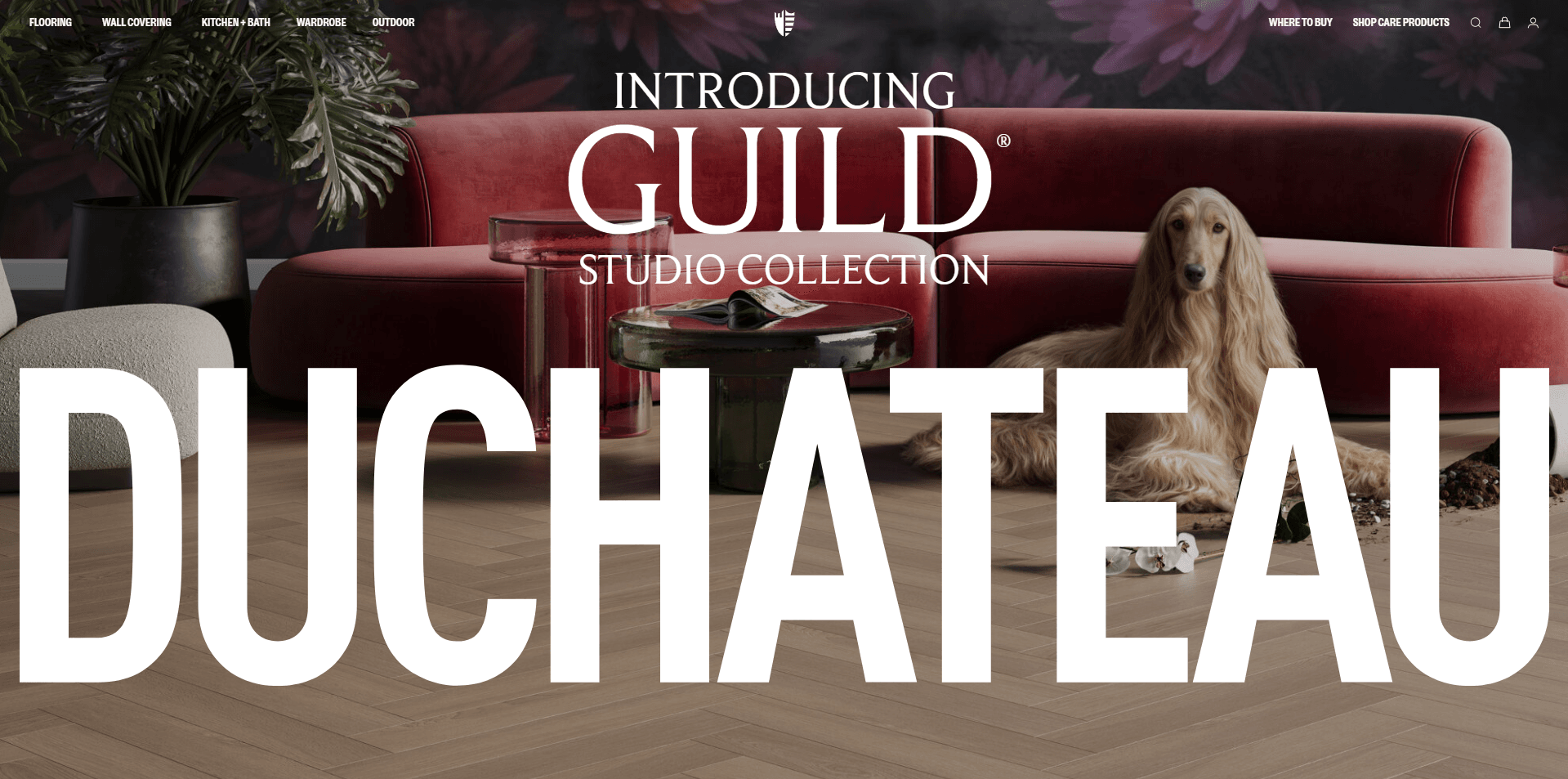
DuChateau built the Studio Collection launch around a single concept — "Weathering Life's Moments," floors that stay with a household through everything it does. Since flooring reads as a background material, the emotional promise had to arrive through scenes viewers recognize from their own homes.
Six styles were paired with six themes, and each pairing became a room:
- Peace — Bois, a yoga room at sunrise
- Joy — Dira, a hallway with children running toward the garden
- Mischief — Jacq, a laundry room with a wet dog
- Poise — Mina, a living room with an Afghan hound
- Perseverance — Yova, a boutique hotel gym
- Excitement — Zana, a movie night after dark
Every environment was built from scratch, with color, grain direction and herringbone angles approved by DuChateau's product team. Each frame therefore does two jobs at once: campaign imagery and accurate flooring product visualization.
The six 5K scenes were checked against crop marks ahead of delivery. That kept compositions intact across web marketing, printed labels, point-of-sale materials, large-format output and trade channels. Our case study on the DuChateau Studio Collection documents the brief, the client references and the draft stages behind this lifestyle CGI for a flooring brand.
4. QualityTapestries: Scaling 3D Product Rendering for E-Commerce
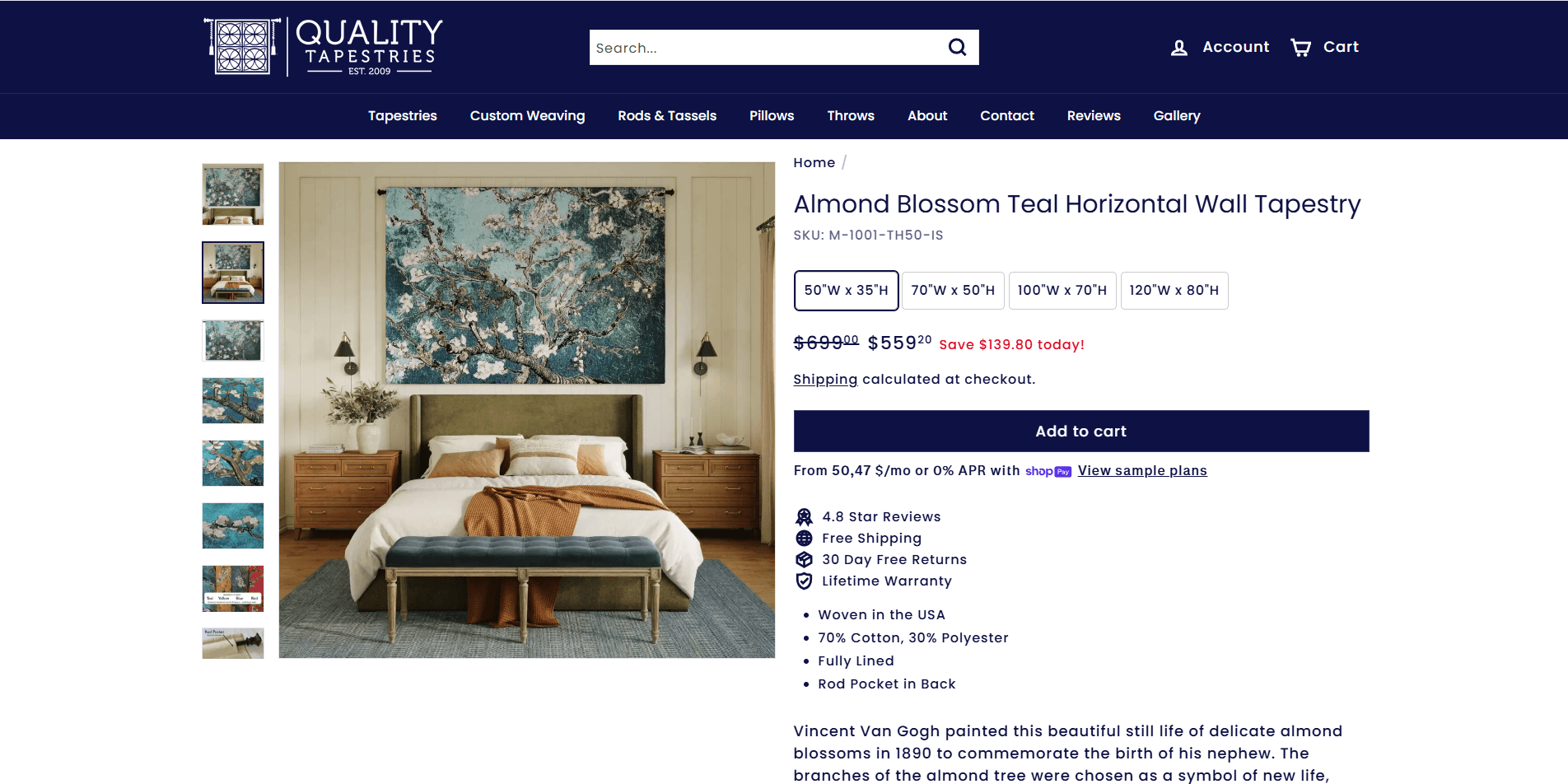
QualityTapestries sells oversized tapestries to US homeowners, and every buyer arrives with the same question: how would a statement piece look on their own wall? The catalog holds more than 100 SKUs across sizes, colors, and styles, from medieval motifs to contemporary abstracts.
Our artists recreated each weave, rod, and bracket in 3D, then placed the collection into a library of 20 interior environments. The system yielded over 100 lifestyle 3D renders set in:
- living rooms and bedrooms
- dining rooms and home offices
- foyers and stairwells
Every setting gives shoppers a reference for scale, color under warm daylight, and fit within a transitional interior. Decorative elements stay editable, so fresh colorways and seasonal arrivals drop into existing scenes while the image bank grows with the assortment.
The brand runs this photorealistic product rendering across its website and social channels — category listings, detail pages, campaign posts. An augmented reality model of the bestseller adds AR product visualization, letting a shopper preview fabric on a chosen wall through a phone camera. The full story of this 3D visualization for product promotion sits in the QualityTapestries case study.
5. WheelTech GP: Promoting Automotive Products Through Multiple Visual Formats
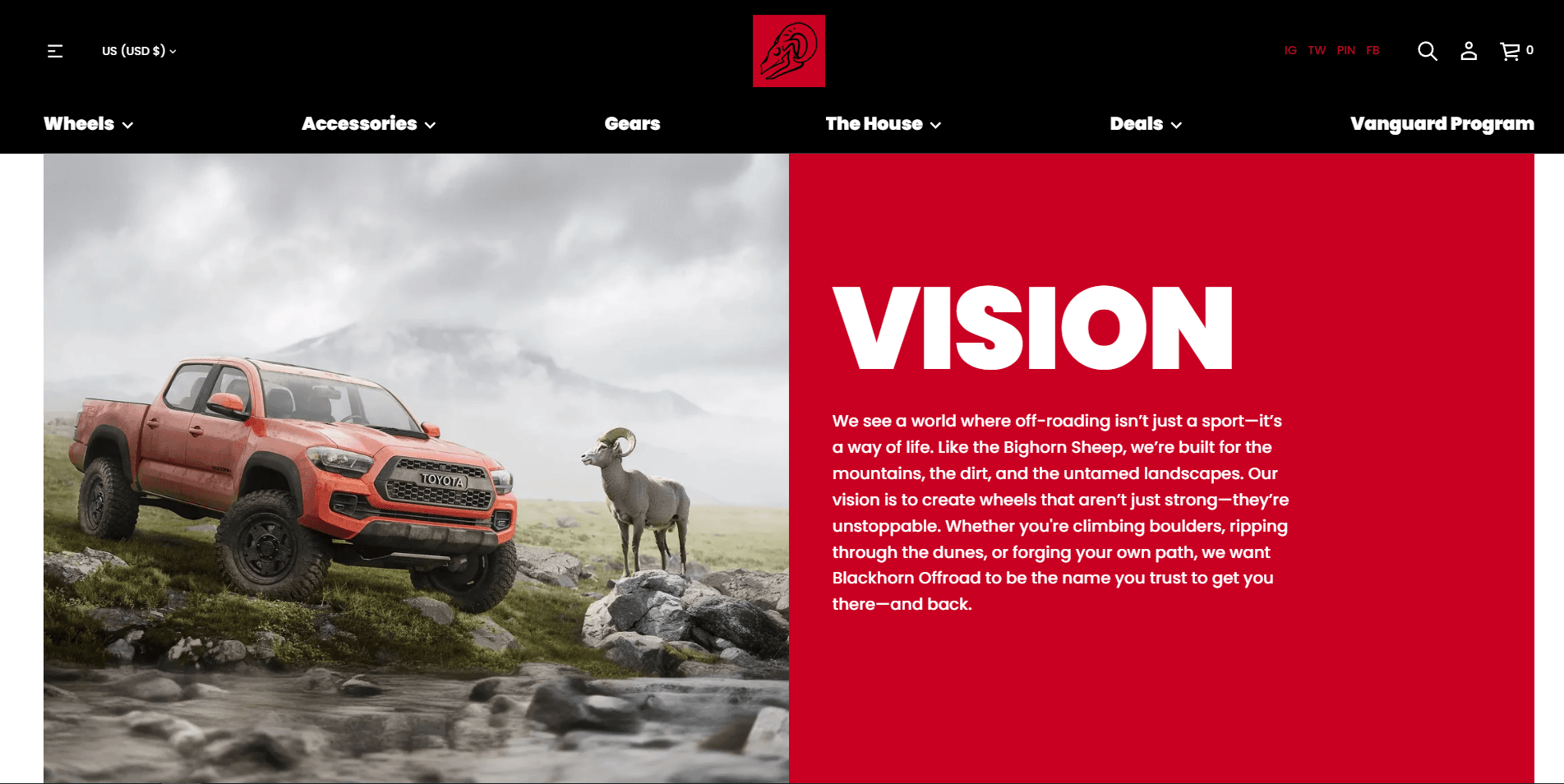
Performance wheels compete on appearance as much as on engineering, so automotive product visualization shapes how a brand is judged. Buyers examine spoke geometry, finish quality and the configurations on offer, then want to see the set mounted on a real vehicle. WheelTech GP answered all of that with automotive 3D rendering instead of photographing every model, finish and location combination.
Fifteen wheel models went through one production pipeline, which delivered:
- silo 3D rendering at 4K for clean side-by-side comparison;
- macro views of polished aluminum, brushed highlights and screw details;
- 360-degree product views supplied as video and image sequences;
- automotive lifestyle rendering with SUVs shot across desert, forest and snow scenery.
Each format carries part of the sales conversation: silos clarify the lineup, close-ups prove material accuracy, spins let a customer inspect the disc from any angle, and lifestyle frames give advertising its aspirational pull. Covering that spread inside a single pipeline is the practical argument for 3D automotive rendering services.
One studio setup and calibrated materials held geometry, contrast and shadow logic identical across the catalog. Consistency at that level makes 3D wheel rendering reusable on the brand site, in product pages and in campaigns. Performance wheel visualization then serves technical scrutiny and dramatic imagery at once.
6. Vineyard Wine Cellars: Equipping Product Pages with CGI, Spins, and AR
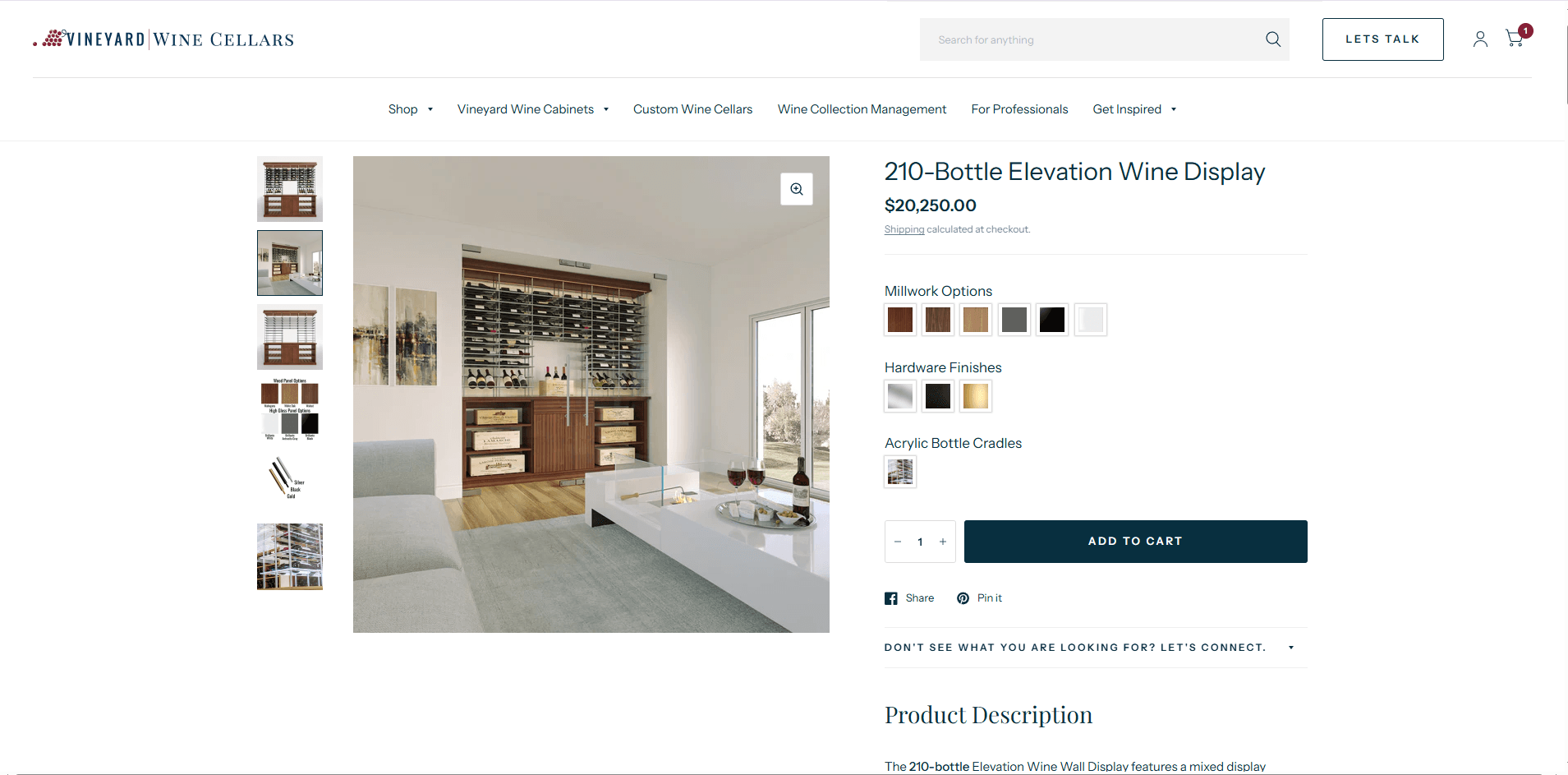
Vineyard Wine Cellars builds custom racks, cabinets, and display walls for homes and commercial venues across the United States. Selling such systems online means answering four buyer questions at once: how the design looks, which finishes exist, what the scale is, and where a unit fits inside a luxury interior. The brand ordered a package in which each format covers one of them:
- silo 3D visualization on a white background, at 4000 × 4000 px with shadows;
- lifestyle 3D rendering based on the client's own references of upscale rooms;
- 360-degree product spins with a four-second rotation of a rack filled with bottles;
- AR 3D models for Shopify, delivered in usdz and glb.
Silo frames isolate each unit for finish comparison, while lifestyle scenes place the same cabinetry in living rooms and tasting areas. A 360-degree spin lets shoppers inspect the wine rack from every angle, and augmented reality for e-commerce puts the model on the buyer's own floor through a phone camera.
The wine storage 3D visualization for Vineyard Wine Cellars was published on the brand’s online store, where silo images present the available color options and lifestyle scenes introduce each product page. Across these formats, e-commerce product visualization supports the whole path from first discovery to a confident purchase decision.
7. Novare: Using Animation to Explain an Innovative Product Concept
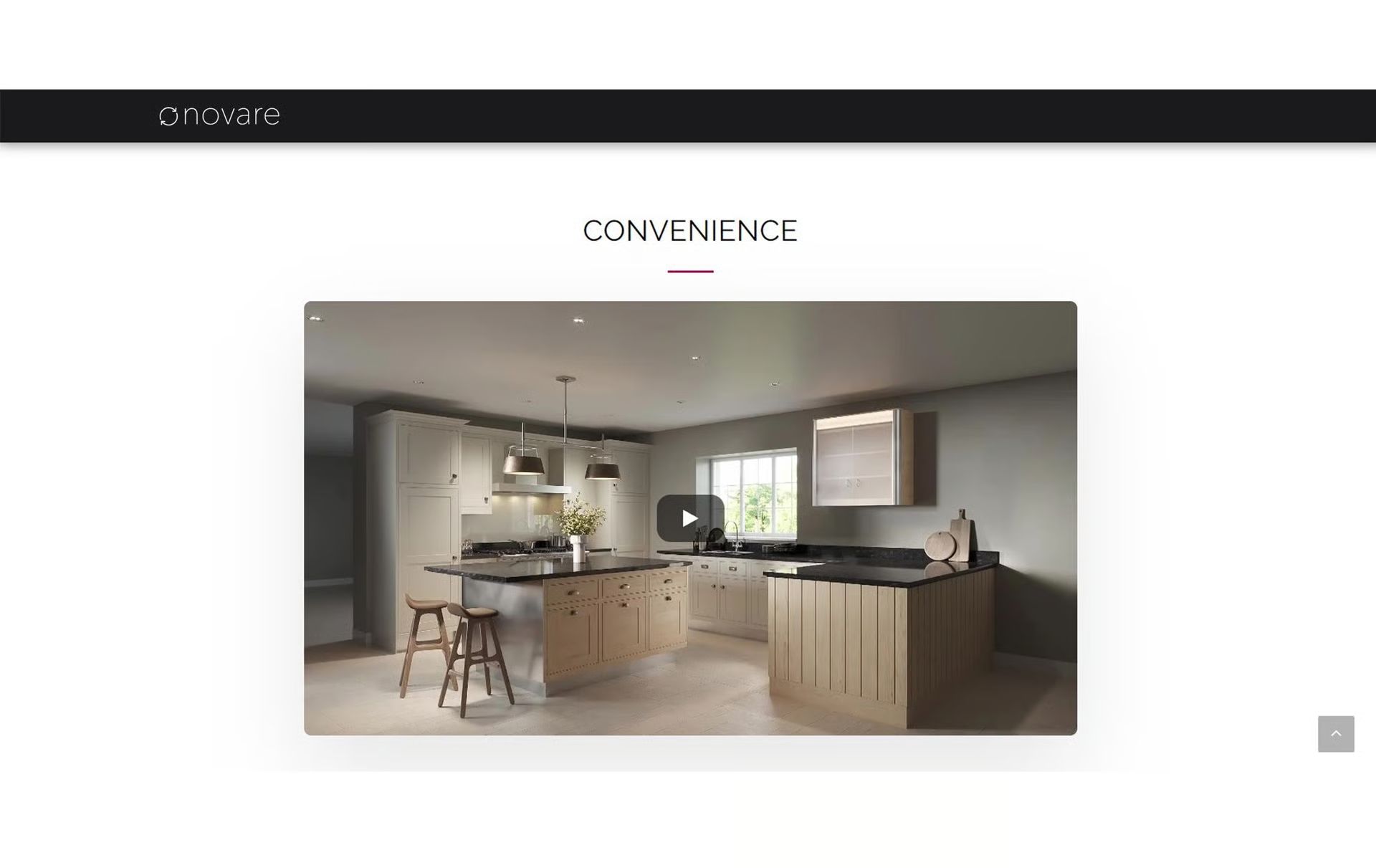
Novare, a US brand founded in 2019, turned its robotic technology into accessible wall cabinets. Each unit looks conventional until it descends as much as three feet, bringing everything stored inside within arm's reach. Showing that behavior to buyers called for motion on screen, so the company ordered 3D product animation from our team.
We delivered three videos of 3D storage furniture animation, set in a furnished kitchen and a laundry room. Together they demonstrate:
- the downward travel of the cabinet;
- the distance it covers;
- the way a person operates it;
- the accessibility gain that results.
The domestic settings let viewers see the technology as furniture that suits their own homes. Novare placed the finished accessible cabinet animation on the main page of its website.
At that stage the units existed as CAD data and references, so this pre-production product visualization also carried the concept to the engineers who built the first prototype. The full Novare case study covers the modeling and scene choices behind each video.
8. USA Capitol: Helping B2B Buyers Compare Classroom Furniture
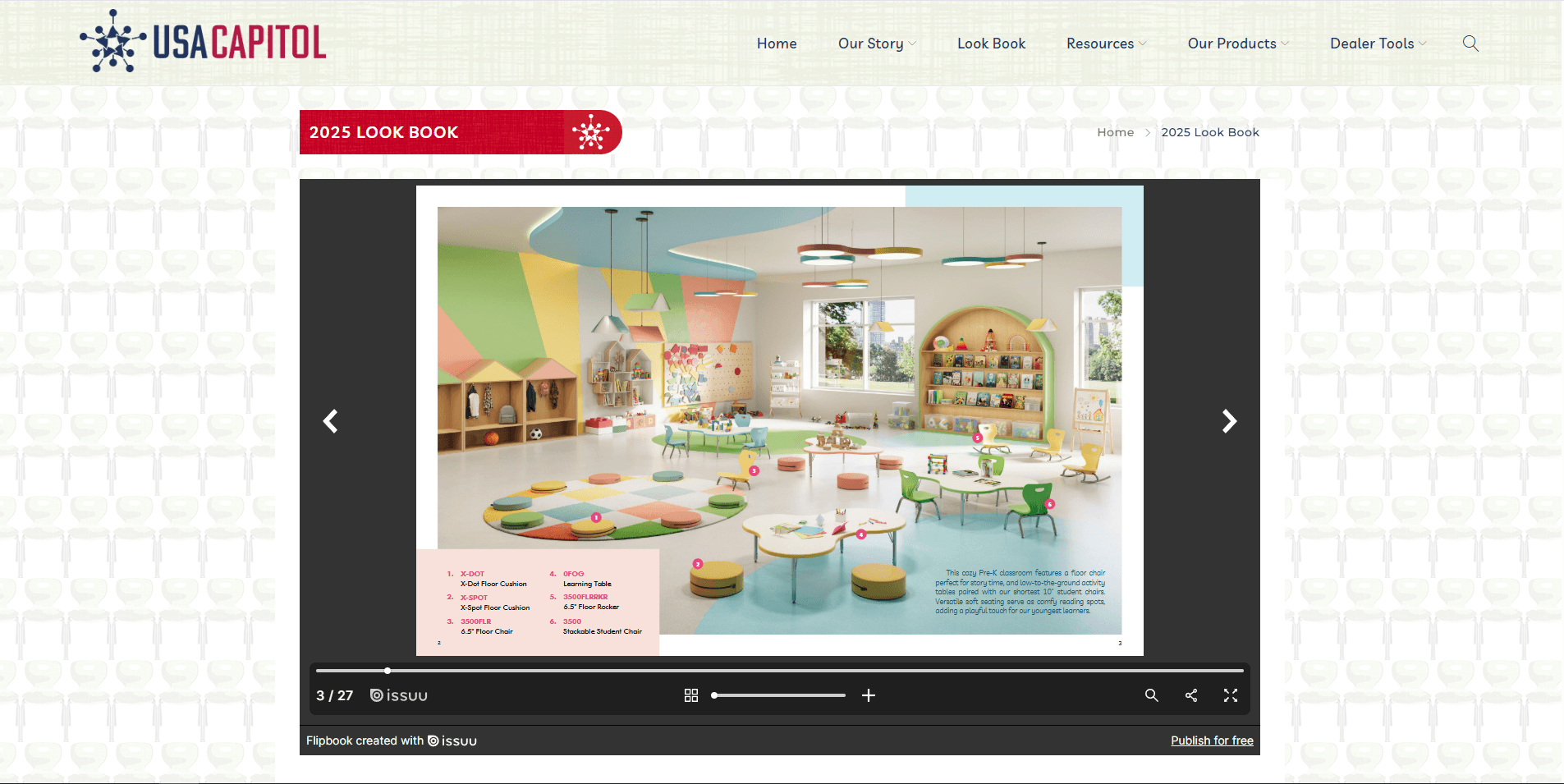
USA Capitol builds desks, seating, and activity tables for American schools. Its buyers weigh dozens of models, colors, sizes, and room arrangements before approving a purchase order, so the brand commissioned classroom furniture 3D modeling covering:
- silo images of every desk and chair on white;
- colorways across the available palette;
- design modifications for legs, tops, and seat shapes;
- overhead views of activity and Interlox tables;
- scale shots;
- lifestyle scenes of complete learning spaces.
Silo 3D visualization isolates one item at a time, which makes side-by-side assessment quick. Furniture color variations and structural options appear together in a single grid, so a school can match a classroom theme or district branding. Overhead angles carry the product configuration visualization further: procurement staff see how tables interlock and what capacity each arrangement gives. Lifestyle rendering for classroom furniture places several pieces in a science lab, music room, or pre-K space, showing them at work as a set.
The library now runs on listing and detail pages of the manufacturer's website, where a buyer moves from a clean silo to a fully furnished room within a couple of clicks. The complete set is in the classroom furniture 3D modeling case study. Similar B2B product visualization is described on our 3D furniture rendering services page.
9. UKRadiators: Positioning Functional Products as Interior Design Features
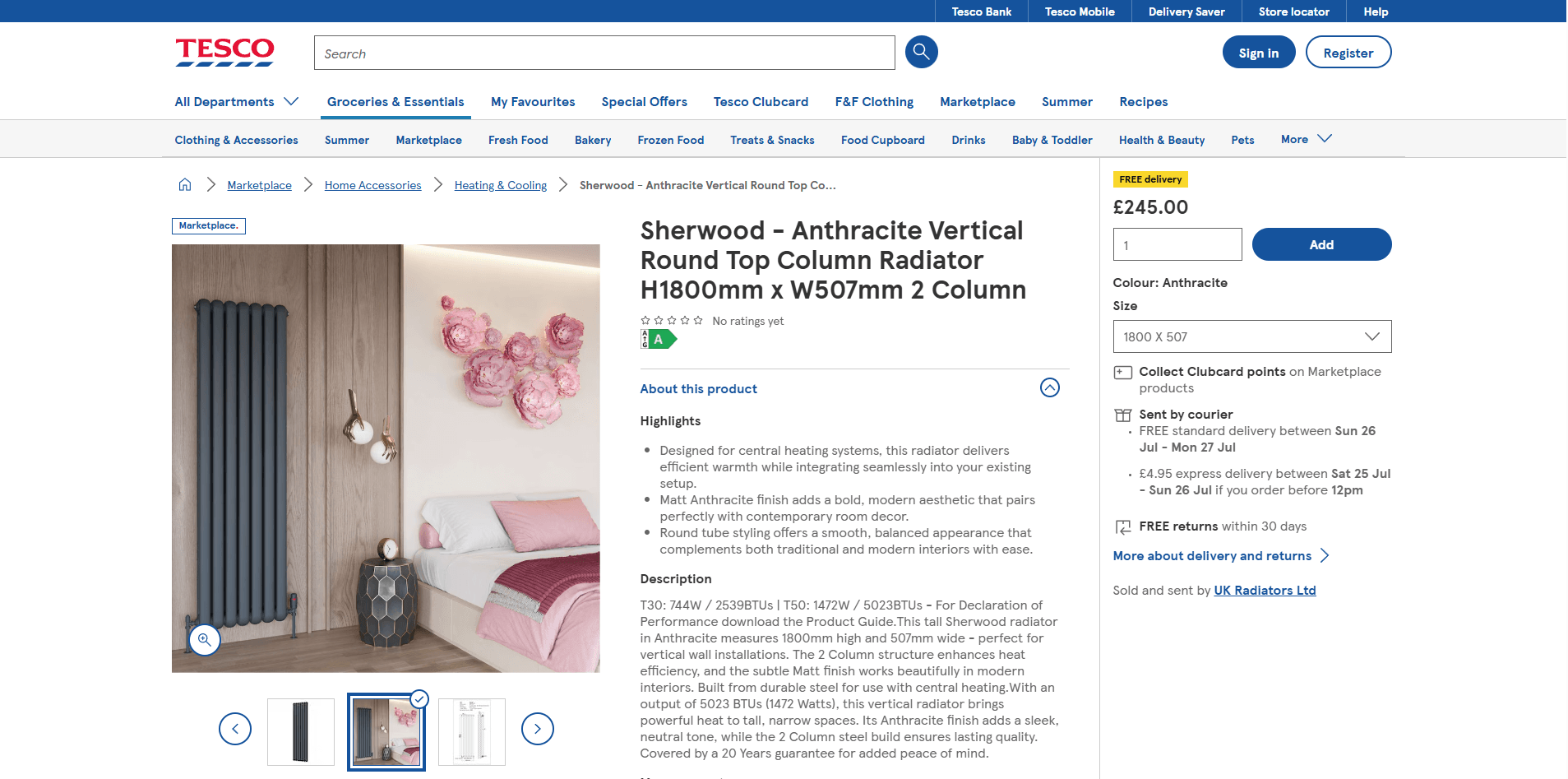
UKRadiators is a British heating-products retailer whose catalog spans radiators, towel rails, valves, and fittings in numerous models, materials, and colors. Complex forms and reflective finishes demand precise presentation, and the company wanted its heating equipment to work as part of interior design. Radiator 3D rendering covered the entire assortment.
The project included:
- detailed 3D models;
- silo renders on white backgrounds;
- hero product images;
- lifestyle interiors: bathrooms, bedrooms, kitchens, nurseries;
- close-ups of details;
- finish and material variants;
- Christmas campaign visuals.
Silo images gave e-commerce listings a clear read on structure and materials. Hero product renders presented each unit as a statement piece, and lifestyle product 3D rendering set the same models in furnished rooms, where shoppers could judge style compatibility.
Texture swapping, part of our 3D texturing services, applied several finishes to a single model, so brass, chrome, and anthracite versions appear in one setting for direct comparison. The Christmas scenes reused the existing assets for a seasonal campaign. Our 3D rendering for radiator products case study shows where the imagery ran: product pages, social media, the company blog, and external home-design publications. One reusable visual system delivered technical clarity, finish comparison, aspirational positioning, and campaign flexibility.
10. Comfy Sleeps Home: Turning a Product Feature into Viral Social Content
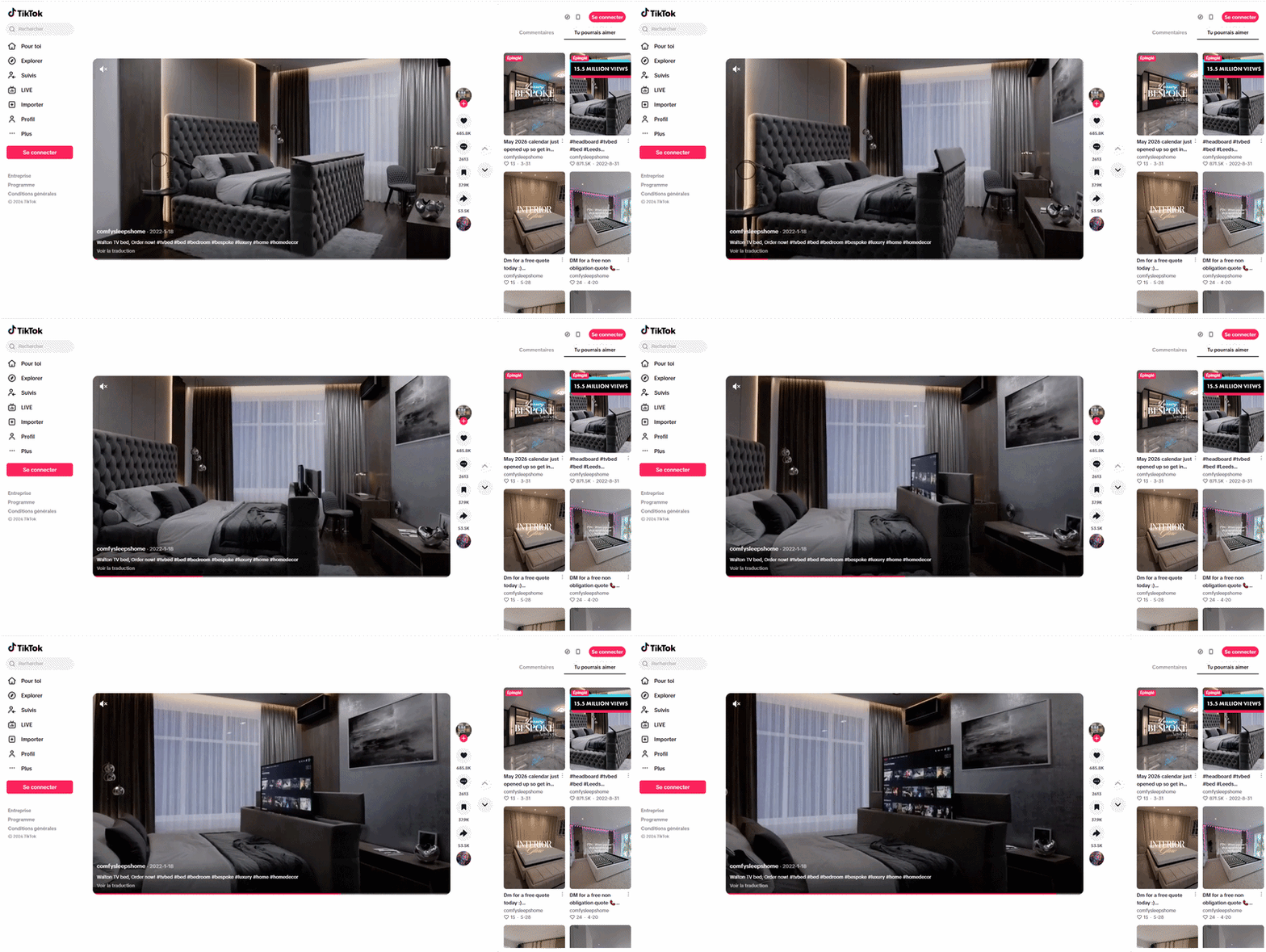
Comfy Sleeps Home is a UK brand of handcrafted luxury beds, TV beds included, sold through digital and printed catalogs. Its range kept expanding, which meant premium imagery was needed in large volume, while conventional photoshoots stayed expensive and hard to update for every new model and variant. The pictures also had to carry the brand's luxury positioning and catch the eye in a social feed.
3D rendering for handcrafted beds gave the company:
- detailed bed 3D models;
- luxury lifestyle scenes set in sophisticated interiors;
- color and configuration variations;
- open and closed views of each bed;
- a seven-second animation of a television sliding out from the footboard.
The interiors reinforced the premium image, and the paired views let customers understand how each product works beyond its decorative appearance. The TV bed animation turned a concealed mechanism into an instant, easy-to-read promotional hook. Two cuts were produced as 3D animation for social media: a square one for Shopify and a vertical one for TikTok, Instagram Reels, and other platforms. The TikTok post reached 20 million views and travelled further on Facebook and Instagram.
The visuals now run on the company website, in online and offline catalogs, and across social channels, with the full scope covered in the handcrafted bed 3D rendering case study. A single product feature became shareable content that widened brand awareness while the stills kept serving everyday e-commerce needs.
What Makes 3D Visualization Effective for Product Promotion
Across these ten cases, 3D visualization works as a system of formats: silos, lifestyle scenes, close-ups, animation, 360-degree views, AR, and reusable digital assets, each assigned to a specific promotional job.
The brands share a common logic. Collectively, they used CGI to explain how a product works, present variants, sharpen positioning, scale visual production, and adapt content for e-commerce, advertising, catalogs, social media, launches, and B2B sales.
Reusability carries much of that value. Once the model exists, it can be re-textured, re-lit, and re-staged for fresh finishes, configurations, environments, formats, and campaigns, so every new channel draws on work that is already done.
Results depend on matching the deliverable to the marketing objective:
- Silos — comparison across a range;
- Lifestyle scenes — positioning and context of use;
- 3D Animation — mechanisms, movement, user interaction;
- AR — scale and fit in a real room;
- Close-ups — materials, finishes, construction detail.
Start from the questions your current visuals leave open for buyers, then build the content system that answers them. Ready to promote your products across every channel with imagery that sells? Order our 3D modeling services, and we'll deliver a full set of creative, photorealistic CG assets that turn viewers into customers!