To sell a product online, you have to show it well, and photos only get you so far. That’s why many brands now use interactive 3D. Configurators, AR and animations let customers explore the product, see its selling points and get something close to holding it.
We’ve made many kinds of product CGI over the years. Here are 5 types of interactive 3D presentation and how each one shows off a product.
1. Product Configurators
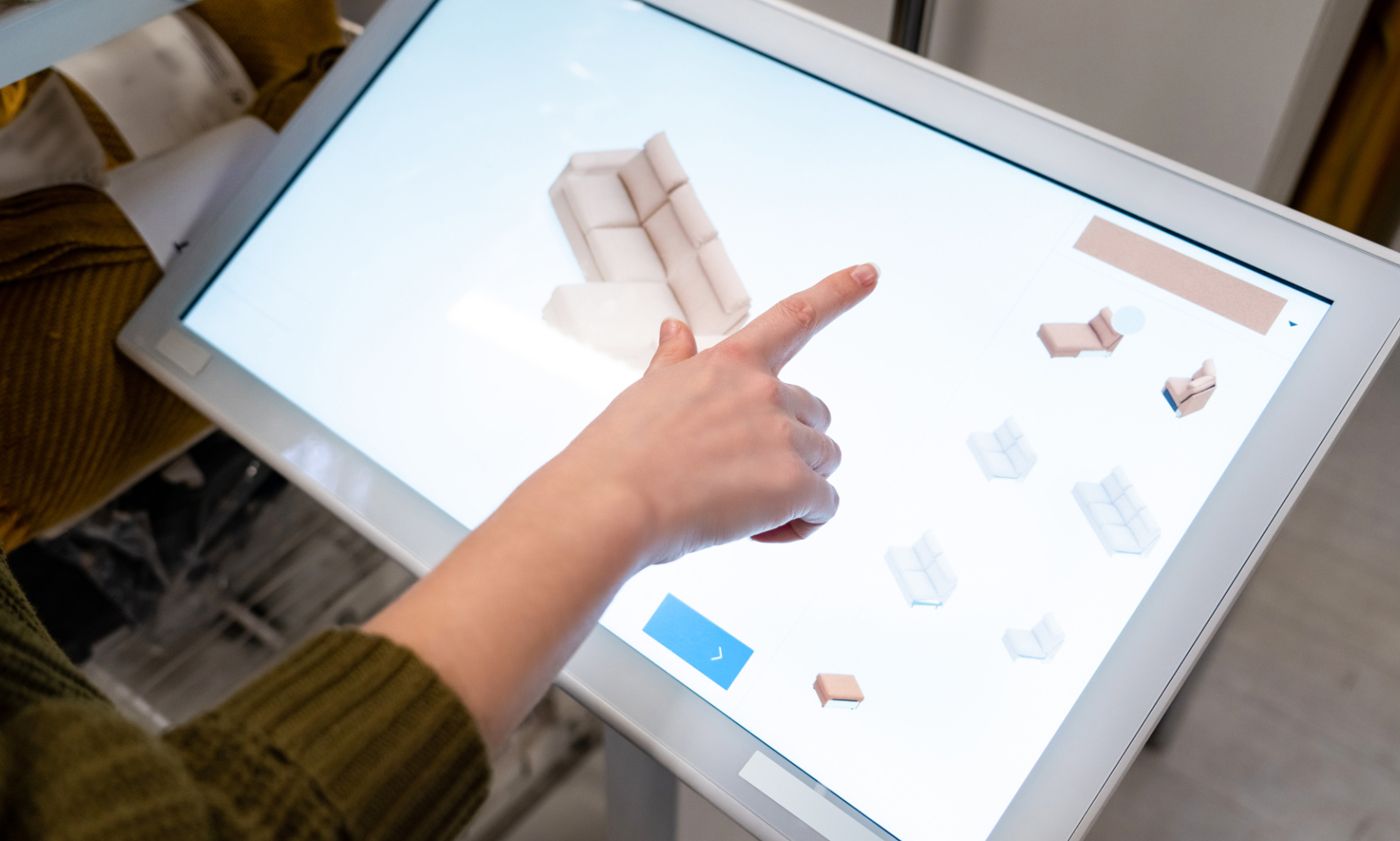
First up, configurators. A 3D product configurator on an ecommerce site lets customers look at a product from any angle in a 360° viewer and customize it in real time, changing colors, materials, finishes or configurations.
Trying design options until one feels right makes people much surer about buying. Furniture makers, car dealers and many others already use configurators, and the personal experience tends to lift conversions and customer satisfaction.
2. Augmented Reality Applications
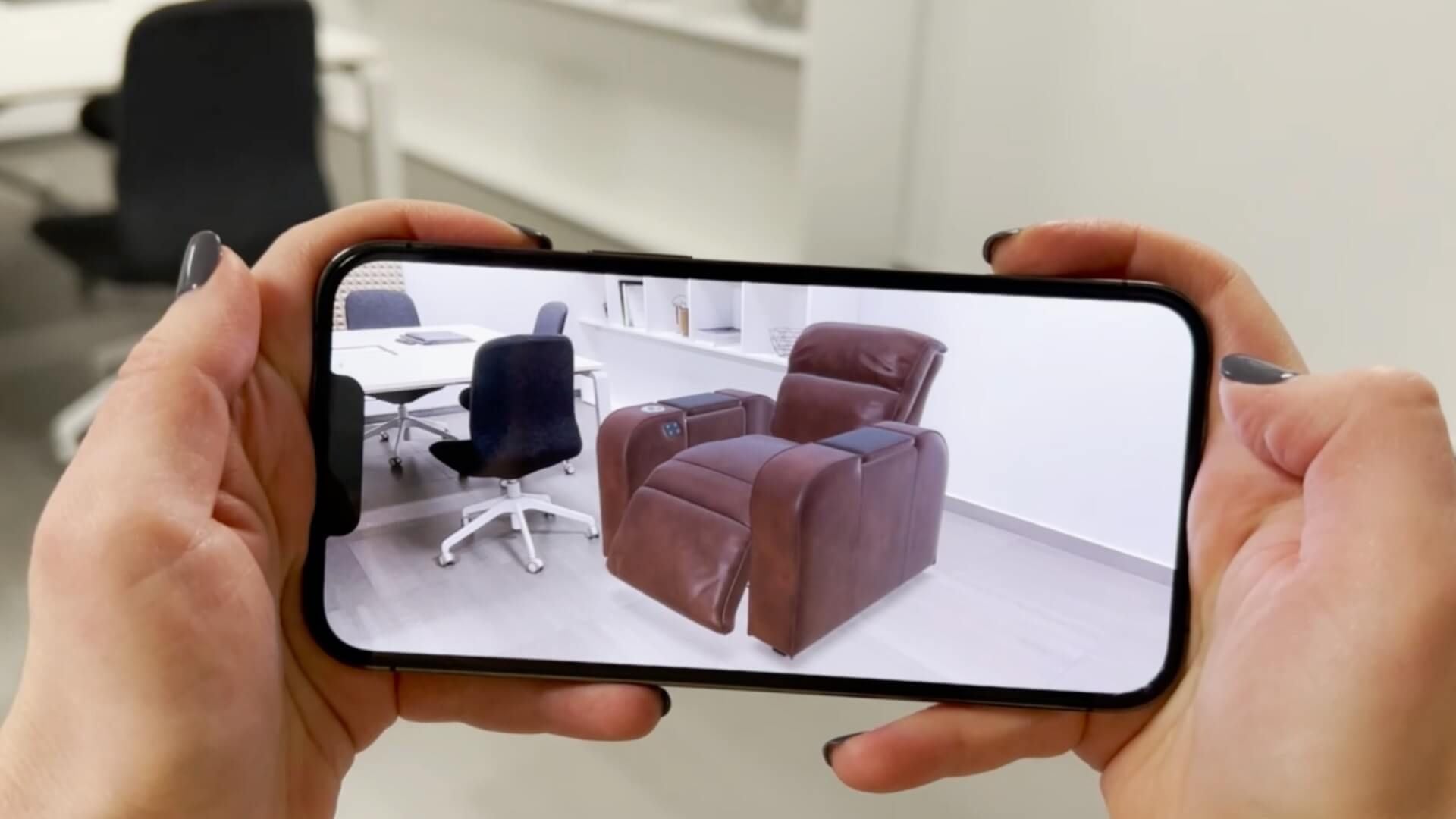
AR puts digital information on top of the real world through your phone’s camera, which is handy for lots of businesses. Furniture and decor buyers, for example, can visualize
AR 3D models of products in their own rooms before they buy. That usually means fewer returns and more engagement. For the technical side of building AR models, see our AR modeling overview.
3. Virtual Reality Experiences
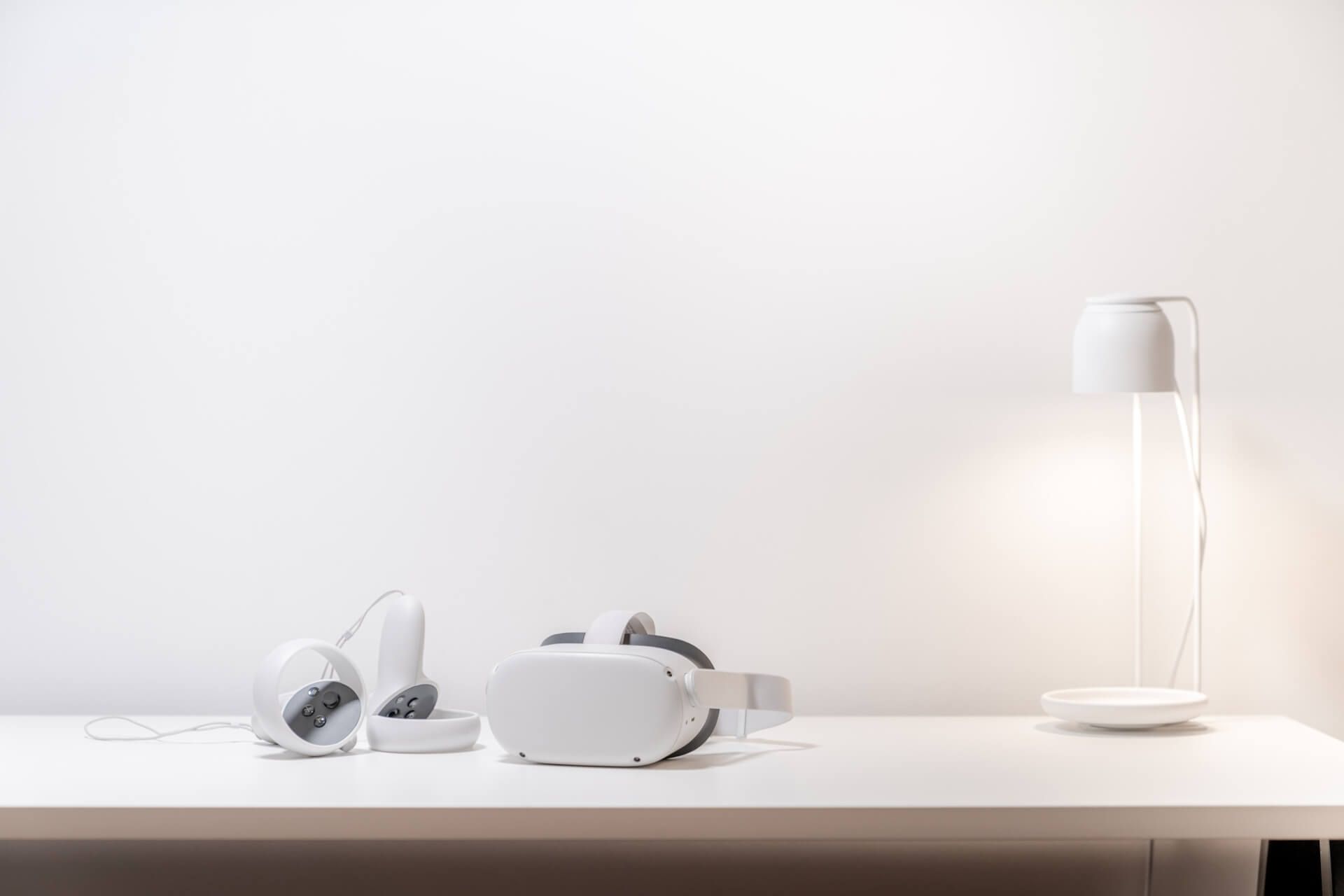
AR and VR often get mentioned together, but they’re different. AR uses the real world as the backdrop, while VR happens in a fully digital space and needs a headset. Headsets are getting cheaper and easier to find, though.
VR can work well for product presentation. Imagine a furniture store like Ikea rebuilt as a virtual space. You walk around, look at the latest pieces, flip through colors and materials, and buy, all from your own living room. And it makes online shopping fun.
4. Interactive 3D Web Content

Scan QR code to see this product in augmented reality
Interactive 3D web content means a real-time 3D viewer right on your website or product page, with no app to download. Shoppers rotate the model, zoom in and switch finishes in the browser. A simpler option is a 360 product view, where shoppers drag through a sequence of rendered frames.
Shopify and Amazon already support embedded GLB models, which makes this one of the easiest formats to roll out for furniture and home goods. A 3D viewer reaches more users and runs smoothly on any device, and it costs far less than building a separate app.
5. Animated Product Demonstrations
Lastly, let’s talk about 3D animations. They show the product in action in a way that’s easy to follow and fun to watch. Furniture companies, for example, can animate the assembly process. A professional 3D product animation company gets the quality and detail right, and product feature rendering services bring out what matters most about each item. These clips are great for showing selling points and explaining how something works.
How to Choose the Right Format
Start from what the shopper needs to understand. Each format answers a different question:
- Many colors, fabrics or configurations: a configurator or a 3D viewer with variant switching, so one model replaces a stack of separate images.
- Shape and details from every side: a 360° spin or a 3D viewer on the product page.
- Size and fit in a real room: AR, viewed through the shopper’s phone camera.
- A mechanism, a transformation or assembly steps: animation, because the shopper needs to see the motion in sequence.
The format also decides which model you need. A real-time viewer, a configurator or an AR file needs a light, optimized model that loads fast on a phone. A 360° spin or an animation is rendered ahead of time, so it can use a heavy, detailed model. Planning several formats? Say so in the brief. A detailed model can be slimmed down for real-time use, but going the other way is much harder. That’s why 360 product spin services can work from the full-detail model.
Use Interactivity to Tell the Product Story
Interactive can still have personality. Hotspots on the model can open short notes about a material, a joint or a feature, so shoppers learn the selling points in the order you pick. The viewer can carry your brand too, with a background, interface colors and fonts that match your site.
Decide upfront how you’ll judge it: time spent in the viewer, clicks on variants, add-to-cart rate on pages with and without 3D. Test a few product pages before rolling it out to the whole catalog.
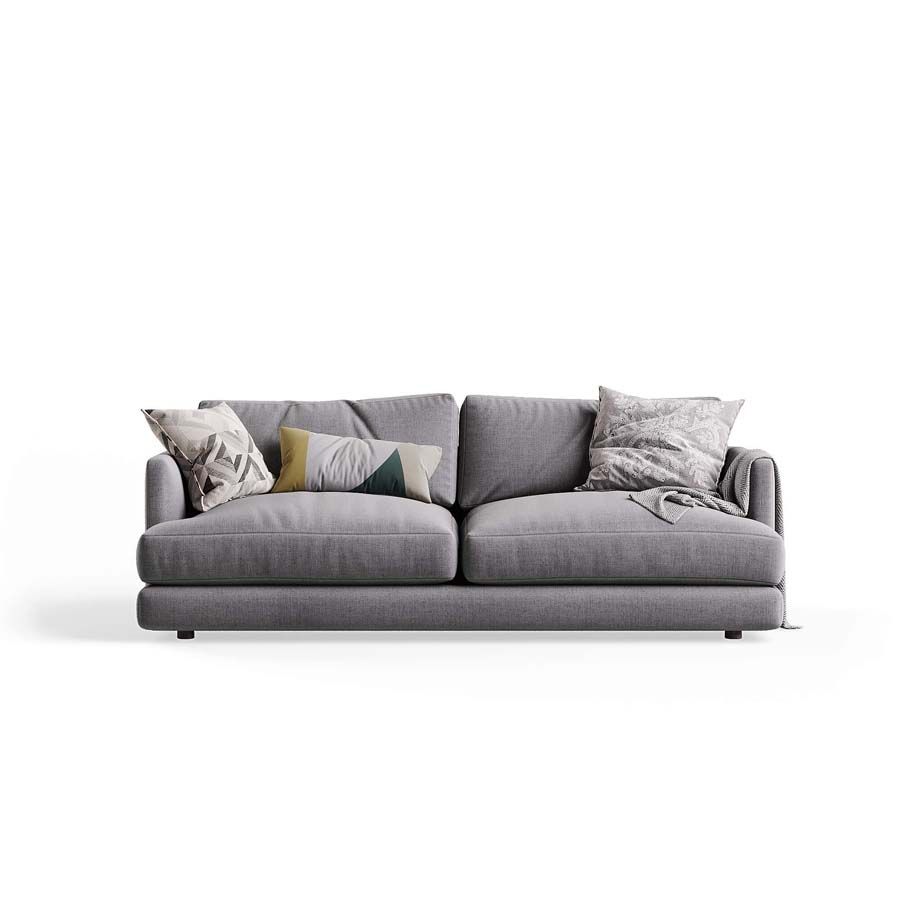 ↔ drag to rotate
Want to see what interactive 3D looks like for your products? Explore our 360 product viewer and interactive CGI services.
Explore 360 product spinsInteractive 3D, whether it’s AR, VR or a configurator, gives shoppers an experience they remember. Try a few of these in your marketing and see what happens.
Need photorealistic product CGI for interactive 3D marketing materials or 3D models for your furniture? Explore our 360 product viewer and interactive 3D services to get any type of visuals for immersive product presentations.